Enhancing Counting Skills Reading Worksheets for Ages 3-7
3 filtered results
-
From - To
Explore our engaging collection of reading worksheets designed to enhance counting skills for children aged 3-7! These worksheets combine fun and education, helping young learners develop number recognition, counting abilities, and early reading skills. With a variety of activities, including counting pictures, matching numerals, and interactive stories, children will enjoy hands-on learning experiences that make counting fun. Our worksheets are designed by educational experts to align with developmental milestones, ensuring your child gains confidence in math and reading. Perfect for both classroom use and at-home learning, these resources will spark joy and foster a love for learning in every child.
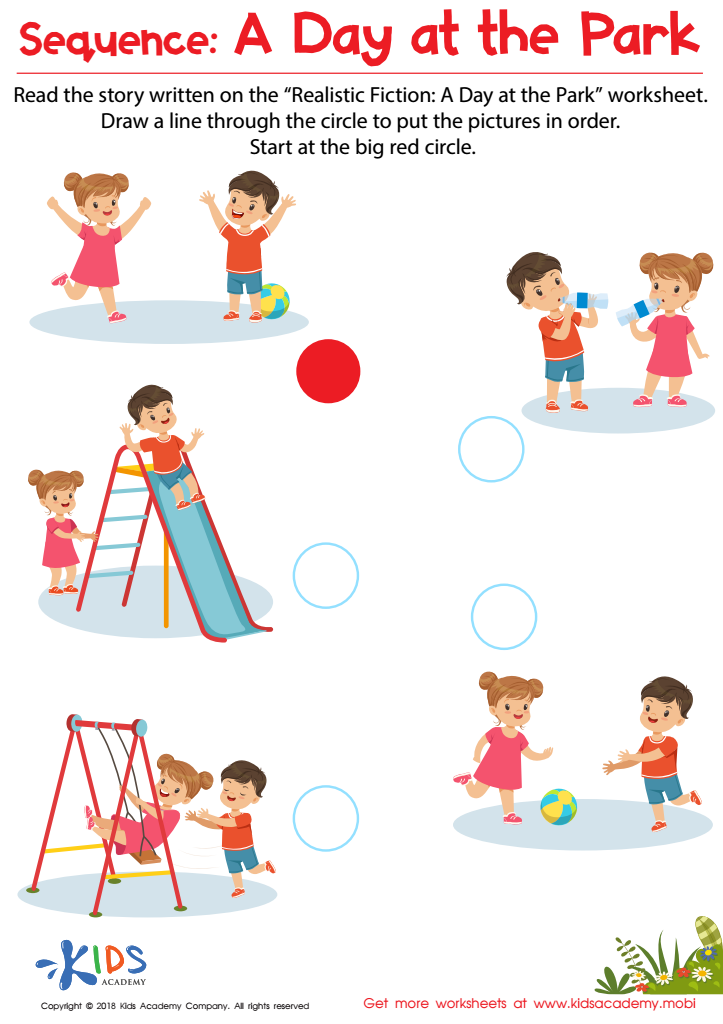
Sequence: A Day at the Park Worksheet
 Assign to My Students
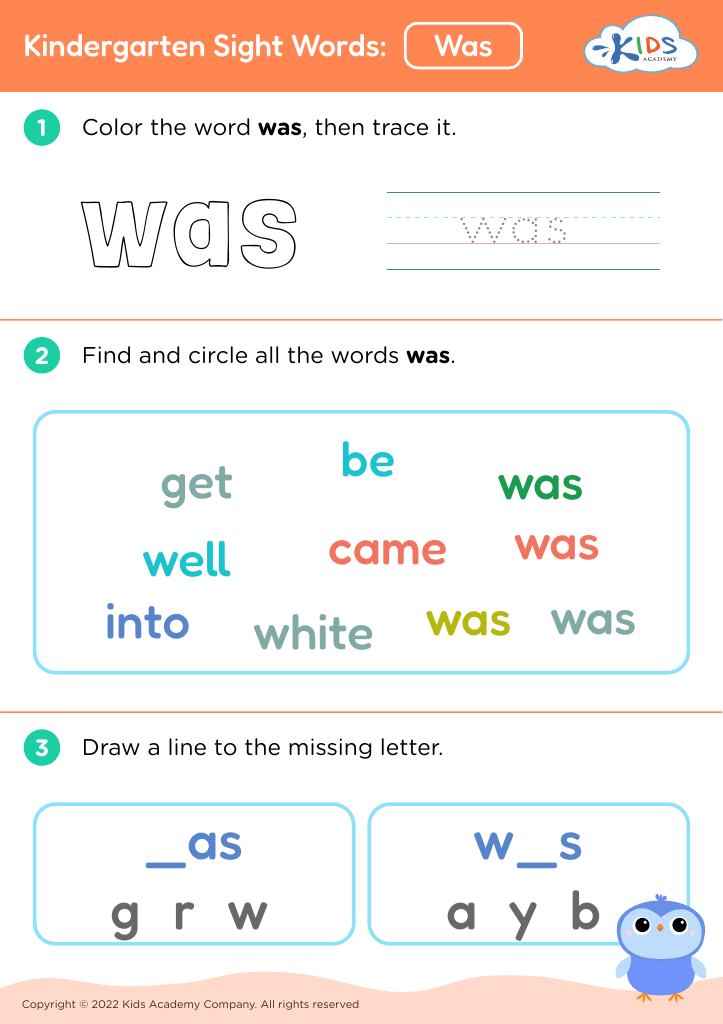
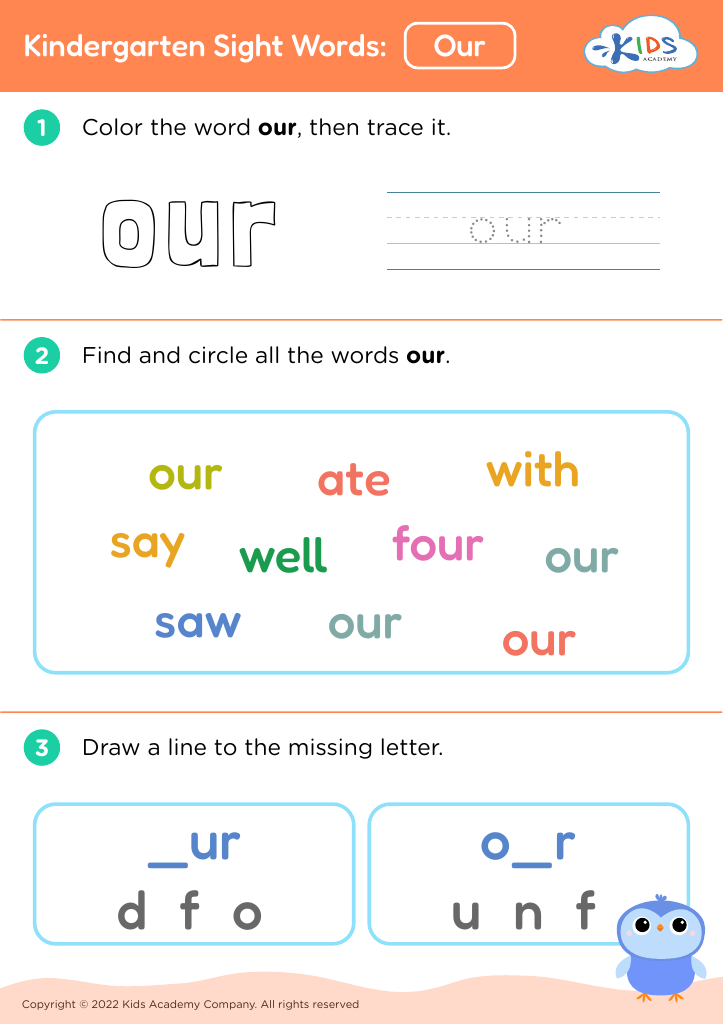






.jpg)
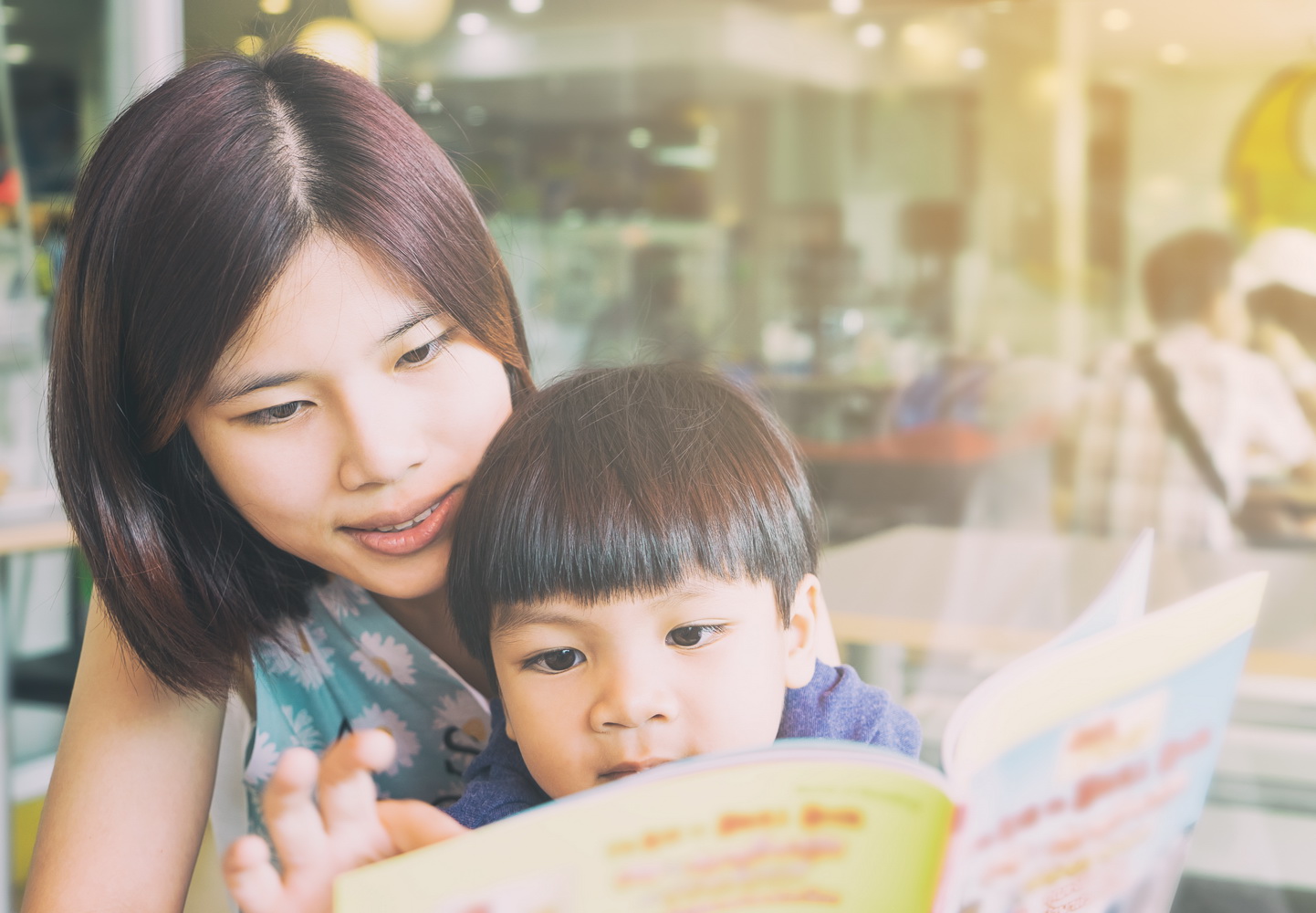
Enhancing counting skills in early readers aged 3 to 7 lays a critical foundation for future academic success and cognitive development. During this formative period, children are immensely receptive to learning, and building strong numeracy skills directly supports their overall educational journey. Counting transcends mere number recognition; it fosters problem-solving skills, logical reasoning, and fosters a sense of number sense that is integral in everyday life.
Parents and teachers play a pivotal role in cultivating these essential skills. By integrating engaging activities that incorporate counting, such as counting objects during playtime or singing number songs, adults can make learning fun and interactive, which keeps children motivated and involved. Furthermore, these counting exercises help develop fine motor skills and enhance memory, preparing children for more complex mathematical concepts in the future.
As society increasingly demands strong math skills for success in various fields, early exposure to counting can pave the way for confidence in mathematics and analytical thinking. This early investment in numeracy not only enriches a child’s learning experience but also equips them with the necessary tools to navigate their educational environment—and life—effectively. Thus, fostering counting skills in young learners is essential for their social, emotional, and intellectual growth.








