Vocabulary development Reading Worksheets for Ages 3-7
18 filtered results
-
From - To
Unlock the power of language with our engaging Vocabulary Development Reading Worksheets designed for children ages 3-7. Our comprehensive collection provides fun, interactive activities that help young learners expand their vocabulary and build strong foundational reading skills. With colorful illustrations and age-appropriate content, these worksheets encourage early literacy through matching words, identifying pictures, and engaging in word games. Perfect for parents and educators, our materials promote learning in an enjoyable way, fostering a love for reading. Help your child thrive in their language journey by exploring our Vocabulary Development worksheets today! Suitable for home learning or classroom use.
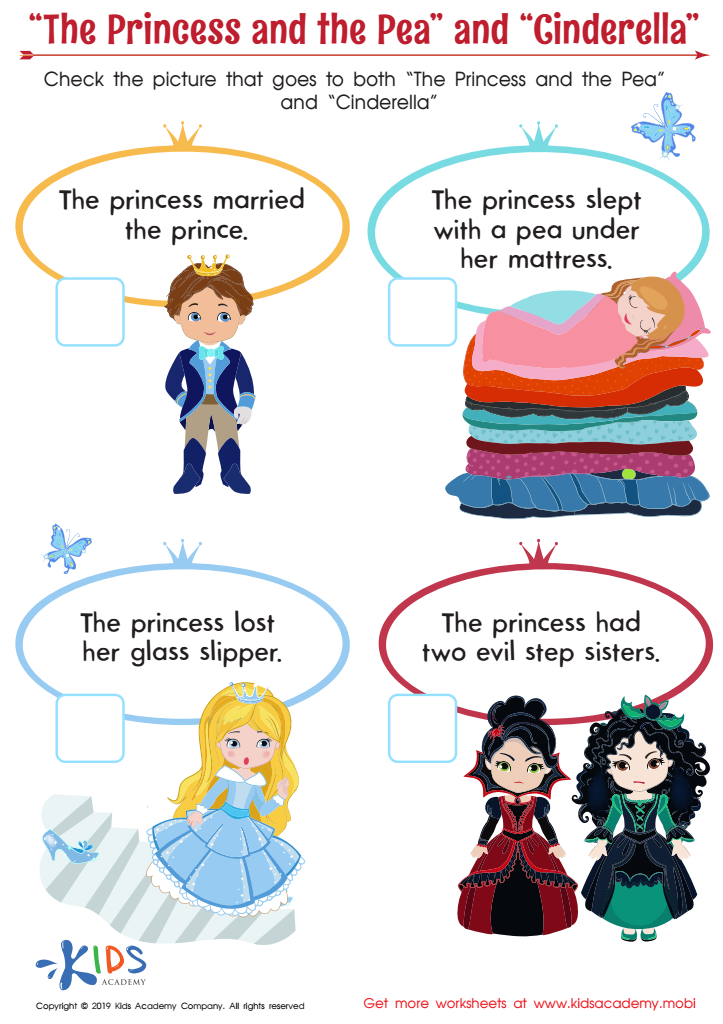
“The Princess and the Pea” and “Cinderella” Worksheet
 Assign to My Students
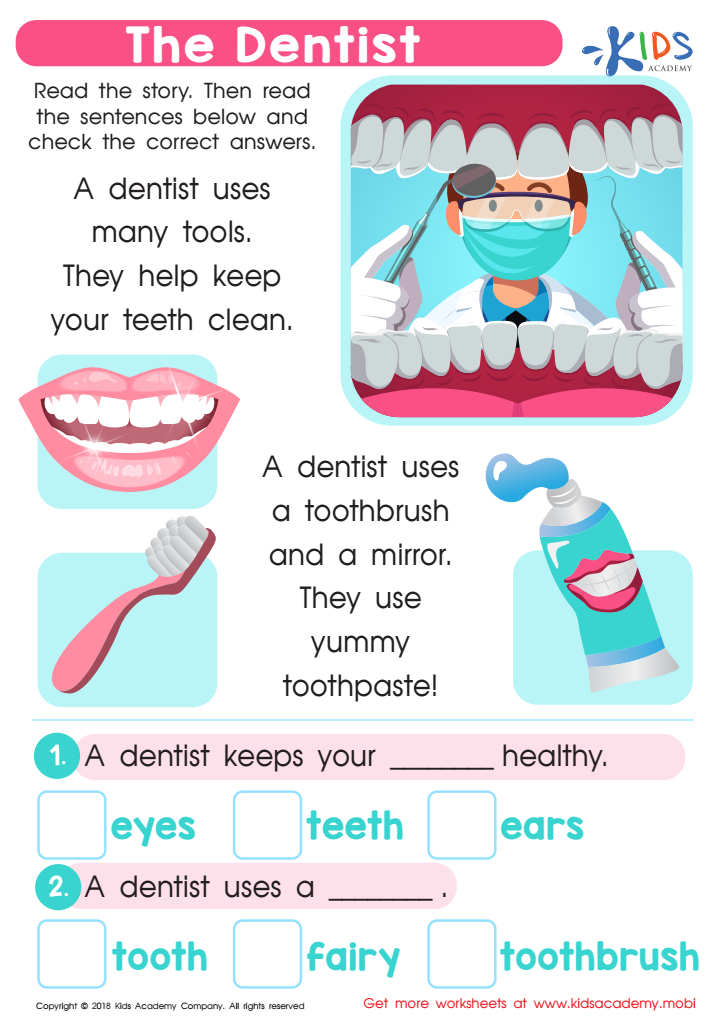
The Dentist Worksheet
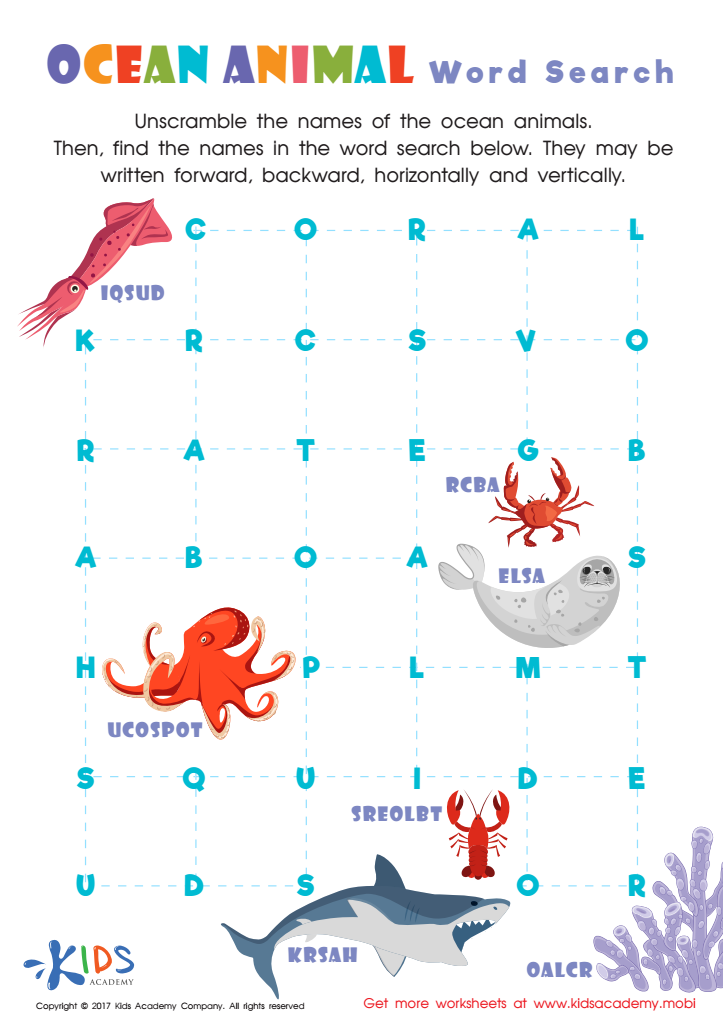
Ocean Animals Word Search Printable
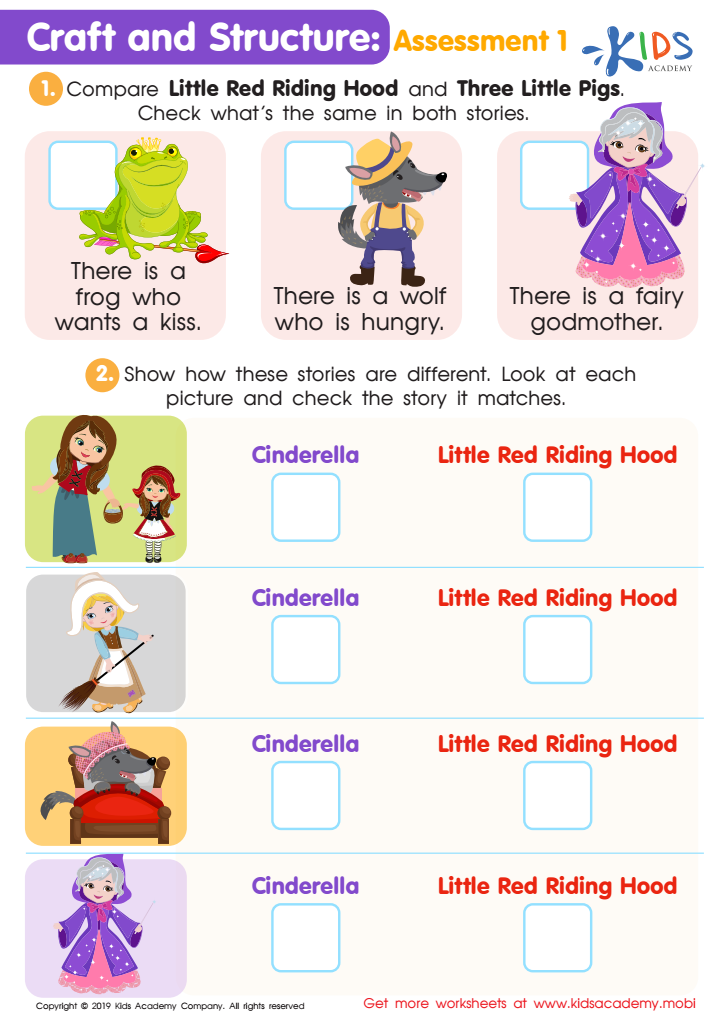
Craft and Structure: Assessment 1 Worksheet
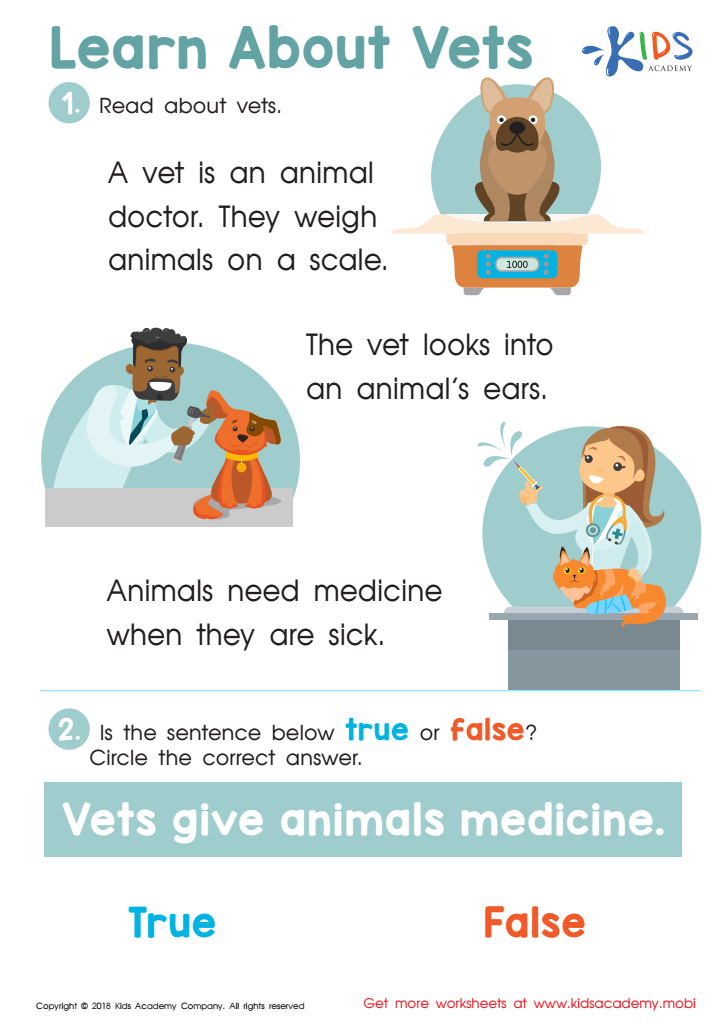
Learn About Vets Worksheet
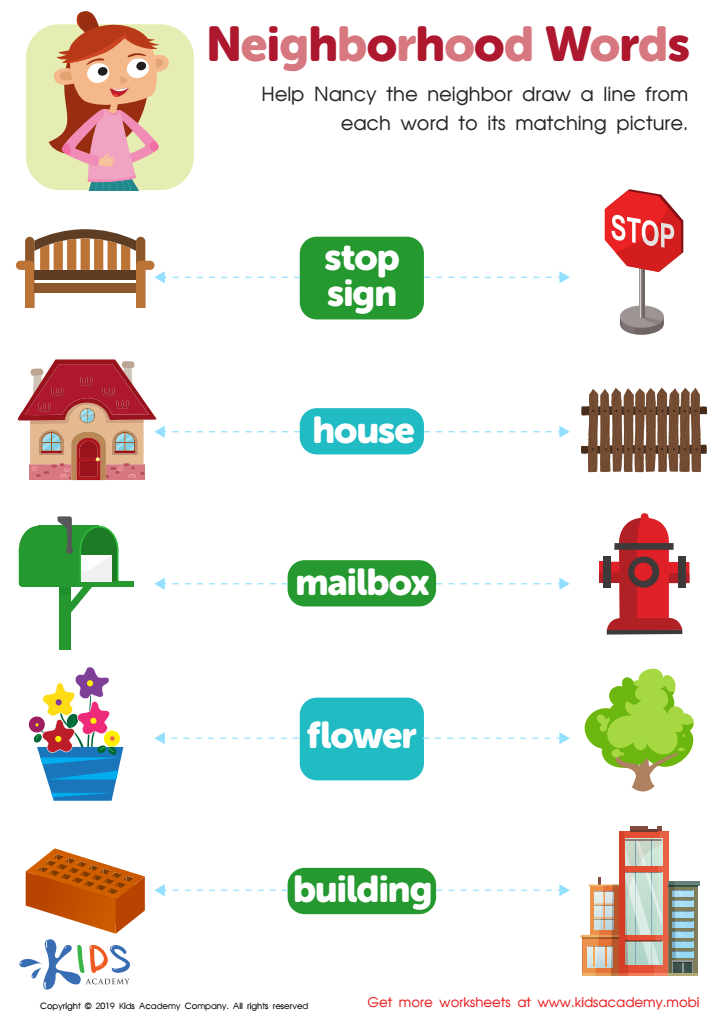
Neighborhood Words Worksheet
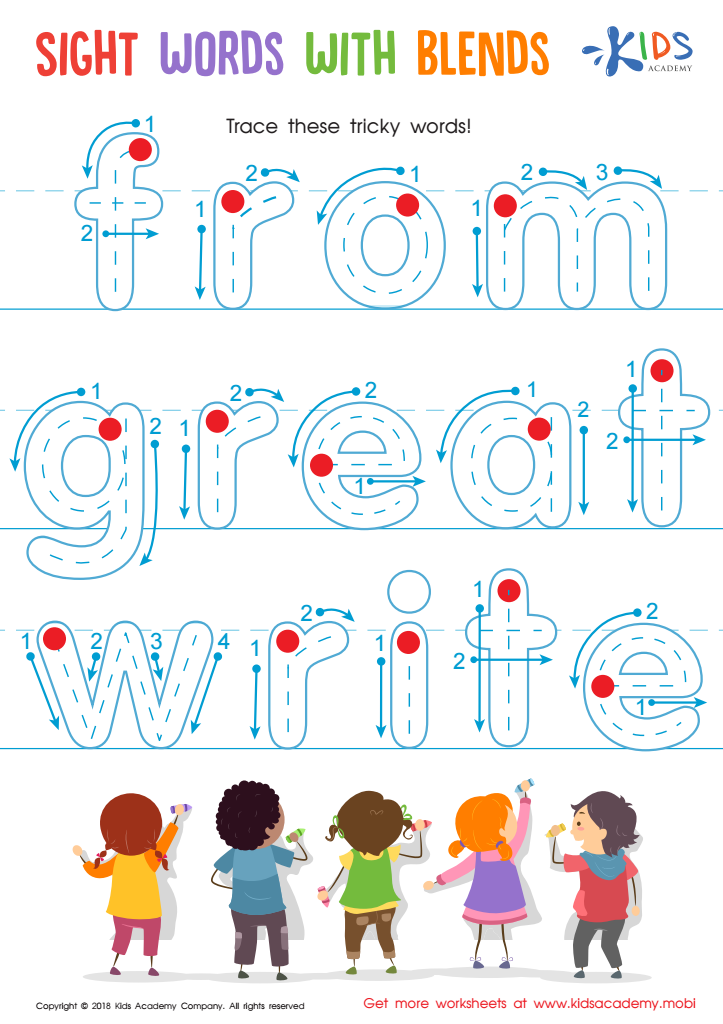
Sight Words with Blends Worksheet
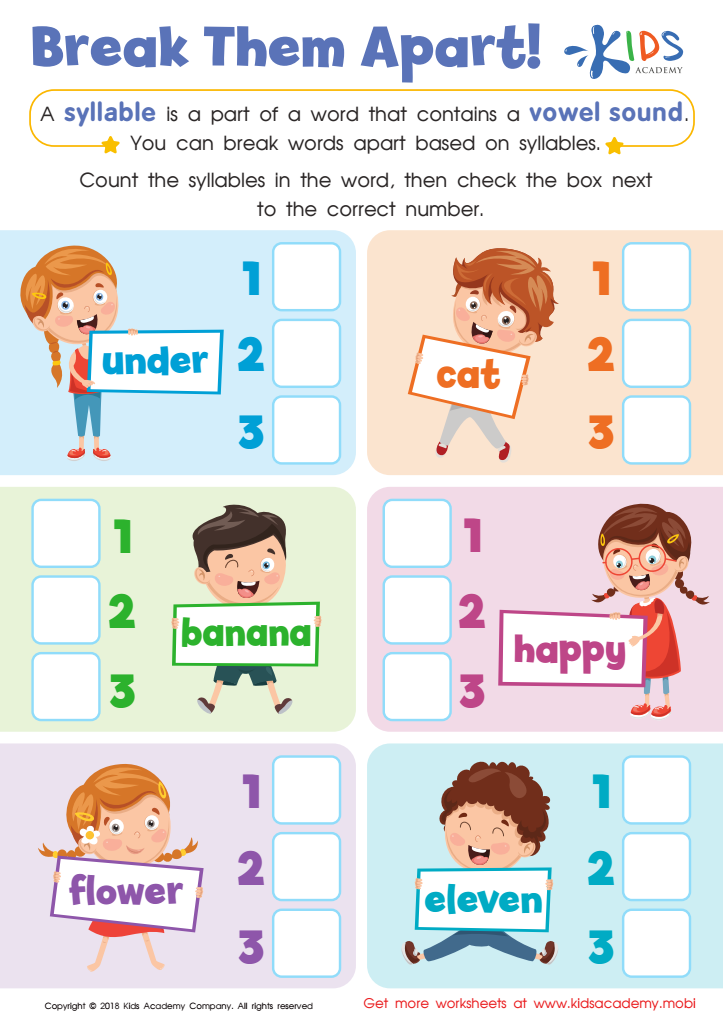
Reading: Break Them Apart Worksheet
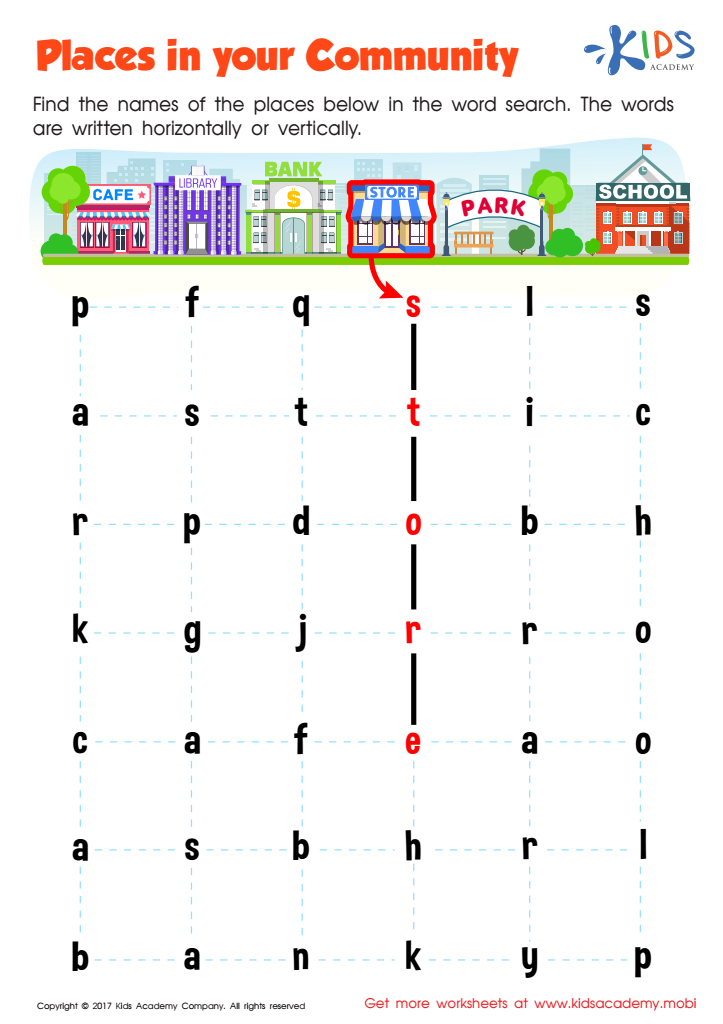
Places in Your Community Worksheet
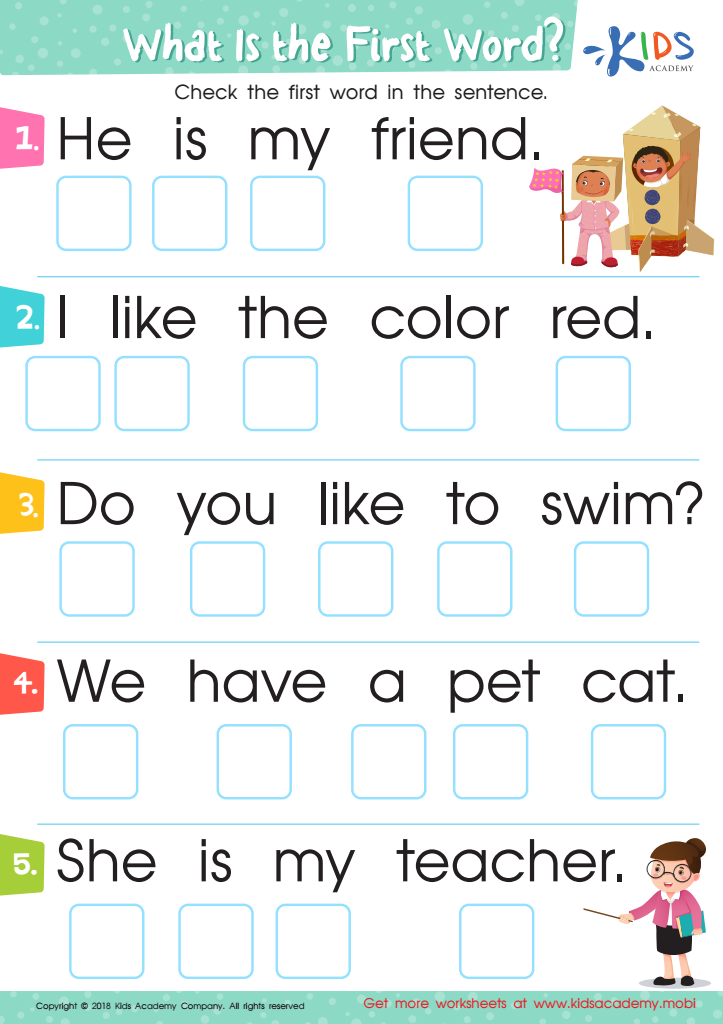
What is the First Word? Worksheet
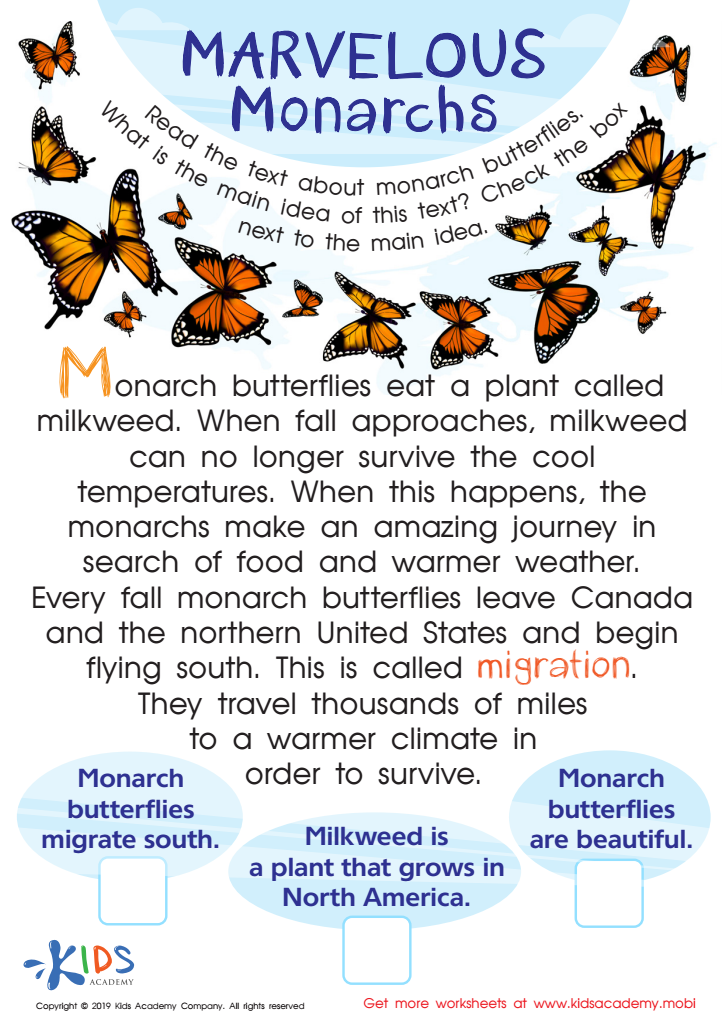
Marvelous Monarchs Worksheet
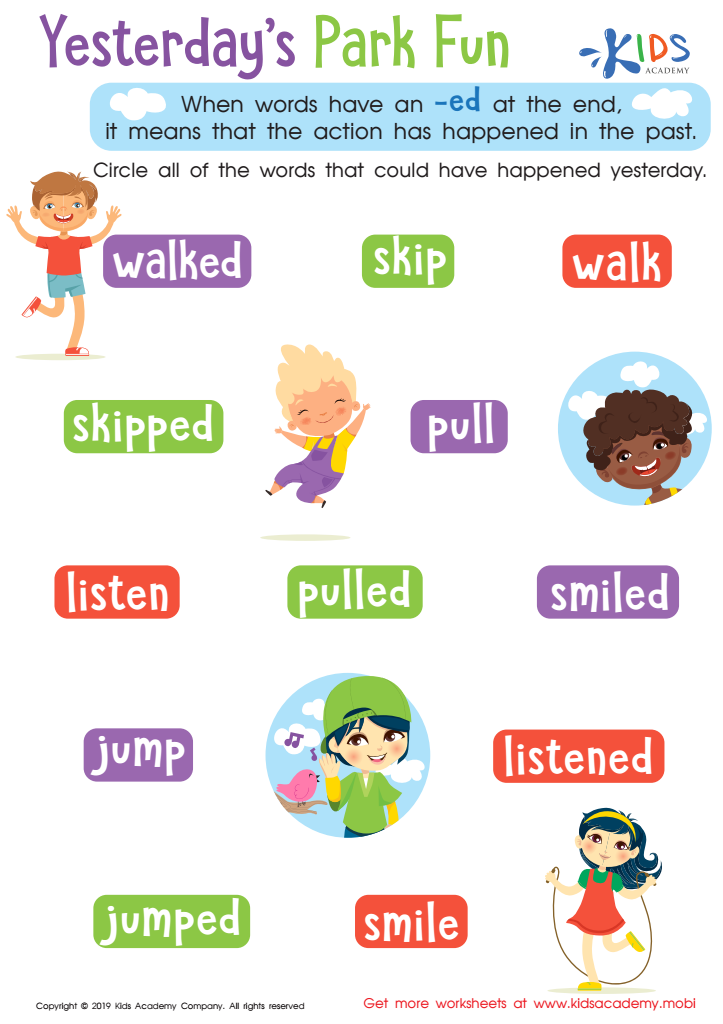
Yesterday's Park Fun Worksheet
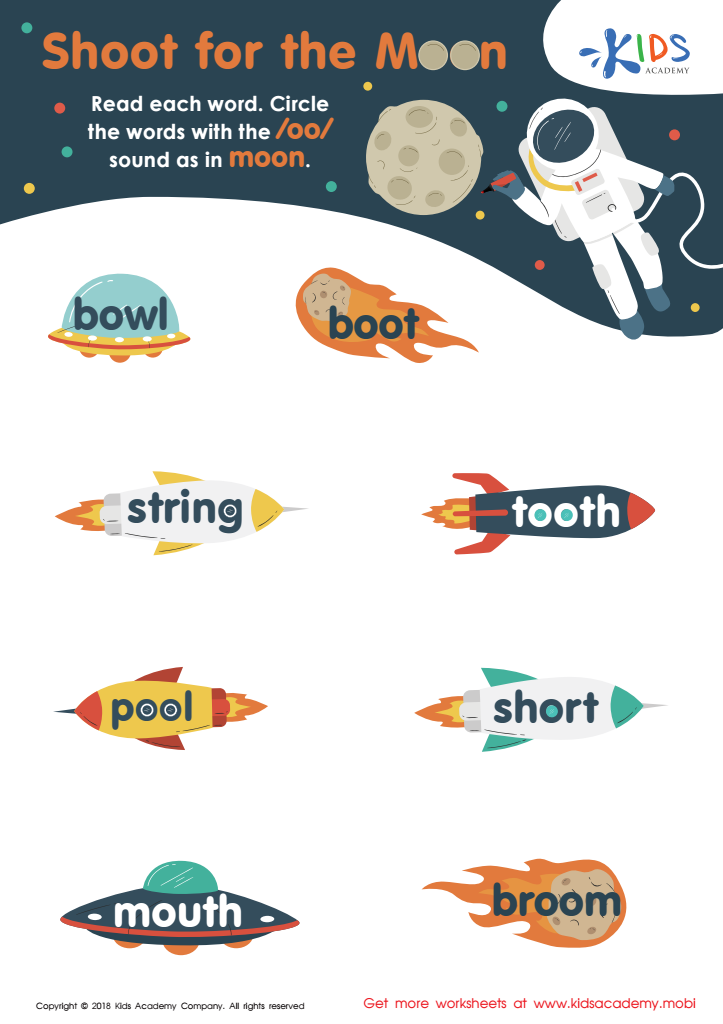
Reading: Shoot for the Moon Worksheet
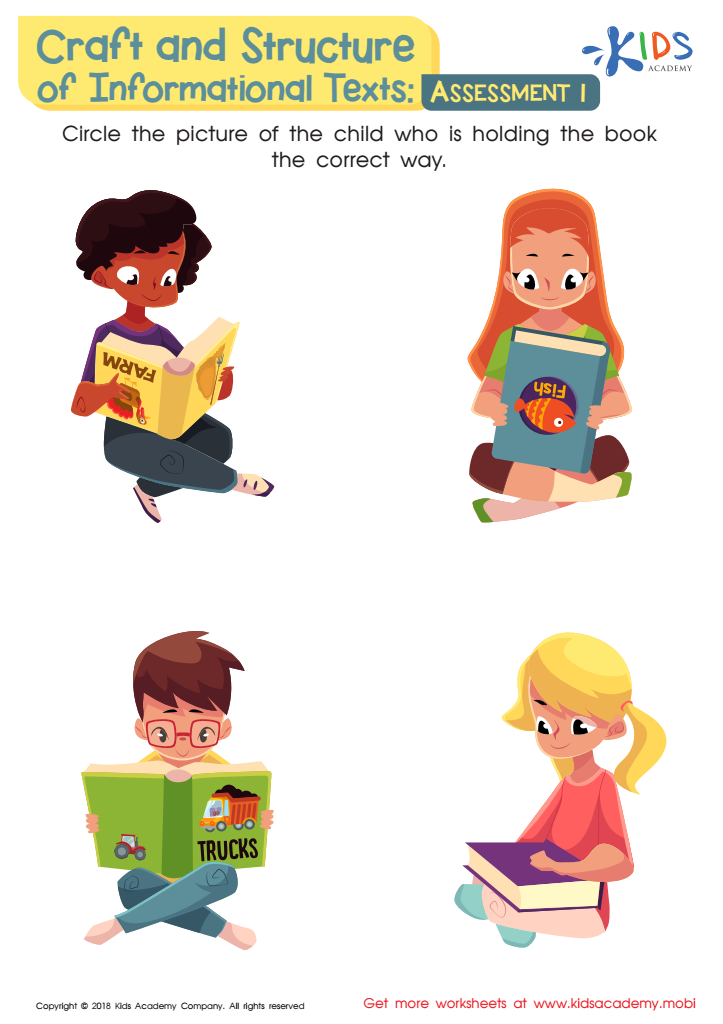
Craft and Structure of Informational Texts: Assessment 1 Worksheet
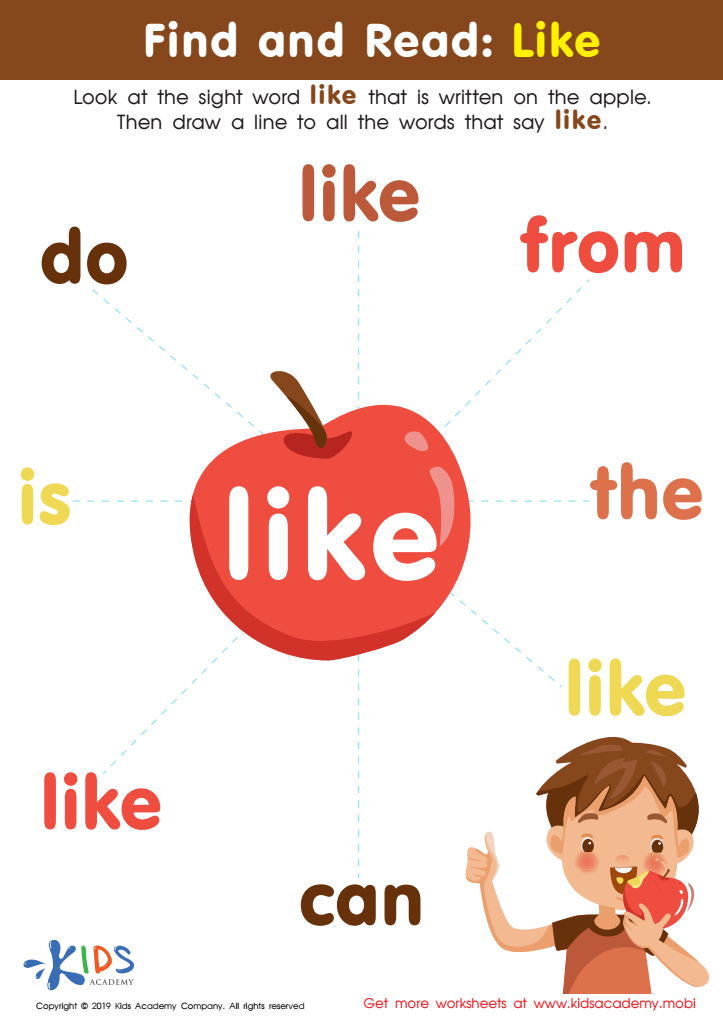
Find and Read: Like Worksheet
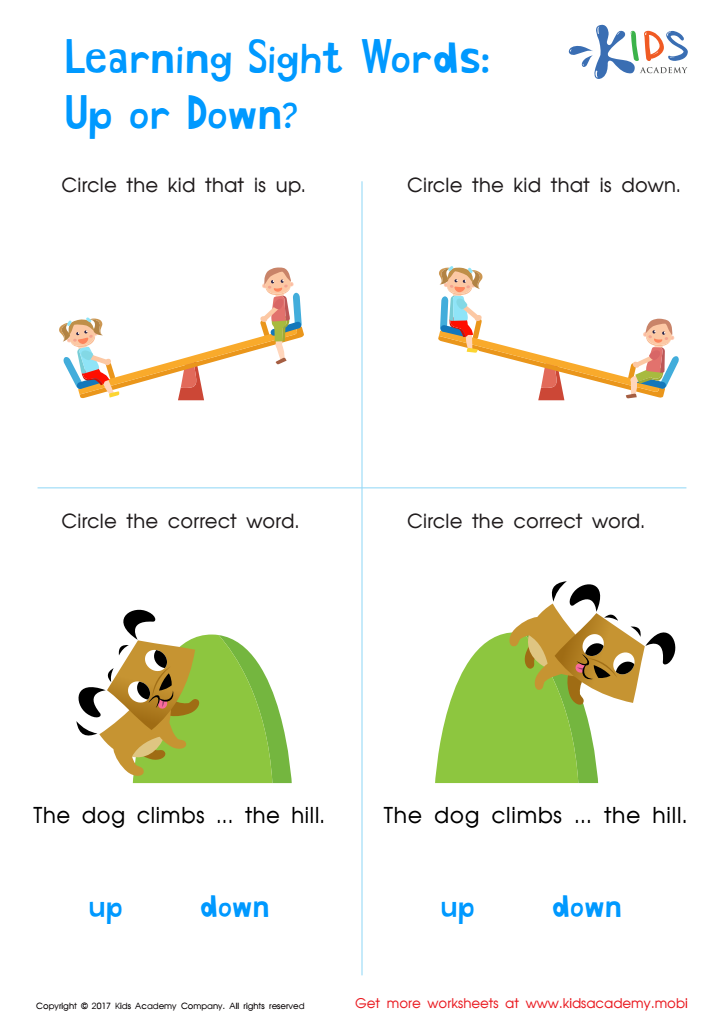
Up or Down Printable Sight Words Worksheet
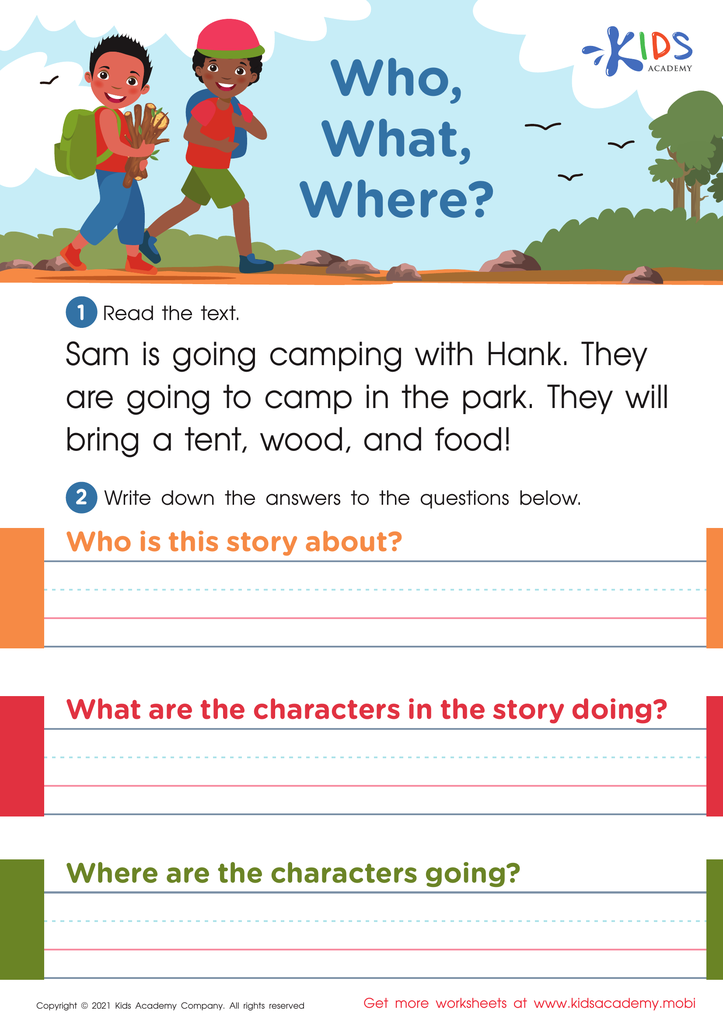
Who, What, Where? Worksheet
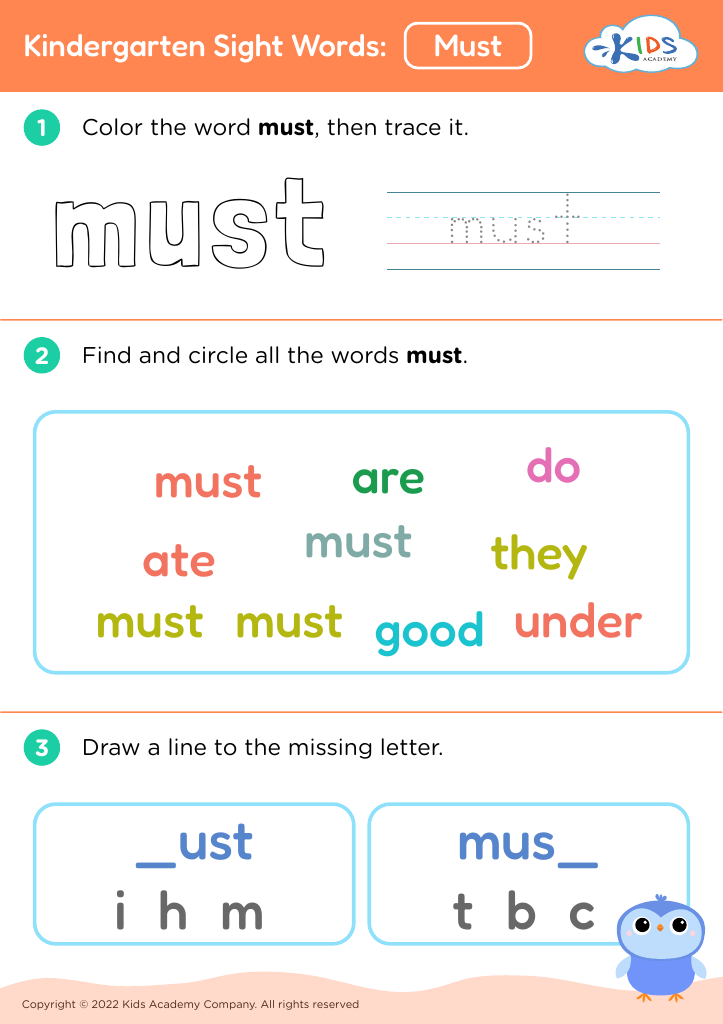








Vocabulary development is crucial for children aged 3-7 as it lays the foundation for effective communication, reading comprehension, and overall academic success. During these early years, young minds are exceptionally receptive to language learning, making it the ideal time for parents and teachers to actively enhance a child's vocabulary.
A rich vocabulary enables children to express themselves more clearly and confidently, reducing frustration and increasing engagement with peers and adults. Furthermore, strong vocabulary skills are directly linked to reading proficiency. Children who regularly encounter and learn new words in context are better prepared to decode and comprehend complex texts in later grades. This, in turn, fosters a lifelong love for reading and learning.
Moreover, vocabulary development is instrumental in cognitive growth. Children learn to categorize, compare, and understand abstract concepts through words, which encourages critical thinking and problem-solving skills. For teachers, promoting vocabulary development through interactive reading sessions, games, and conversations can create a stimulating classroom environment.
Engaging and enriching vocabulary activities not only support a child's language acquisition but also strengthen their overall learning and emotional growth, making it imperative for parents and educators to prioritize this fundamental aspect of early childhood education.








