Color recognition Reading Fiction Worksheets for Ages 3-7
6 filtered results
-
From - To
Discover our engaging Color Recognition Reading Fiction Worksheets for ages 3-7, designed to help young learners develop essential reading skills while exploring a vibrant world of colors. These worksheets combine fun, fiction-based stories with interactive color recognition activities, making learning both enjoyable and effective. Kids can enhance their vocabulary, comprehension, and critical thinking by identifying and relating colors to captivating narratives. With a variety of exercises, our resources cater to different learning styles, ensuring each child has the opportunity to succeed. Unlock your child's potential and foster a love for reading with our dynamic worksheets today! Perfect for home or classroom use!
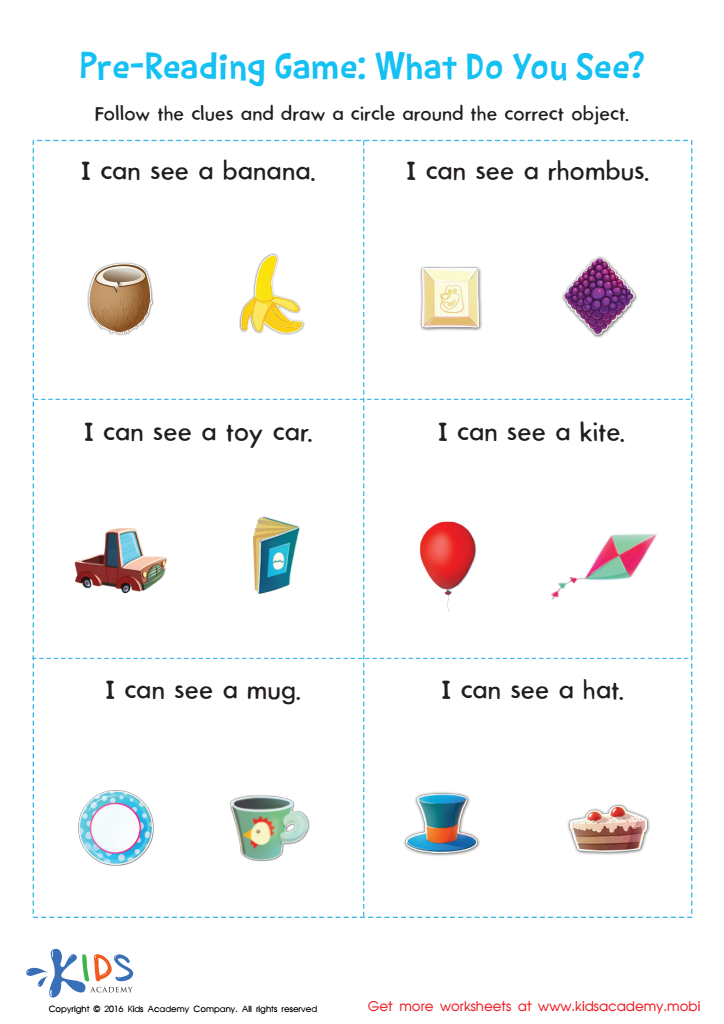
Pre–reading Worksheet: What Do You See?
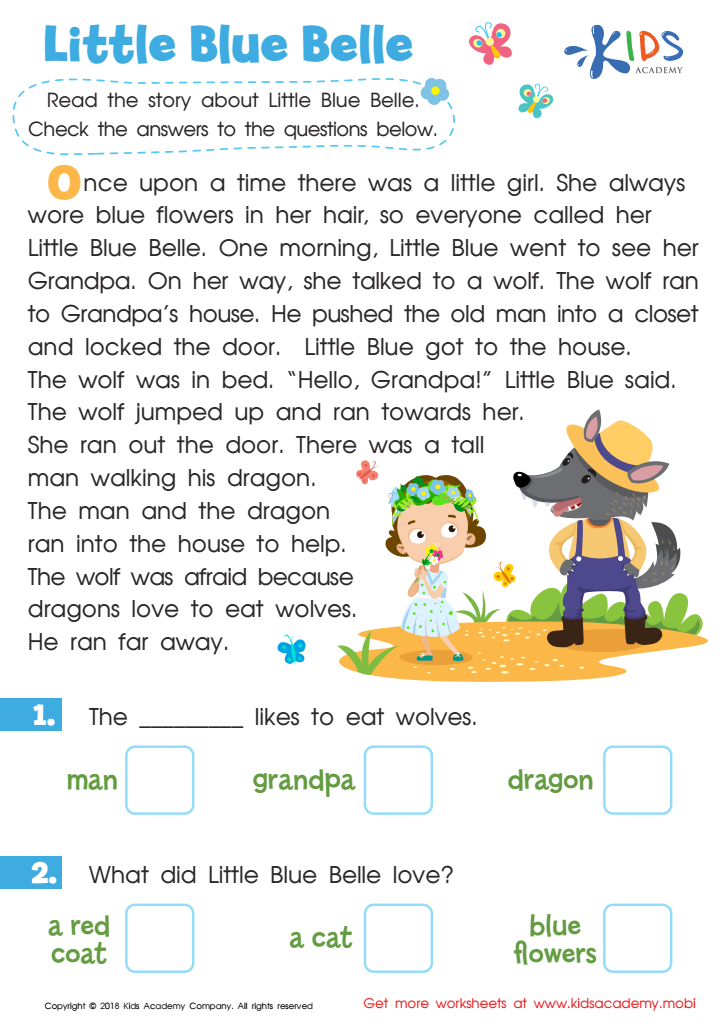
Little Blue Belle Worksheet
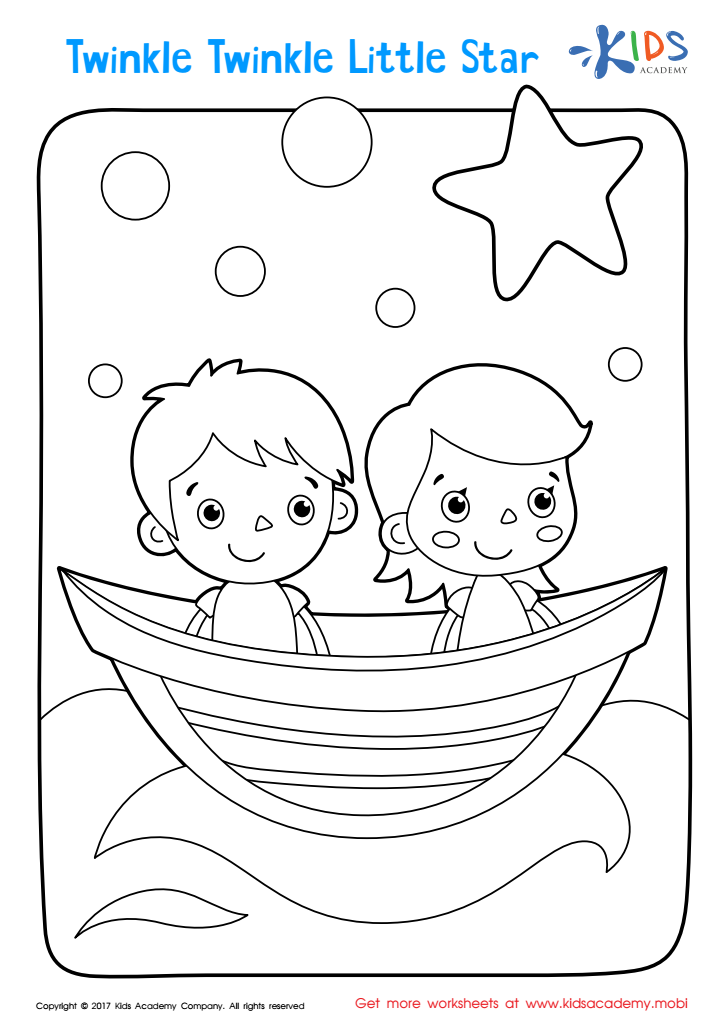
Twinkle Twinkle Little Star Coloring Page
 Assign to My Students
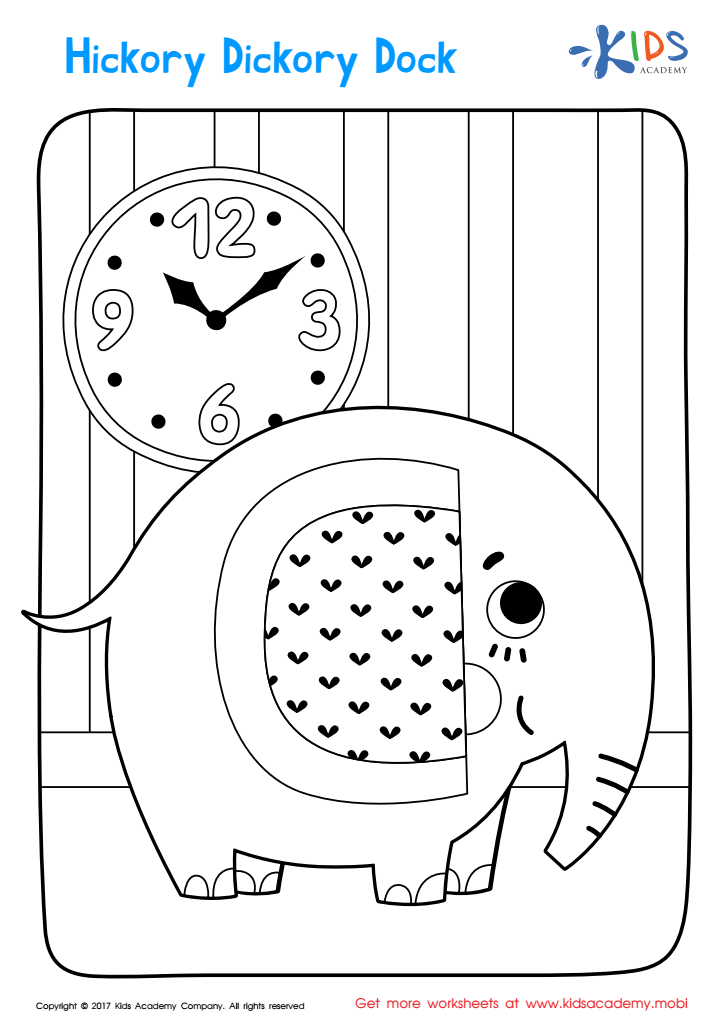
Hickory Dickory Dock Coloring Page
Assign to My Students
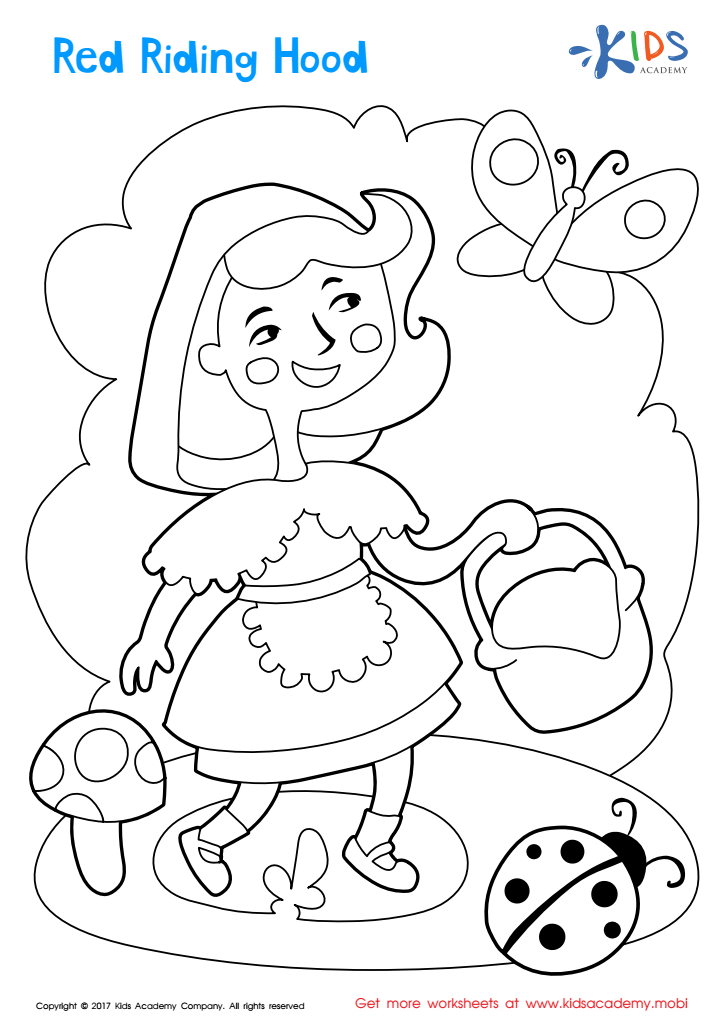
Red Riding Hood Coloring Page
Assign to My Students
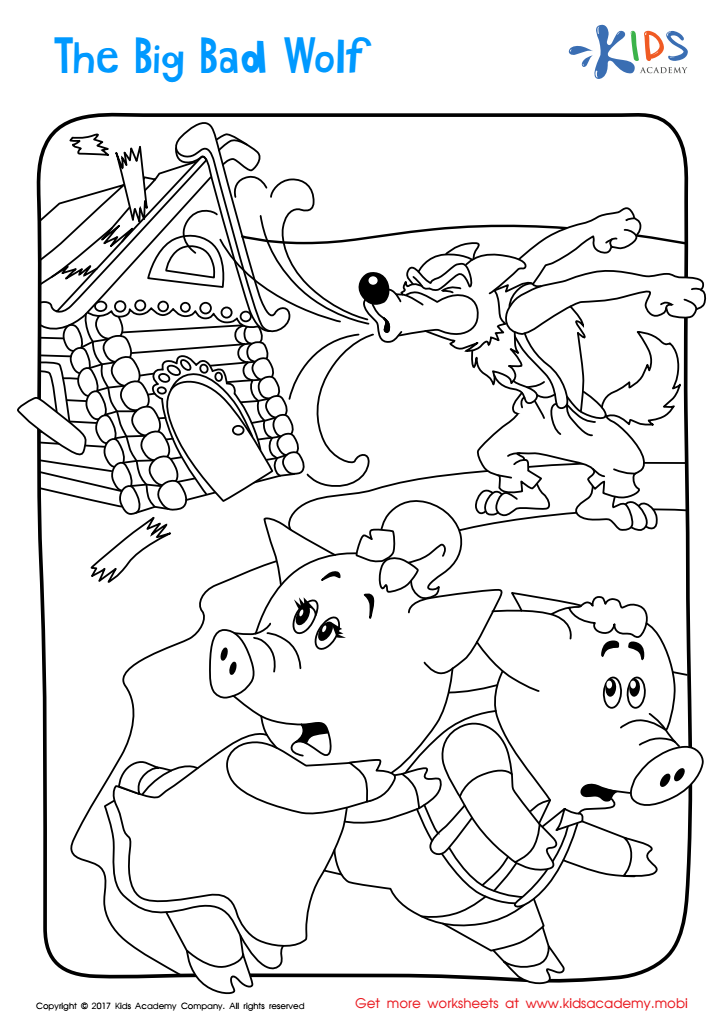
Big Bad Wolf Printable Coloring Page
Assign to My Students



.jpg)




Parents and teachers should prioritize color recognition in reading fiction for children ages 3-7 for several compelling reasons. First, color recognition is a foundational skill that enhances language development. By learning colors, children expand their vocabulary and improve their ability to describe the world around them. Engaging with colorful illustrations in books further links colors with meanings and emotions, making stories more relatable and stimulating.
Moreover, color recognition plays a crucial role in cognitive development. It supports categorization skills, vital for critical thinking and problem-solving. When children identify and discuss colors within stories, they enhance their comprehension skills, learning to make connections between text and visuals.
Additionally, reading fiction that focuses on colors promotes creativity and imagination. These narratives often inspire imaginative play, allowing children to express themselves through art, storytelling, or imaginative play as they recreate scenarios from the books.
Finally, early exposure to color recognition through literature fosters a love for reading and learning that lasts a lifetime. Engaging children with colorful, illustrated stories not only enriches their educational experience but also creates shared moments of joy and discovery between parents, teachers, and children, laying a foundation for future academic success.








