Sequencing Skills Reading Fiction Worksheets for Ages 3-7
5 filtered results
-
From - To
Boost your child's reading comprehension with our Sequencing Skills Reading Fiction Worksheets designed for ages 3-7. These engaging, educational worksheets help young readers understand the order of events, enhancing their ability to follow stories from beginning to end. Perfect for early learners, each activity promotes critical thinking and supports cognitive development. Colorful illustrations and simple text make learning enjoyable and effective. Our worksheets are an ideal resource for both parents and teachers looking to cultivate a love for reading while building essential sequencing skills. Explore our collection now and watch your child's reading abilities flourish!
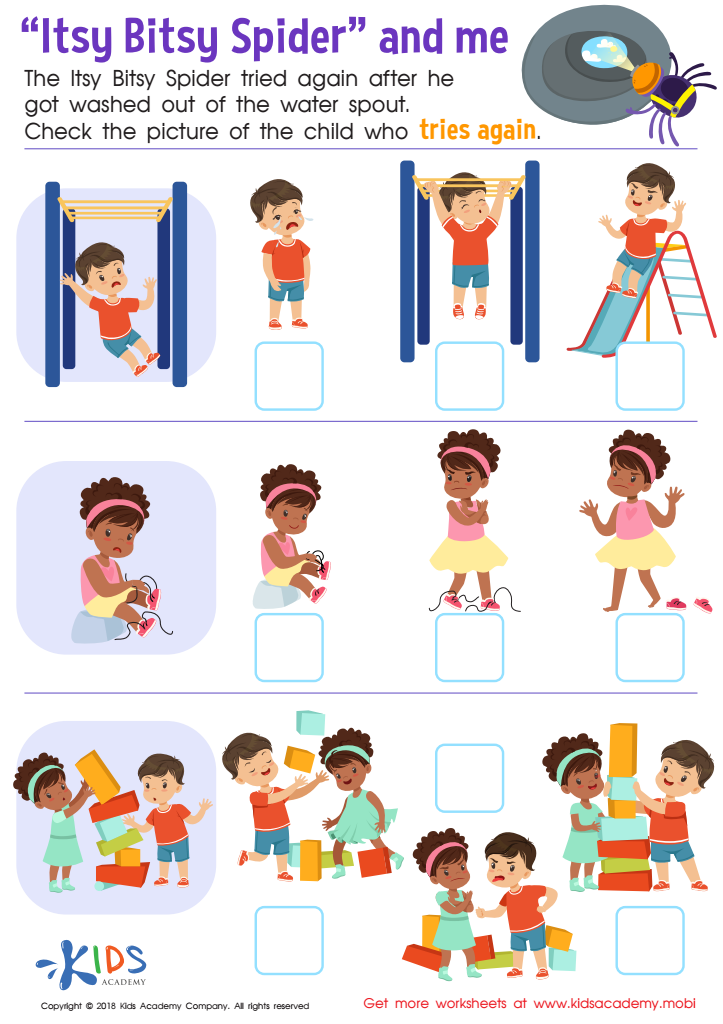
Itsy Bitsy Spider and Me Worksheet
 Assign to My Students
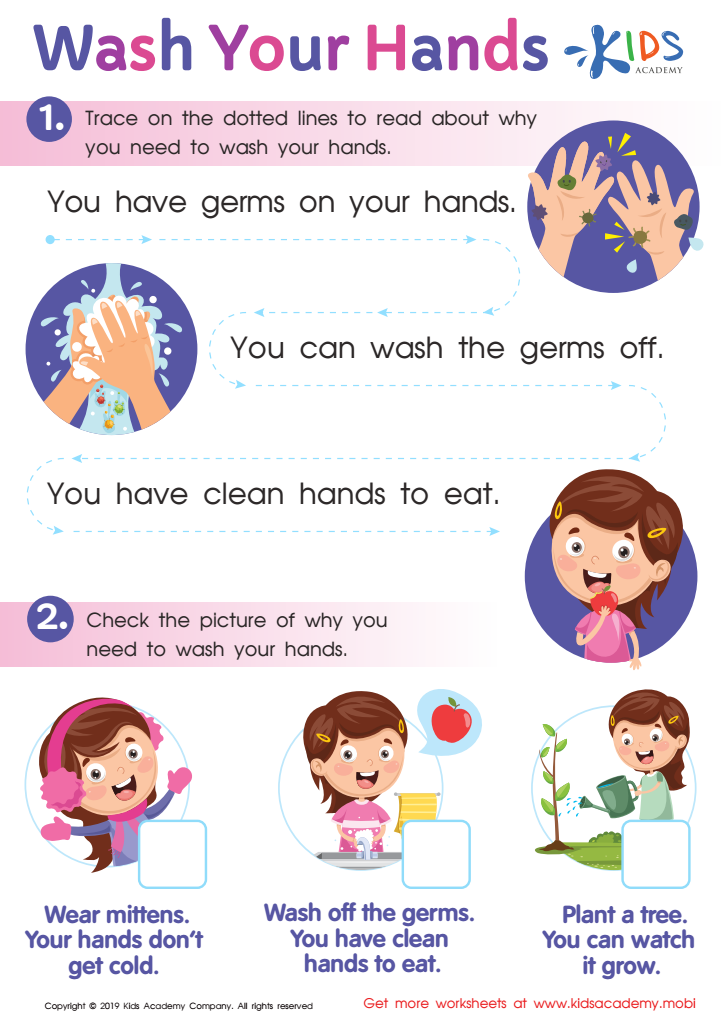
Wash Your Hands Worksheet
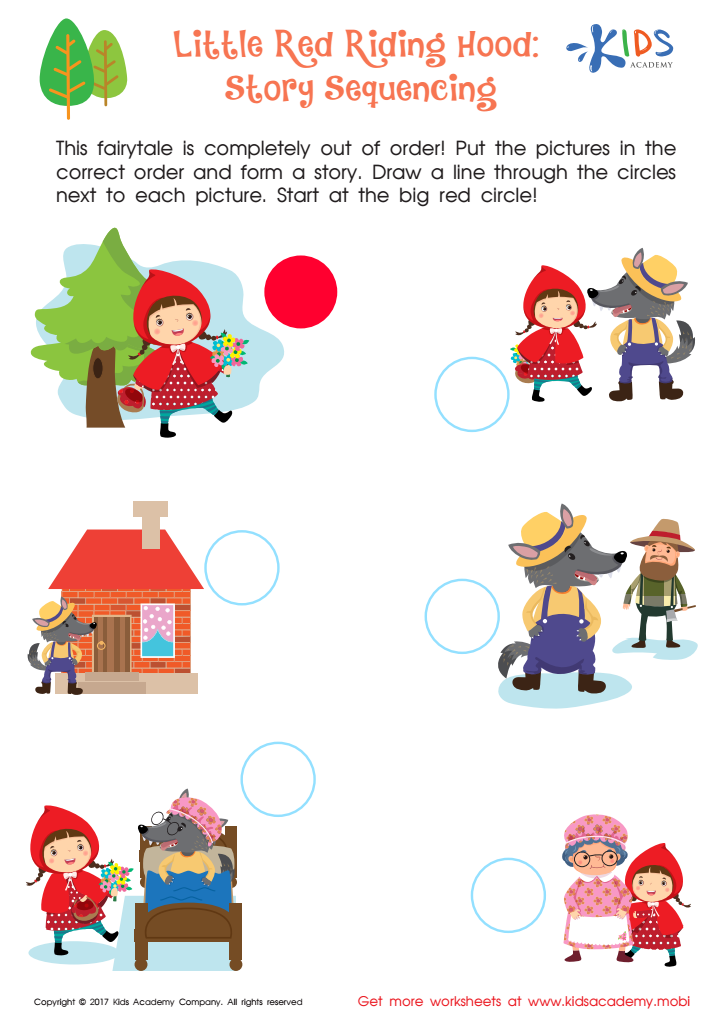
Story Sequencing Printable
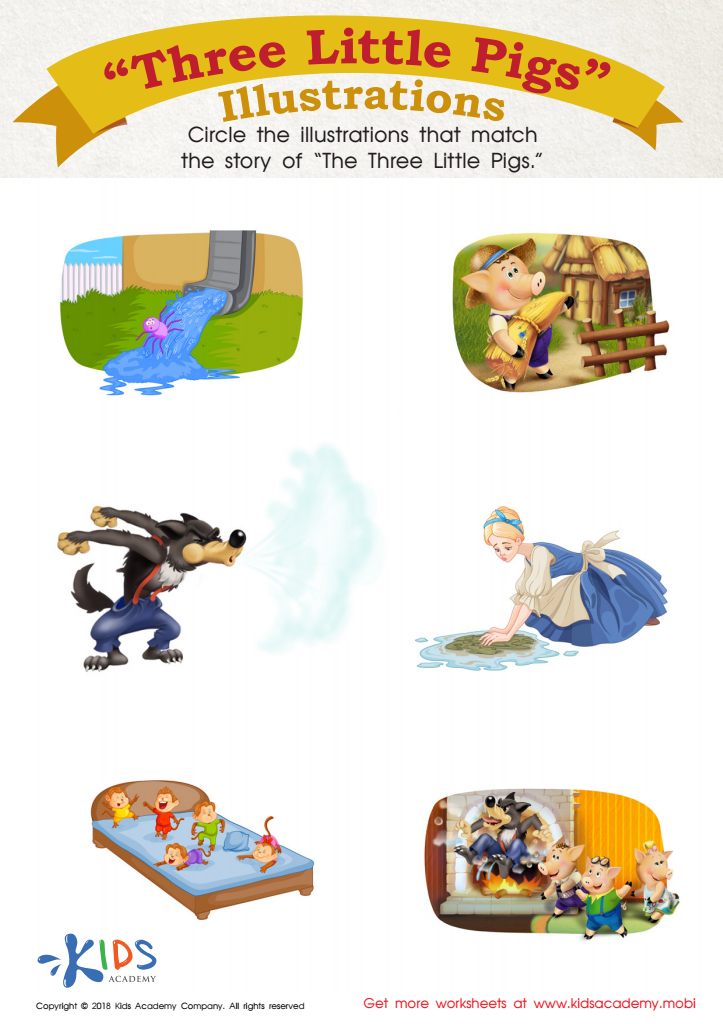
Three Little Pigs: Illustrations Worksheet
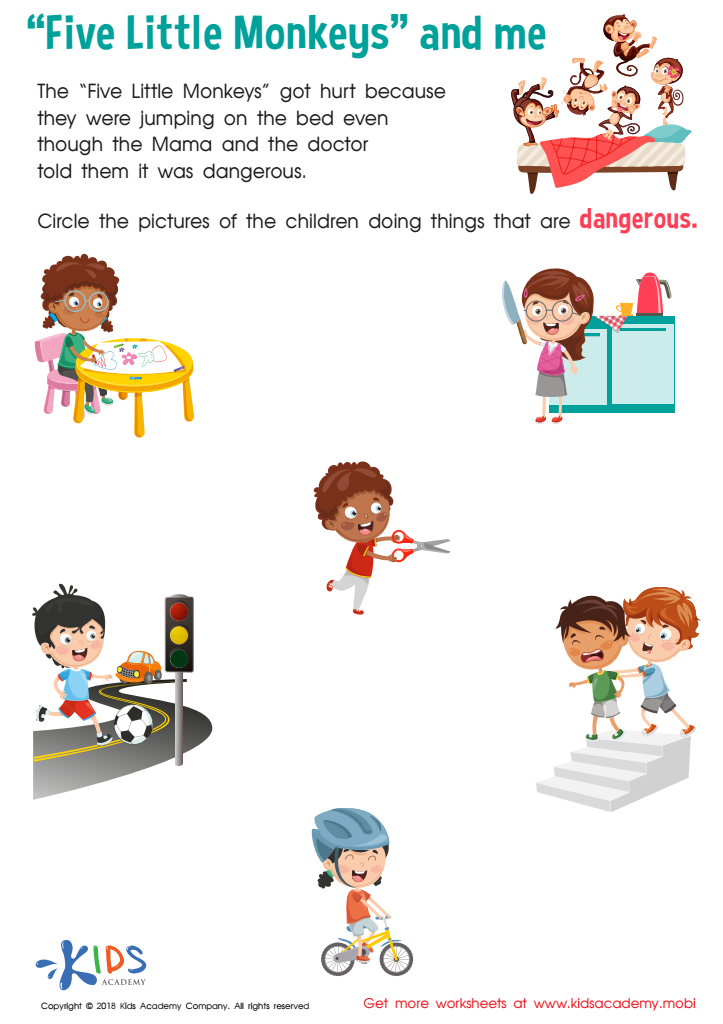
Five Little Monkeys and Me Worksheet








Sequencing skills are essential for young children's reading development and overall cognitive growth. For ages 3-7, mastering the ability to understand and follow a sequence is crucial for comprehending stories and retaining information. These skills aid children in grasping the beginning, middle, and end of a narrative, helping them to predict events, recognize cause-and-effect relationships, and build a coherent understanding of the storyline.
Engaging in sequencing activities, such as arranging pictures in the correct order or retelling a story using visual aids, strengthens memory and enhances logical thinking. These foundational skills set the stage for more advanced reading comprehension in later years. Additionally, sequencing helps children organize their thoughts, express them clearly, and enhances listening and attention span.
For parents and teachers, fostering these skills can be both fun and educational, involving interactive storytime and discussions that animate stories, broaden vocabulary, and spark imagination. It also helps in differentiated learning approaches, ensuring all children develop at their own pace, building confidence in their reading abilities.
In conclusion, investing in sequencing skills for early readers not only boosts their reading competence but cultivates critical thinking and effective communication, laying a strong foundation for future academic and life successes.








