Basic Math Skills Sight Words Worksheets for Ages 3-7
15 filtered results
-
From - To
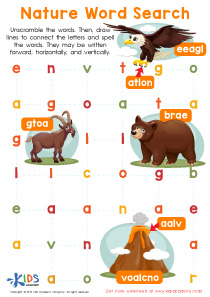
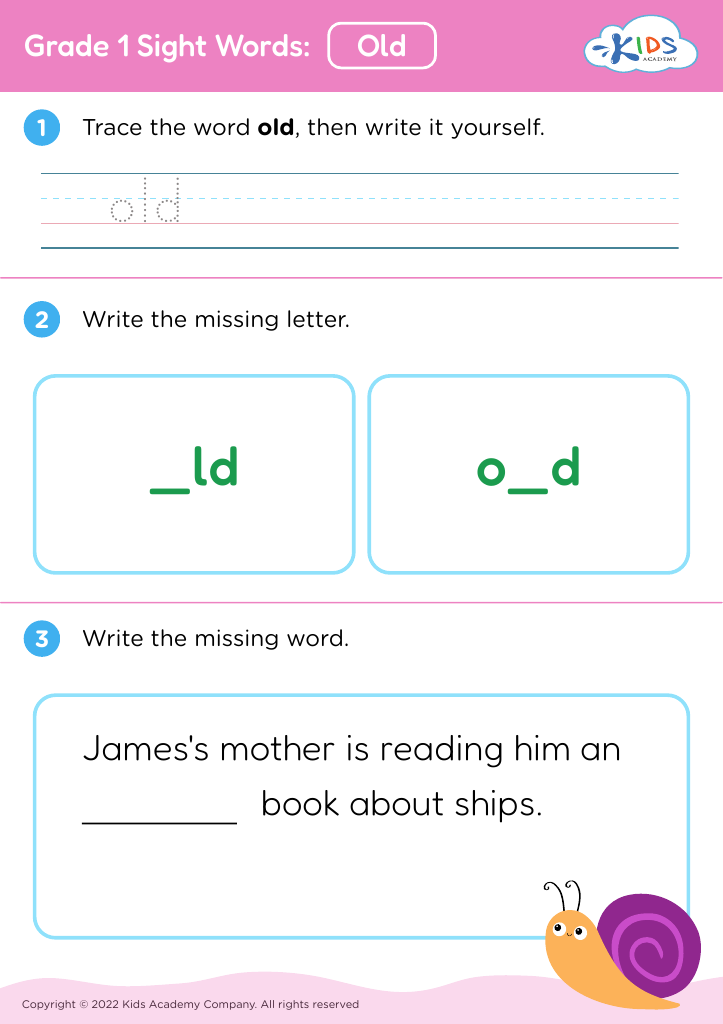
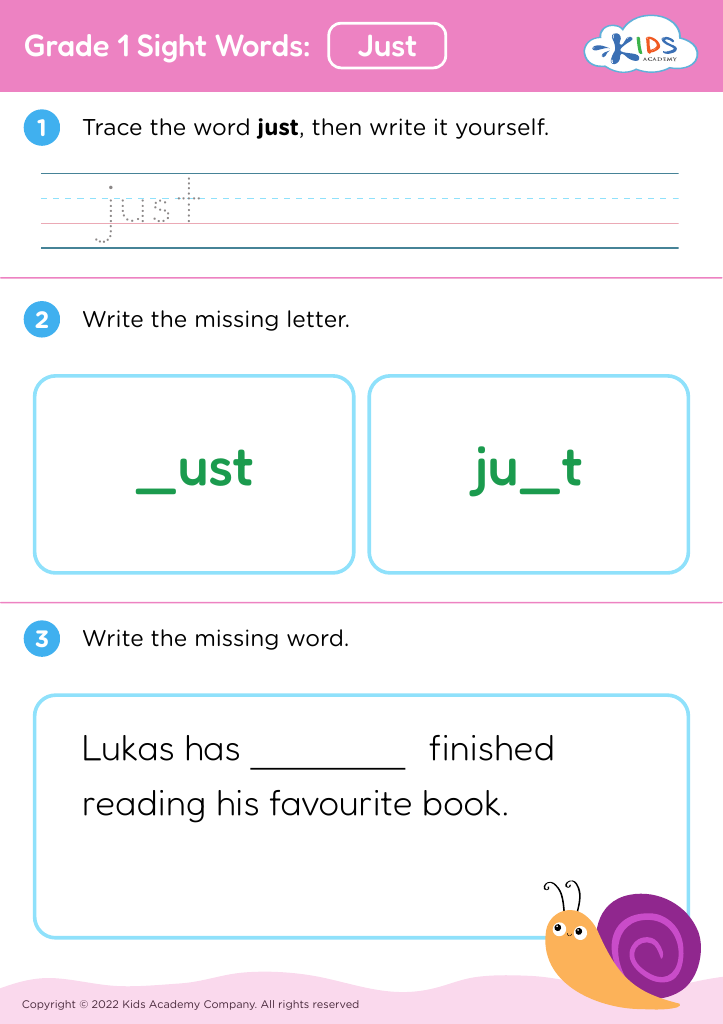
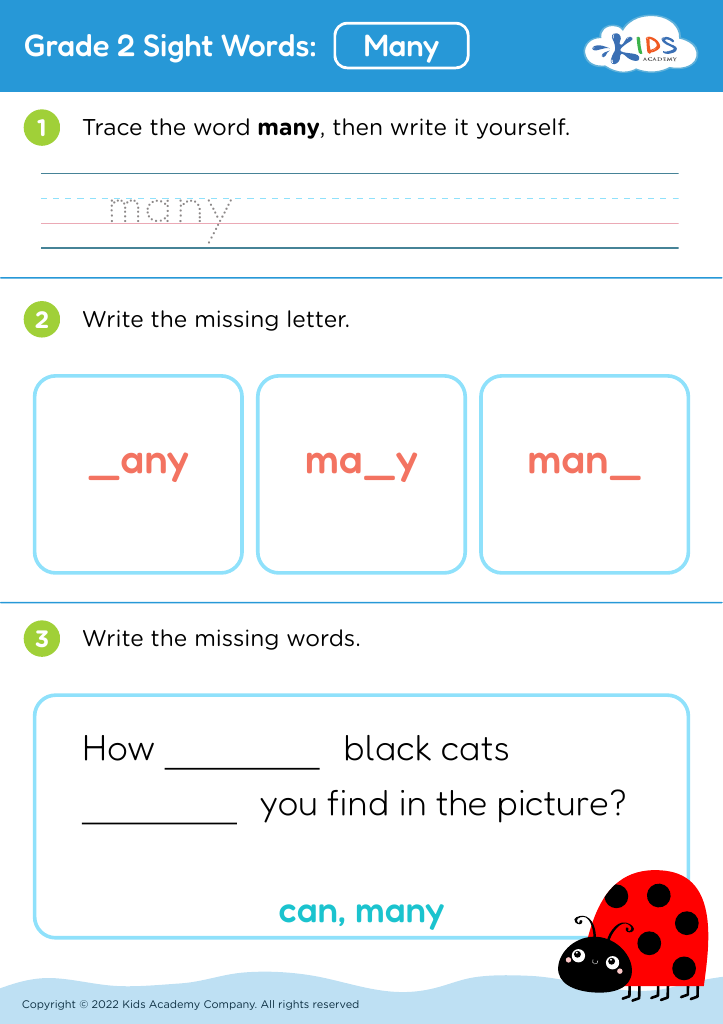
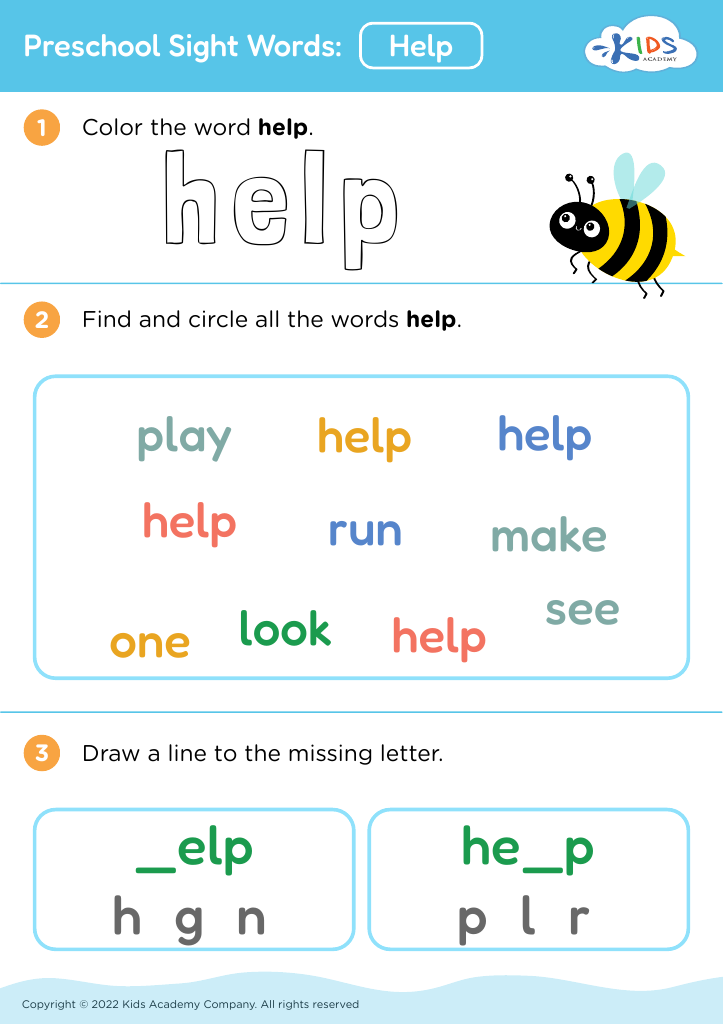
Enhance your child's early learning with our Basic Math Skills Sight Words Worksheets, designed for ages 3-7. These engaging printables combine essential sight words with foundational math concepts, creating a well-rounded educational experience. Young learners will practice reading and recognizing key sight words while simultaneously developing basic math skills, such as counting, addition, and subtraction. Perfect for preschool and early elementary grades, these worksheets make learning fun and interactive. Foster a love for math and literacy in your little ones with activities that cater to both their reading and numerical growth. Download and print today for endless learning adventures!
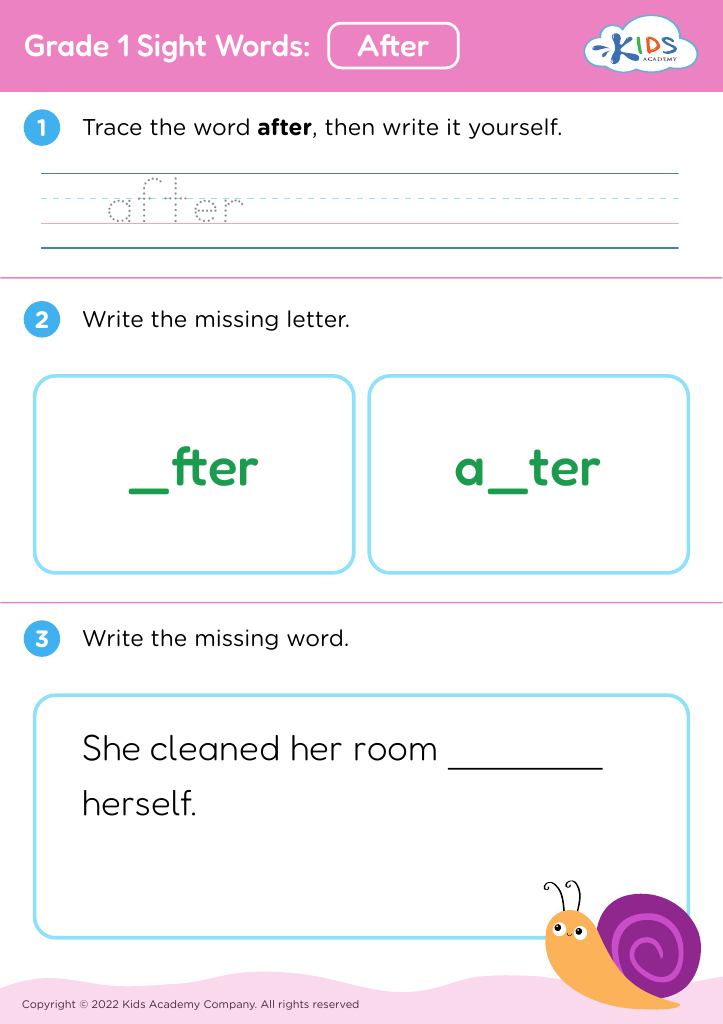



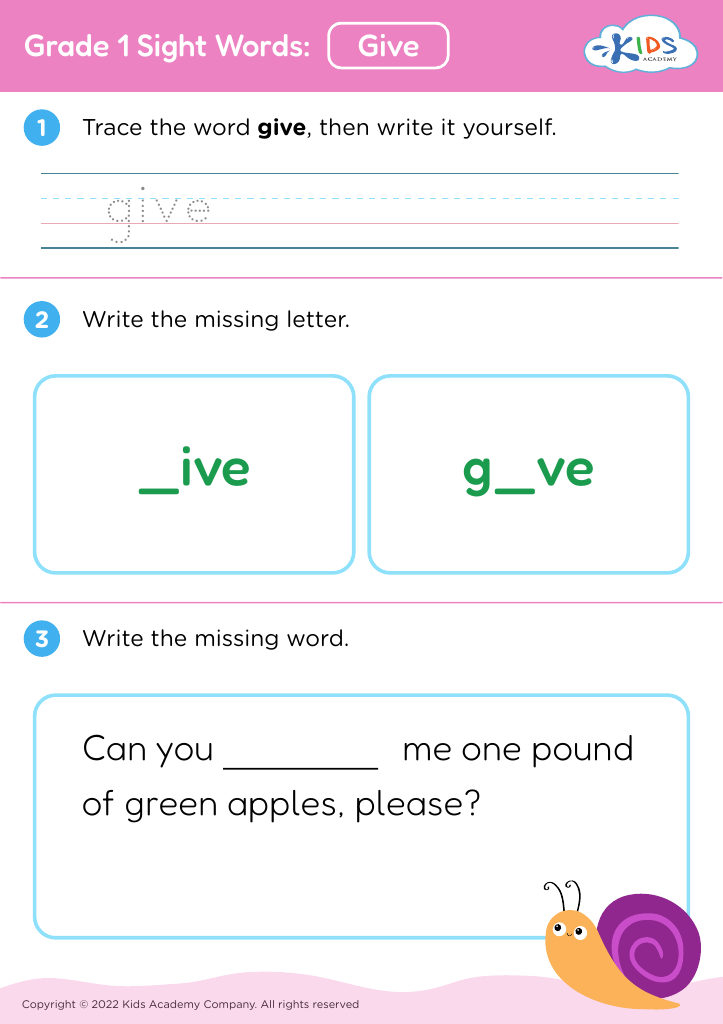
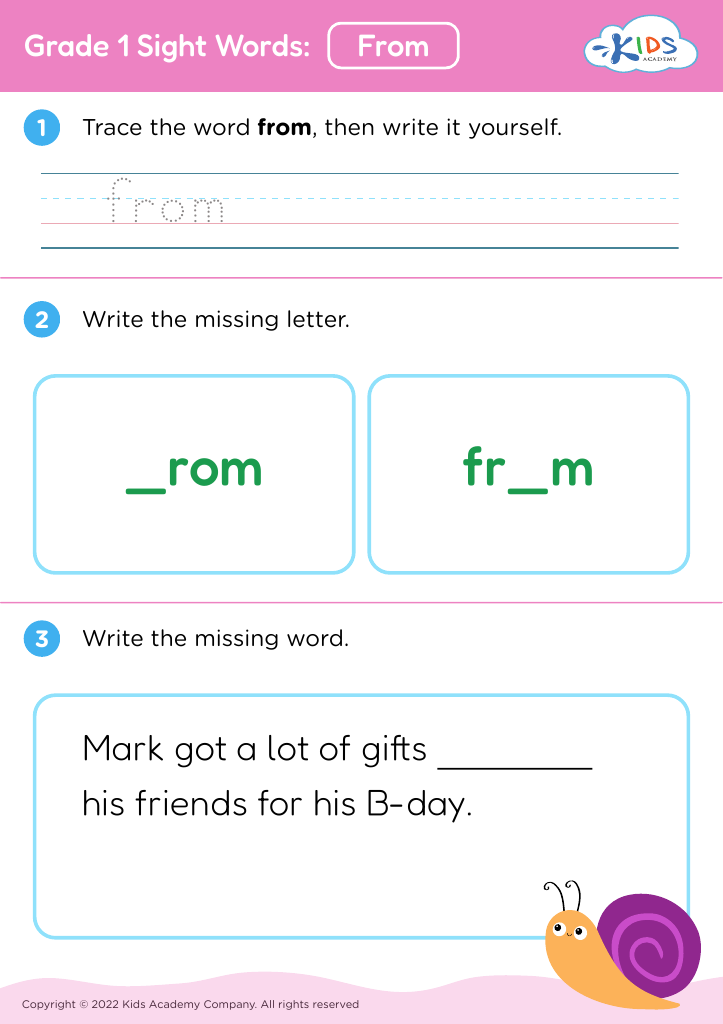
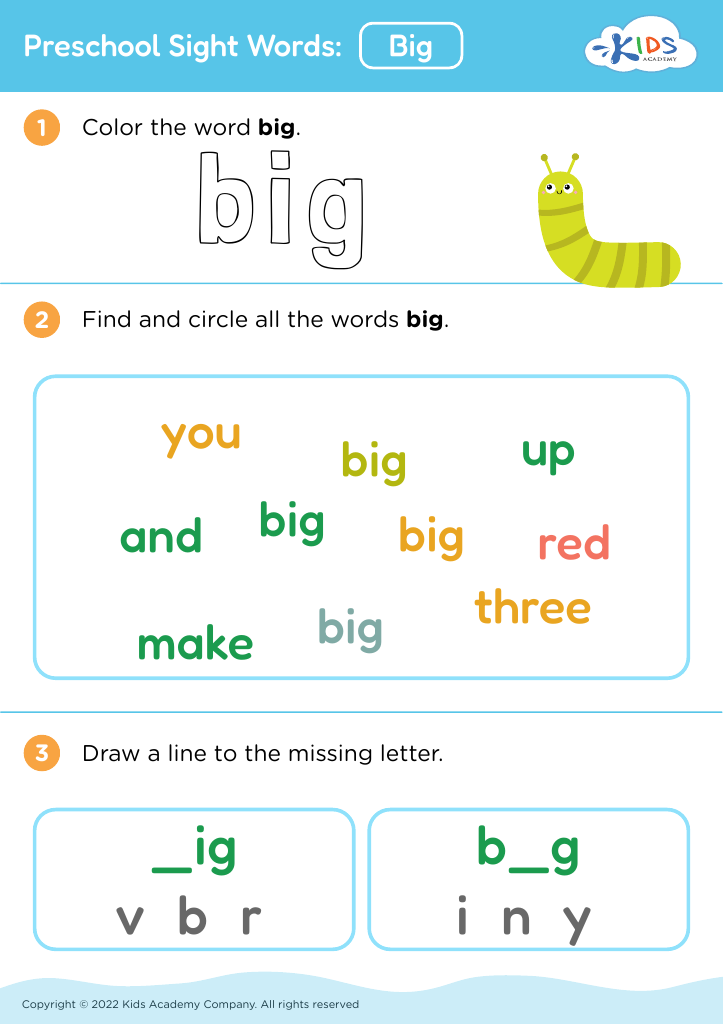
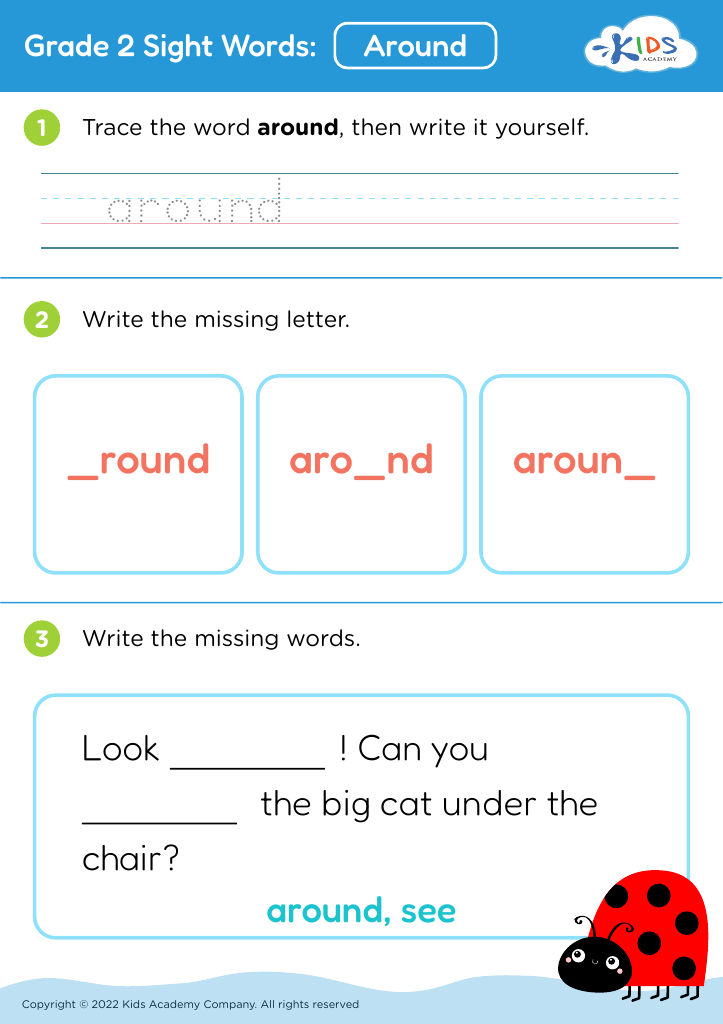
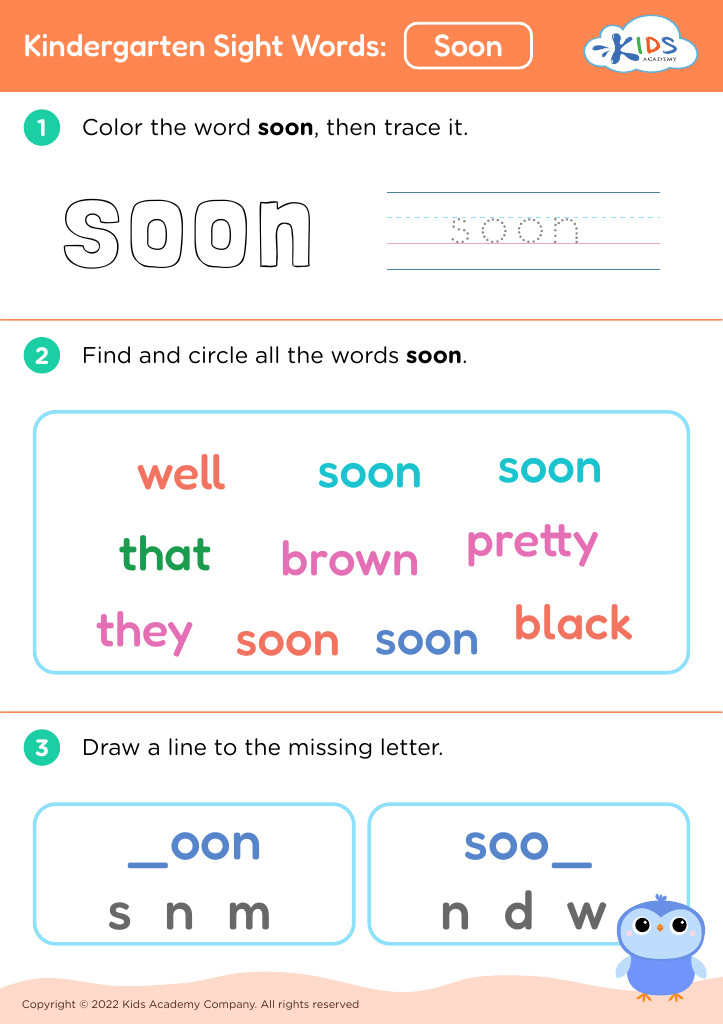
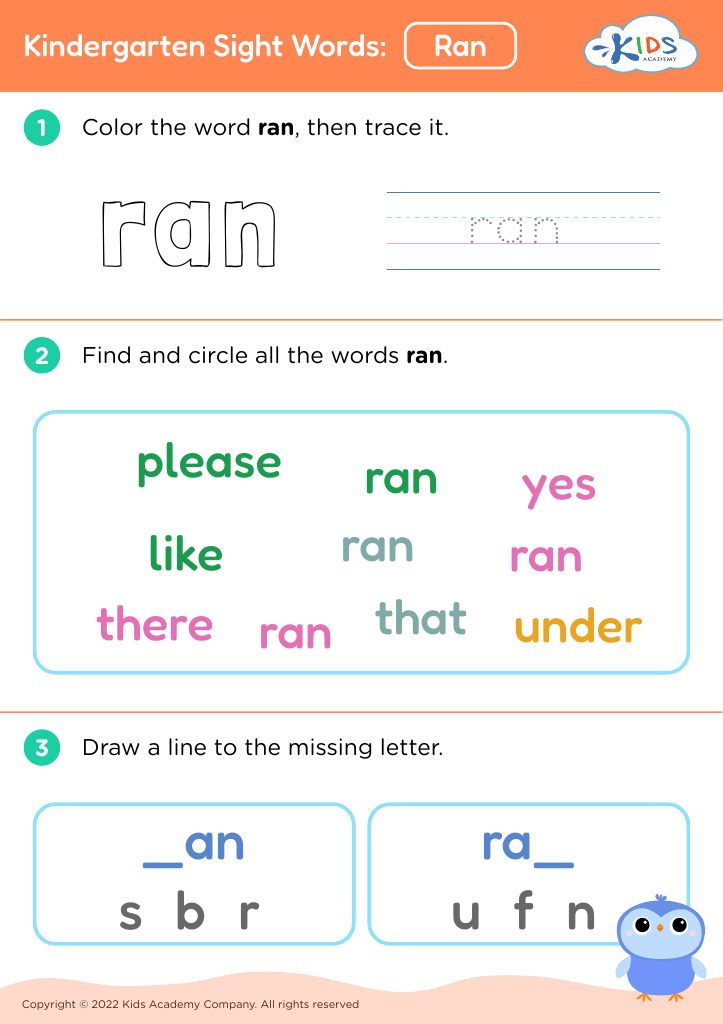
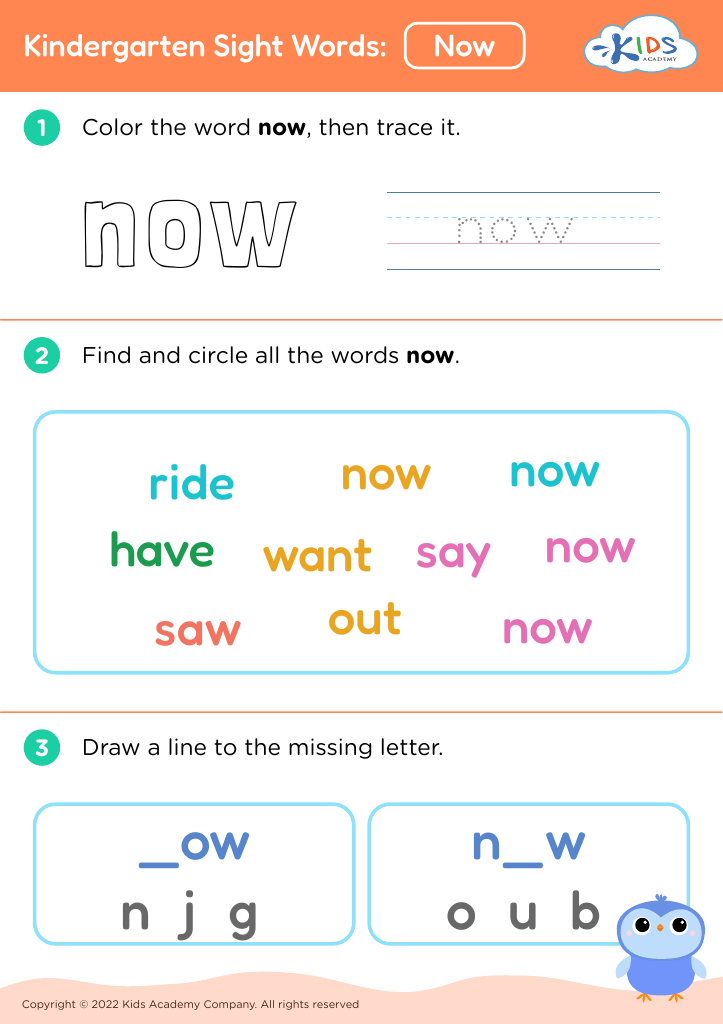
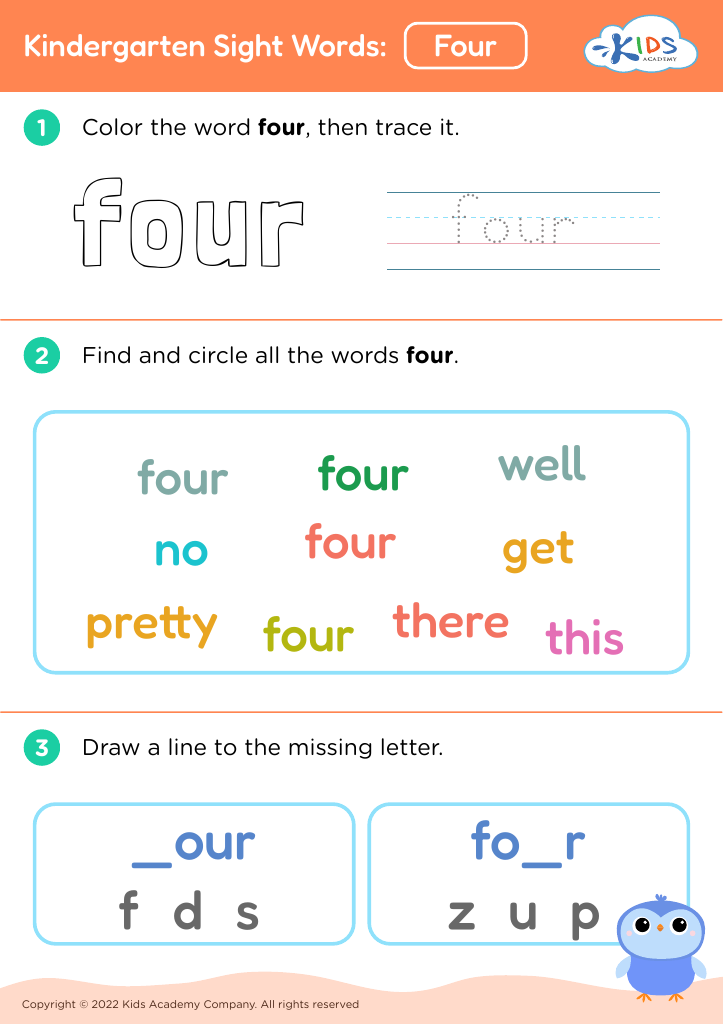
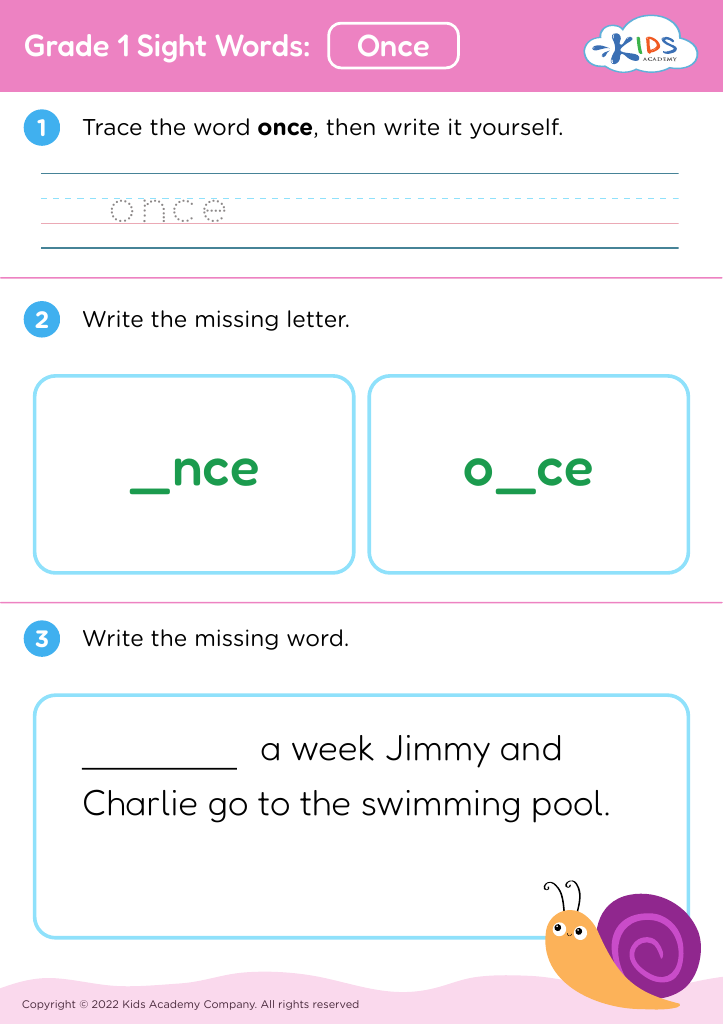
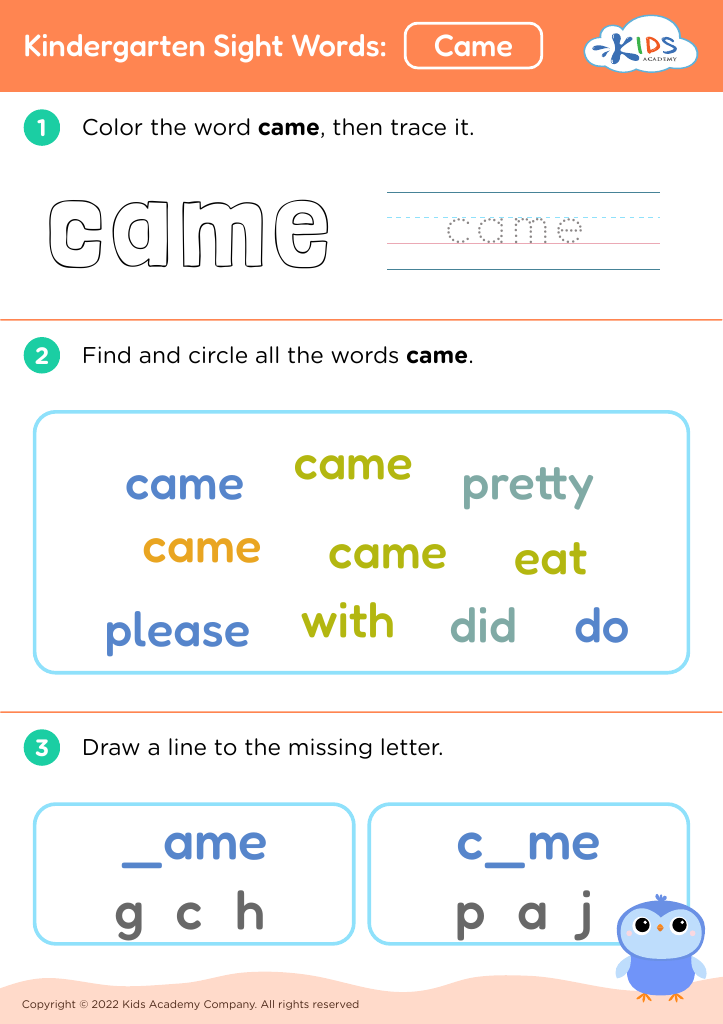








Basic math skills, closely paired with sight words, are fundamental building blocks for young learners aged 3-7. Early proficiency in math can shape a child's academic future, influence their self-confidence, and lay the groundwork for critical thinking skills.
Math skills in this age group cover essential concepts like number recognition, counting, basic addition, and subtraction, which are crucial for grasping more complex mathematics later. When children master these basics early, they develop a positive attitude towards math, making them less likely to experience math anxiety as they advance in school.
At the same time, sight words play a vital role in a child's literacy development. These common words, often not easily sounded out phonetically, are encountered frequently in texts. As children recognize and understand these sight words quickly, they enhance their reading fluency, comprehension, and ability to tackle new, more complex material.
Integrating math skills with sight words also offers an interactive, engaging way for children to learn, blending quantitative and linguistic understanding. For example, using phrases like "three cats" or "one dog" can help reinforce both word recognition and number concepts.
In summary, focusing on basic math skills and sight words for ages 3-7 supports holistic cognitive development, fostering a well-rounded, confident, and prepared learner, crucial for future academic success.