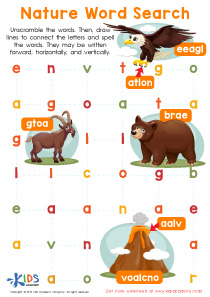
Recognizing Patterns Sight Words Worksheets for Ages 3-7
5 filtered results
-
From - To
Discover our "Recognizing Patterns Sight Words Worksheets" designed for kids aged 3-7. These worksheets are perfect for helping young learners recognize key sight words through engaging patterns and fun activities. By identifying word patterns, children develop crucial reading skills such as word recognition, which enhances their reading fluency and builds a strong learning foundation. Our worksheets encourage young readers to achieve literacy milestones in an enjoyable, interactive way. Ideal for parents and teachers alike, these resources offer a structured approach to early reading success. Explore our full collection, and watch your child's confidence and reading skills grow!
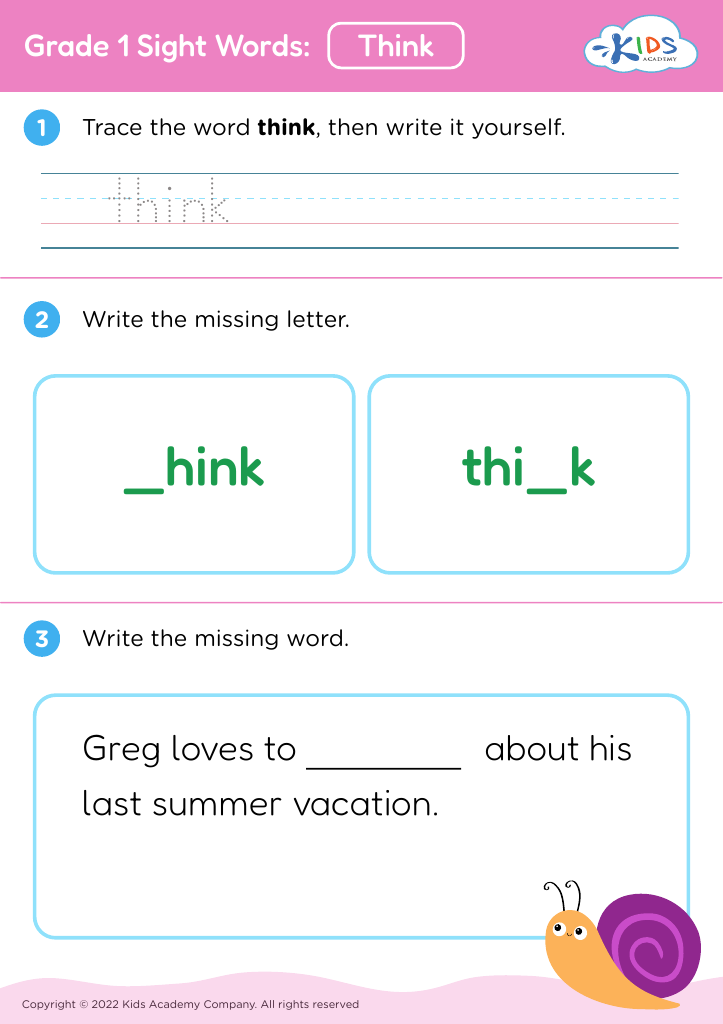






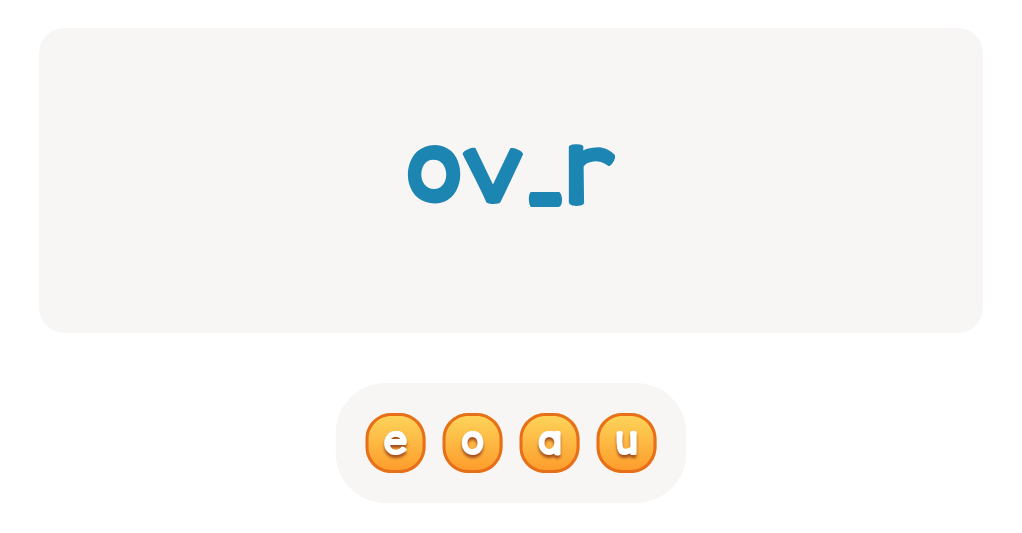
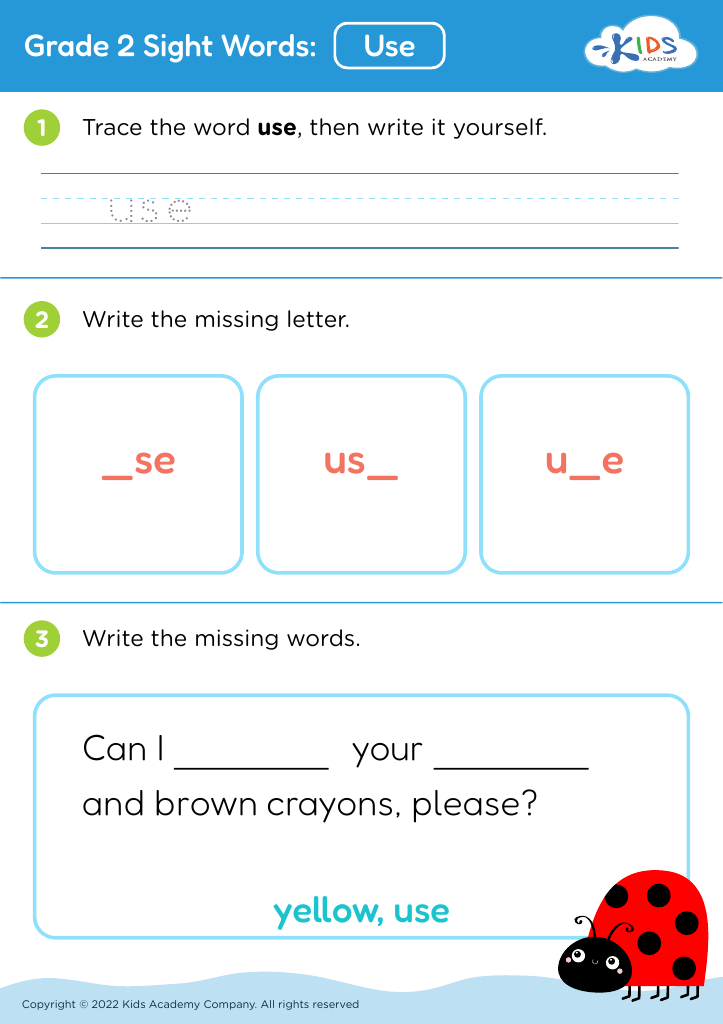
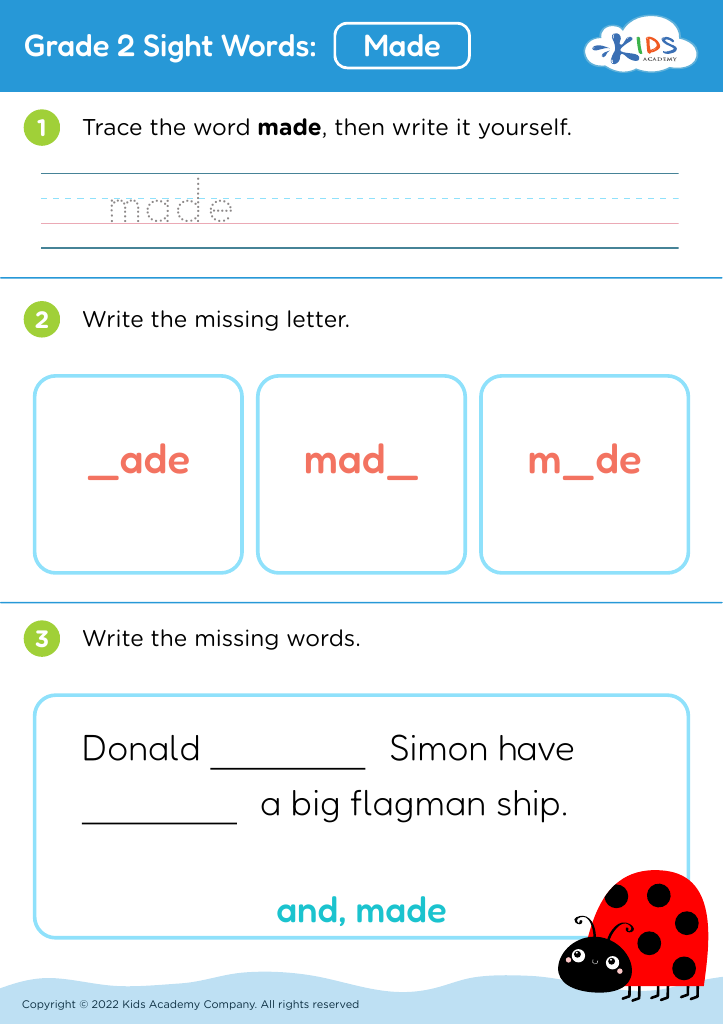
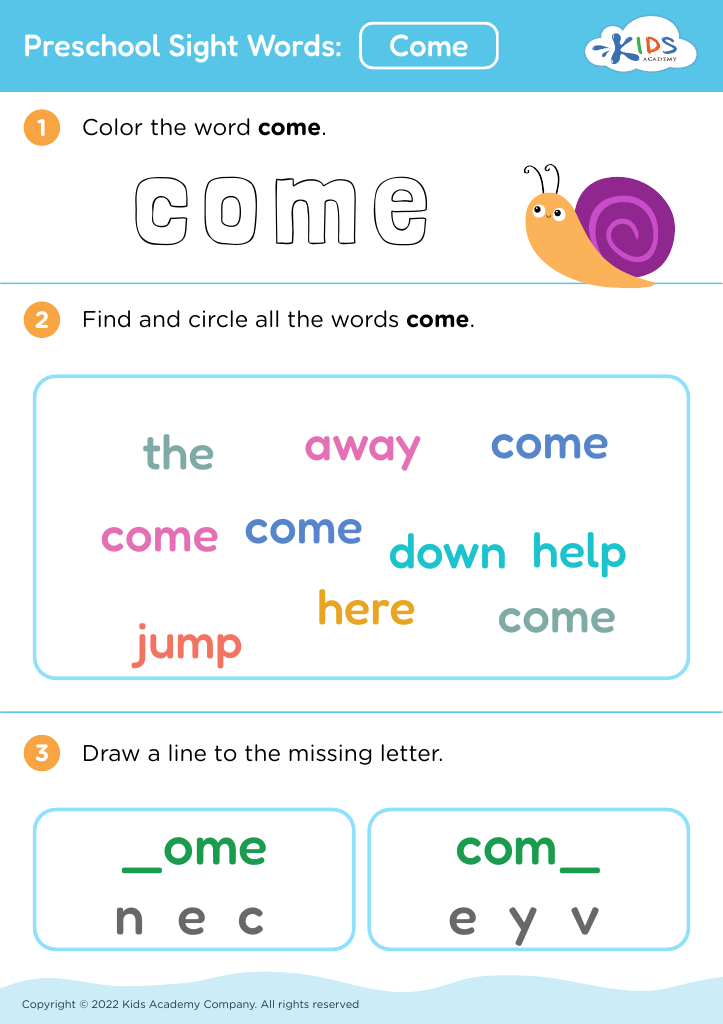
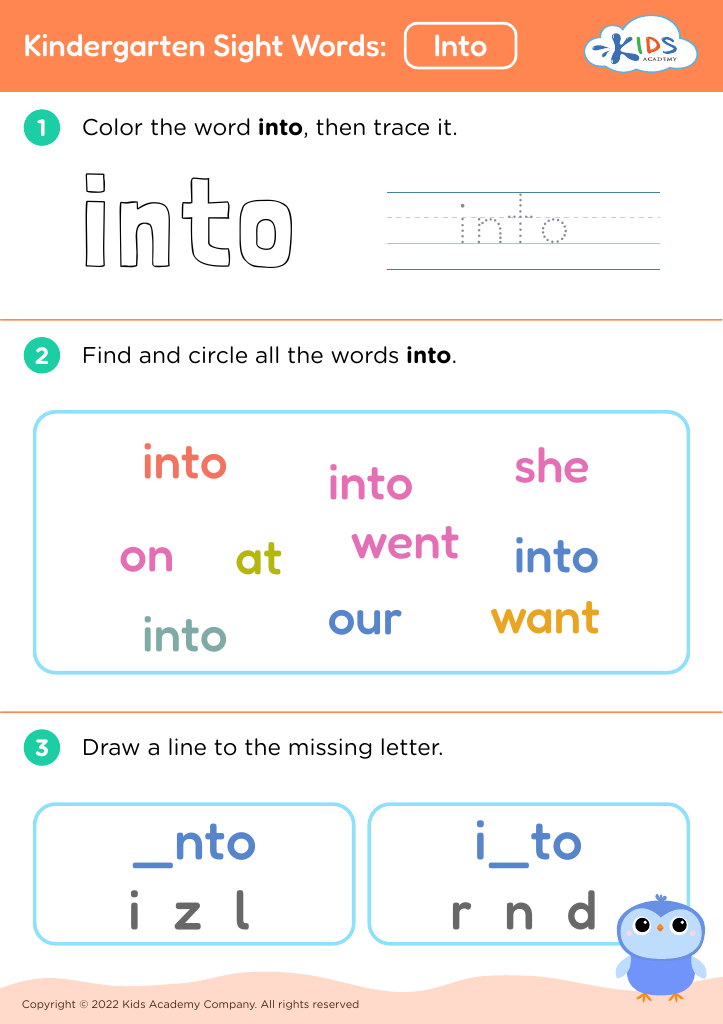








Recognizing patterns and sight words for children aged 3-7 is crucial as it lays the foundation for effective reading skills, cognitive development, and future academic success. Pattern recognition aids in strengthening a child's problem-solving abilities and cognitive functions by enabling them to see sequences and relationships between objects, letters, or numbers. This enhances their understanding of language structure, mathematical concepts, and logical thinking.
Sight words, on the other hand, often comprise commonly used words that young readers can recognize instantly without phonetic analysis. Mastery of sight words boosts reading fluency, as children can effortlessly recognize these frequently encountered words, allowing them to focus better on comprehension rather than decoding each word. This early proficiency in reading plays a significant role in building a child's confidence and motivation for learning.
Engaging with pattern recognition and sight words improves memory retention and paves the way for more advanced literacy skills. By prioritizing these early learning strategies, parents and teachers help children develop a strong educational foundation. This proactive approach not only enhances immediate academic performance but also fosters a positive attitude towards lifelong learning and intellectual curiosity, setting children up for continued success in their educational endeavors.