Understanding multiplication Sight Words Worksheets for Ages 3-7
3 filtered results
-
From - To
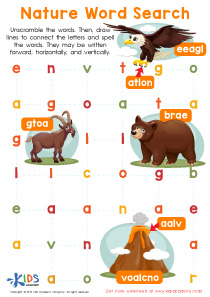
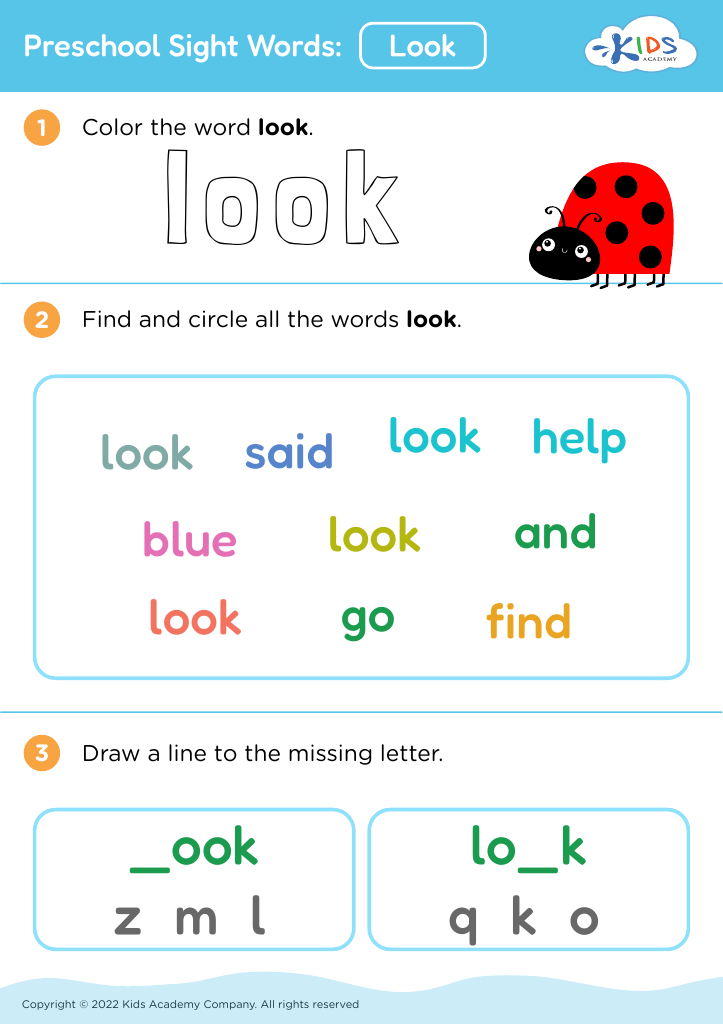
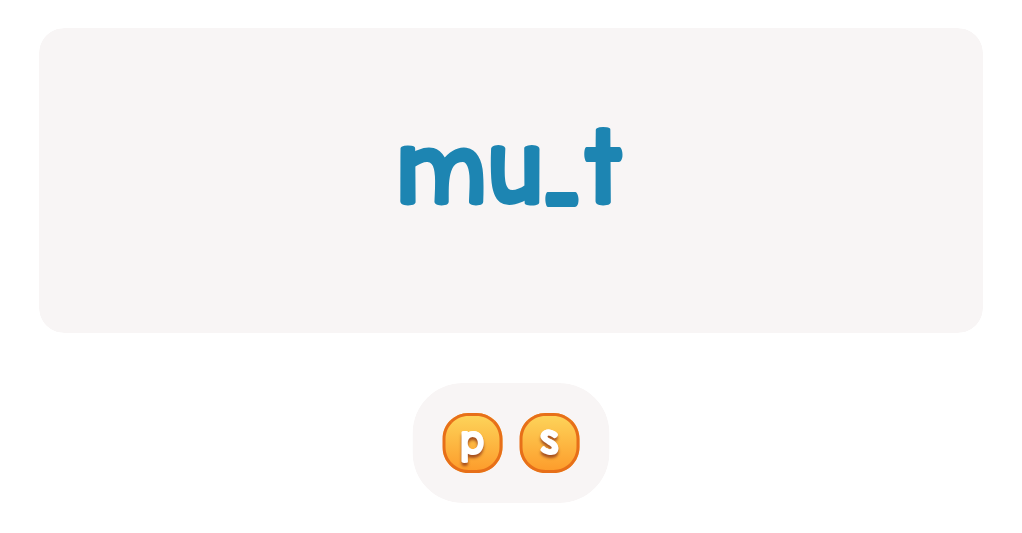
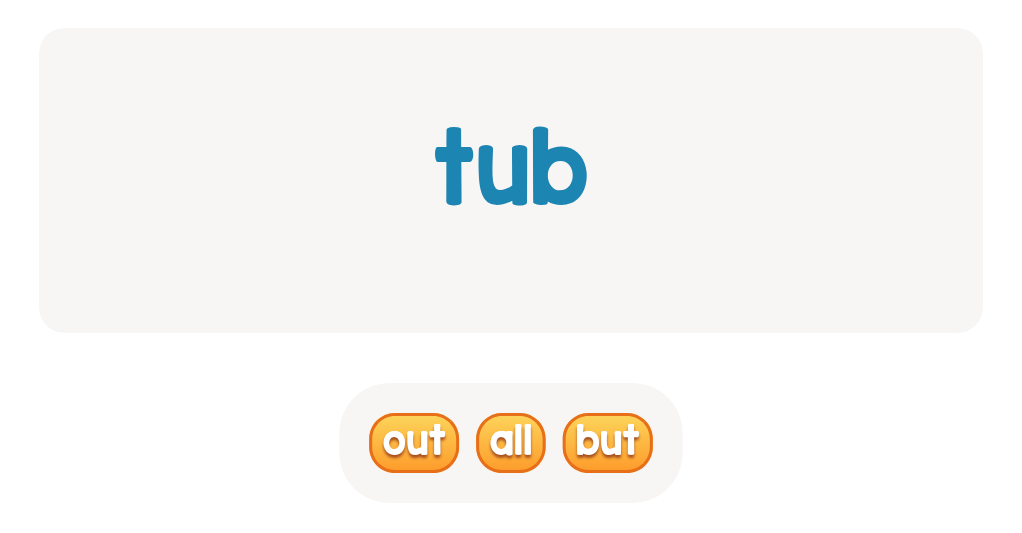
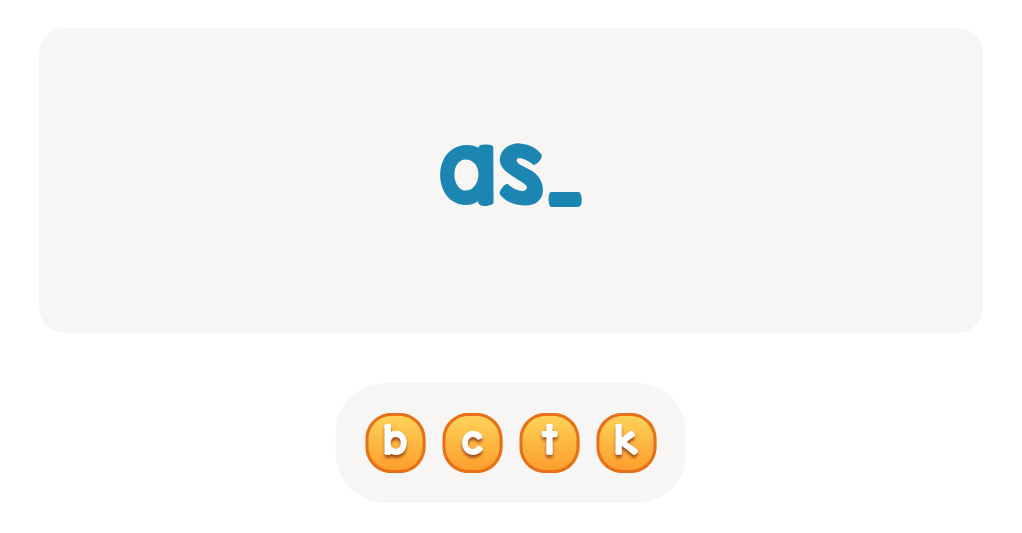
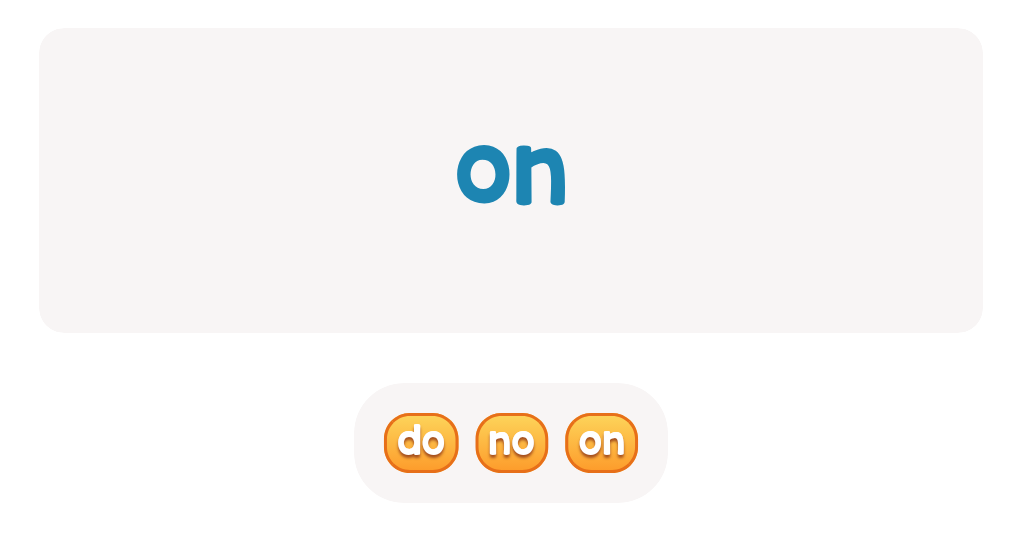
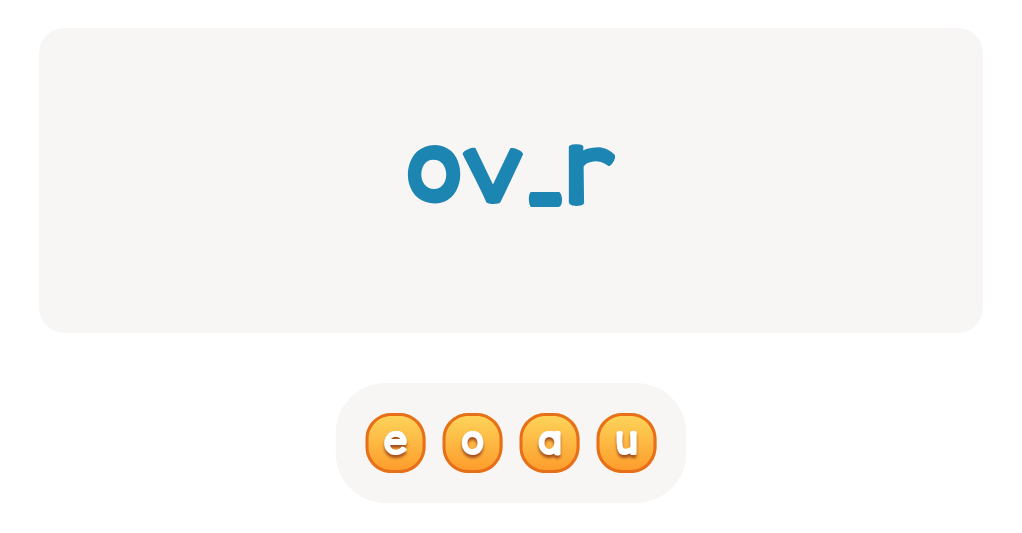
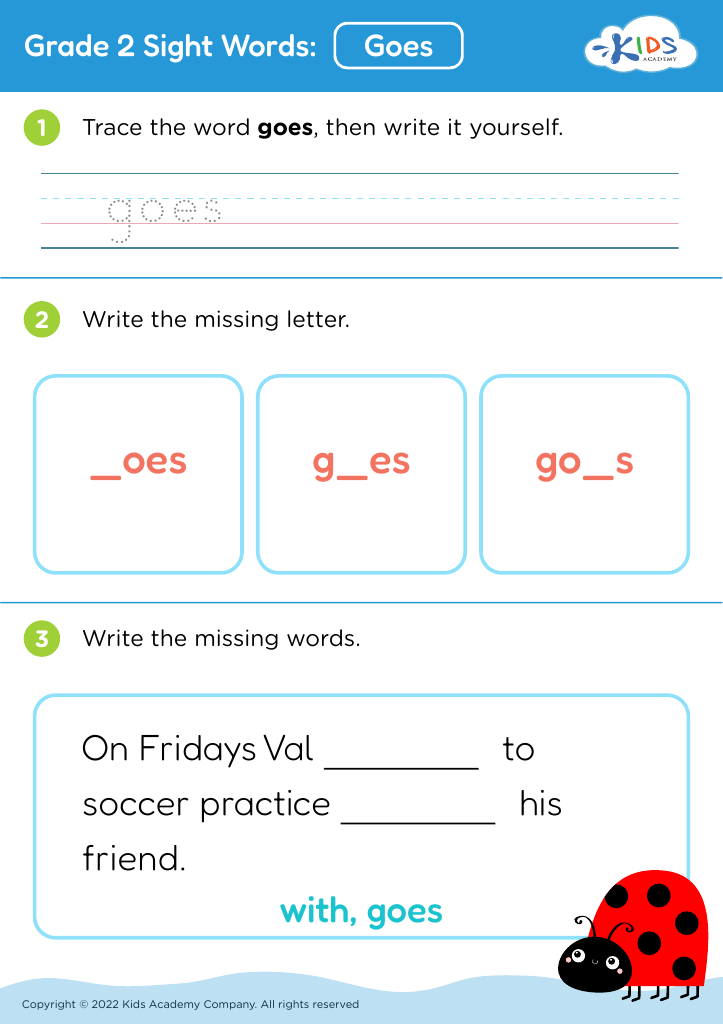
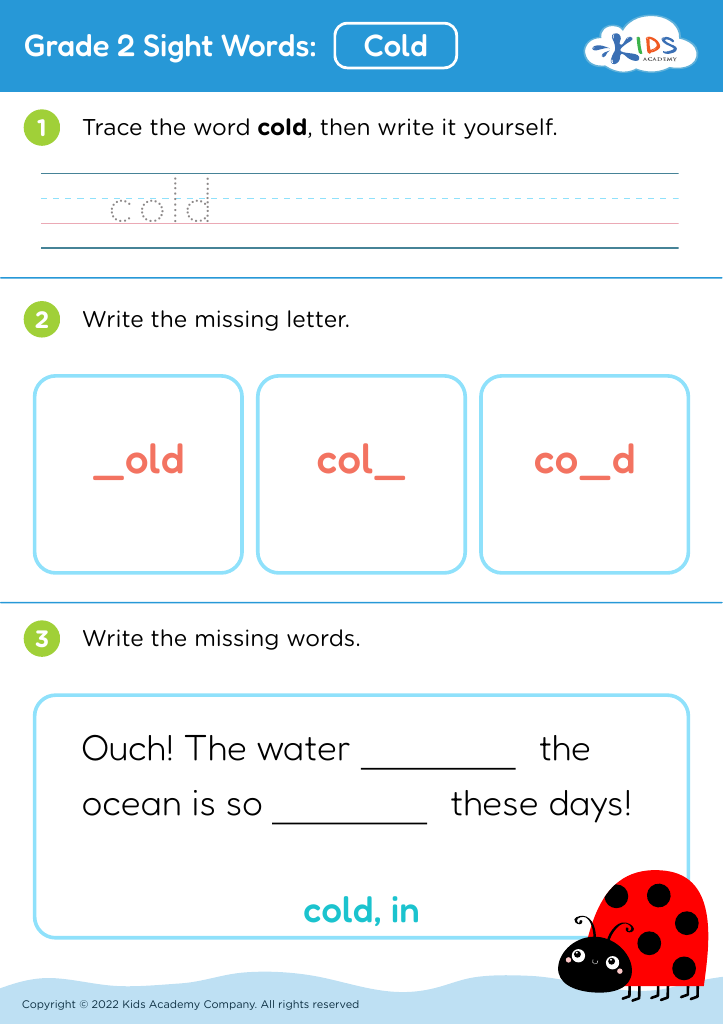
Explore our "Understanding Multiplication Sight Words Worksheets," specially designed for children ages 3-7. These engaging worksheets combine sight word recognition with foundational multiplication skills, making learning fun and effective. Young learners can practice key sight words while engaging with colorful illustrations and interactive exercises that reinforce their understanding of multiplication concepts. Perfect for homeschooling or classroom use, these printable resources help bridge literacy and math, laying the groundwork for academic success. Watch as your child builds confidence in both reading and math, enhancing their overall learning experience. Start your child's educational journey with our dynamic worksheets today!




.jpg)





Parents and teachers should care about understanding multiplication sight words for children ages 3-7 because early literacy and numeracy are foundational to a child's academic success. While multiplication may seem advanced for this age group, introducing sight words related to math in a relatable and engaging way can ignite curiosity and lay the groundwork for later mathematical concepts.
Using multiplication-related sight words—terms like “double,” “twice,” or “group”—can enhance vocabulary, support reading comprehension, and foster a stronger connection between language and mathematical ideas. Early exposure helps children articulate mathematical ideas, encourages problem-solving skills, and assists them in drawing connections between everyday experiences and math.
Moreover, integrating these sight words into play-based learning environments promotes enjoyment and reduces anxiety around math. Children who are familiar with mathematical vocabulary at a young age often exhibit more confidence and curiosity in their learning journeys.
Encouraging a positive mindset toward numbers can significantly influence their future attitudes toward math, making it essential for caregivers and educators to recognize the significance of early exposure to multiplication vocabulary. This focus creates a more holistic educational experience, fostering lifelong learners who approach math with enthusiasm and understanding.