Understanding symmetry Sight Words Worksheets for Ages 3-7
4 filtered results
-
From - To
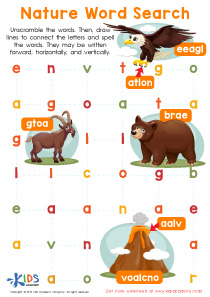
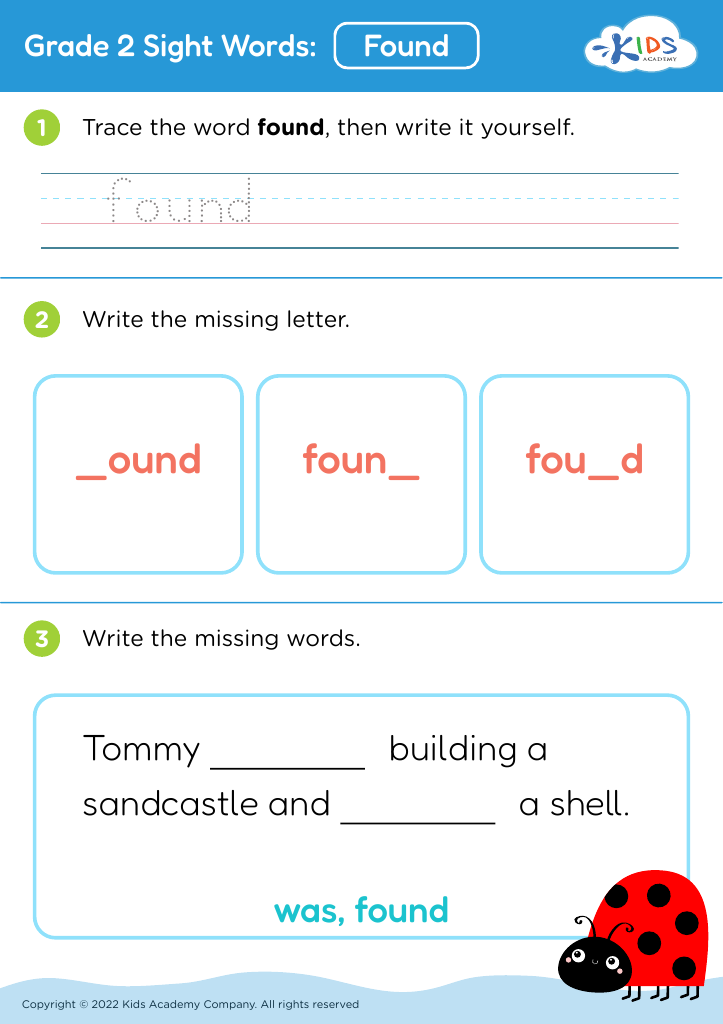
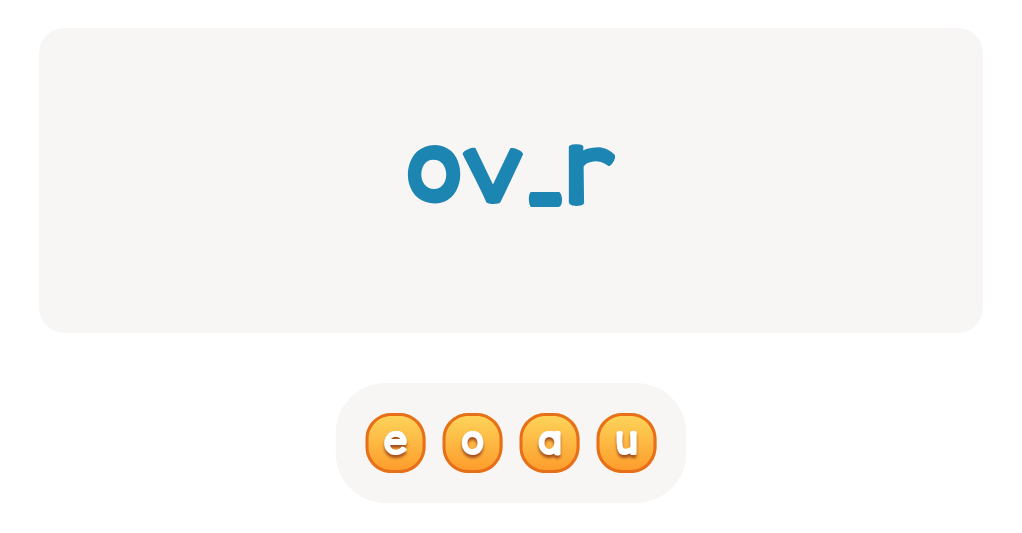
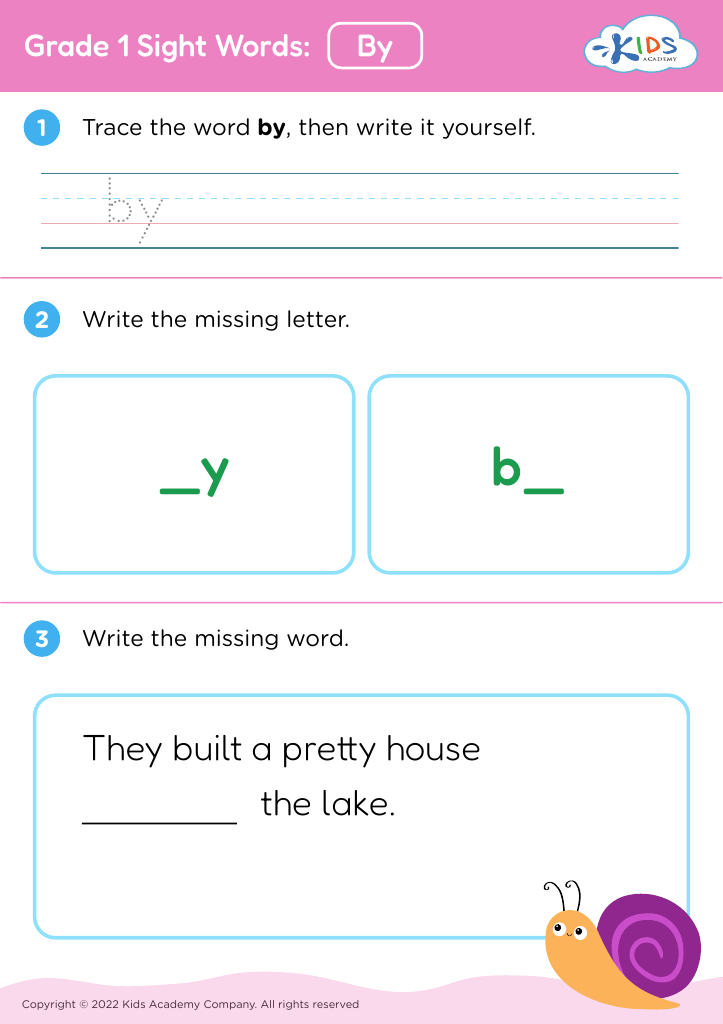
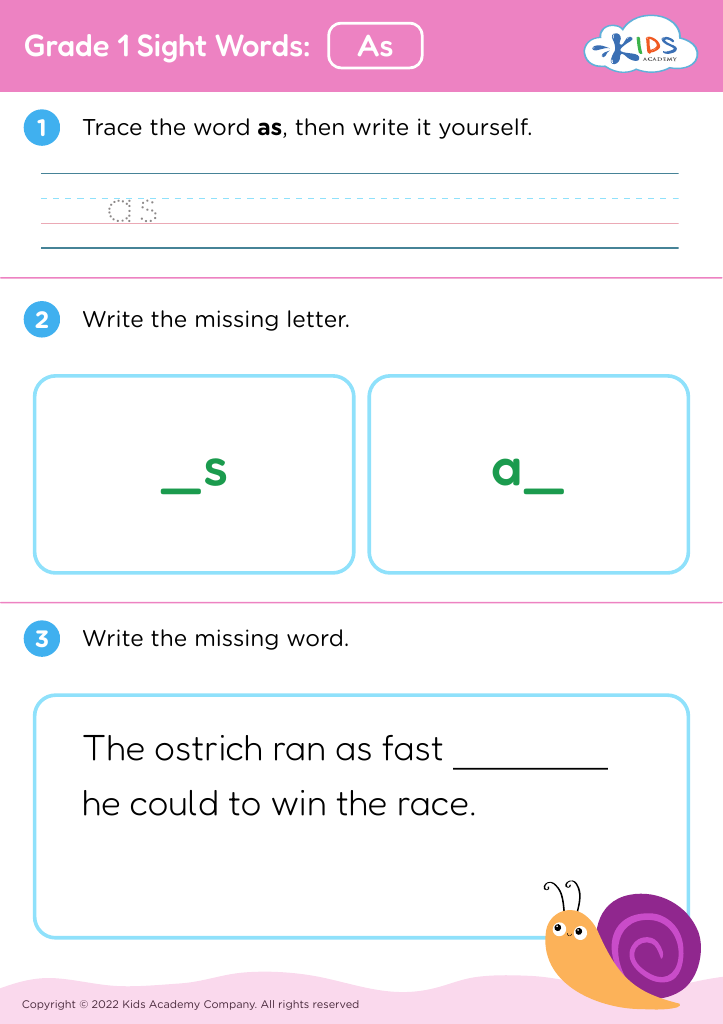
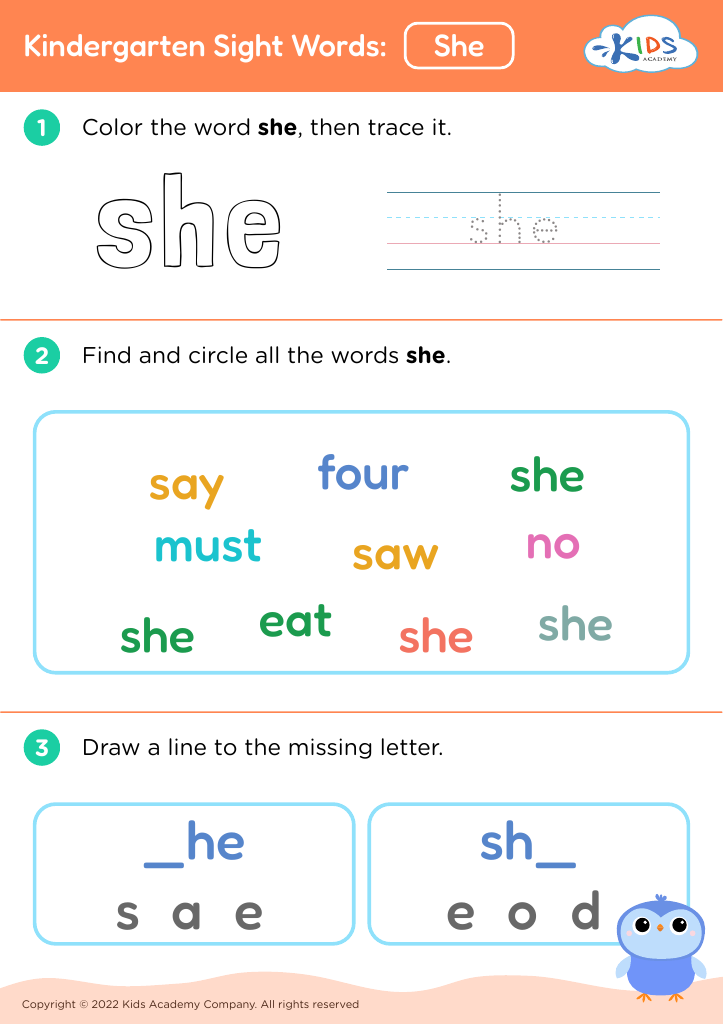
Discover our "Understanding Symmetry Sight Words Worksheets" designed for children ages 3-7! These engaging worksheets help young learners develop foundational reading skills while exploring the concept of symmetry. Your child will practice recognizing and spelling essential sight words through fun, interactive activities that promote cognitive development. Each worksheet integrates symmetry skills into reading exercises, making learning enjoyable and effective. Perfect for homeschooling or classroom activities, these resources encourage clear understanding and mastery of sight words. Help your child build confidence and a love for reading while exploring symmetry with our thoughtfully crafted worksheets today!











.jpg)


Understanding symmetry and sight words are fundamental components of early childhood education that greatly benefit children aged 3-7. For parents and teachers, fostering these concepts helps build a strong foundation for literacy and critical thinking skills.
Symmetry introduces children to shapes, patterns, and mathematical reasoning. Recognizing symmetrical patterns enhances their visual-spatial awareness and builds a strong base for problem-solving skills that are essential as they progress in their education. It encourages creativity, as children engage in activities like drawing, crafting, and exploring nature, all of which reinforce their understanding of balance and design.
On the other hand, sight words are crucial for early reading development. Mastering these commonly used words enables children to gain confidence in reading. It reduces the cognitive load while they read, allowing them to focus more on comprehension and greater language development.
When parents and teachers engage in teaching these concepts, they promote deeper understanding, stimulate curiosity, and enhance overall cognitive development. Moreover, by focusing on symmetry and sight words together, they create a holistic learning approach that supports children’s academic growth and instills a love for learning. Thus, embracing both concepts ensures a comprehensive and enjoyable learning journey for young children.