Cognitive Development Animals Worksheets for Ages 3-7
4 filtered results
-
From - To
Unlock your child's cognitive potential with our engaging "Cognitive Development Animals Worksheets for Ages 3-7". Crafted thoughtfully to blend fun with learning, these worksheets promote critical thinking, memory enhancement, and problem-solving skills. Each activity immerses young minds in the captivating world of animals, fostering curiosity and love for nature. Perfect for early education, these printables support cognitive growth through interactive tasks that refine attention span and logical reasoning. Suitable for at-home learning or classroom use, our worksheets are an excellent resource for parents and educators aiming to enhance foundational cognitive skills in children during their formative years.
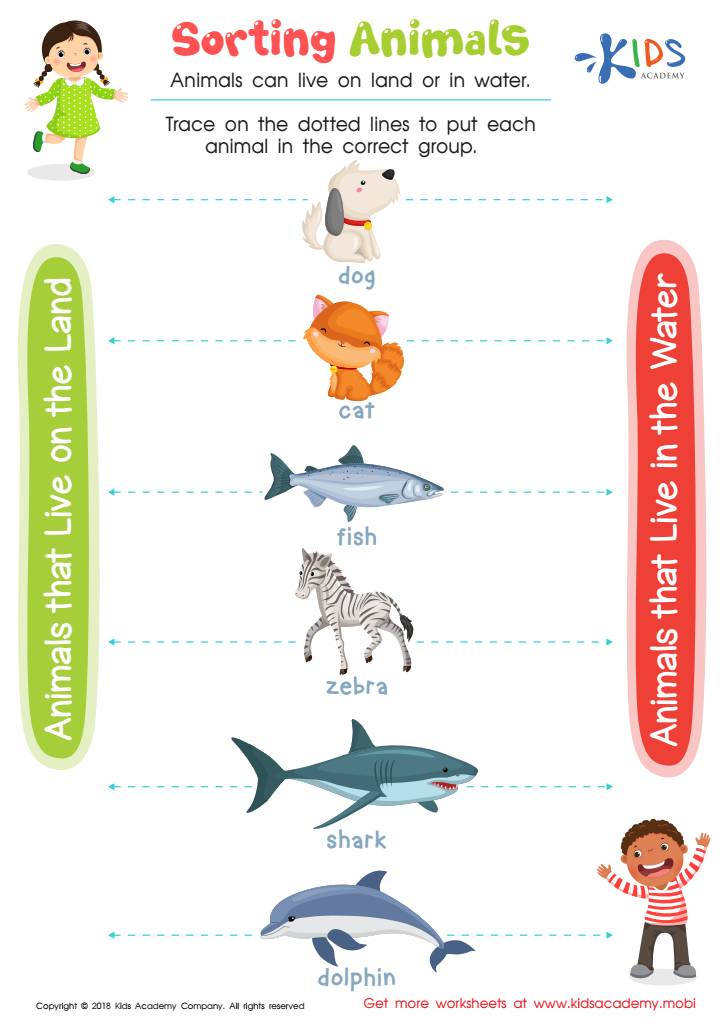
Sorting Animals Worksheet
 Assign to My Students
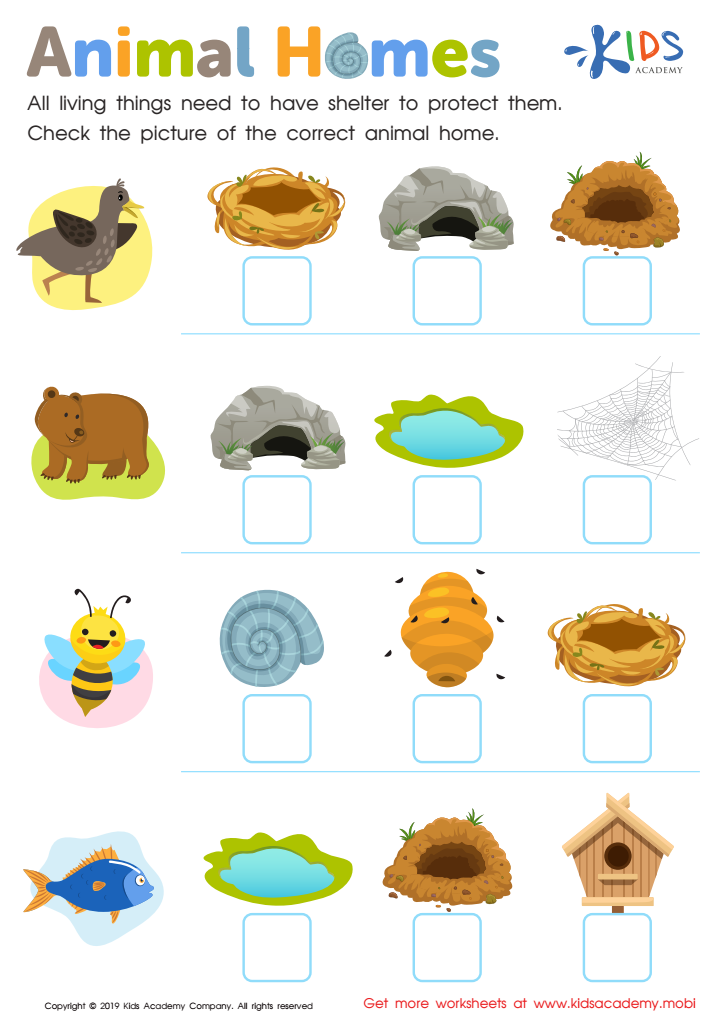
Animal Homes Worksheet
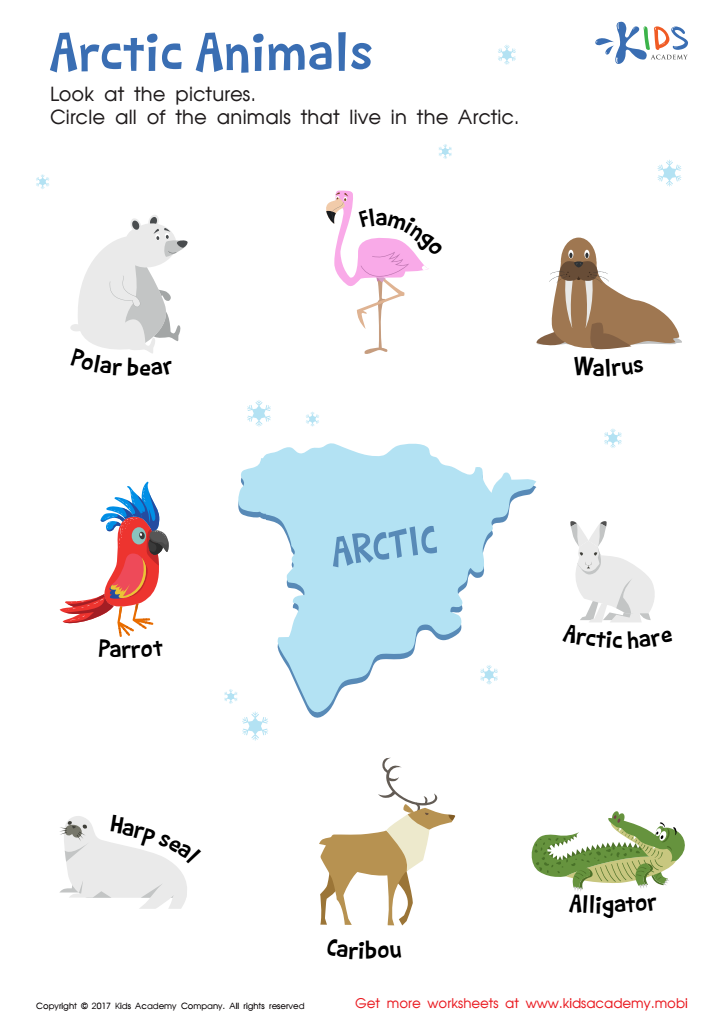
Arctic Animals Worksheet
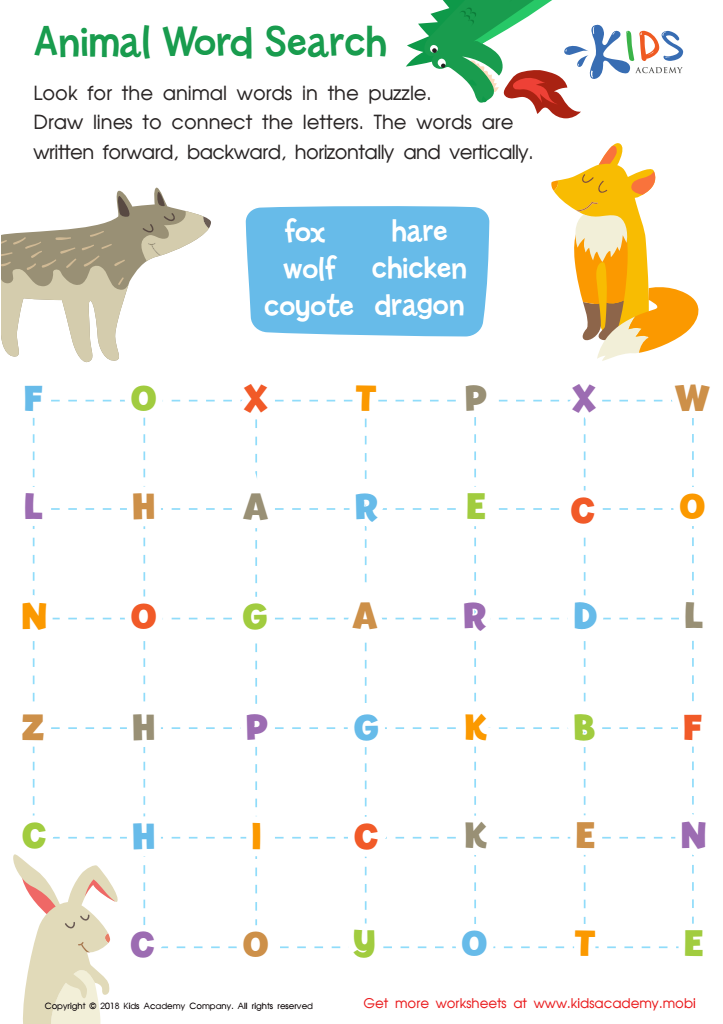
Animal Word Search Worksheet


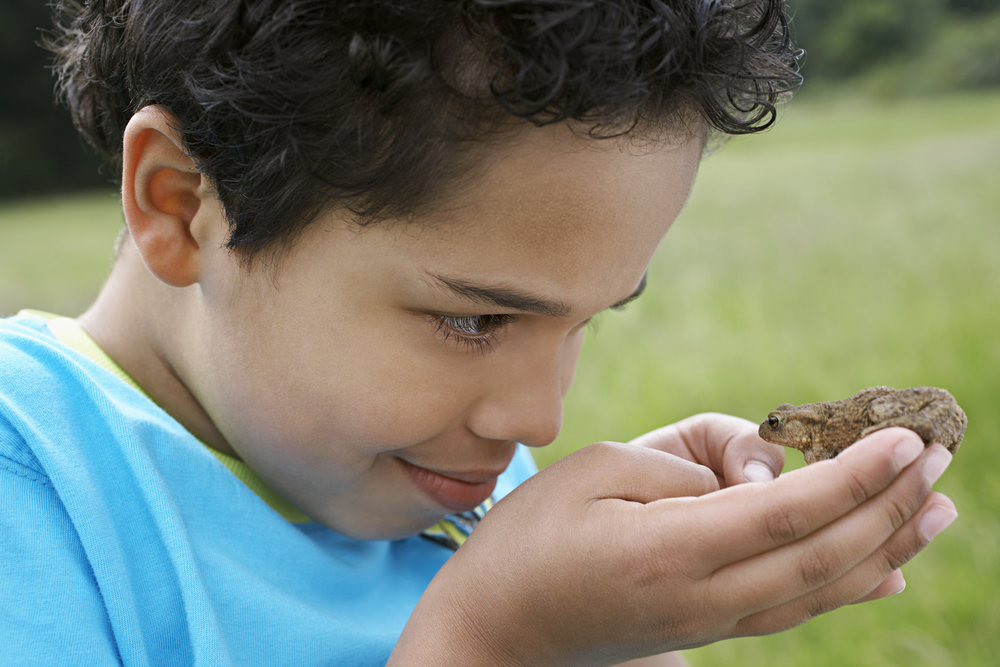


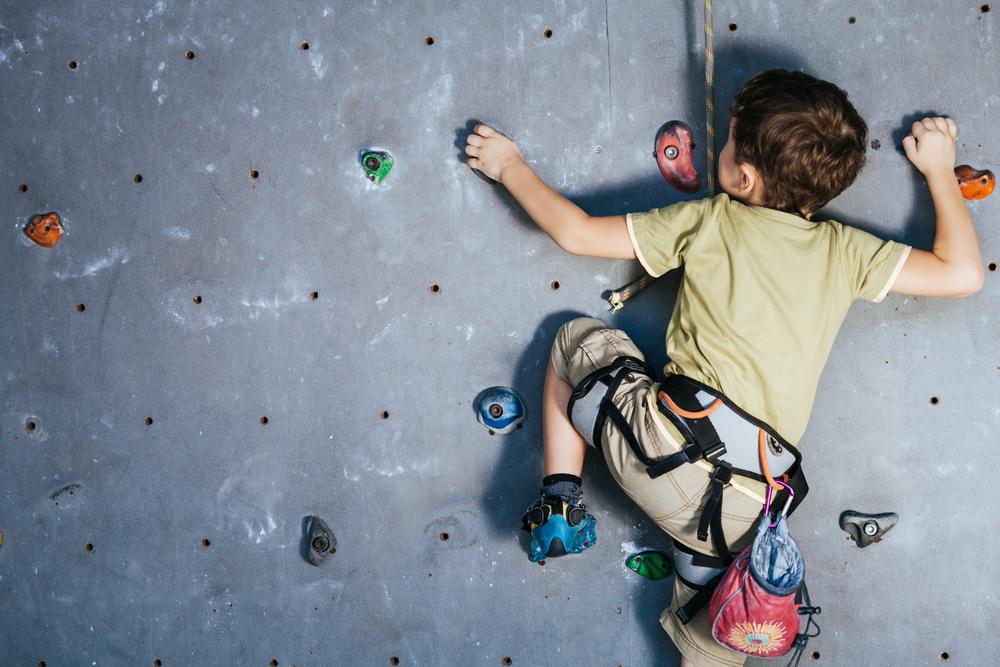


Caring about cognitive development activities featuring animals for ages 3-7 is crucial for both parents and teachers. At this developmental stage, children are like sponges, absorbing information from their environment rapidly. Using animals in activities, stories, and educational materials leverages their natural curiosity and fascination. This approach makes learning engaging and enjoyable, which enhances cognitive development.
Animals can serve as effective analogies for teaching various concepts. For example, counting animals can improve numerical skills, while describing their habitats can build vocabulary and comprehension. Additionally, animals can be used to teach critical thinking and problem-solving skills through puzzles, matching games, and role-playing scenarios.
Incorporating animals also facilitates emotional and social development. Children often develop empathy and responsibility by learning how animals live, behave, and interact. This understanding lays a foundation for better learning attitudes and cooperation with peers.
Interactive activities related to animals also work on fine and gross motor skills. Tasks like drawing animals or mimicking their movements combine physical activity with learning, reinforcing their cognitive and physical development synergistically.
In sum, using animals in educational activities for young children taps into their innate interests, making learning multidimensional, comprehensive, and fun, which significantly bolsters their cognitive growth.








