
Phonics recognition Grammar Worksheets for Ages 3-7
3 filtered results
Difficulty Level
Grade
Age
-
From - To
Subject
Activity
Standards
Discover engaging "Phonics Recognition Grammar Worksheets for Ages 3-7" designed to boost your child's early reading success. Our expertly crafted printables create a fun learning environment, enhancing phonics understanding and language skills. Each worksheet has colorful images, interactive exercises, and easy instructions, promoting hands-on learning for young minds. Help your child master letter sounds, word recognition, and grammar fundamentals. Unlock a world of reading adventures and build a solid foundation for academic excellence with our innovative phonics worksheets. Ideal for parents, teachers, and homeschoolers seeking top-quality educational resources for early learners.
Favorites
With answer key
Interactive
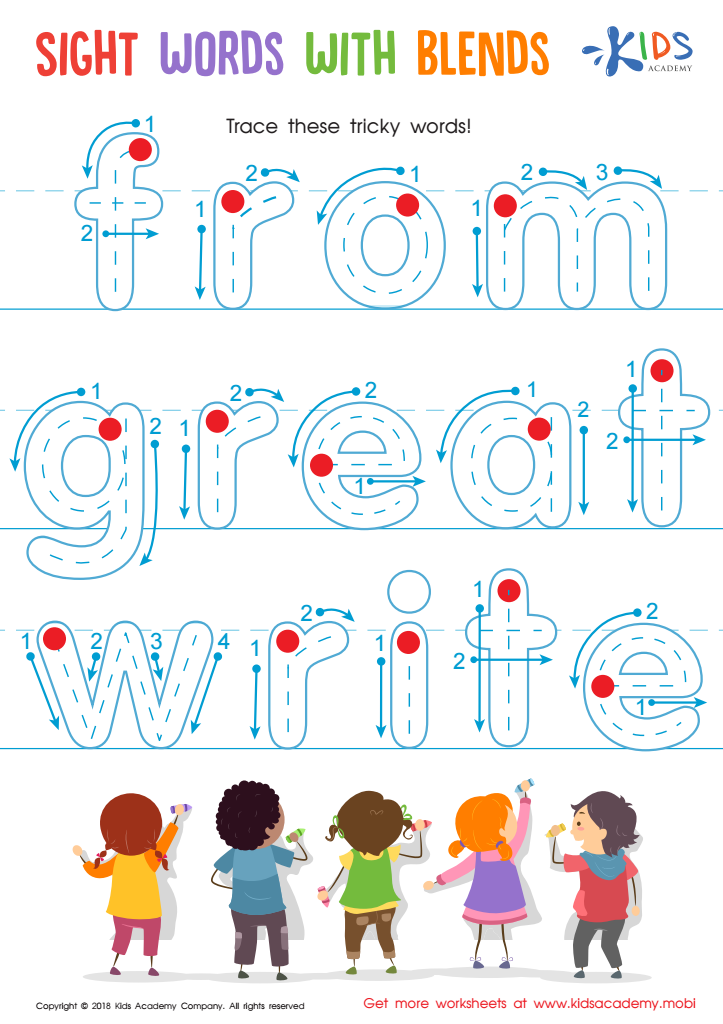
Sight Words with Blends Worksheet
This free PDF lets your children trace and write sight words with tricky blends. The guide numbers help them start from the top, building fine motor skills and enhancing sight word vocab. It's a great way to give your kids a solid foundation for reading!
 Assign to My Students
Sight Words with Blends Worksheet
Worksheet
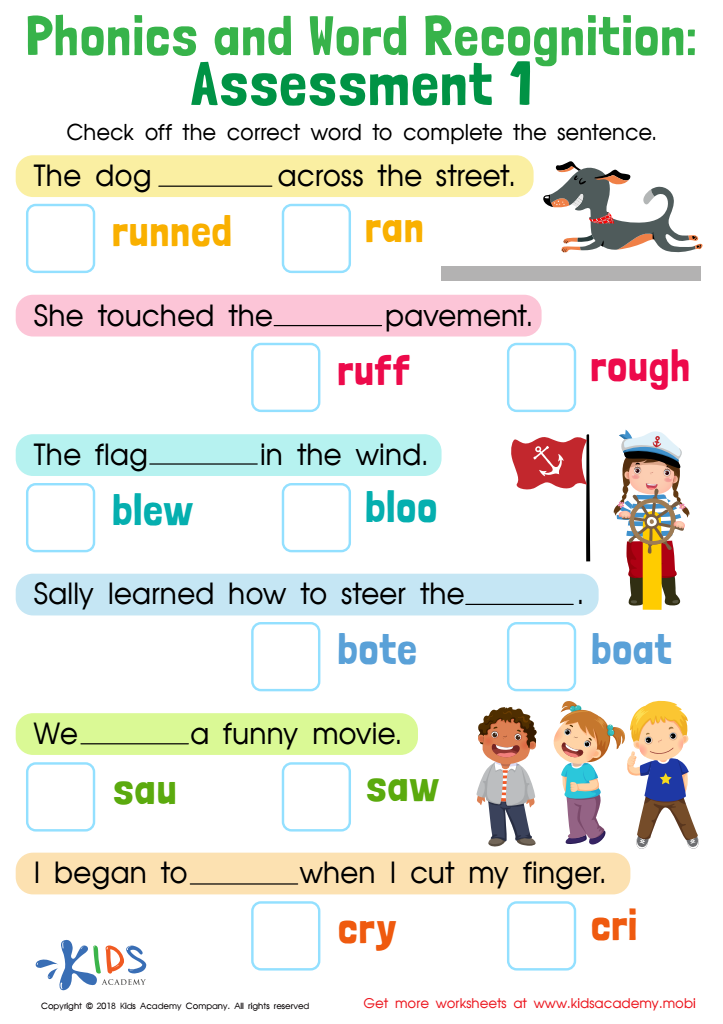
Phonics and Word Recognition: Assessment 1 Worksheet
This worksheet tests phonetics and word recognition. Students should be familiar with past tense verbs. Read incomplete sentences, then read multiple options and help students select the correct one.
Phonics and Word Recognition: Assessment 1 Worksheet
Worksheet
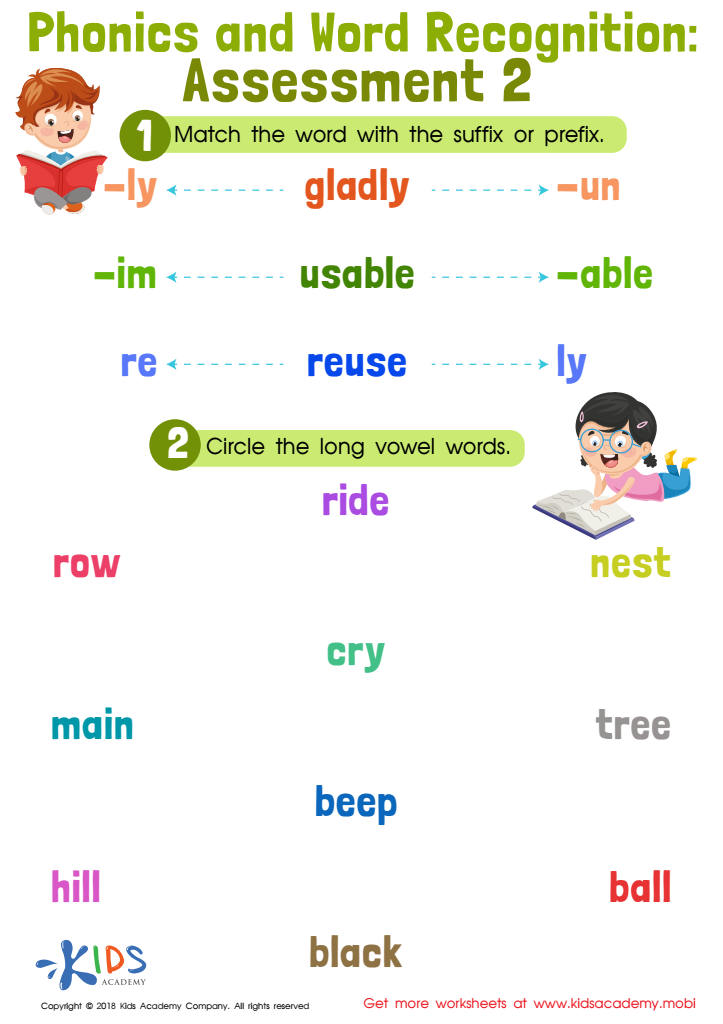
Phonics and Word Recognition: Assessment 2
Give kids common examples of suffixes and prefixes, such as "un-," "unhappy," "ness," "happyness." Ask them to match each word in the word recognition exercise to the correct suffix or prefix. Test phonetic understanding by having them circle the long vowel sounds.
Phonics and Word Recognition: Assessment 2
Worksheet
Join Kids Academy for Free
Who is primarily going to use this learning content?






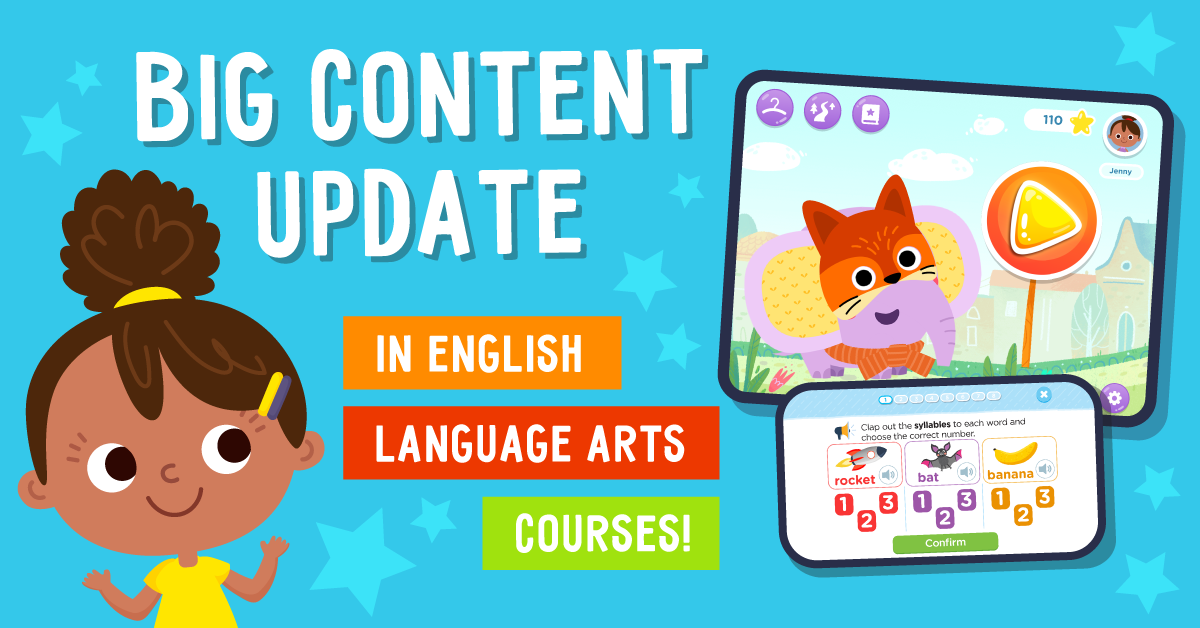
Phonics, recognition, and grammar are crucial elements when it comes to early literacy development for children aged 3-7. Phonics teaches kids to connect sounds with letters or groups of letters, laying the foundation for decoding new words. This skill is essential for reading fluency and comprehension as children progress in their education. Recognition involves remembering and identifying words, letters, and sounds which fosters confidence and reading proficiency. Together, phonics and recognition help children rapidly improve their reading skills by allowing them to make sense of text themselves rather than only memorizing words.
Grammar, while more advanced, provides children with the framework to understand and construct meaningful sentences. Early introduction to grammar helps children understand how language works, thus enhancing both their reading and writing abilities. Knowing basic grammar rules boosts syntactic awareness, facilitating both oral and written communication.
In sum, a strong grounding in phonics, recognition, and grammar during early childhood paves the way for academic success and effective communication. It equips children with the skills they need to explore the world of books confidently and express themselves clearly, benefiting their cognitive and emotional development significantly. Parents and teachers should, therefore, prioritize these elements in early education to foster a love for reading and lifelong learning.








