Letter recognition Writing Worksheets for Ages 3-7
4 filtered results
-
From - To
Discover our engaging Letter Recognition Writing Worksheets, specially designed for children aged 3 to 7. These interactive worksheets help young learners master the alphabet through fun activities that enhance their letter recognition skills. Each worksheet combines tracing, identifying, and writing letters, making learning both enjoyable and effective. Perfect for preschool and early elementary students, our resources support early literacy development while catering to various learning styles. Encourage your child’s creativity and confidence with our colorful and stimulating worksheets. Set them on the path to reading success by making letter recognition an exciting adventure today! Explore our collection now!
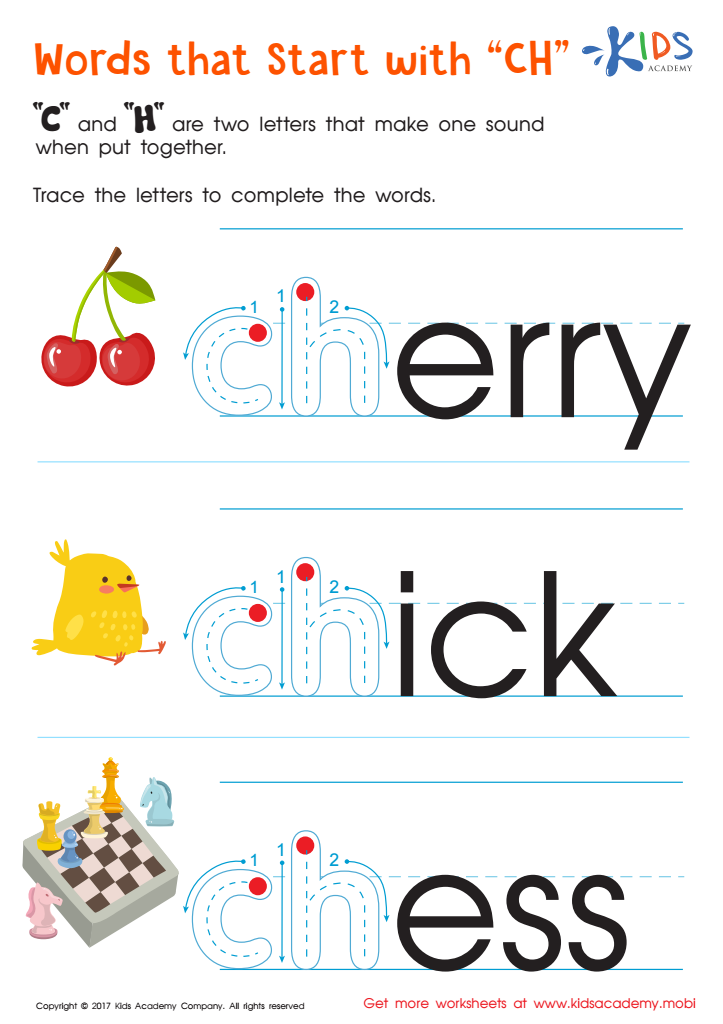
Words That Start with "ch" Spelling Worksheet
 Assign to My Students
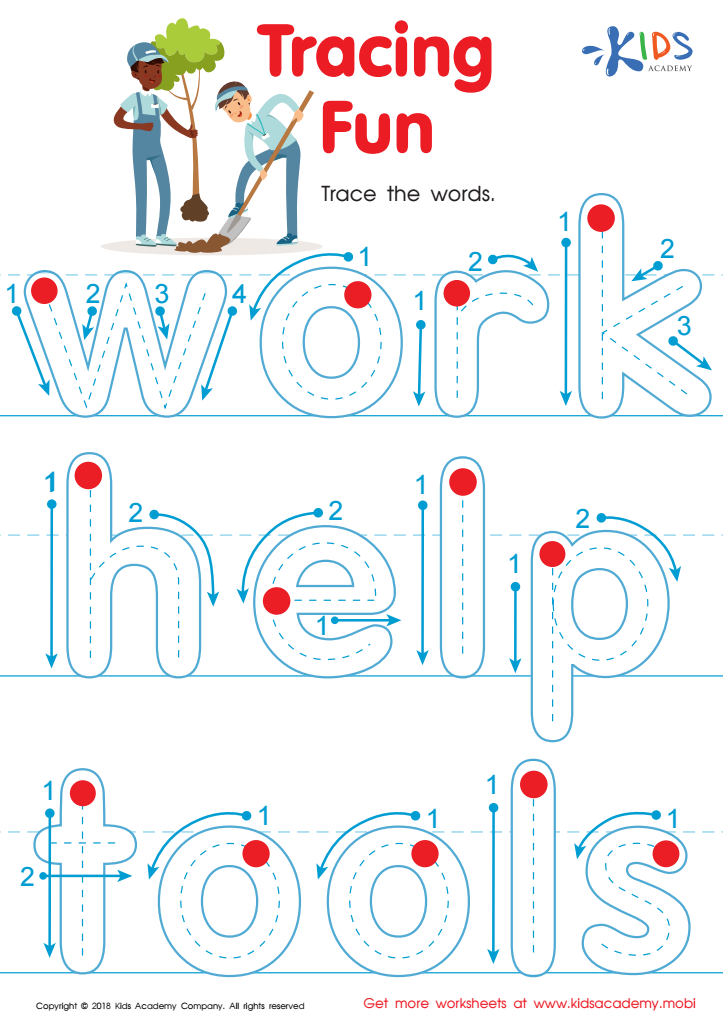
Tracing Fun Worksheet
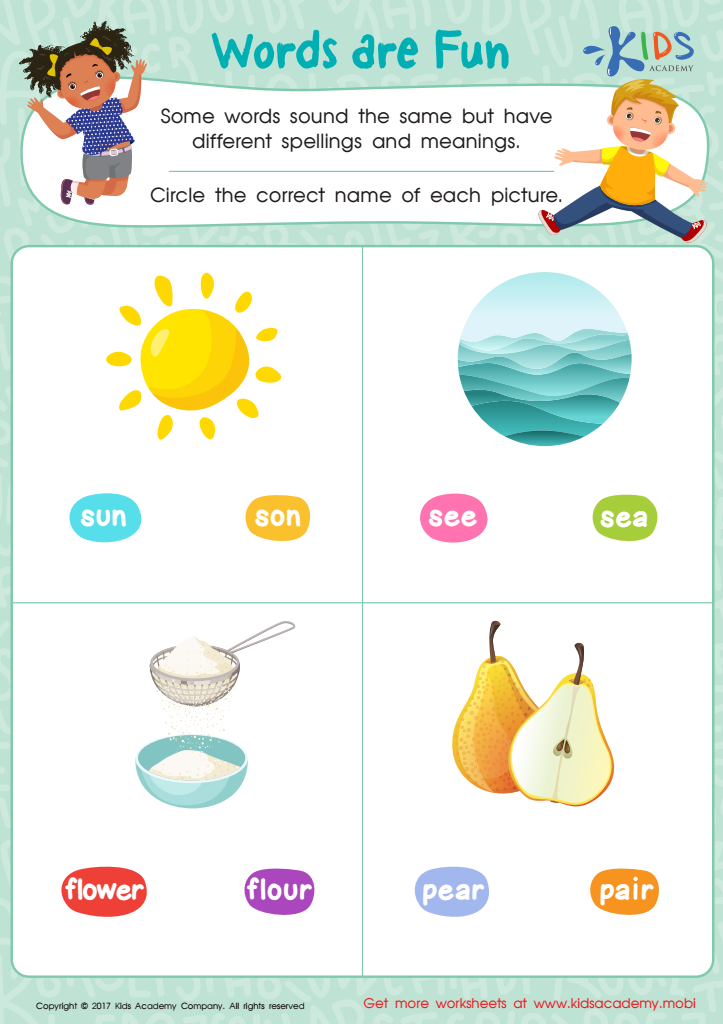
Words Are Fun Worksheet
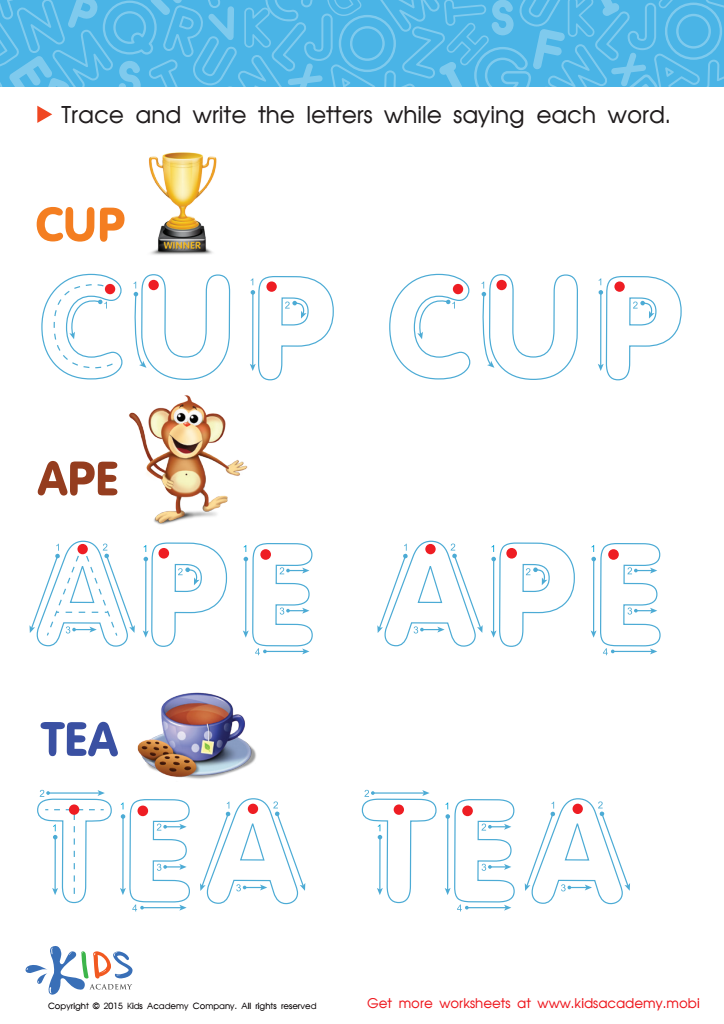
A Cup, an Ape and Tea Spelling Worksheet








Letter recognition and writing are critical foundational skills for children aged 3-7. During this formative stage, young learners are developing essential literacy skills that form the basis for effective communication and academic success. When parents and teachers prioritize letter recognition, they help children identify and differentiate letters, paving the way for reading proficiency. Recognizing letters is the first step towards understanding phonics and decoding words.
Writing letters reinforces cognitive connections, enhancing fine motor skills essential for handwriting and overall coordination. The act of writing helps solidify memory retention, as children physically engage with each letter they write. Furthermore, mastery of letter recognition and writing emboldens children, fostering a sense of accomplishment and boosting their confidence as learners.
Additionally, fostering these skills at an early age encourages a love for reading and writing throughout life. When children engage in literacy-rich environments, whether at home or in school, they become more enthusiastic about learning. As they progress, solid letter skills contribute to the development of advanced literacy skills and overall academic achievement. In essence, when parents and teachers focus on letter recognition and writing for young children, they invest in a brighter, more literate future for their students.








