Alphabet Worksheets for Ages 3-8 - Page 18
418 filtered results
-
From - To
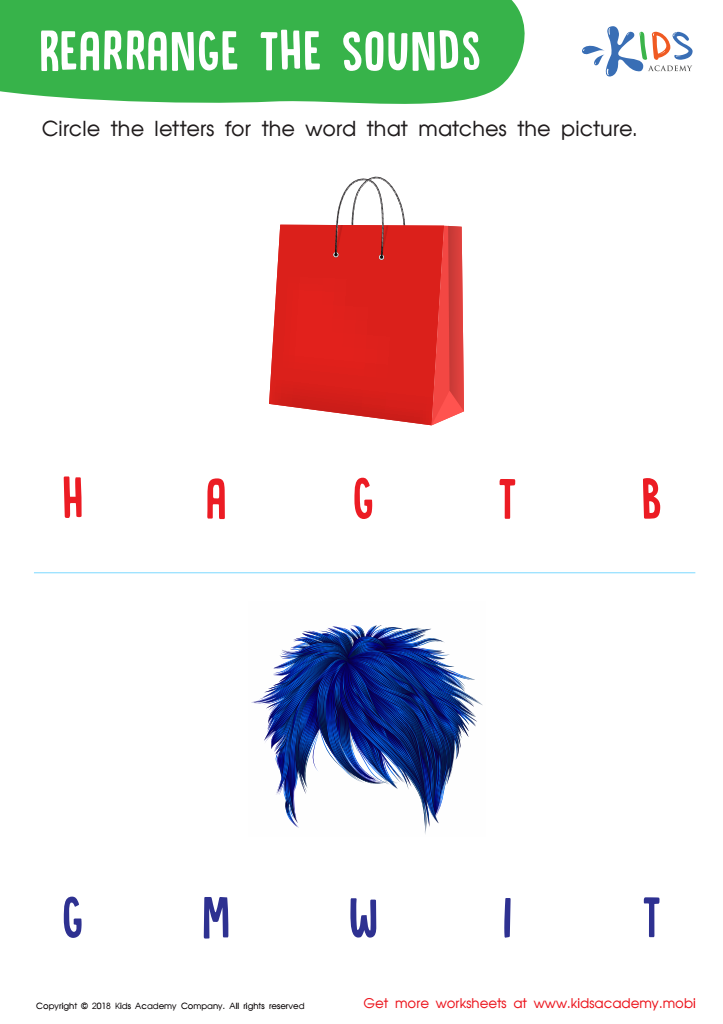
Rearrange the Sounds Worksheet
 Assign to My Students
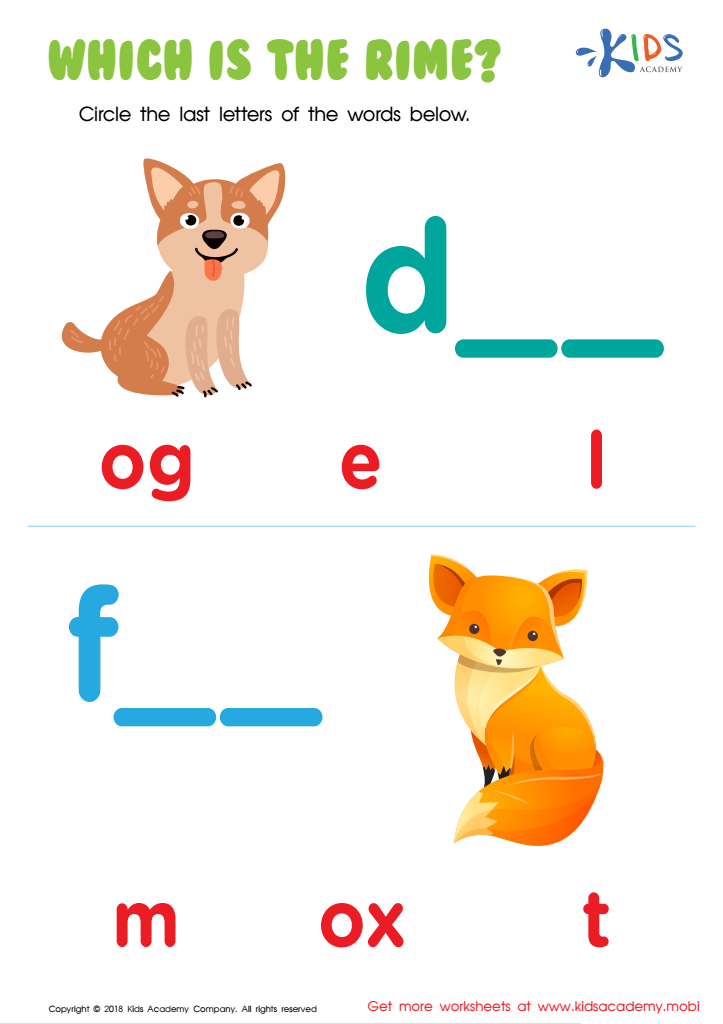
Which Is the Rime? Worksheet
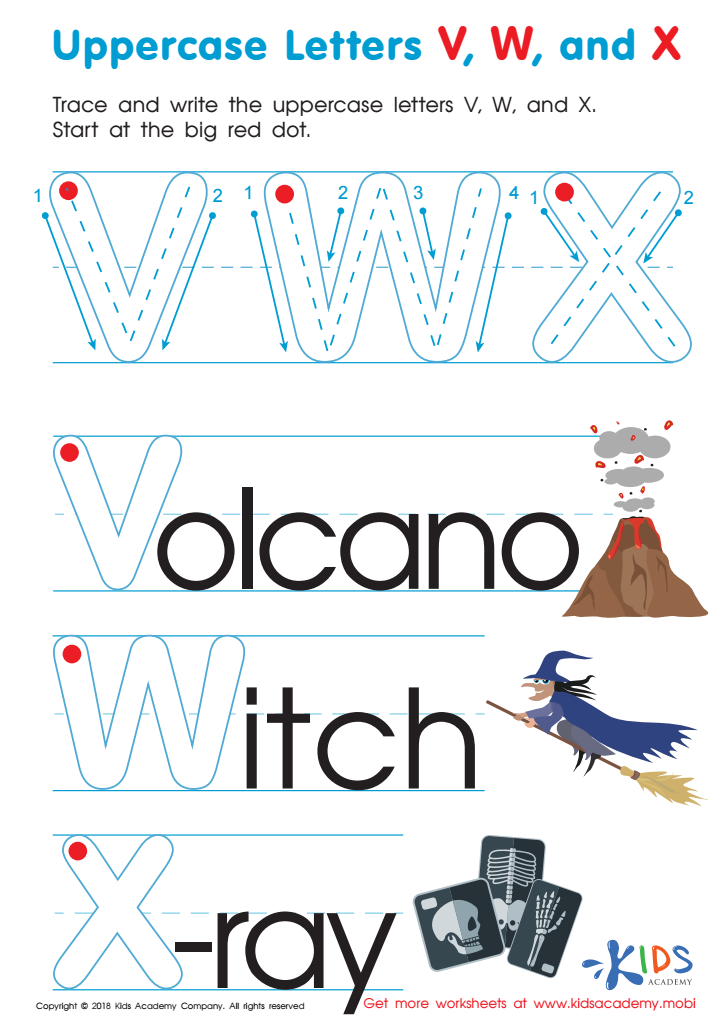
Uppercase Letters V, W, and X Worksheet
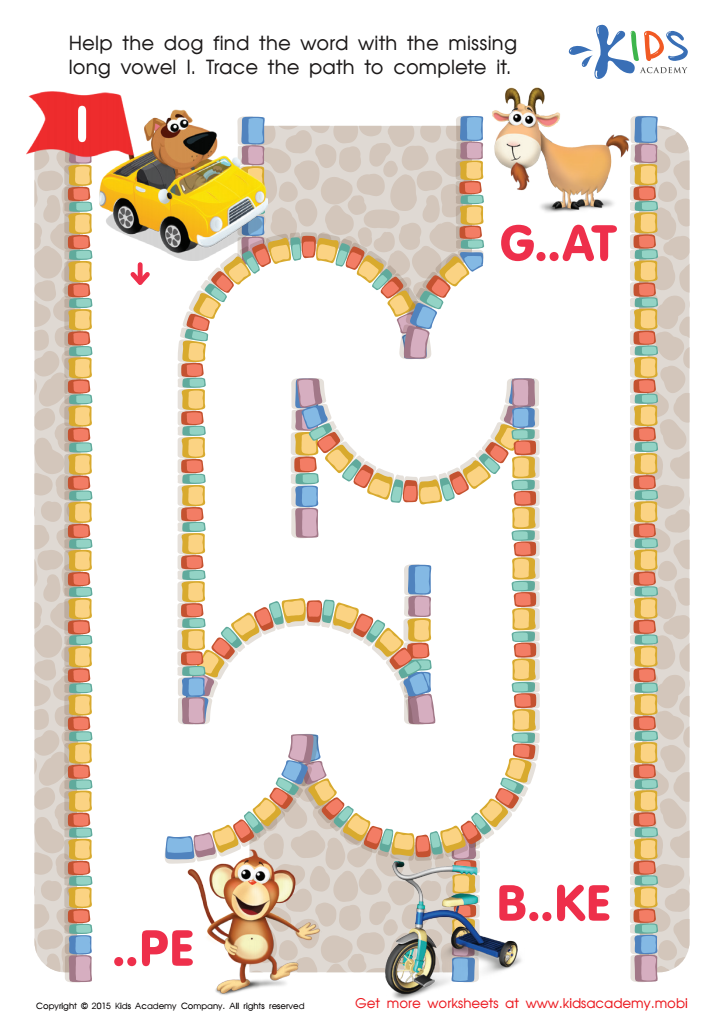
Long Vowel Sound I Worksheet
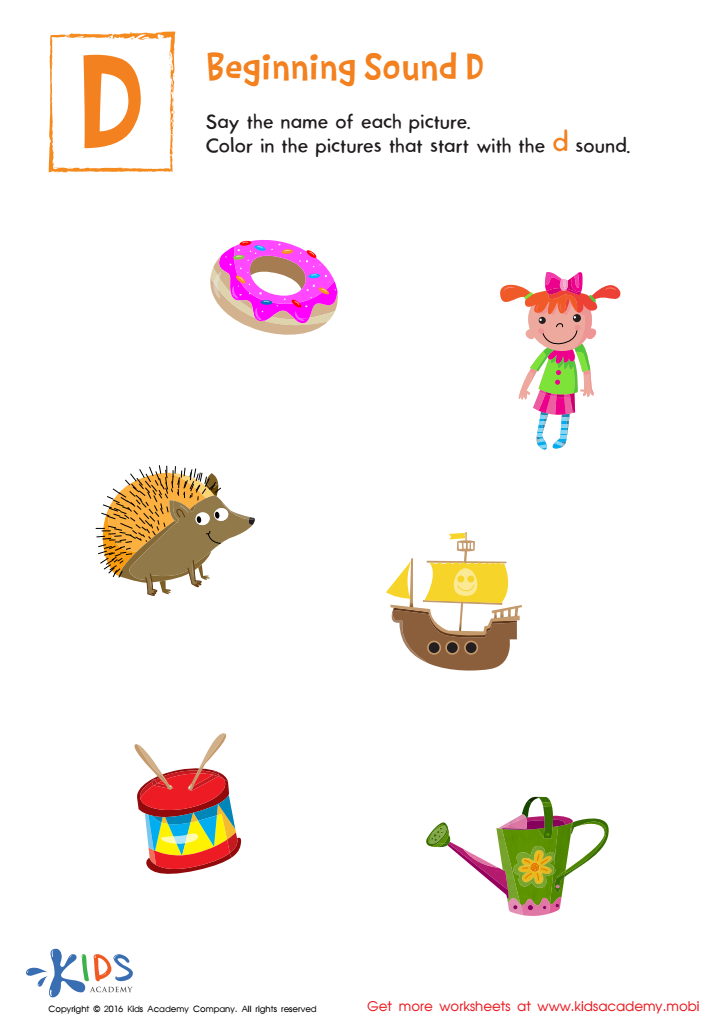
Beginning Sound D Worksheet
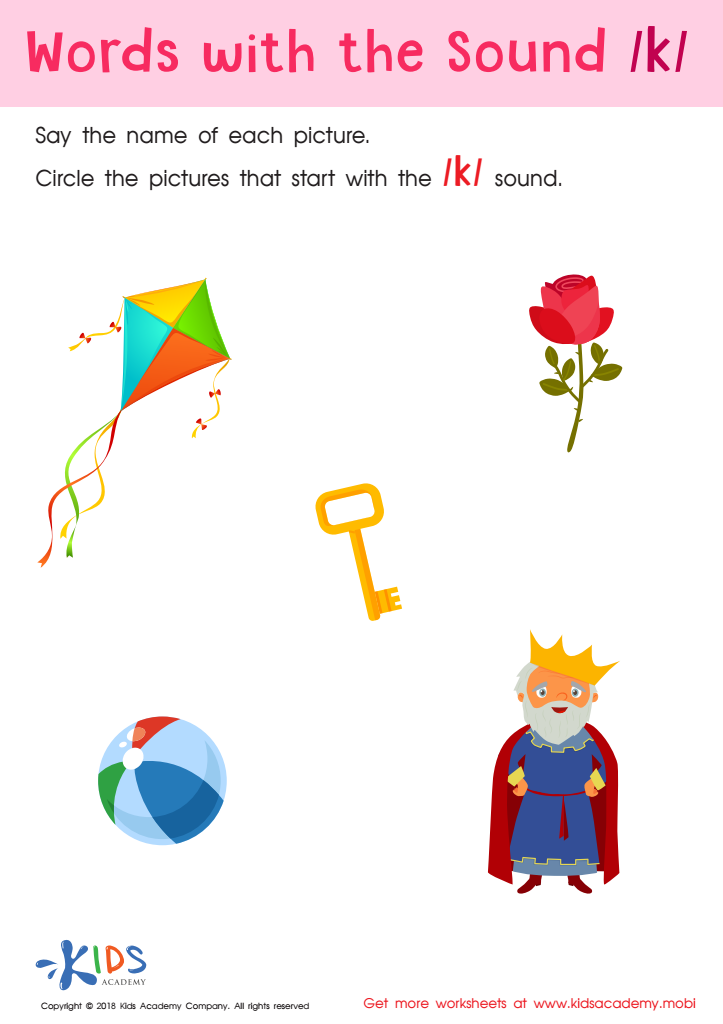
Words with sound k Reading Worksheet
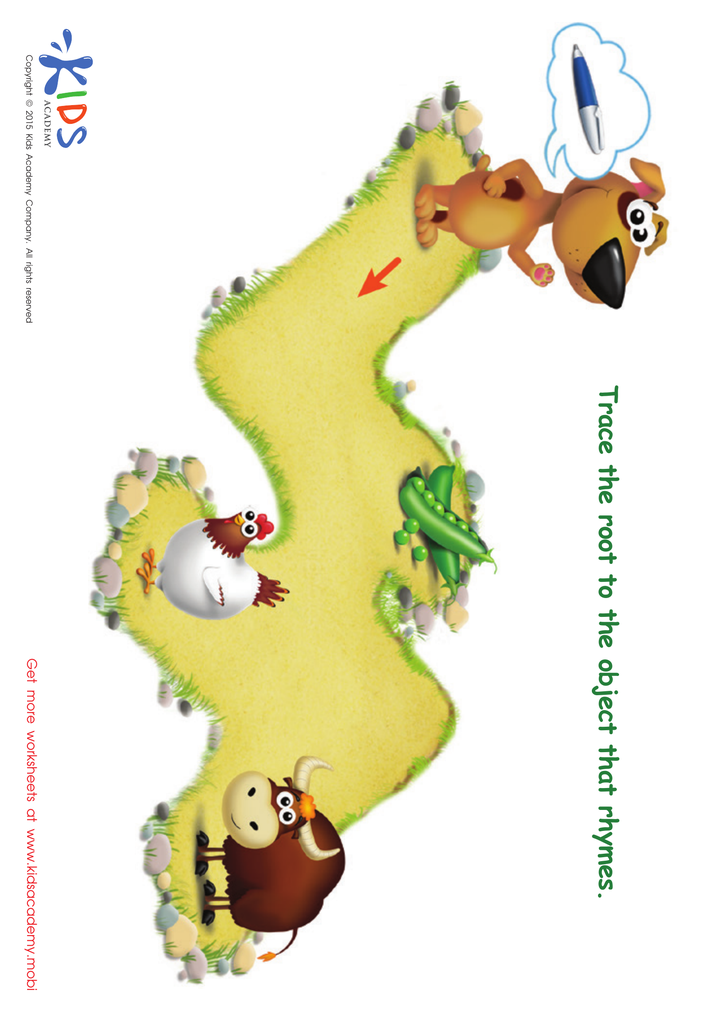
Pen Rhyming Words Worksheet
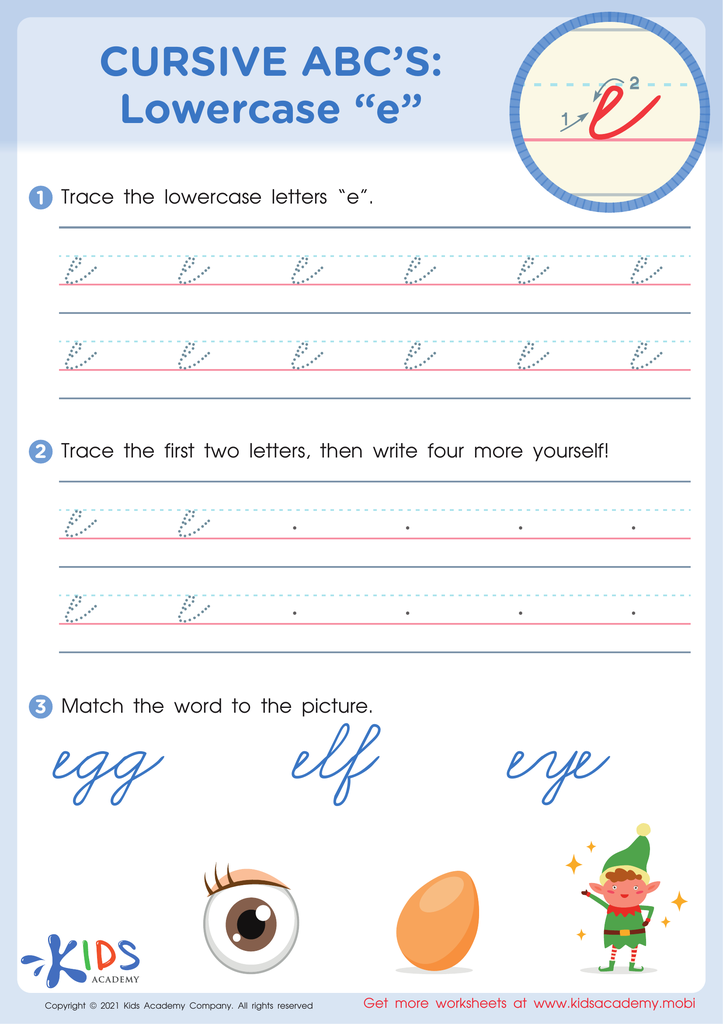
Cursive ABCs: Lowercase e
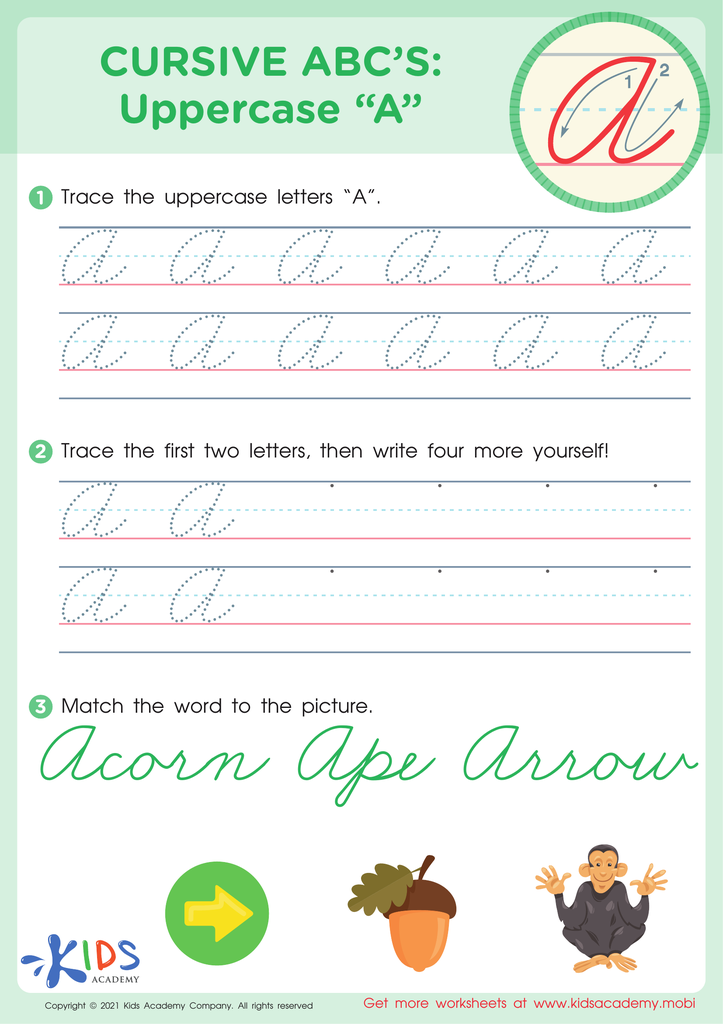
Cursive ABCs: Uppercase A
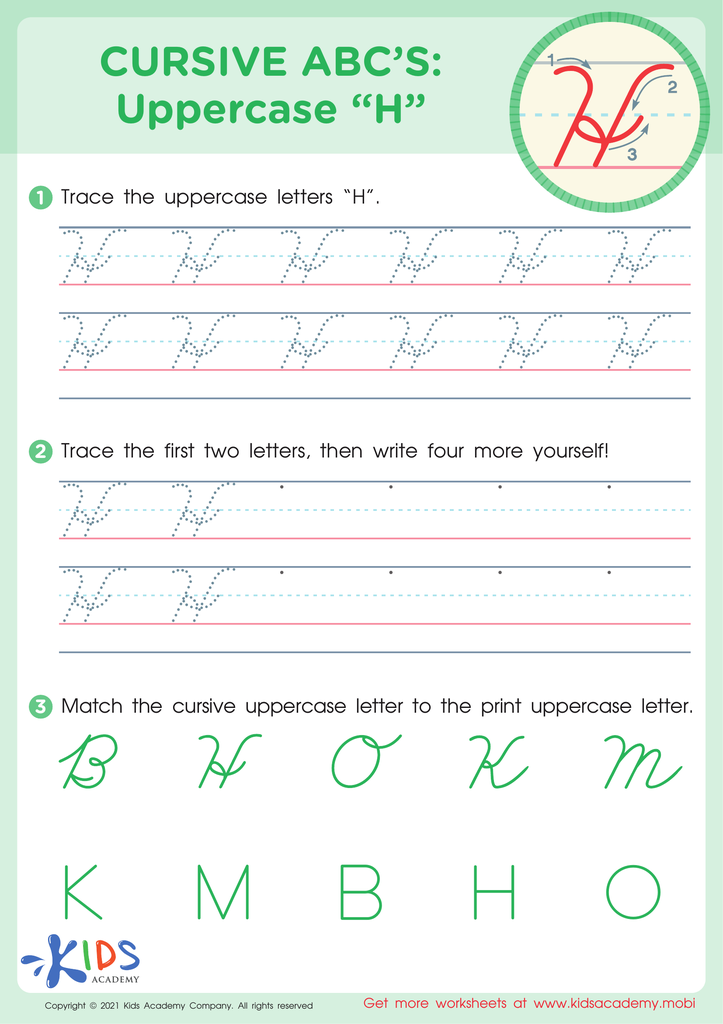
Cursive ABCs: Uppercase H








Teaching the alphabet to children aged 3-8 is fundamental to their literacy development and overall cognitive growth. Recognizing letters is the foundation for reading, writing, and effective communication. When parents and teachers prioritize alphabet learning, they lay the groundwork for children to understand phonics, which helps them decode words as they progress in their literacy journey.
The ages 3-8 are critical for language acquisition, as children’s brains are highly receptive during this period. Introductions to letters through fun, interactive methods—like songs, games, and storytelling—make learning engaging and enjoyable, fostering a lifelong love for learning. When children are confident in their alphabet knowledge, they are more likely to participate in reading activities, enhancing vocabulary and comprehension skills.
Additionally, learning the alphabet helps develop fine motor skills as children practice writing letters. It also encourages social interaction, as group activities can promote teamwork and communication with peers. By emphasizing the importance of the alphabet, parents and teachers not only prepare children for academic success but also nurture essential life skills. Ultimately, a solid alphabet foundation empowers children to navigate their educational journey with confidence, enthusiasm, and curiosity.







