Consonants Worksheets for Ages 3-8 - Page 2
34 filtered results
-
From - To
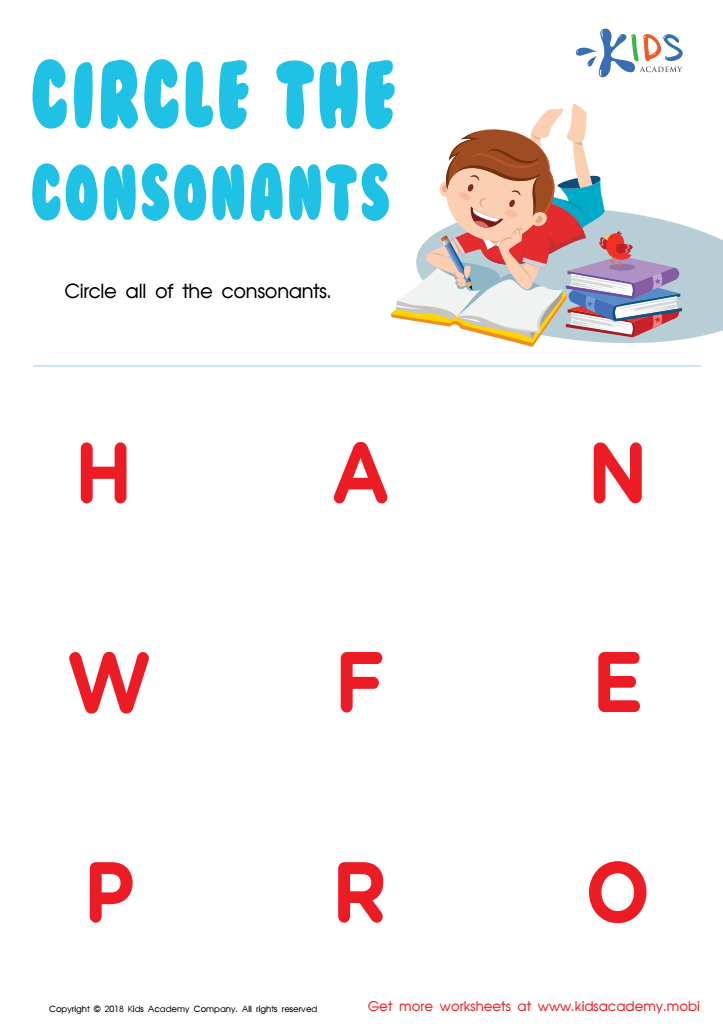
Circle the Consonants Worksheet
 Assign to My Students
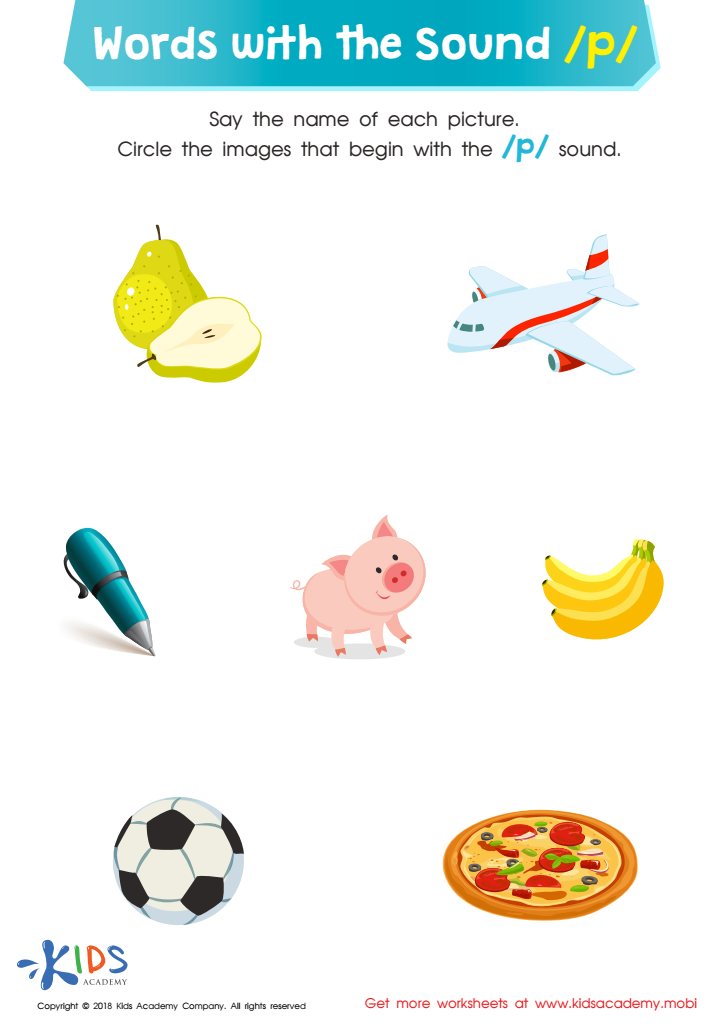
Words with sound p Reading Worksheet
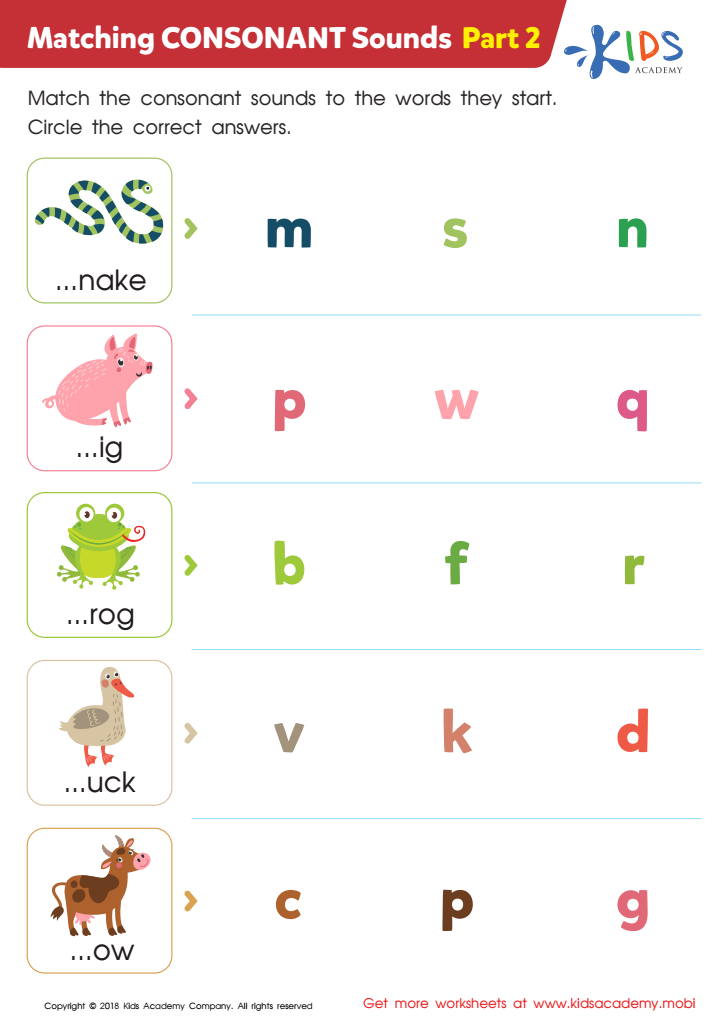
Matching Consonant Sounds: Part 2 Worksheet
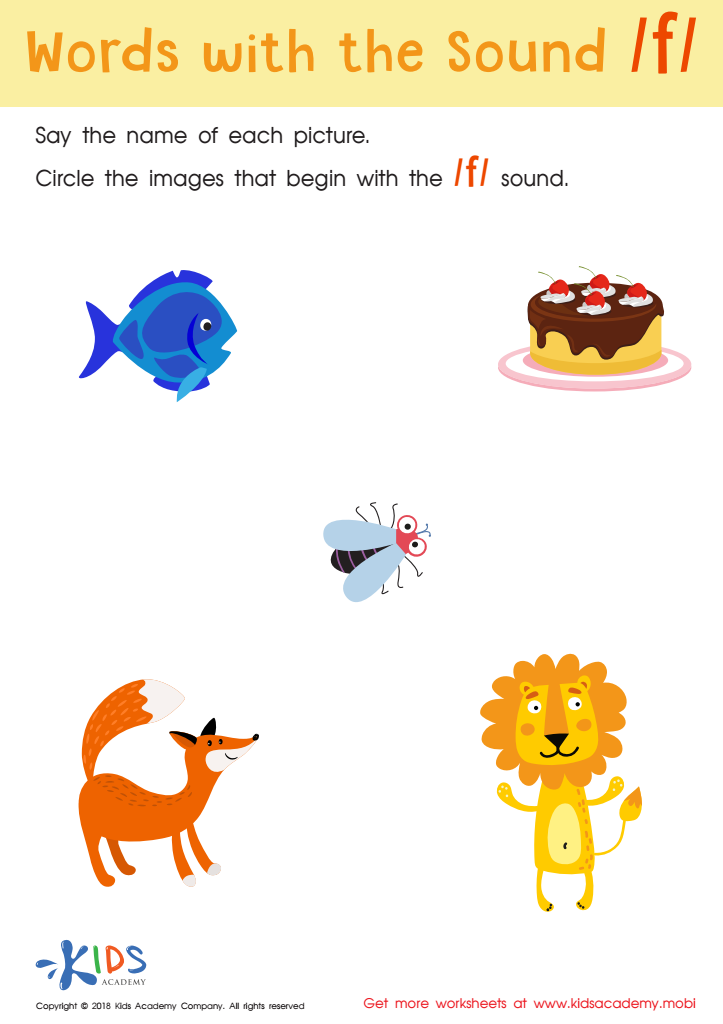
Words with sound f Reading Worksheet
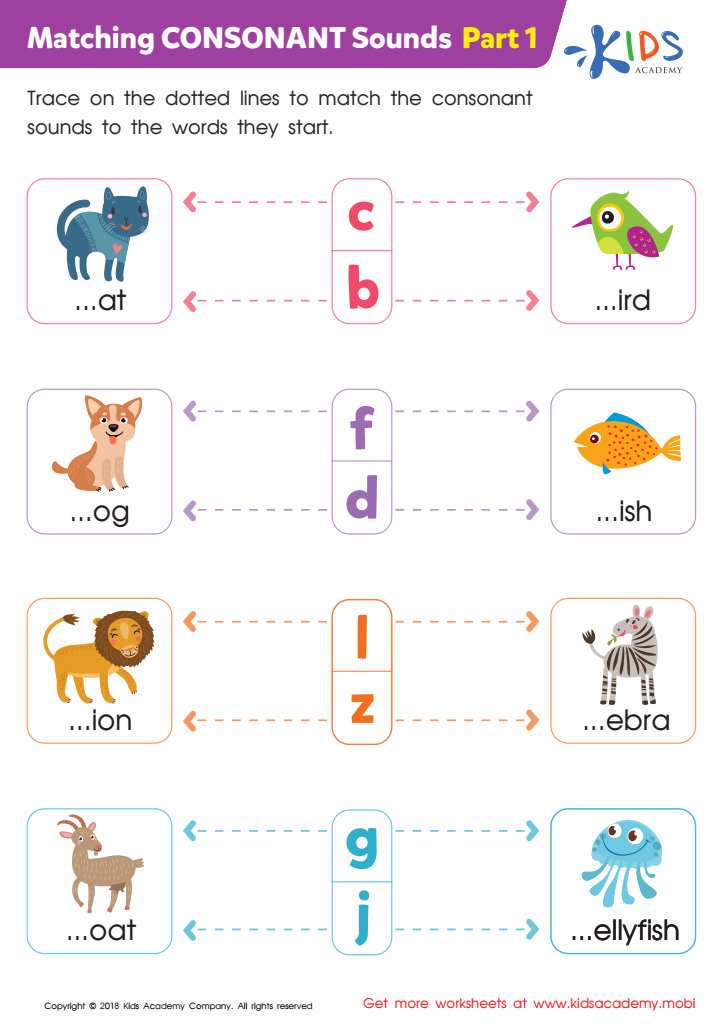
Matching Consonant Sounds: Part 1 Worksheet
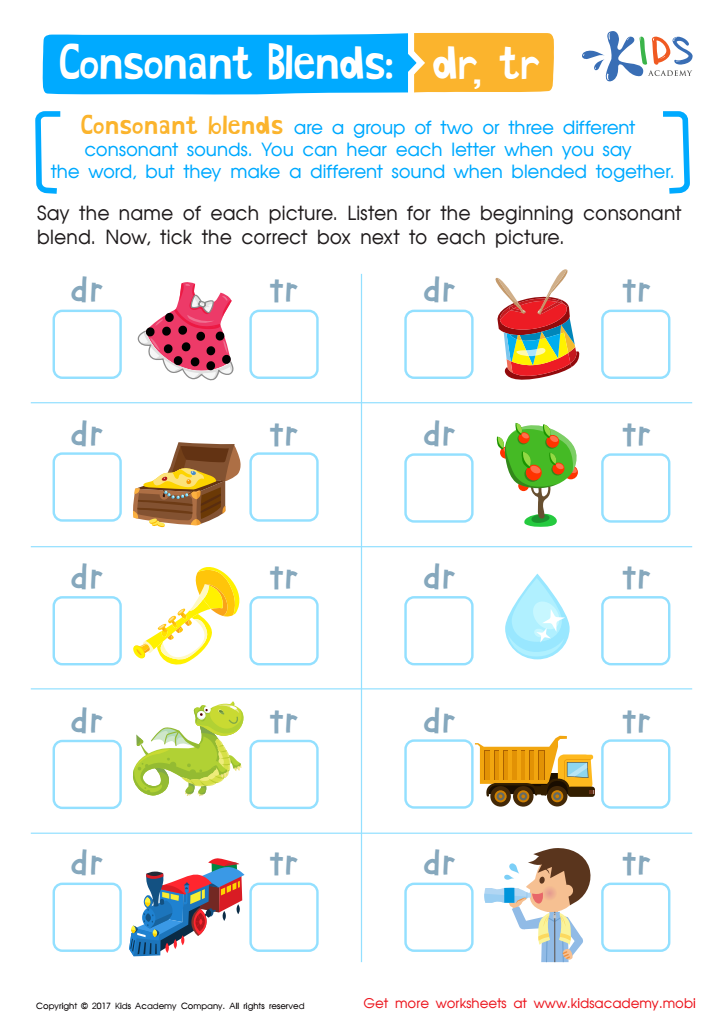
Consonant Blends: "Dr" and "Tr" Printable
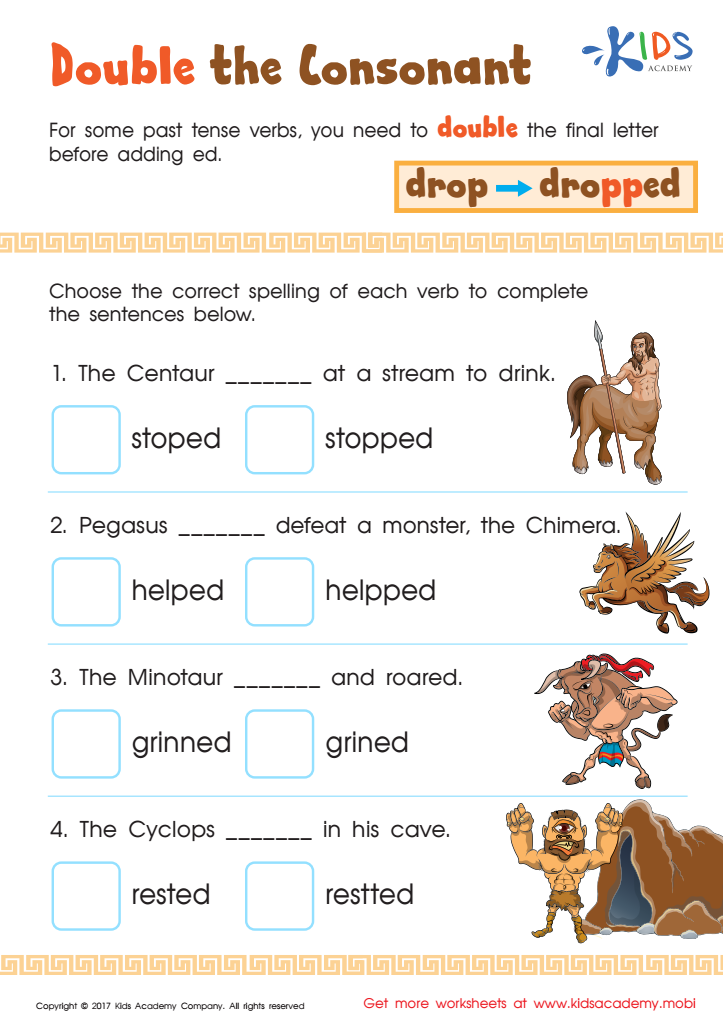
Double Consonant Spelling Worksheet
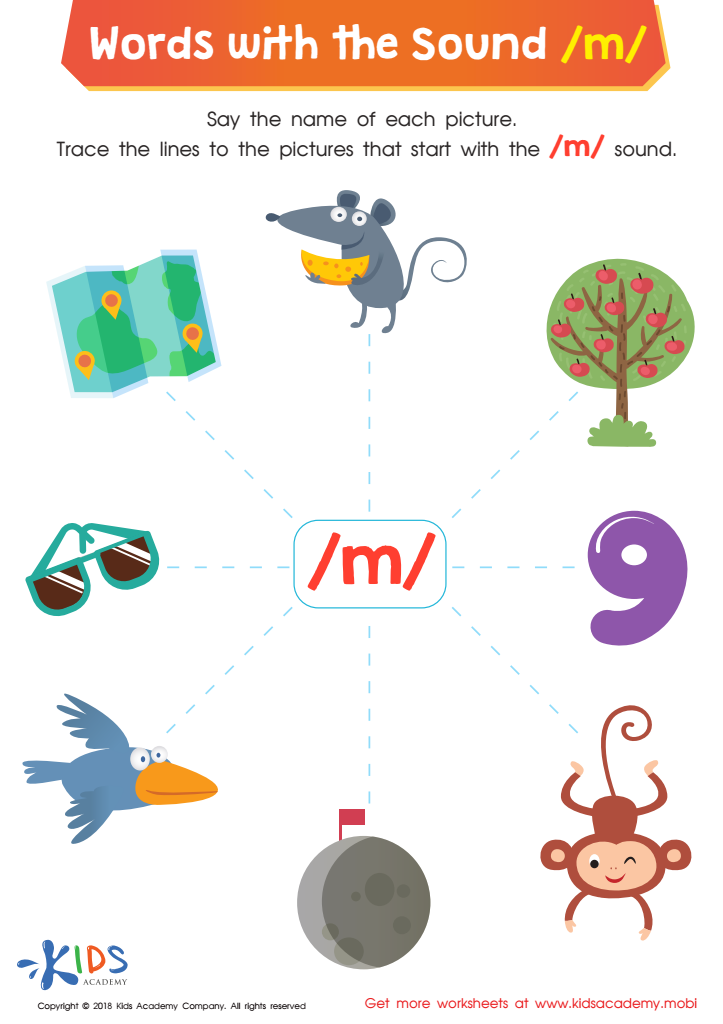
Words with Sound M Reading Worksheet
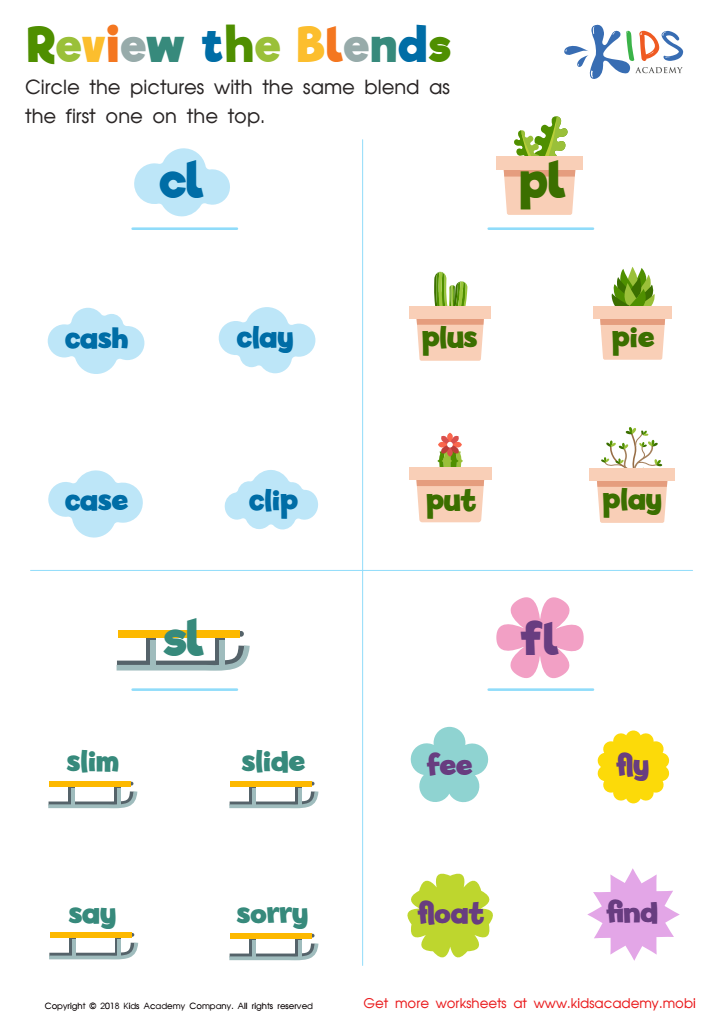
Review the Blends Worksheet
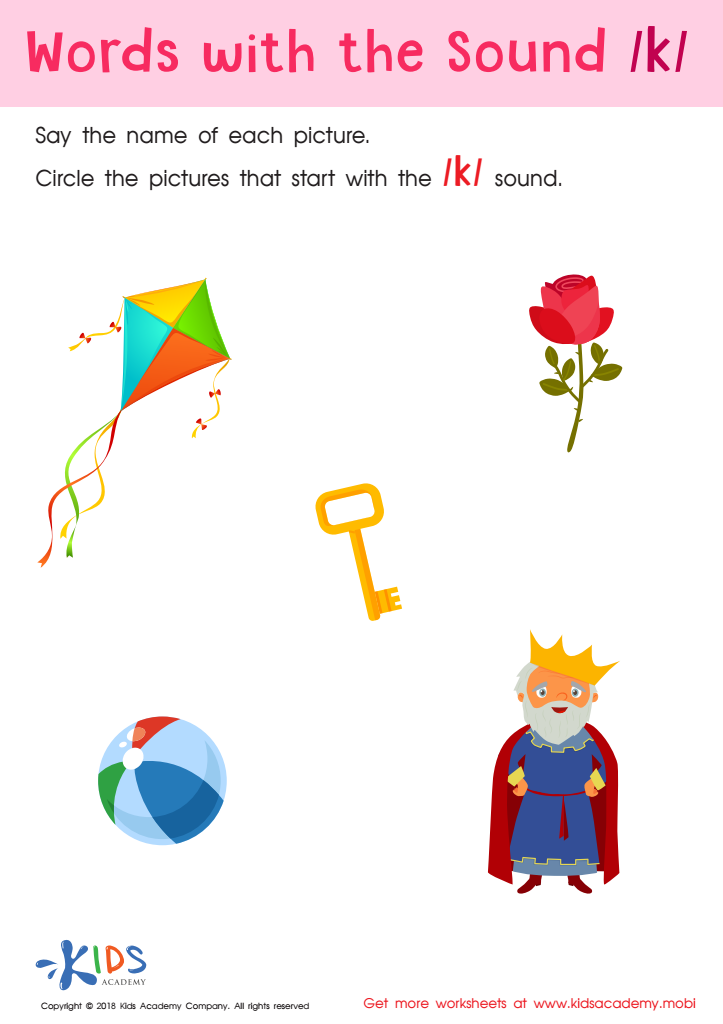
Words with sound k Reading Worksheet



Understanding consonants is crucial for children aged 3 to 8 as it lays the foundation for literacy and communication skills. At this developmental stage, children are learning to recognize letters and sounds, which is fundamental for reading and writing. Consonants, being the backbone of many words, help children decode phonetic patterns, enhancing their ability to read independently.
When parents and teachers emphasize consonants, they enable children to build vocabulary and improve oral language skills. Phonemic awareness, which includes recognizing consonants, allows children to manipulate sounds, facilitating spelling and word play. Learning letters and sounds also boosts confidence in classroom participation, as children are better equipped to express their thoughts and ideas.
Moreover, early mastery of consonants aids in more advanced literacy skills later on. As children progress in their education, solid phonetic foundations empower them to tackle more complex texts and improve comprehension. By prioritizing consonant learning, parents and teachers foster a love for reading and promote overall language development, which is integral to academic success and lifelong communication abilities. Engaging children with playful activities around consonants makes the learning process enjoyable and effective. Ultimately, this investment shapes more capable and confident learners.







