Reading Skills Elementary Phonics Worksheets for Ages 3-8
5 filtered results
-
From - To
Nurture your child's love for reading with our "Reading Skills Elementary Phonics Worksheets for Ages 3-8." Specifically designed to cater to young learners, these engaging worksheets cover foundational phonics and reading skills. From letter recognition to sounding out words, each activity aims to enhance vocabulary, comprehension, and fluency. Perfect for preschool to early elementary students, these printables make learning interactive and fun. Tailored to support classroom lessons or at-home practice, our worksheets provide a well-rounded educational experience that sets the stage for lifelong reading success. Explore and download to boost your child's literacy journey today!
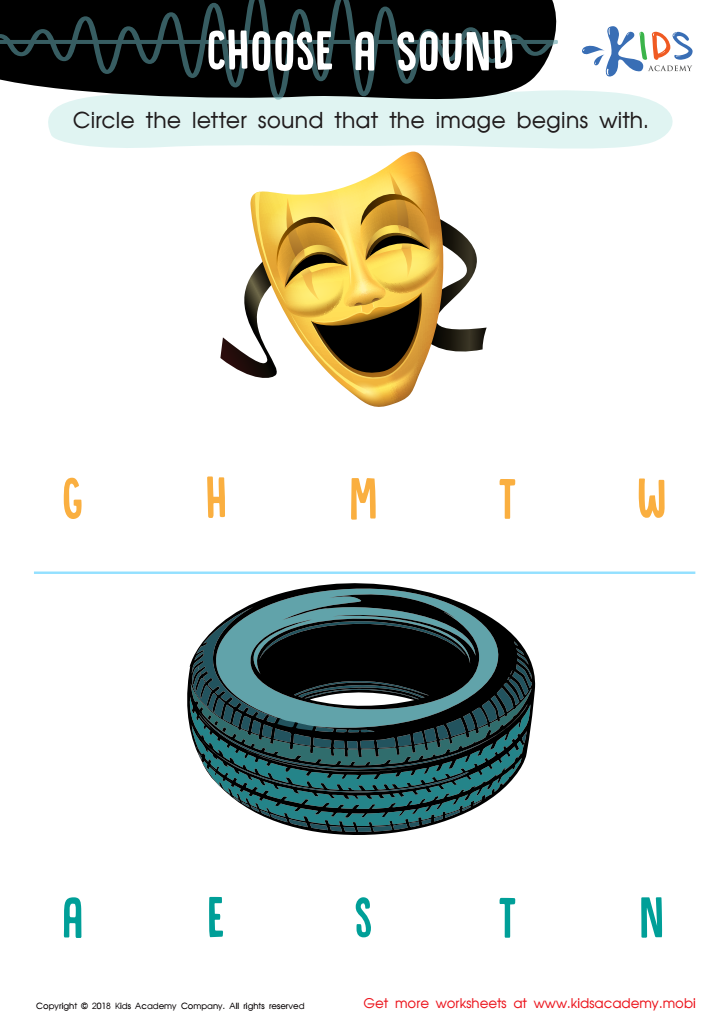
Choose a Sound Worksheet
 Assign to My Students
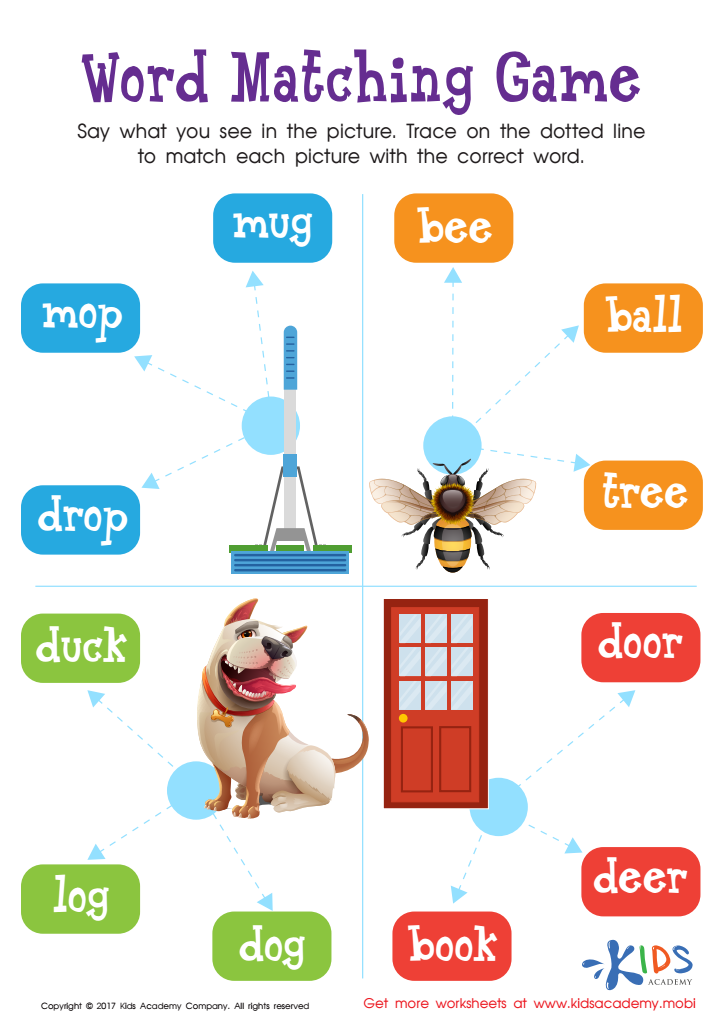
Word Matching Game Worksheet
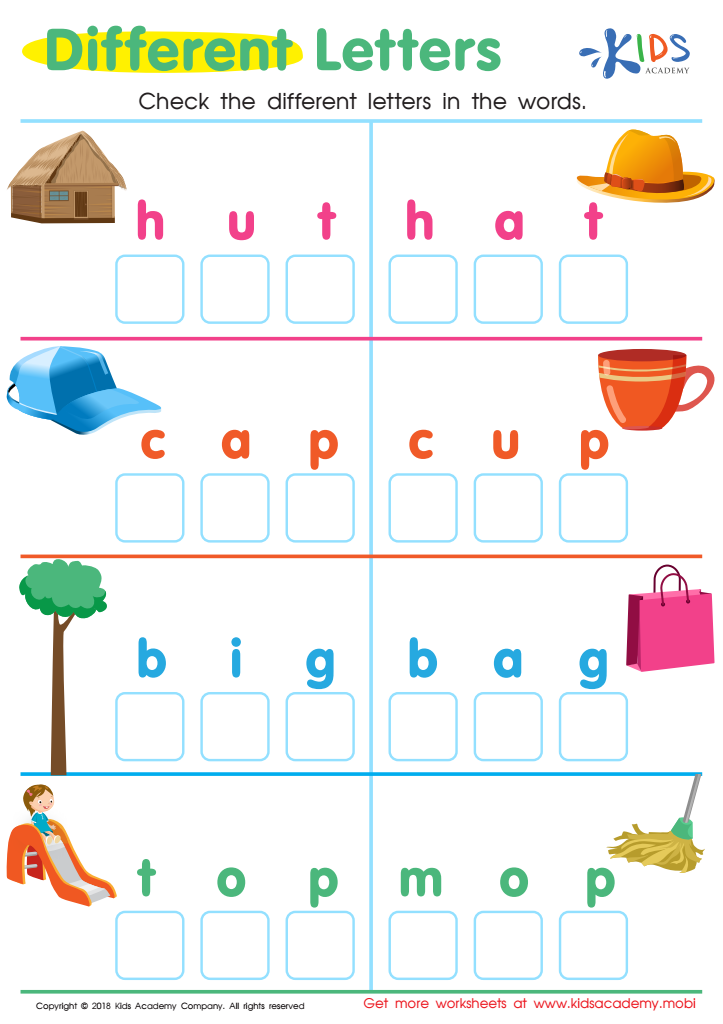
Different Letters Reading Worksheet
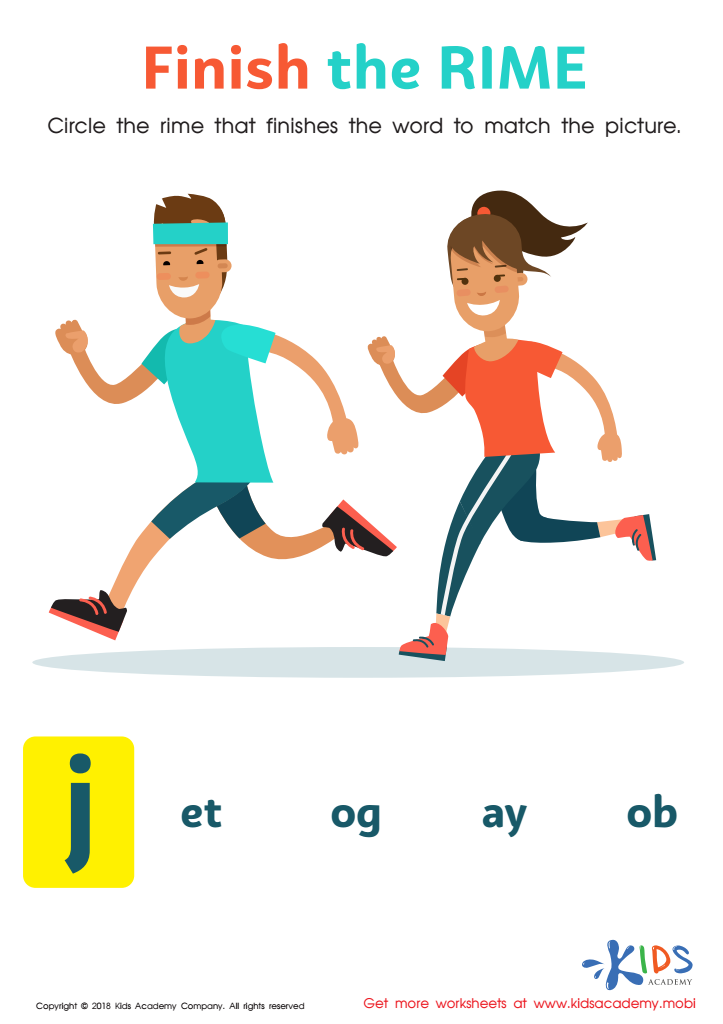
Finish the Rime Worksheet
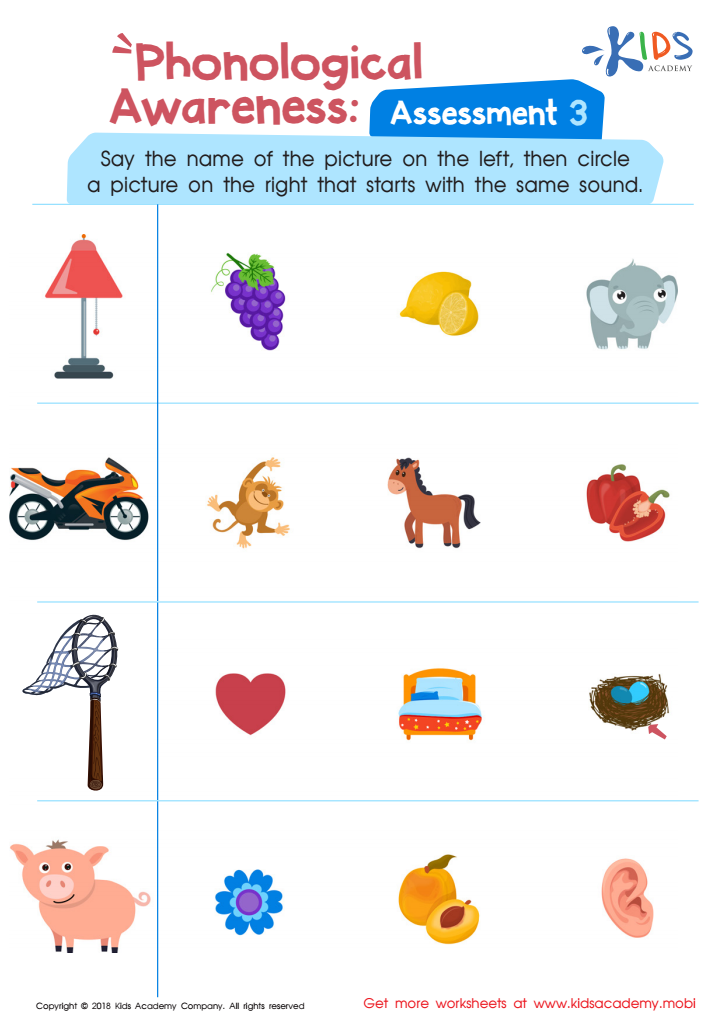
Phonological Awareness: Assessment 3 Worksheet




Reading skills and elementary phonics are crucial for children aged 3-8 because they lay the building blocks for lifelong literacy and academic success. At this developmental stage, young brains are particularly receptive to learning language patterns, sounds, and the basics of decoding words. Phonics instruction helps children understand the relationship between letters and sounds, enabling them to read new words, enhancing fluency, and boosting comprehension skills.
Effective phonics education equips children with the tools to tackle unfamiliar words independently, fostering a sense of confidence and autonomy in their reading abilities. These skills extend beyond reading; they also enhance vocabulary, spelling, and writing proficiency, directly impacting overall academic performance. Moreover, strong early reading skills are closely linked to better school engagement and success in subjects like math and science, due to improved ability to understand instructions and problem-solving questions.
Parental and teacher involvement is crucial for reinforcing these skills through practice and creating an encouraging reading environment. Positive reinforcement and structured support from teachers can make reading enjoyable, making children more inclined to engage in reading-related activities. Additionally, early reading skills enhance communication capabilities, broadening social interactions and emotional intelligence as children express and understand more complex ideas. In essence, investing in early phonics and reading skills is foundational for holistic educational development and long-term learning success.







