Alphabet Recognition Alphabet Worksheets for Ages 3-8 - Page 3
71 filtered results
-
From - To
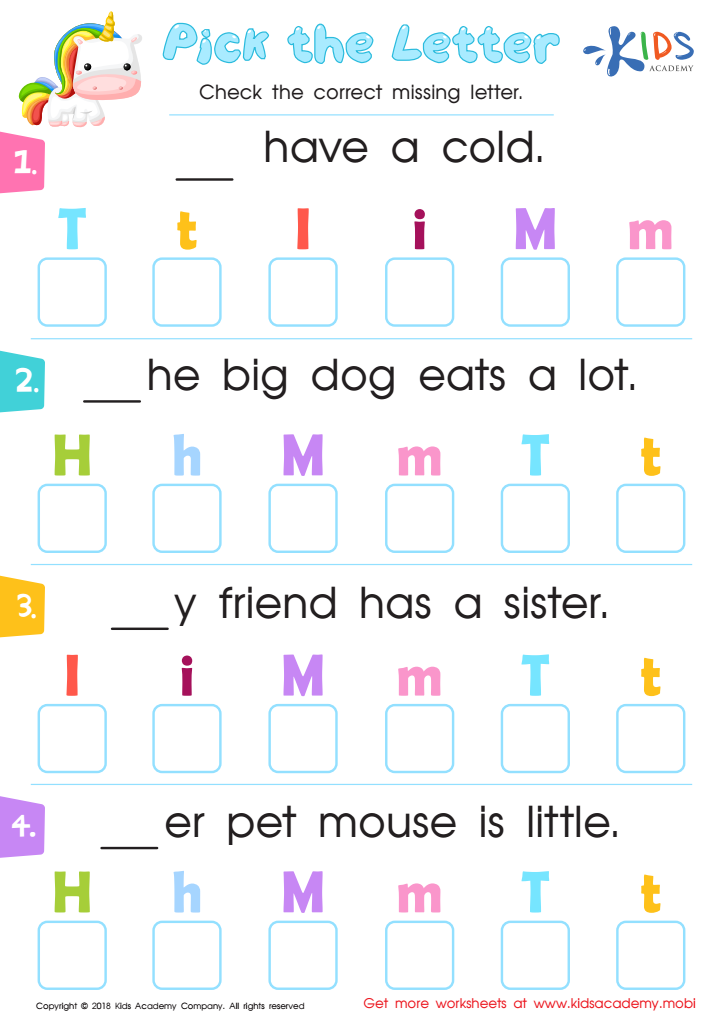
Pick the Letter Worksheet
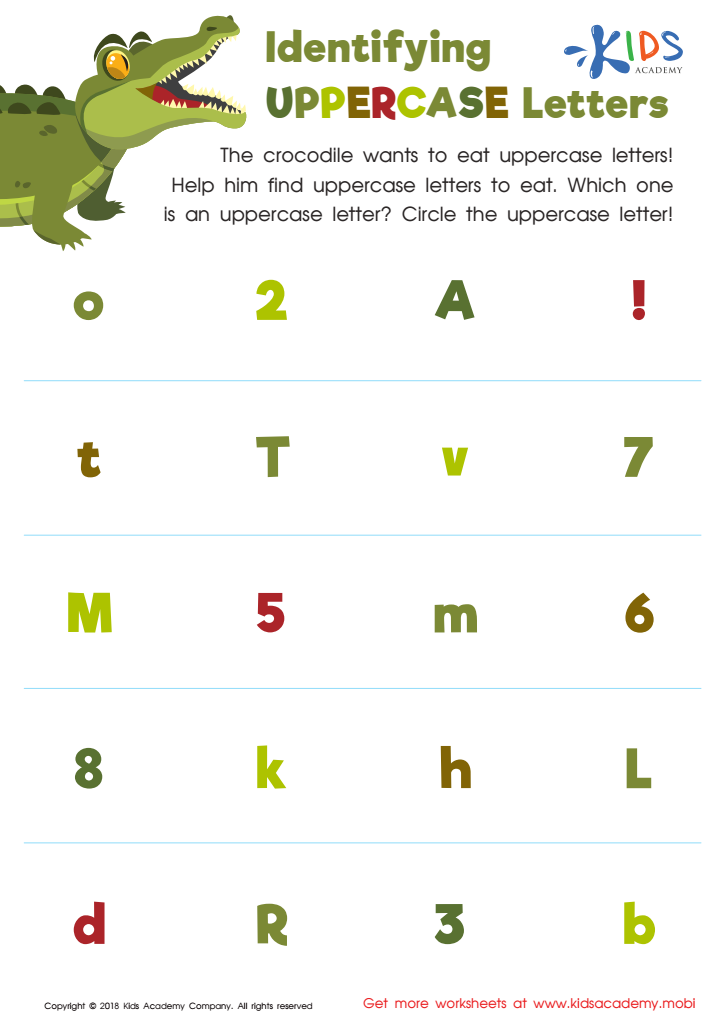
Identifying Uppercase Letters Worksheet
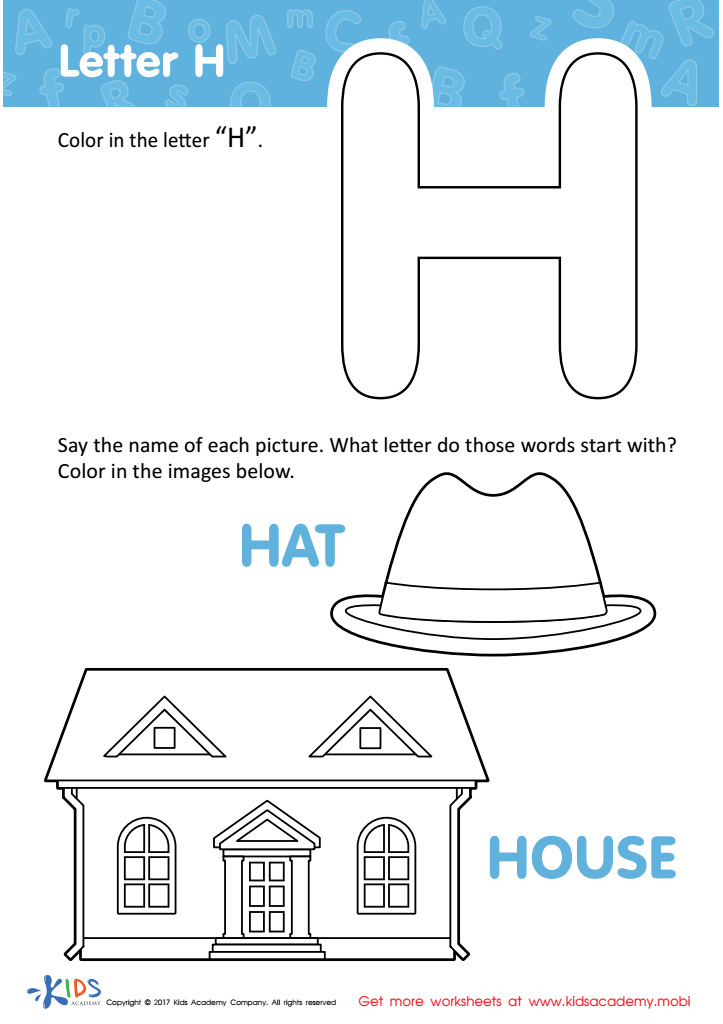
Letter H Coloring Sheet
 Assign to My Students
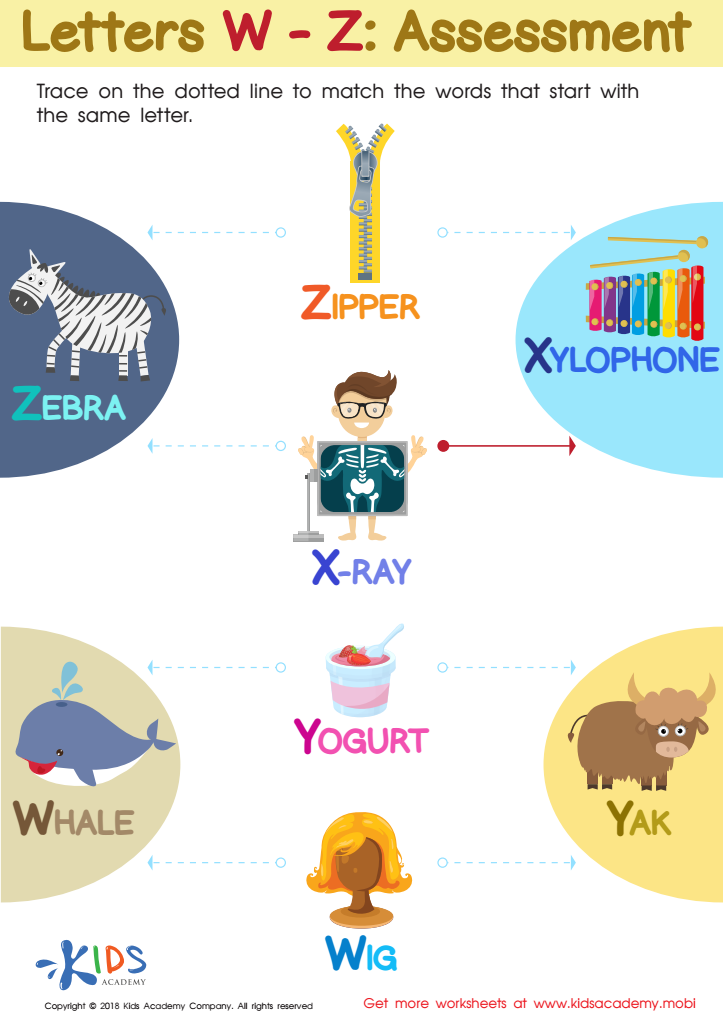
Letters W–Z Tracing Worksheet
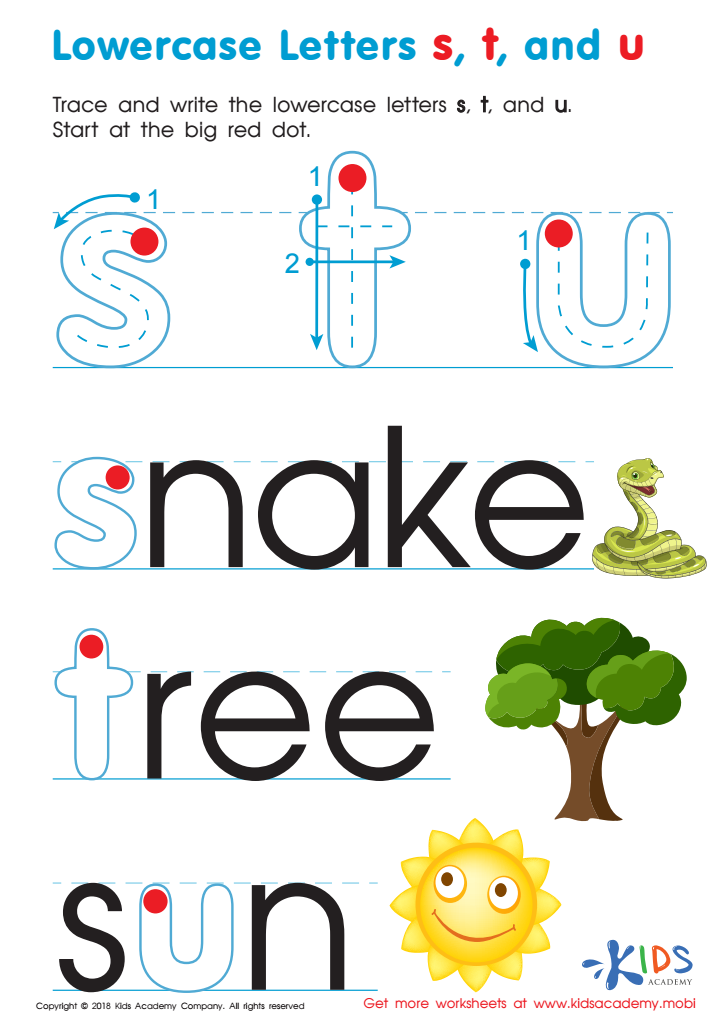
Lowercase Letters s t u Worksheet
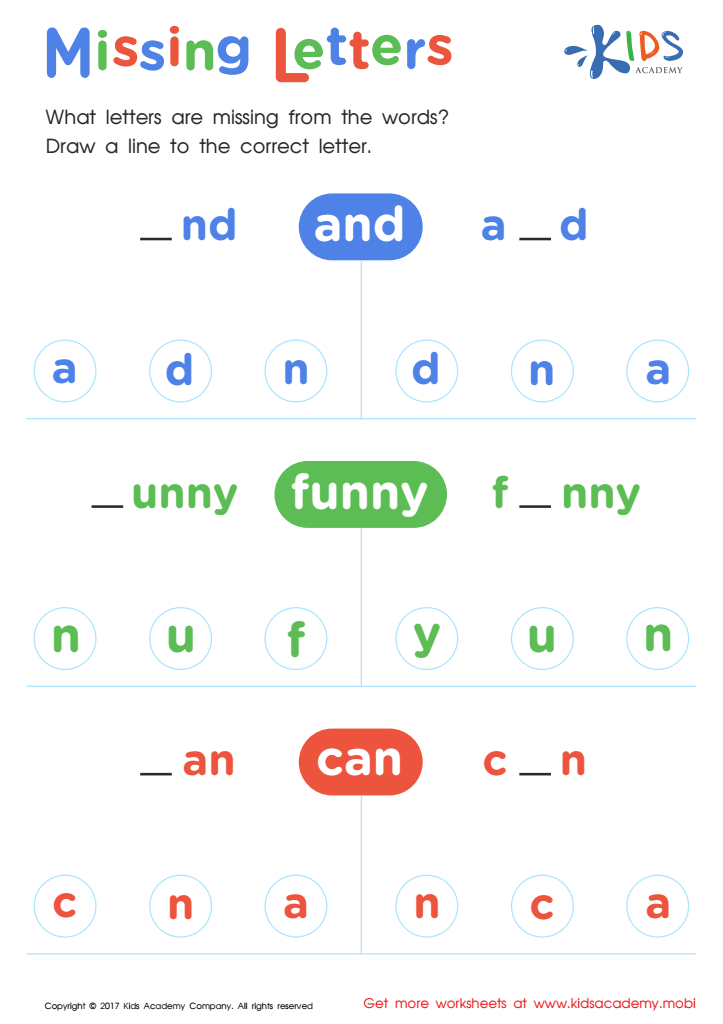
Missing Letters Worksheet
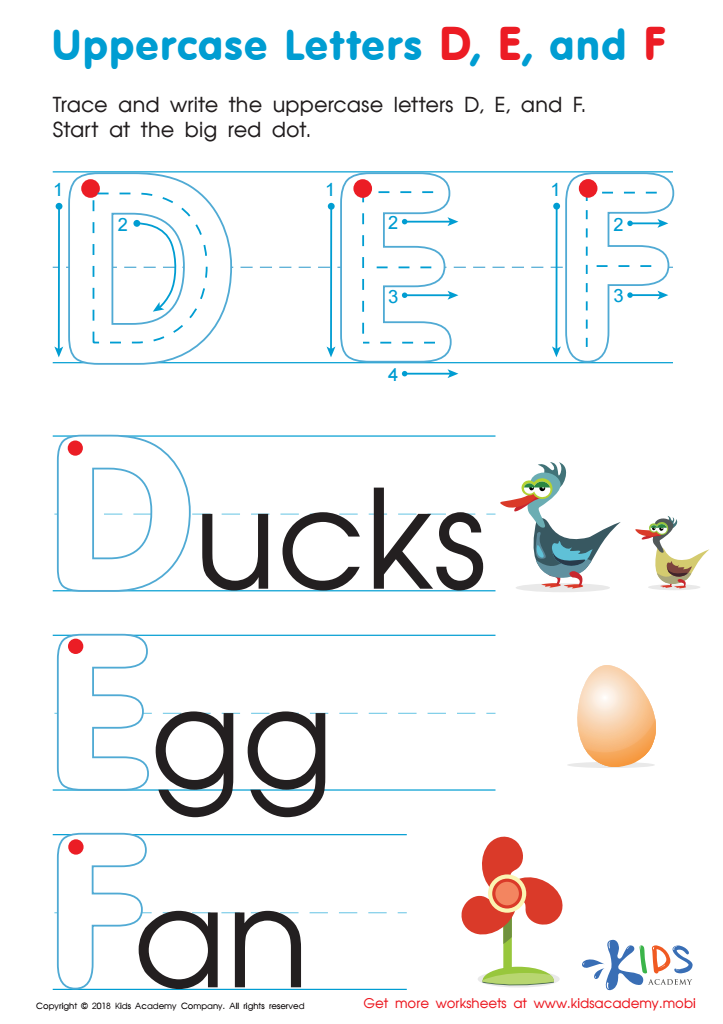
Uppercase Letters D, E, and F Worksheet
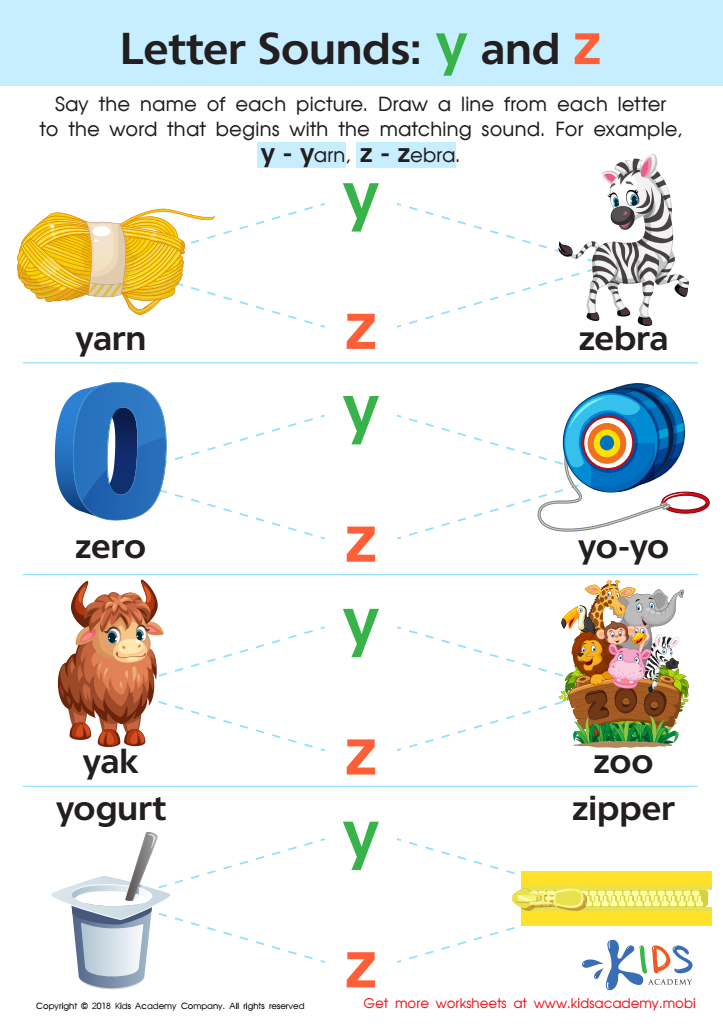
Letter Y and Z Sounds Worksheet
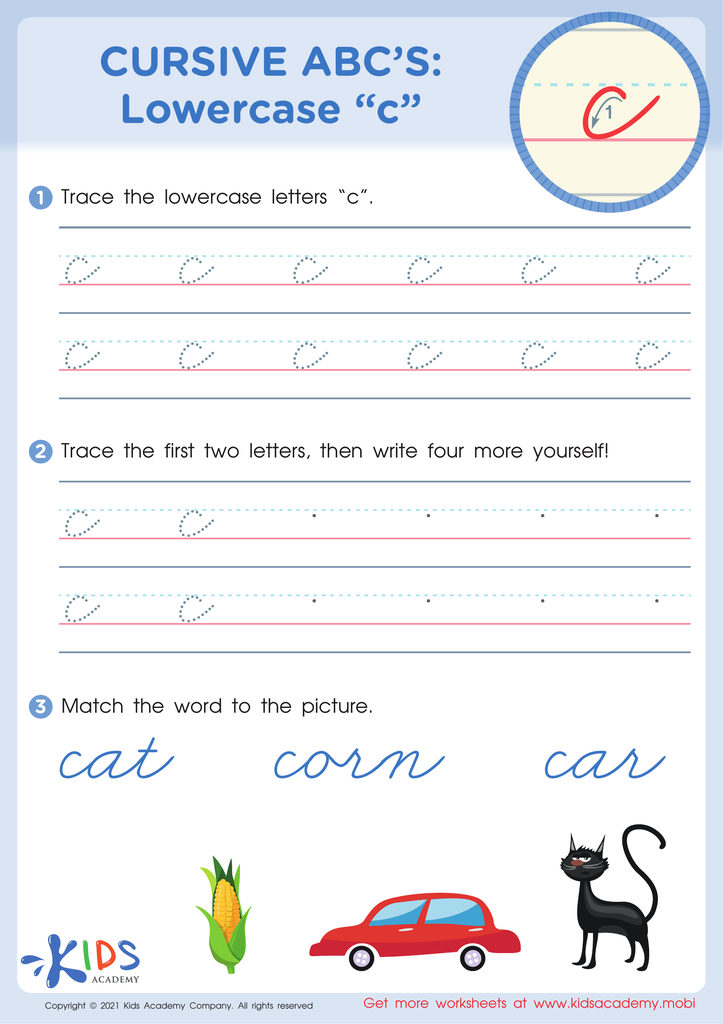
Cursive ABCs: Lowercase c
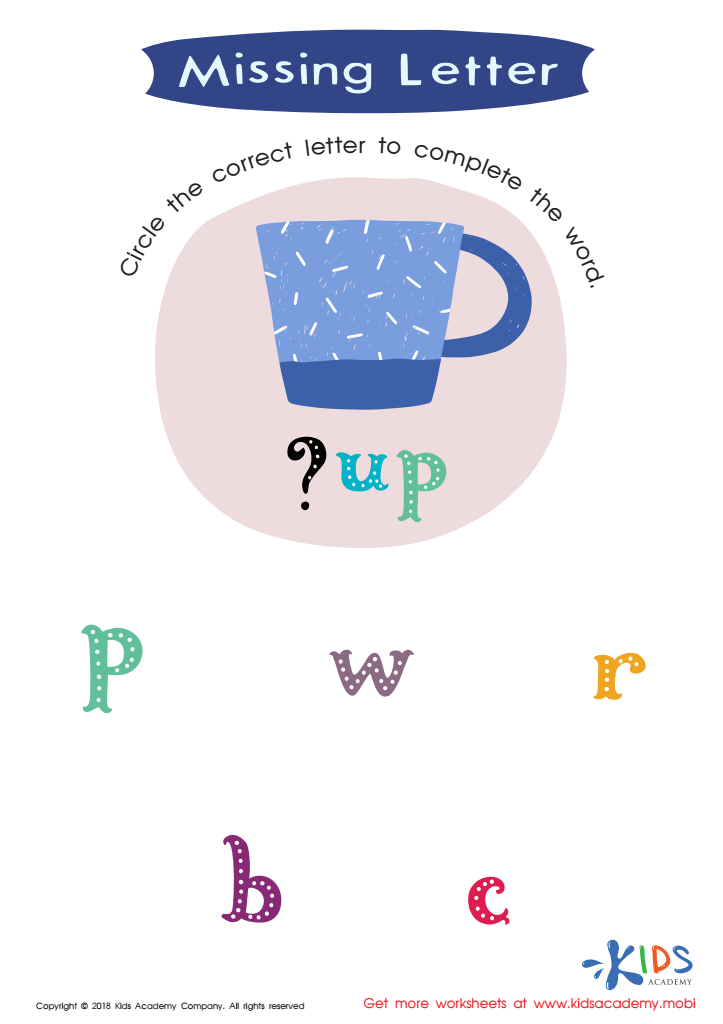
Missing Letter Worksheet
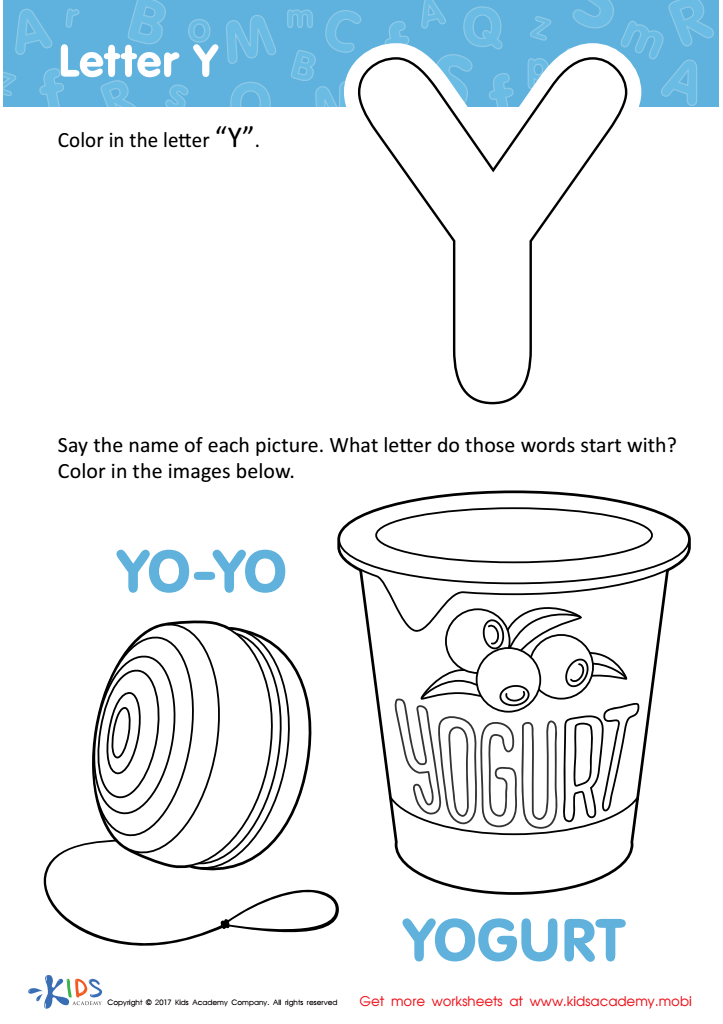
Letter Y Coloring Sheet
Assign to My Students
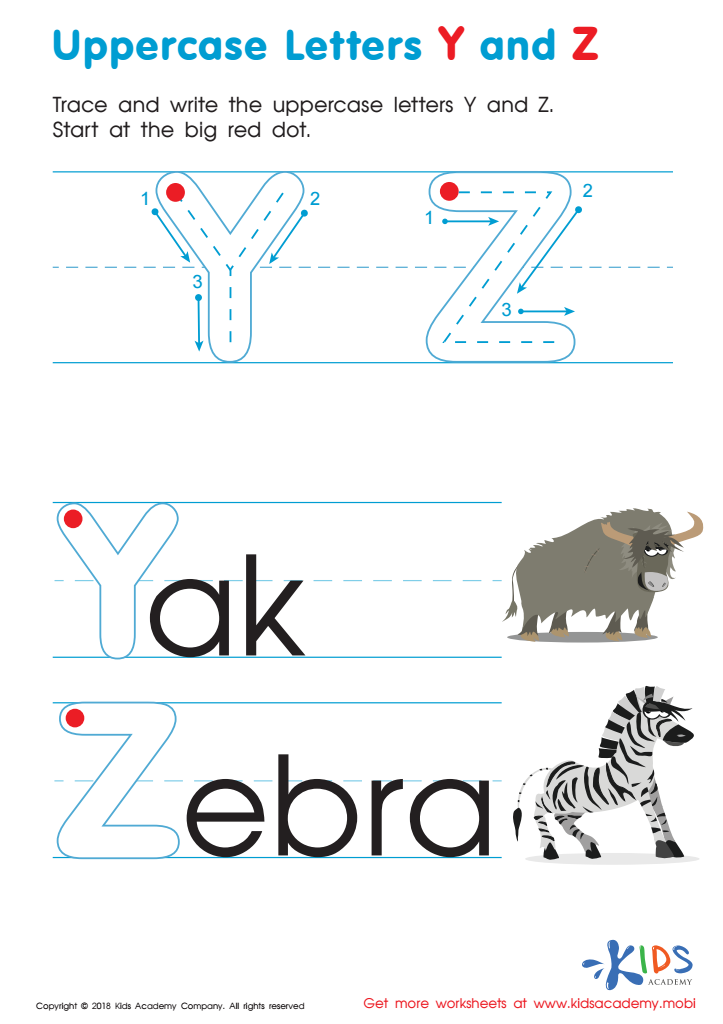
Uppercase Letters Y Z Worksheet
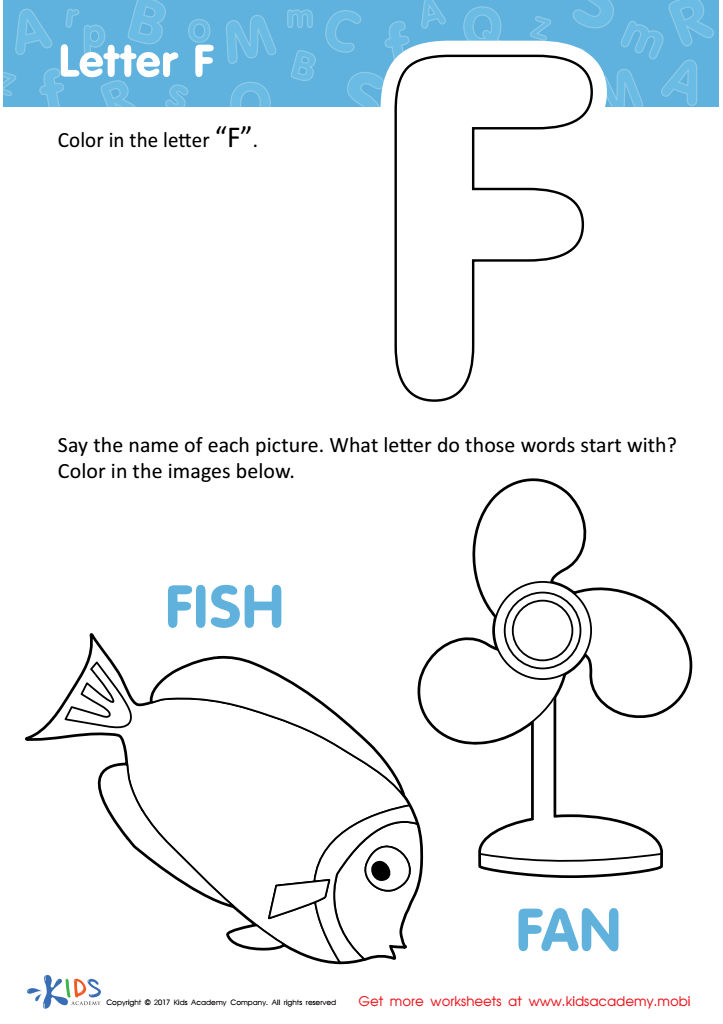
Letter F Coloring Sheet
Assign to My Students
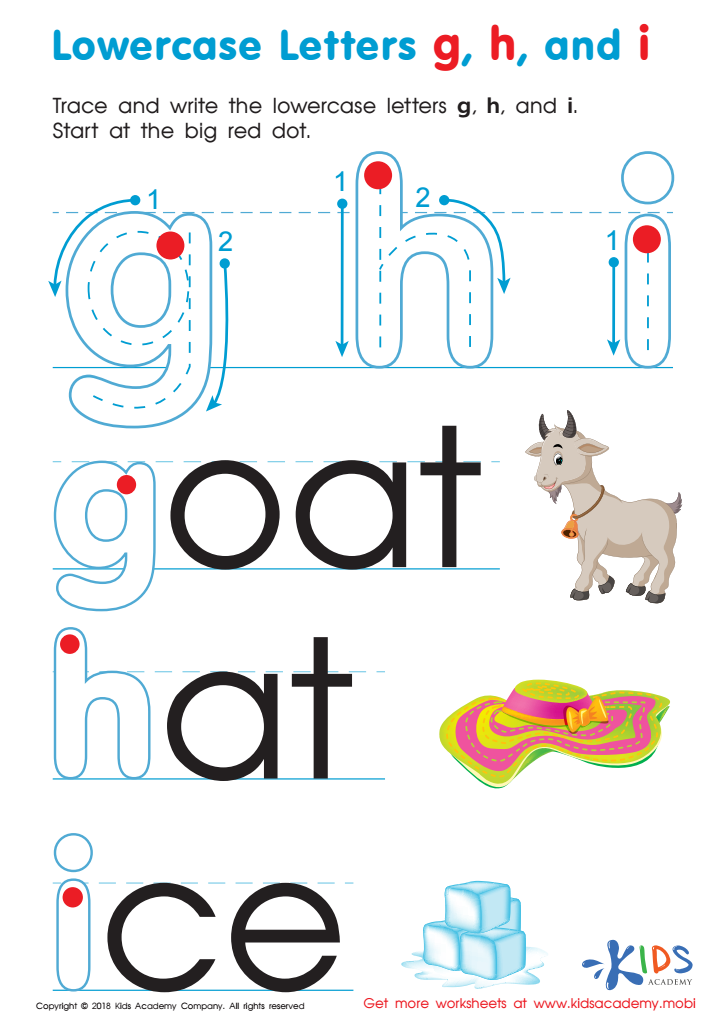
Lowercase Letters g h i Worksheet
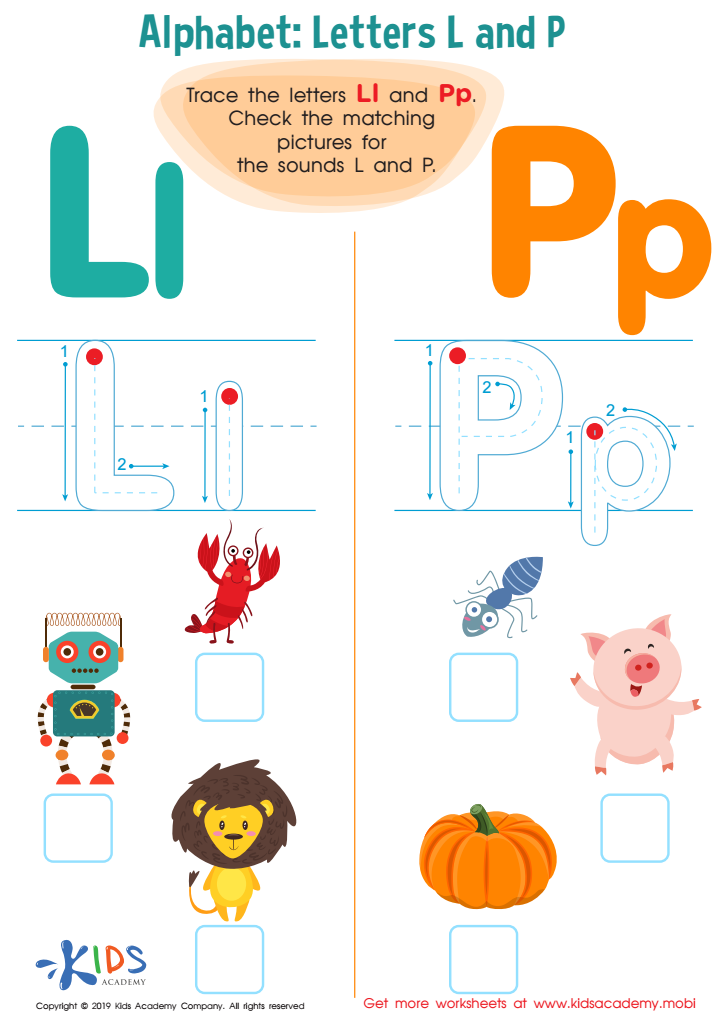
Letter L and P Tracing Worksheet
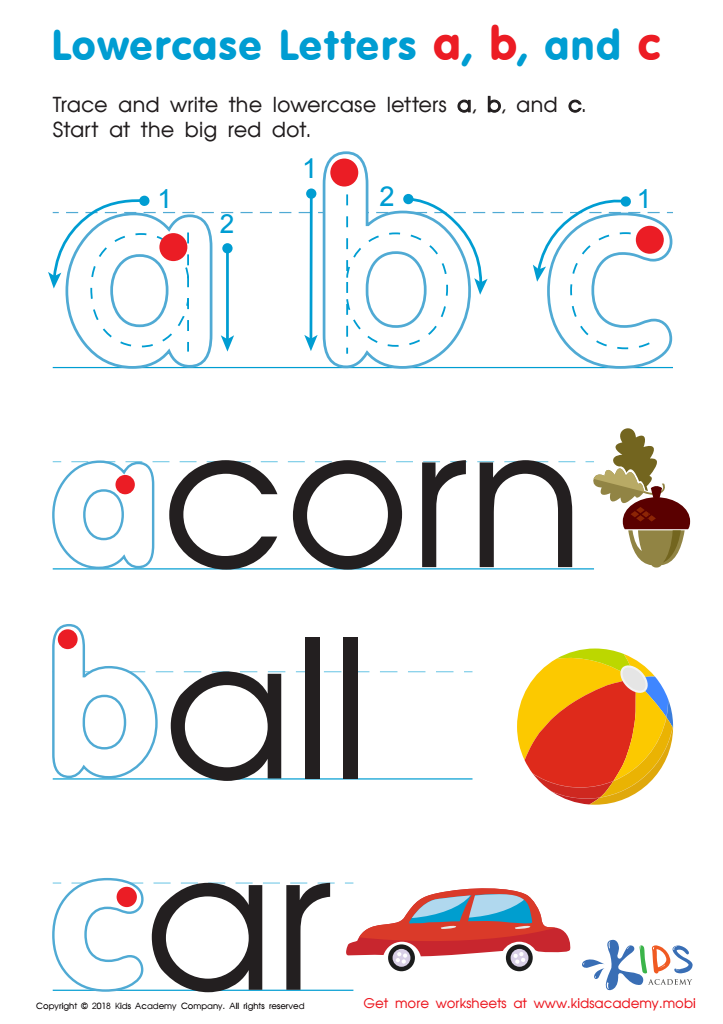
Lowercase Letters a b c Worksheet
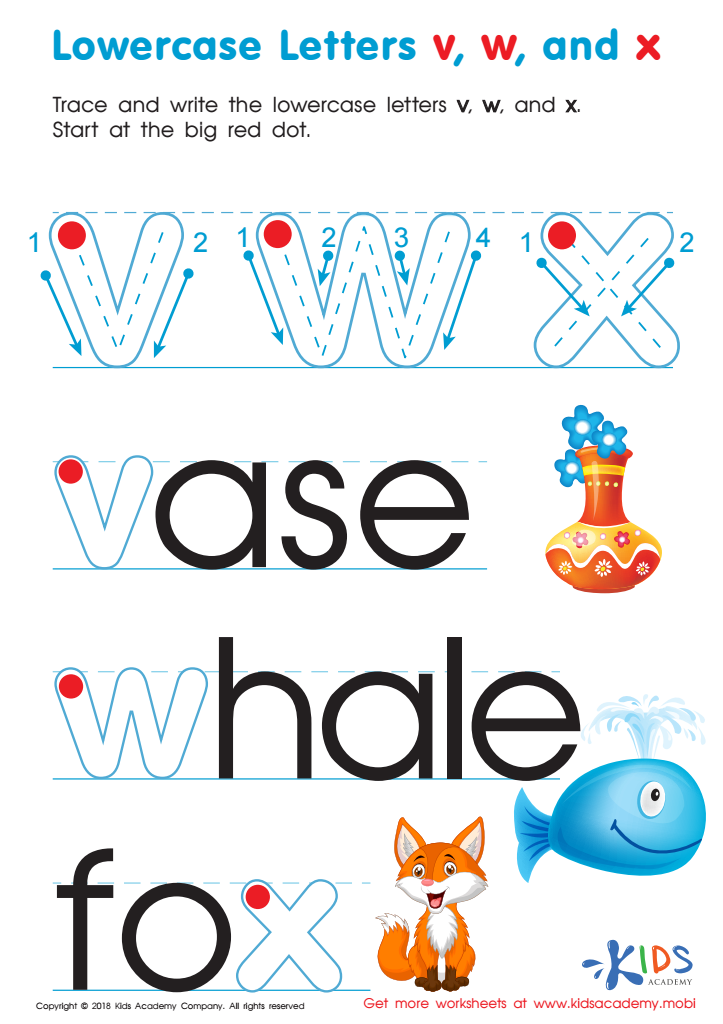
Lowercase Letters v w x Worksheet
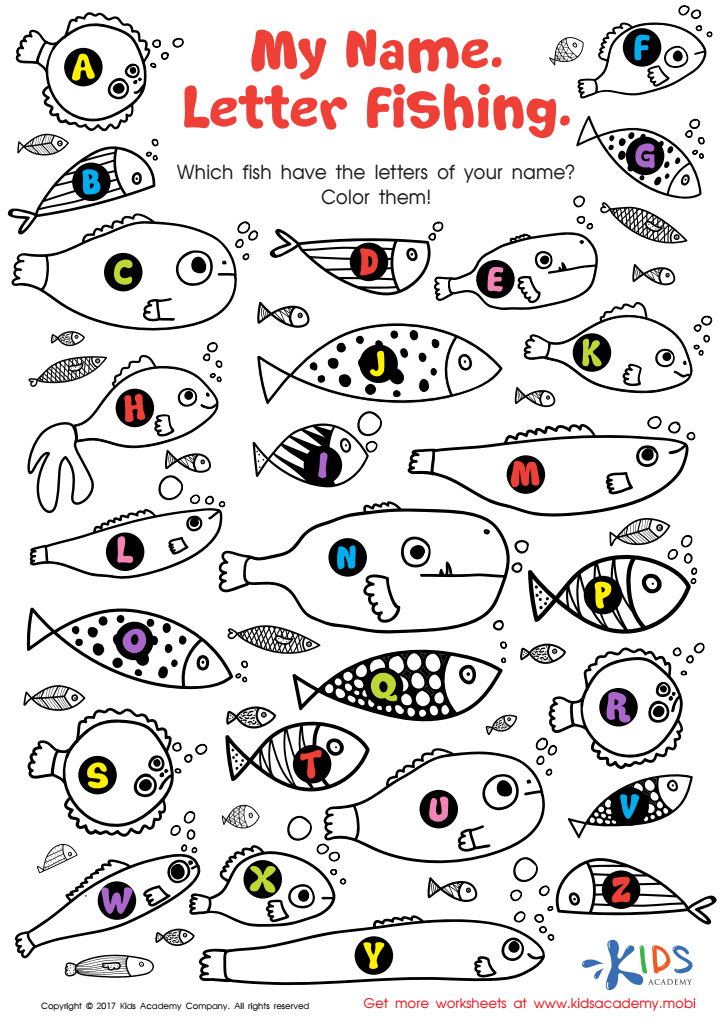
My Name: Letter Fishing Worksheet
Assign to My Students
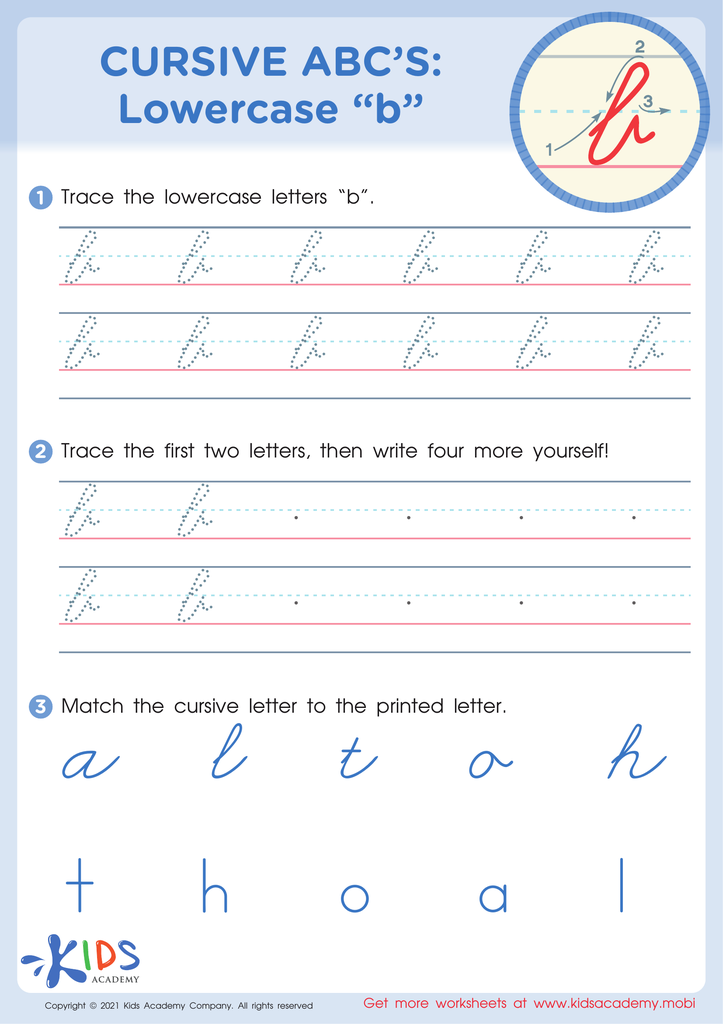
Cursive ABCs: Lowercase b
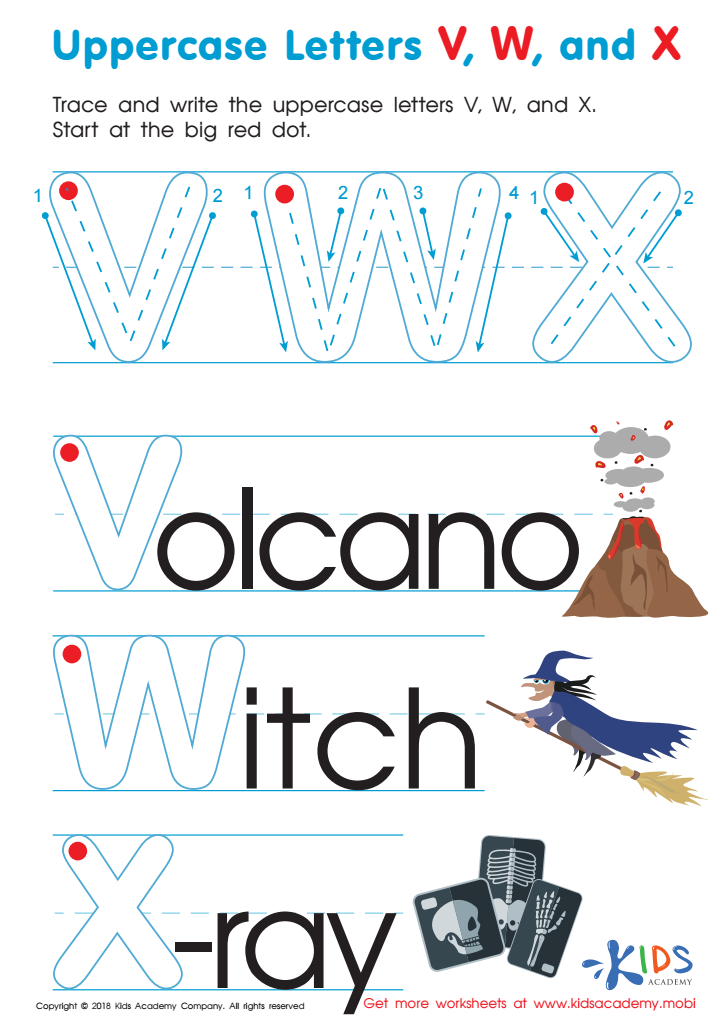
Uppercase Letters V, W, and X Worksheet
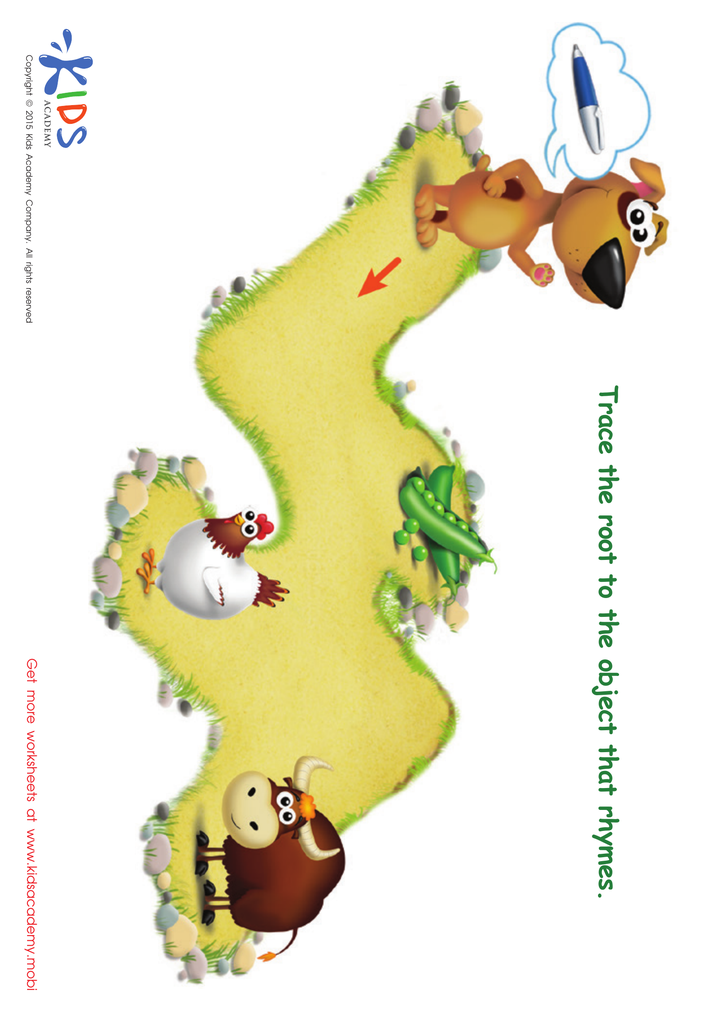
Pen Rhyming Words Worksheet
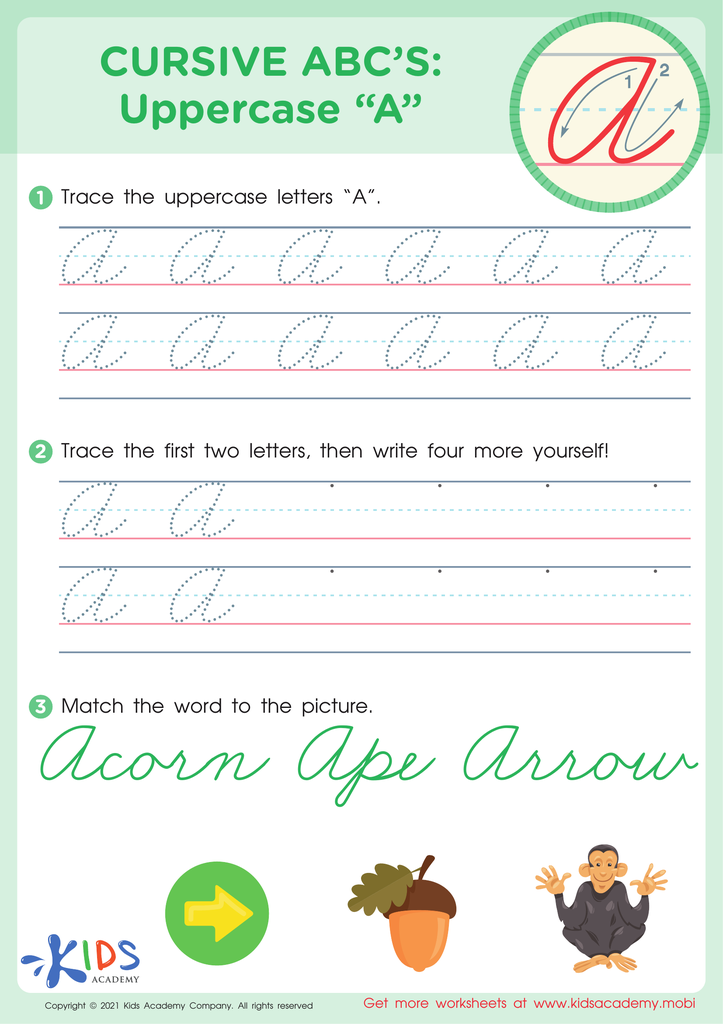
Cursive ABCs: Uppercase A
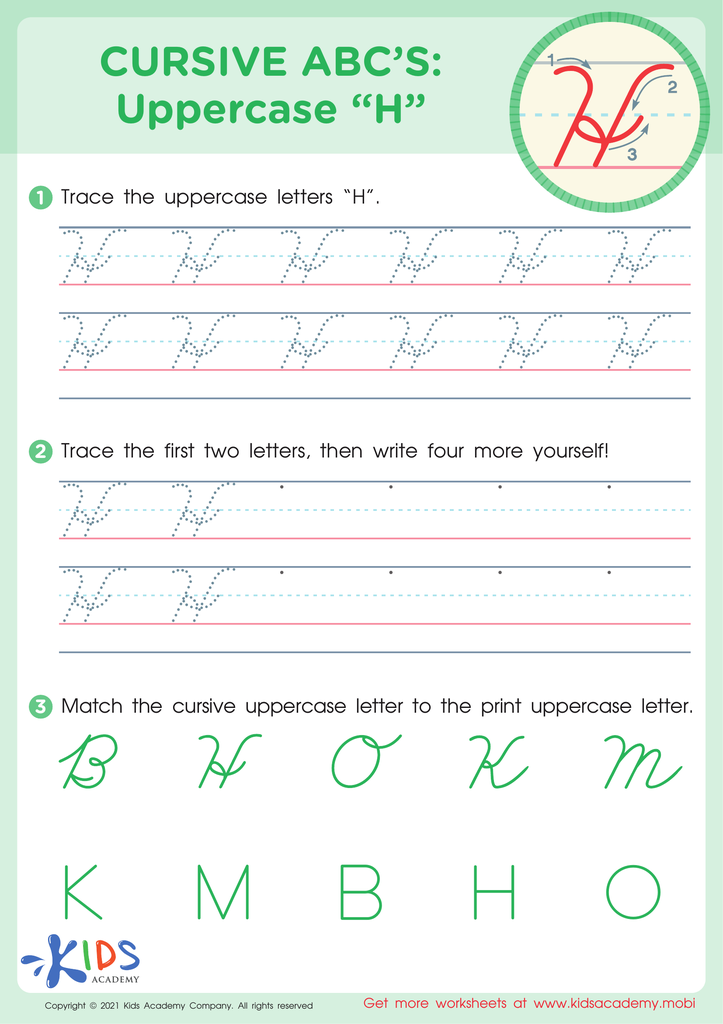
Cursive ABCs: Uppercase H







Alphabet recognition is a foundational skill that plays a critical role in a child's early literacy development, making it essential for parents and teachers to prioritize this aspect of learning for children ages 3-8. Recognizing letters helps children understand that letters form words and communicate meaning, which is vital for reading. Mastery of the alphabet allows children to begin decoding written language, setting them on the path to reading fluency and comprehension skills.
Additionally, alphabet recognition nurtures a child's confidence and enthusiasm for learning. When children can relate letters to their surroundings—such as signs, books, and their names—they engage deeply with their environment. This connection fosters curiosity and a love for reading.
Furthermore, early alphabet knowledge supports spelling and writing skills, contributing to overall academic success. Teachers can introduce engaging activities such as songs, games, and hands-on crafts that motivate children while teaching them the alphabet. Collectively, parents and educators play a pivotal role in cultivating these skills, ensuring children are well-prepared for future academic endeavors. This early investment in literacy not only benefits individual students but positively impacts their overall learning journey, shaping proficient readers and lifelong learners.







