Handwriting practice Alphabet Worksheets for Ages 3-8 - Page 2
55 filtered results
-
From - To
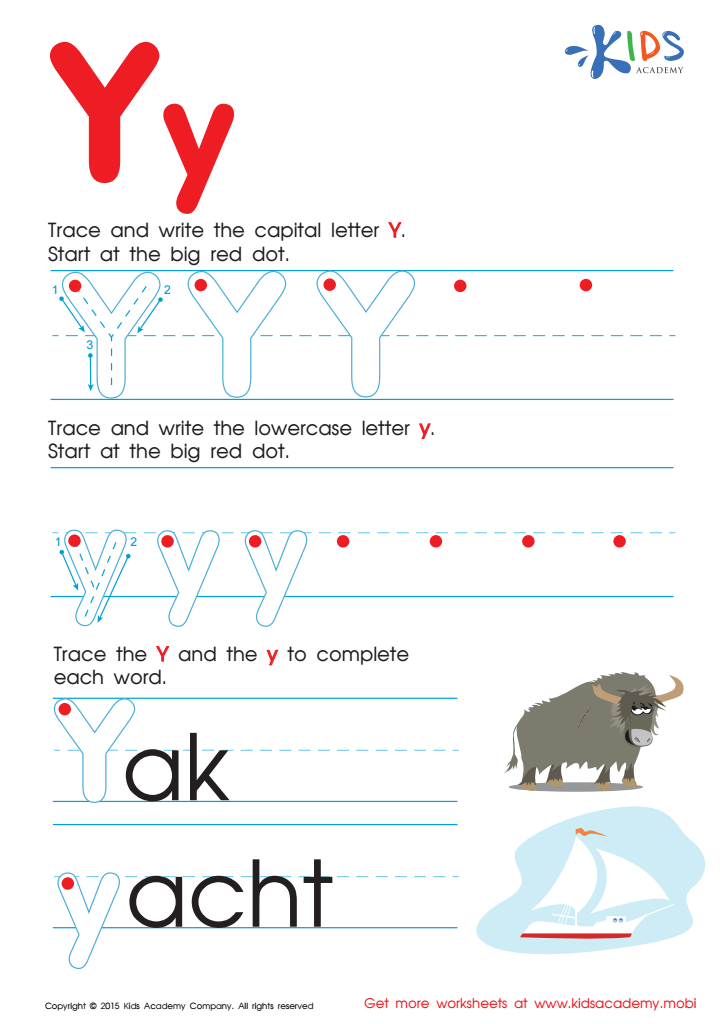
Letter Y Tracing Page
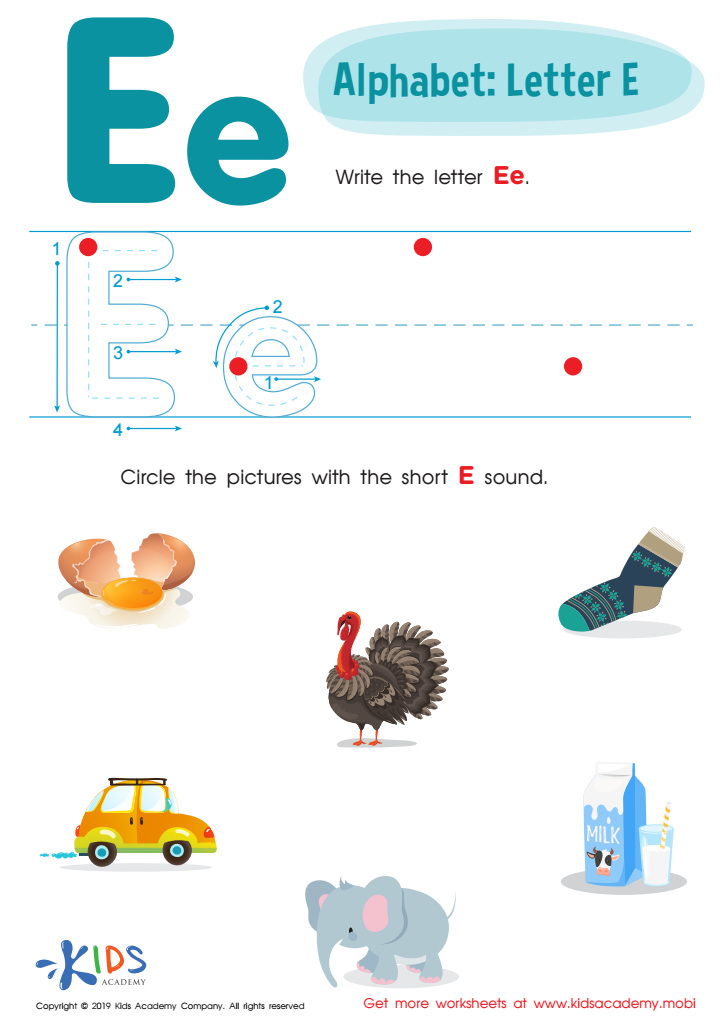
Letter E Tracing Worksheet
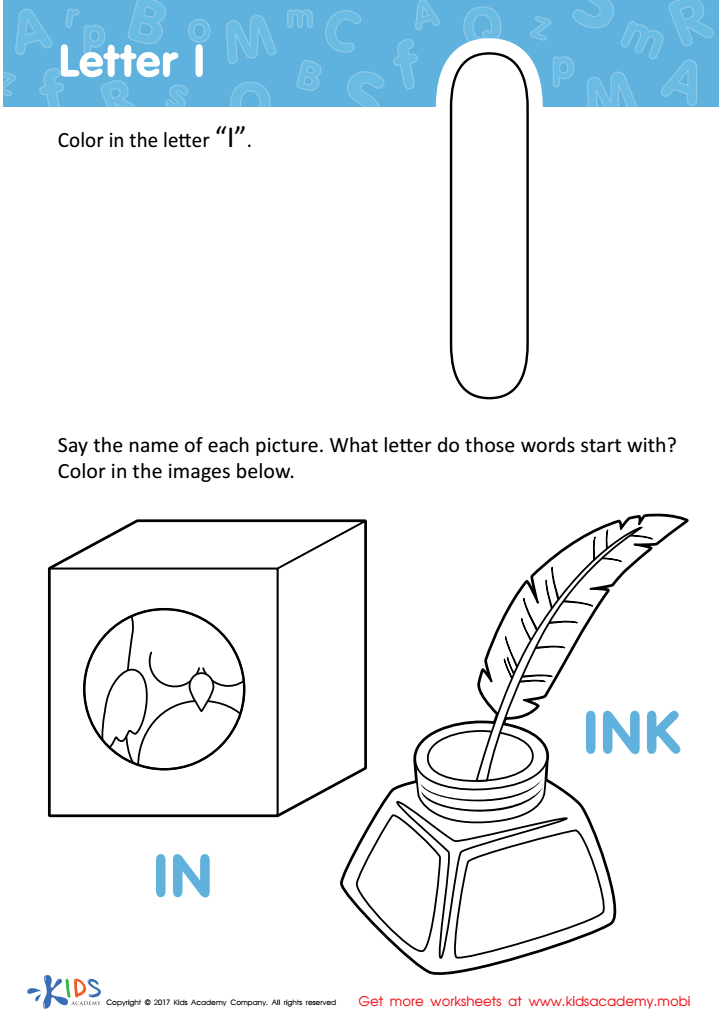
Letter I Coloring Sheet
 Assign to My Students
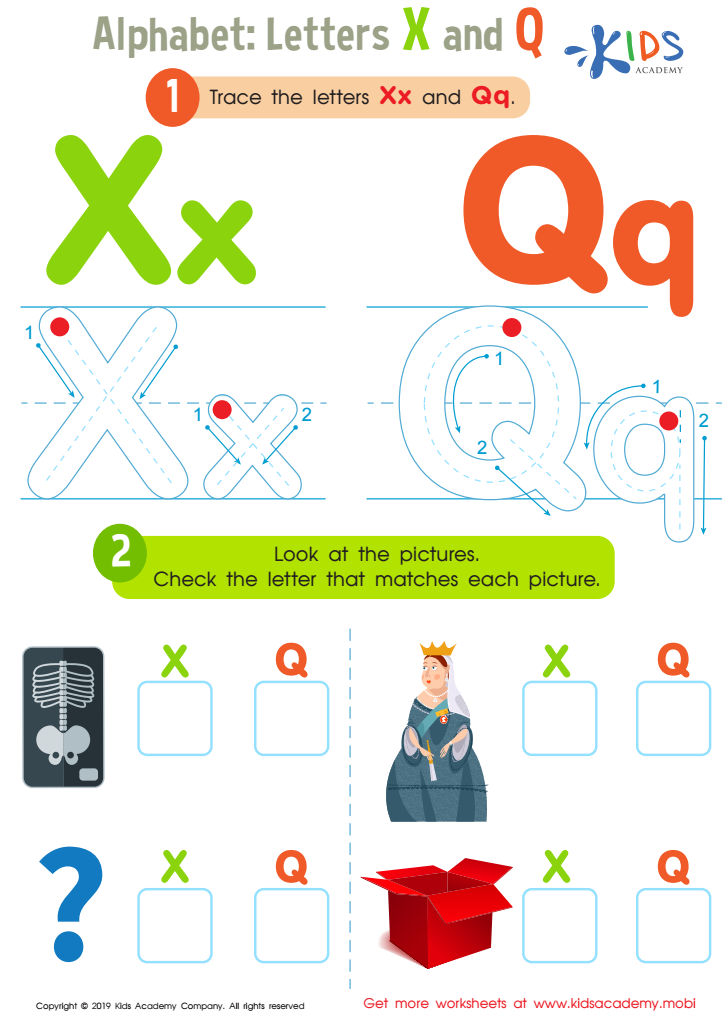
Letters X and Q Tracing Worksheet
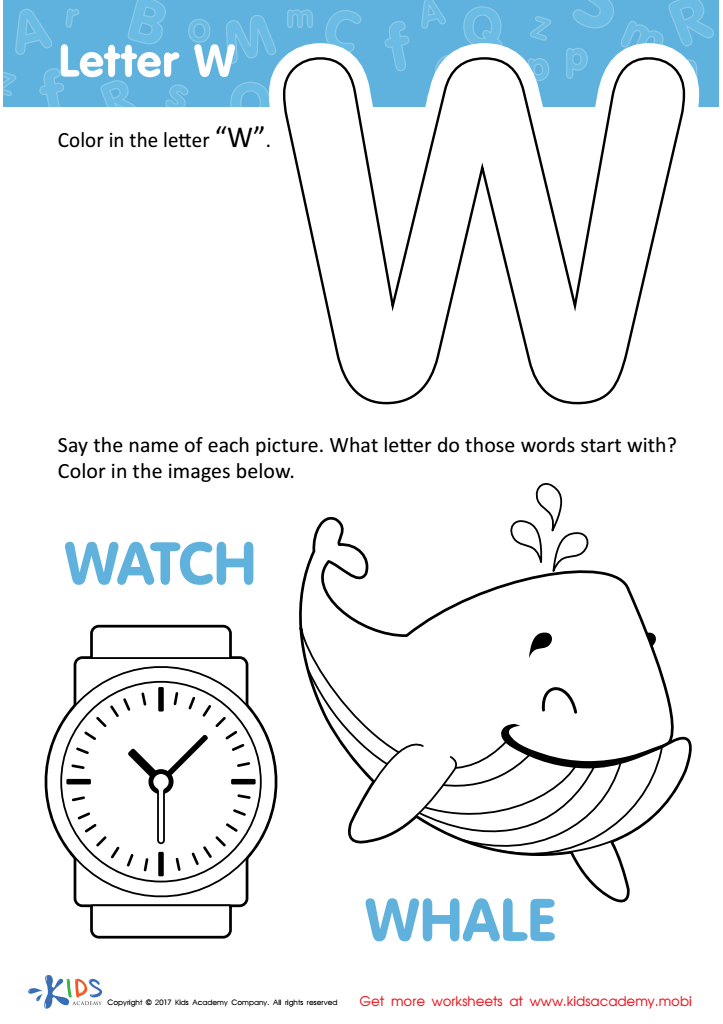
Letter W Coloring Sheet
Assign to My Students
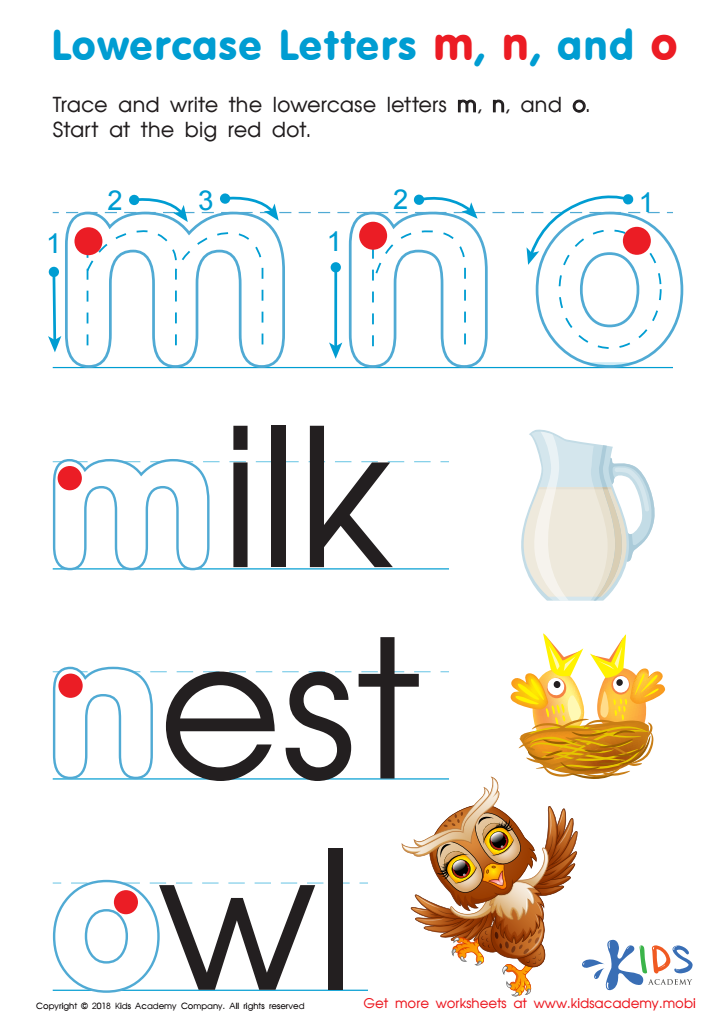
Lowercase Letters m n o Worksheet
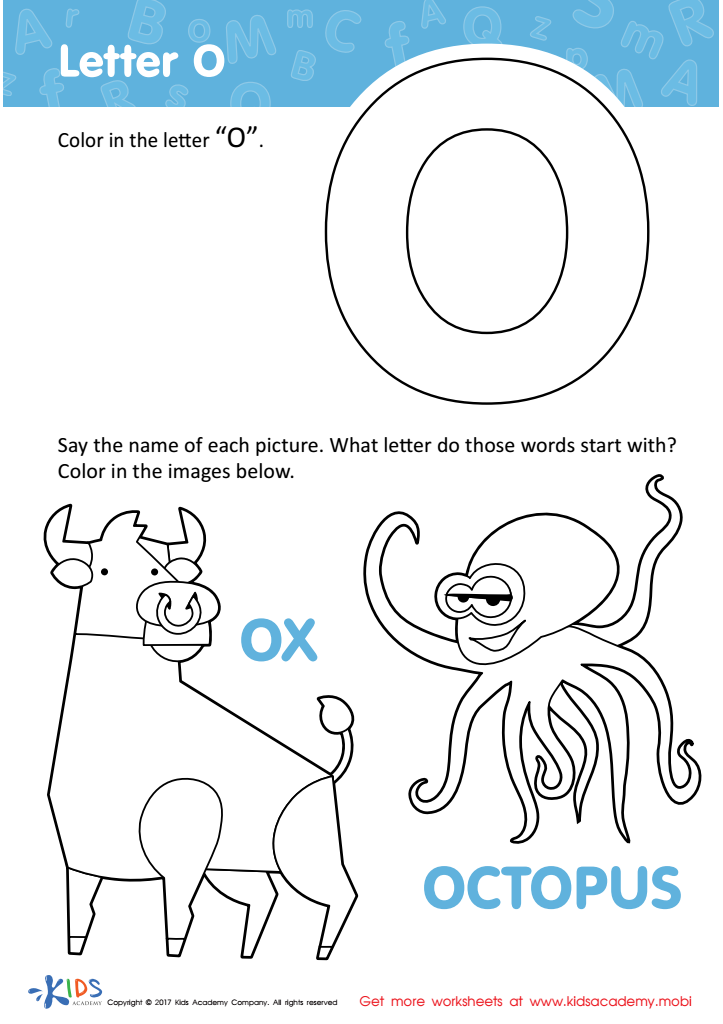
Letter O Coloring Sheet
Assign to My Students
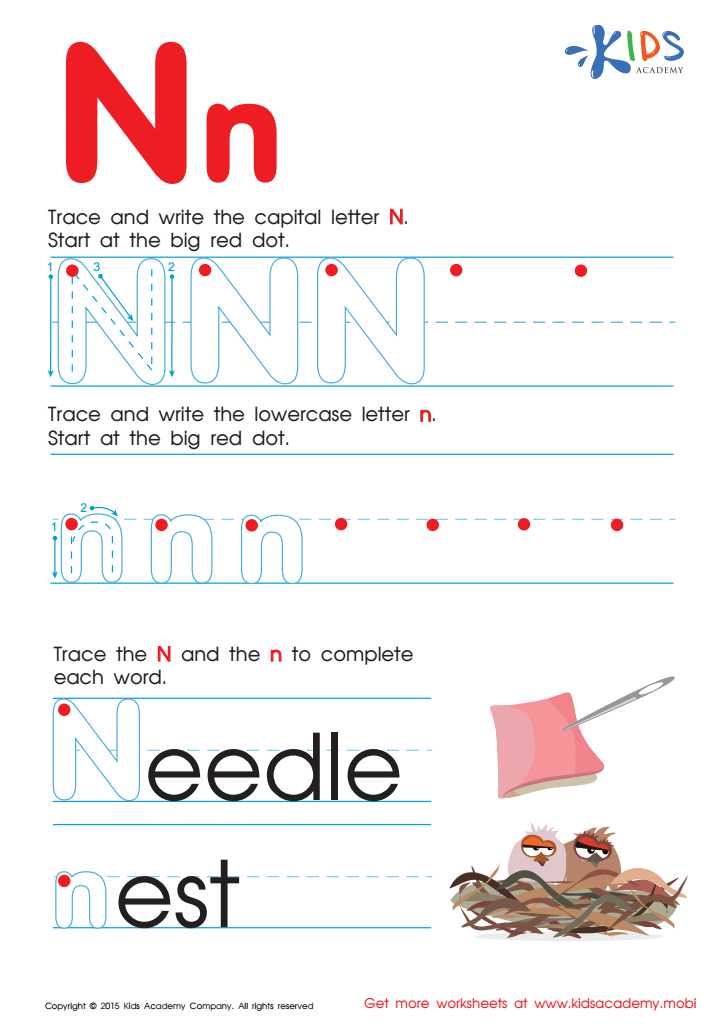
Letter N Tracing Page
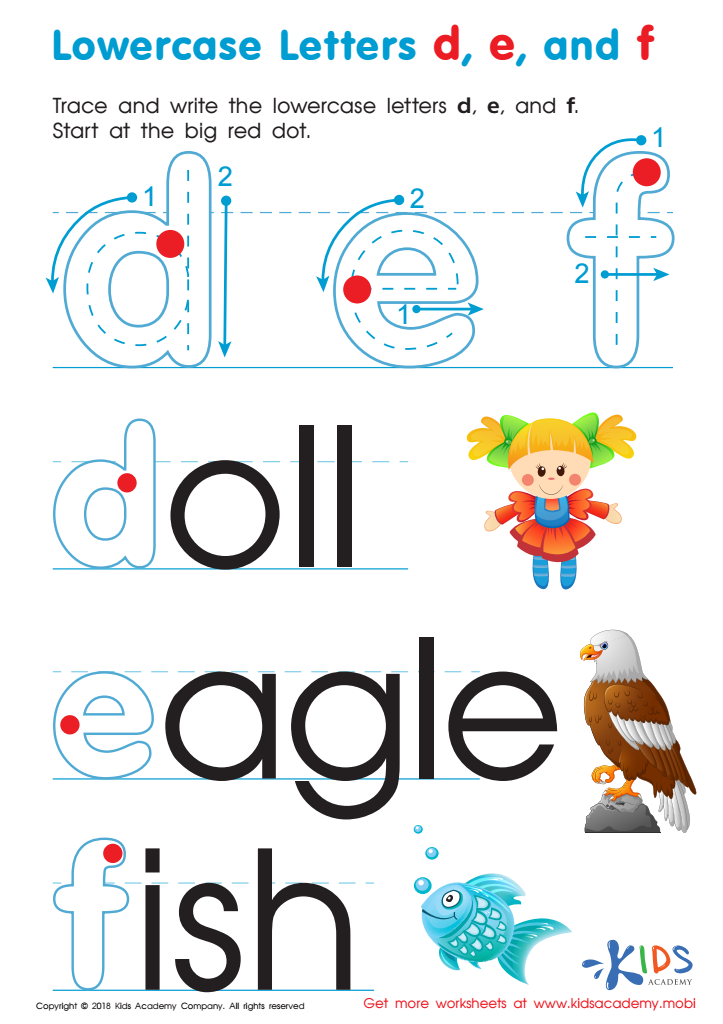
Lowercase Letters d e f Worksheet
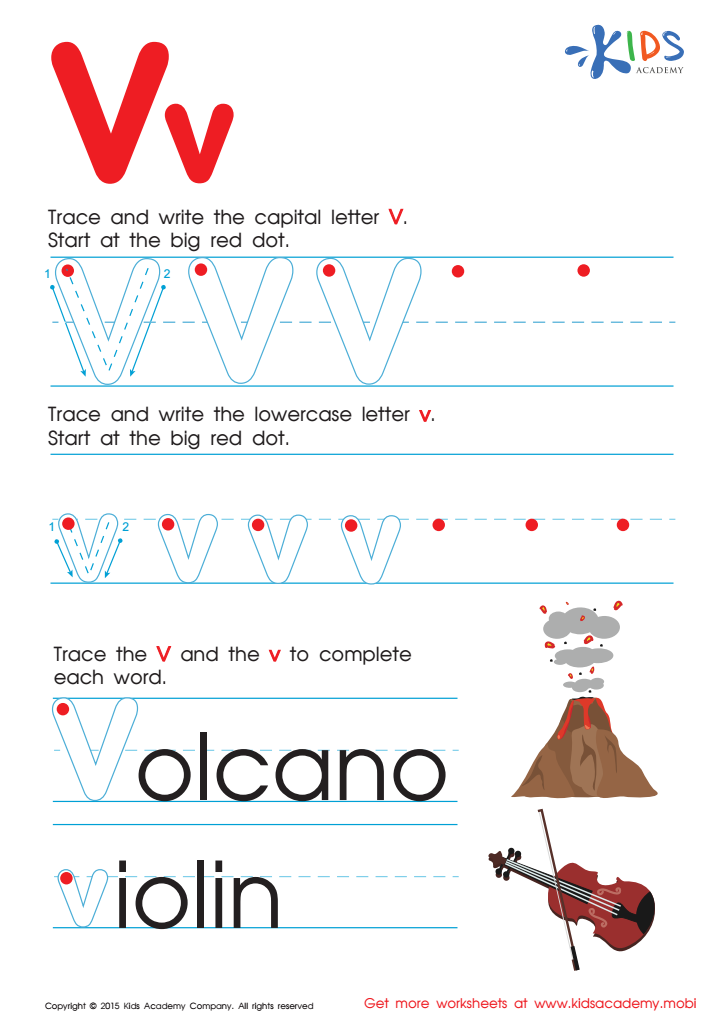
Letter V Tracing Page
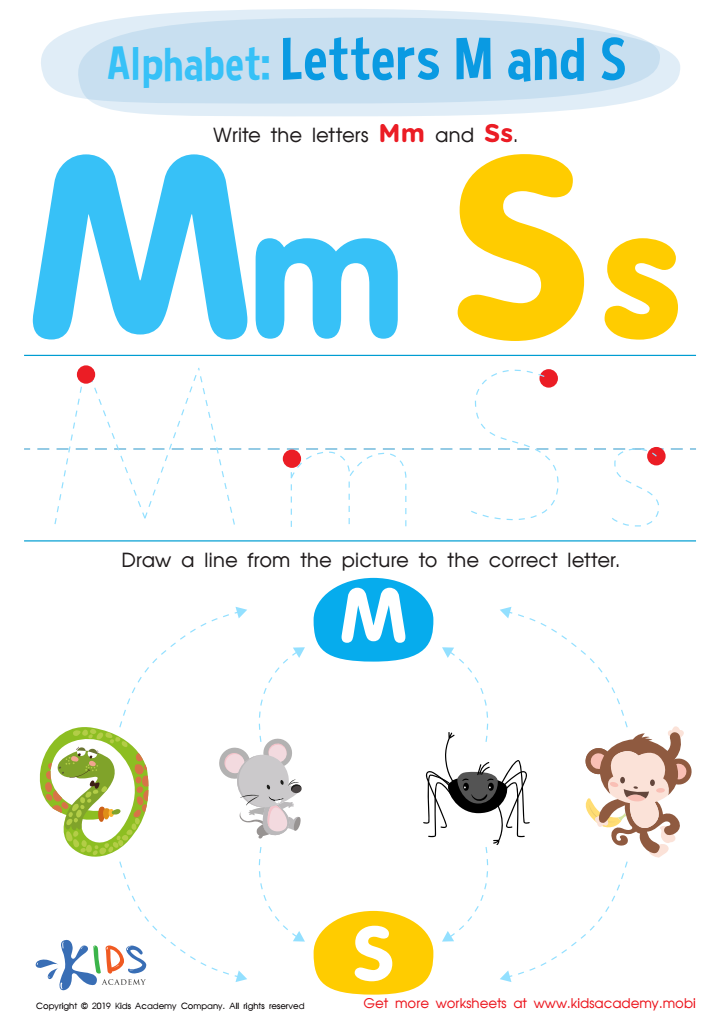
Letters M and S Tracing Worksheet
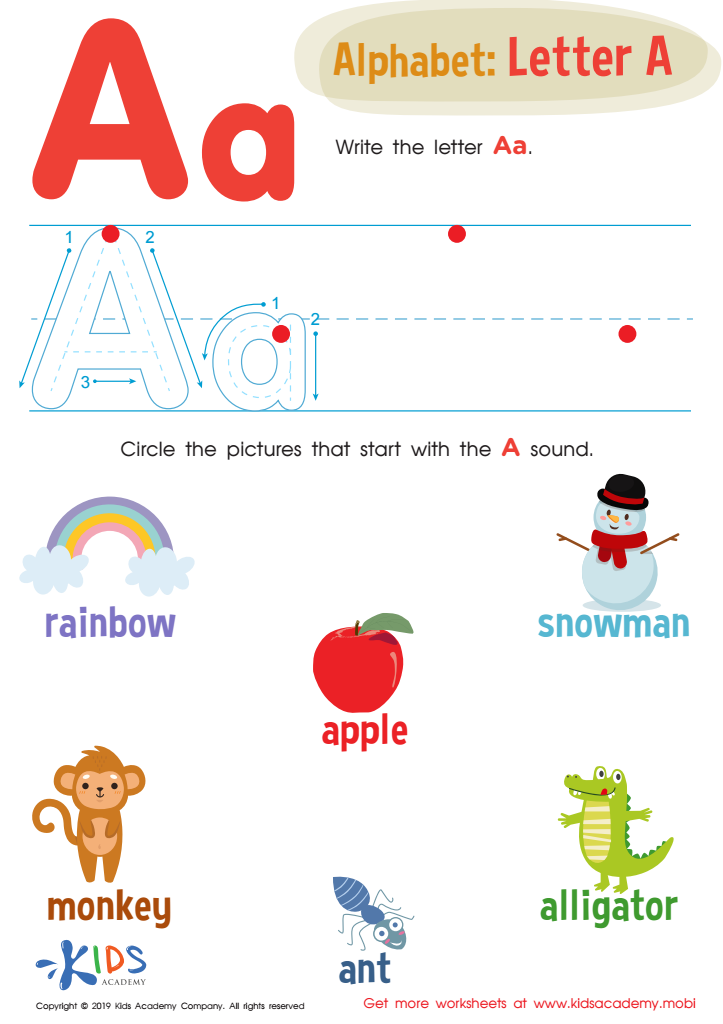
Letter A Tracing Worksheet
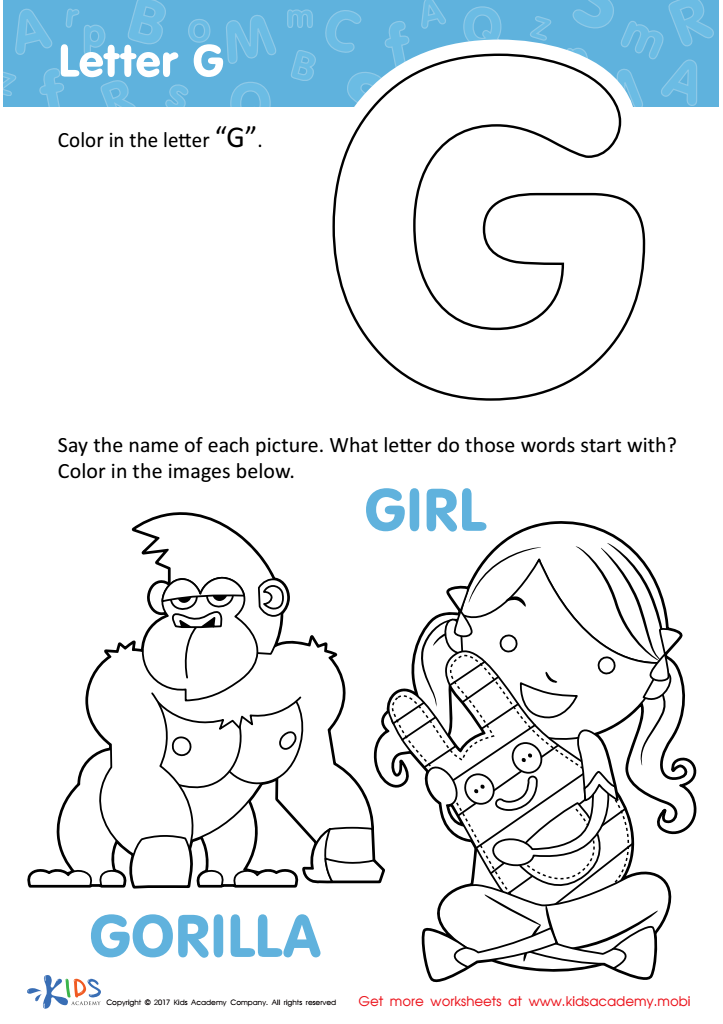
Letter G Coloring Sheet
Assign to My Students
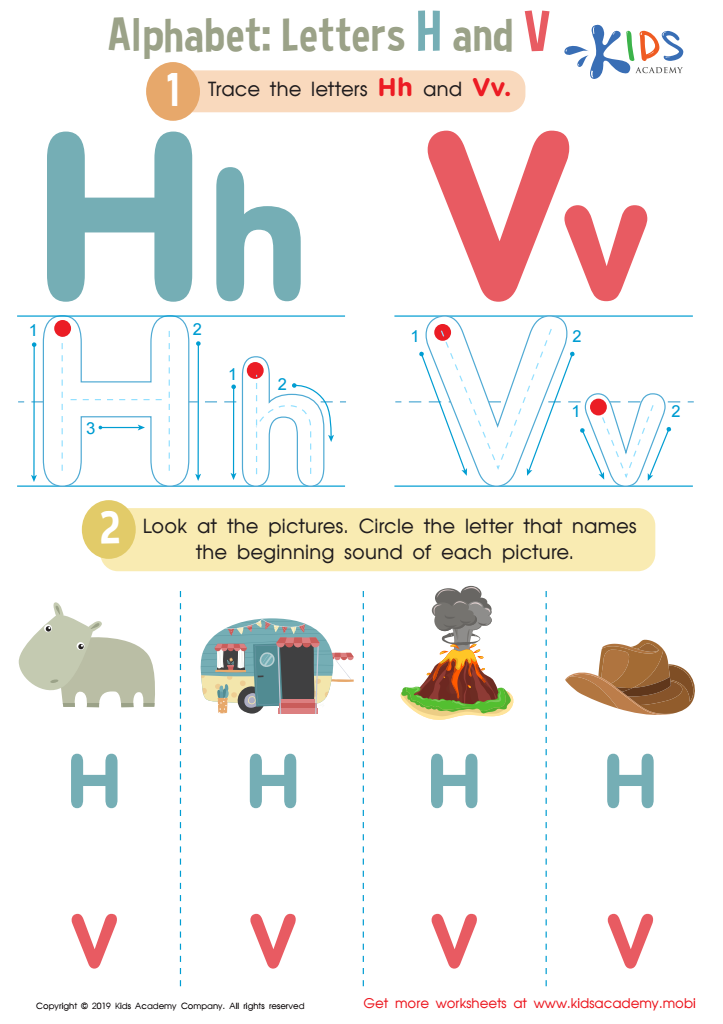
Letters H and V Tracing Worksheet
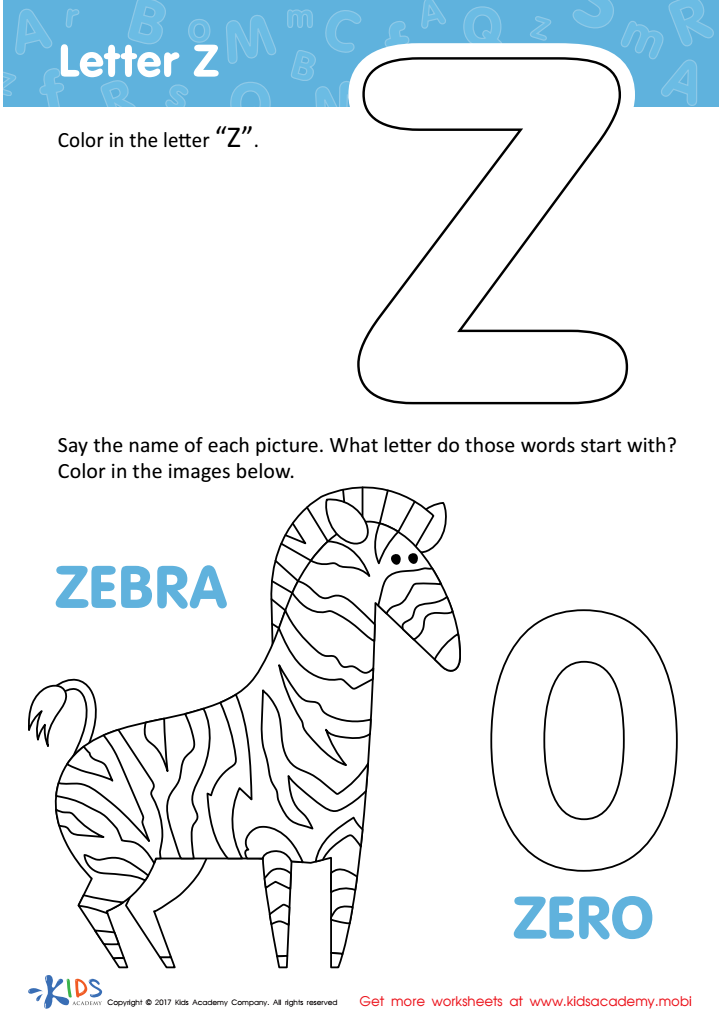
Letter Z Coloring Sheet
Assign to My Students
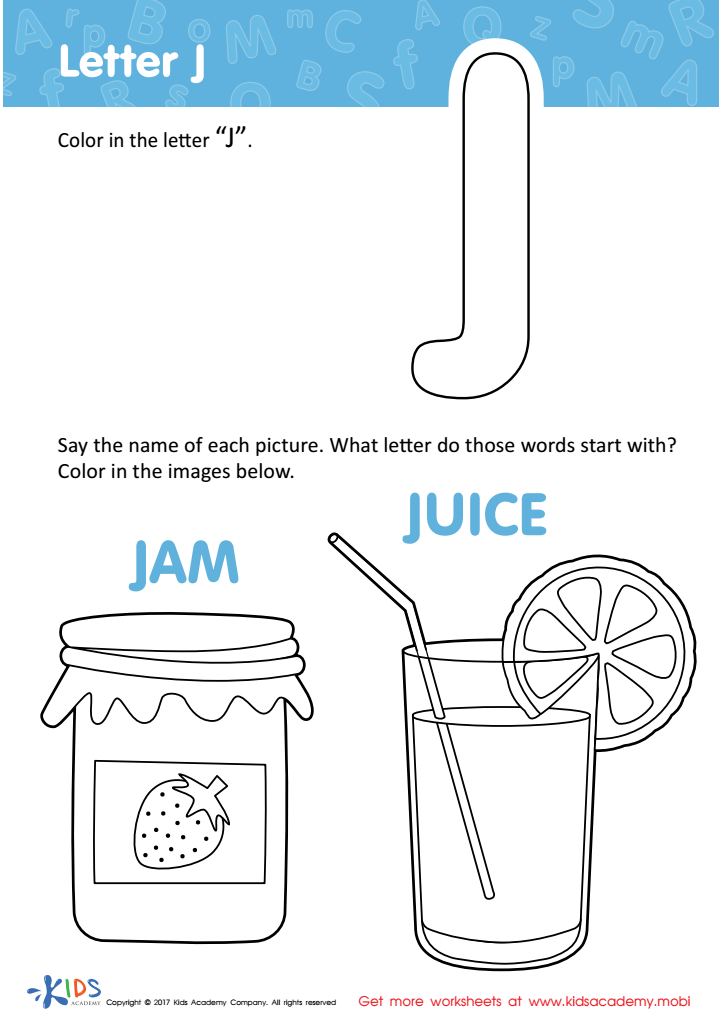
Letter J Coloring Sheet
Assign to My Students
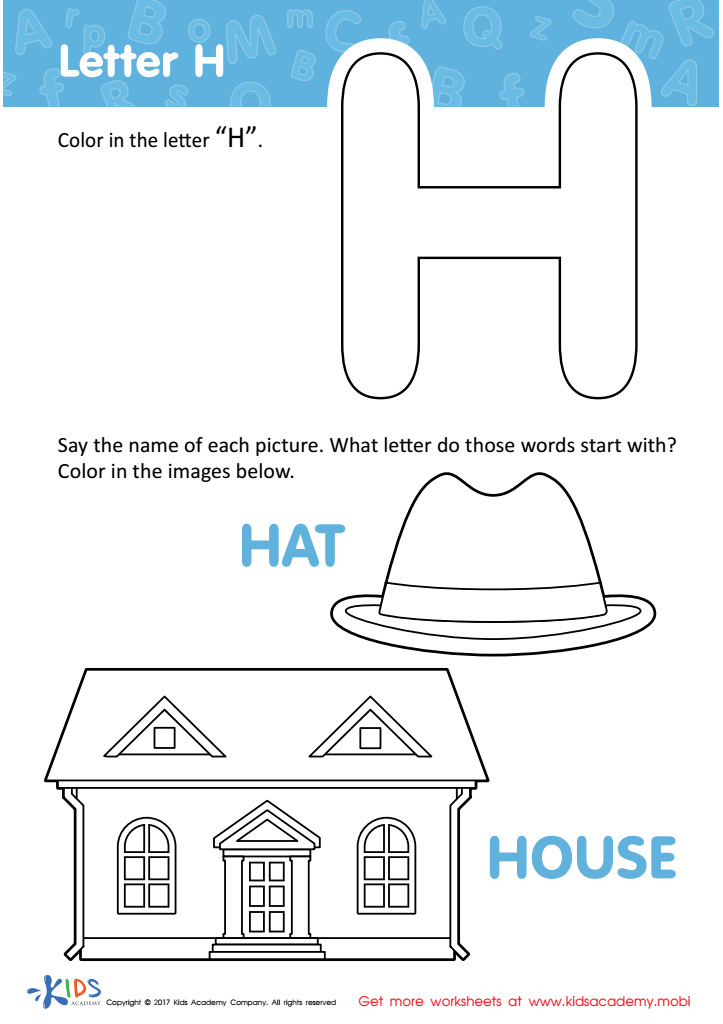
Letter H Coloring Sheet
Assign to My Students
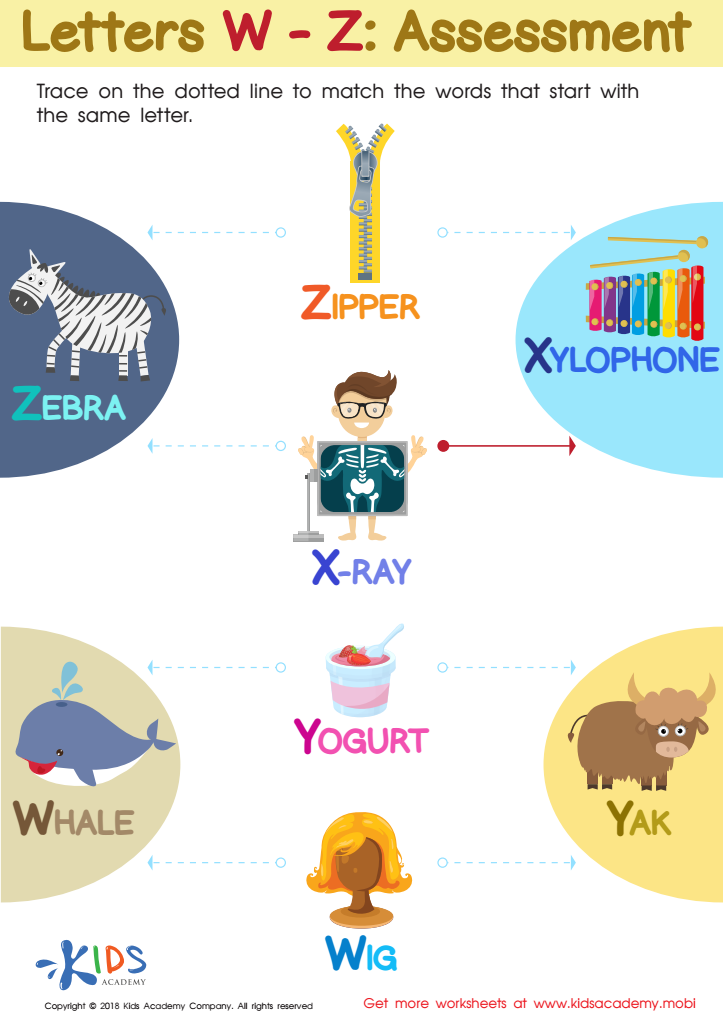
Letters W–Z Tracing Worksheet
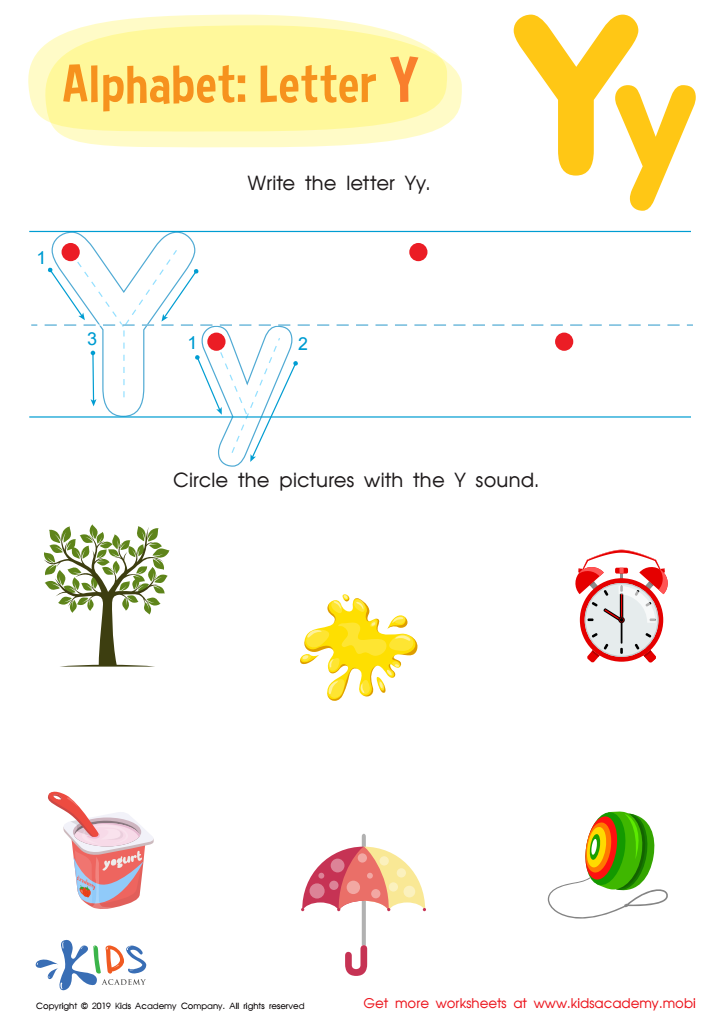
Letter Y Tracing Worksheet
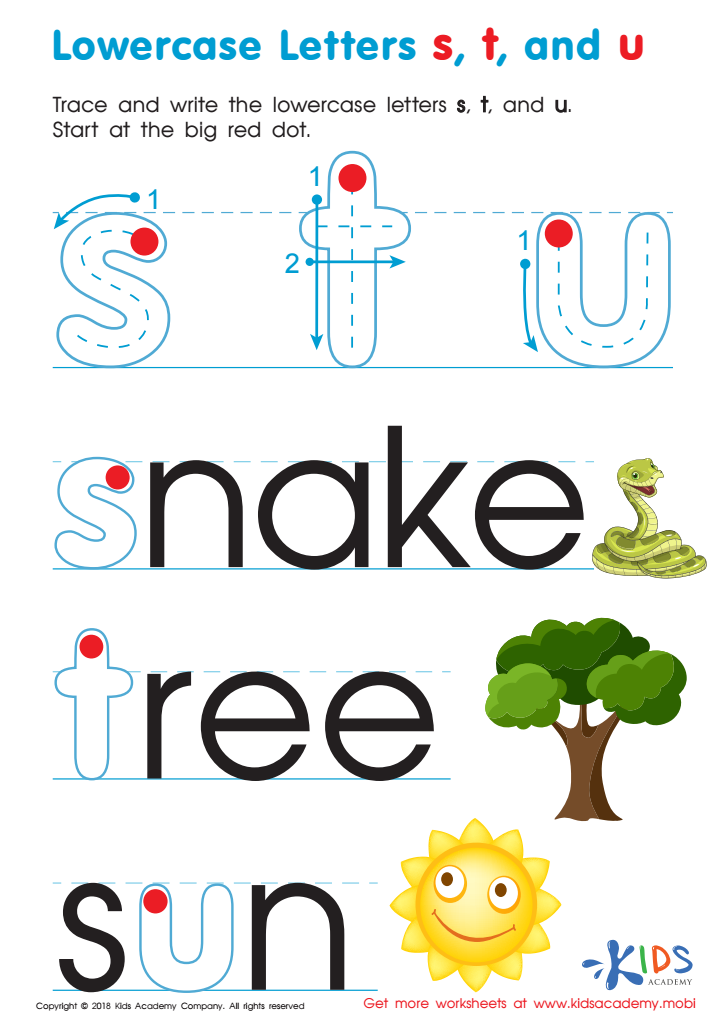
Lowercase Letters s t u Worksheet
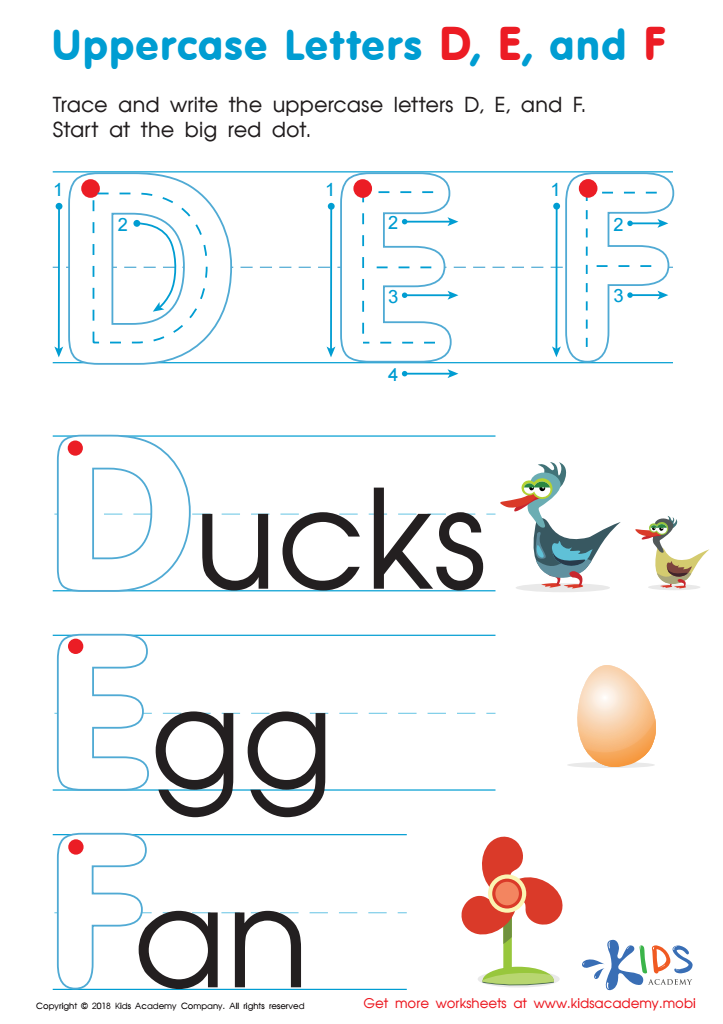
Uppercase Letters D, E, and F Worksheet
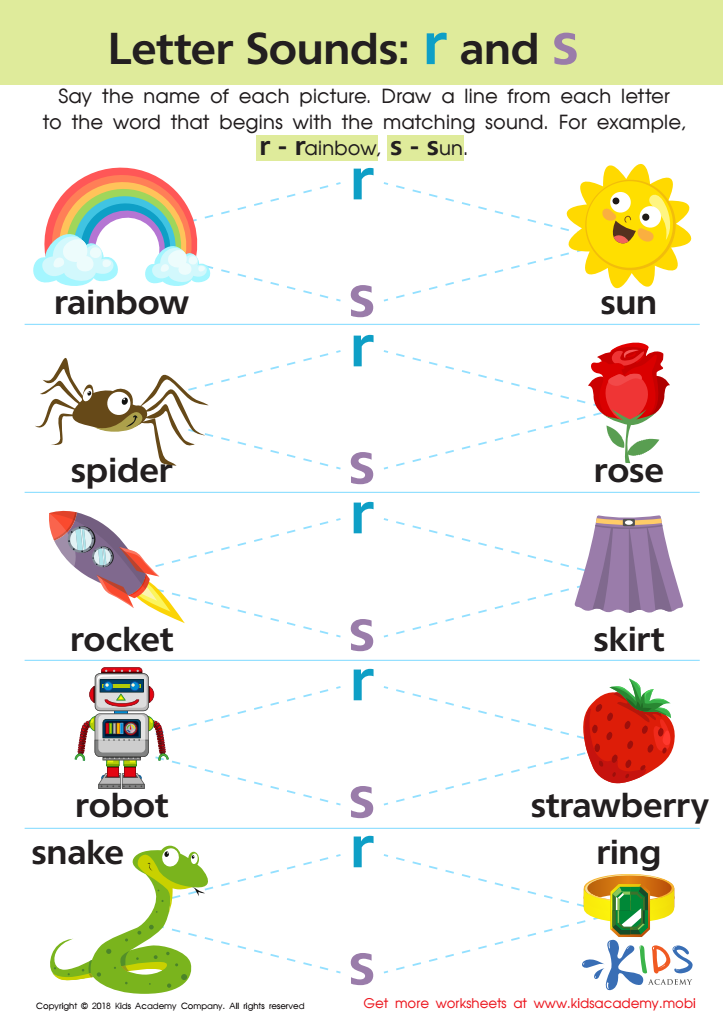
Letter R and S Sounds Worksheet
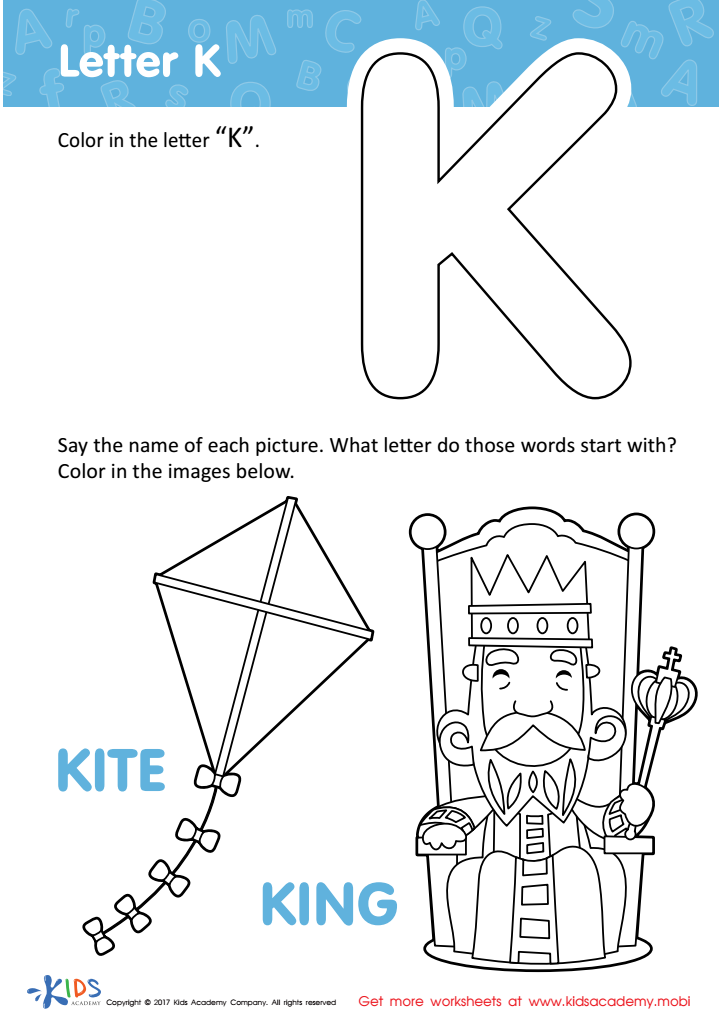
Letter K Coloring Sheet
Assign to My Students

Uppercase Letters Y Z Worksheet



.jpg)




Handwriting practice is crucial for children aged 3-8 as it plays a vital role in their cognitive and motor skills development. At this age, children are refining their fine motor skills, and writing helps strengthen hand muscles and improve coordination. Engaging in handwriting activities enables young learners to develop a sense of control over their movements, which is fundamental for later academic success.
Furthermore, mastering handwriting lays a solid foundation for literacy. As children practice writing letters and words, they enhance their phonetic awareness, reinforce letter recognition, and embrace spelling patterns. This correlation between writing and reading fosters a deeper understanding of language, leading to better communication skills.
Additionally, handwriting allows children to express themselves creatively and develop their unique voice. The act of forming letters on paper can also nurture focus and perseverance, traits essential for future learning.
In a digital age where typing predominates, it’s vital to maintain handwriting skills, as they are still essential in various aspects of life, from taking notes to signing documents. Parents and teachers must prioritize handwriting practice, nurturing skilled, confident young writers who are well-prepared for the academic and personal challenges ahead.







