Vocabulary Building Alphabet Worksheets for Ages 3-8
17 filtered results
-
From - To
Enhance your child's vocabulary with our engaging Alphabet Worksheets designed for ages 3-8! These fun and interactive activities not only introduce young learners to the alphabet but also encourage word recognition and comprehension skills. Perfect for homeschooling or classroom use, our worksheets feature appealing visuals and diverse exercises tailored to spark creativity and curiosity. Children will explore words through matching games, coloring tasks, and fill-in-the-blank activities, making vocabulary building a joyful experience. With easy access to printable resources, you can help foster early literacy skills and a lifelong love for language in your little ones. Start their vocabulary journey today!
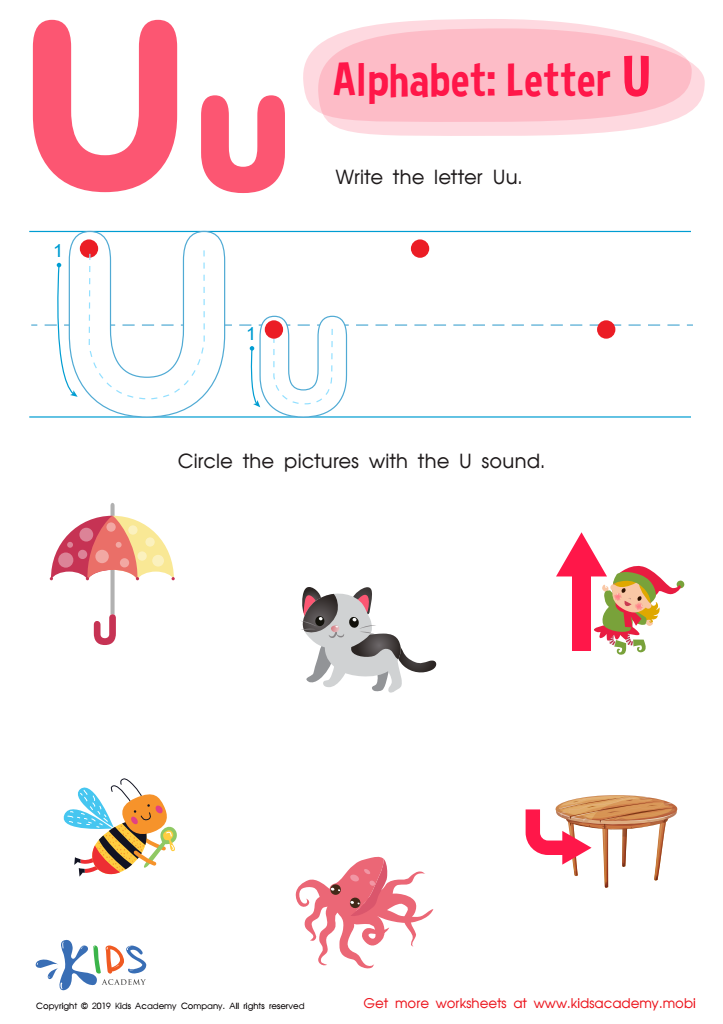
Letter U Tracing Worksheet
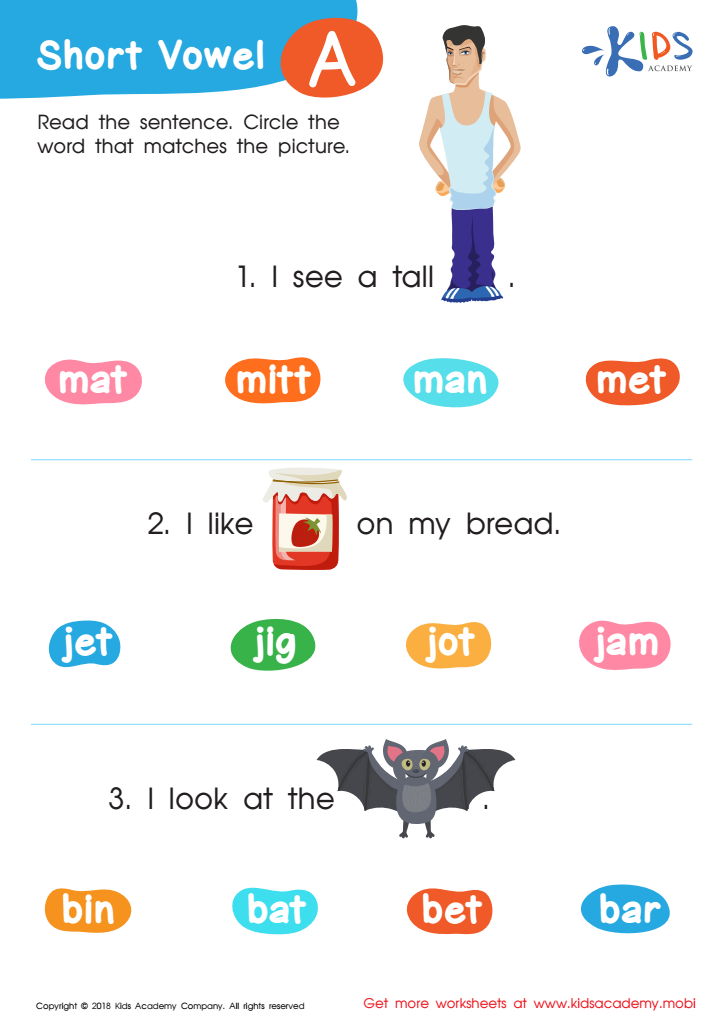
Short Vowel /a/ Worksheet
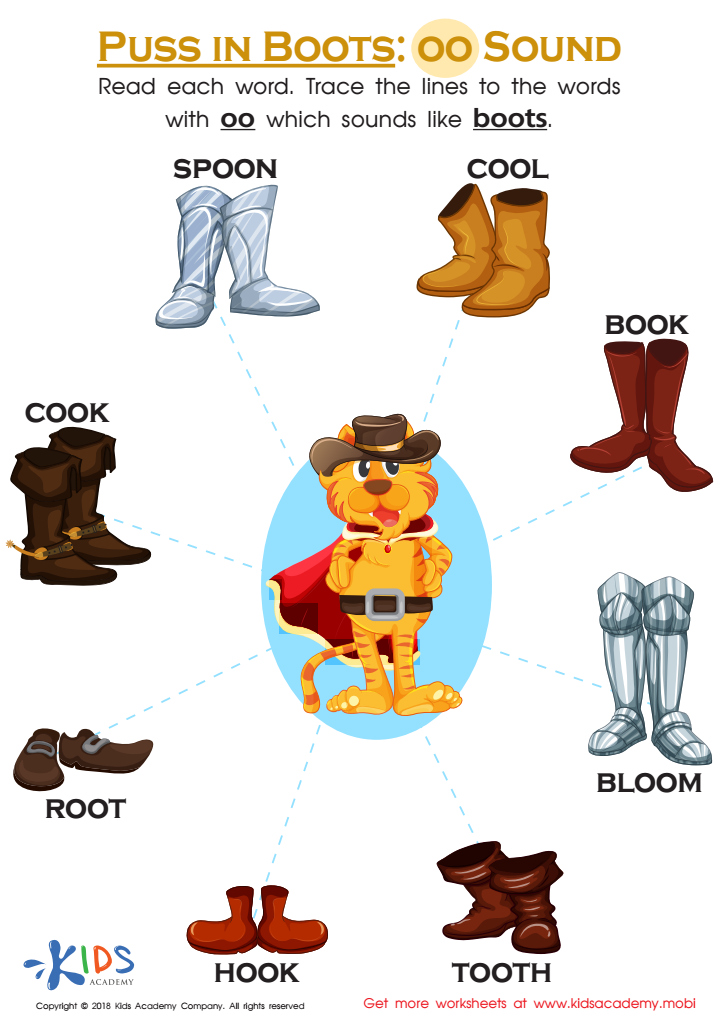
Puss in Boots: OO Sound Worksheet
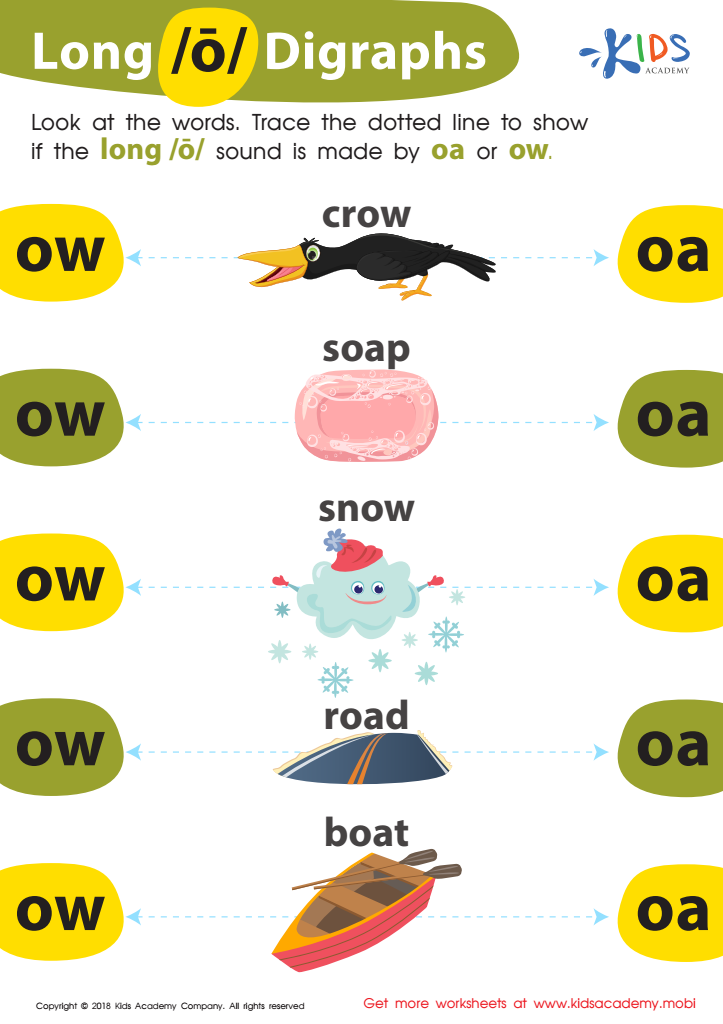
Reading: Long O Digraphs Worksheet
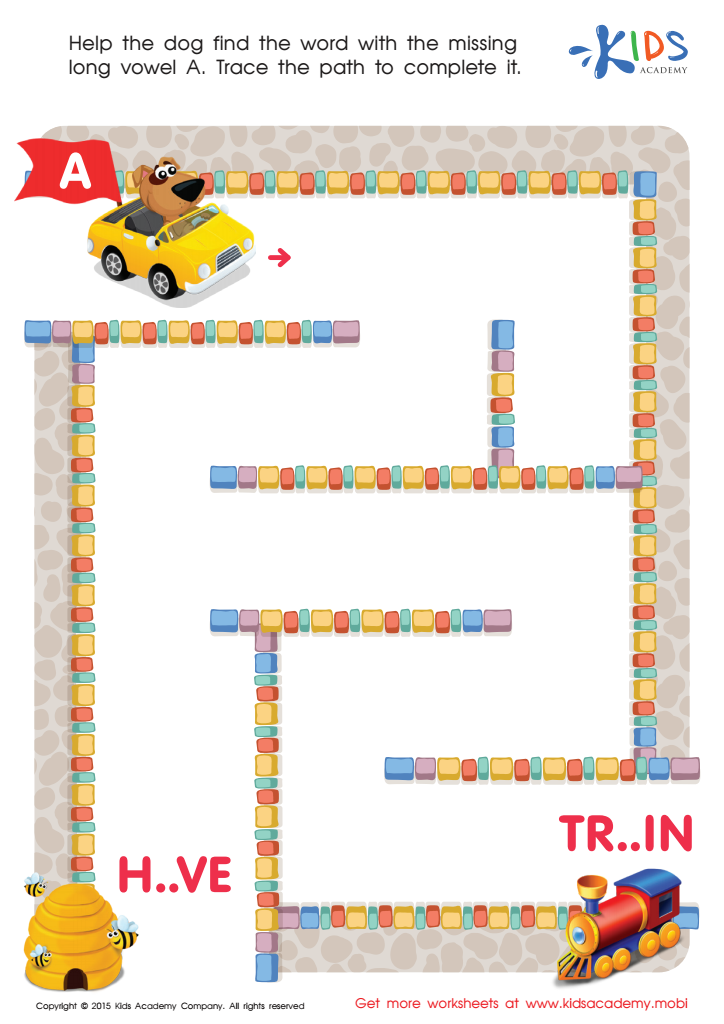
Long Vowel Sound A Worksheet
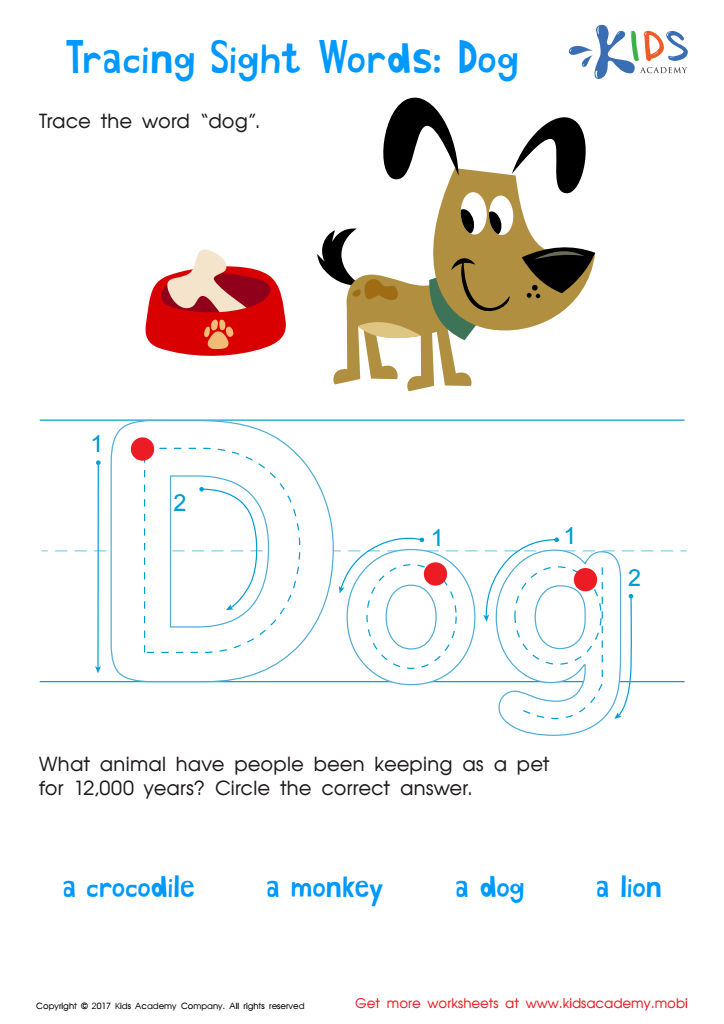
Dog Worksheet Sight Words Worksheet
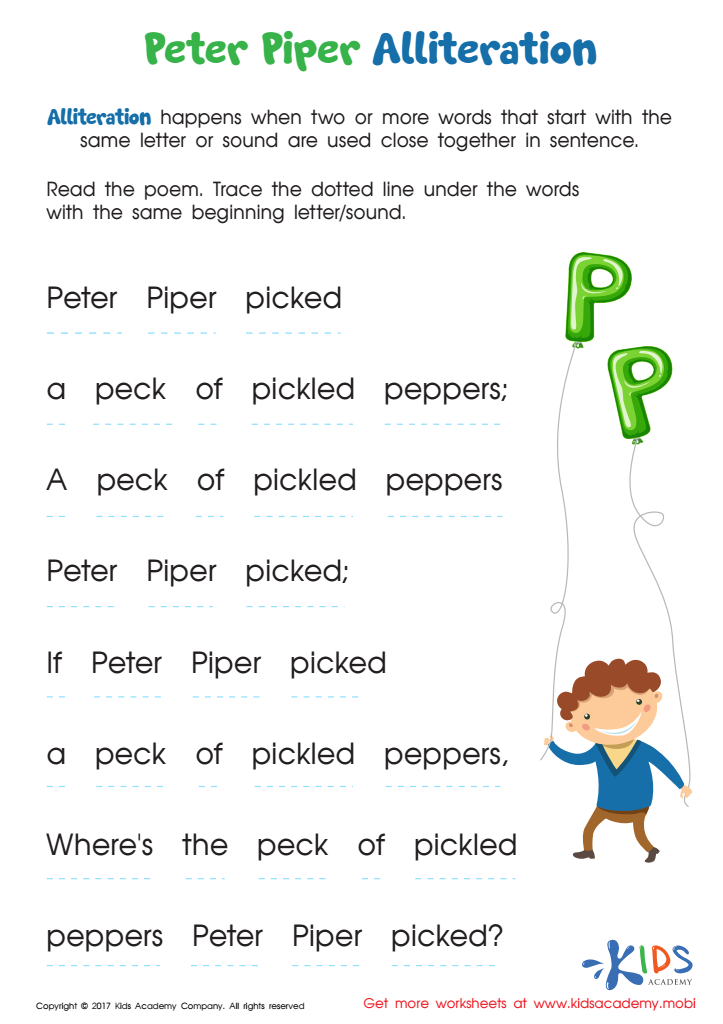
Peter Piper Alliteration Worksheet
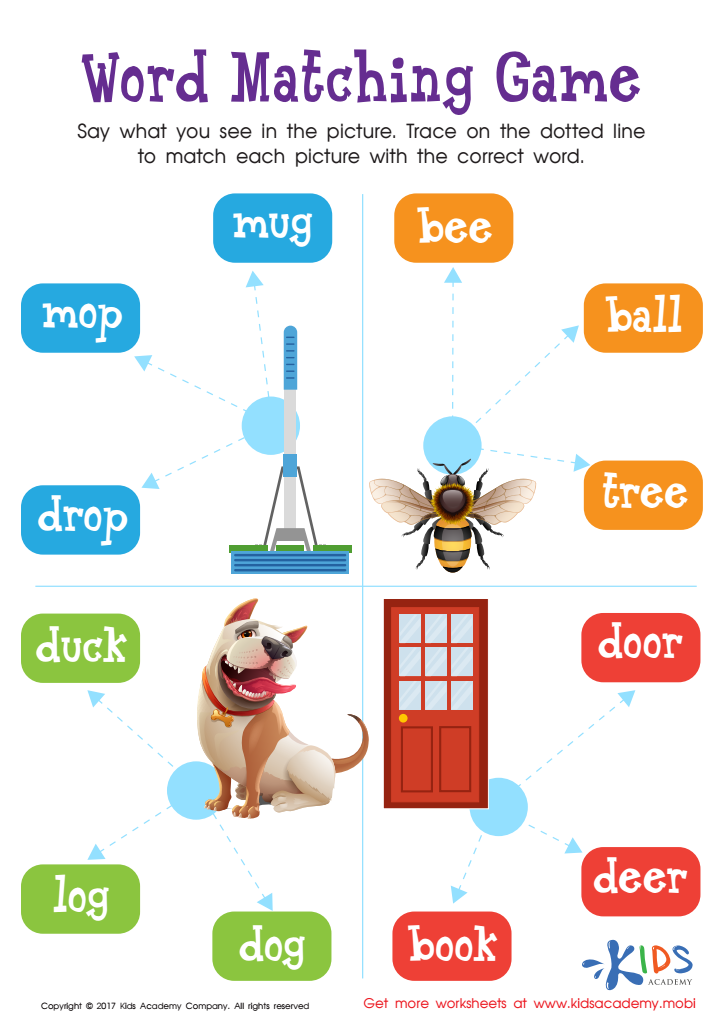
Word Matching Game Worksheet
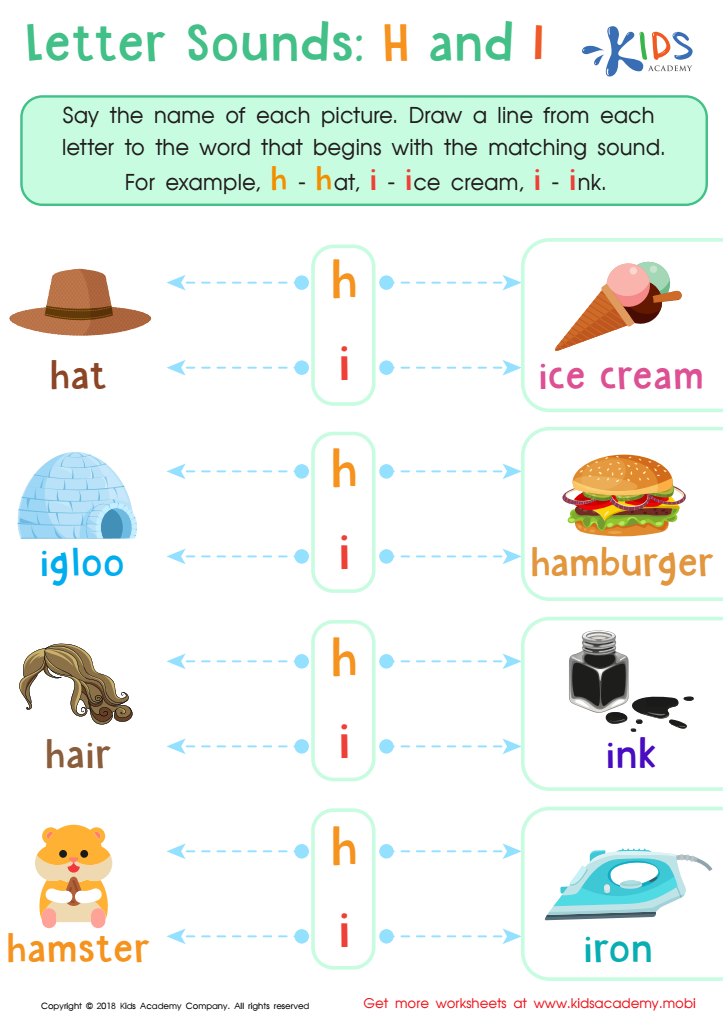
Letter H and I Sounds Worksheet
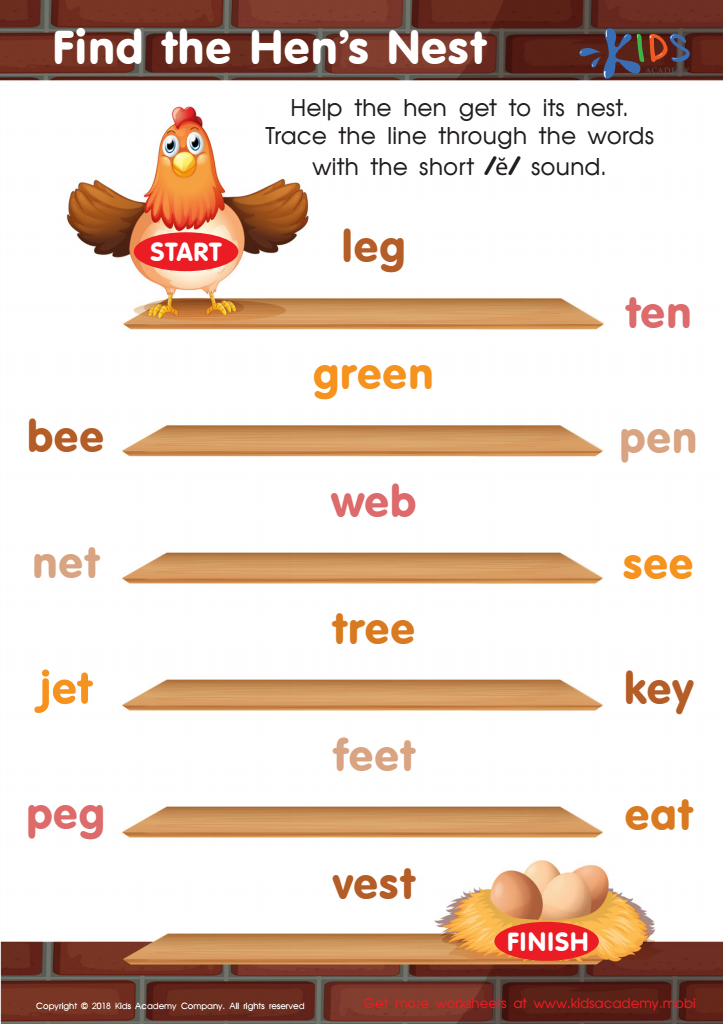
Find Hens Nest Reading Worksheet
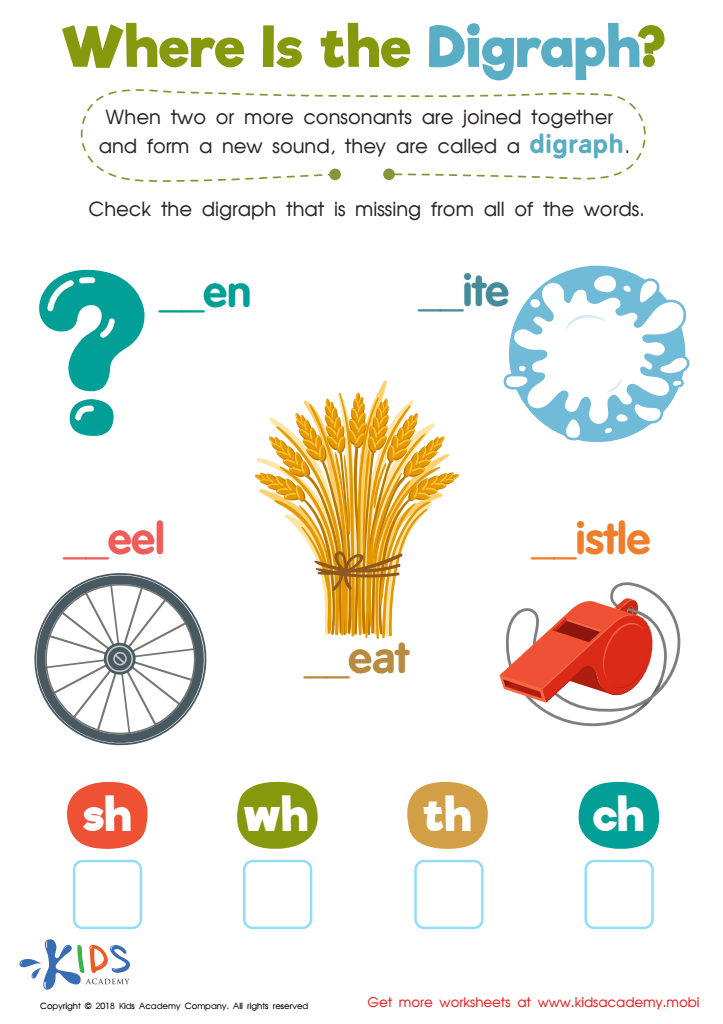
Where Is the Digraph? Worksheet
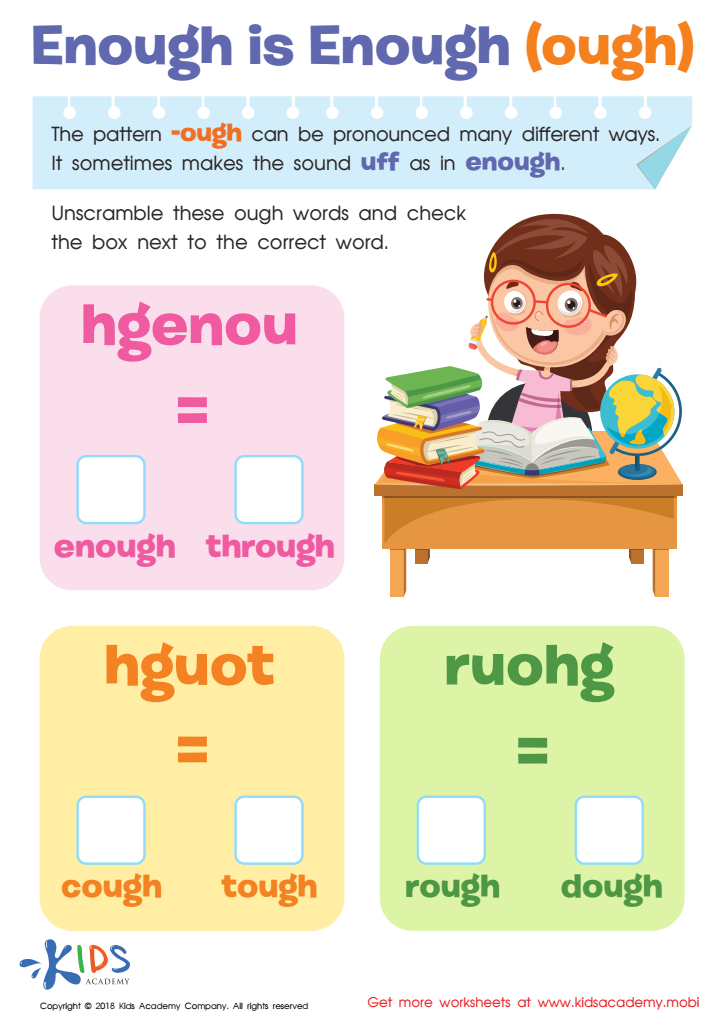
Enough Is Enough (ough) Worksheet
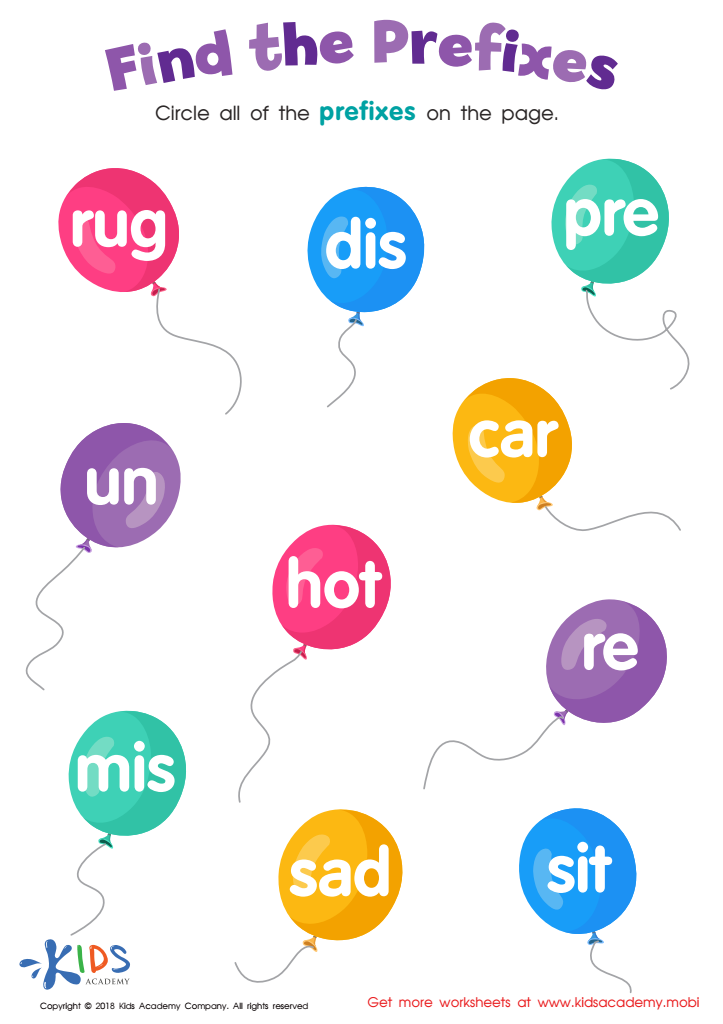
Reading: Find the Prefixes Worksheet
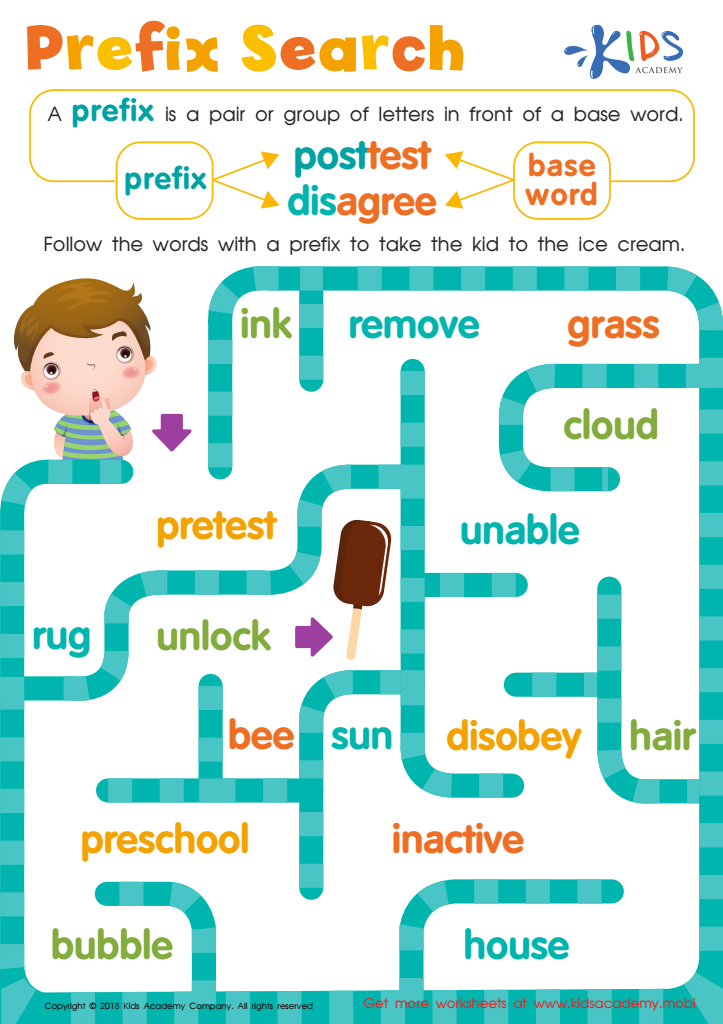
Reading: Prefix Search Worksheet
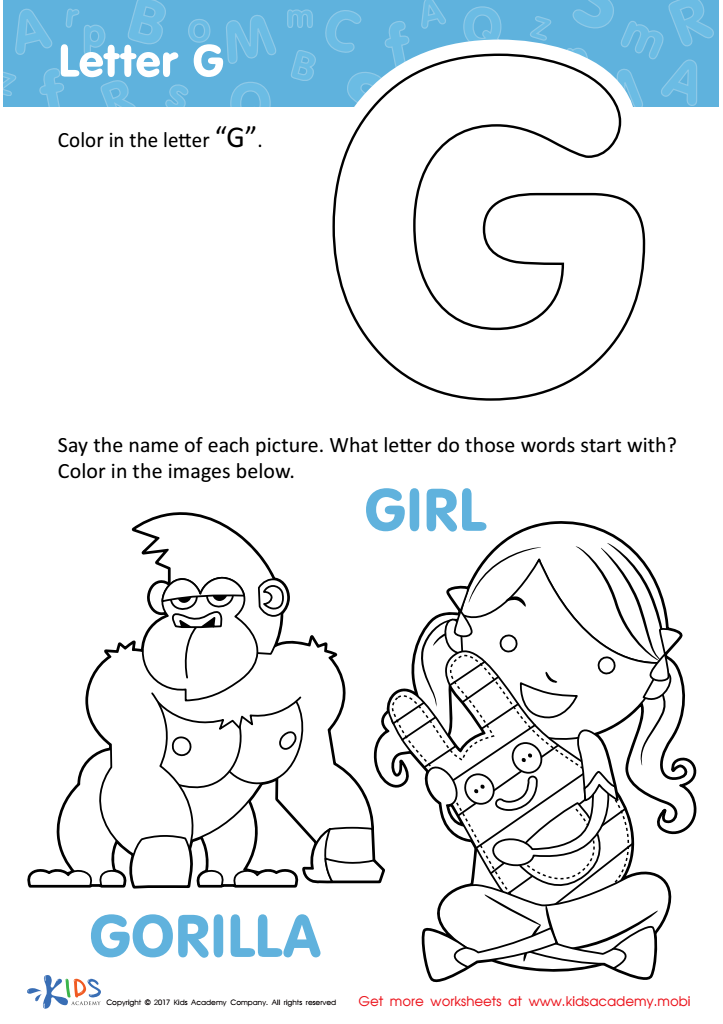
Letter G Coloring Sheet
 Assign to My Students
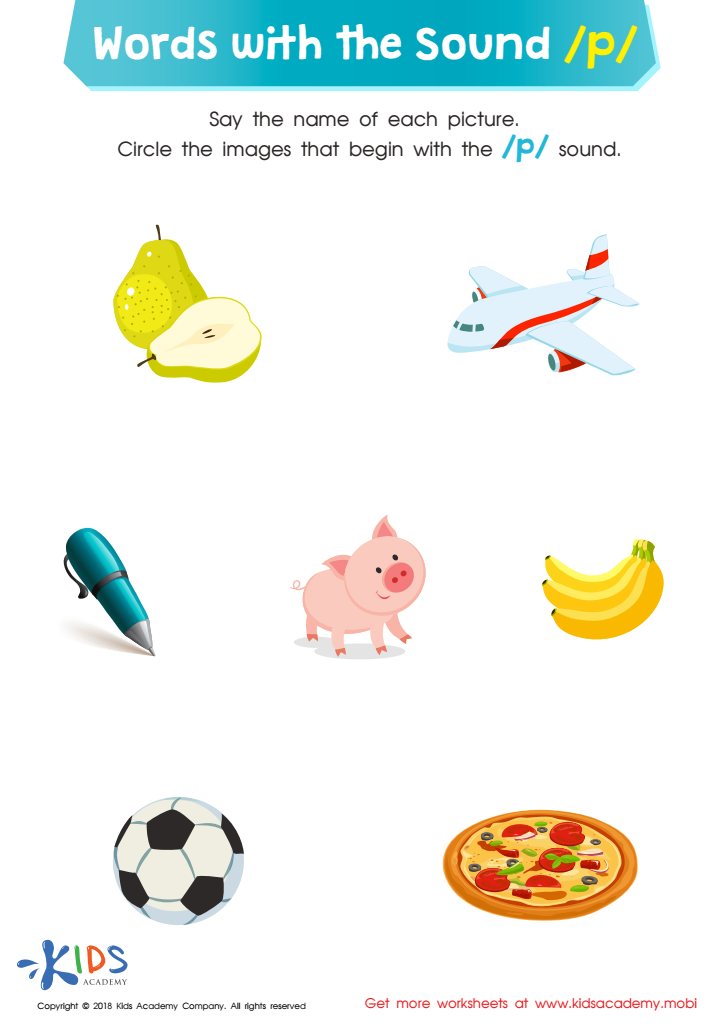
Words with sound p Reading Worksheet
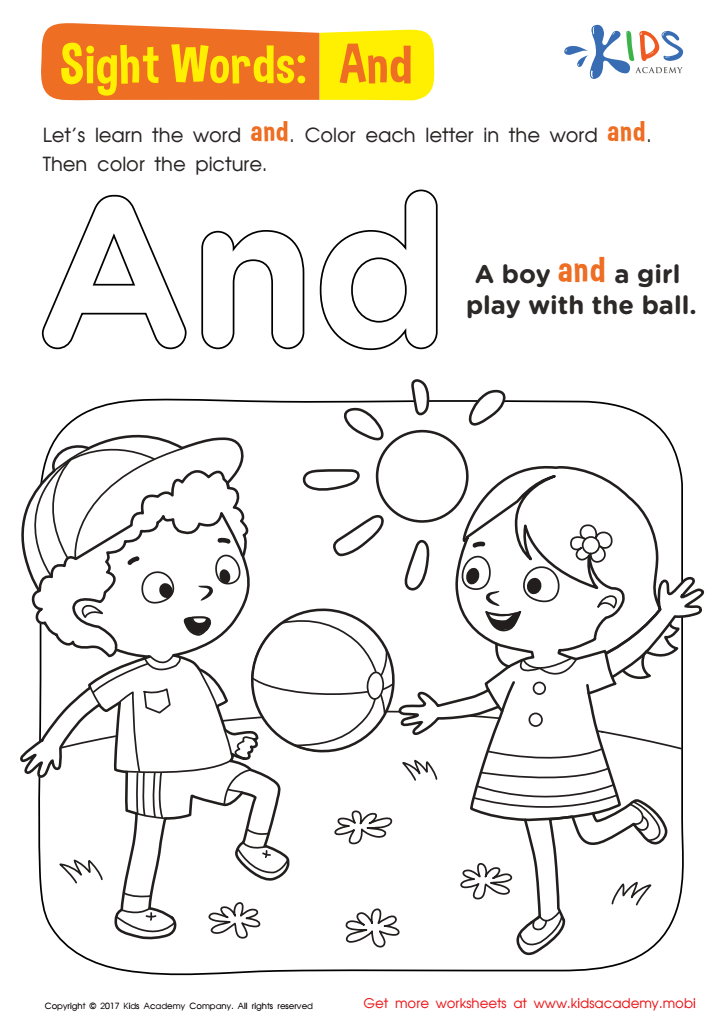
And Worksheet Sight Words Worksheet
Assign to My Students






Building vocabulary during the crucial ages of 3-8 is vital for children's overall development and academic success. At this critical stage, children are not only learning to speak but also to understand and manipulate language. A strong vocabulary provides the foundation for effective communication, enhances reading comprehension, and improves writing abilities as they progress through school.
Parents and teachers should prioritize vocabulary building as it fosters cognitive skills, critical thinking, and creativity. Engaging children in activities that encourage word discovery—such as storytelling, interactive games, and discussions—can make the process enjoyable and memorable. Introducing children to rich and diverse vocabulary through songs, rhymes, and varied literature exposes them to new concepts and ideas.
Furthermore, a robust vocabulary helps children express their thoughts and emotions more accurately, leading to improved social interactions and confidence in conversations. By actively participating in a structured vocabulary building program or using an alphabet approach tailored for this age group, caregivers can support children's language development effectively, ensuring they are better prepared for academic challenges ahead and equipped with essential life skills. Ultimately, investing time in vocabulary development sets the stage for lifelong learning and enhances children’s chances for success in school and beyond.







