Fine Motor Skills Letter Recognition Worksheets for Ages 3-8 - Page 3
63 filtered results
-
From - To
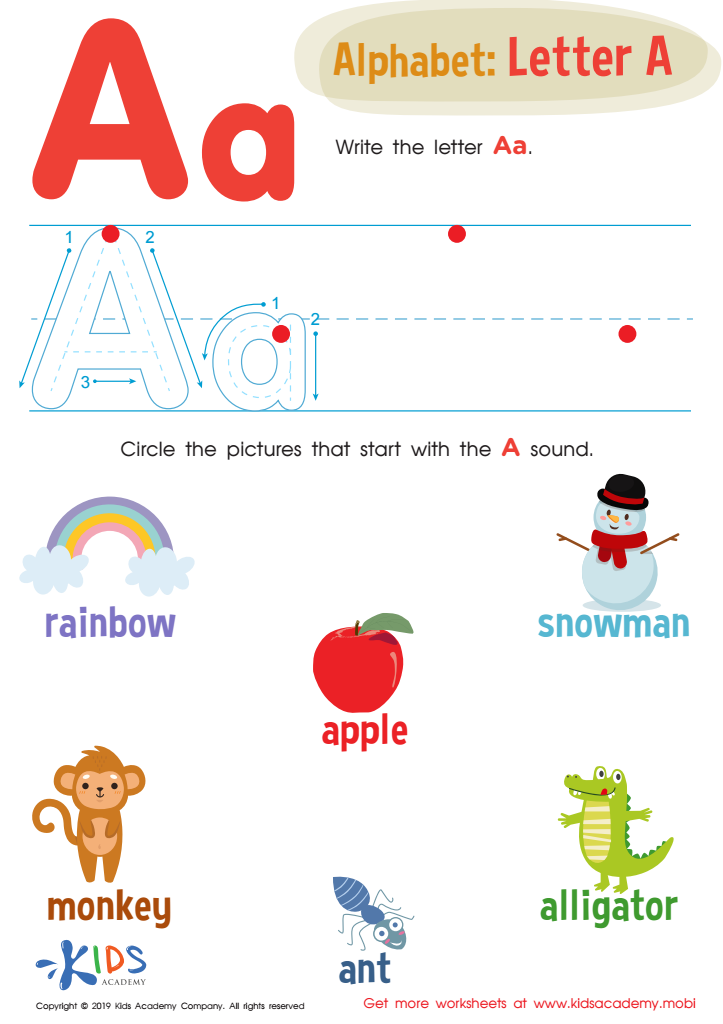
Letter A Tracing Worksheet
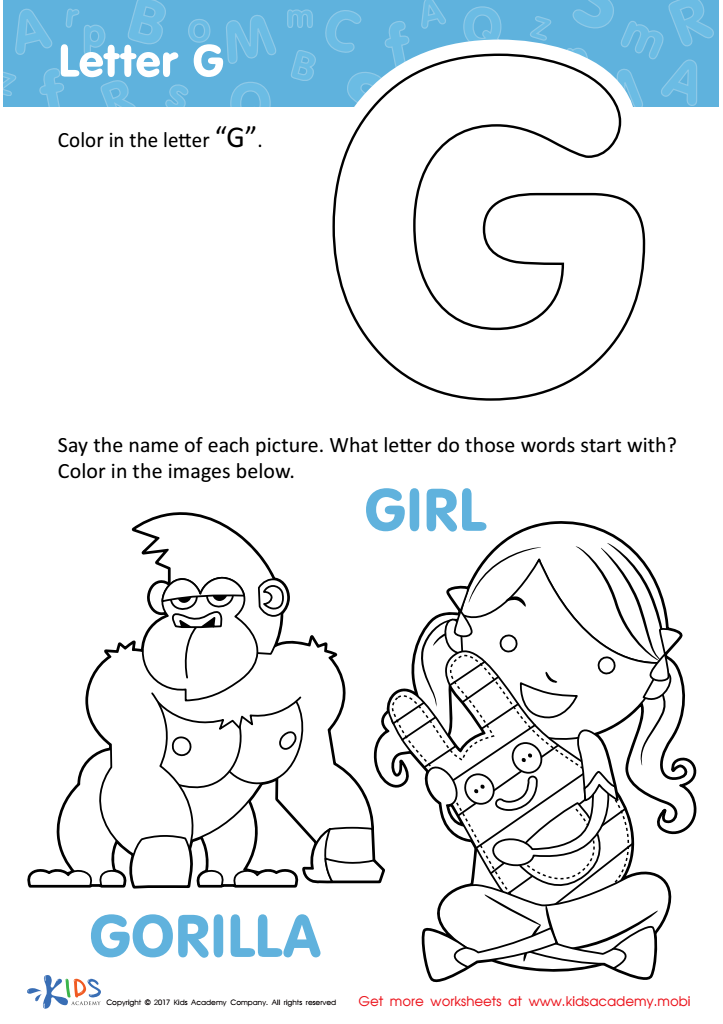
Letter G Coloring Sheet
 Assign to My Students
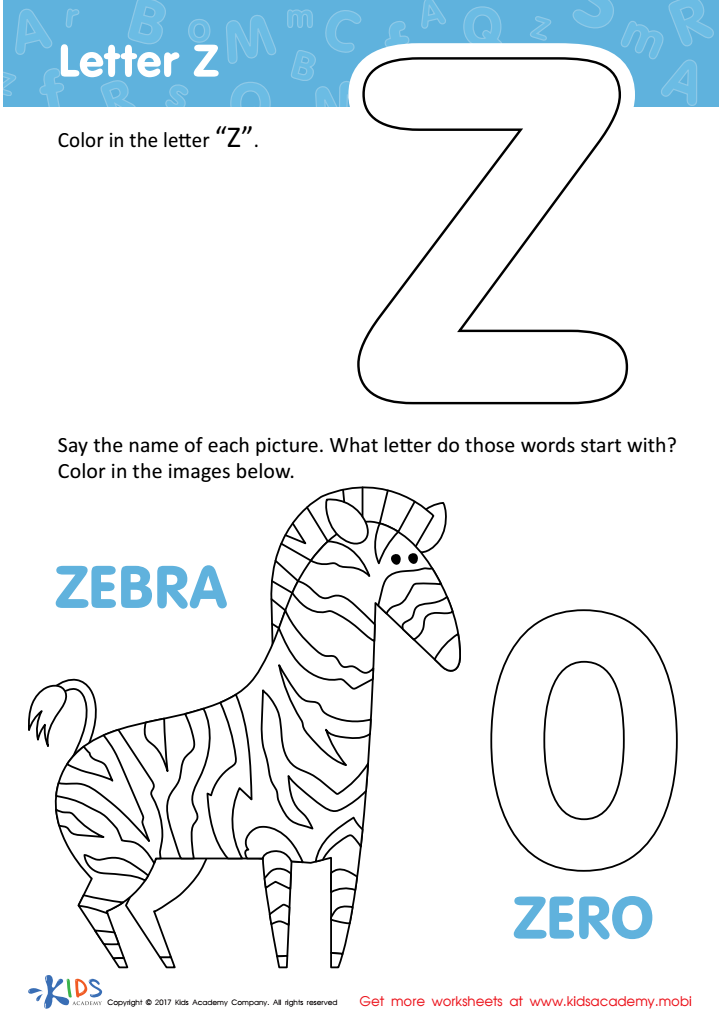
Letter Z Coloring Sheet
Assign to My Students
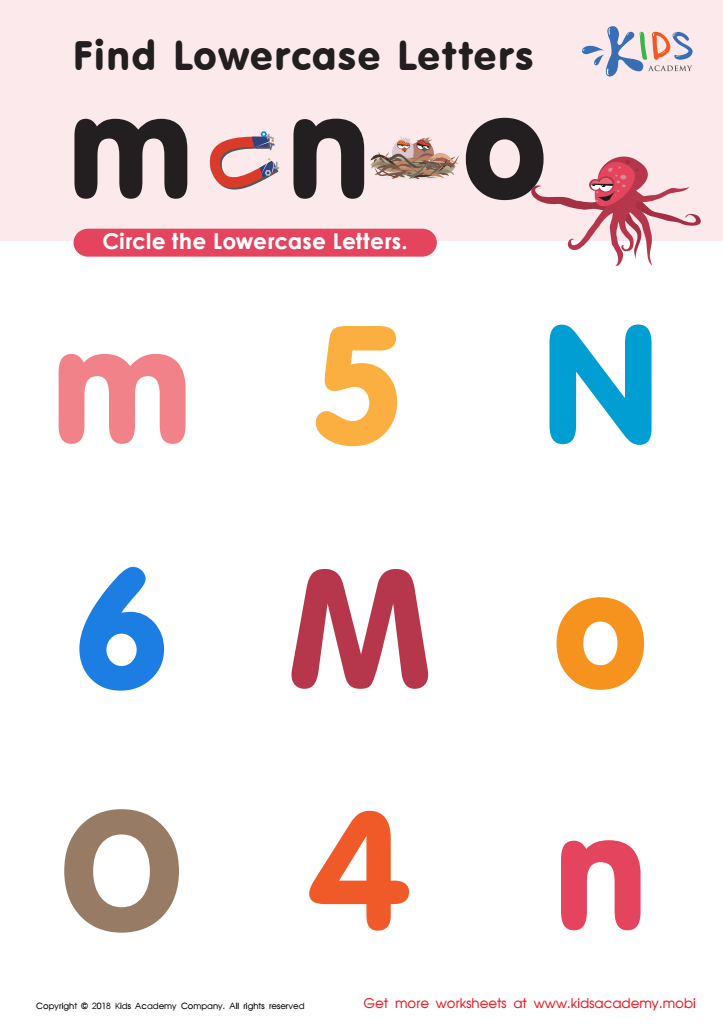
Find Lowercase Letters m n o Worksheet
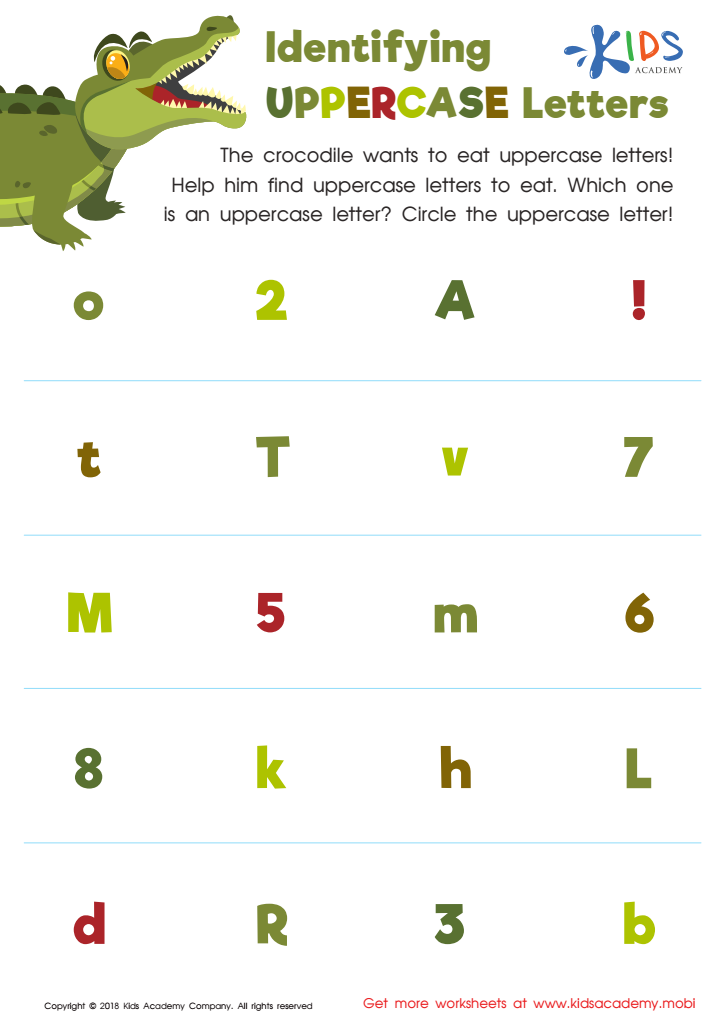
Identifying Uppercase Letters Worksheet
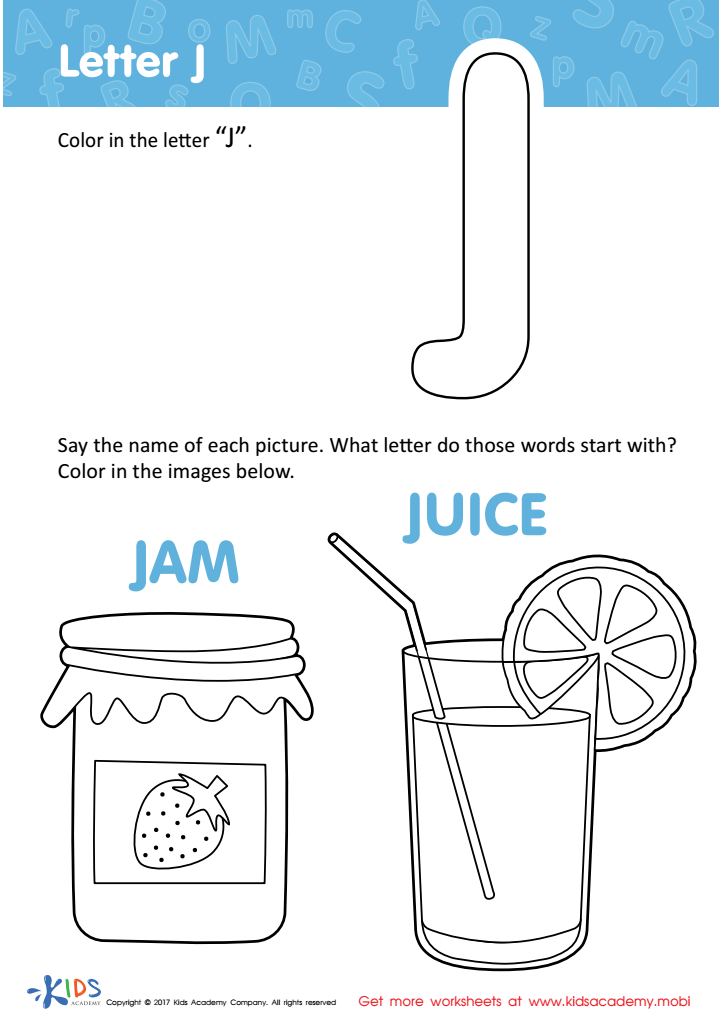
Letter J Coloring Sheet
Assign to My Students
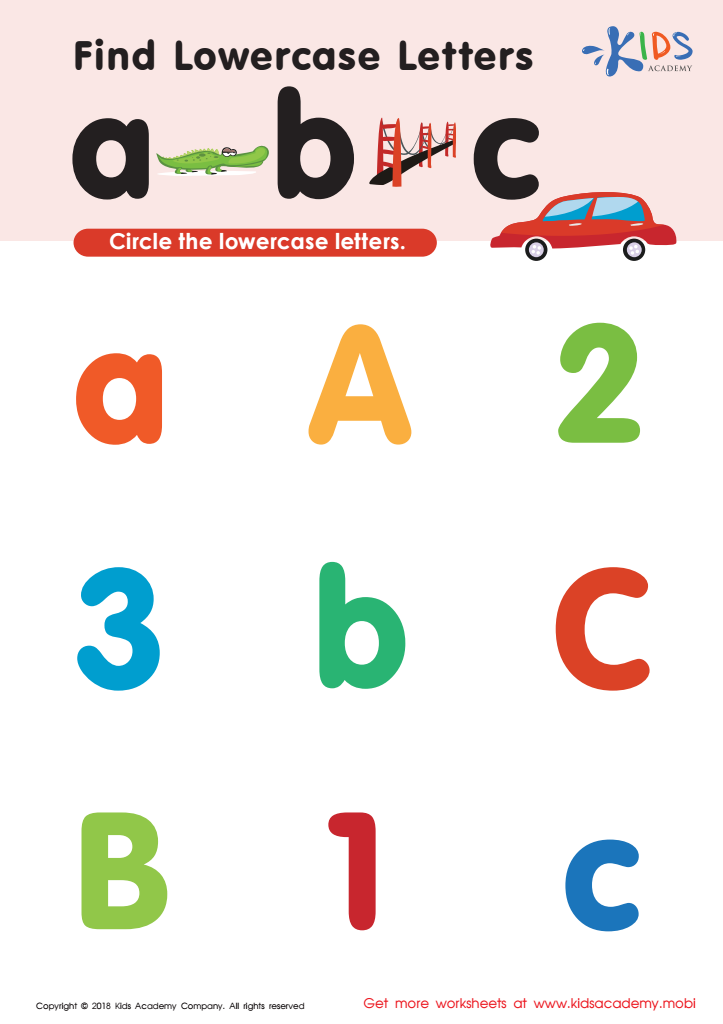
Find lowercase letters a b c Worksheet
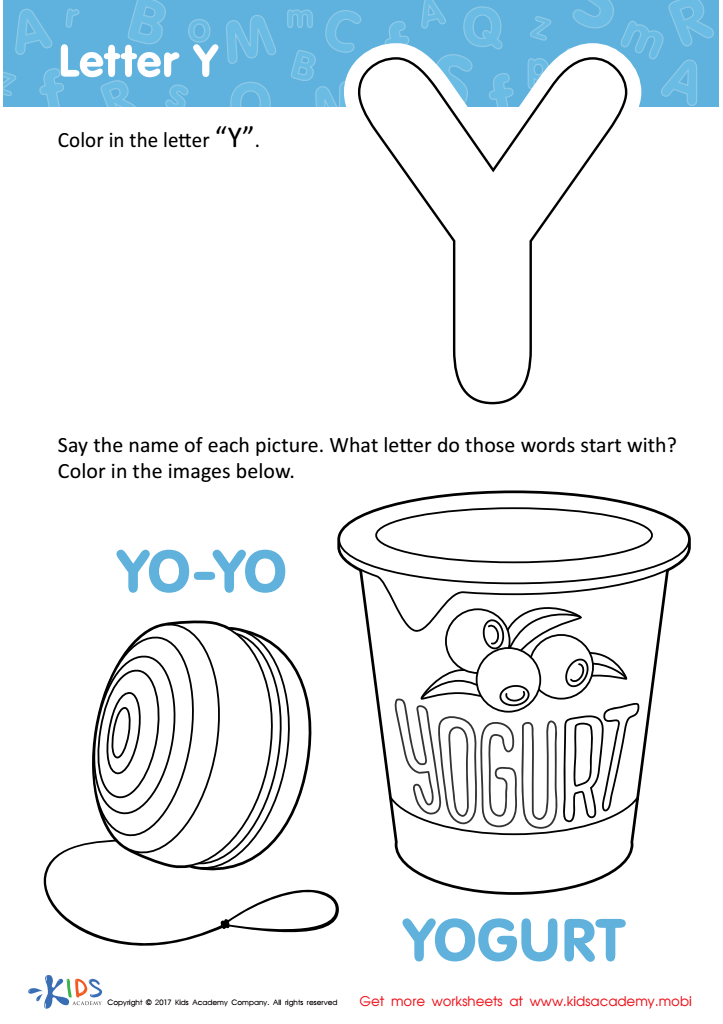
Letter Y Coloring Sheet
Assign to My Students
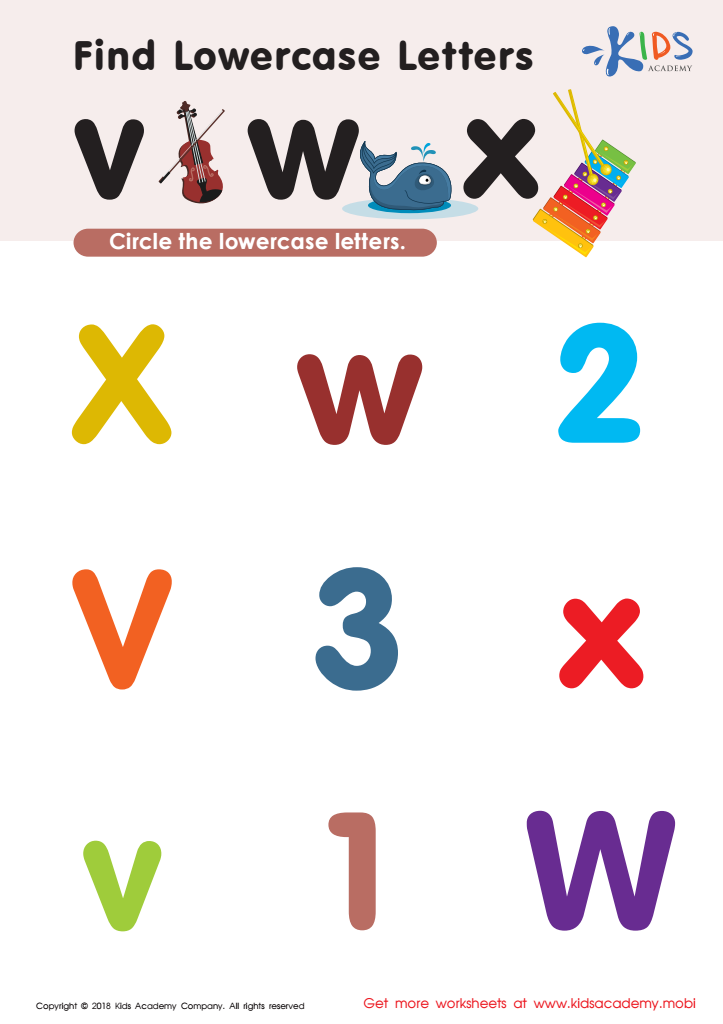
Find Lowercase Letters v w x Worksheet
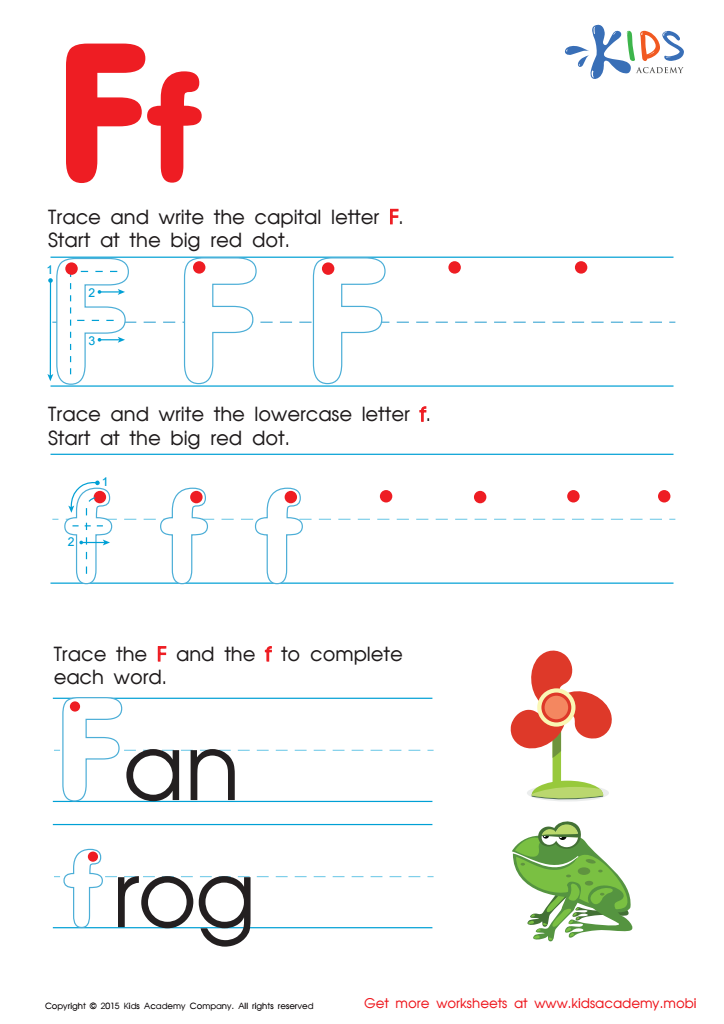
Letter F Tracing Page
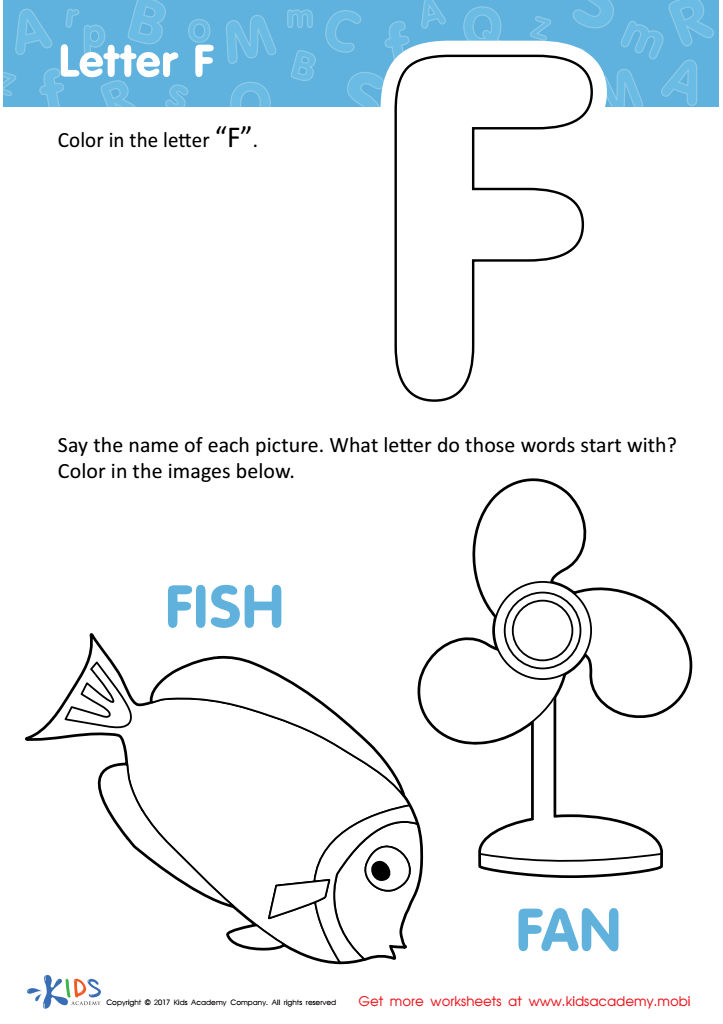
Letter F Coloring Sheet
Assign to My Students
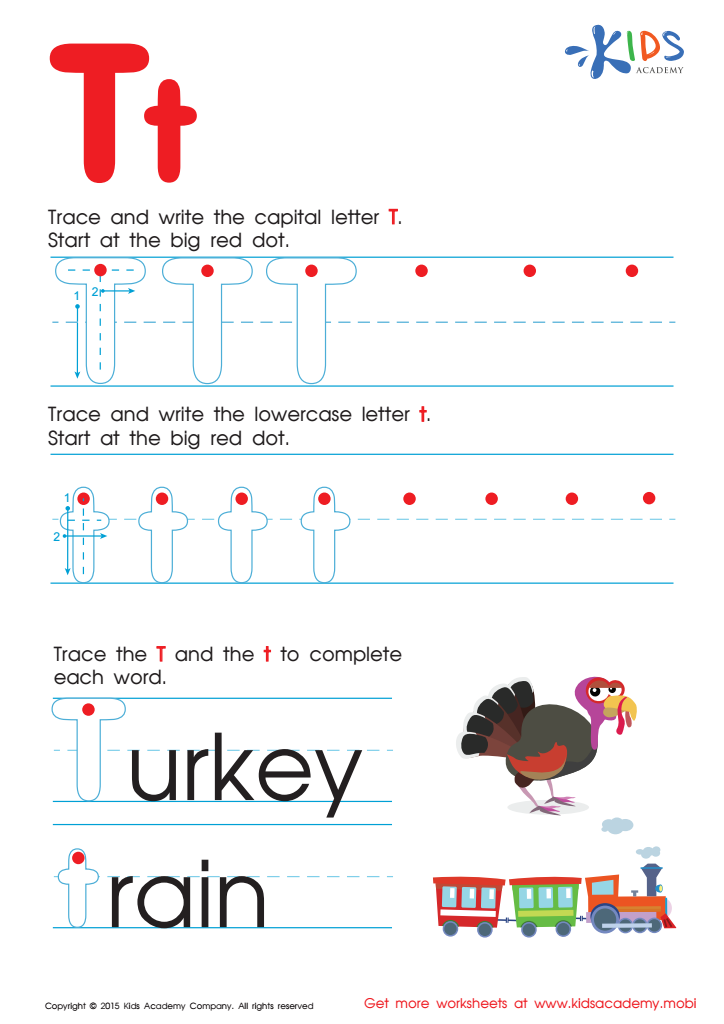
Letter T Tracing Page
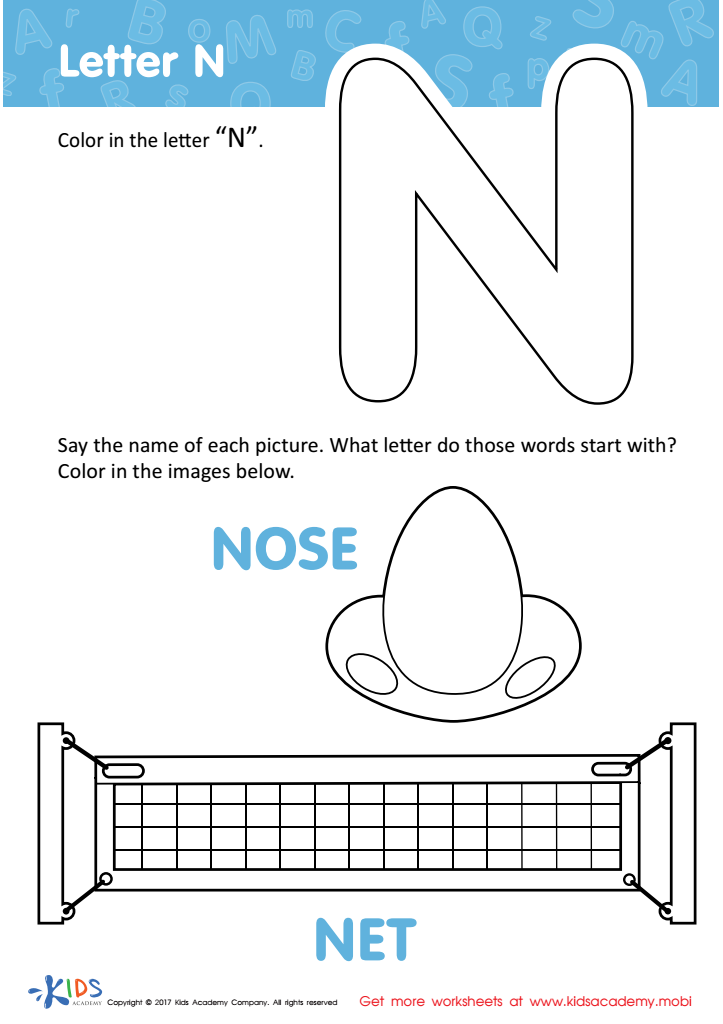
Letter N Coloring Sheet
Assign to My Students

Letter D Tracing Page
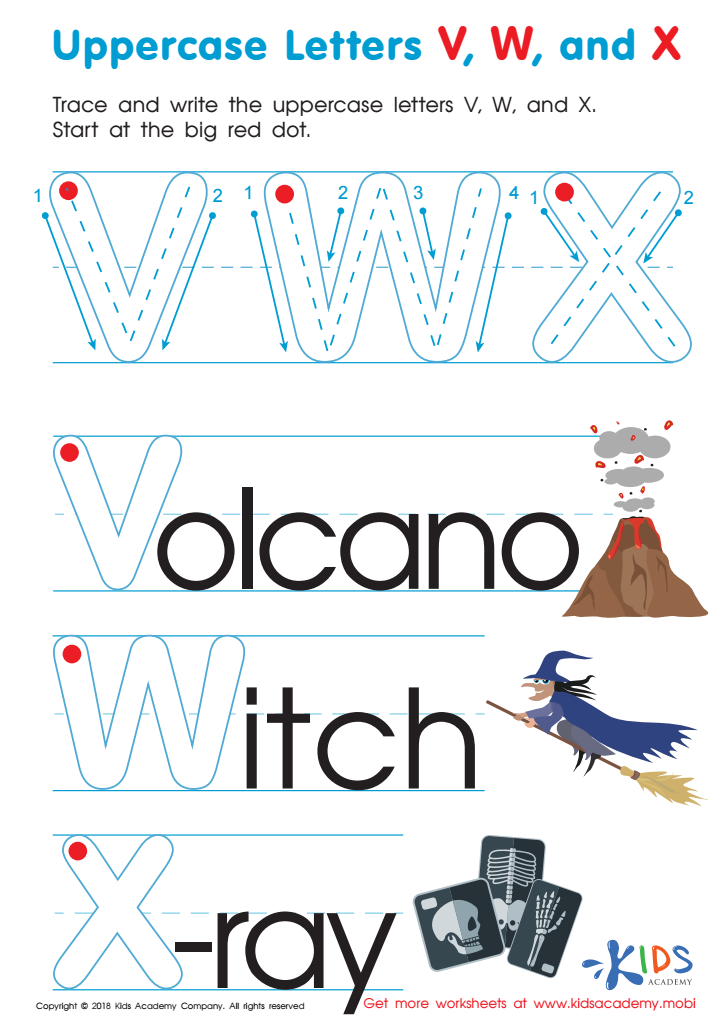
Uppercase Letters V, W, and X Worksheet








Fine motor skills and letter recognition are critical components of early childhood development that significantly impact a child’s academic readiness. For children ages 3 to 8, fine motor skills involve the use of small muscles in the hands and fingers, allowing them to perform tasks such as holding a pen, cutting with scissors, or manipulating small objects. These skills are essential for everyday activities and form the foundation for writing.
Letter recognition, on the other hand, involves the ability to identify and name letters, an important step in the journey toward literacy. When children can recognize letters, they start to link sounds with symbols, paving the way for reading and spelling comprehension.
Parents and teachers should prioritize these skills because they are interconnected. Strong fine motor abilities enhance a child's capacity to write letters and words accurately, while letter recognition builds confidence in their reading skills. Furthermore, developing these skills can improve a child’s focus, patience, and hand-eye coordination. Investing time in activities that foster fine motor skills and letter recognition—such as crafts, games, and interactive reading—ultimately supports a child’s overall cognitive development and prepares them for a successful educational journey.







