Long Vowels Worksheets for Ages 3-8 - Page 2
36 filtered results
-
From - To
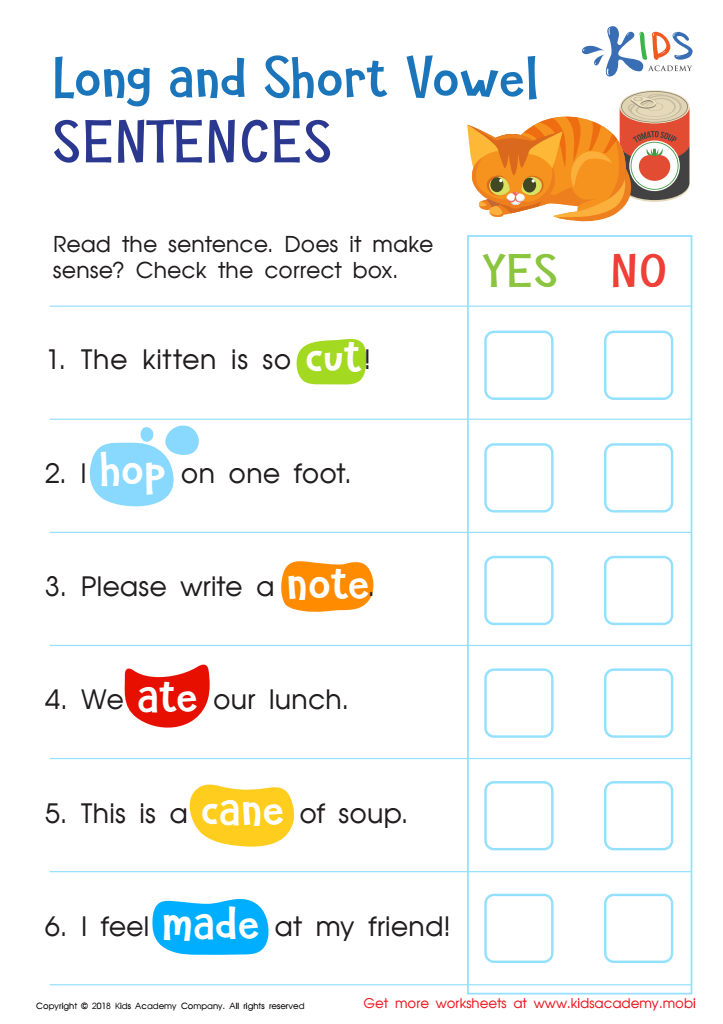
Long and Short Vowel Sentences: Assessment Worksheet
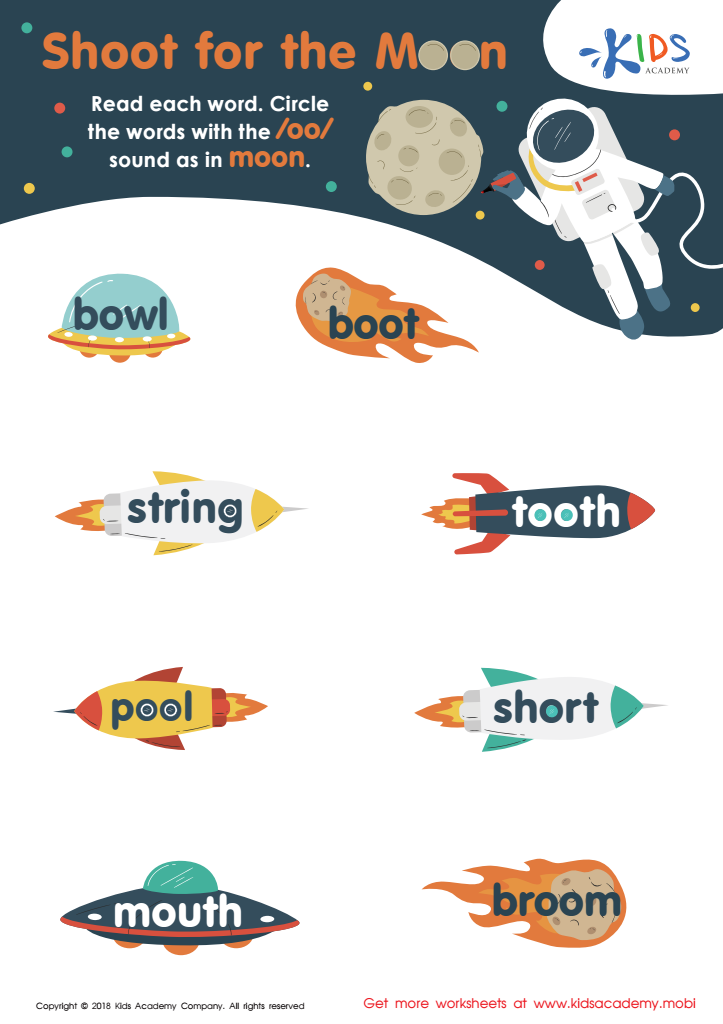
Reading: Shoot for the Moon Worksheet
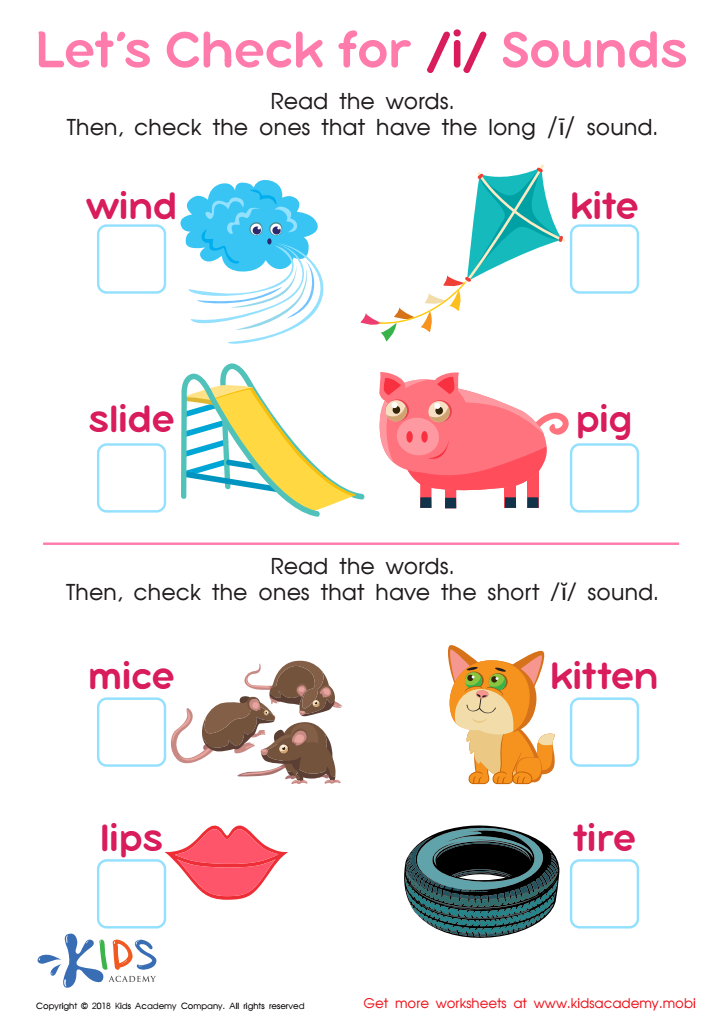
Let's Check for «i» Sounds Worksheet

Long and Short E Worksheet
 Assign to My Students
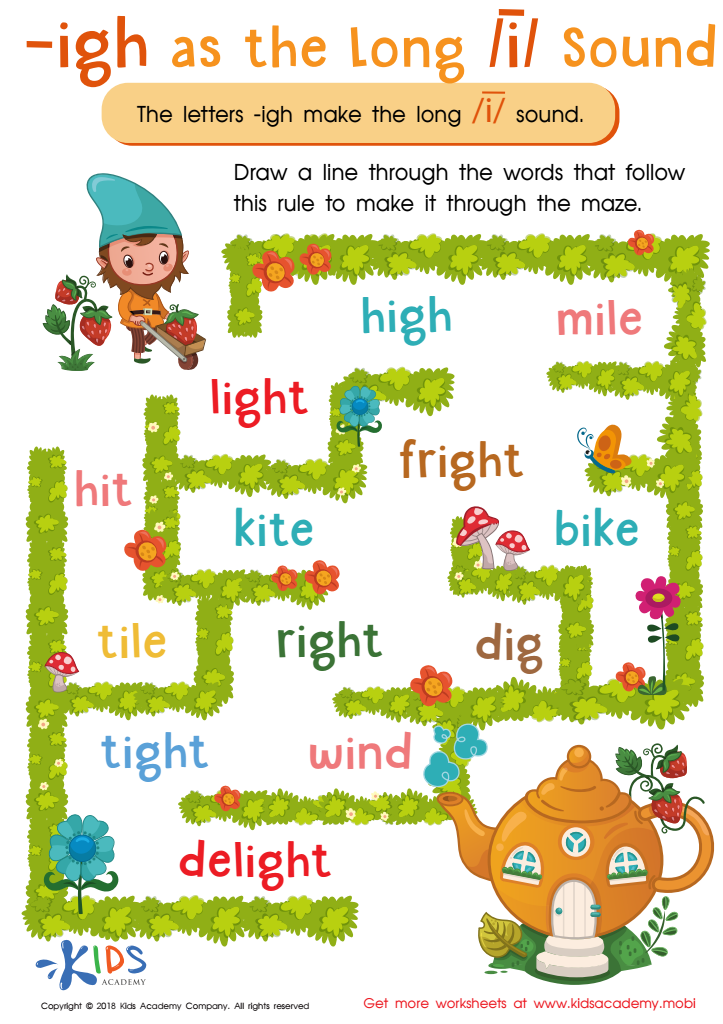
Reading: IGH as Long I Worksheet
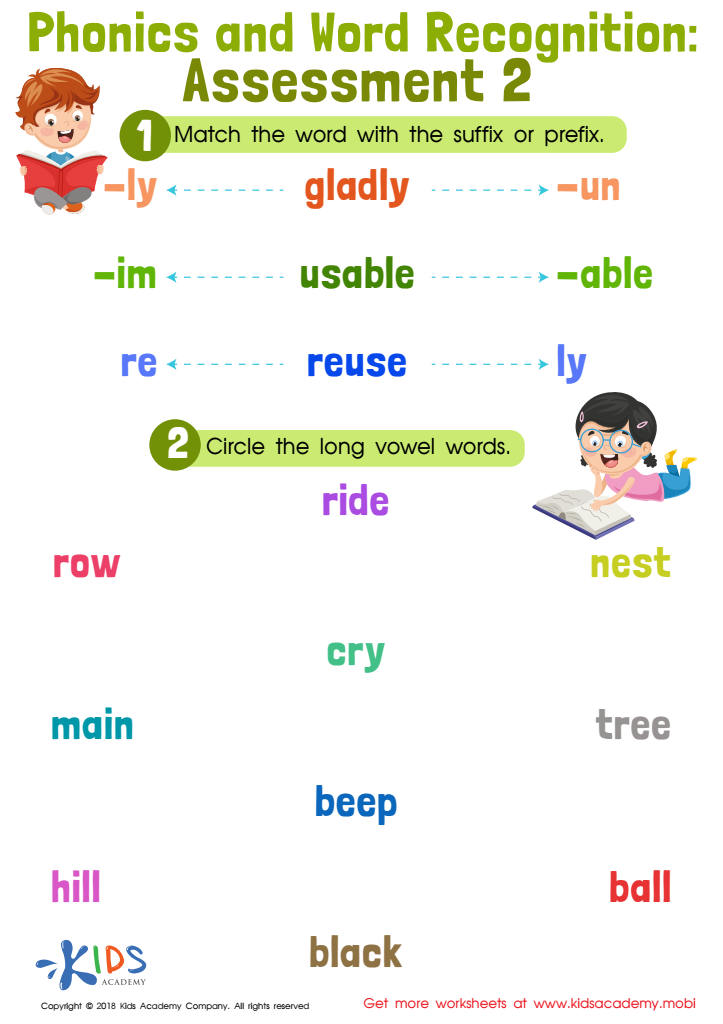
Phonics and Word Recognition: Assessment 2
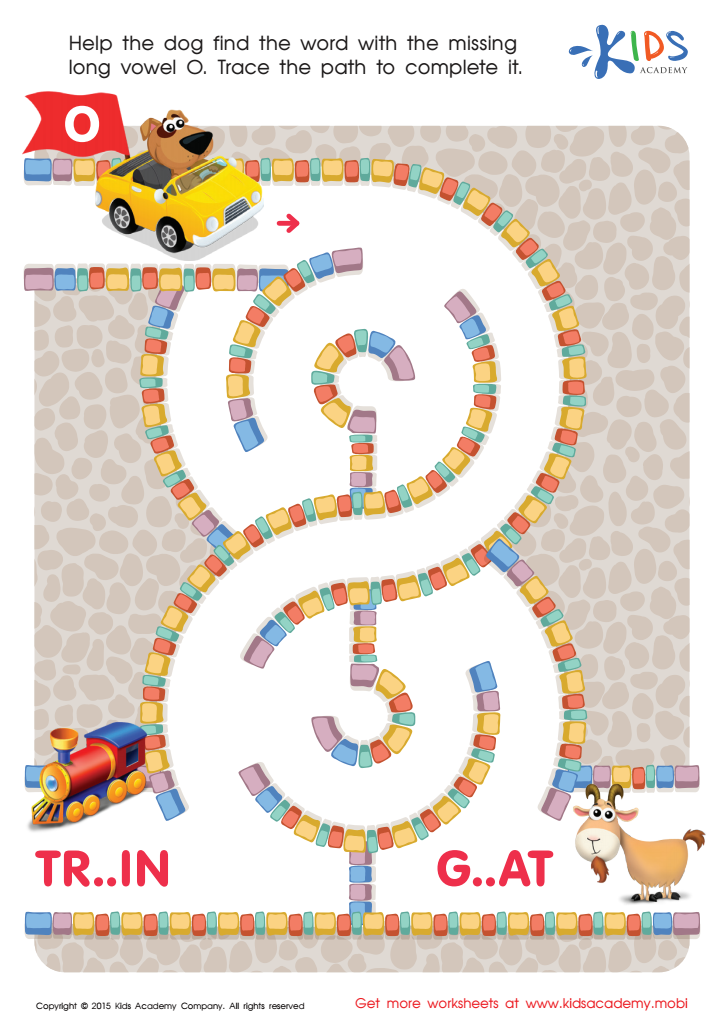
Long Vowel Sound O Worksheet
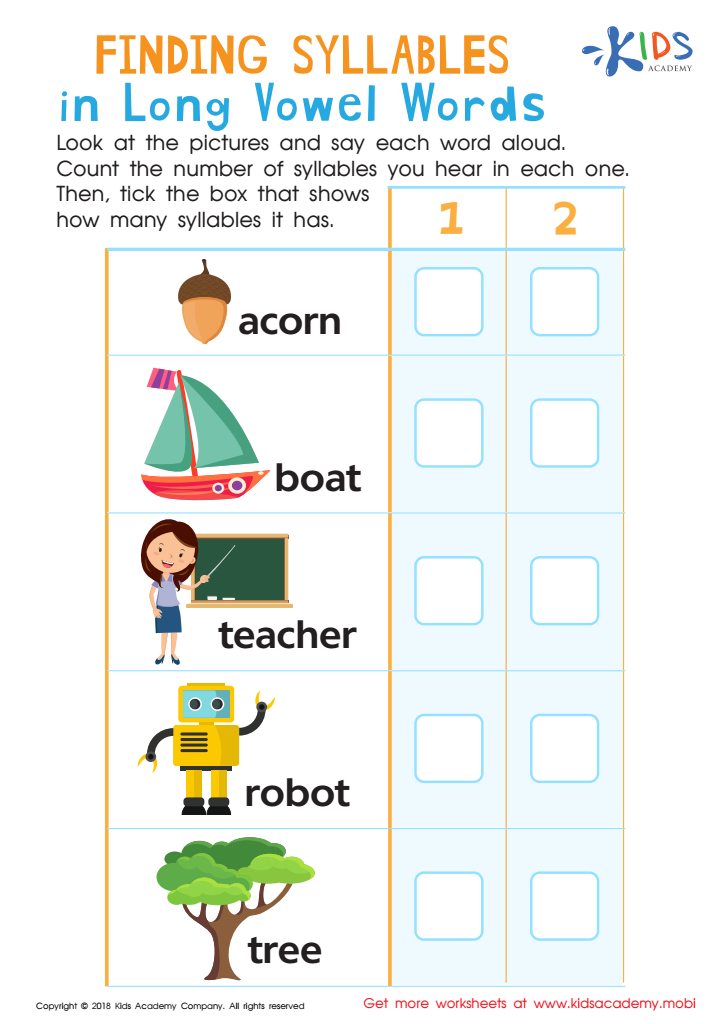
Finding Syllables in Long Vowel Words Worksheet
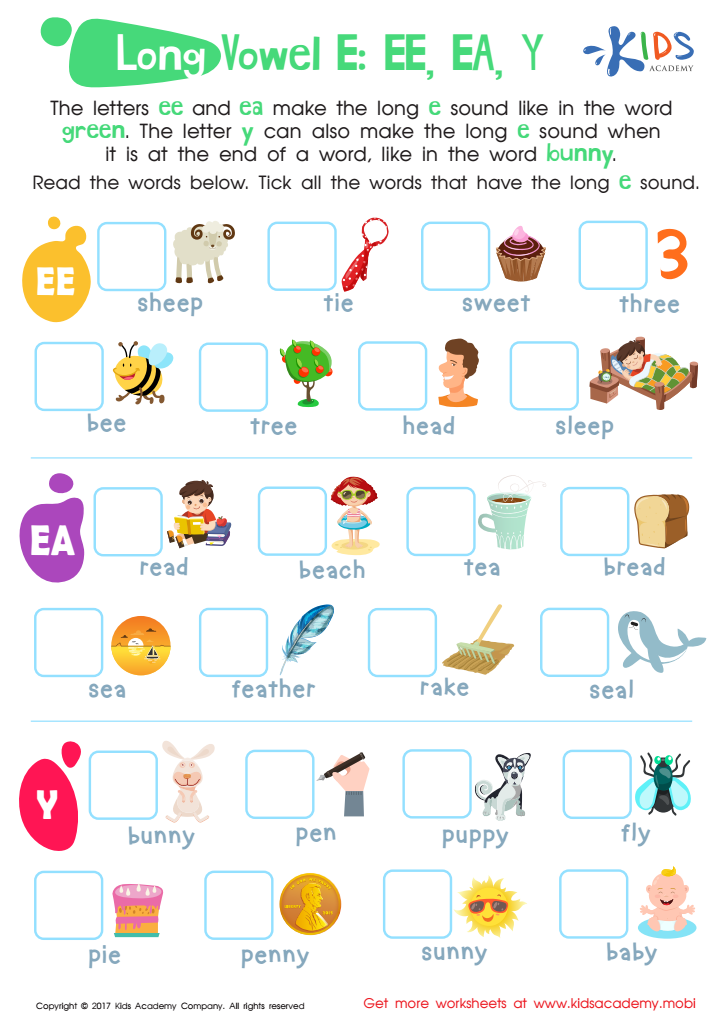
Long Vowel E Printable
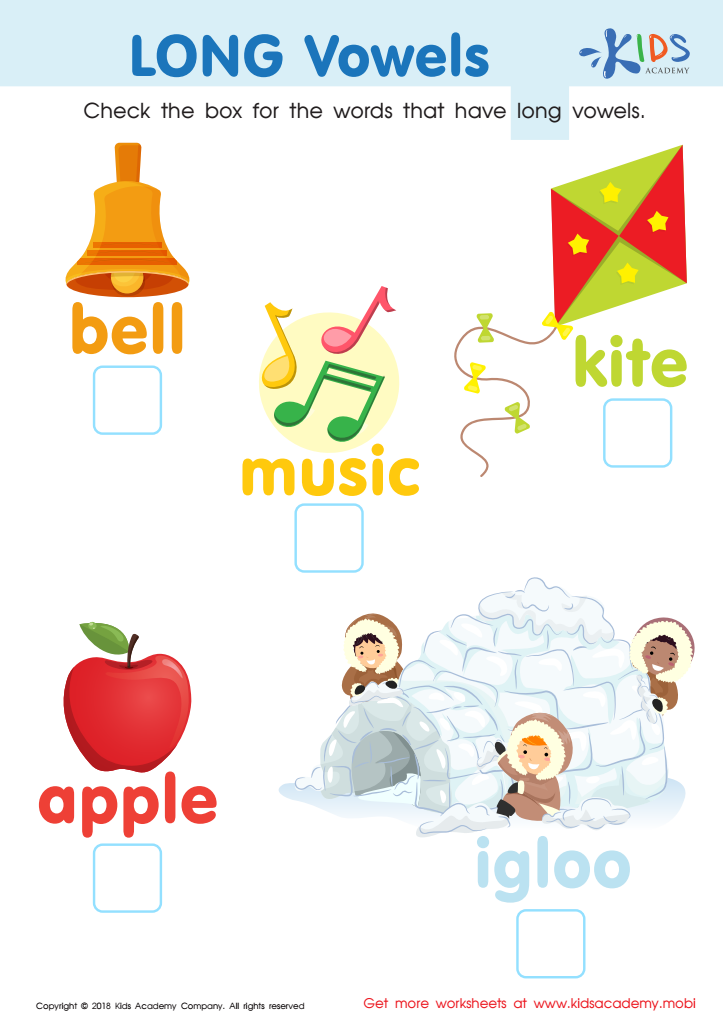
long vowels Worksheet
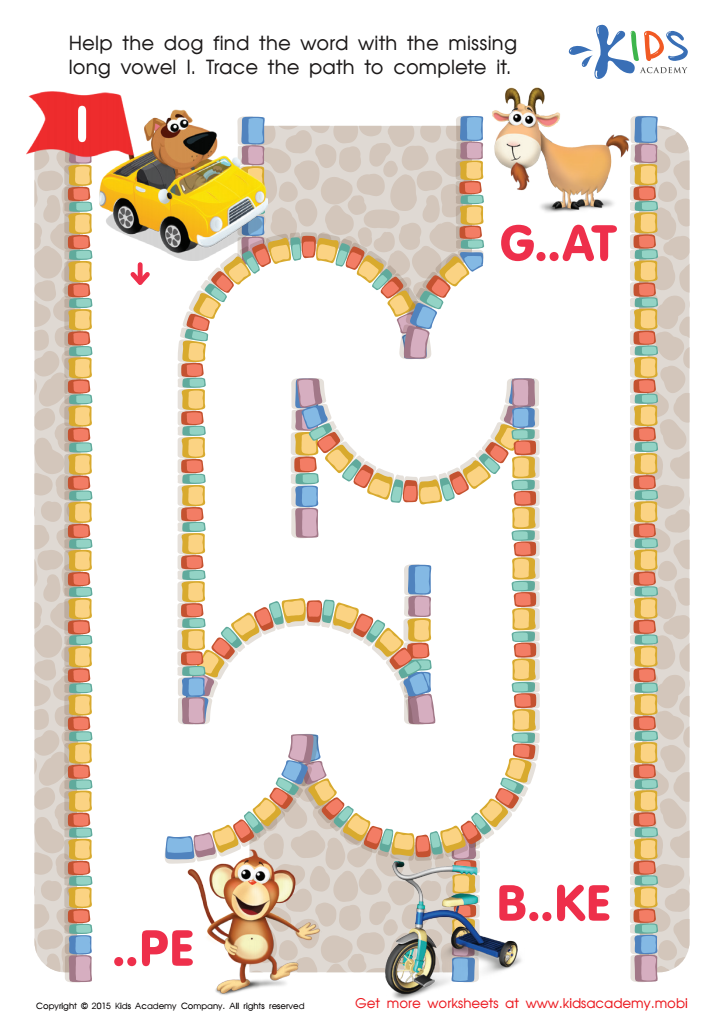
Long Vowel Sound I Worksheet



Long vowels play a crucial role in early literacy development for children ages 3-8. Understanding long vowel sounds—where the vowel says its name (like 'a' in 'cake' or 'e' in 'bee')—allows children to decode and read new words more effectively. This knowledge enhances their phonemic awareness, which is essential for building a strong foundation in reading and writing skills.
When parents and teachers emphasize long vowels, they help children improve their spelling, expand their vocabulary, and foster confidence in their reading abilities. Furthermore, recognizing long vowel patterns encourages kids to explore word families, developing their language skills even further.
In addition to academic benefits, awareness of long vowels supports better communication skills, allowing children to express themselves more clearly. It enriches their understanding of written text, enabling them to engage with stories and other literature more profoundly.
Overall, focusing on long vowels at an early age instills a love for reading, prepares children for more complex language concepts, and sets the stage for lifelong learning. Parents and teachers are essential partners in this process, helping to navigate the exciting journey of literacy within these formative years.








