Vowel Recognition Long Vowels Worksheets for Ages 3-8
9 filtered results
-
From - To
Discover an engaging learning experience with our Vowel Recognition Long Vowels Worksheets for ages 3-8! Specifically designed to enhance vowel recognition and phonetic skills, these fun and colorful worksheets introduce young learners to long vowel sounds. Our expertly crafted activities provide a solid foundation for reading and spelling, using exercises that are both educational and entertaining. Perfect for use at home or in the classroom, these worksheets cater to children's developmental stages, ensuring that learning is effective and enjoyable. Grab our fantastic resources today and watch your little ones thrive in their reading journey!
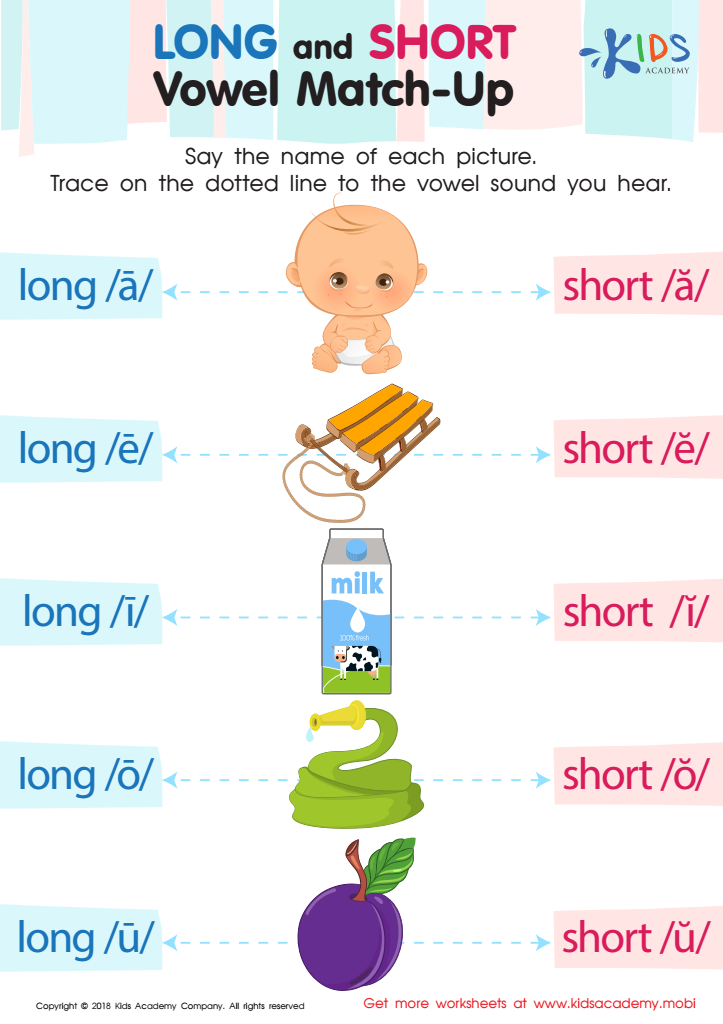
Long and Short Vowel Match up Reading Worksheet
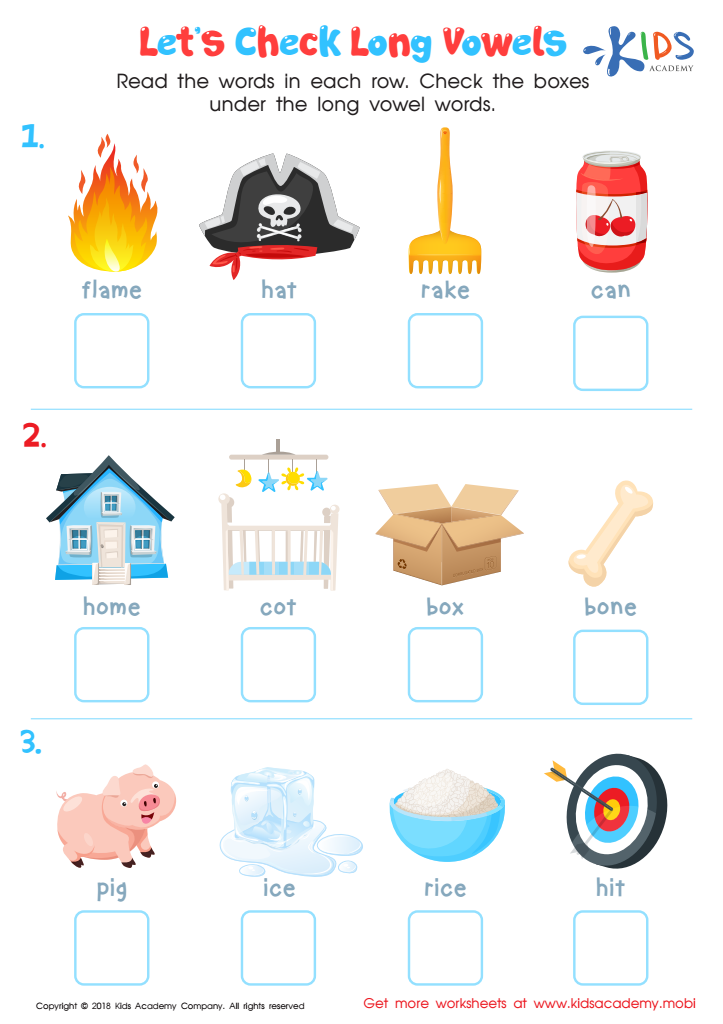
Let's Check Long Vowels: Assessment Worksheet
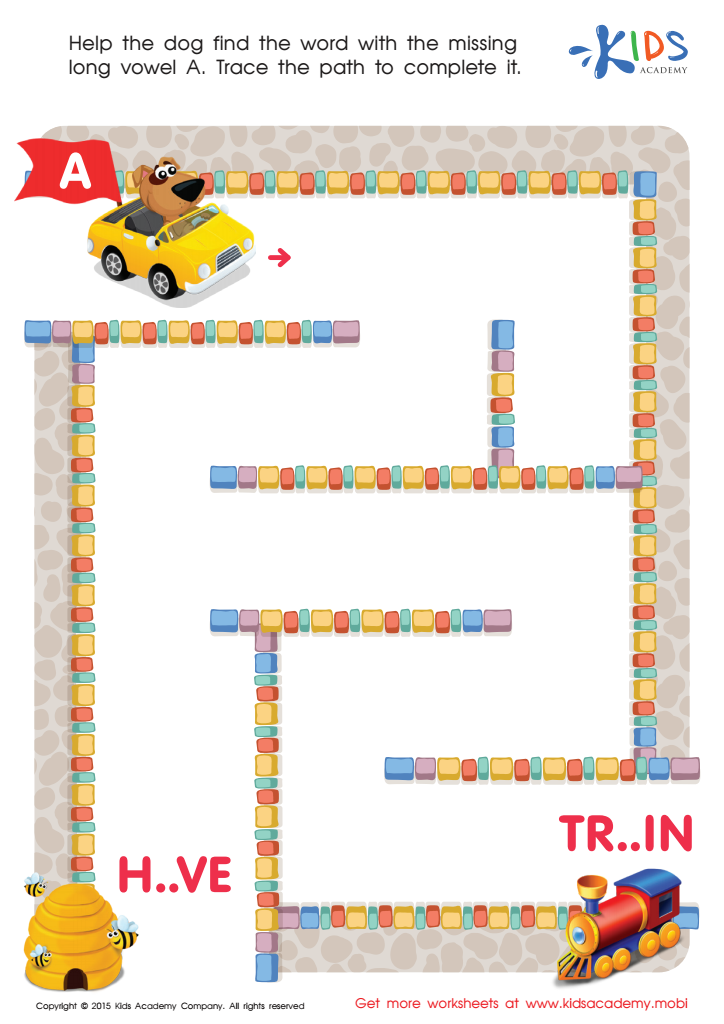
Long Vowel Sound A Worksheet
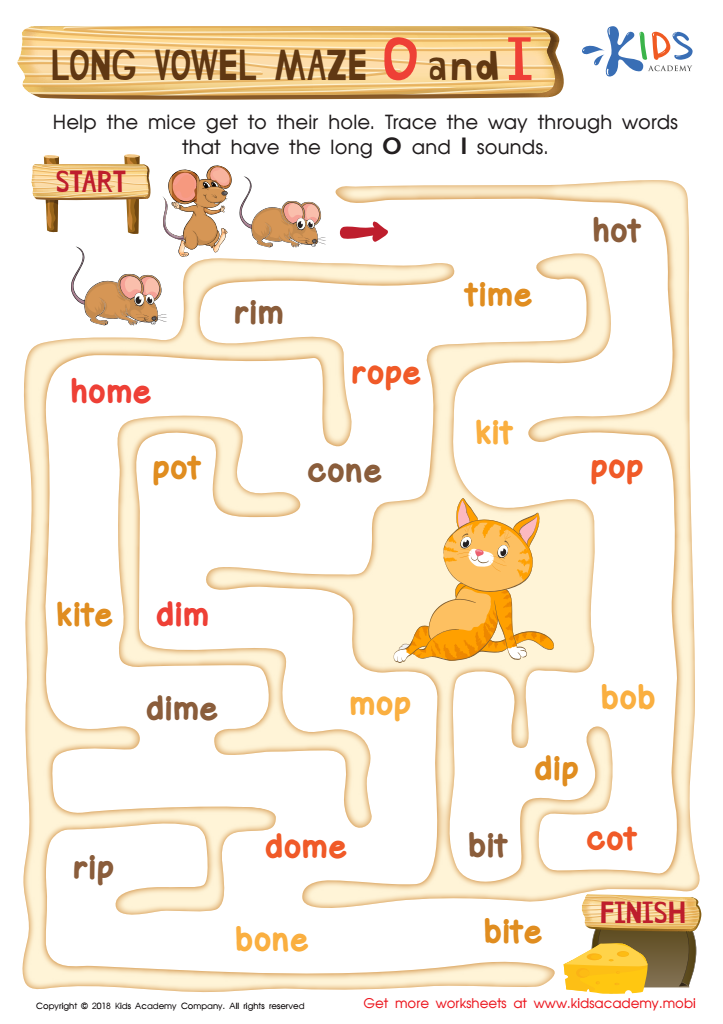
Long Vowel Maze /o/ and /i/ Worksheet
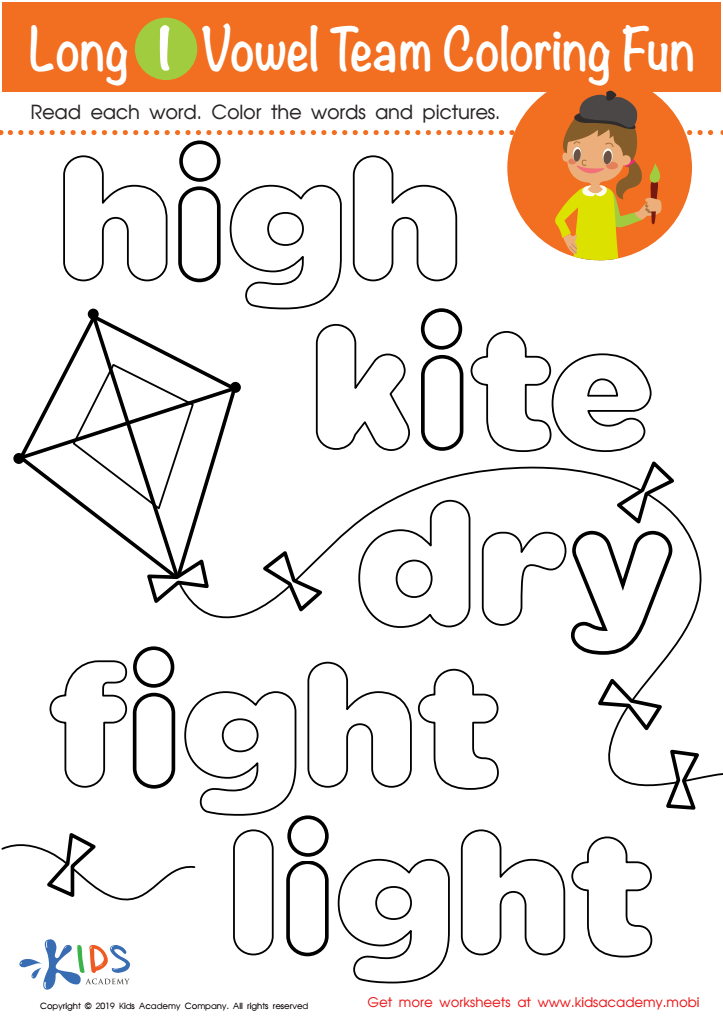
Long I Vowel Team Coloring Worksheet
 Assign to My Students
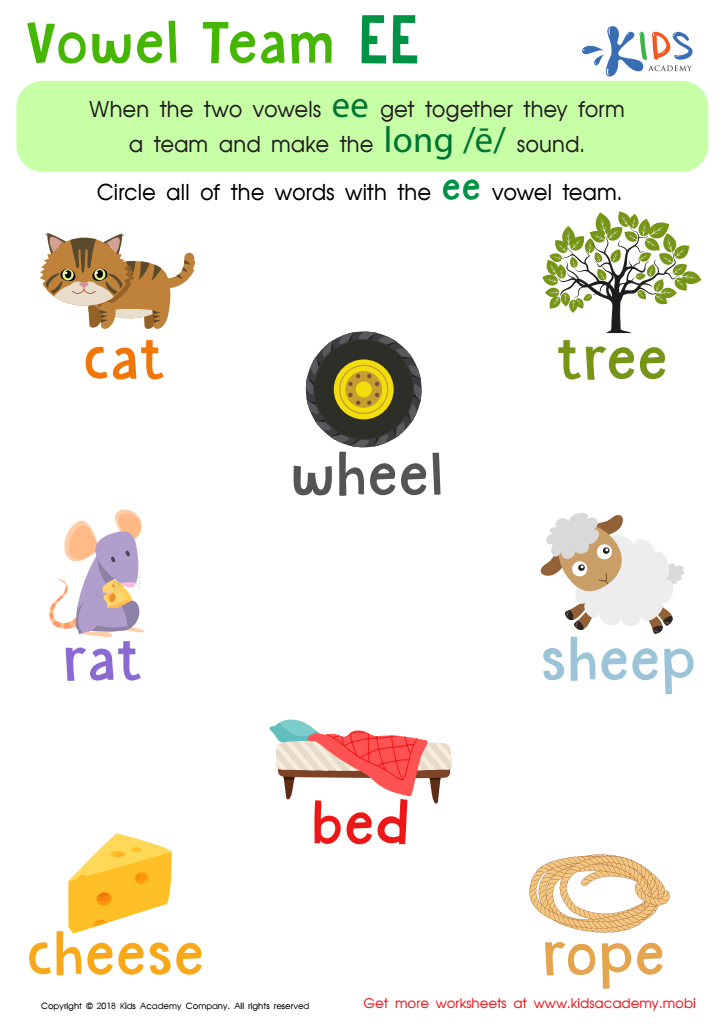
Reading: Vowel Team EE Worksheet
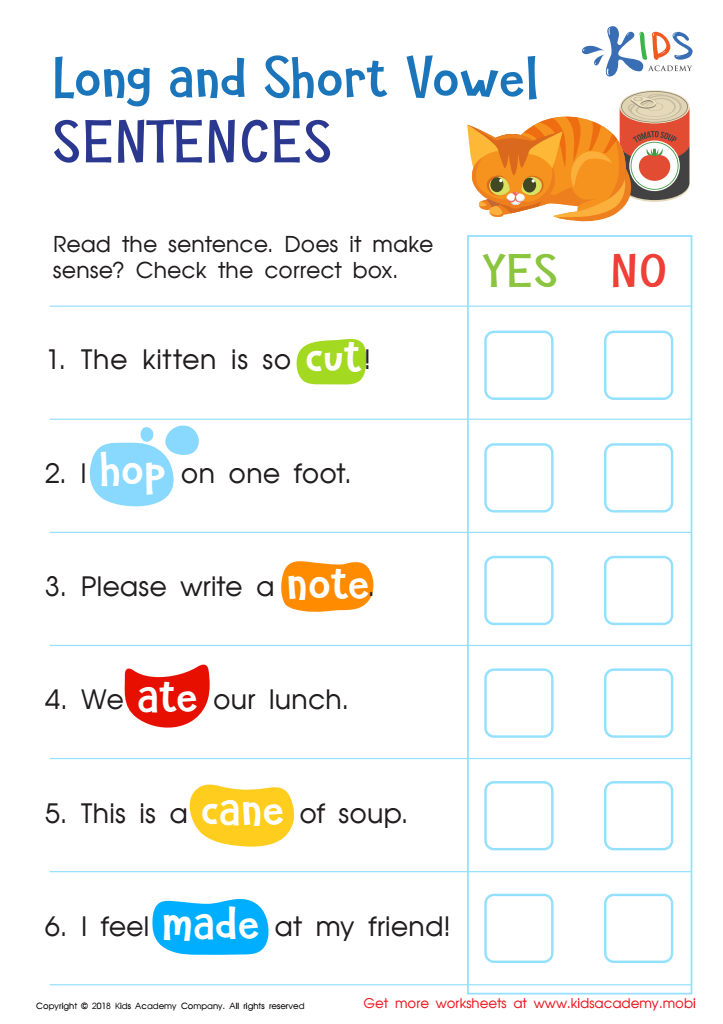
Long and Short Vowel Sentences: Assessment Worksheet
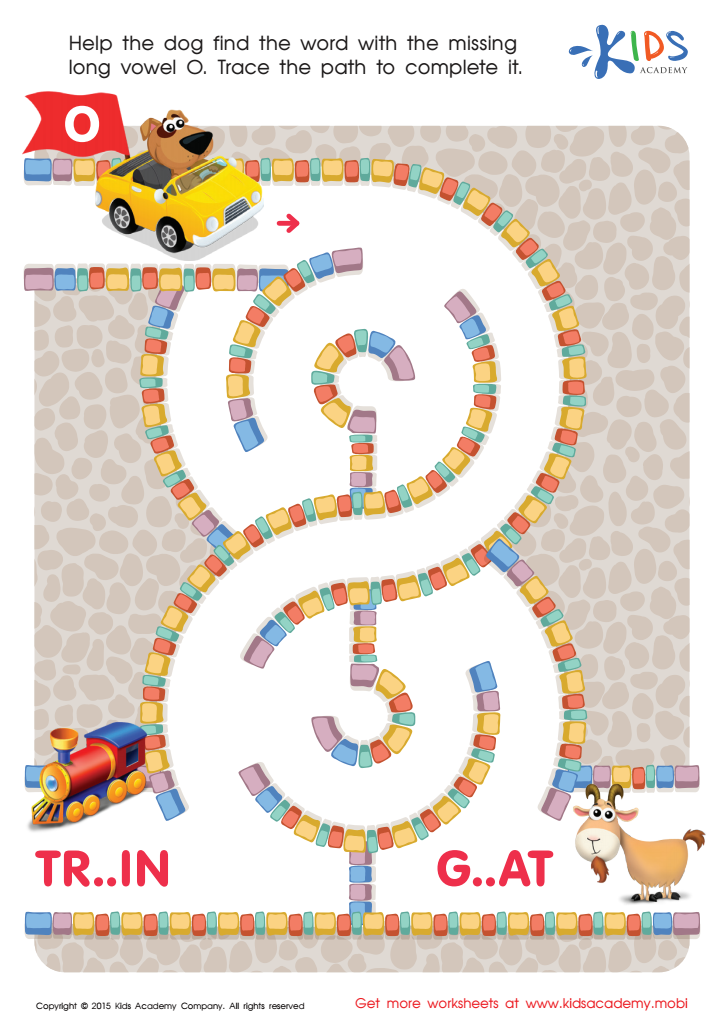
Long Vowel Sound O Worksheet
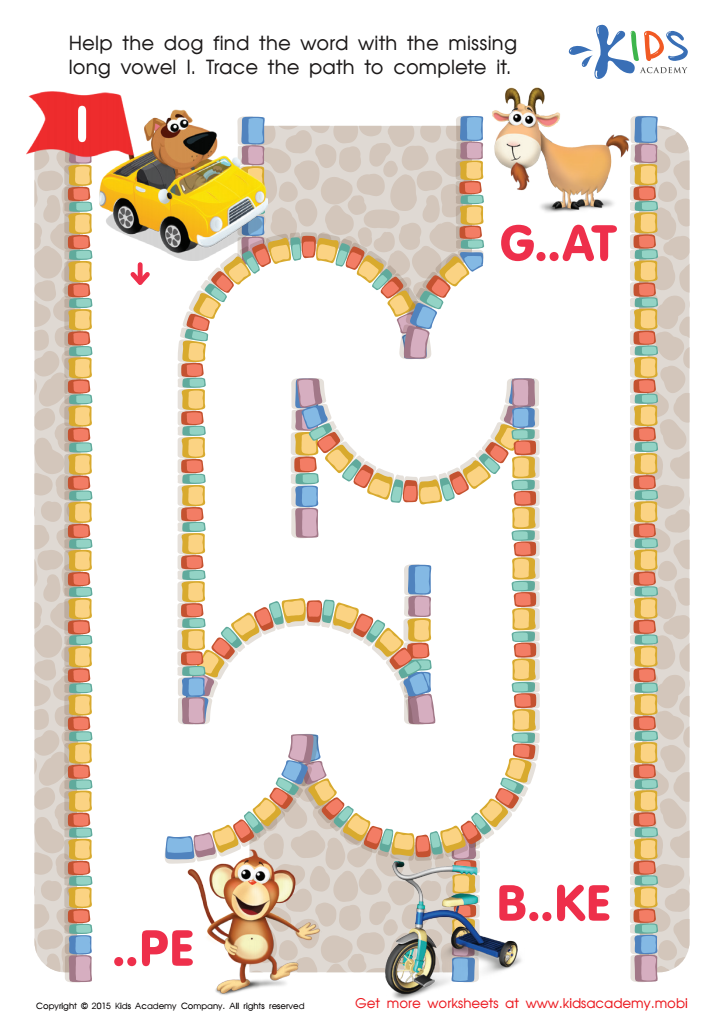
Long Vowel Sound I Worksheet



Understanding and recognizing long vowels is integral to developing early reading skills in children aged 3-8. At this age, children are in a crucial phase of language acquisition and phonemic awareness, which are foundational for literacy.
Long vowels are vowels that sound like their name (e.g., the "a" in "cake," the "e" in "me"). Mastery of these sounds enables children to decode words accurately when reading. For example, knowing the difference between the short "a" in "cat" and the long "a" in "cake" helps children understand the variable nature of vowels and improve their ability to identify, pronounce, and spell words correctly. This distinction is essential for vocabulary building and reading comprehension, leading to more fluent and confident readers.
Teachers and parents should care because early proficiency in vowel recognition correlates strongly with future academic success. Reading is foundational for all subjects; therefore, struggles in this area can impact performance in math, science, and other disciplines. Additionally, reading proficiency enhances cognitive development, critical thinking skills, and overall communication abilities.
Early intervention by focusing on long vowels can close learning gaps and provide children with the tools they need for continued educational achievement and a lifelong love of reading. Encouraging playful learning activities, such as singing vowel songs, and providing ample reading material can make learning long vowels an enjoyable and fruitful endeavor.