Vocabulary Building Phonics Worksheets for Ages 3-8
15 filtered results
-
From - To
Boost your child's language skills with our engaging vocabulary building phonics worksheets designed for ages 3-8! These interactive activities make learning fun and effective, helping young learners master essential vocabulary while reinforcing phonics skills. Each worksheet features colorful illustrations and thoughtful exercises that cater to your child's developmental stage, promoting word recognition and sound association. With our thoughtfully crafted resources, children will develop a solid foundation in reading and language, setting them up for future academic success. Explore a variety of topics to ensure a comprehensive learning experience. Start your child's vocabulary journey today with our captivating phonics worksheets!
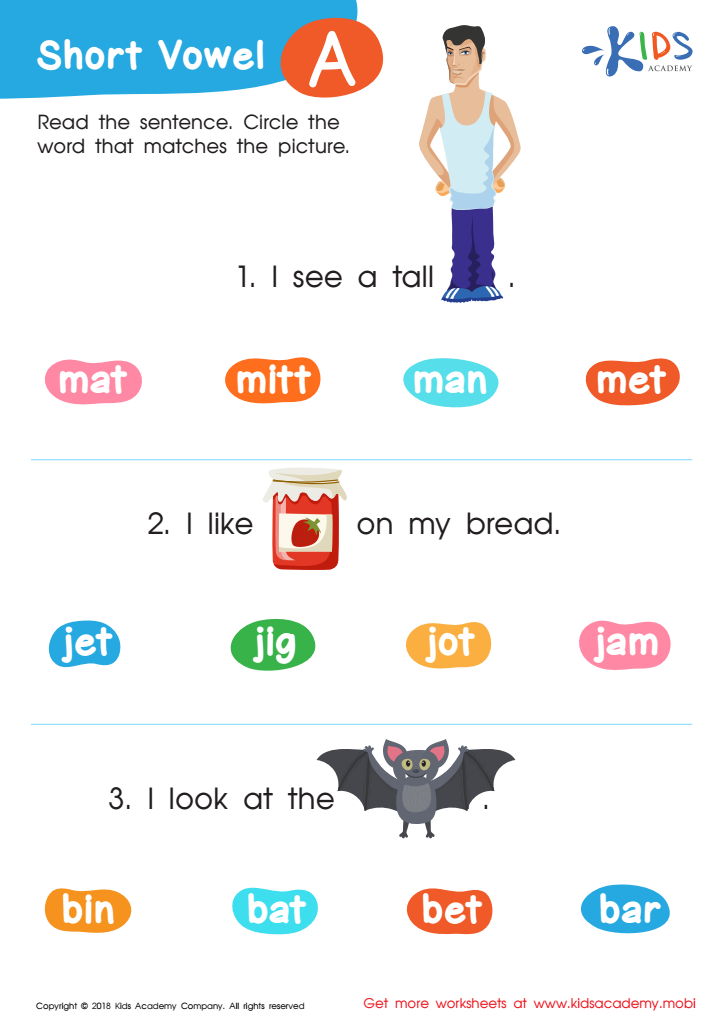
Short Vowel /a/ Worksheet
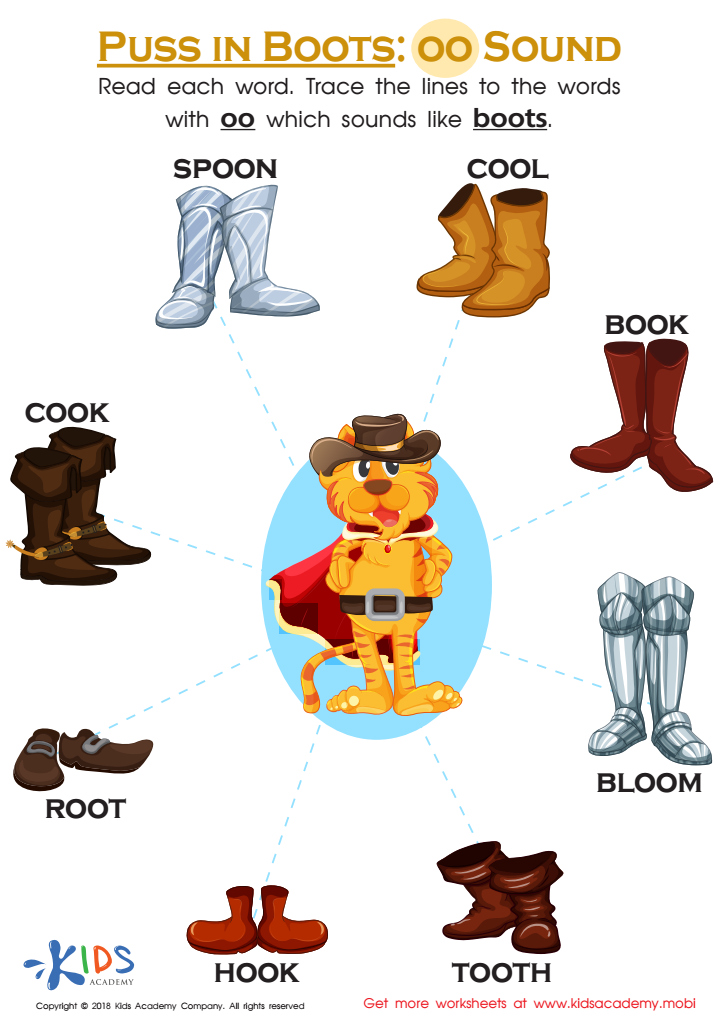
Puss in Boots: OO Sound Worksheet
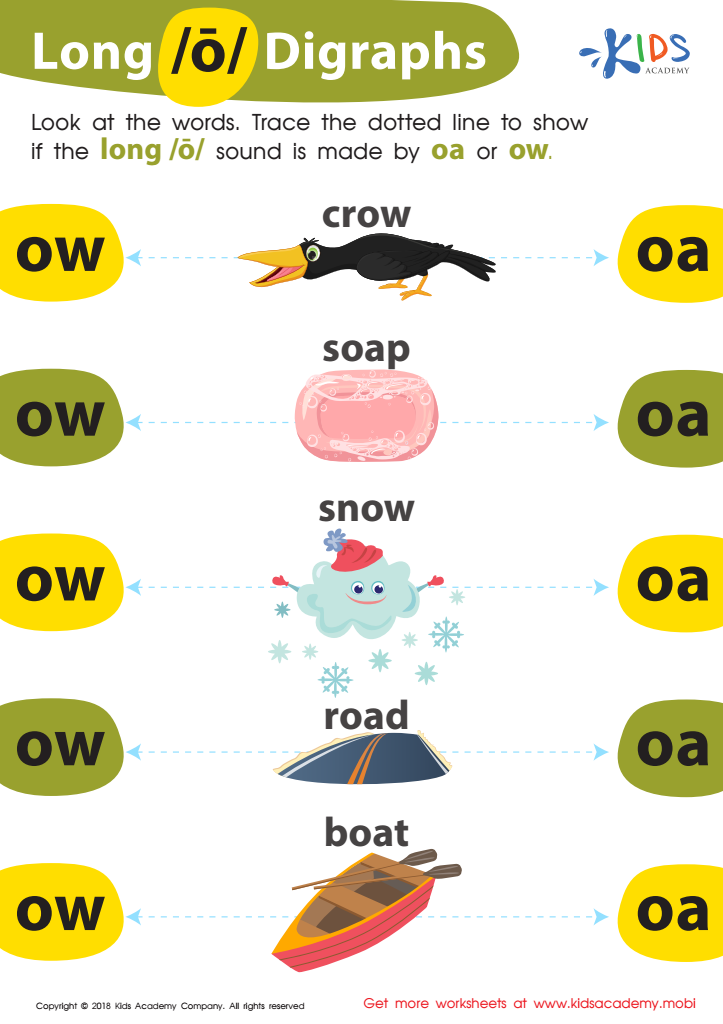
Reading: Long O Digraphs Worksheet
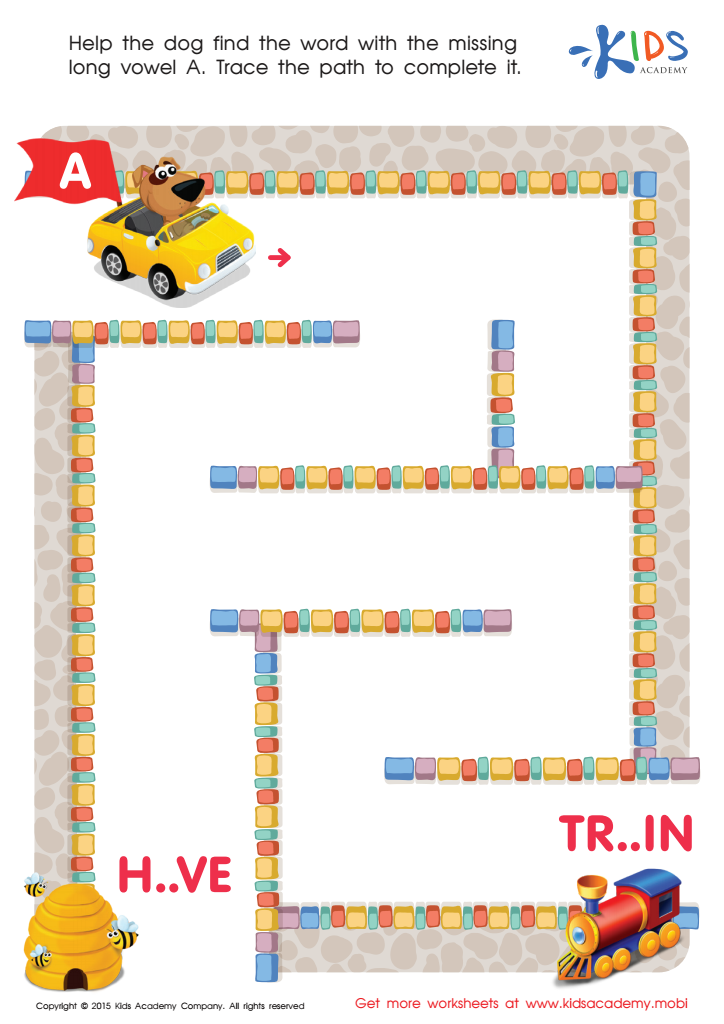
Long Vowel Sound A Worksheet
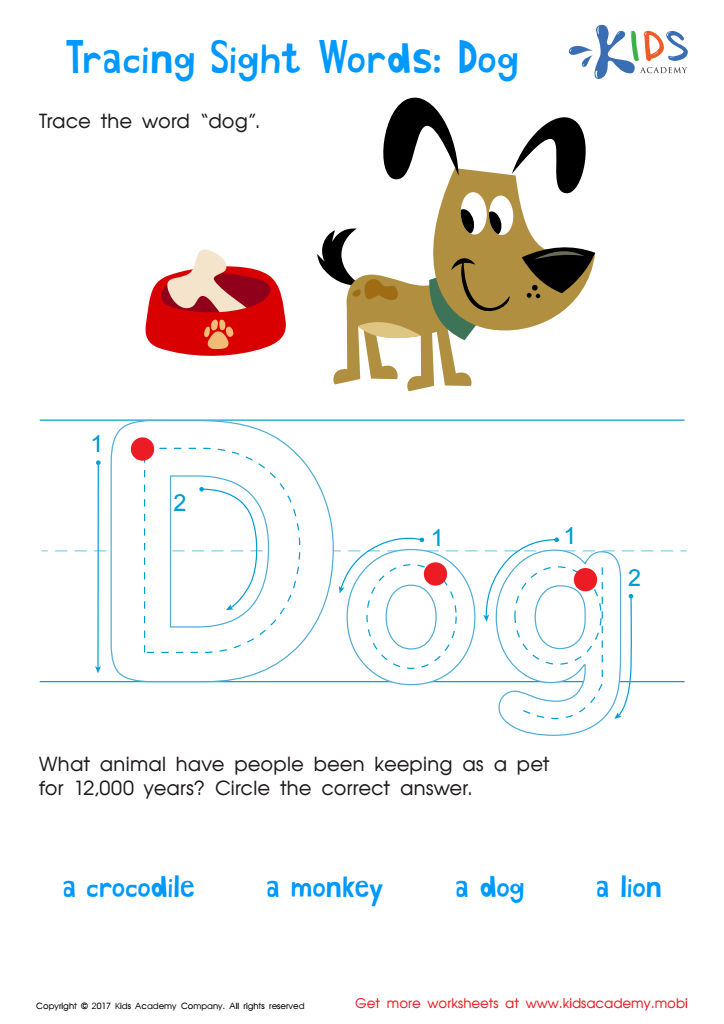
Dog Worksheet Sight Words Worksheet
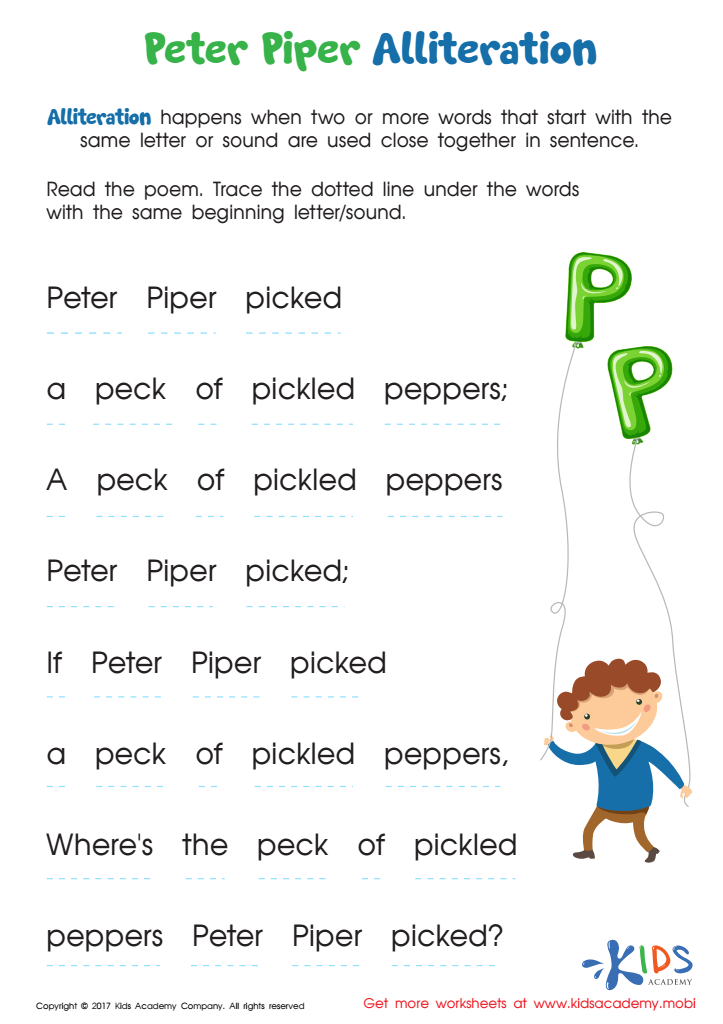
Peter Piper Alliteration Worksheet
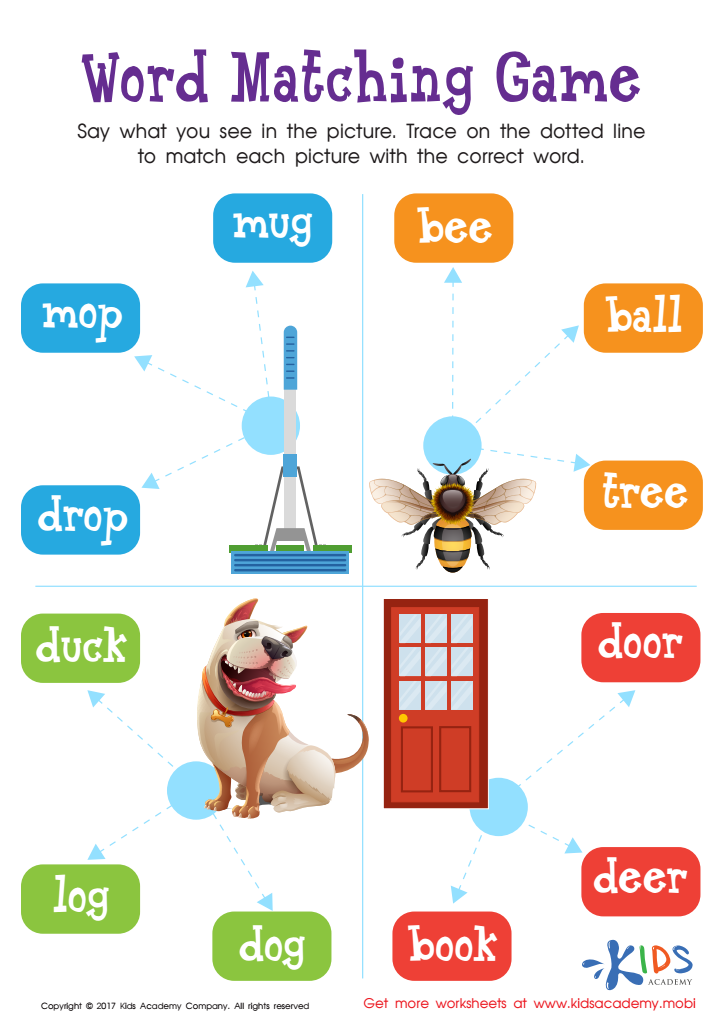
Word Matching Game Worksheet
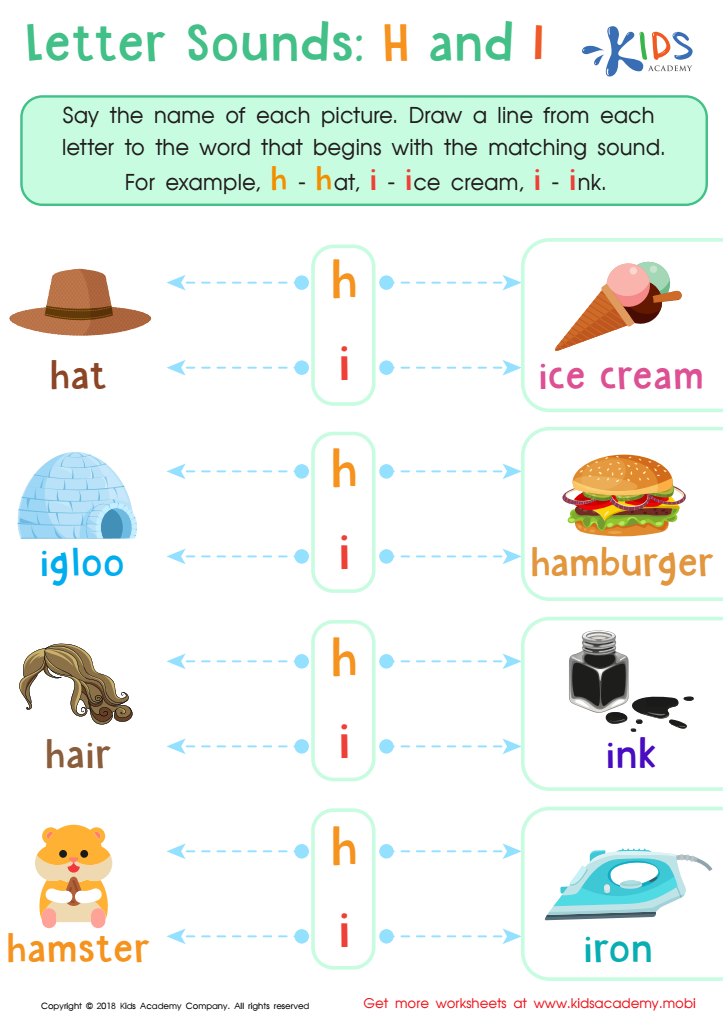
Letter H and I Sounds Worksheet
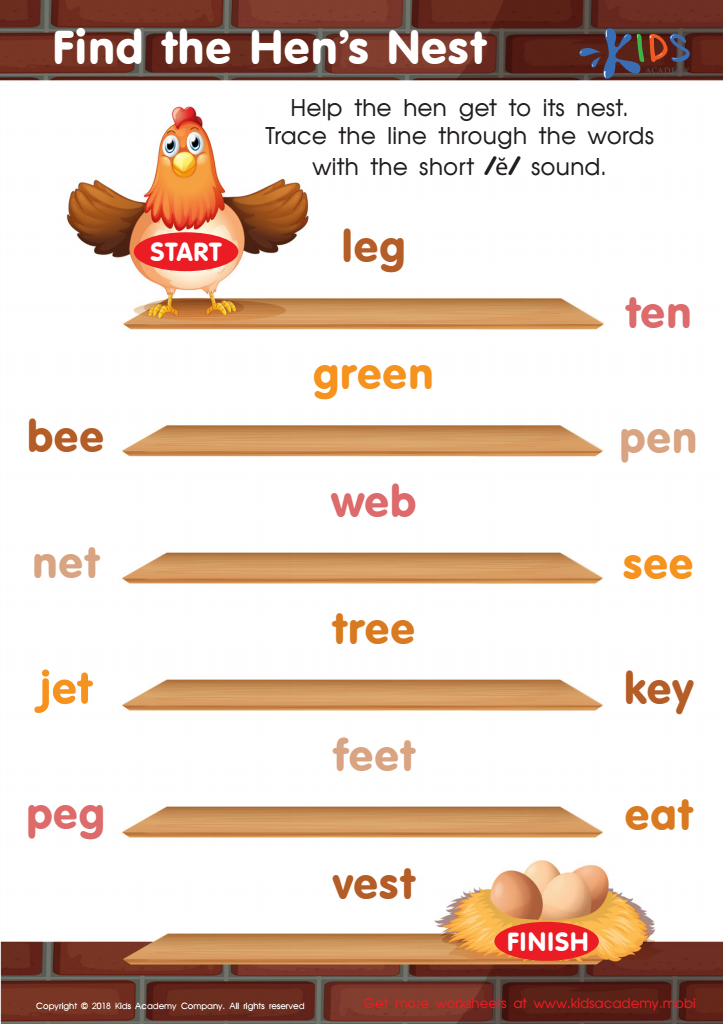
Find Hens Nest Reading Worksheet
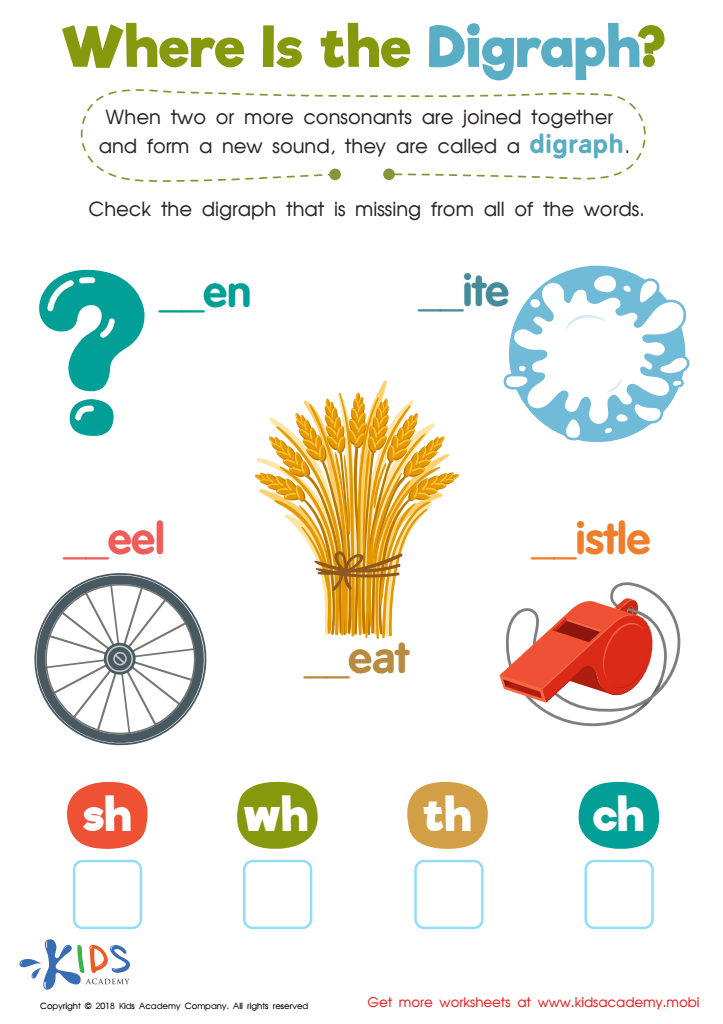
Where Is the Digraph? Worksheet
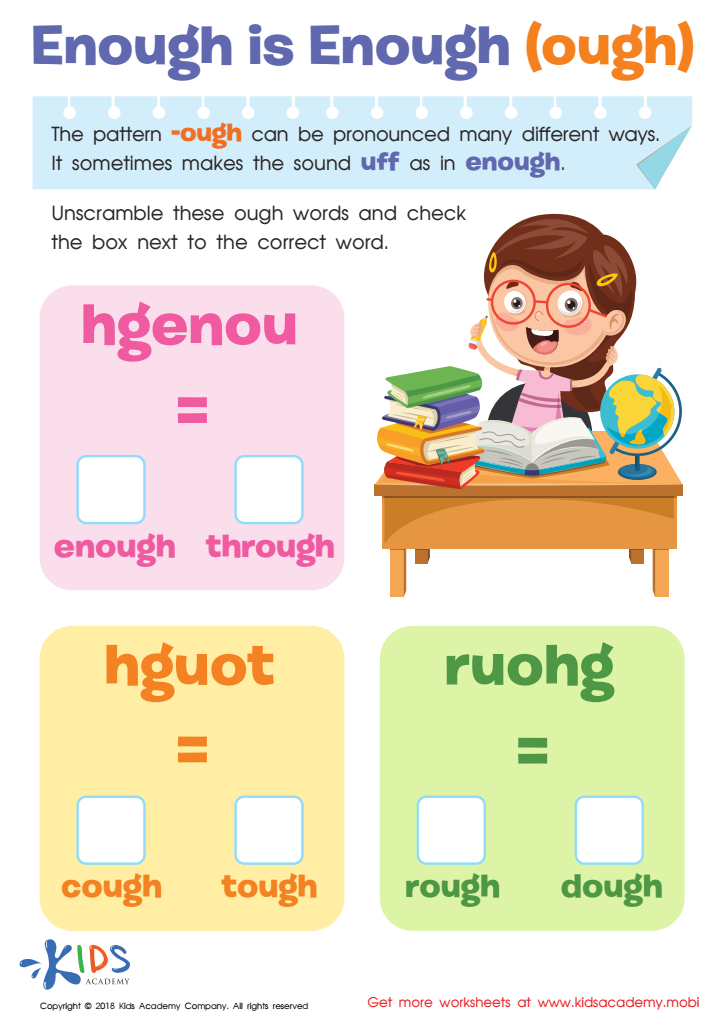
Enough Is Enough (ough) Worksheet
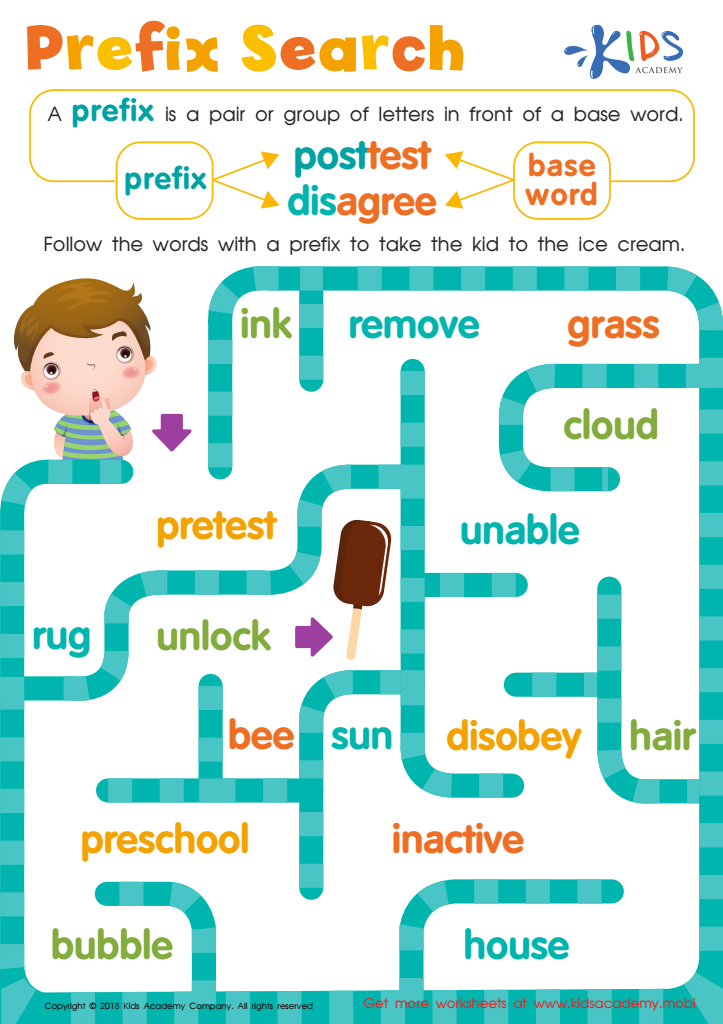
Reading: Prefix Search Worksheet
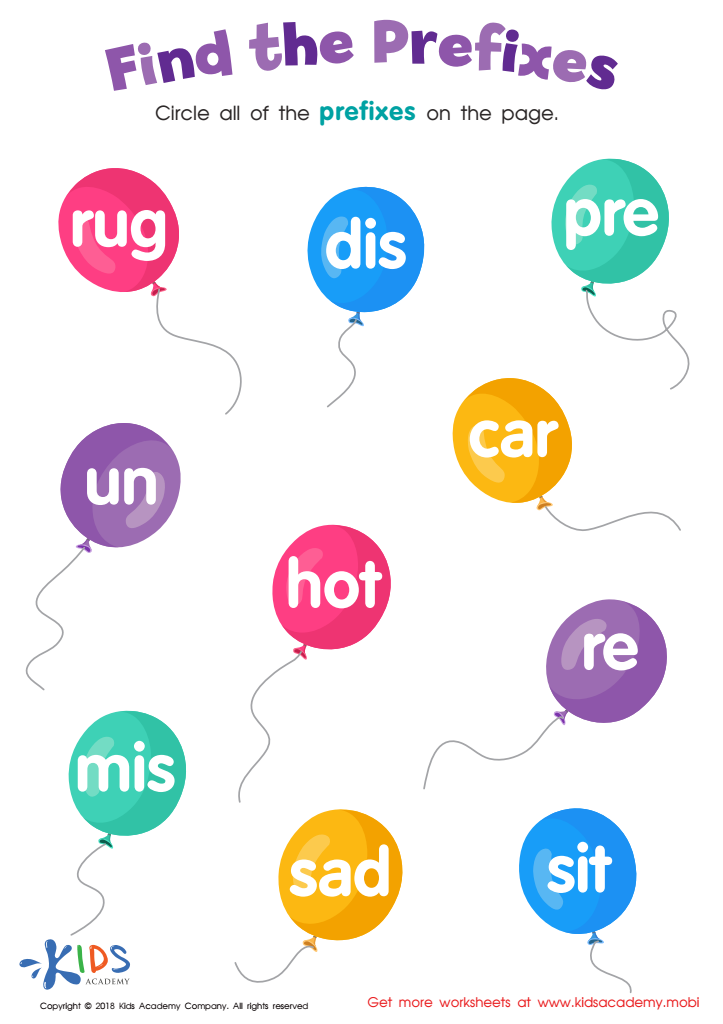
Reading: Find the Prefixes Worksheet
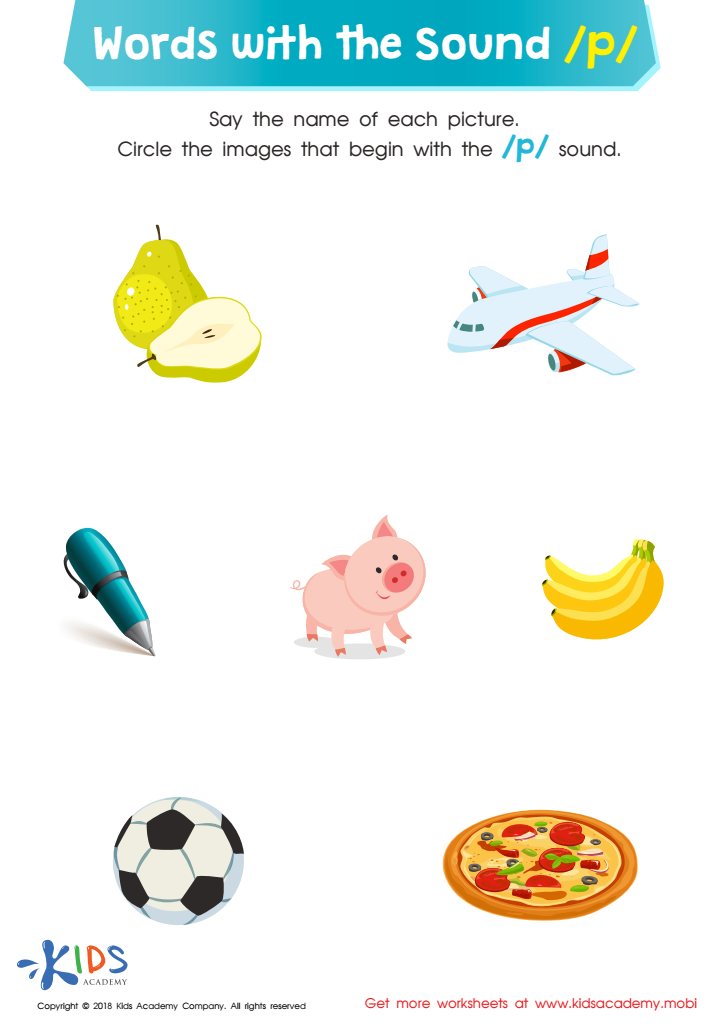
Words with sound p Reading Worksheet
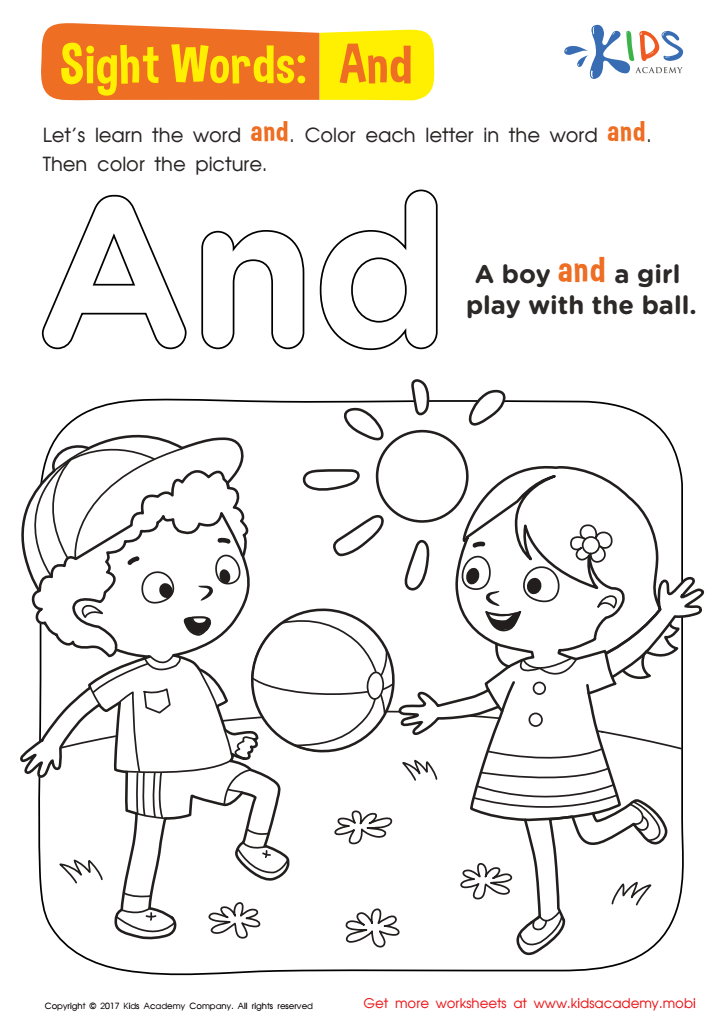
And Worksheet Sight Words Worksheet
 Assign to My Students








Vocabulary building and phonics are crucial for early literacy development in children aged 3 to 8. During these formative years, children are developing the fundamental skills that will shape their reading and comprehension abilities. A strong foundation in vocabulary enables children to understand and express complex ideas, enhancing their communication skills and overall academic performance. Vocabulary skills help them connect new concepts to their existing knowledge, fostering a greater interest in learning.
Phonics, or the relationship between sounds and letters, supports children in decoding words, making reading more accessible and enjoyable. By learning phonics, children gain the ability to sound out unfamiliar words, which boosts their confidence and fluency. This knowledge lays the groundwork for a lifetime of reading, critical thinking, and creativity.
Parents and teachers play a vital role in promoting these skills through engaging activities such as reading aloud, storytelling, and interactive games. When they prioritize vocabulary building and phonics, they help children develop a love for language, imagination, and self-expression. Ultimately, investing in these foundational skills leads to more successful learners who can navigate academic challenges and real-world interactions effectively. Emphasizing vocabulary and phonics empowers children to thrive both inside and outside the classroom.







