Fine Motor Skills Tracing Letters Worksheets for Ages 3-8 - Page 2
35 filtered results
-
From - To
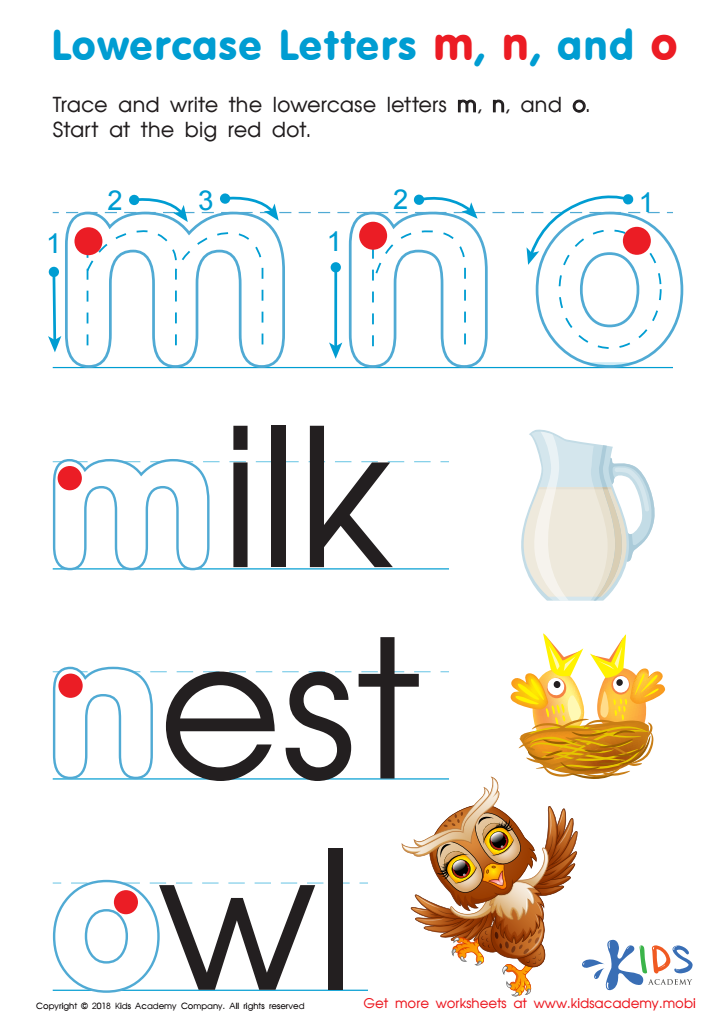
Lowercase Letters m n o Worksheet
 Assign to My Students
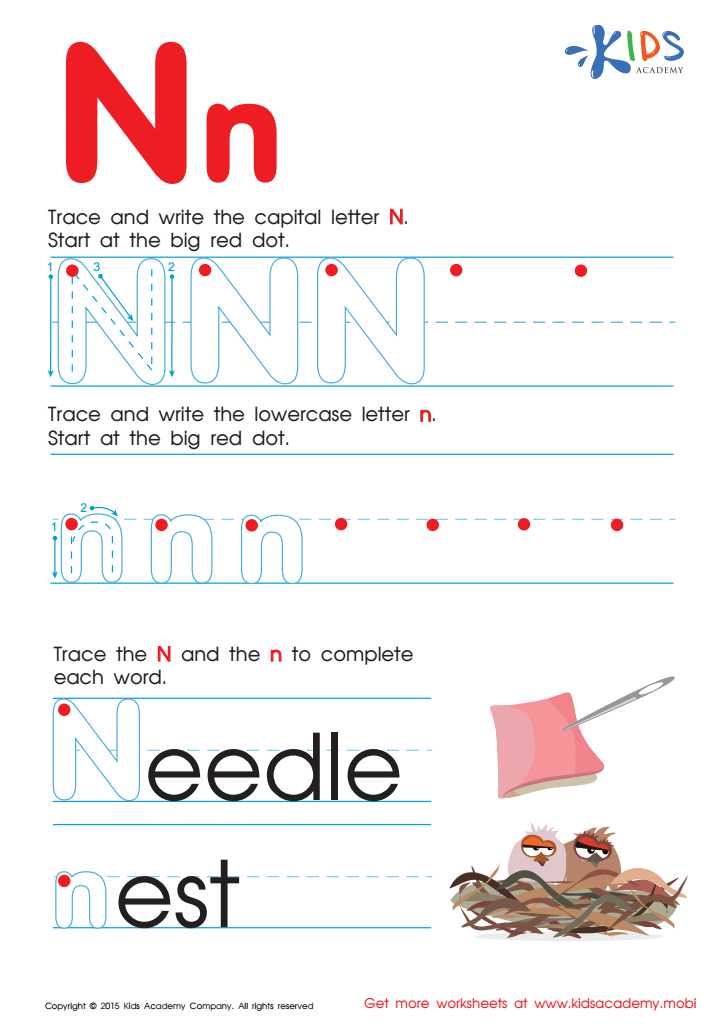
Letter N Tracing Page
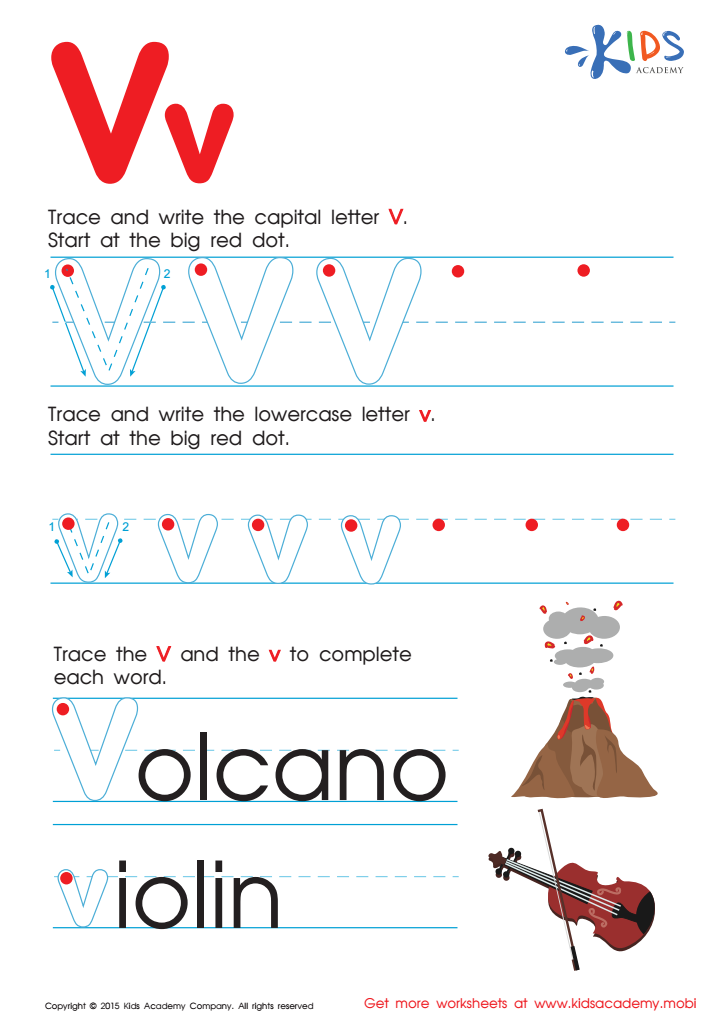
Letter V Tracing Page
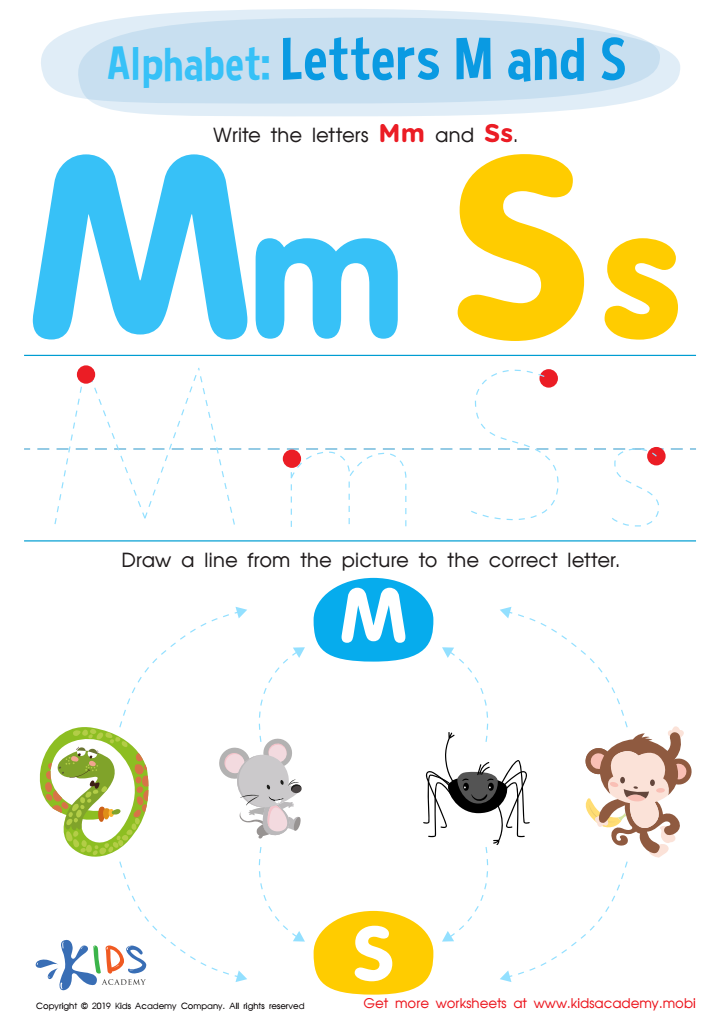
Letters M and S Tracing Worksheet
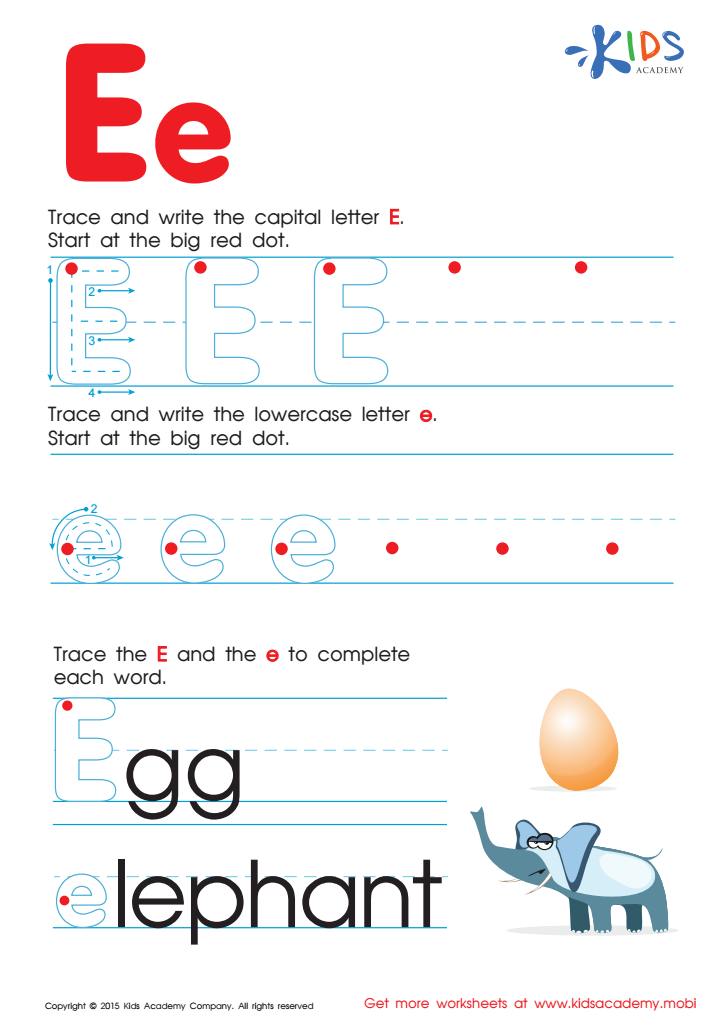
Letter E Tracing Page
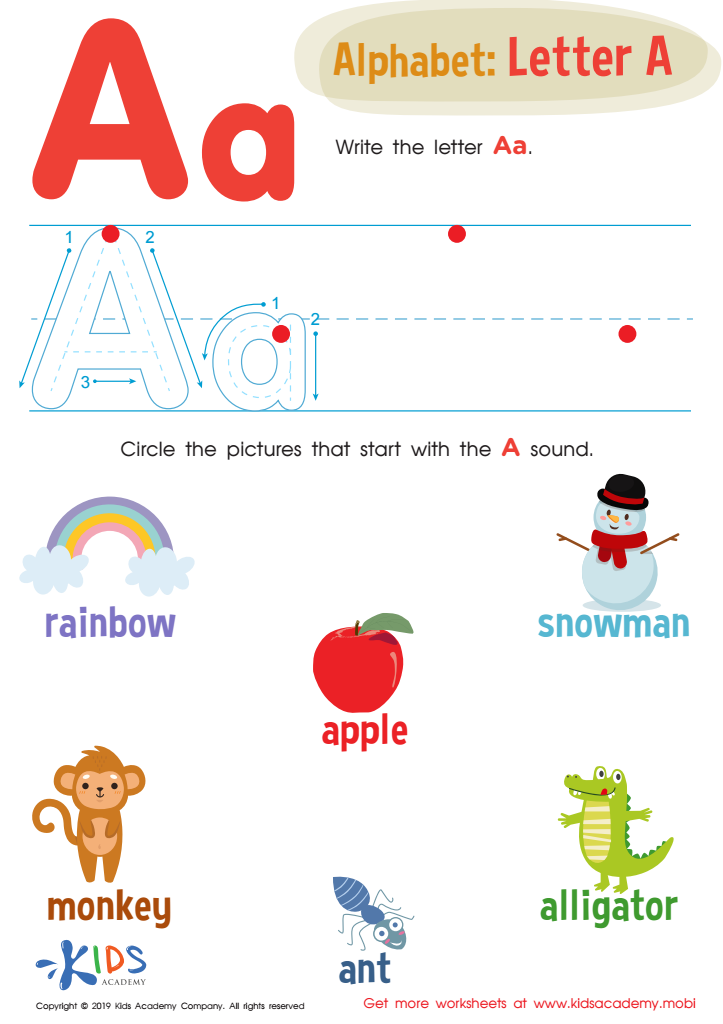
Letter A Tracing Worksheet
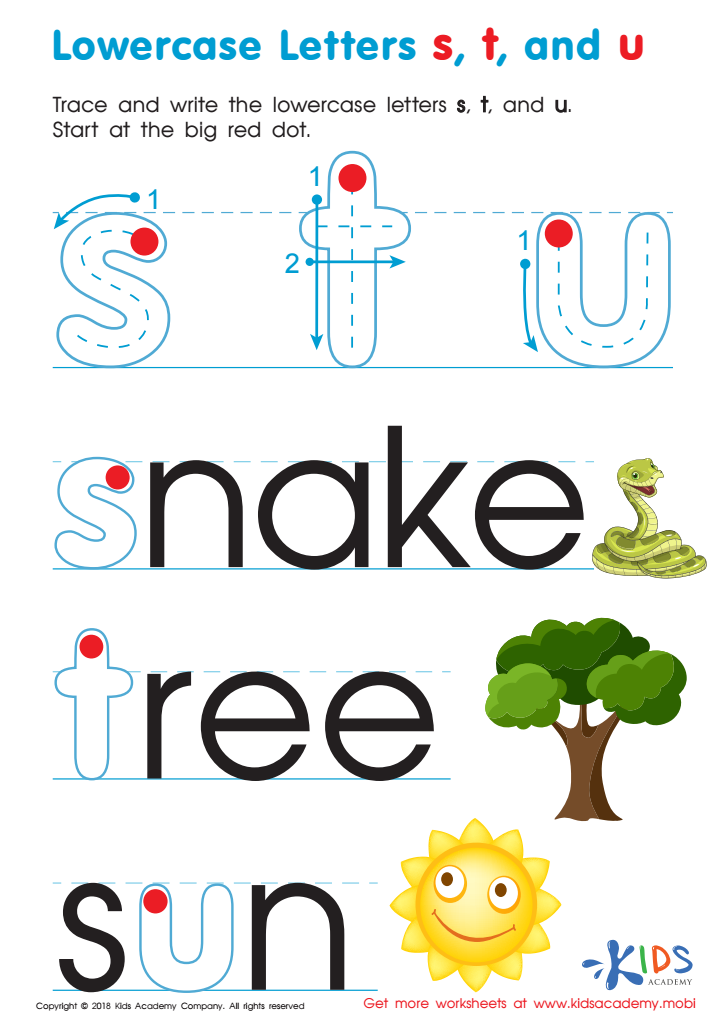
Lowercase Letters s t u Worksheet
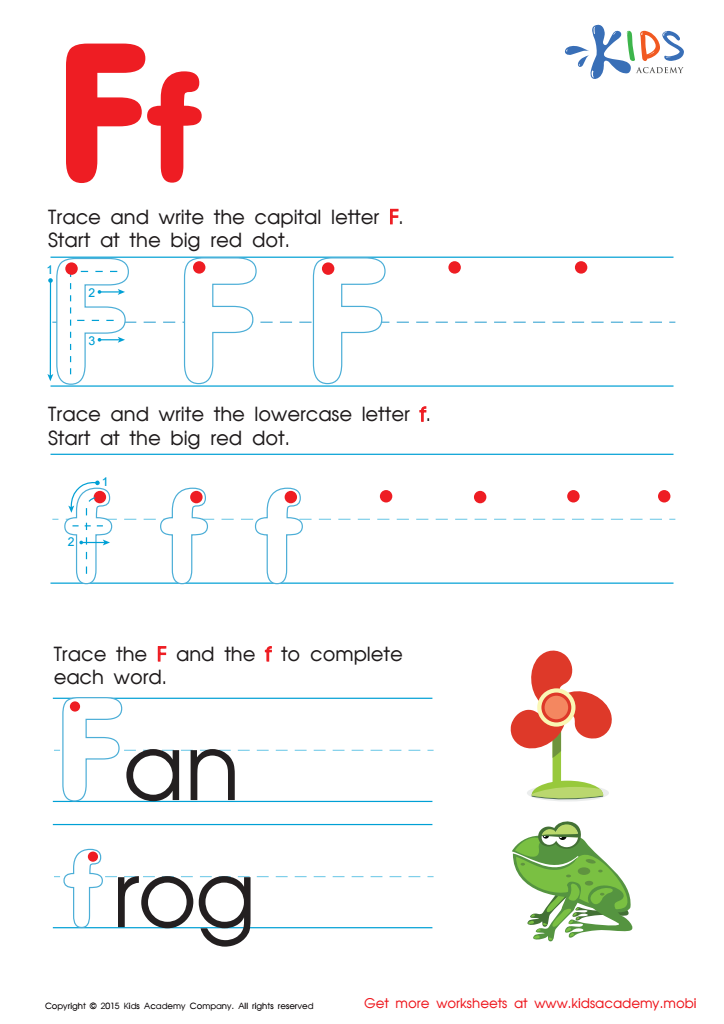
Letter F Tracing Page
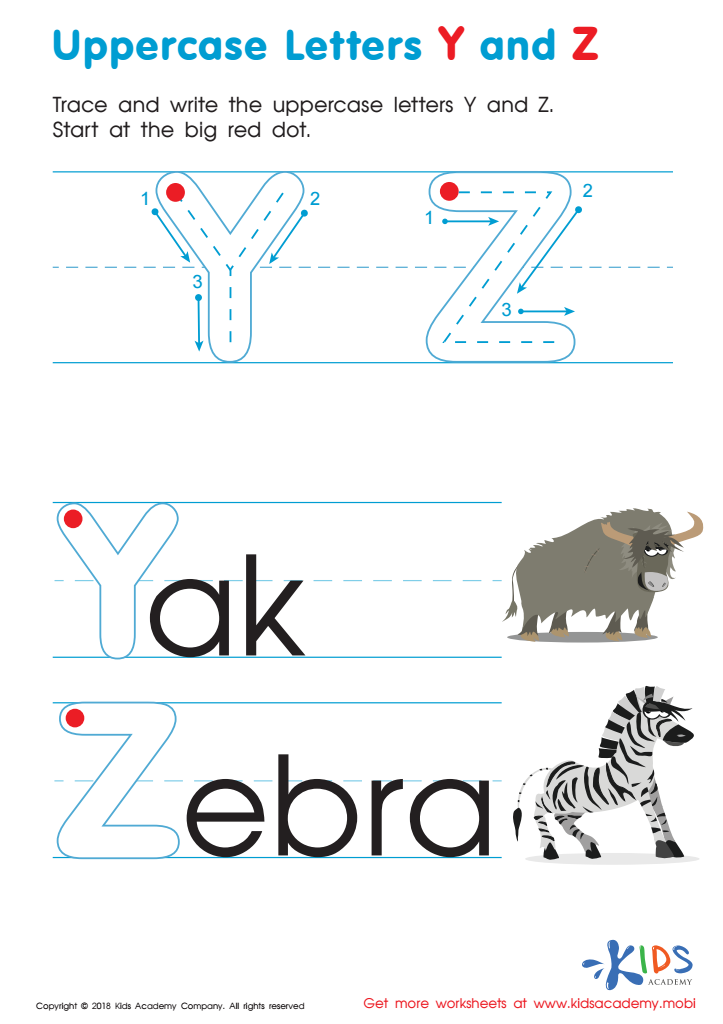
Uppercase Letters Y Z Worksheet
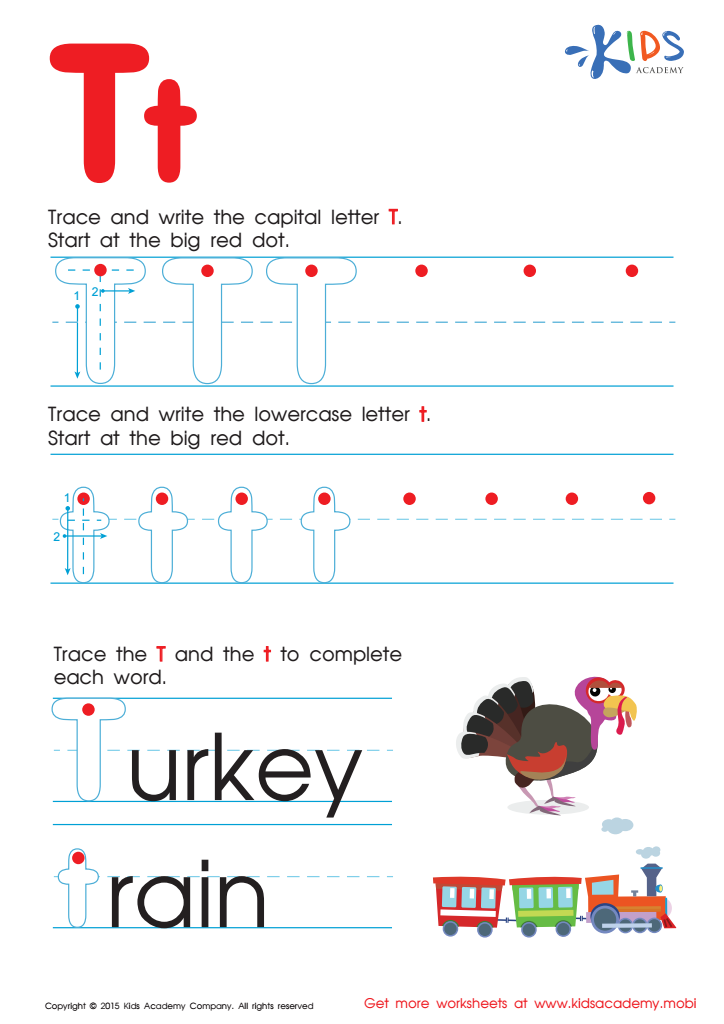
Letter T Tracing Page

Letter D Tracing Page








Fine motor skills tracing letters is crucial for children ages 3-8 because it lays the foundation for essential developmental milestones. Encouraging activities like letter tracing helps strengthen the small muscles in children's fingers, hands, and wrists, which are vital for writing legibly and efficiently. As children trace letters, they also enhance their hand-eye coordination and spatial awareness. These skills extend beyond writing; they are instrumental for tasks like buttoning clothes, using utensils, and participating in artistic activities.
Furthermore, tracing letters fosters cognitive development. It involves memorization and recognition of shapes and patterns, which are building blocks of reading and writing. By repeatedly tracing letters, children learn to identify and reproduce them independently, boosting their confidence and interest in literacy.
Socially and emotionally, children benefit from the sense of accomplishment they gain when they master new skills. This boosts self-esteem and encourages a positive attitude toward learning. Additionally, letter tracing can be a calming, focused activity that allows for constructive one-on-one time with parents or teachers, reinforcing bonds and making learning a collaborative, fun experience.
In summary, focusing on fine motor skills and letter tracing in the formative years equips children with indispensable tools for academic success, daily life competency, and personal growth.








