Number identification Coloring Pages Worksheets for Ages 3-8
4 filtered results
-
From - To
Discover our engaging Number Identification Coloring Pages and Worksheets designed for children aged 3 to 8! These fun and interactive resources help young learners develop essential math skills while unleashing their creativity. Each worksheet features colorful illustrations that encourage kids to recognize and identify numbers through enjoyable coloring activities. Perfect for parents and teachers, our materials make learning numbers exciting and accessible. As children color and interact with the pages, they improve focus, fine motor skills, and number recognition. Download our worksheets today and watch your little ones delight in learning numbers in a playful and artistic way!
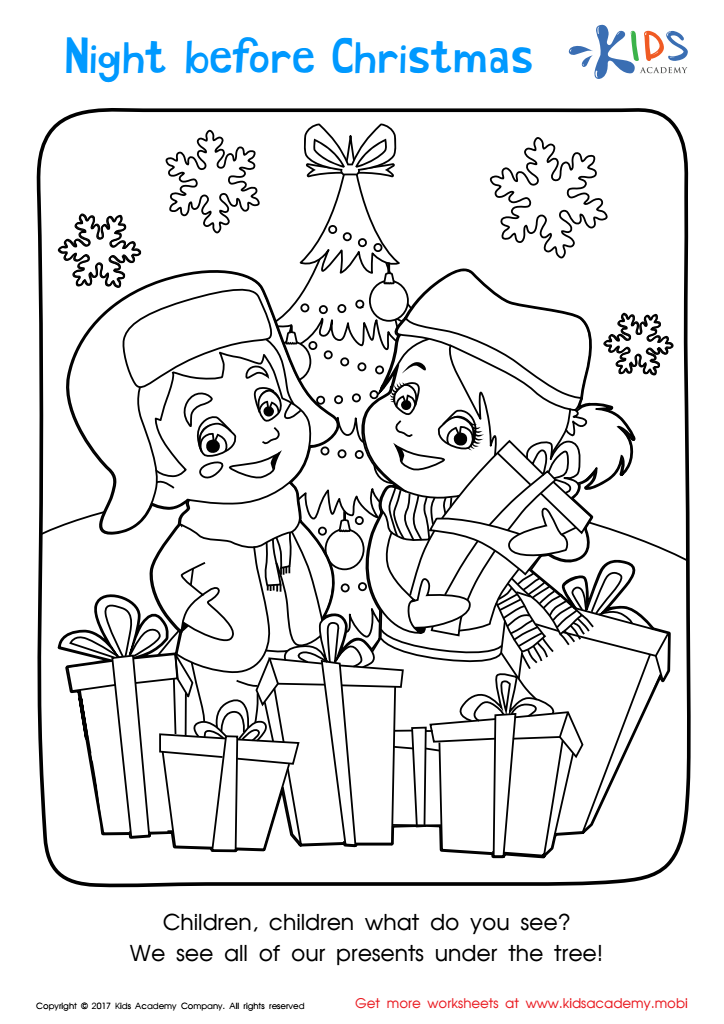
Christmas: Night Before Christmas Printable
 Assign to My Students
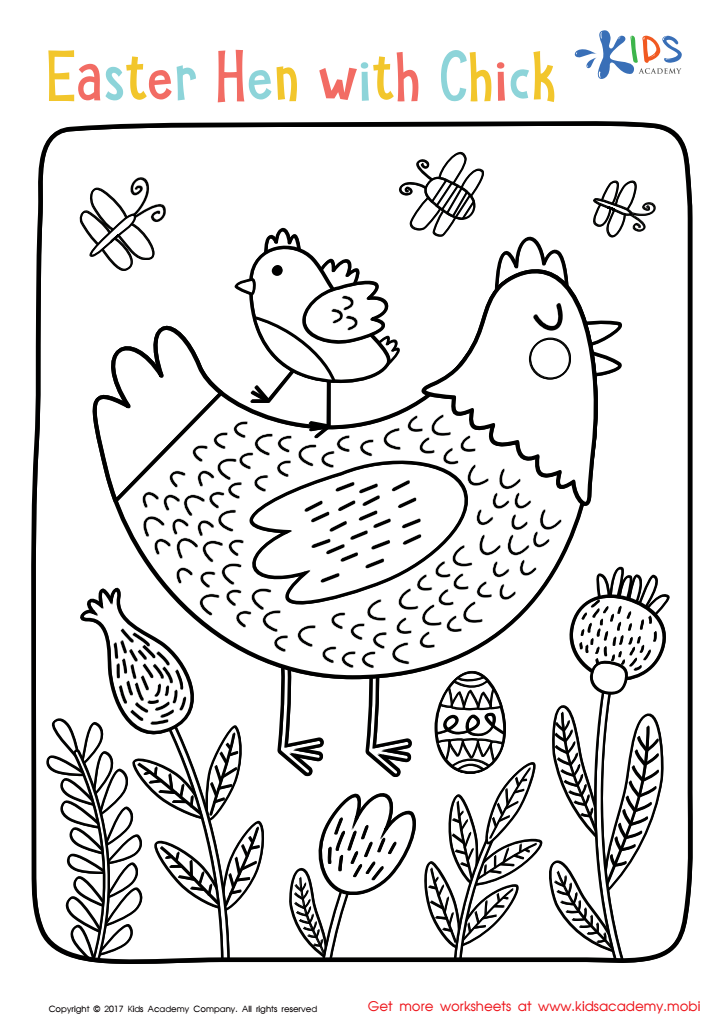
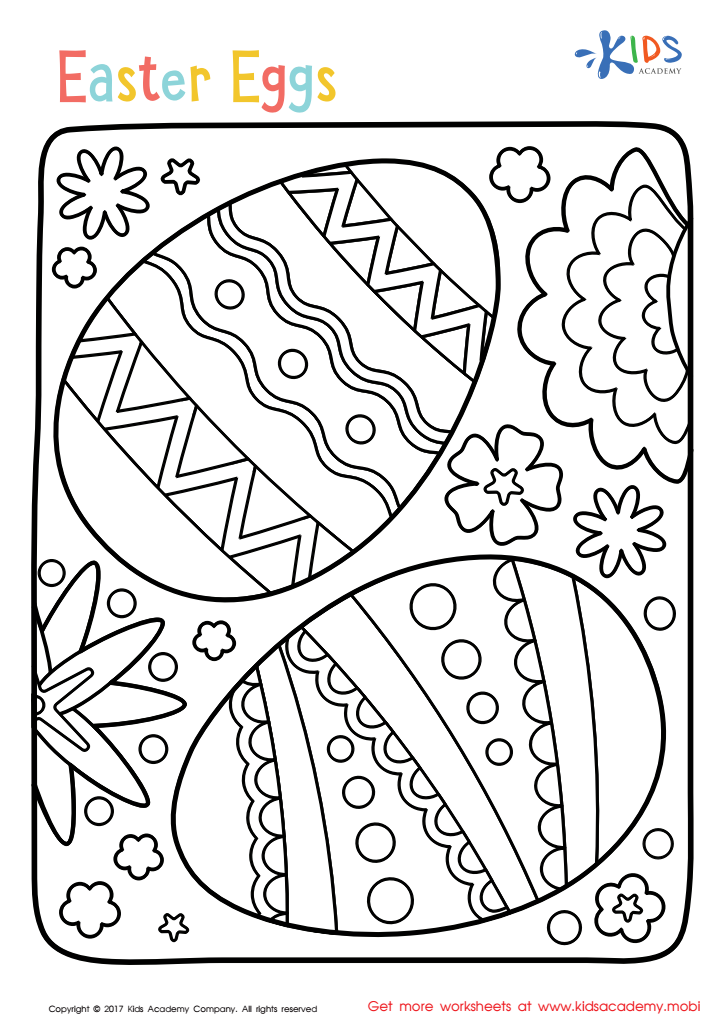
Easter: Easter Eggs Worksheet
Assign to My Students
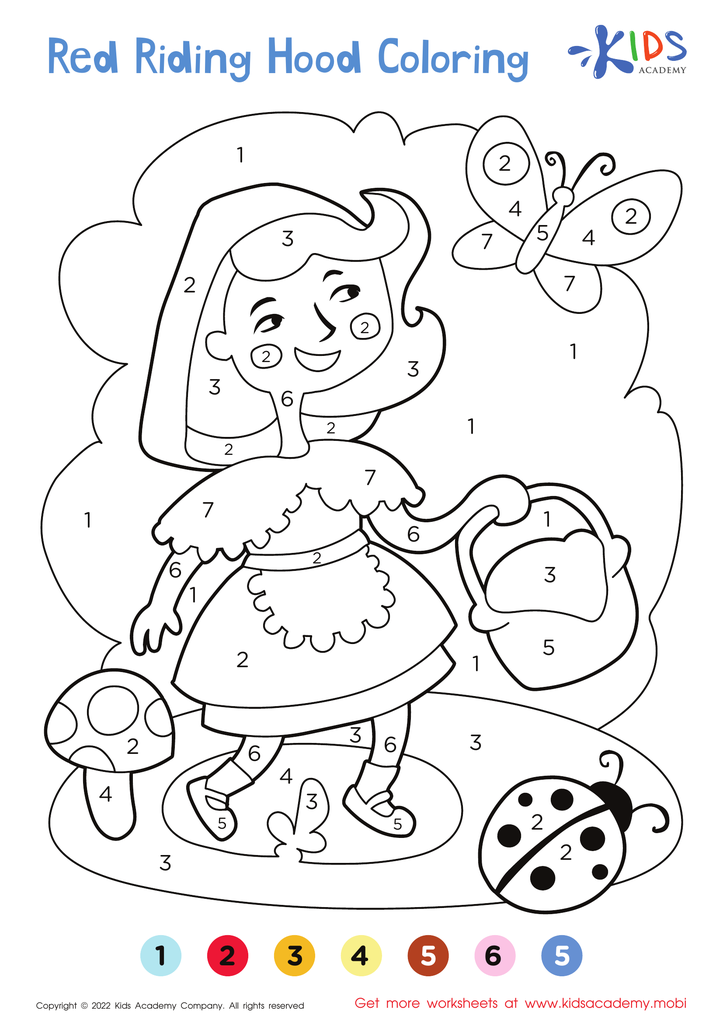
Little Red Riding Hood – Coloring by Numbers







Number identification coloring pages for ages 3-8 provide an engaging and effective way to help young learners develop essential early math skills. These resources not only foster number recognition, but they also allow for creativity and artistic expression. As children color, they become more familiar with numbers, aiding memory retention through a fun and interactive approach.
Parents and teachers should care about these pages because they combine education with play, making learning enjoyable and less pressured. For children aged 3-8, being able to recognize numbers is foundational for meeting math milestones and supports future learning in mathematics. Coloring pages are versatile and can be easily incorporated into different environments, whether at home or in the classroom.
These activities also promote fine motor skills as children practice holding coloring tools, plus they encourage focus and patience. Additionally, parents and teachers can use these resources to facilitate discussions about numbers, enhancing verbal skills and number comprehension. Ultimately, number identification coloring pages create an opportunity for meaningful engagement, reinforcing both skills and the emotional connection to learning. By prioritizing such tools, adults can support children in becoming confident learners well-prepared for more complex mathematical concepts in the future.