Plants Worksheets for Ages 3-8
7 filtered results
-
From - To
Discover our engaging "Plants Worksheets for Ages 3-8," designed to spark curiosity and learning in young minds! Filled with fun coloring pages, these worksheets offer age-appropriate activities focusing on various types of plants. Kids will delight in coloring fruits, vegetables, flowers, and more while learning essential botanical concepts. Easy to download and print, our worksheets enhance fine motor skills and teach scientific observation in a fun, interactive way. Whether at home or in the classroom, our plants worksheets make learning about nature both exciting and educational for your little explorers! Try them today and watch their love for nature grow!
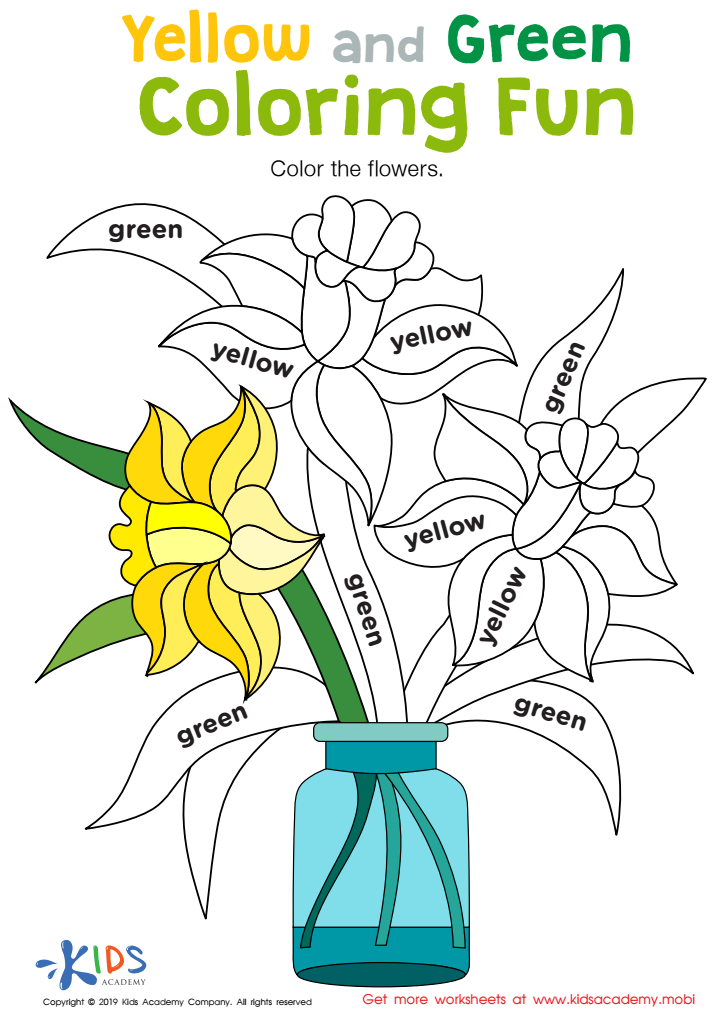
Yellow and Green Coloring Fun Worksheet
 Assign to My Students

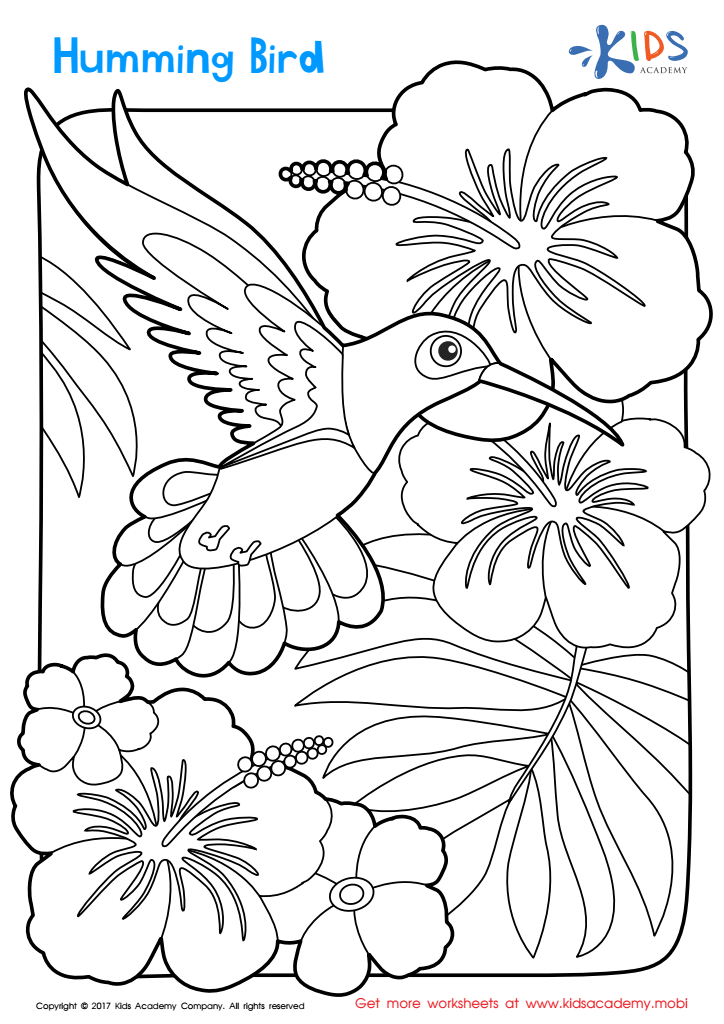
Humming Bird Worksheet
Assign to My Students
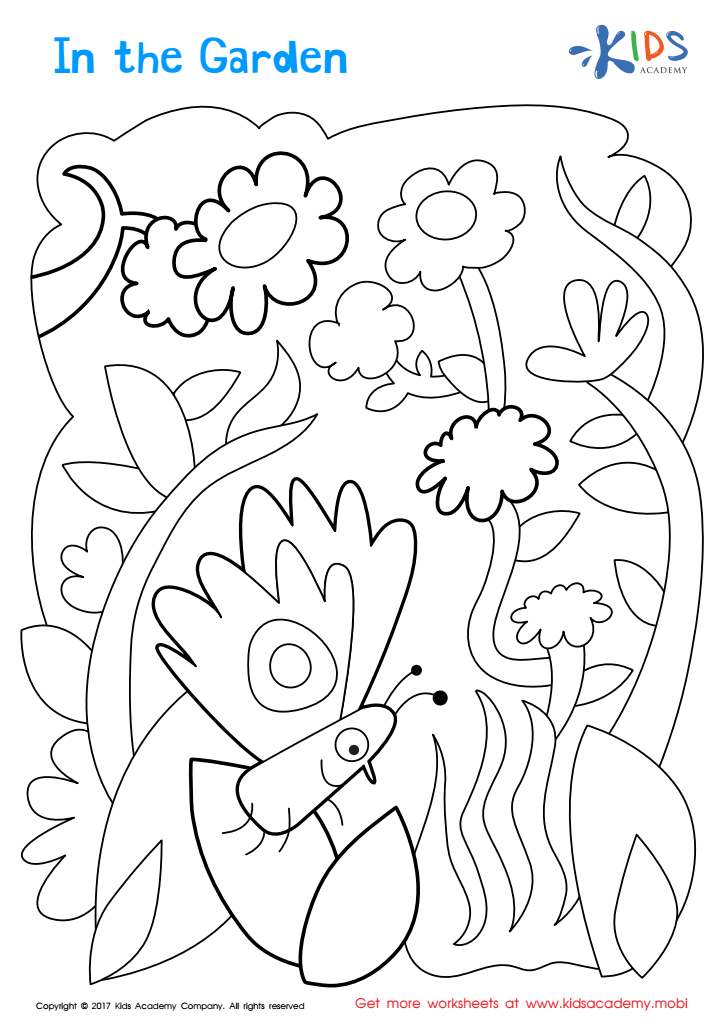
In The Garden Coloring Page
Assign to My Students
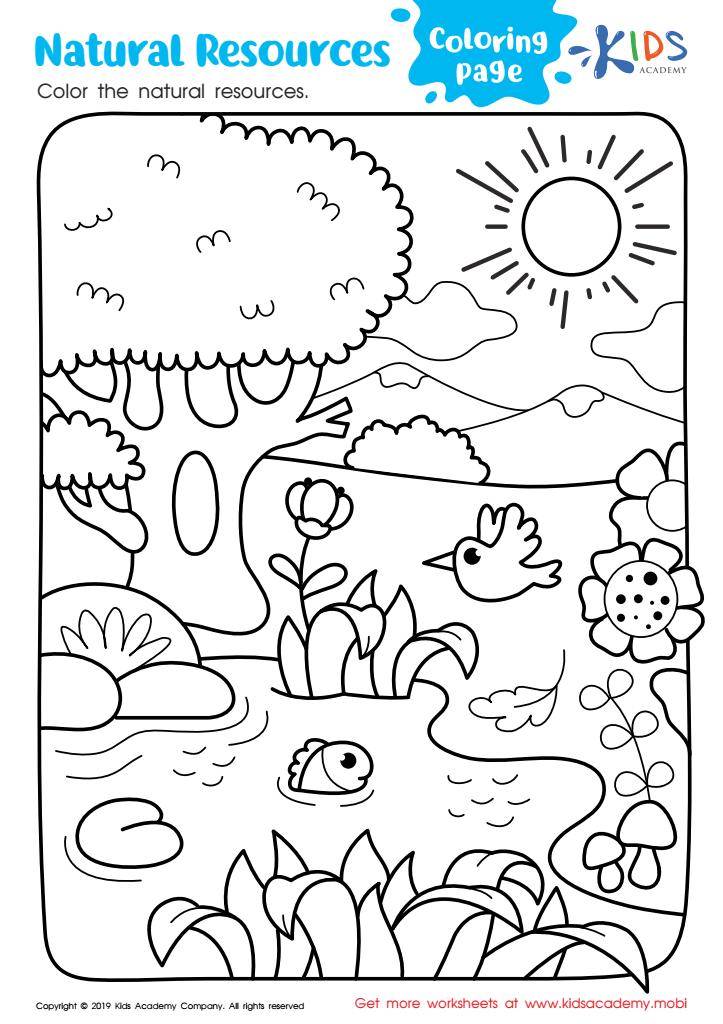
Natural Resources Coloring Page Worksheet
Assign to My Students
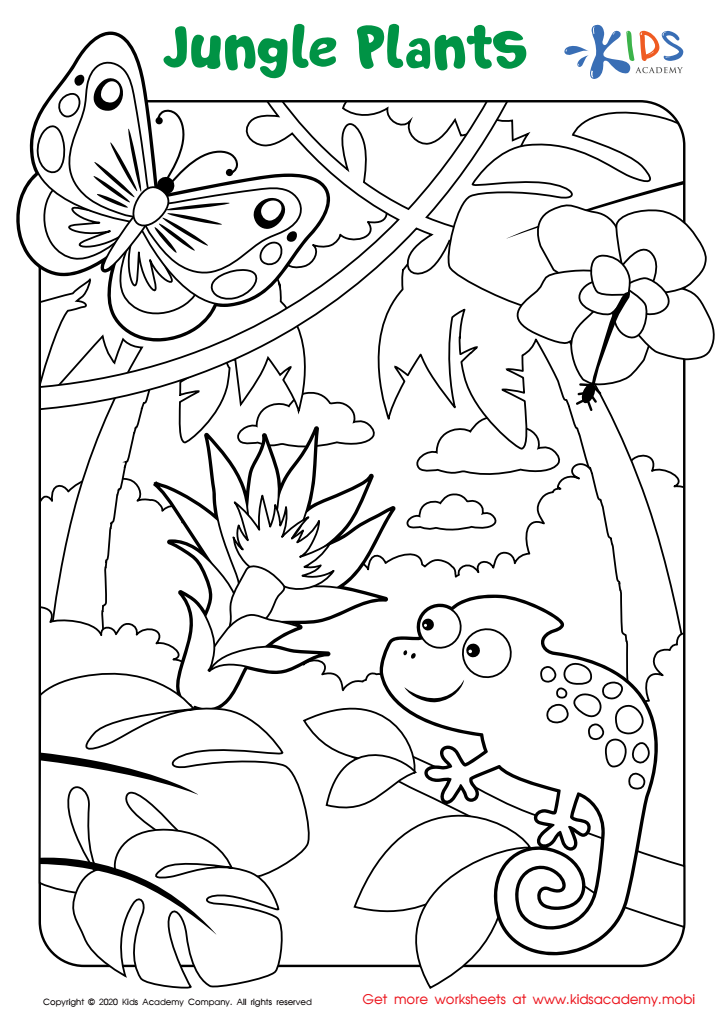
Jungle Plants Worksheet
Assign to My Students
Picnic Time Coloring Page
Assign to My Students
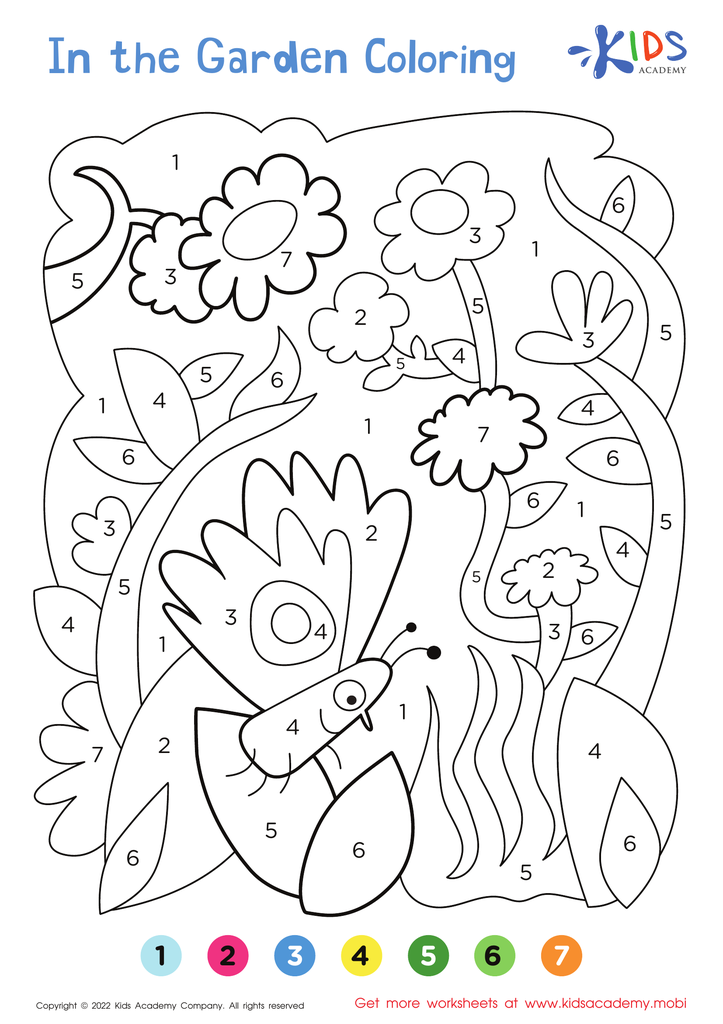
In the Garden – Coloring by Numbers







Understanding and caring about plants for children aged 3-8 is vital for multiple reasons. Firstly, early exposure to nature, particularly plants, fosters environmental awareness and a sense of responsibility towards the Earth. When children learn about how plants grow, the roles they play in ecosystems, and how to care for them, they develop respect for natural life and an understanding of sustainability.
Plants in education can also stimulate sensory experiences that are crucial for young children's development. Engaging their senses through touching leaves, smelling flowers, and observing the different colors and shapes of plants supports language development, cognitive growth, and fine motor skills. Active learning through gardening or hands-on activities can also boost children's observational skills and curiosity.
Moreover, caring for plants teaches patience, responsibility, and the concept of growth and progress over time. Watching a seed sprout and gradually grow into a plant can be a powerful lesson in delayed gratification and nurturing, critical values for personal growth.
Lastly, children who are introduced to plants are more likely to develop healthier lifestyles. Working with plants and experiencing outdoor activities often encourage more physical activity and can instill preferences for healthier foods, such as fruits and vegetables they grow themselves.
In essence, prioritizing plants in early childhood education nurtures well-rounded individuals with a deep appreciation and understanding of the world around them.