Fine Motor Skills English for Beginners Worksheets for Ages 3-8 - Page 3
62 filtered results
-
From - To
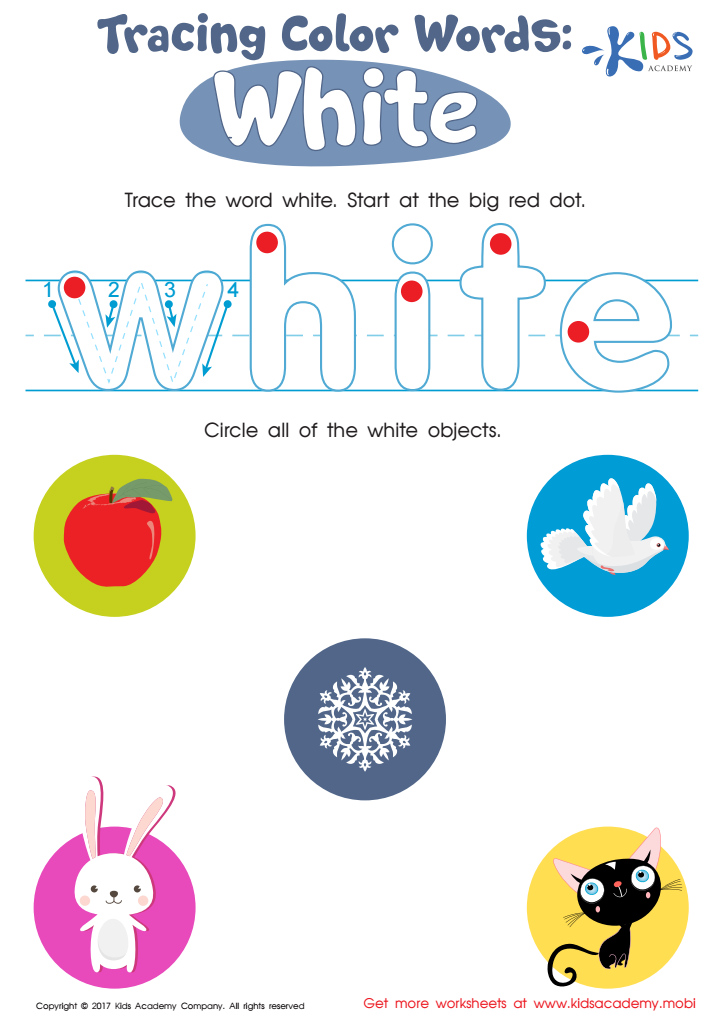
White Tracing Color Words Worksheet
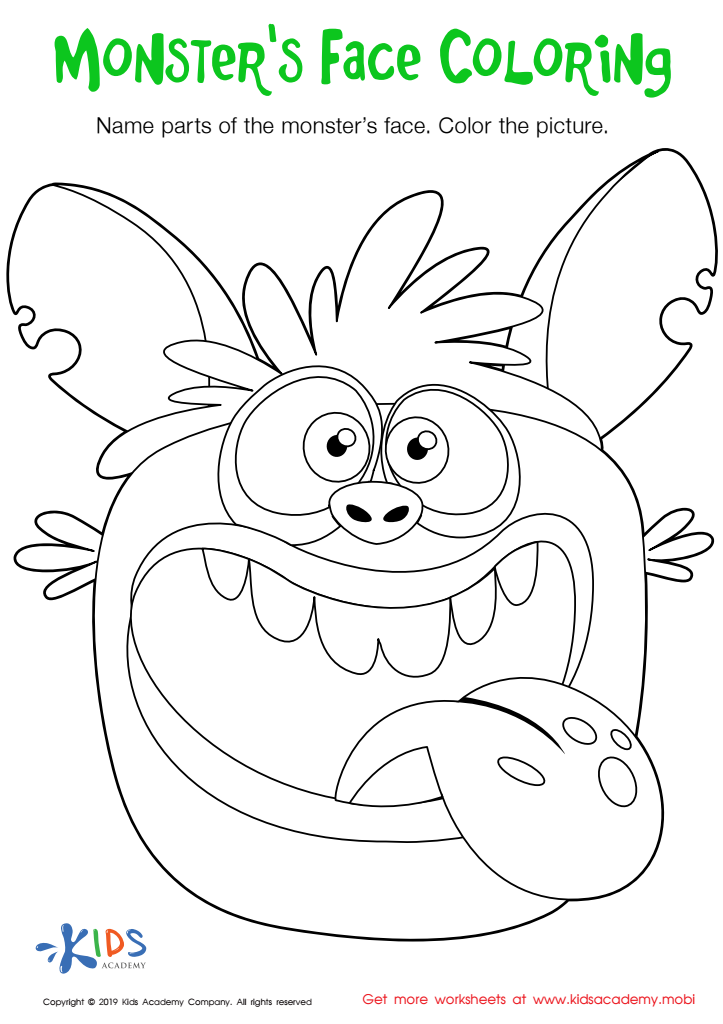
Monster's Face Coloring Worksheet
 Assign to My Students
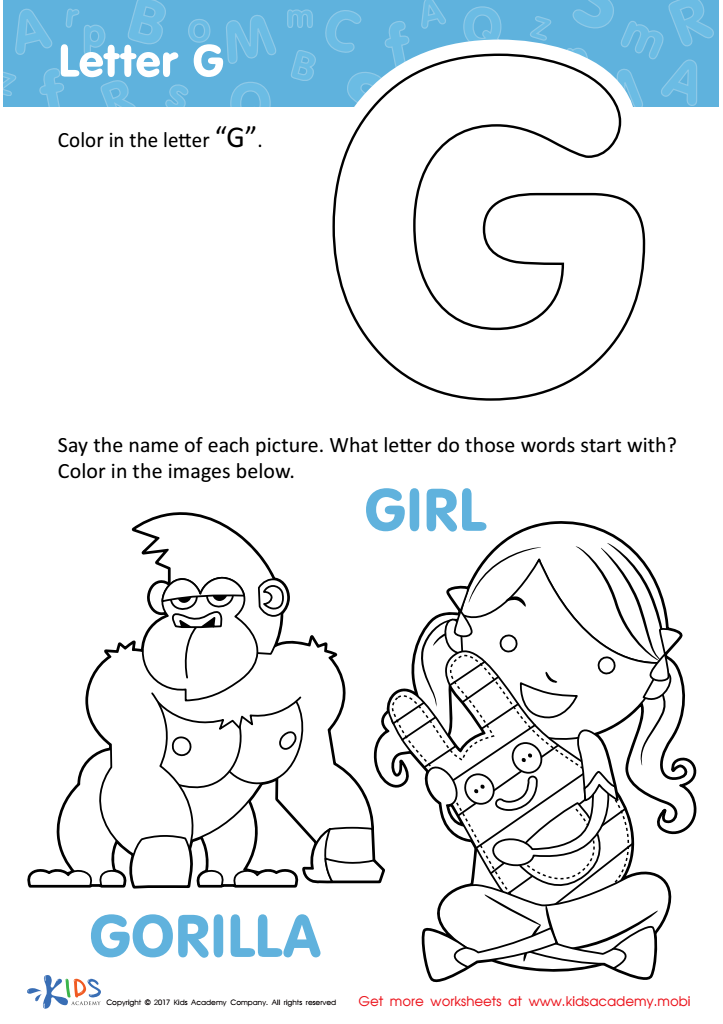
Letter G Coloring Sheet
Assign to My Students
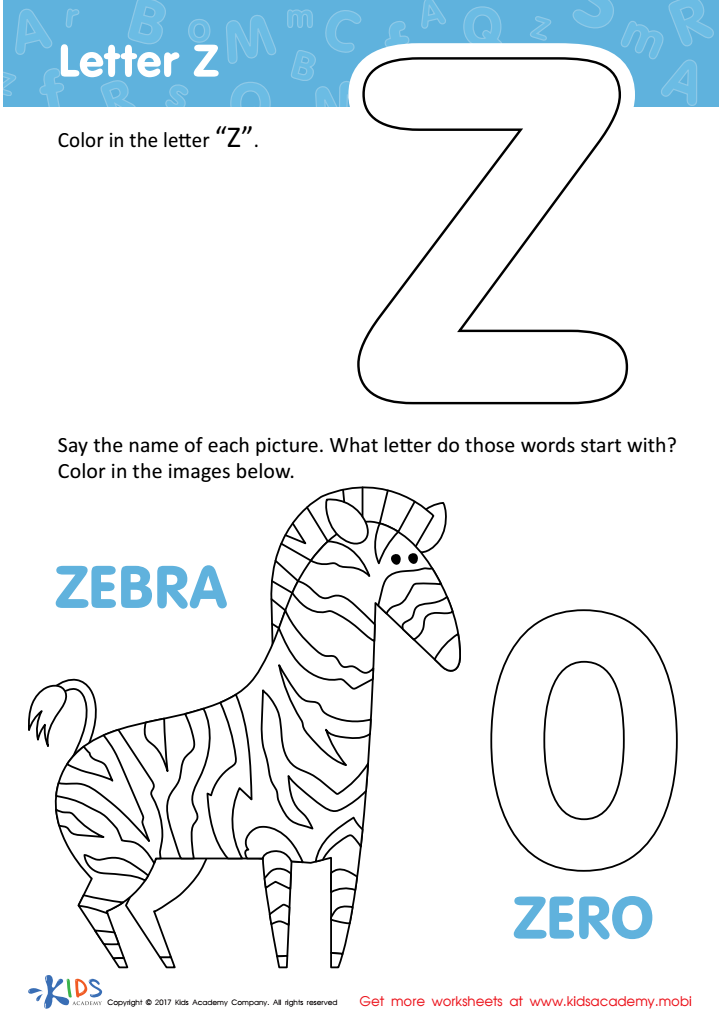
Letter Z Coloring Sheet
Assign to My Students
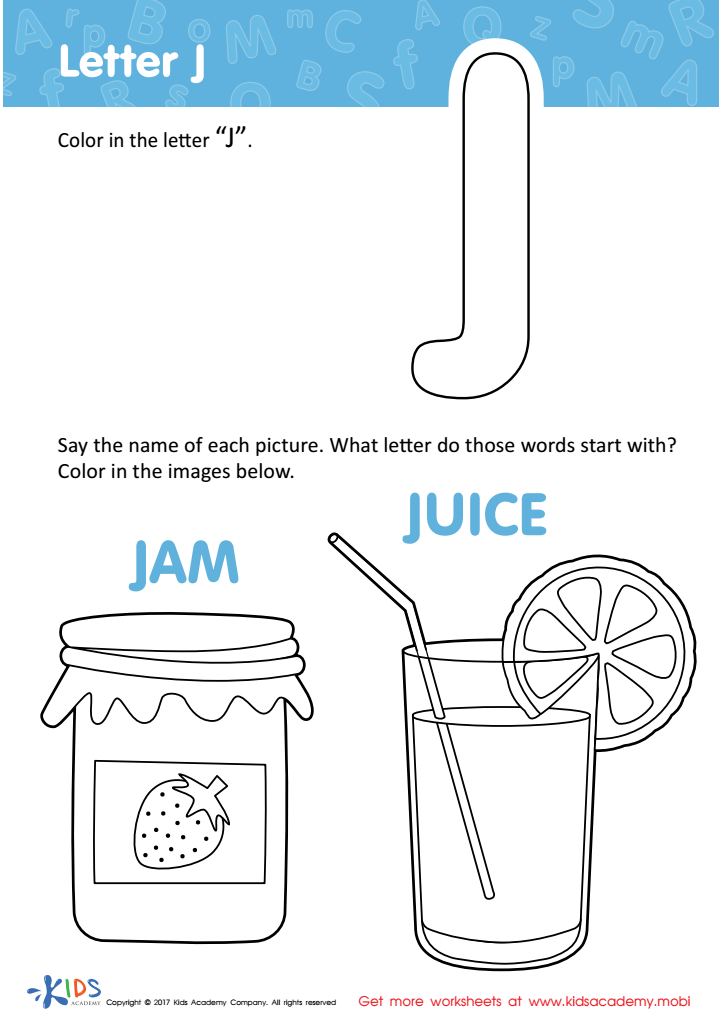
Letter J Coloring Sheet
Assign to My Students
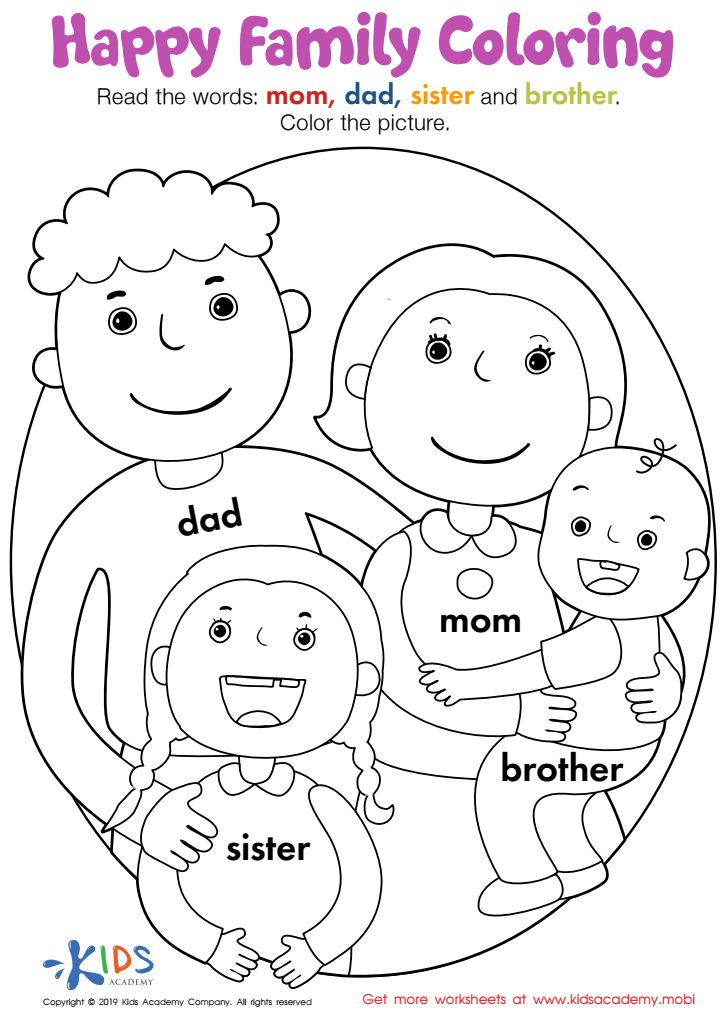
Happy Family Coloring Worksheet
Assign to My Students
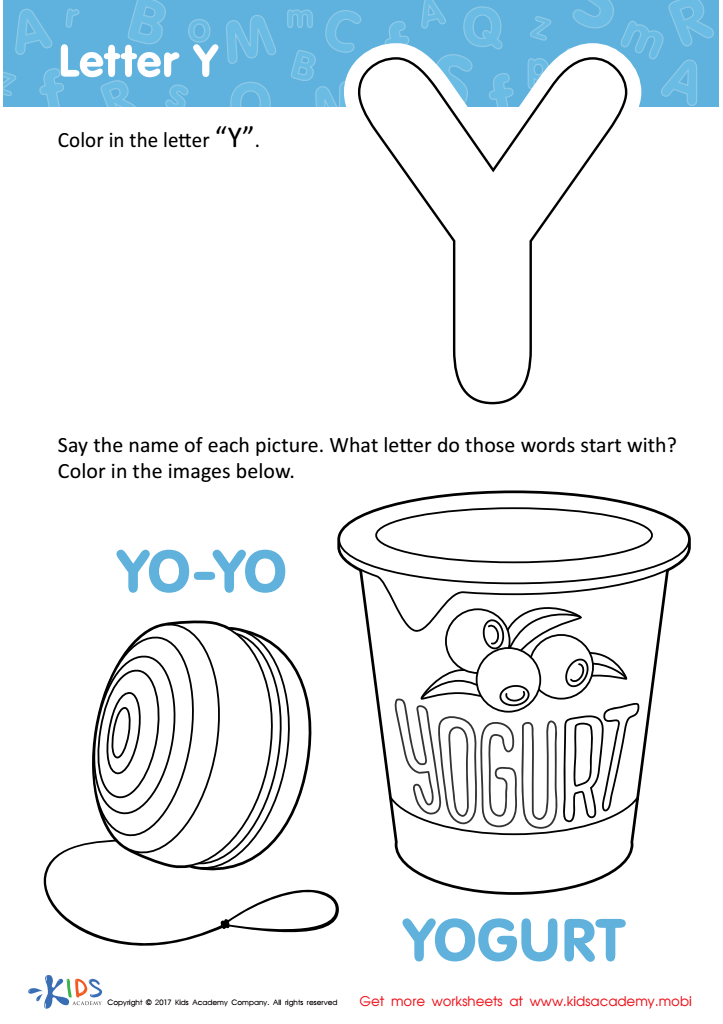
Letter Y Coloring Sheet
Assign to My Students
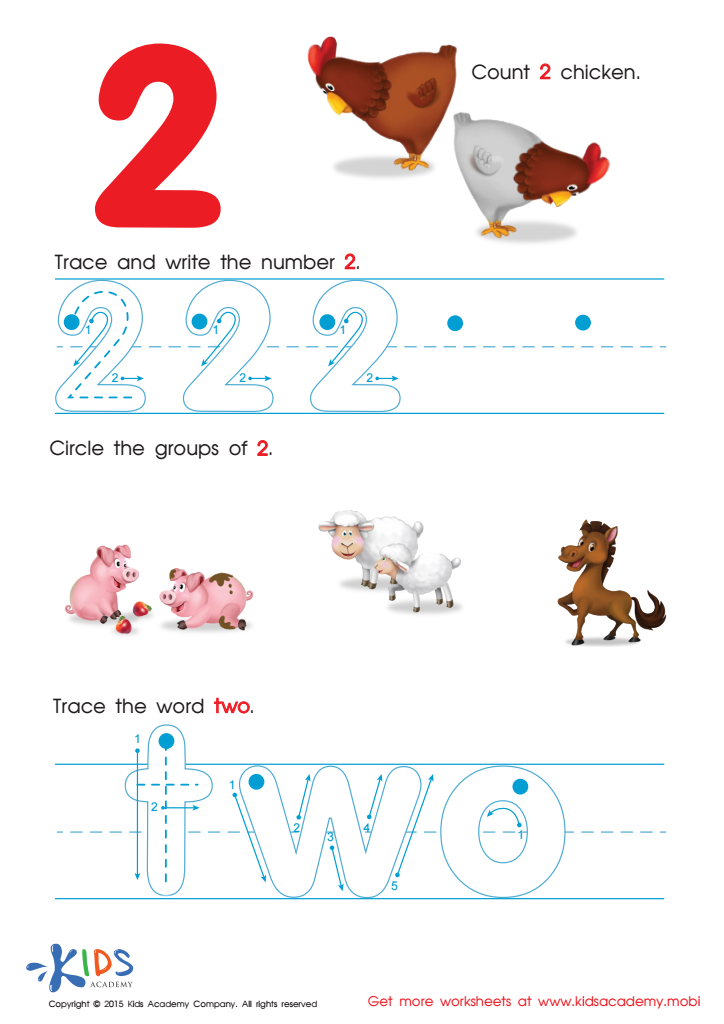
Learn to Write the Number 2 Worksheet
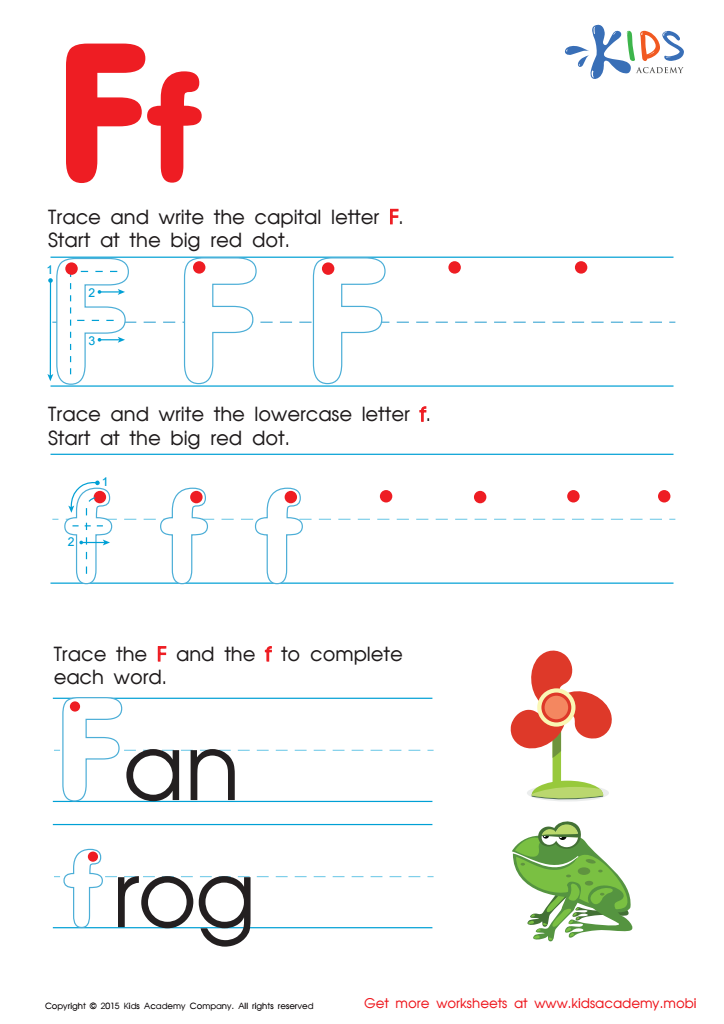
Letter F Tracing Page
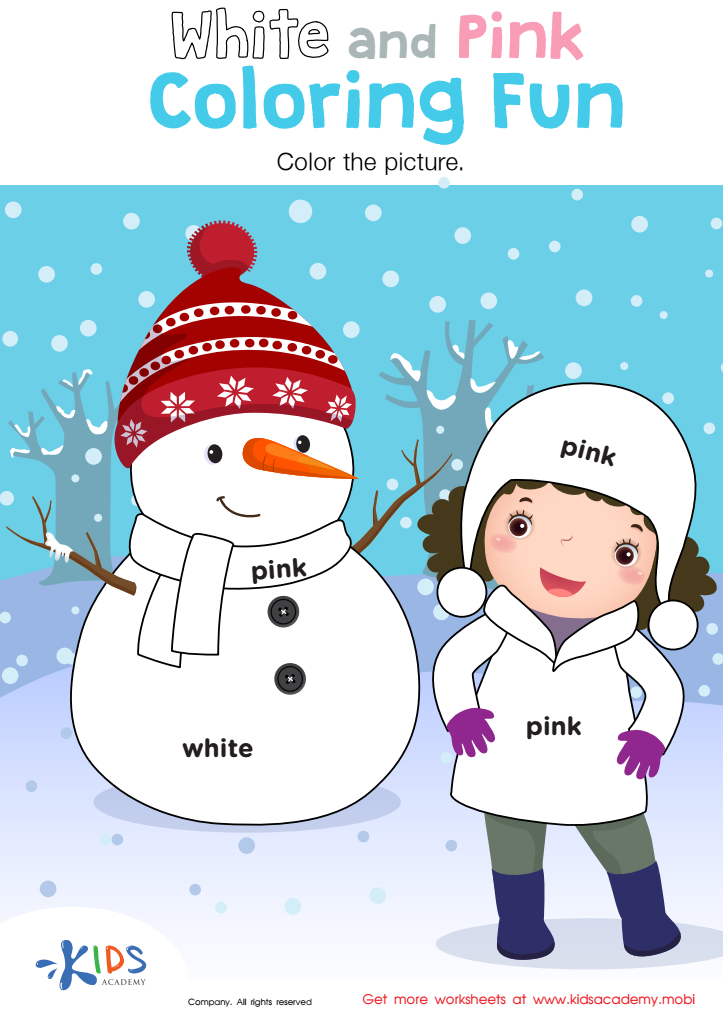
White and Pink Coloring Fun Worksheet
Assign to My Students
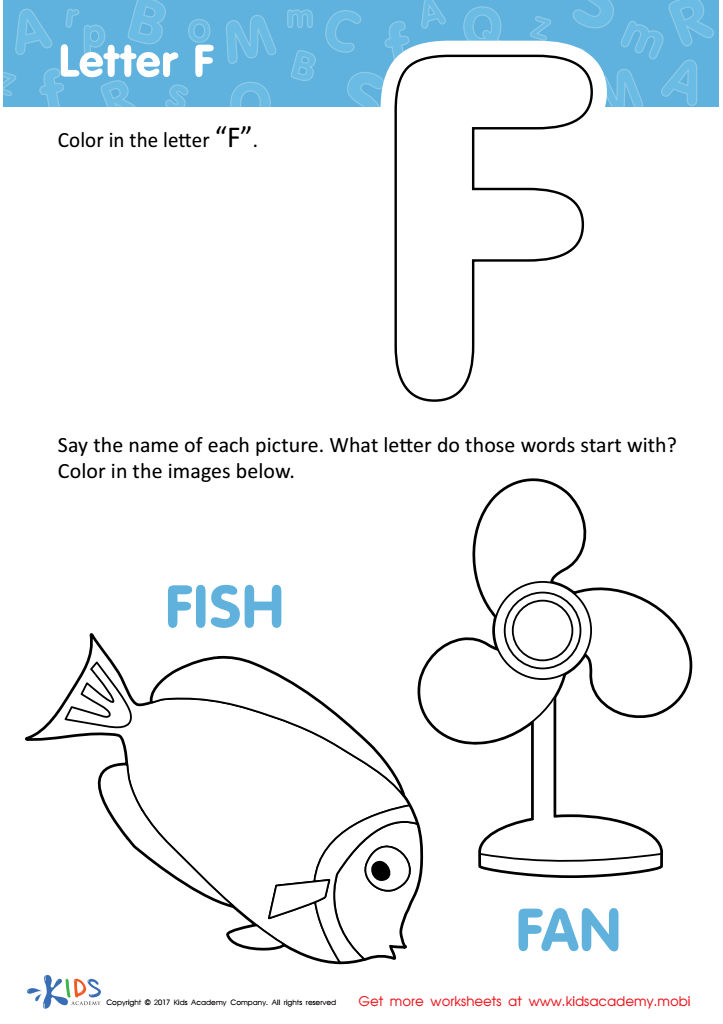
Letter F Coloring Sheet
Assign to My Students
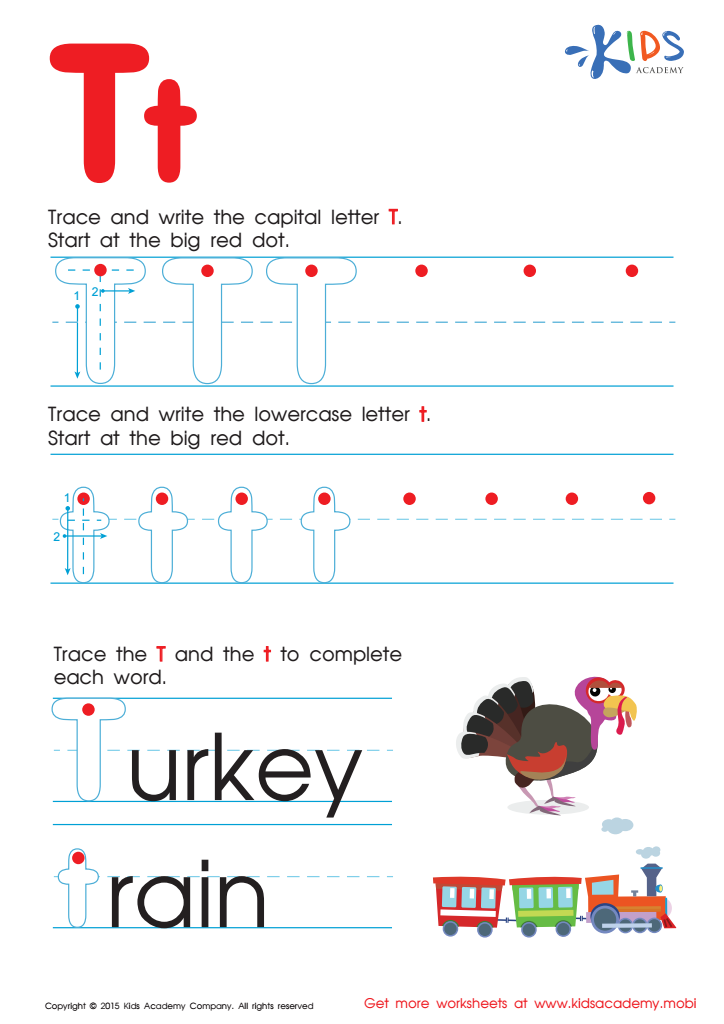
Letter T Tracing Page
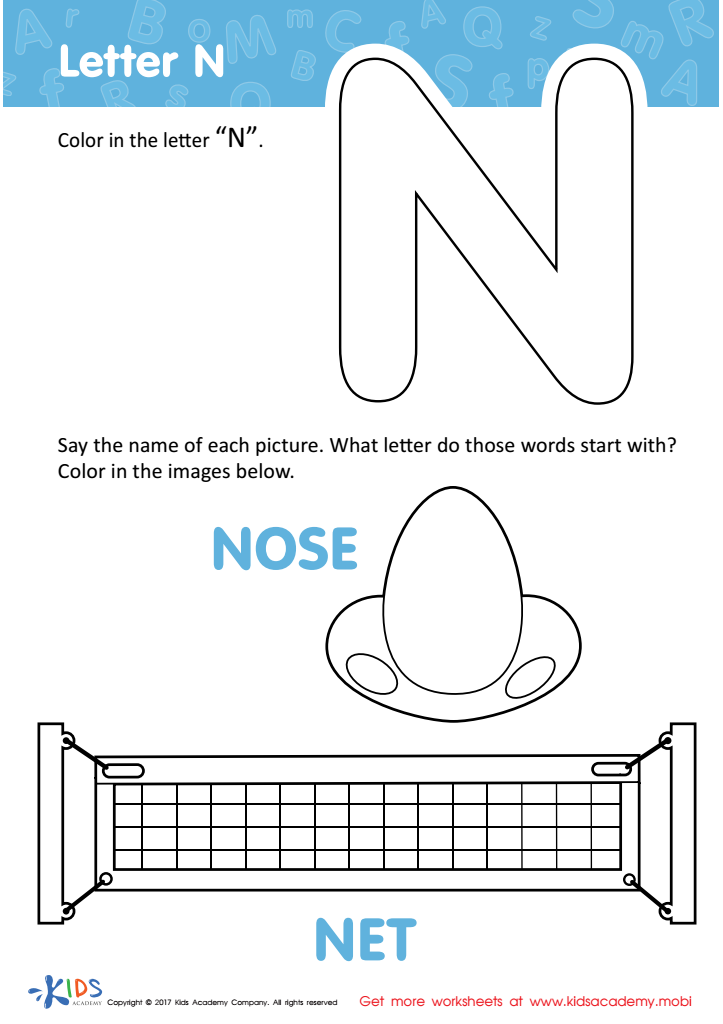
Letter N Coloring Sheet
Assign to My Students
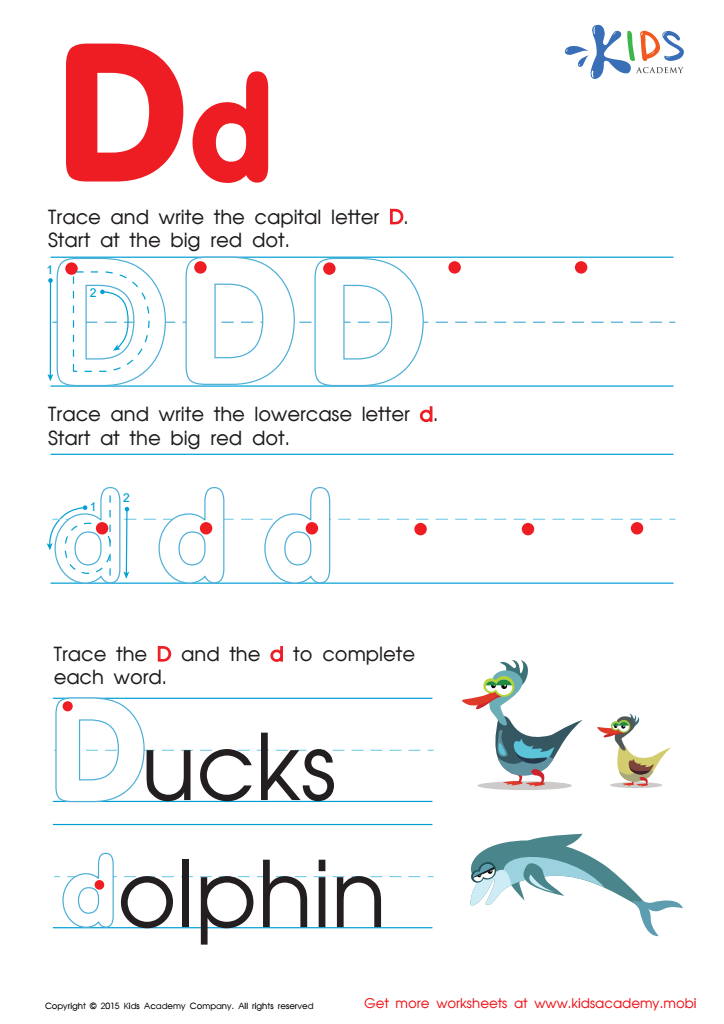
Letter D Tracing Page





Fine motor skills are essential for young children, particularly for those aged 3-8, as they form the foundation for many everyday tasks and learning experiences. These skills involve the small muscles in the hands and fingers, allowing children to perform activities such as writing, drawing, cutting, and buttoning. Parents and teachers should emphasize fine motor skill development because it directly impacts a child's academic success and overall independence.
When children master fine motor skills, they gain confidence in their ability to complete tasks, which encourages a positive attitude toward learning. Additionally, strong fine motor skills enhance hand-eye coordination and spatial awareness, both critical for later academic activities like reading and math. Engaging in activities that promote these skills—such as using scissors, molding shapes with playdough, or practicing writing letters—can be enjoyed as playful learning experiences.
Furthermore, fine motor activities help strengthen the brain's connection between cognition and physical movement, vital for holistic development. By supporting fine motor skill development, parents and teachers give children the tools they need to navigate their environment successfully, fostering readiness for school and life challenges ahead. Ultimately, investing in these skills lays the groundwork for future learning and personal growth.