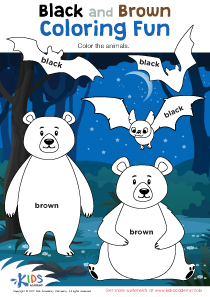
Letter recognition English for Beginners Worksheets for Ages 3-8
41 filtered results
-
From - To
Discover our engaging Letter Recognition English for Beginners Worksheets, tailored for ages 3-8! These resources make learning the alphabet fun and interactive, perfect for early learners and ESL students. Our expertly designed worksheets feature vivid illustrations, easy-to-follow instructions, and various activities to enhance letter identification and phonetic skills. Whether it's tracing letters or matching them with images, each worksheet promotes foundational literacy in an enjoyable way. Ideal for parents, teachers, and homeschoolers, these printables offer a structured approach to ensure your child’s success in their early literacy journey. Explore now and set the stage for lifelong learning!
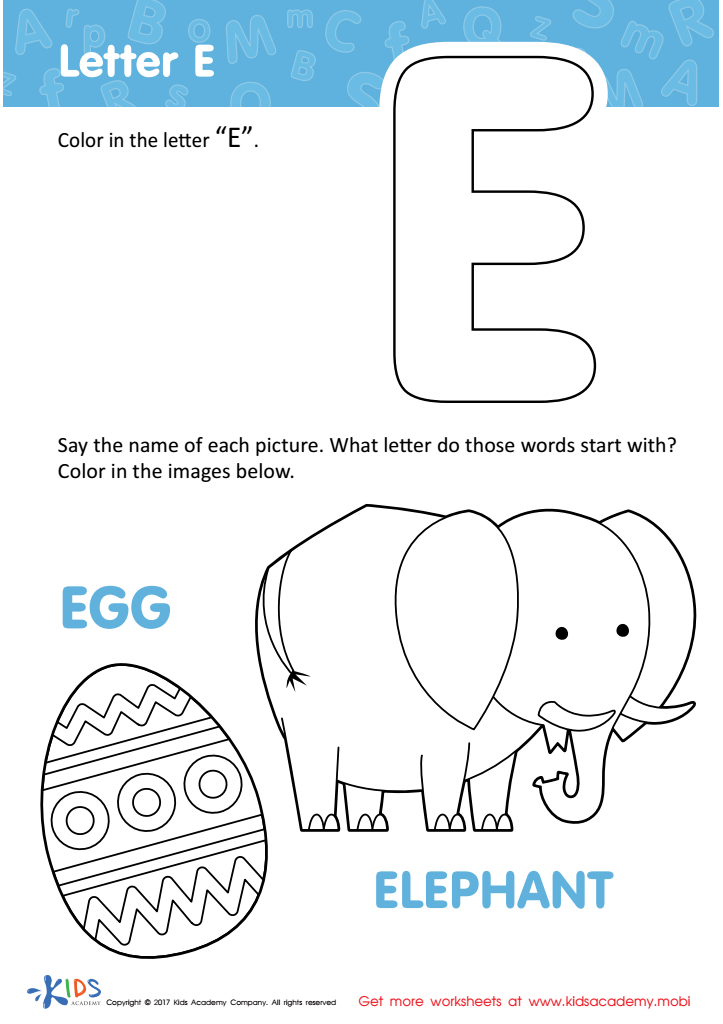
Letter E Coloring Sheet
 Assign to My Students
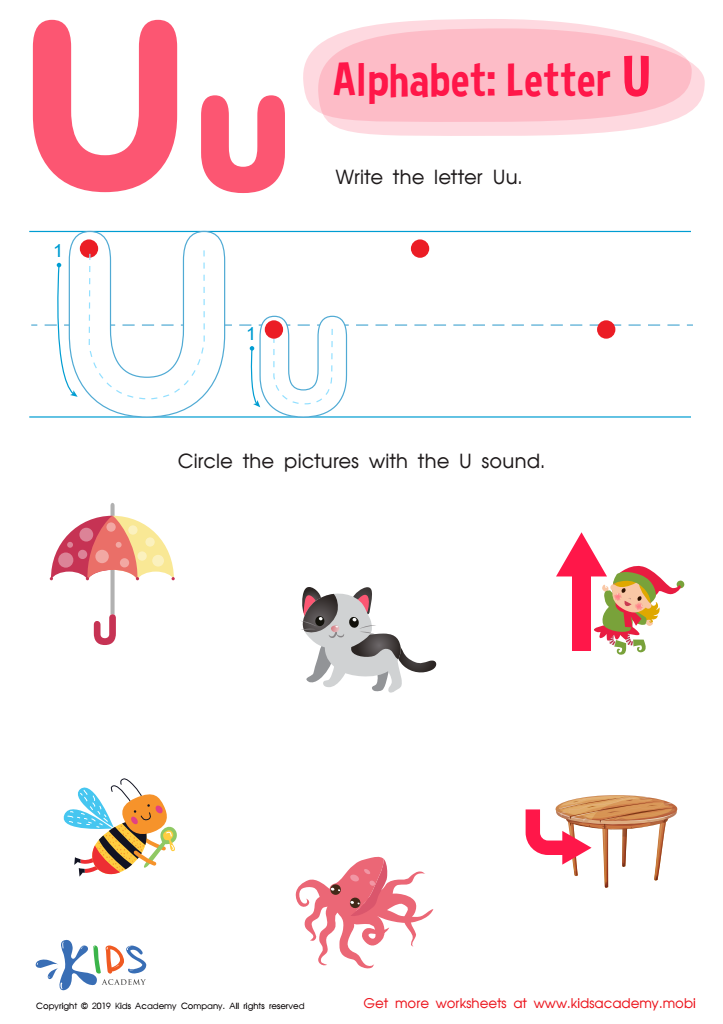
Letter U Tracing Worksheet
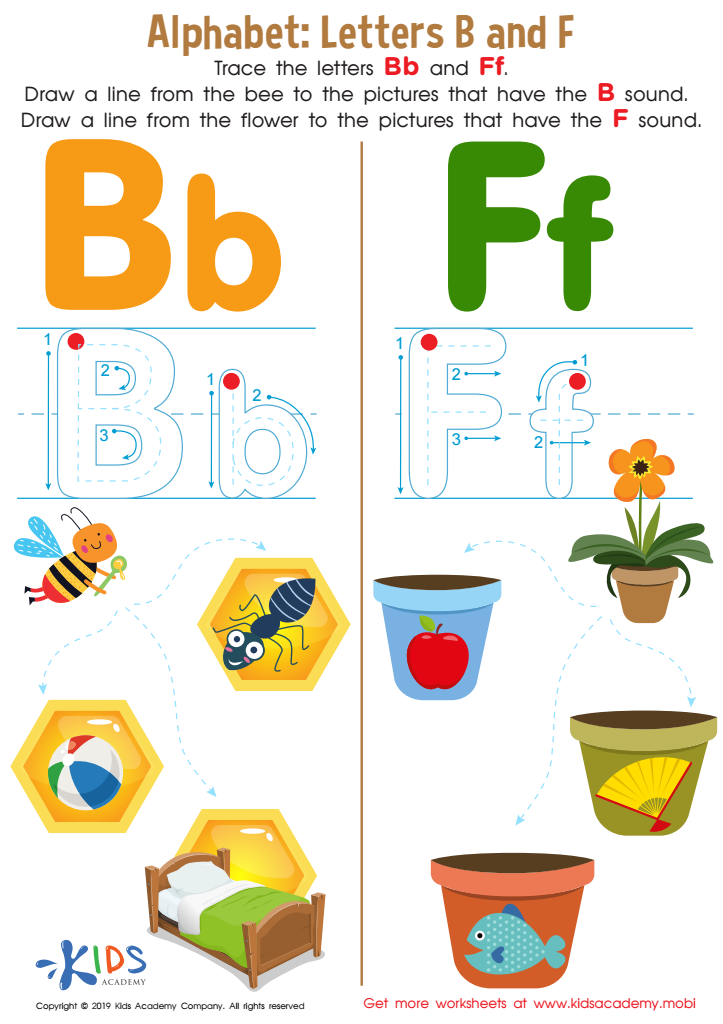
Letters B and F Tracing Worksheet
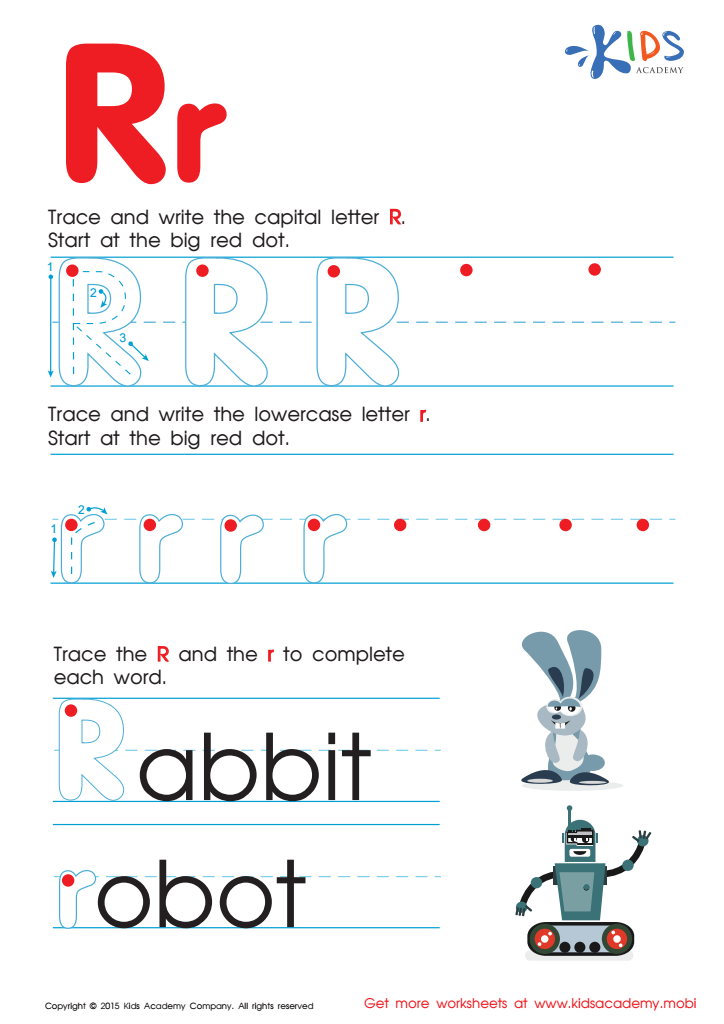
Letter R Tracing Page
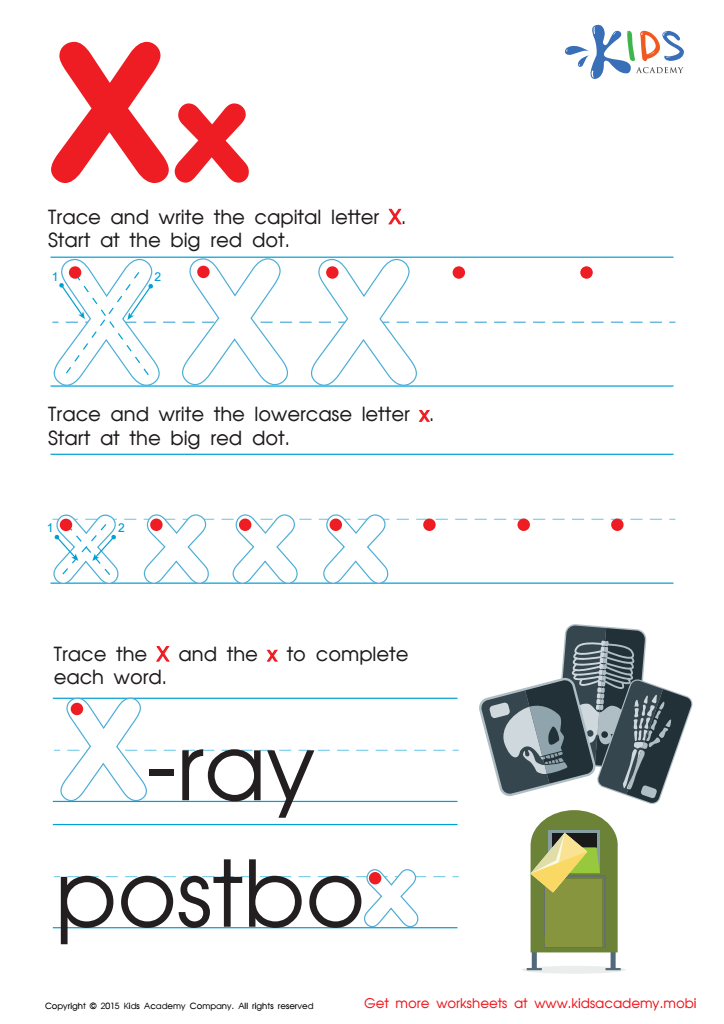
Letter X Tracing Page
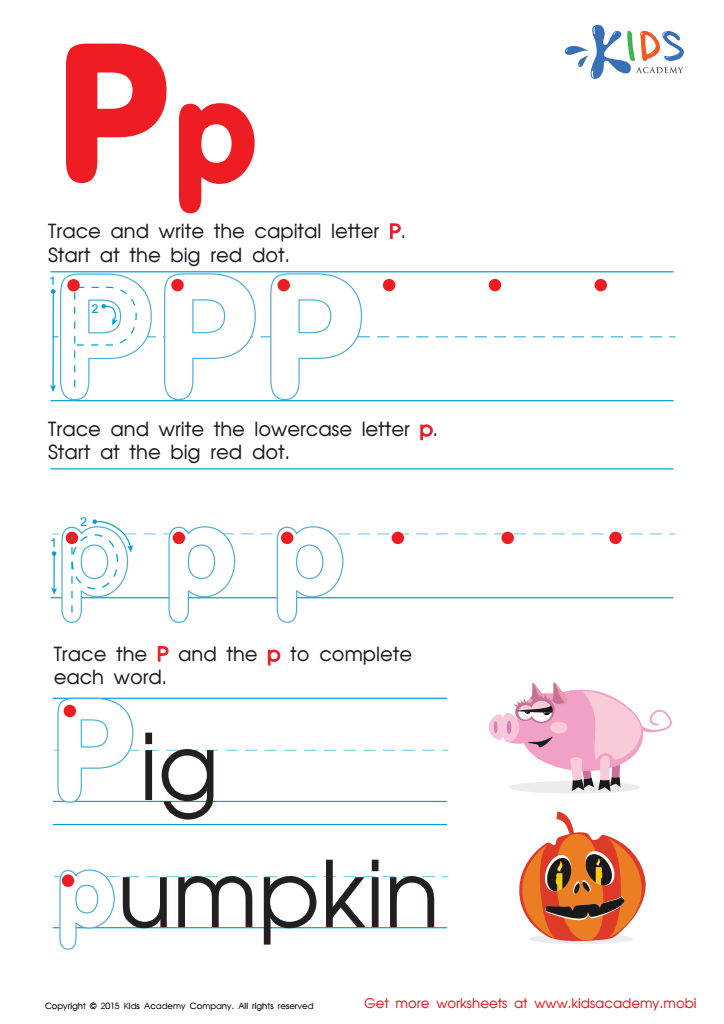
Letter P Tracing Page
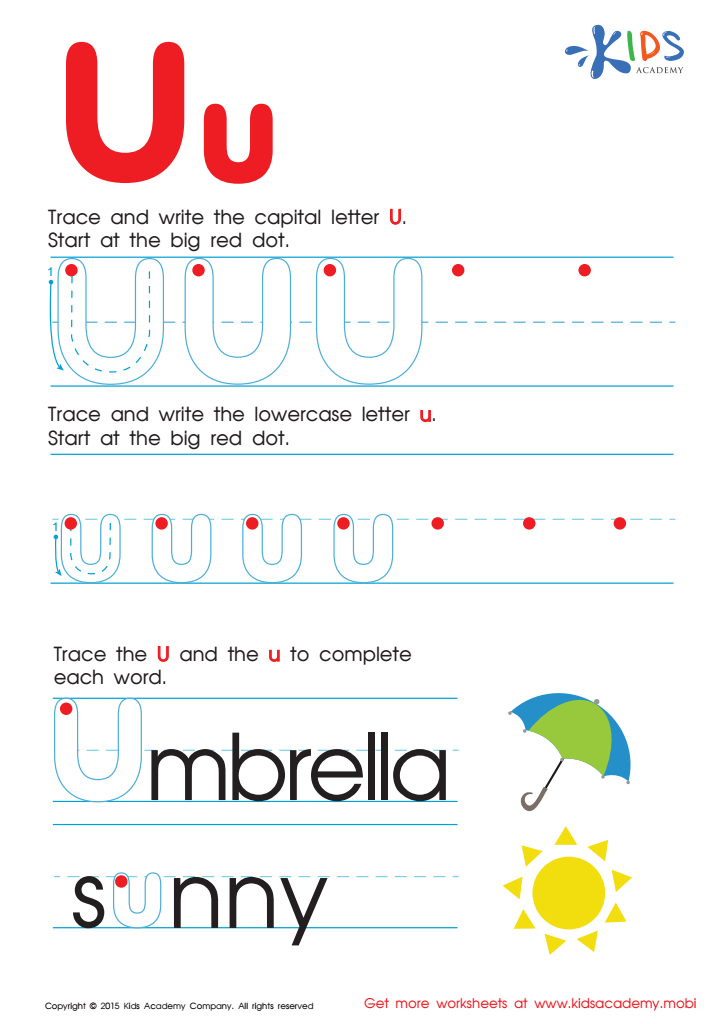
Letter U Tracing Page
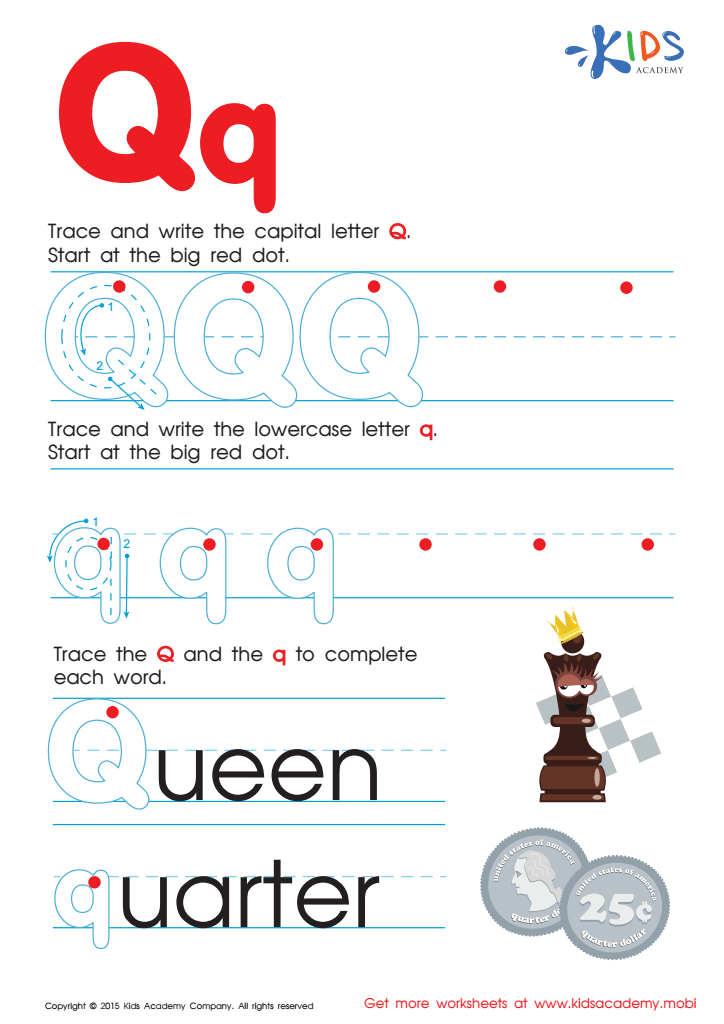
Letter Q Tracing Page
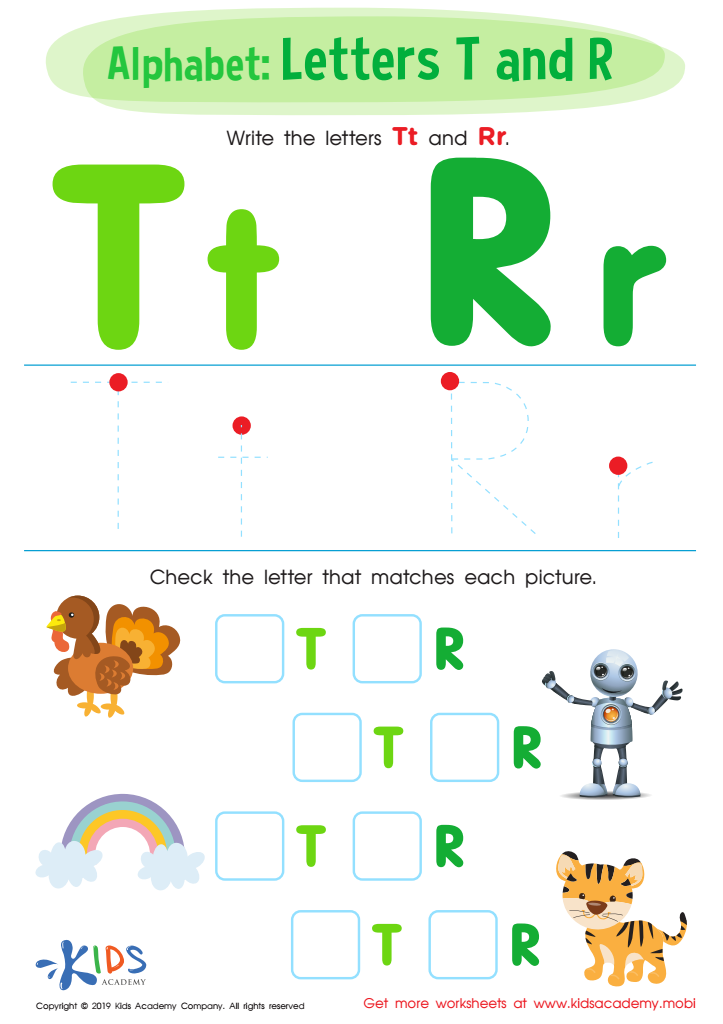
Letters T and R Worksheet
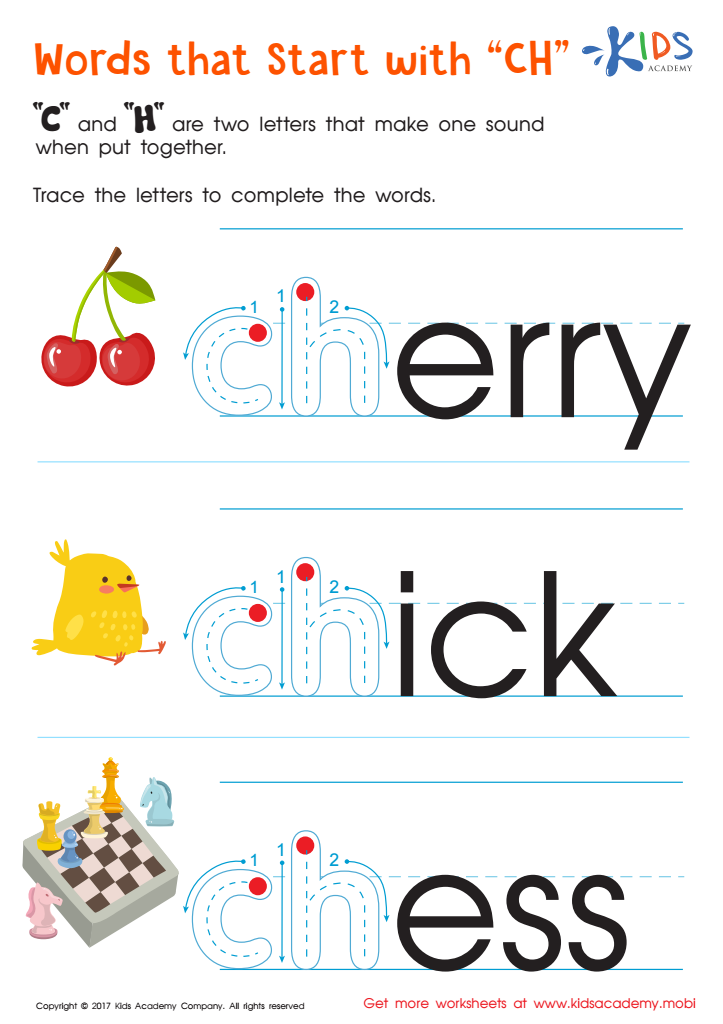
Words That Start with "ch" Spelling Worksheet
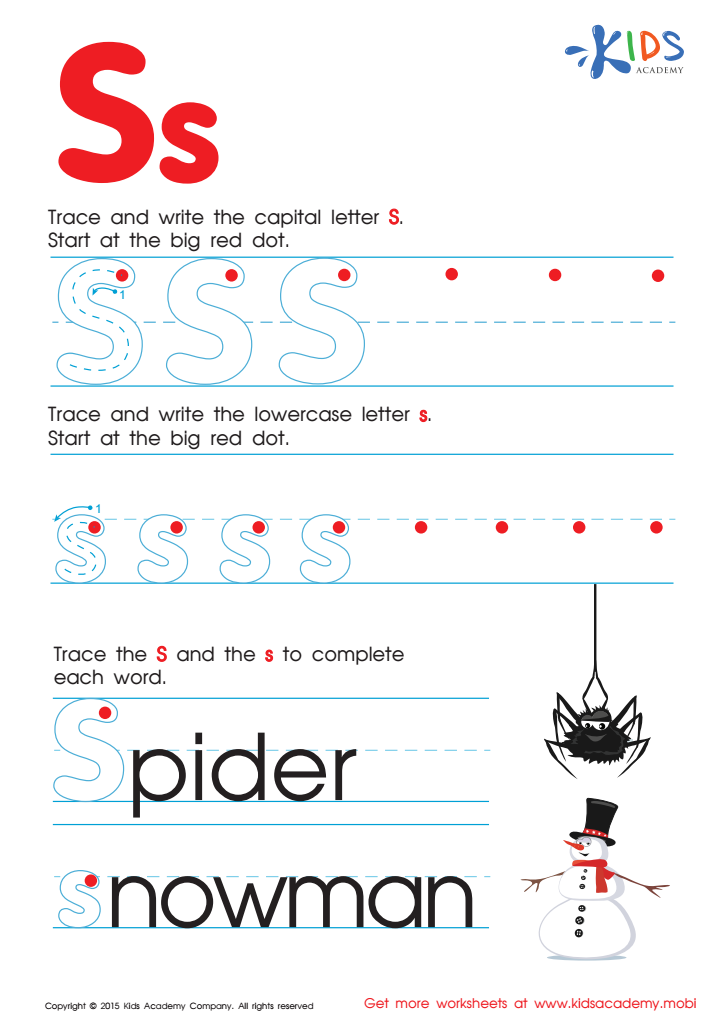
Letter S Tracing Page
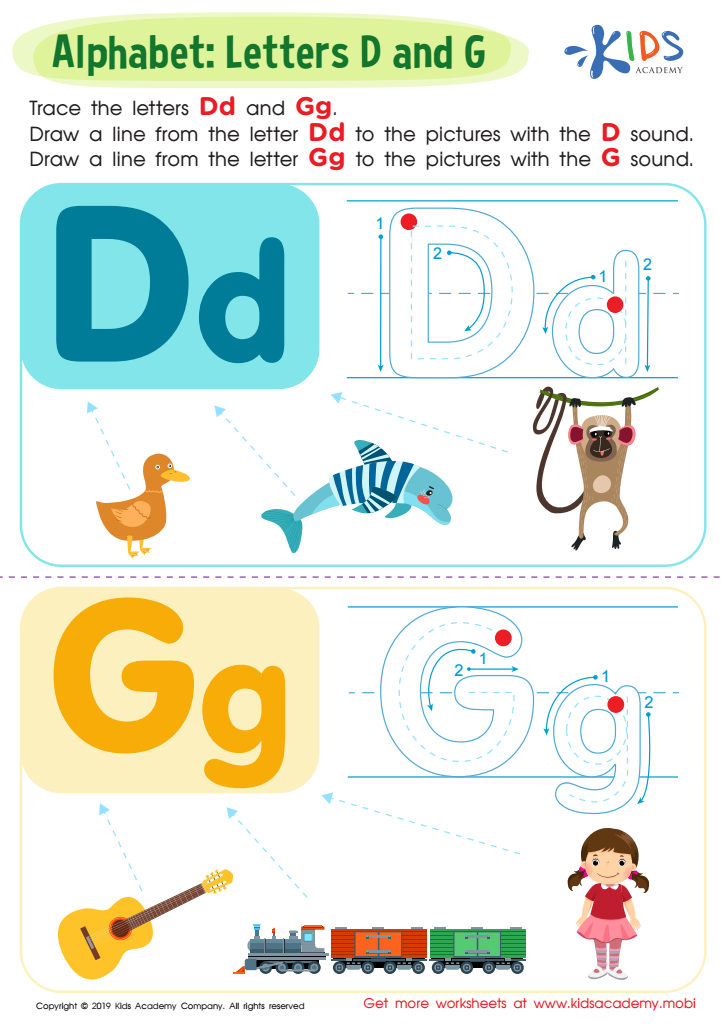
Letter D and G Tracing Worksheet
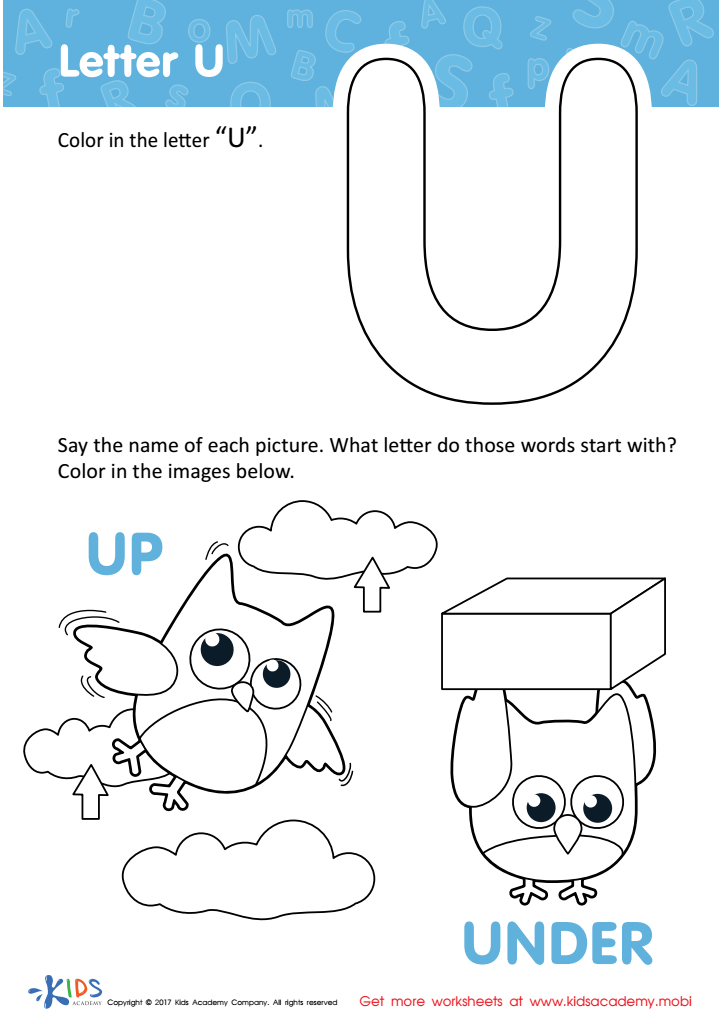
Letter U Coloring Sheet
Assign to My Students
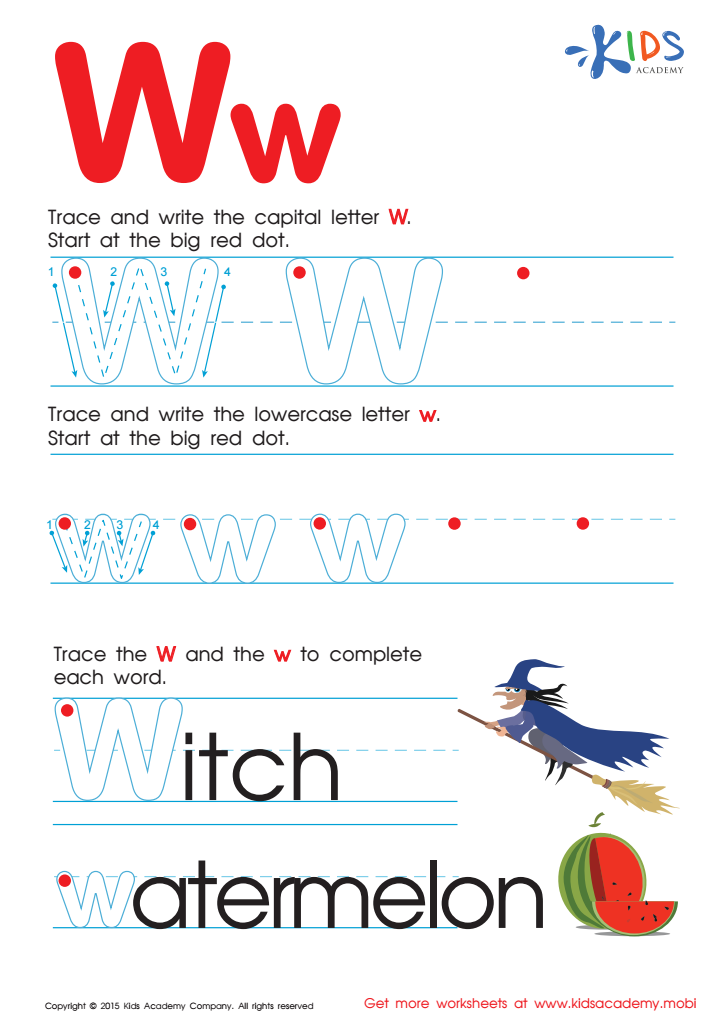
Letter W Tracing Page
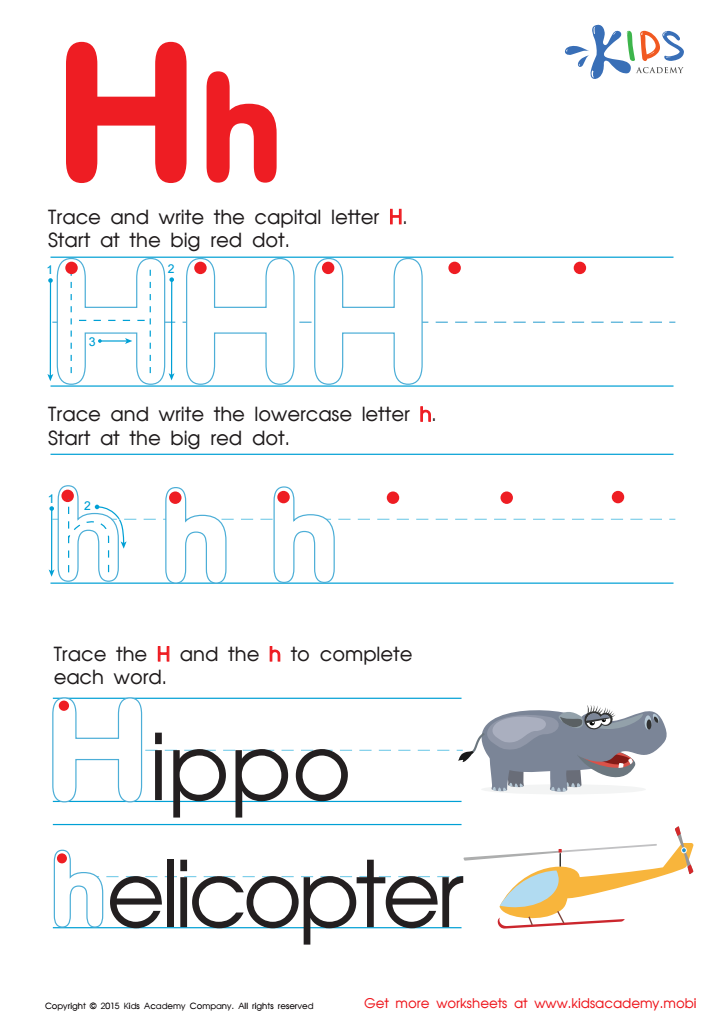
Letter H Tracing Page
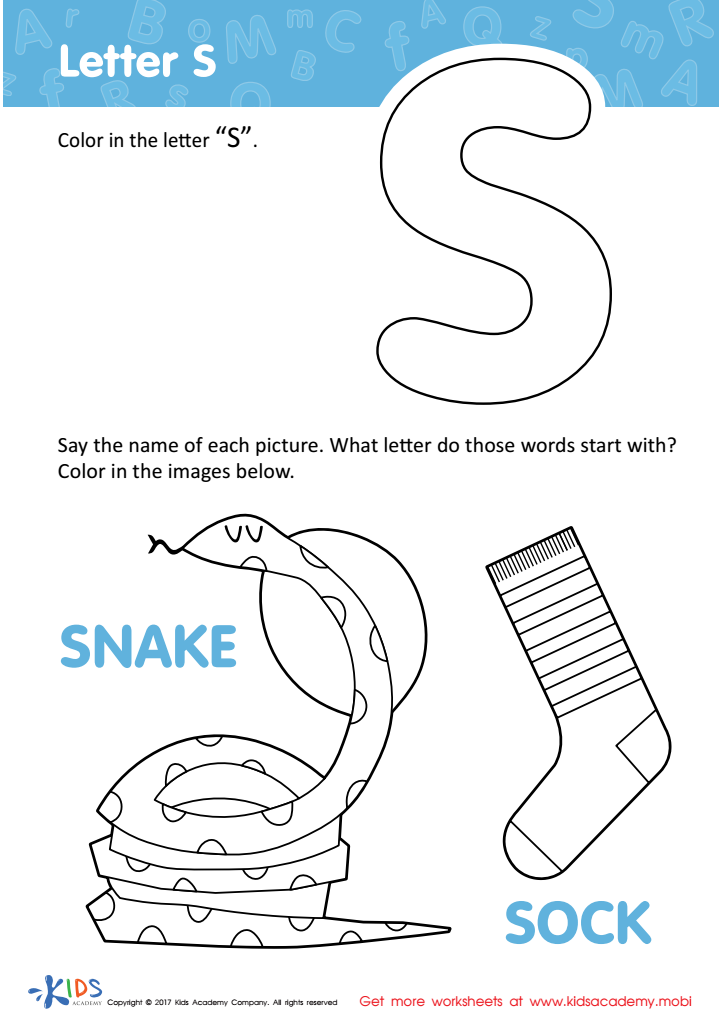
Letter S Coloring Sheet
Assign to My Students
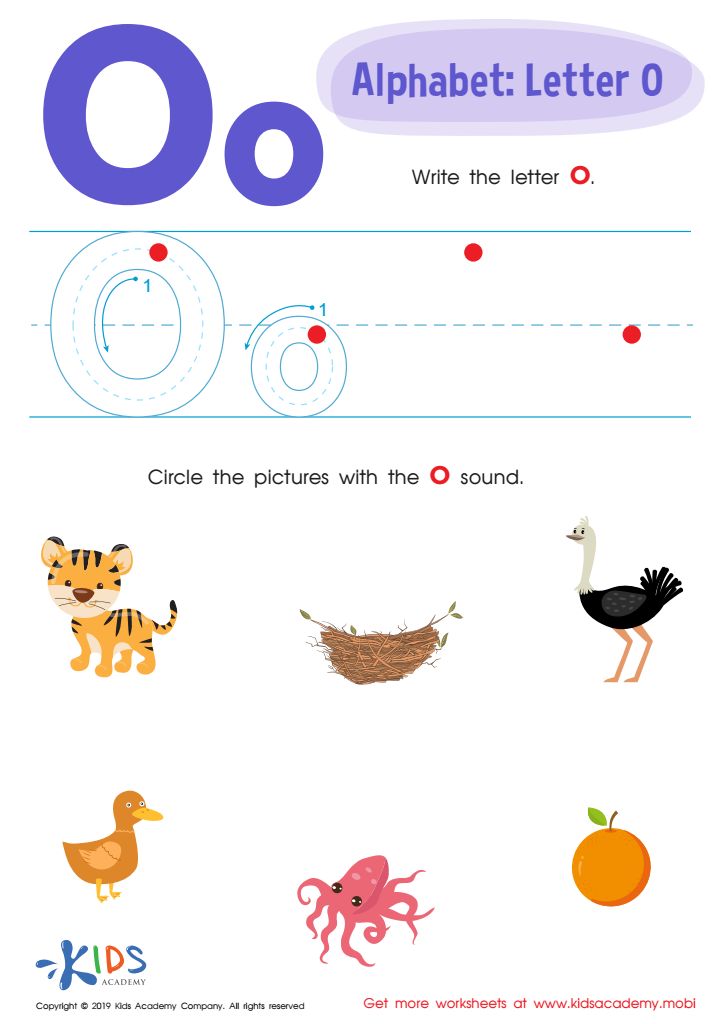
Letter O Tracing Worksheet
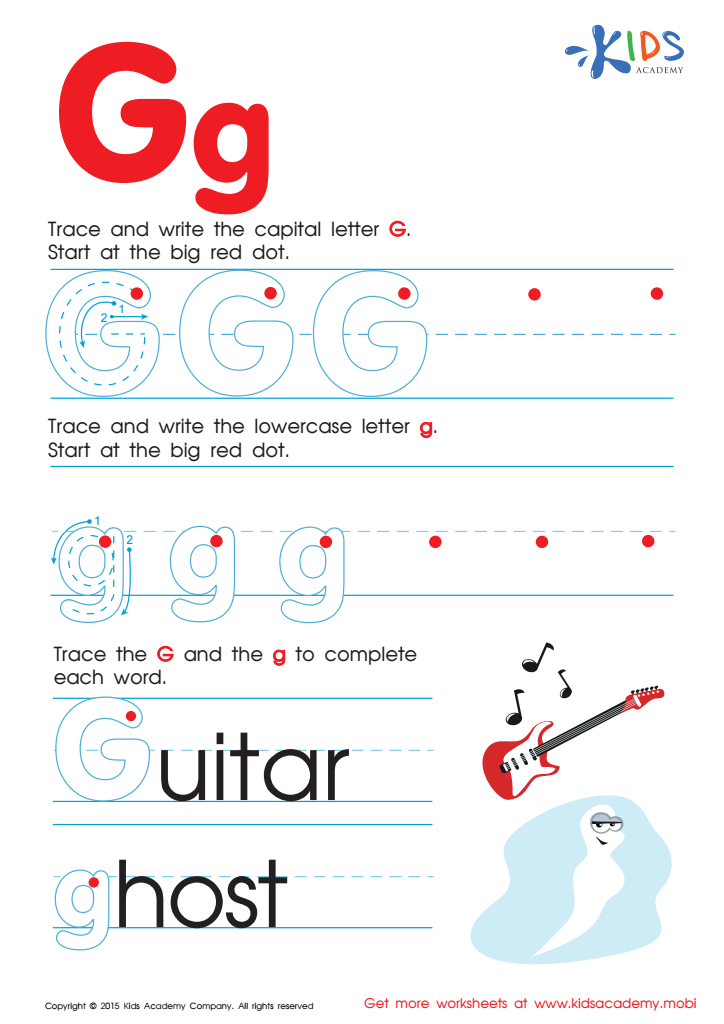
Letter G Tracing Page
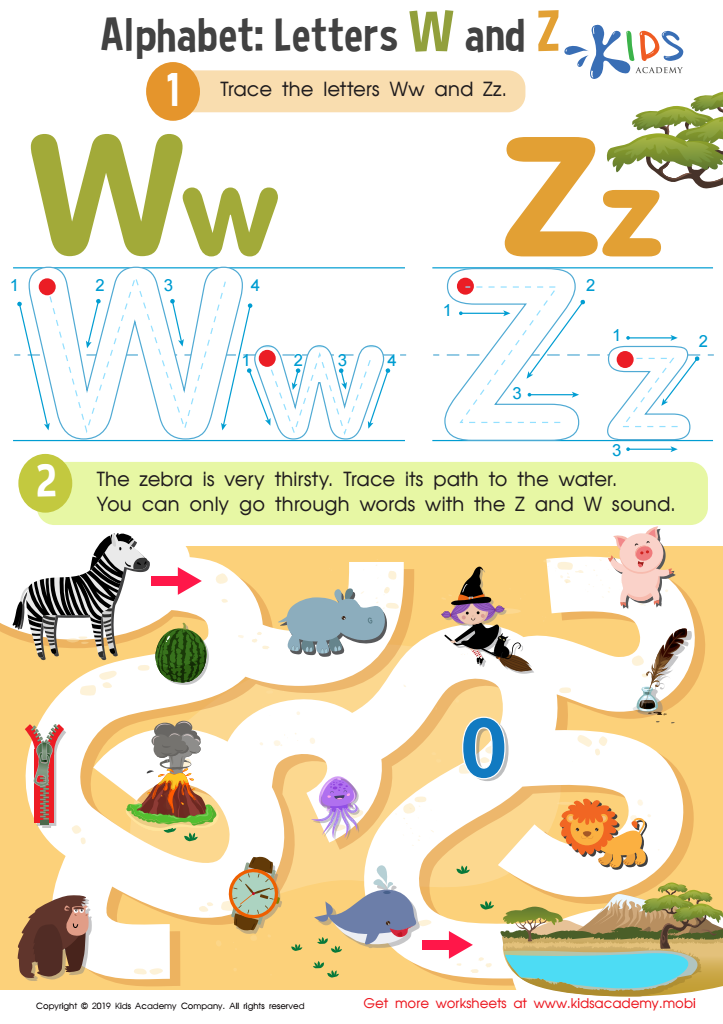
Letters W and Z Tracing Worksheet
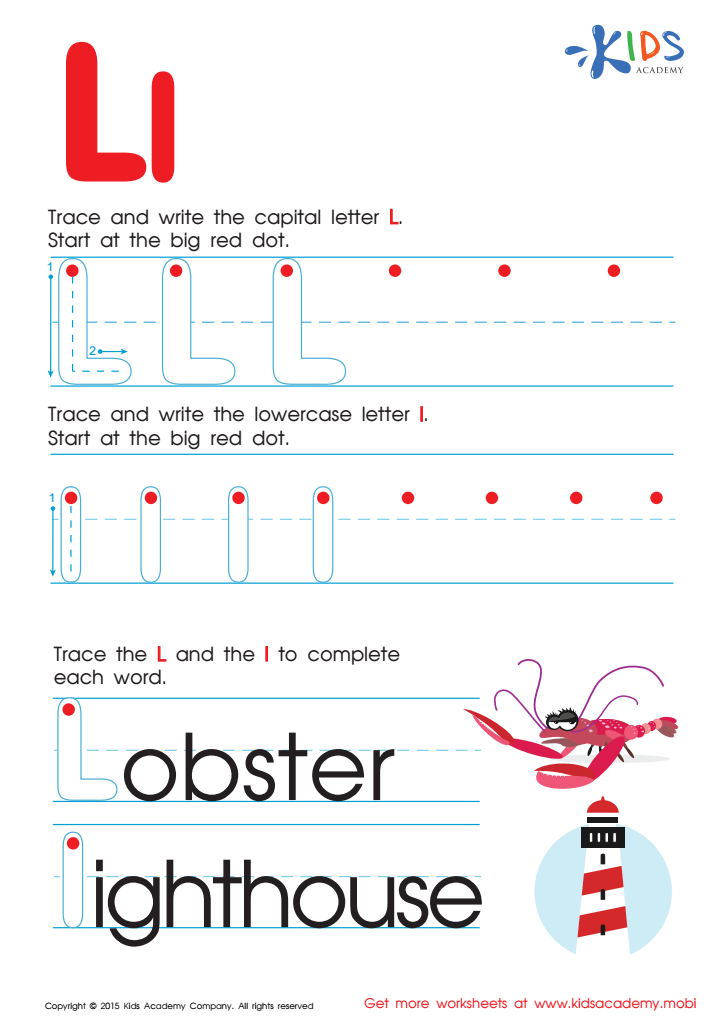
Letter L Tracing Page
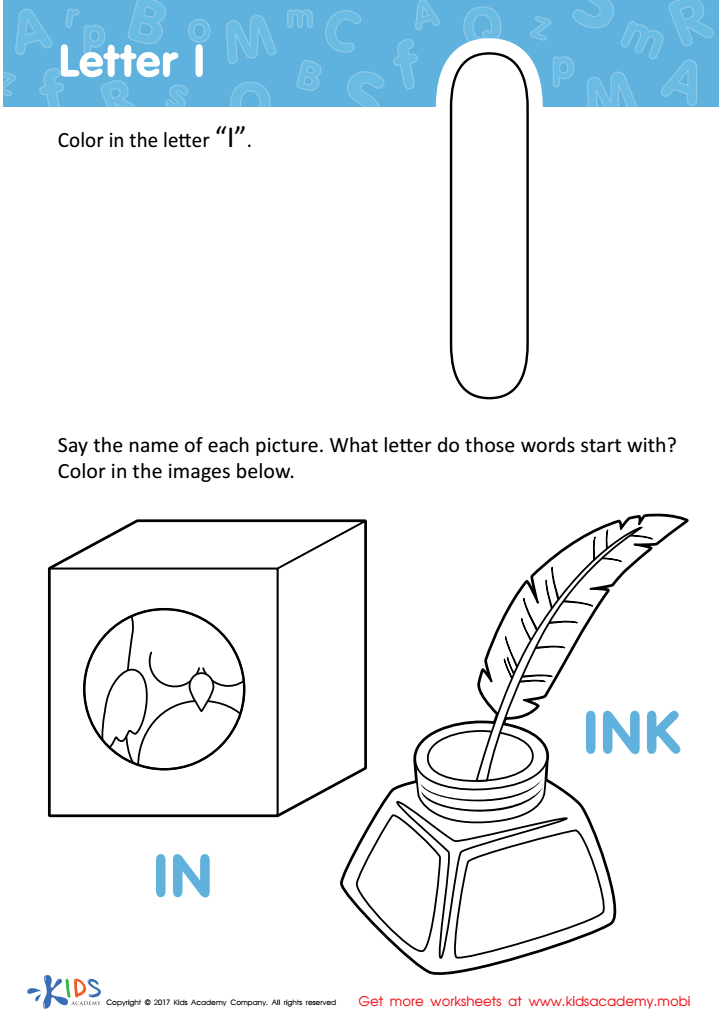
Letter I Coloring Sheet
Assign to My Students
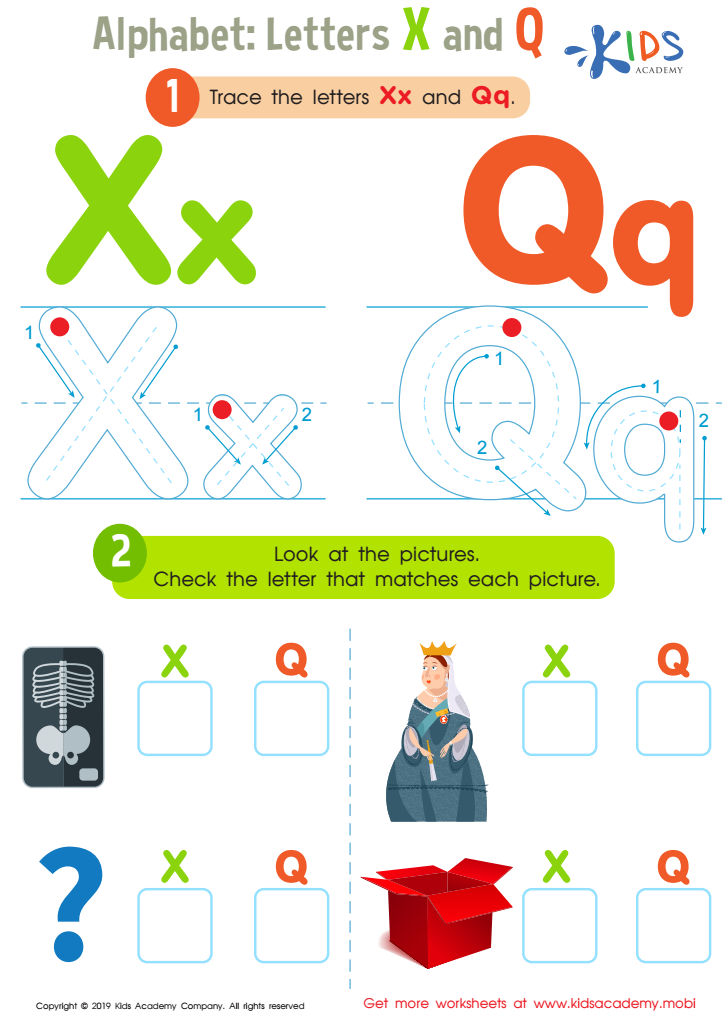
Letters X and Q Tracing Worksheet
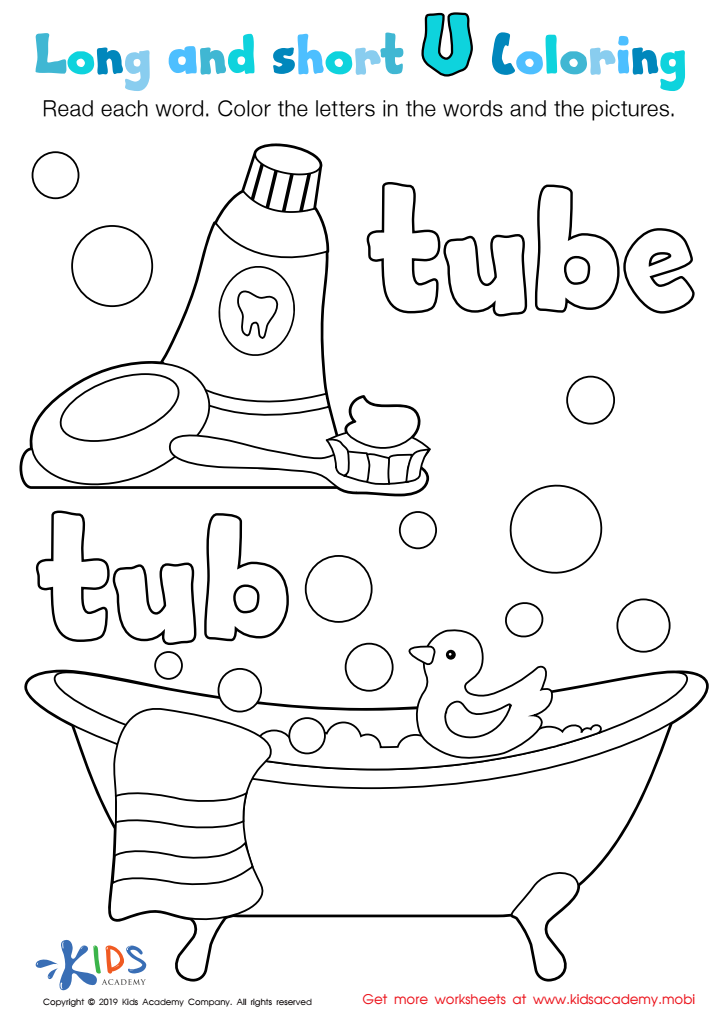
Long and Short U Worksheet
Assign to My Students
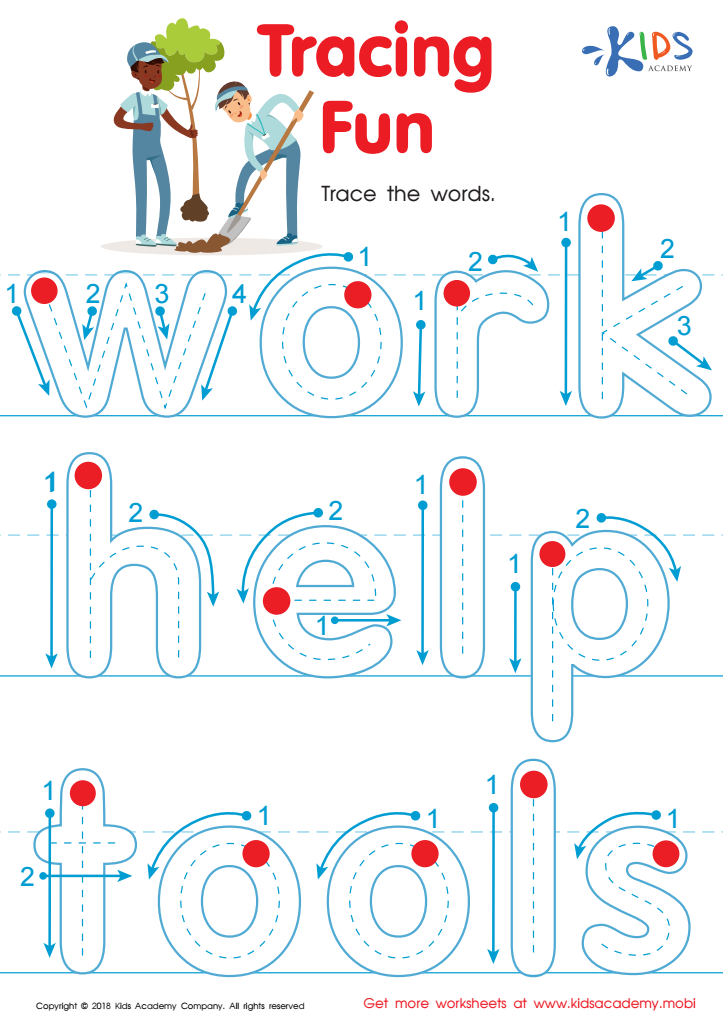
Tracing Fun Worksheet





Letter recognition forms the cornerstone of early literacy, making it crucial for parents and teachers to focus on this skill for children aged 3-8. At this formative stage, children’s brains are highly receptive to learning new information. Recognizing letters is the first step in the reading journey, enabling children to connect written text with spoken language.
Developing strong letter recognition can enhance a child’s phonemic awareness, which is the ability to hear and manipulate sounds in words. This foundational skill supports accurate spelling, reading fluency, and comprehension later on. Early success in these areas boosts a child’s confidence, encouraging a positive attitude towards learning, which is essential for lifelong academic development.
Furthermore, mastering letter recognition can improve children's vocabulary. As they recognize letters and their corresponding sounds, children are better equipped to parse words, leading to richer language acquisition. Teachers and parents who prioritize letter recognition also enable children to better follow classroom instructions and participate in reading activities.
Given these significant impacts, investing time and resources into teaching letter recognition not only fosters early academic success but also sets the stage for broader educational achievements. By focusing on this fundamental skill, we give children the practical tools and confidence they need to thrive in their educational journey and beyond.