Boost critical thinking Worksheets for Ages 3-8
5 filtered results
-
From - To
Boost critical thinking skills with our engaging worksheets for ages 3-8 at Kids Academy! Designed by educational experts, our printable resources feature fun, hands-on activities that develop problem-solving, logical reasoning, and creative thinking. From matching exercises to puzzle solving, these worksheets cater to early learners, making foundational skills enjoyable and stimulating. Each activity encourages young minds to think outside the box, laying the groundwork for future academic success. Perfect for parents and educators, our worksheets are excellent tools to foster critical thinking in a structured, playful manner. Start your child's intellectual journey today with Kids Academy!
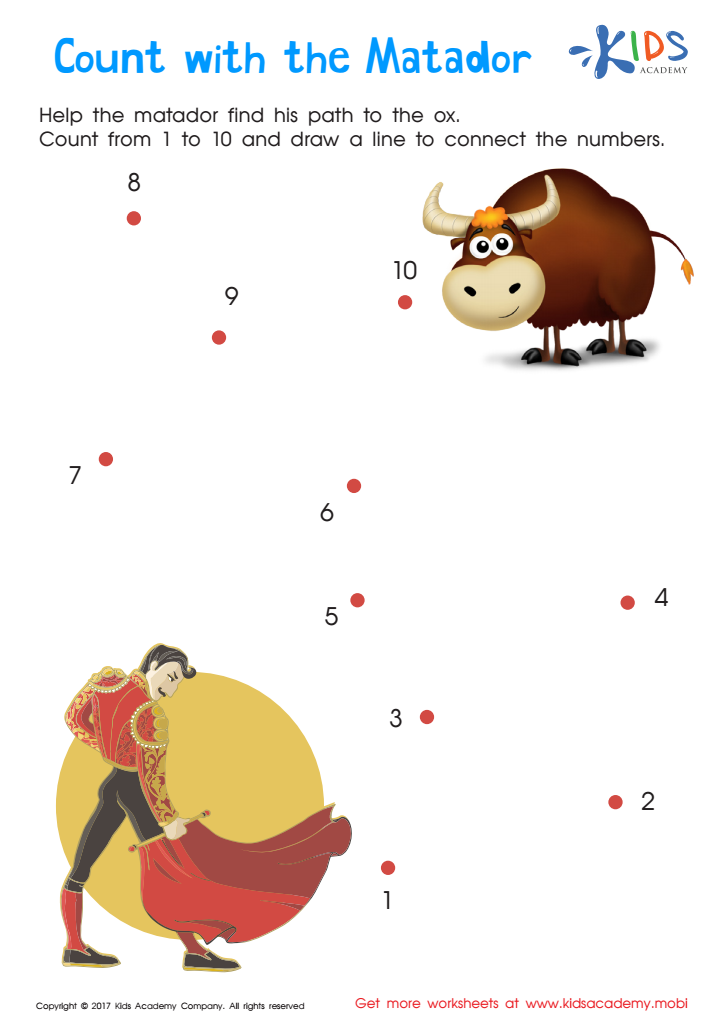
 Assign to My Students
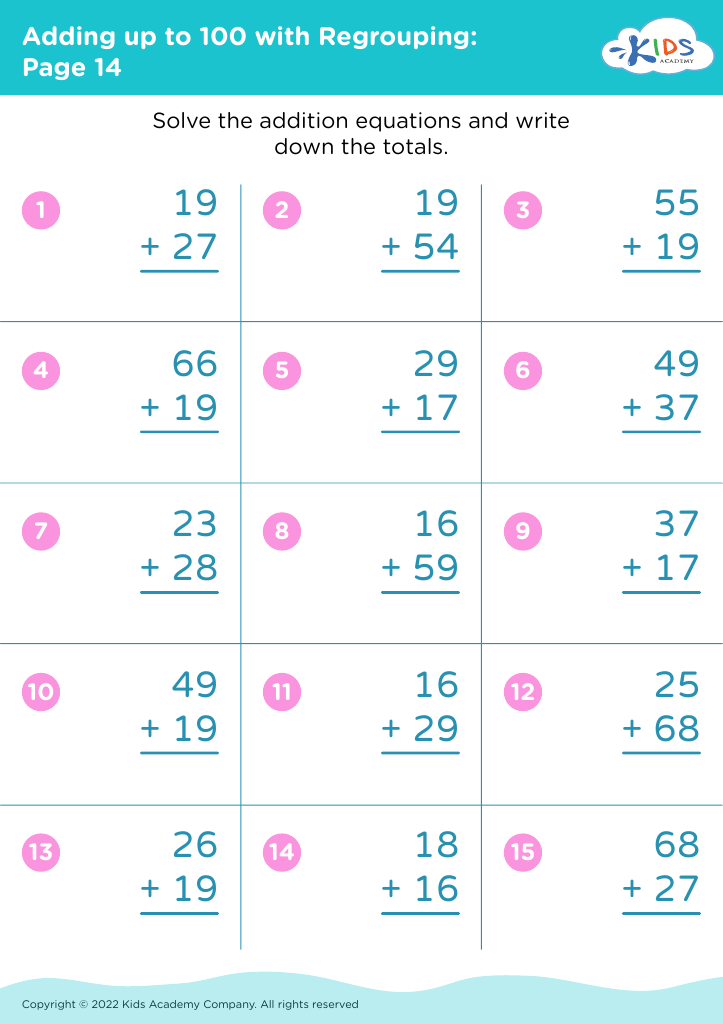
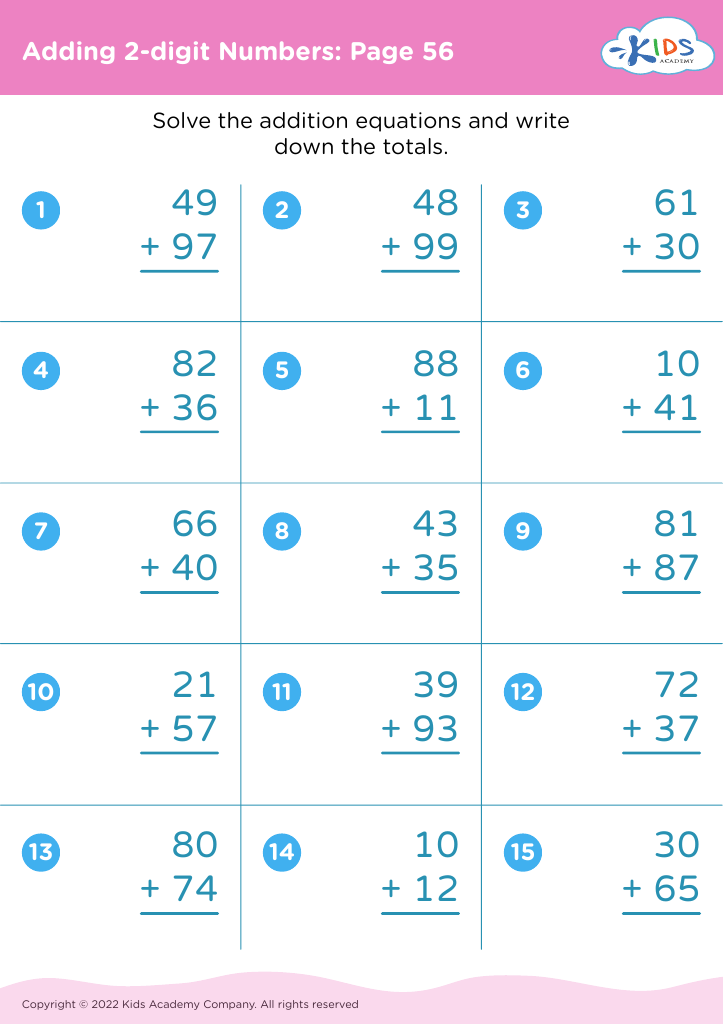
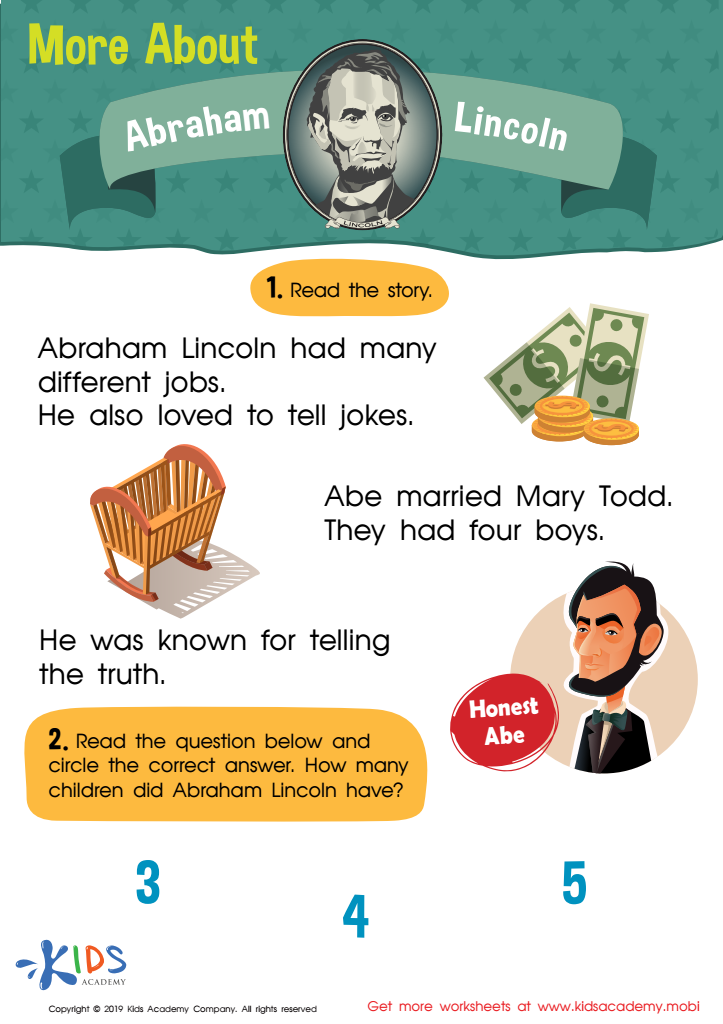
More About Abraham Lincoln Worksheet
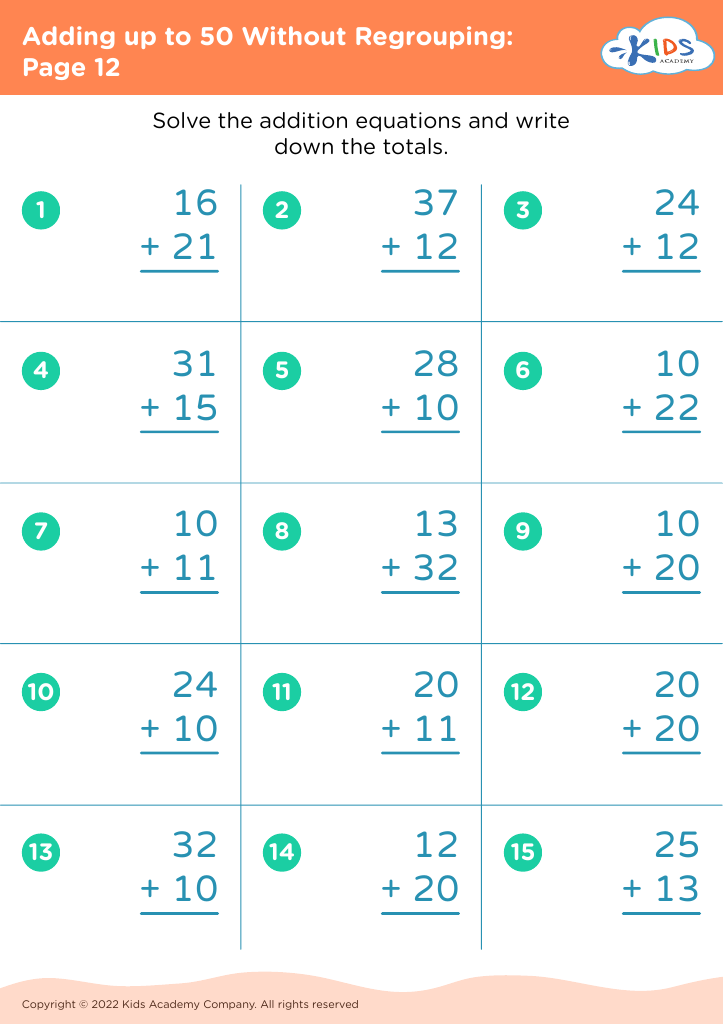







Boosting critical thinking skills in children aged 3-8 is essential for both teachers and parents because this foundational ability sets the stage for lifelong learning and problem-solving. At this developmental stage, children's brains are exceptionally malleable, making it the ideal time to cultivate skills like analysis, evaluation, and creative thinking. By engaging in activities that promote critical thinking, children learn to question assumptions, understand reasoning, and make informed decisions, all of which are crucial for academic success and personal growth.
Early critical thinking empowers children to approach challenges with confidence and curiosity, fostering resilience and adaptability. When children learn to ask questions and seek answers, they become more independent learners who are adept at navigating an ever-changing world. Moreover, these skills enhance their social interactions, promoting better communication and collaboration with peers.
For parents and teachers, nurturing these abilities means providing a rich environment filled with stimulating activities, open-ended questions, and opportunities for exploration. This might include puzzles, storytelling, and hands-on experiments that encourage children to think deeply and draw connections. By prioritizing critical thinking in early childhood, we equip young learners with the tools they need to thrive in school and beyond, creating a solid foundation for their future achievements.








