Classification skills Worksheets for Ages 3-8
11 filtered results
-
From - To
Our engaging and educational classification skills worksheets are designed for children ages 3-8. These fun and interactive activities help young learners develop critical thinking, logic, and sorting abilities by categorizing objects, animals, shapes, and colors. Each worksheet is expertly crafted to align with early childhood development stages, making learning enjoyable and effective. Enhance your child's cognitive skills, boost their academic confidence, and prepare them for future success. Download our free printable worksheets today and watch your child thrive as they master essential classification skills in a playful, hands-on environment.
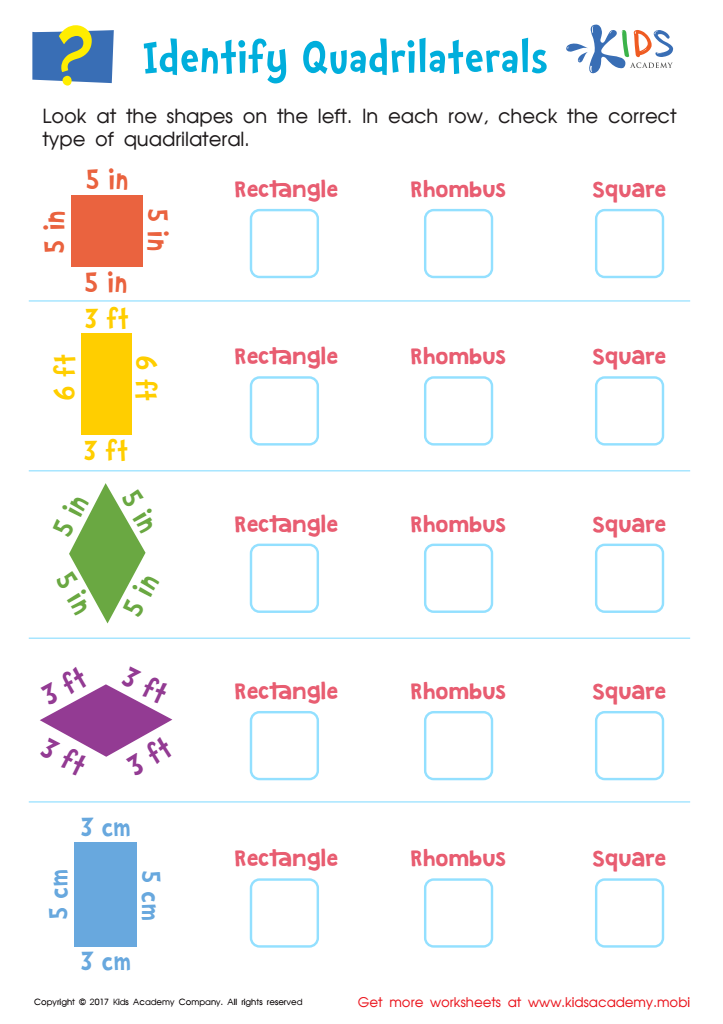
Identify Quadrilaterals Worksheet
 Assign to My Students
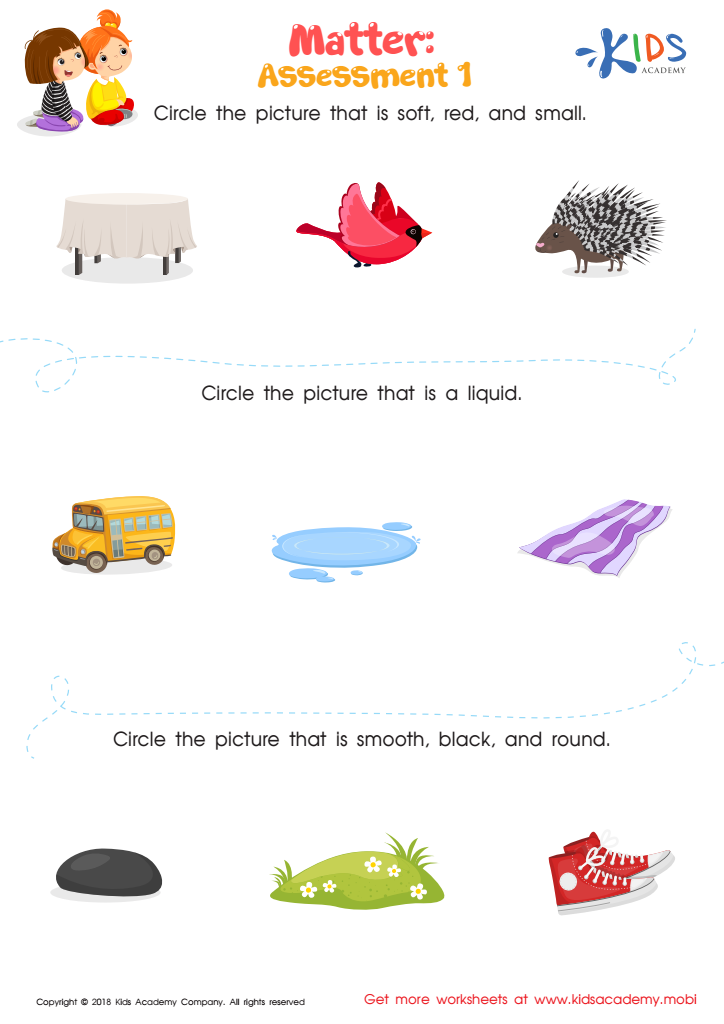
Matter: Assessment 1 Worksheet
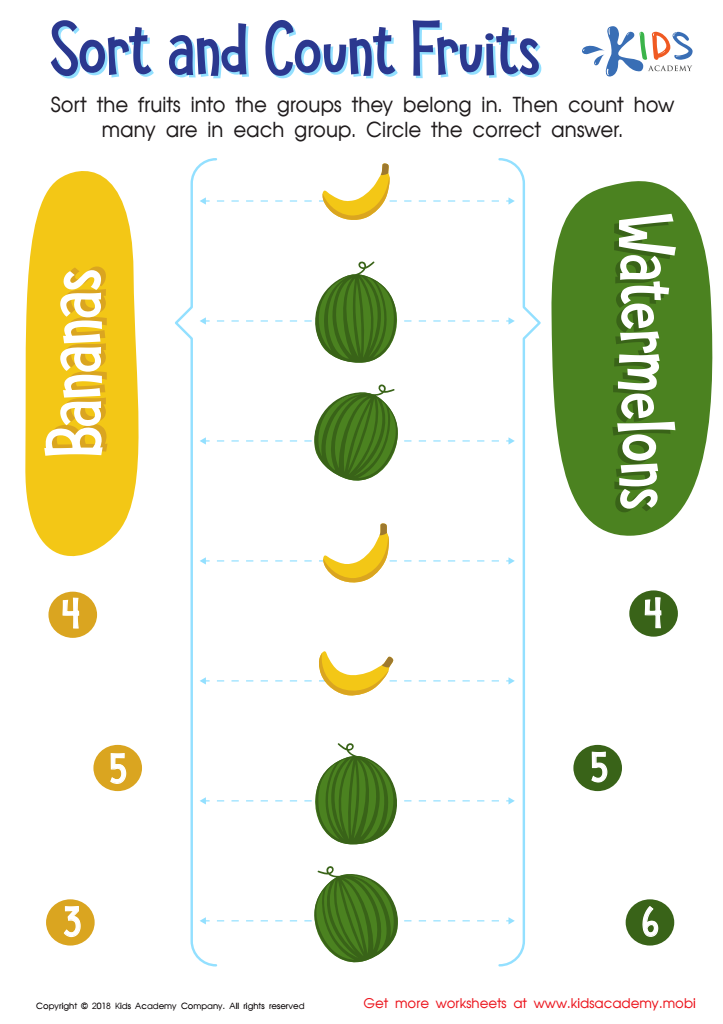
Sort and Count Fruits Worksheet
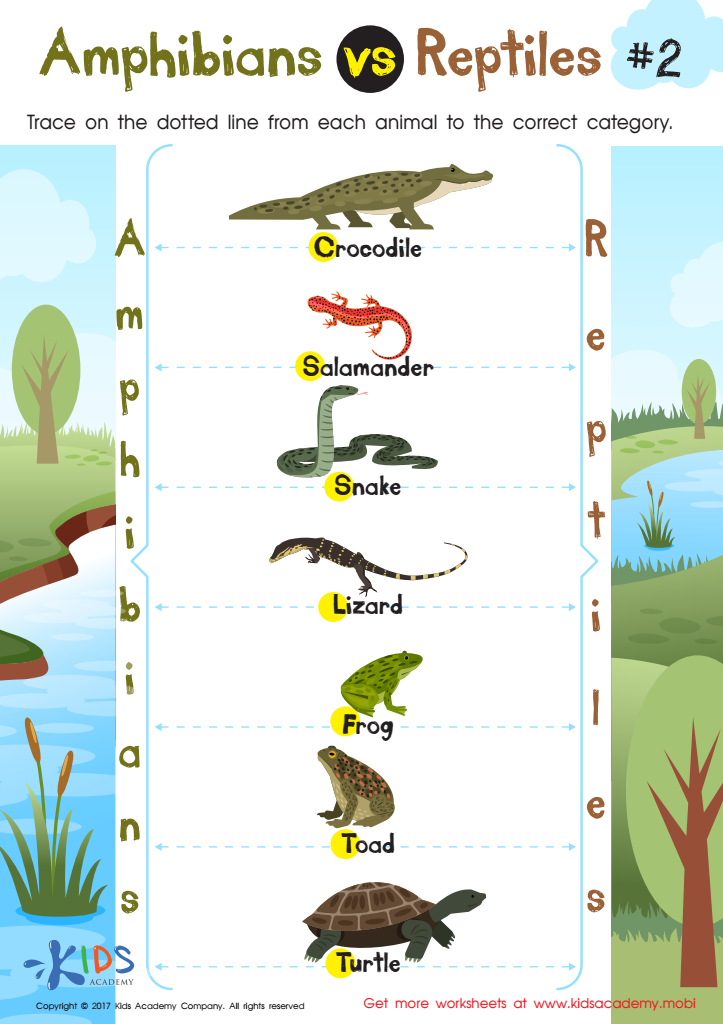
Amphibians vs Reptiles Worksheet for 3rd Grade
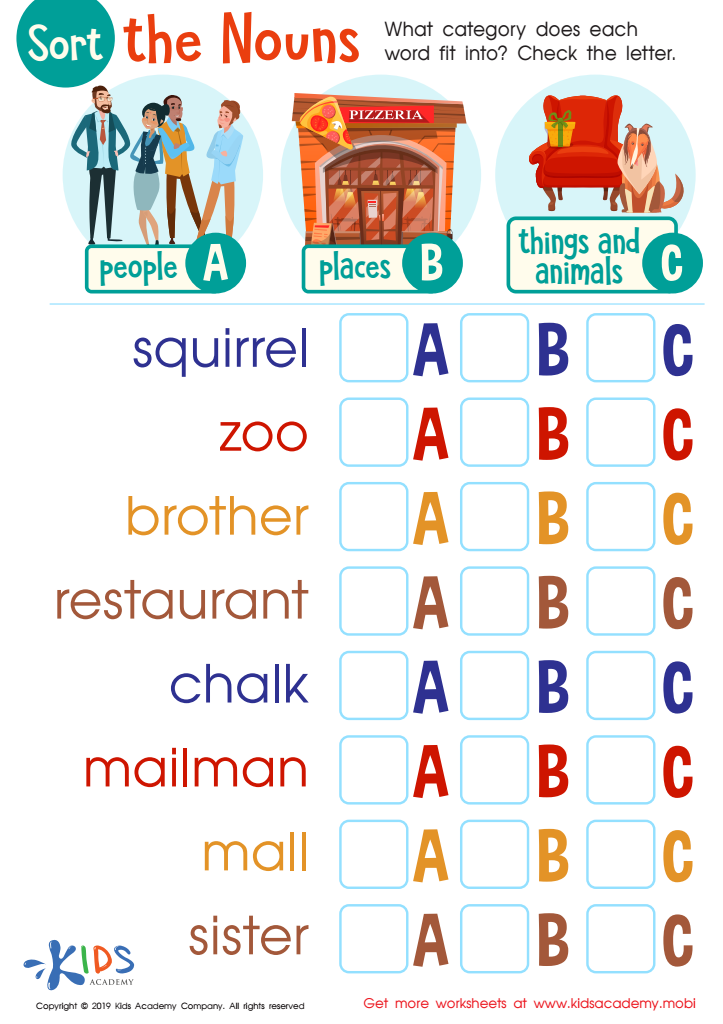
Sort the Nouns Worksheet
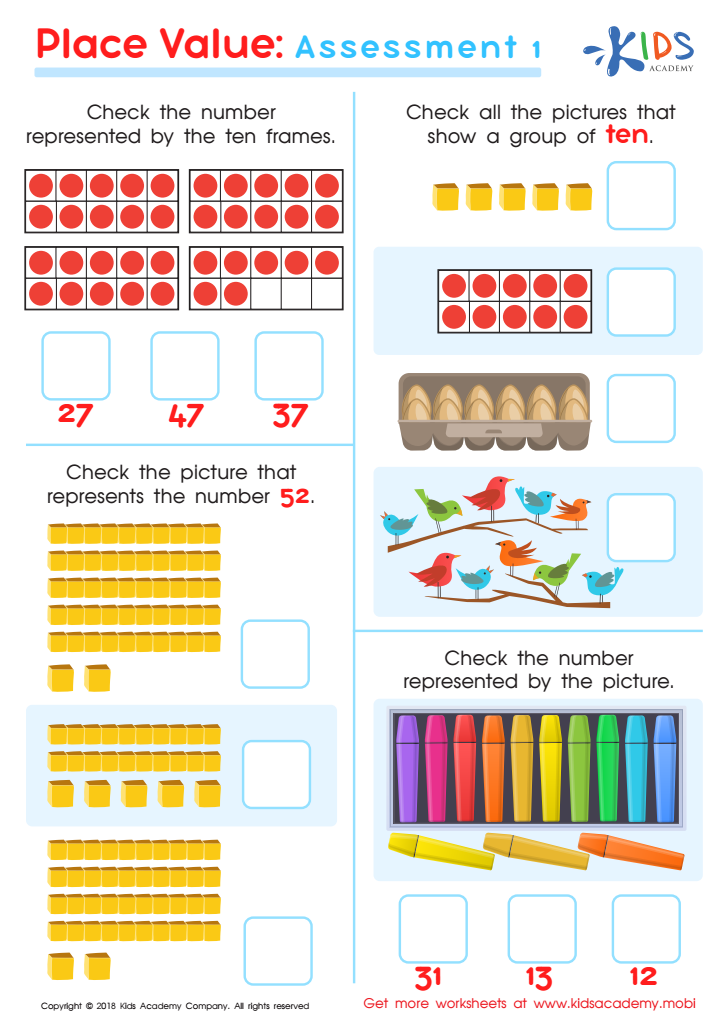
Place Value: Assessment 1 Worksheet
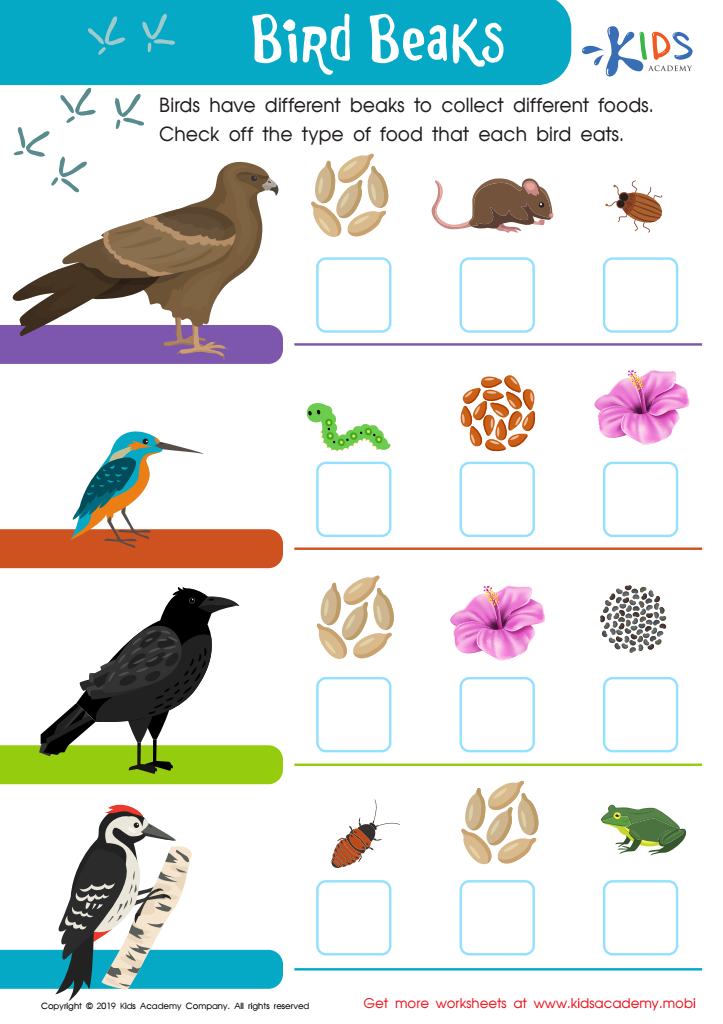
Bird Beaks Worksheet
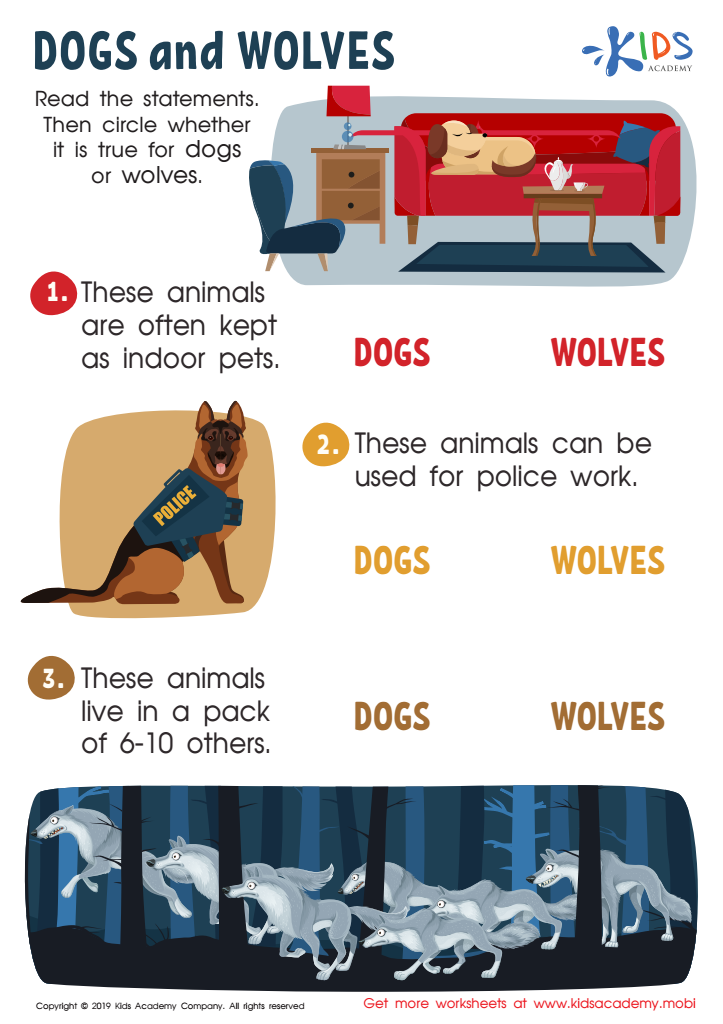
Dogs and Wolves Worksheet
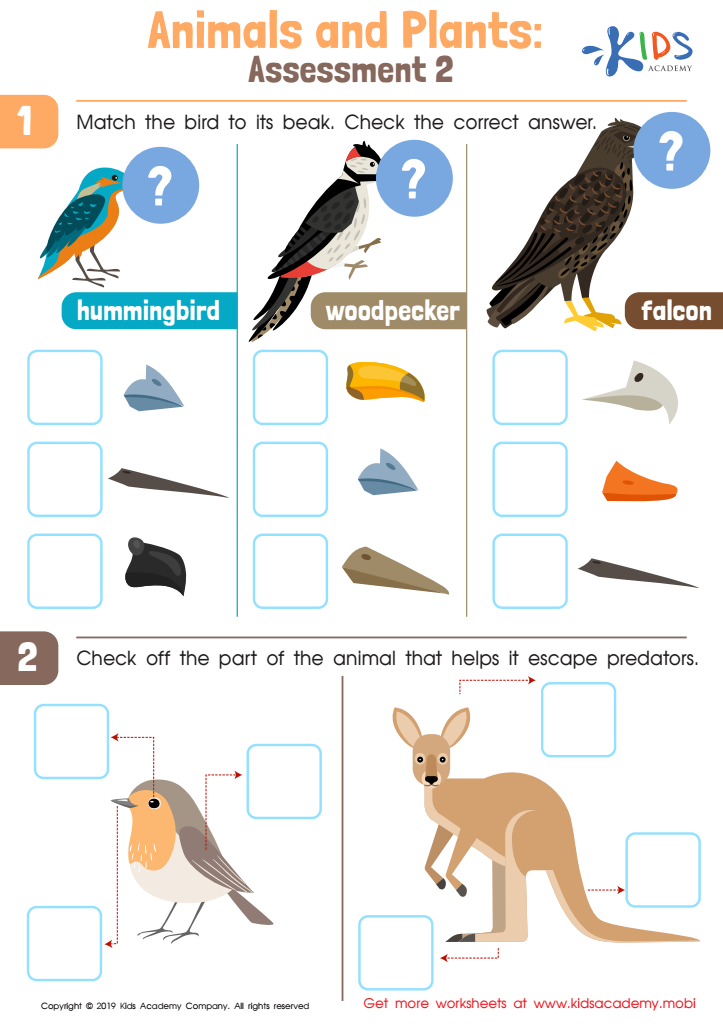
Animals and Plants: Assessment 2 Worksheet
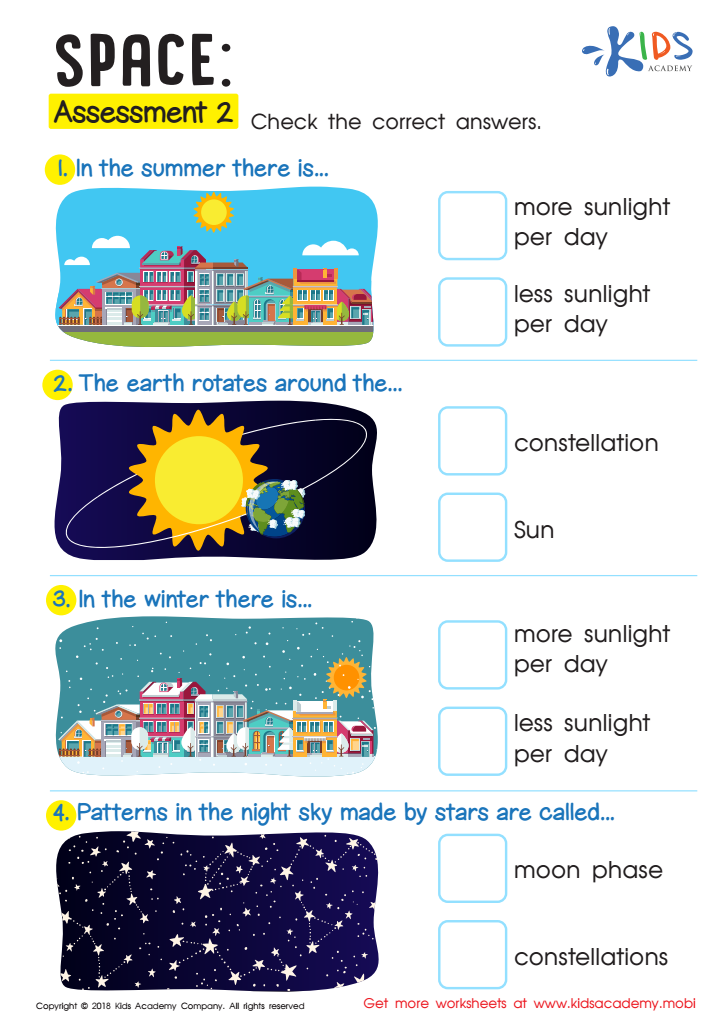
Space: Assessment 2 Worksheet
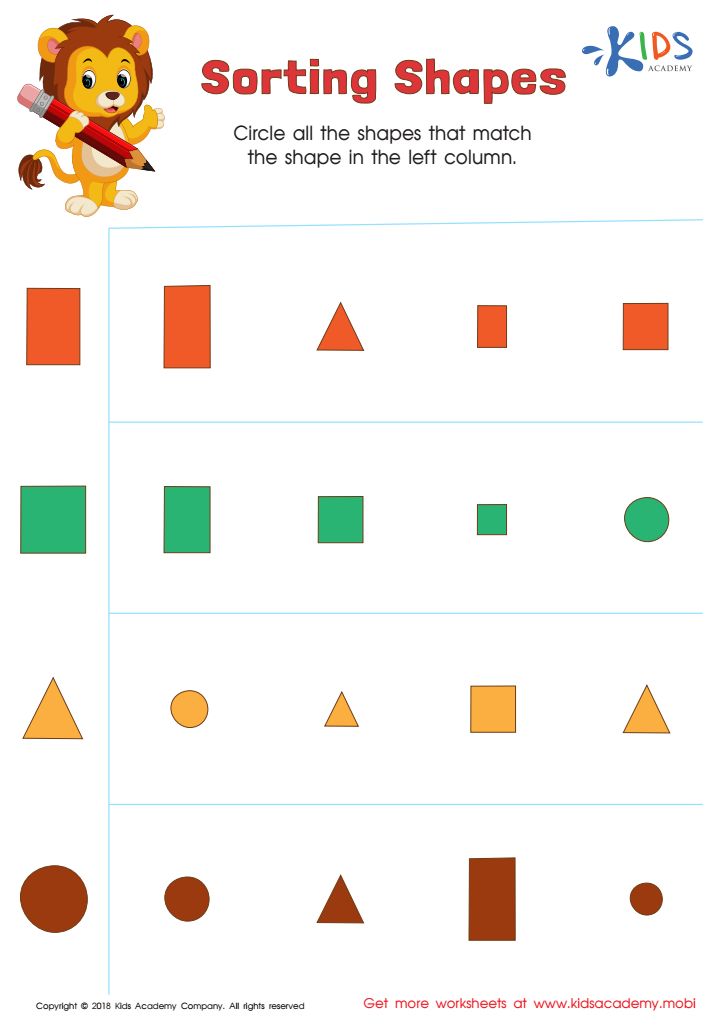
Sorting Shapes - Part 2 Worksheet








Classification skills refer to the ability to group objects, ideas, or information based on common characteristics and categories. These skills are fundamental cognitive tools that foster logical thinking, problem-solving, and comprehension in young children, paving the way for academic success and everyday functions.
For ages 3-8, developing classification skills has numerous benefits. It enhances children's understanding of the world around them, as they learn to identify and categorize objects by shape, size, color, and function. This promotes clearer, more organized thinking and aids in memory retention by linking related pieces of information.
In educational settings, strong classification skills contribute to mathematical reasoning, such as sorting or identifying patterns, and form the basis for scientific inquiry, where children learn to observe similarities and differences in their environment. It also facilitates language development, since categorizing words and concepts builds a stronger vocabulary and better communication abilities.
Moreover, these skills support the development of executive functions like attention, planning, and task management. When children practice grouping and organizing, they cultivate discipline and reduce chaos in their learning process.
Overall, parents and teachers should prioritize nurturing classification skills to set a foundation for successful, structured learning experiences and support the holistic cognitive development of children.








