Comparative analysis Worksheets for Ages 3-8
10 filtered results
-
From - To
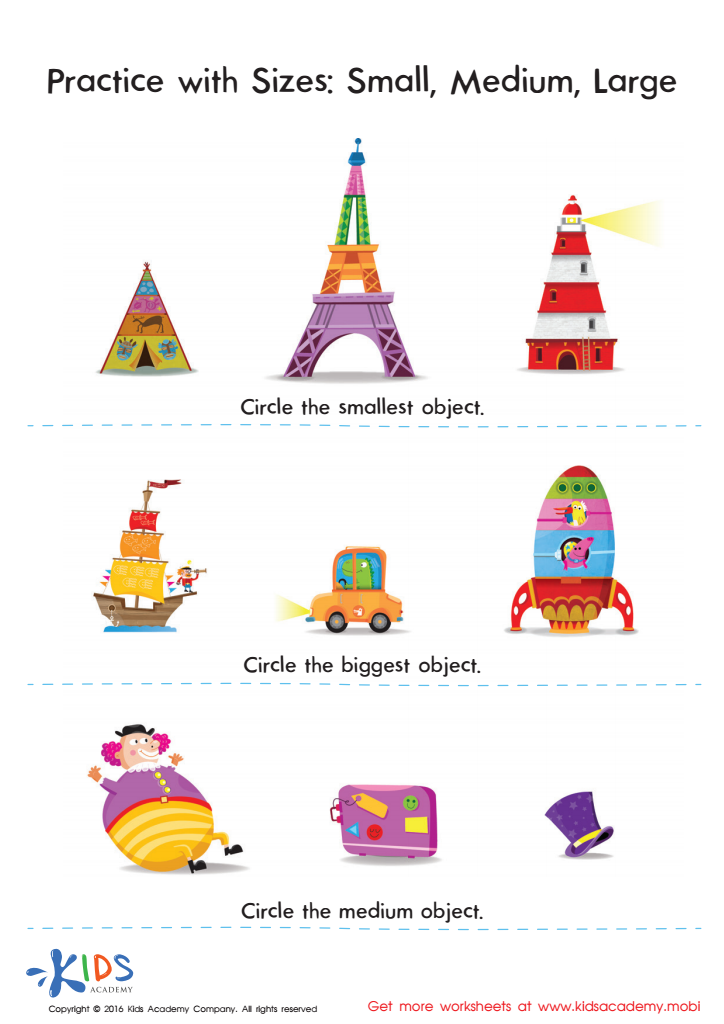
Discover our engaging Comparative Analysis Worksheets designed specifically for children aged 3 to 8. These worksheets encourage young learners to explore concepts of similarity and difference through fun activities tailored to their developmental stage. By comparing objects, animals, and situations, children enhance their critical thinking and reasoning skills while enjoying interactive learning experiences. Ideal for home or classroom use, these worksheets promote cognitive growth, vocabulary expansion, and creativity. Support your child's education with our thoughtfully crafted resources that make introducing comparative analysis both effective and enjoyable. Dive into a world of learning today and empower your child to think critically!
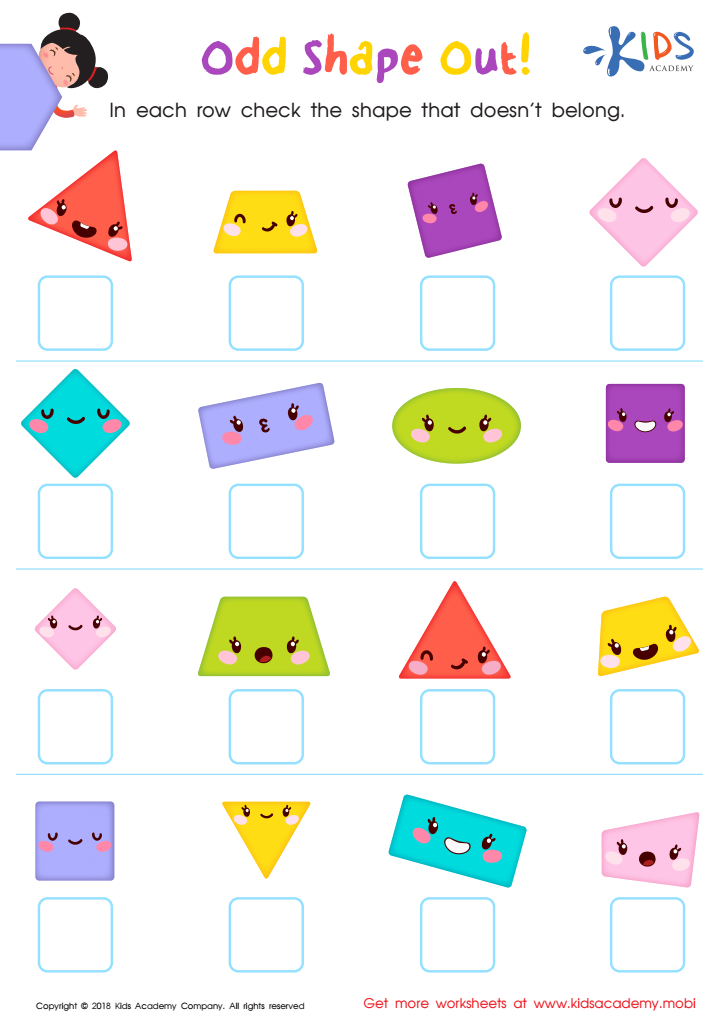
Odd Shape Out Worksheet for Grade 3
 Assign to My Students
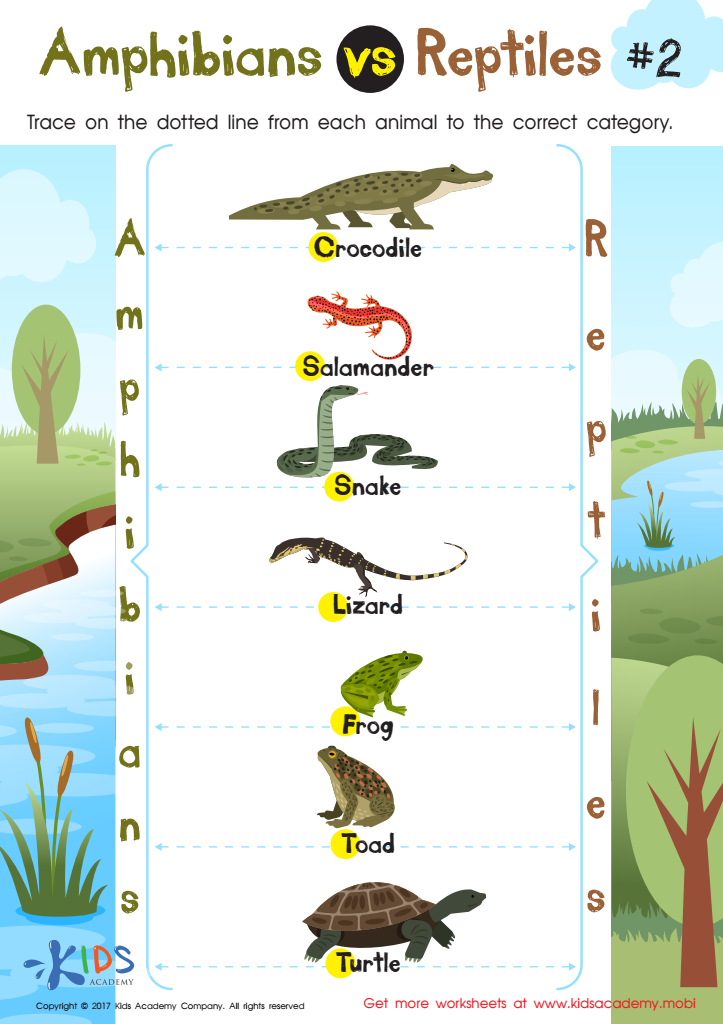
Amphibians vs Reptiles Worksheet for 3rd Grade
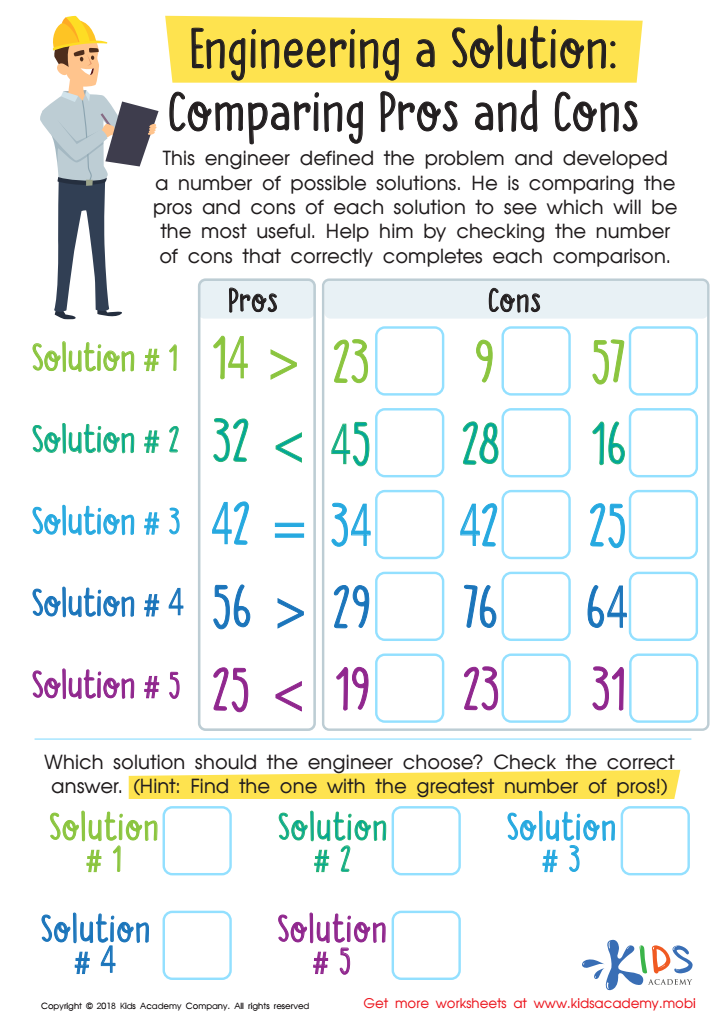
Engineering a Solution: Comparing Pros and Cons Worksheet
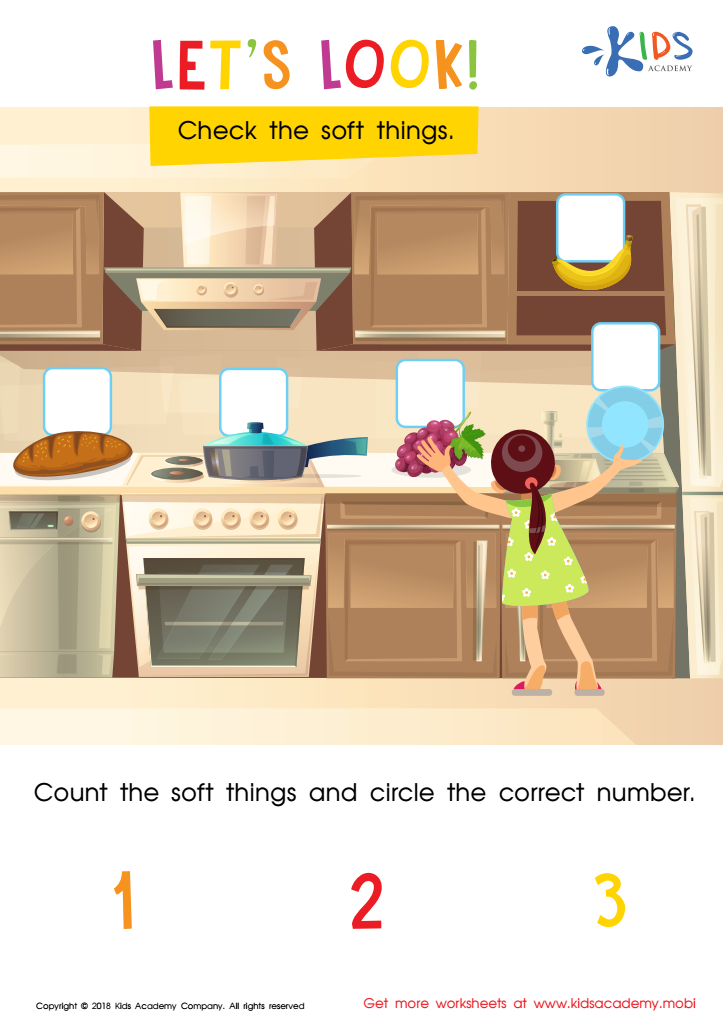
Let's Look! Assessment Worksheet
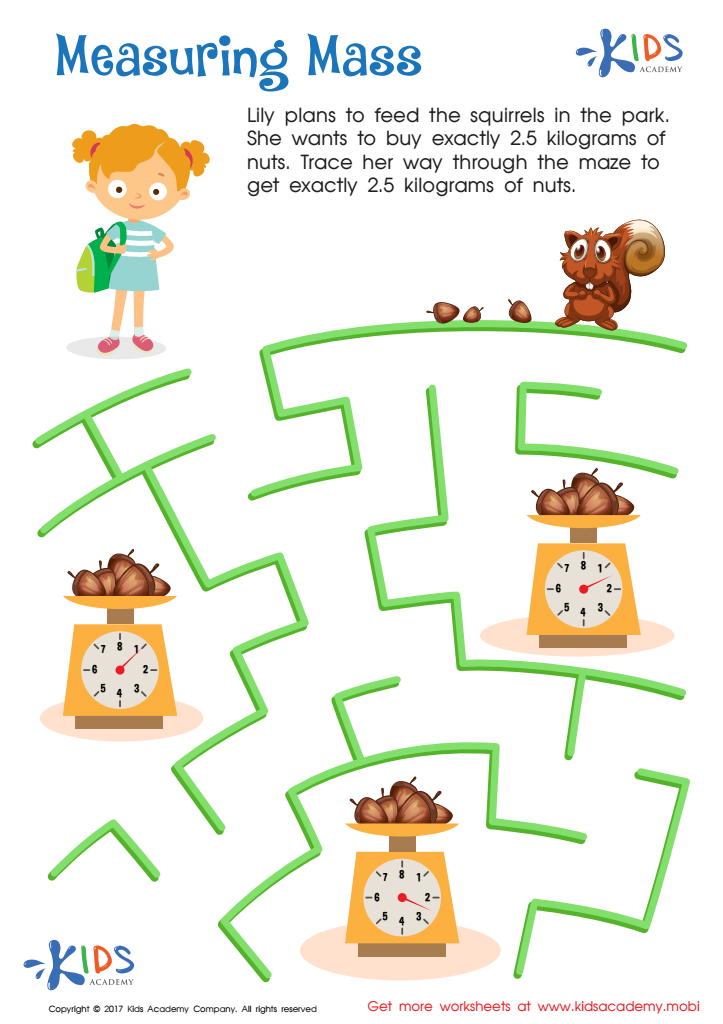
Measuring Mass Worksheet
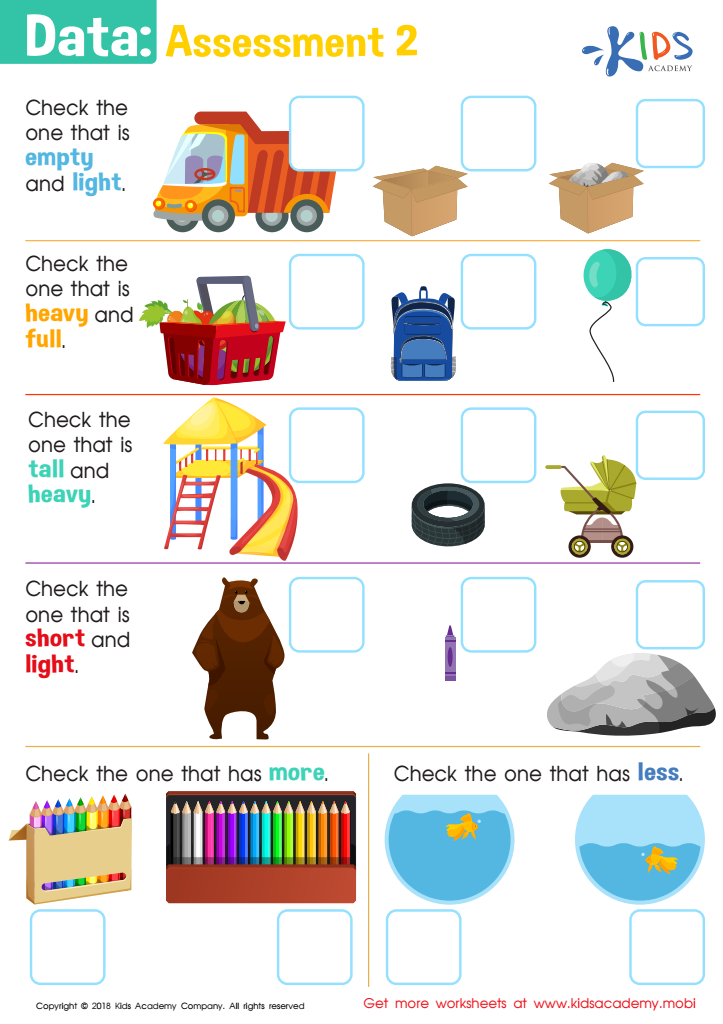
Data: Assessment 2 Worksheet
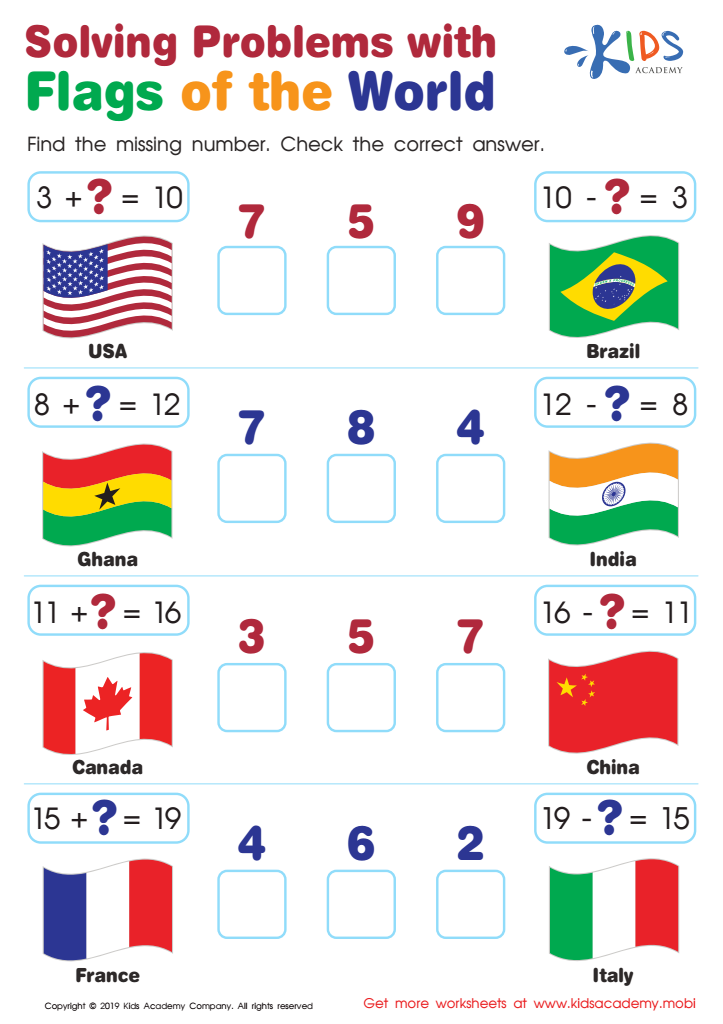
Solving Problems with Flags of the World Worksheet
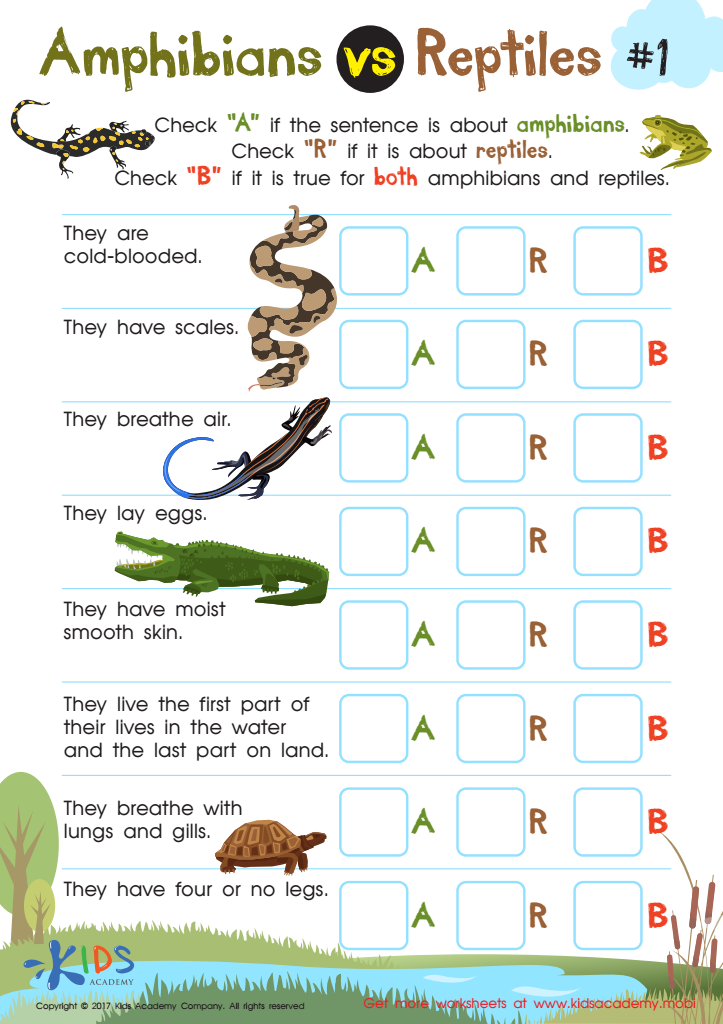
Amphibians vs Reptiles Worksheet







Comparative analysis for children aged 3-8 is crucial for parents and teachers as it allows them to gain insights into a child's development, learning styles, and educational needs. During these early years, children's cognitive, social, and emotional skills are rapidly evolving, making it essential to assess their progress relative to peers or established benchmarks.
By performing comparative analysis, educators can identify strengths and weaknesses, enabling personalized support tailored to each child's unique capabilities. This approach helps in spotting potential developmental delays, allowing for timely interventions that can set a positive trajectory for future learning. Understanding how children compare to their peers also fosters a more competitive yet cooperative learning environment, motivating them to progress.
Moreover, this analysis assists in monitoring the effectiveness of teaching methods and curriculum choices. Teachers can refine their strategies based on best practices observed in similar age groups, ensuring a more effective educational experience. Ultimately, comparative analysis empowers parents and teachers to be proactive in nurturing young learners, ensuring they thrive emotionally, socially, and academically in these formative years. By doing so, educators and caregivers create a strong foundation for lifelong learning and development.








