Contextual understanding Worksheets for Ages 3-8
16 filtered results
-
From - To
Unlock your child's potential with our engaging Contextual Understanding Worksheets designed for ages 3-8! These worksheets are crafted to enhance comprehension skills by providing relatable scenarios that challenge young learners to think critically about context. Through fun and interactive activities, children will learn to interpret clues and make connections within narratives and situations. Our curriculum-aligned resources promote language development while fostering creativity and problem-solving abilities. Perfect for teachers and parents, these worksheets offer an enjoyable way to build essential skills that lay the foundation for academic success. Explore our collection and watch your child's understanding flourish!
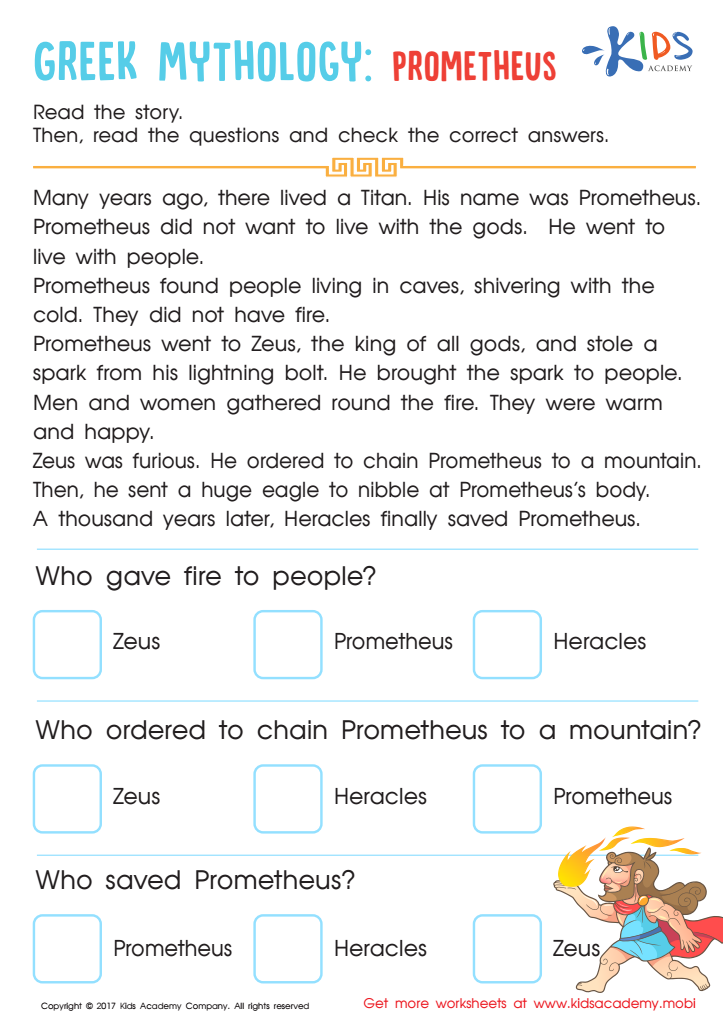
Prometheus Story Worksheet
 Assign to My Students
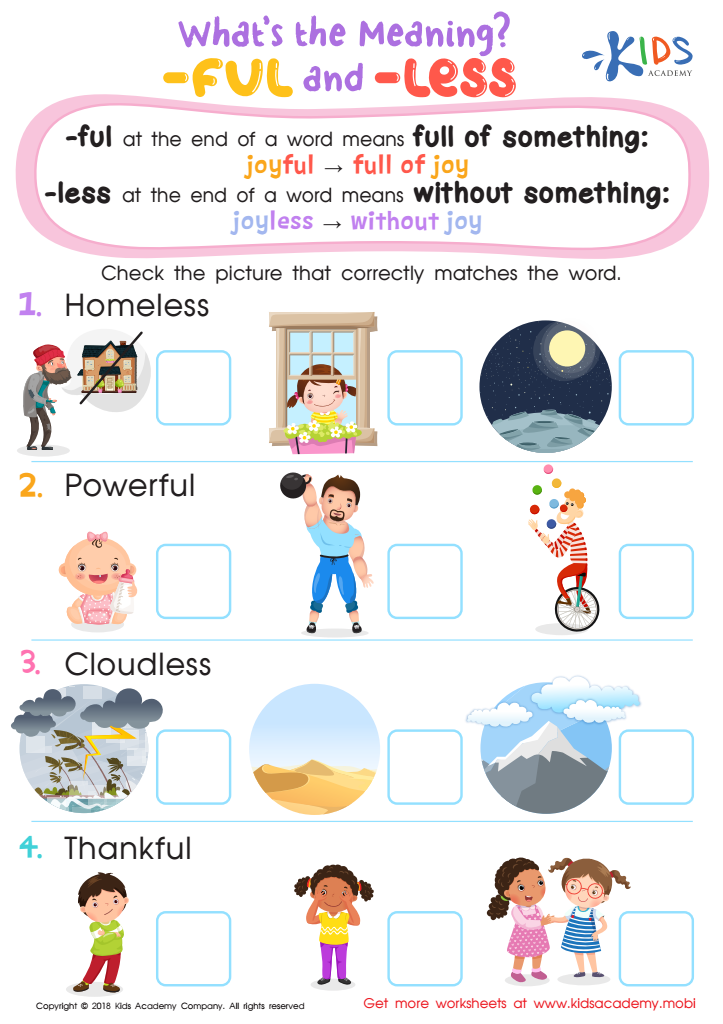
What's the Meaning? Worksheet
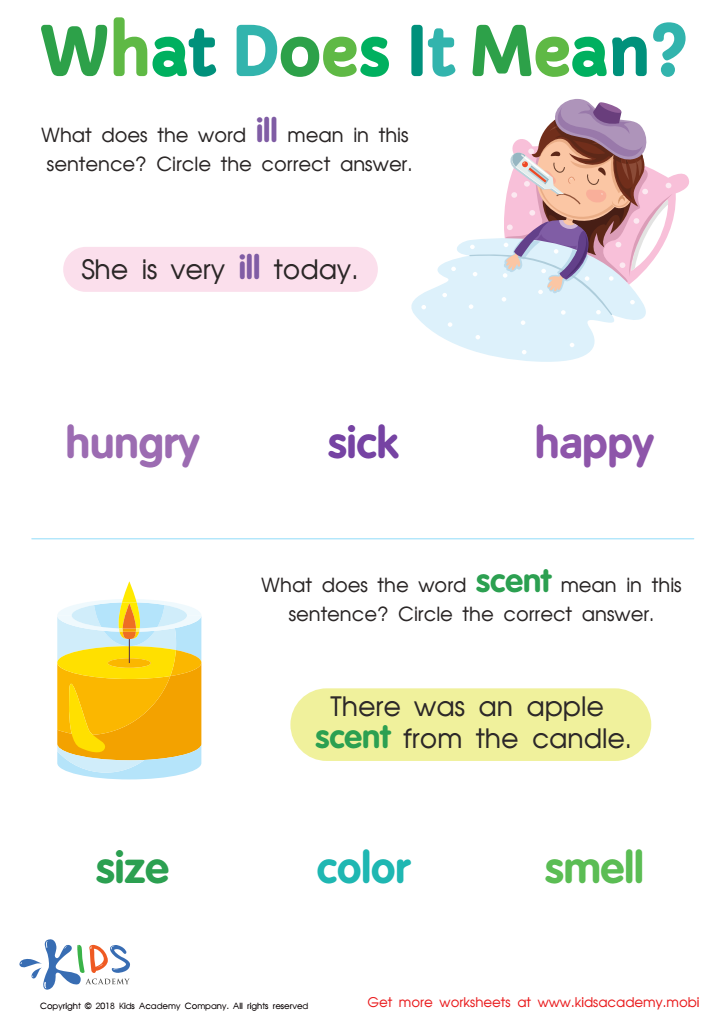
What Does It Mean? Worksheet
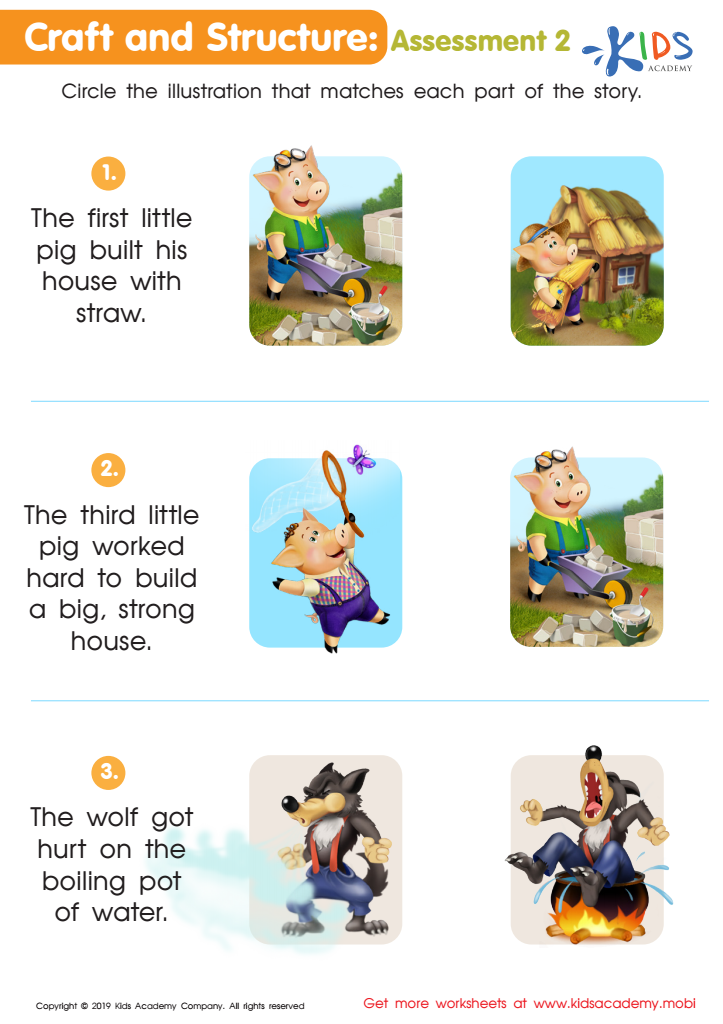
Craft and Structure: Assessment 2 Worksheet 2
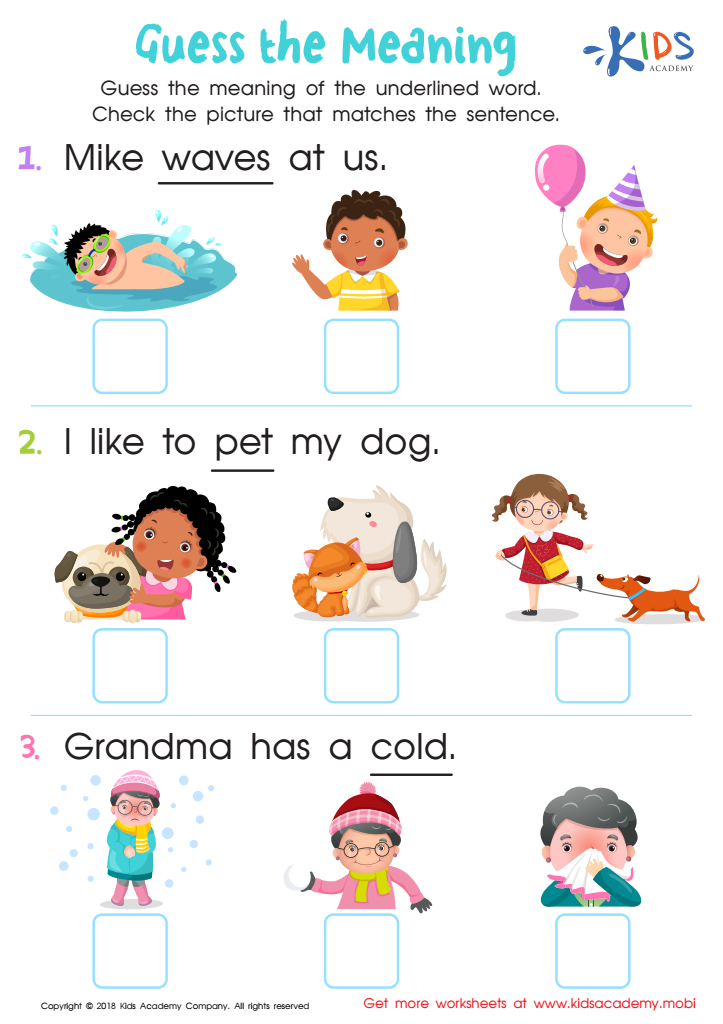
Guess the Meaning Worksheet
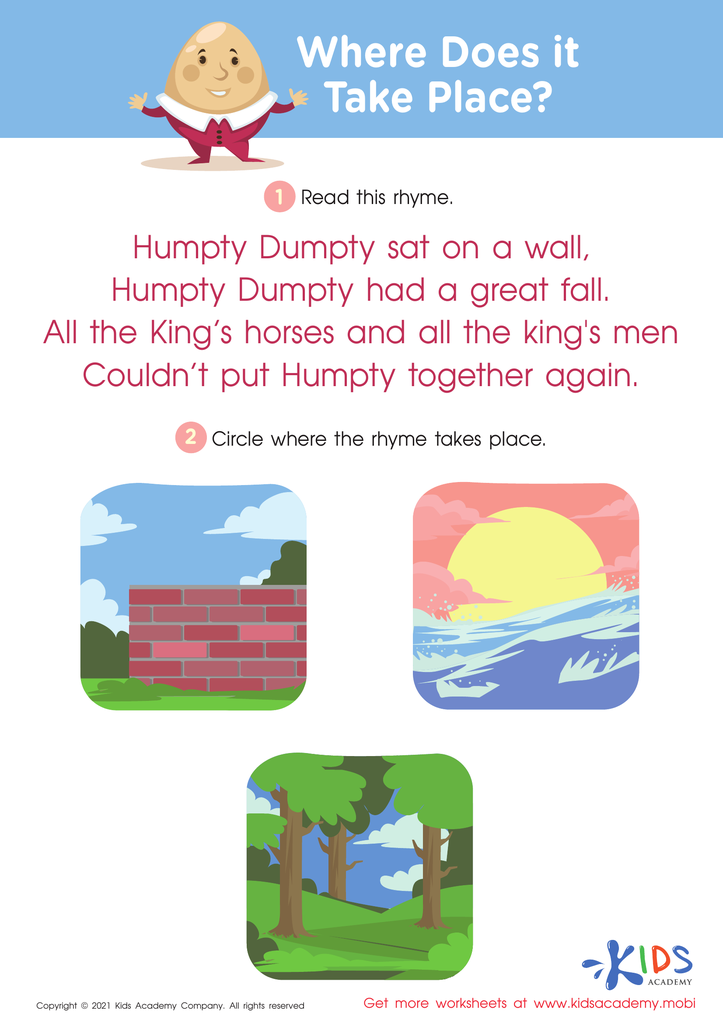
Where Does It Take Place? Worksheet
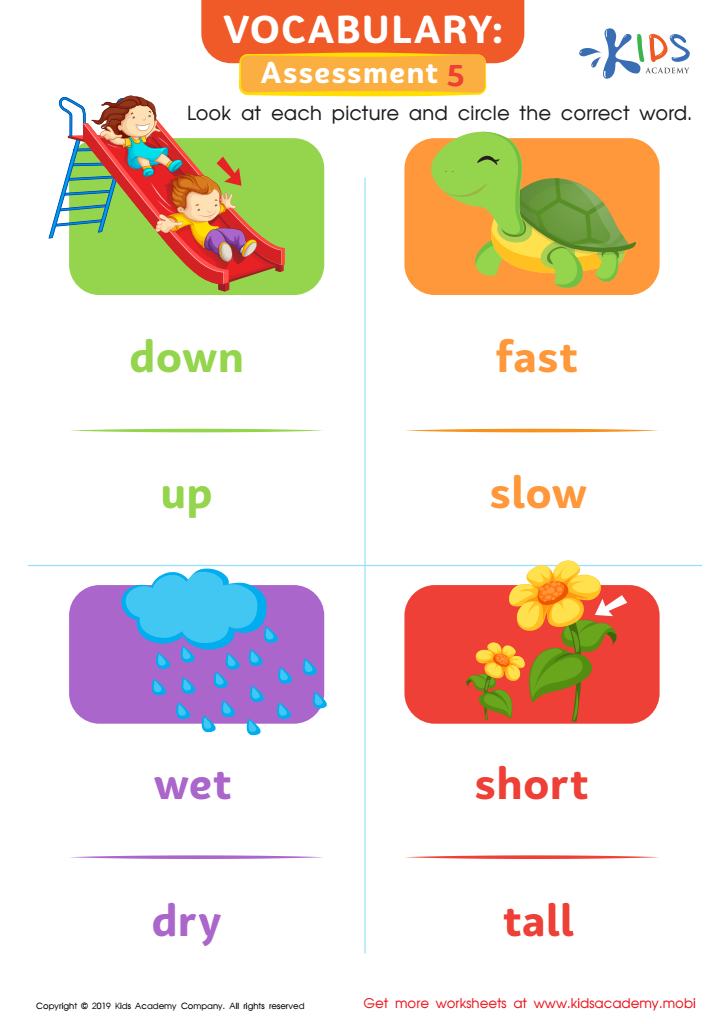
Vocabulary: Assessment 5 Worksheet
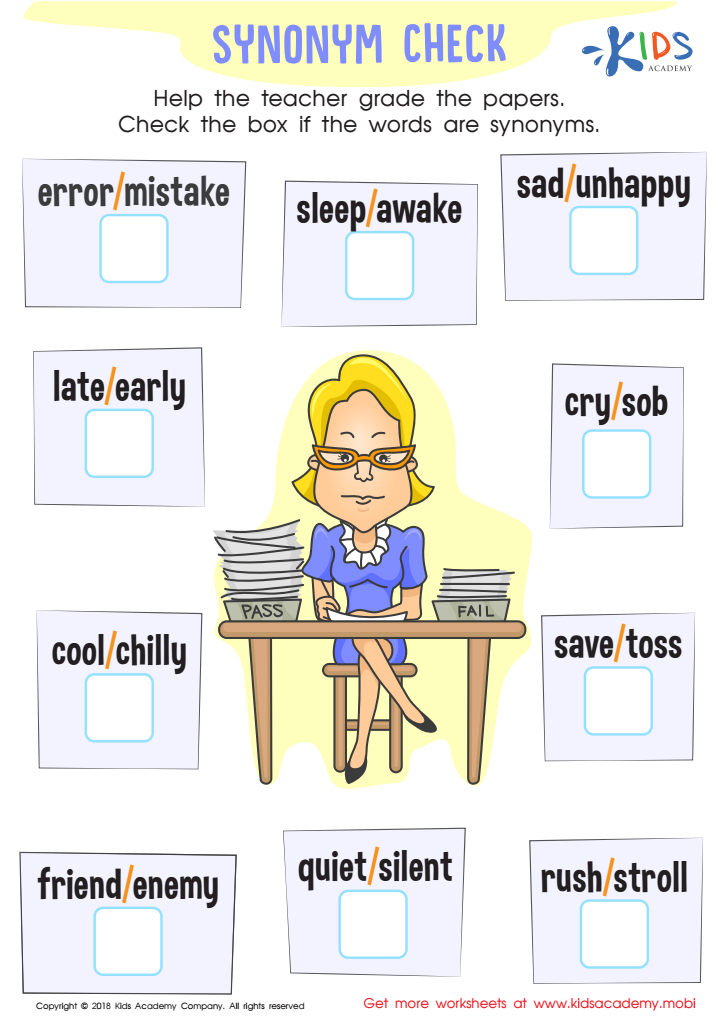
Synonym Check Worksheet
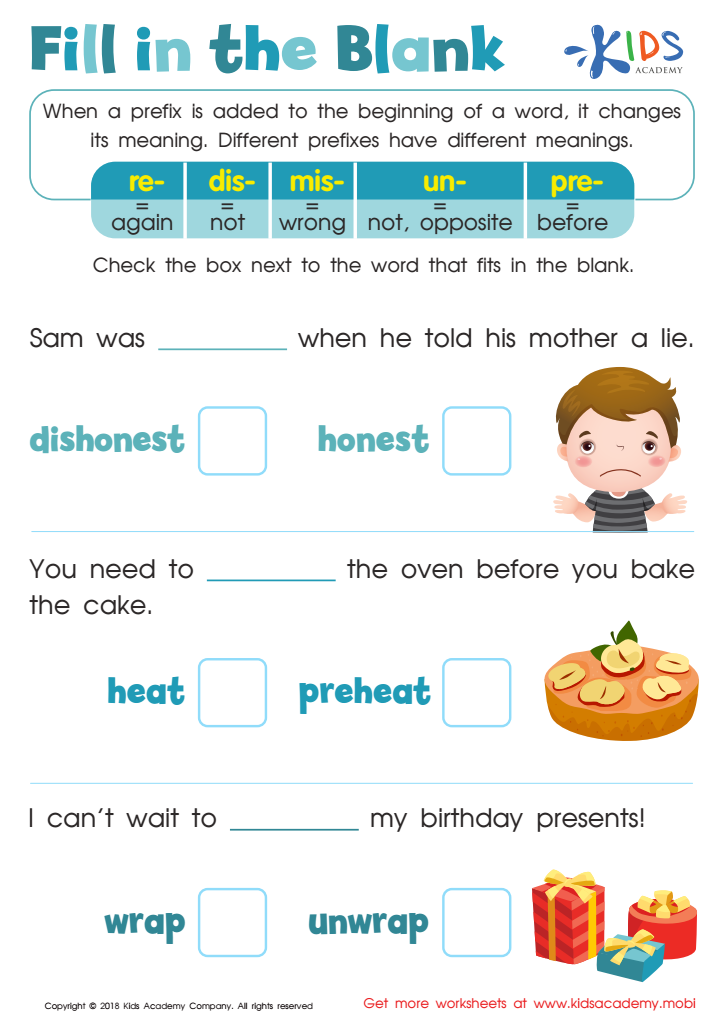
Reading: Fill in the Blank Worksheet
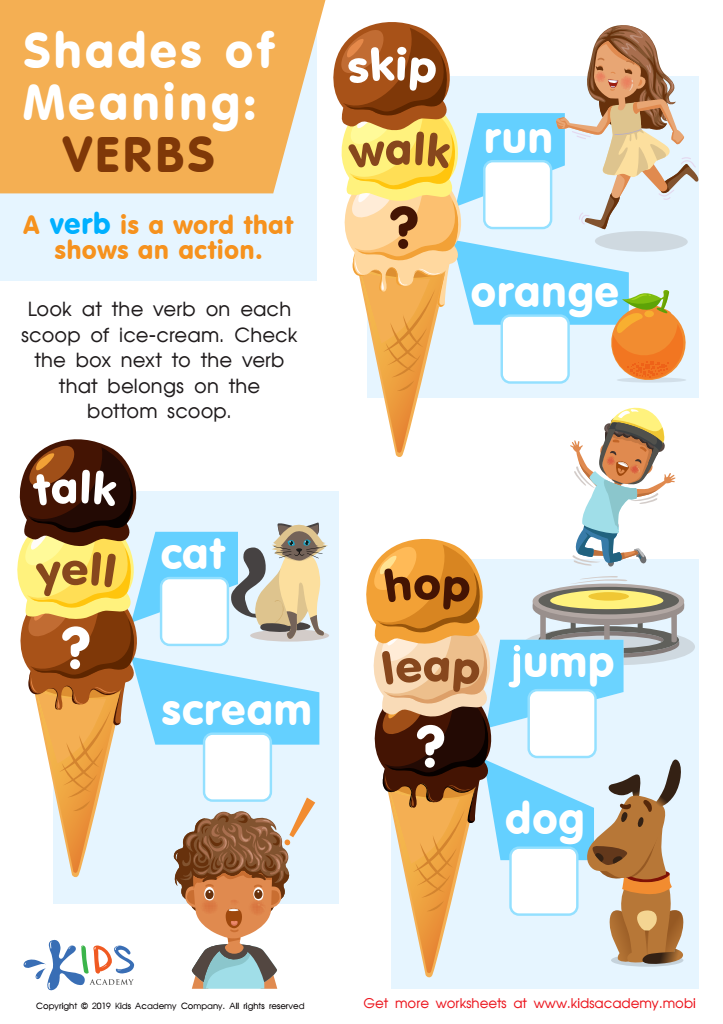
Shades of Meaning: Verbs Worksheet
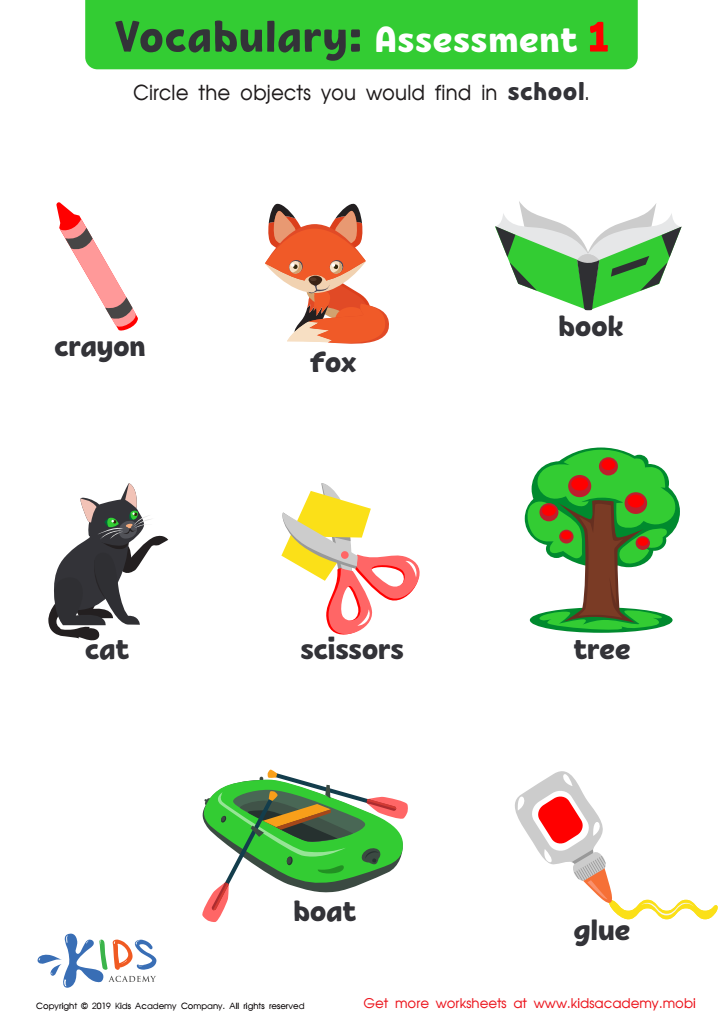
Vocabulary: Assessment 1 Worksheet
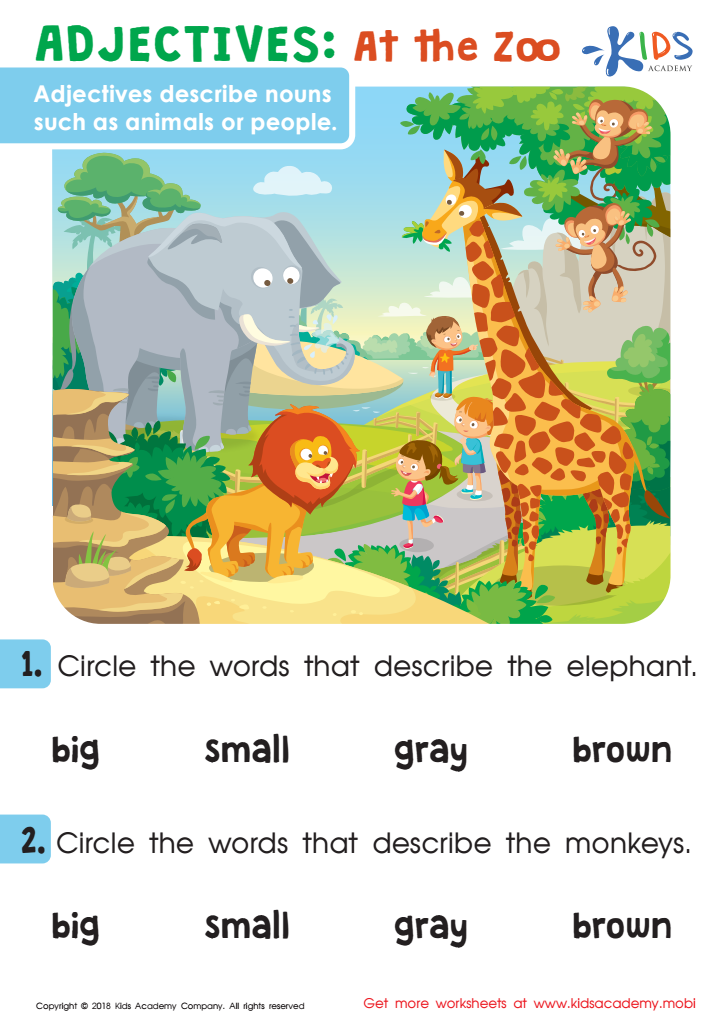
Adjectives: At The Zoo Worksheet
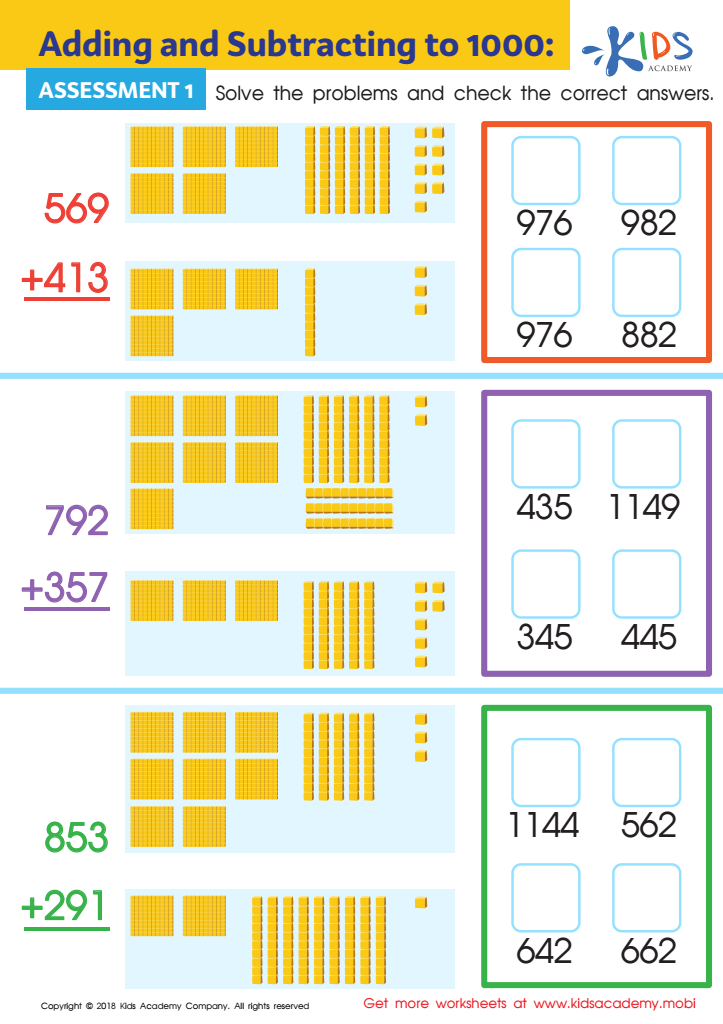
Adding and Subtracting to 1 Worksheet: Assessment 1
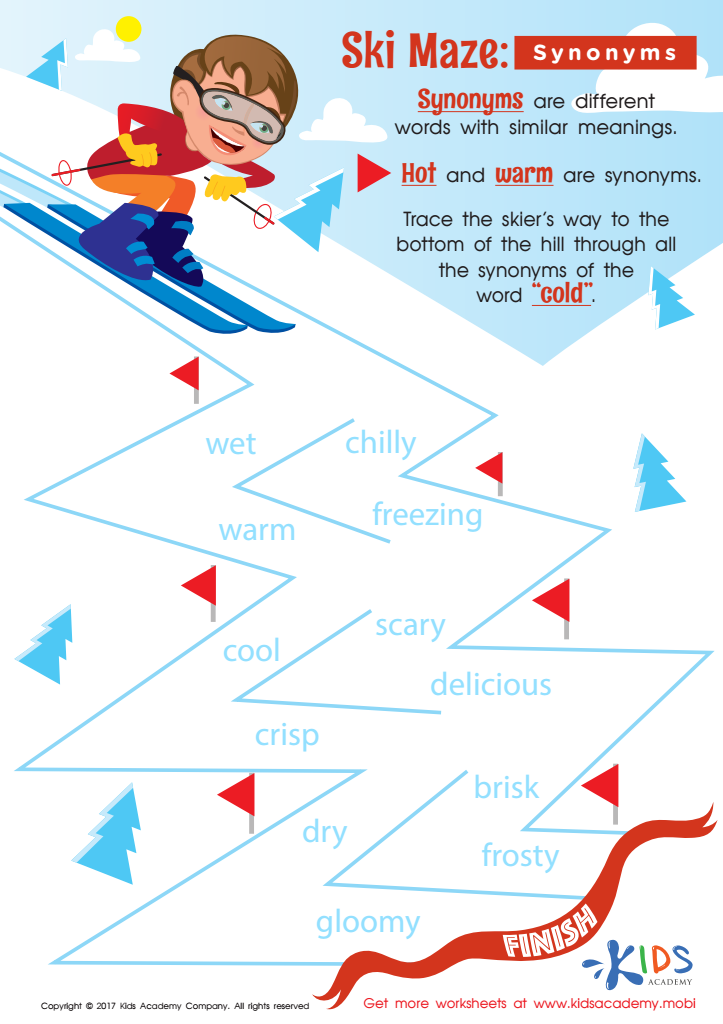
Free Printable Synonym Worksheet
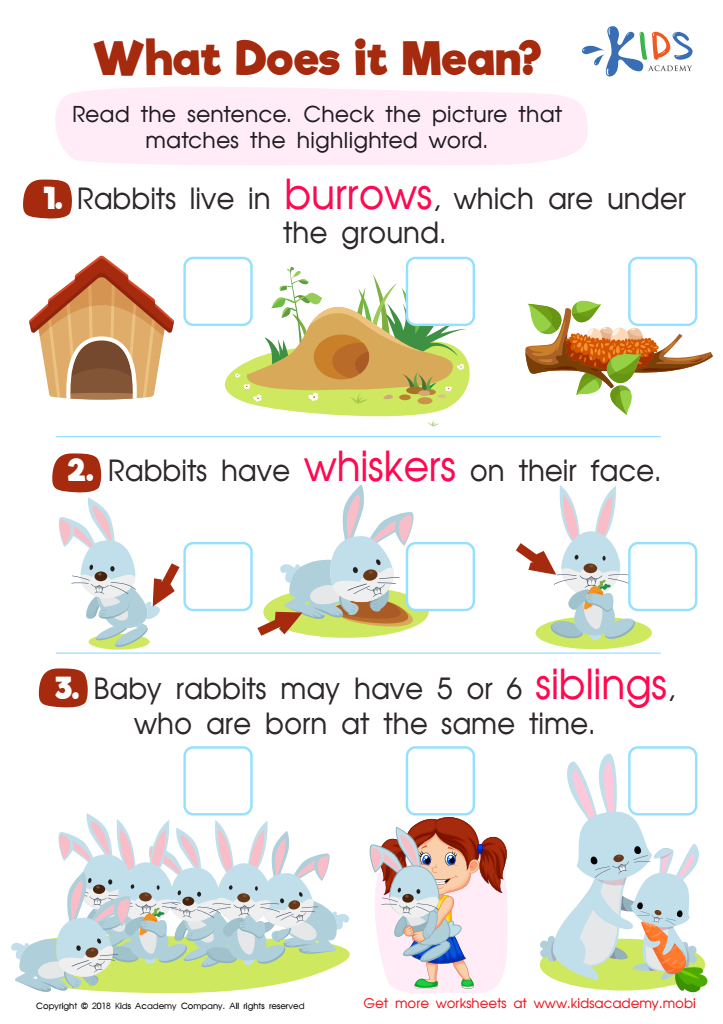
What Does It Mean? Worksheet
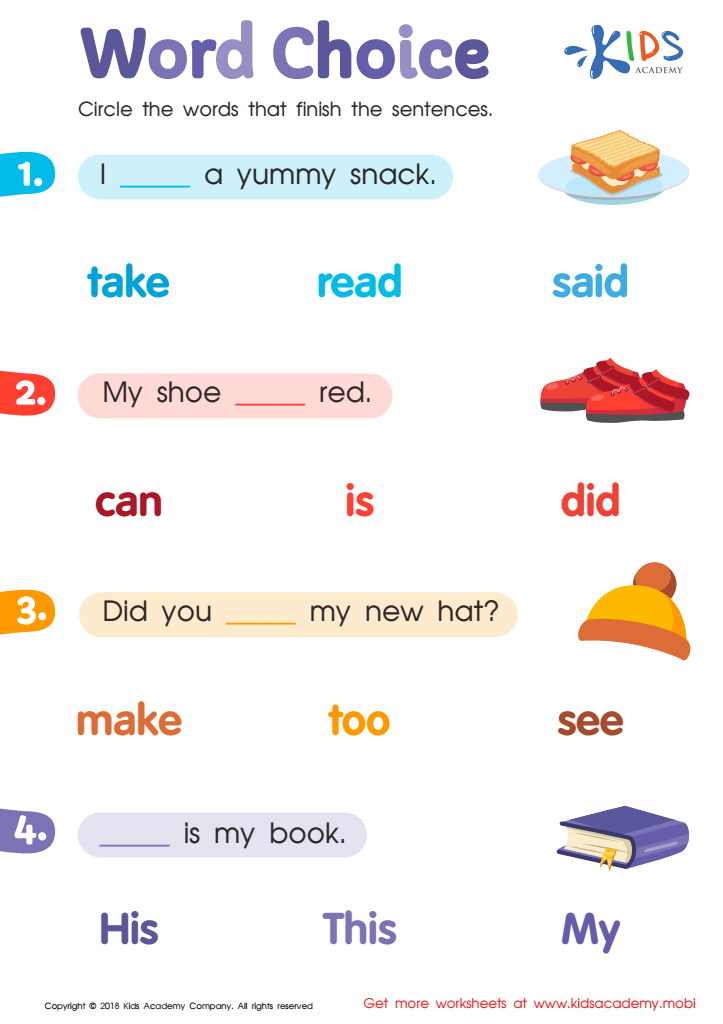
Word Choice Worksheet






Contextual understanding refers to the ability to comprehend information within its surrounding circumstances, such as situational, cultural, and experiential factors. For children aged 3-8, this skill is pivotal because it significantly impacts their language development, social skills, and critical thinking. Parents and teachers should care about this aspect for several reasons.
Firstly, early literacy skills thrive in an environment that fosters meaningful contexts. When children relate stories and concepts to their own lives or cultural backgrounds, they develop a deeper understanding and retention of information. This connection aids in vocabulary acquisition and encourages a love for reading.
Moreover, contextual understanding enhances social interactions. Children who grasp social cues and their environments are better equipped to navigate relationships with peers and adults, promoting empathy and teamwork.
Lastly, nurturing contextual understanding lays the foundation for higher-order thinking. As children analyze situations and problems in various contexts, they enhance their ability to evaluate, interpret, and create solutions. This skill is critical in a rapidly changing world, preparing them for lifelong learning.
In summary, fostering contextual understanding in young children helps cultivate thoughtful, engaged, and socially adept individuals, making it an essential focus for parents and educators alike.








