Decision making practice Worksheets for Ages 3-8
5 filtered results
-
From - To
Introduce essential decision-making skills to children ages 3-8 with our engaging and fun worksheets! Designed to foster critical thinking and problem-solving abilities, these interactive activities encourage young learners to navigate simple scenarios, make choices, and understand the consequences of their decisions. With visually appealing illustrations, our worksheets stimulate creativity while teaching valuable lessons in decision-making. Ideal for use in the classroom or at home, these resources help build confidence and independence in children. Explore our collection today and empower your little ones to make smart choices in a supportive learning environment! Perfect for early grade teachers and parents alike!
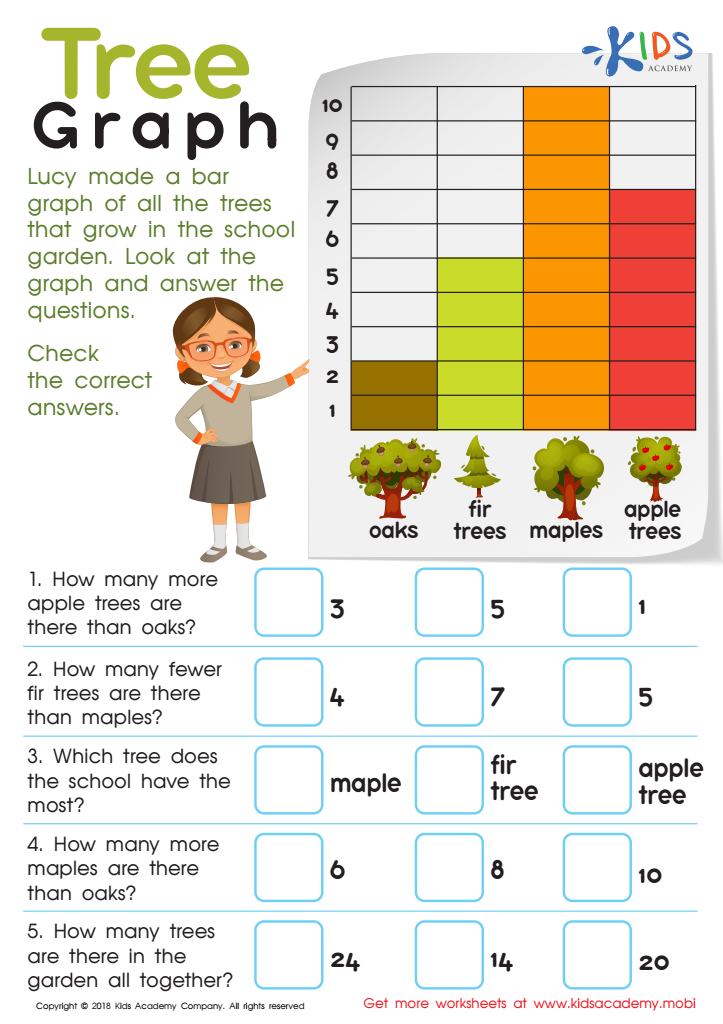
Tree Graph Worksheet
 Assign to My Students

Spaceship Maze: Galaxies Worksheet
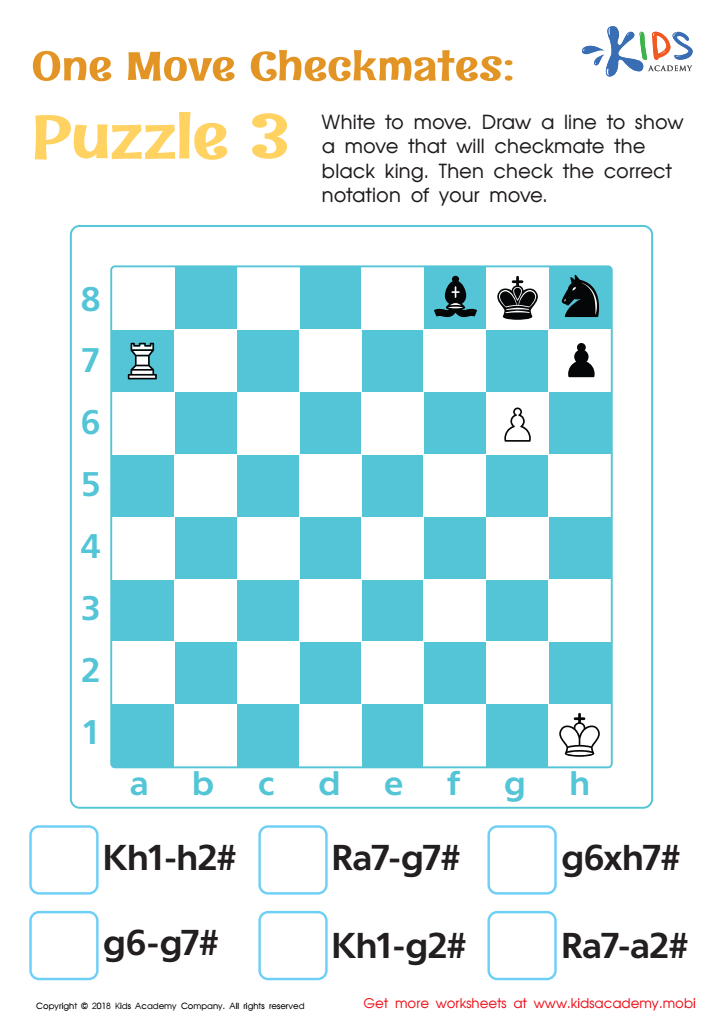
One Move Checkmates: Puzzle 3 Worksheet

En Passant Bingo Worksheet
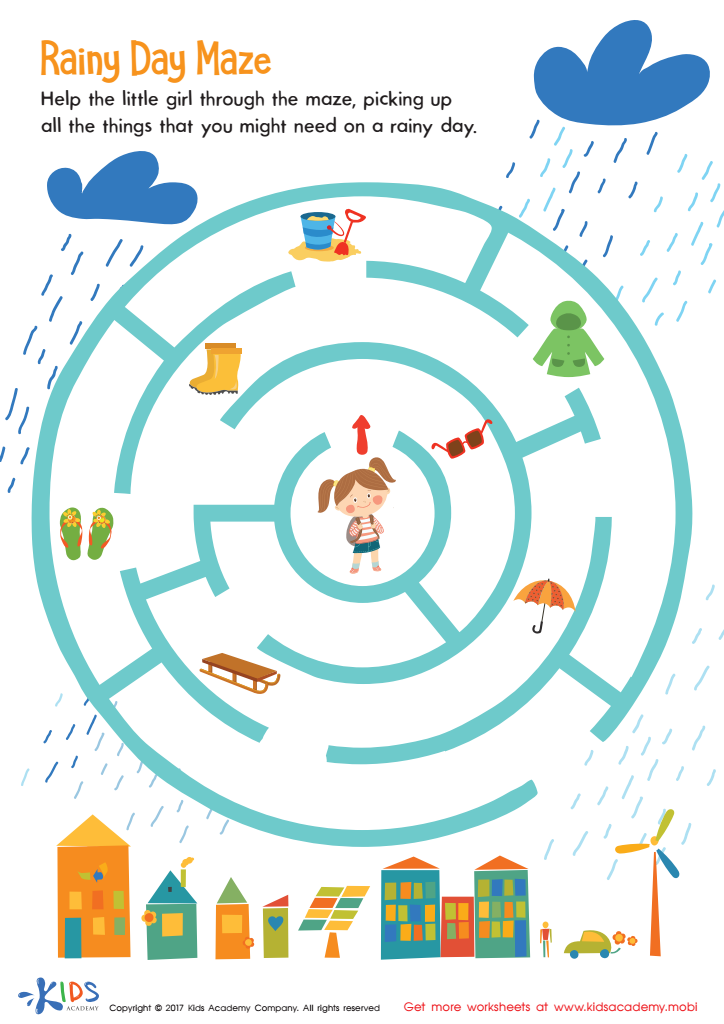
Rainy Day Maze Worksheet








Decision-making practices for children aged 3-8 are crucial as they lay the foundation for critical thinking, problem-solving, and independence. At this developmental stage, children are naturally curious and eager to explore their environments, making it an ideal period for learning how to make choices. Engaging children in decision-making helps them learn the consequences of their actions, enhancing their ability to weigh options and think critically about outcomes. This skill also fosters a sense of ownership over their choices, boosting their confidence and self-esteem.
Incorporating decision-making practices can be as simple as allowing children to choose between activities, toys, or snacks, gradually introducing them to more complex choices as they grow. When parents and teachers encourage this practice, they promote better emotional regulation as children learn to consider their feelings and those of others in decision-making scenarios.
Moreover, fostering these skills early prepares children for future academic and social contexts, encouraging responsible and ethical choices in everyday life. By prioritizing decision-making practices, parents and teachers play a significant role in developing thoughtful, resilient, and independent individuals who are better equipped to navigate their world. Thus, investing time in nurturing these skills can lead to meaningful long-term benefits for children.








