Enhancing vocabulary Worksheets for Ages 3-8
21 filtered results
-
From - To
Unlock the power of words with our engaging vocabulary worksheets tailored for children aged 3-8. These expertly designed activities stimulate young minds, boost language skills, and foster a love for learning. From colorful flashcards and word matching games to creative exercises, our worksheets make expanding vocabulary fun and interactive. Ideal for enhancing reading, writing, and communication, these resources cater to various learning styles, ensuring every child can progress confidently. Perfect for parents, teachers, and homeschoolers, our worksheets are a valuable tool in helping children achieve linguistic success while enjoying the process of discovery. Start enhancing young vocabularies today!
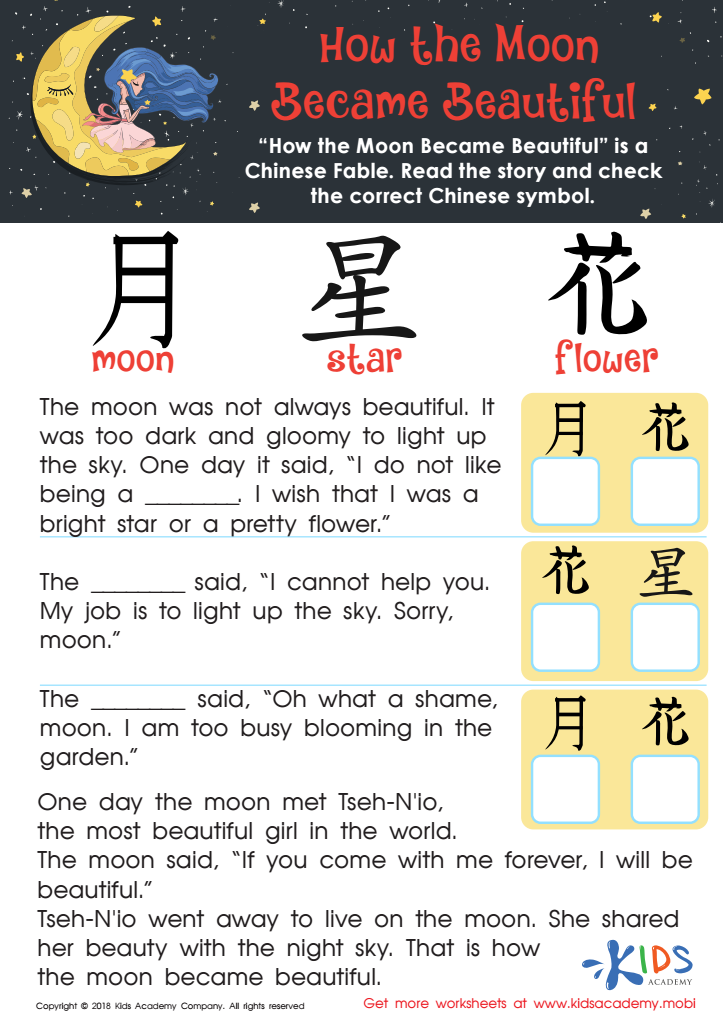
How the Moon Became Beautiful Worksheet
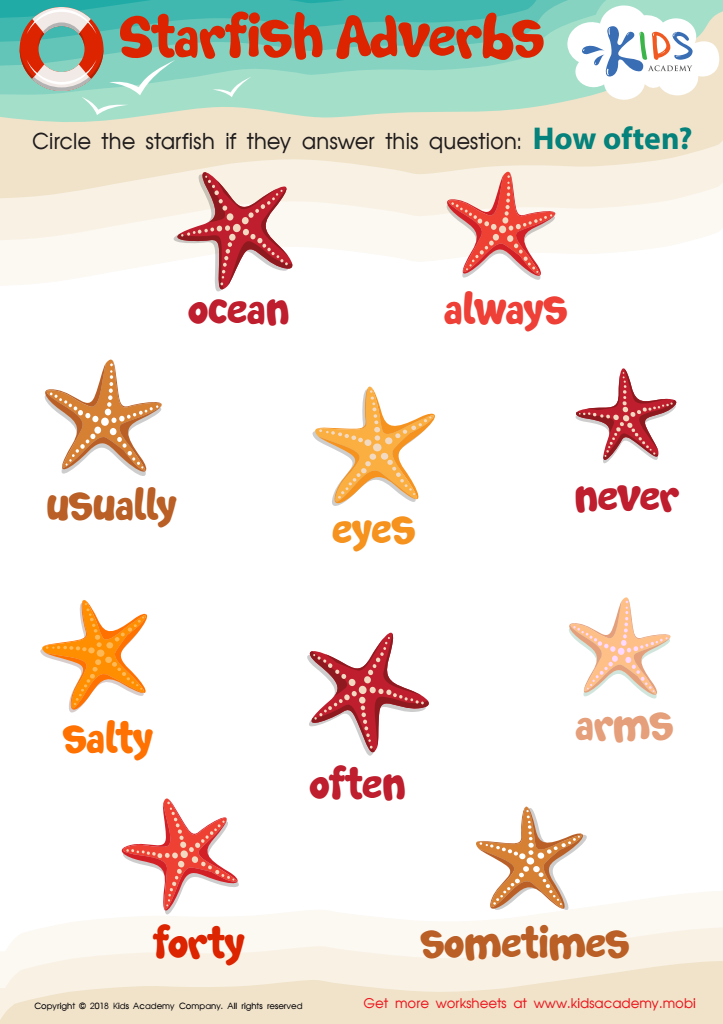
Starfish Adverbs Worksheet
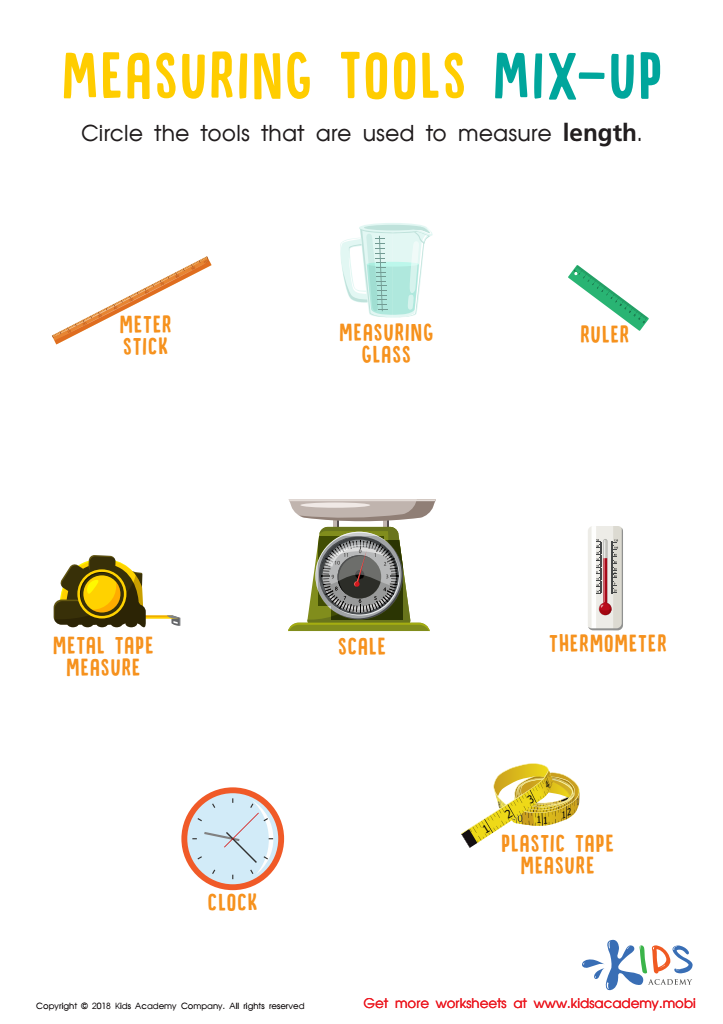
Measuring Tools Mix–up Worksheet
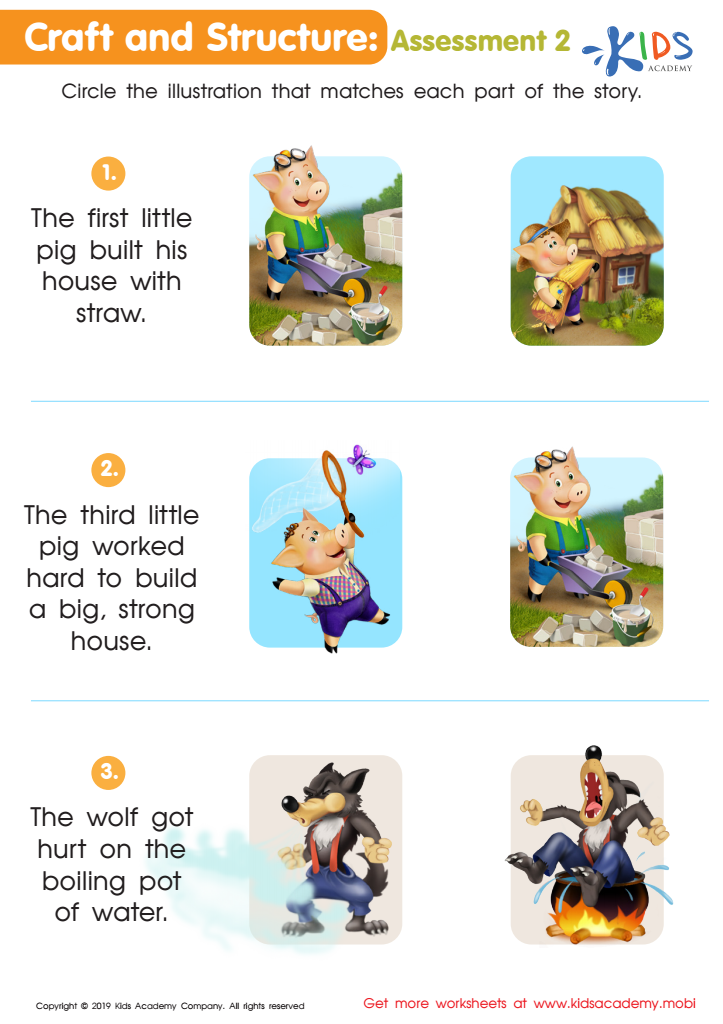
Craft and Structure: Assessment 2 Worksheet 2
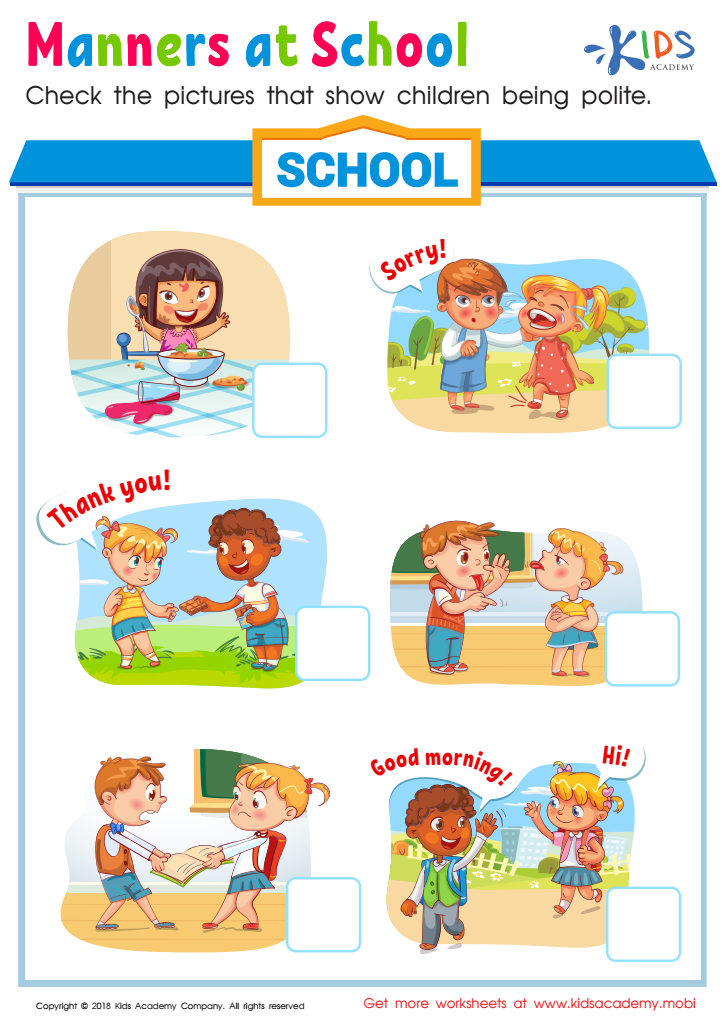
Manners at School Worksheet
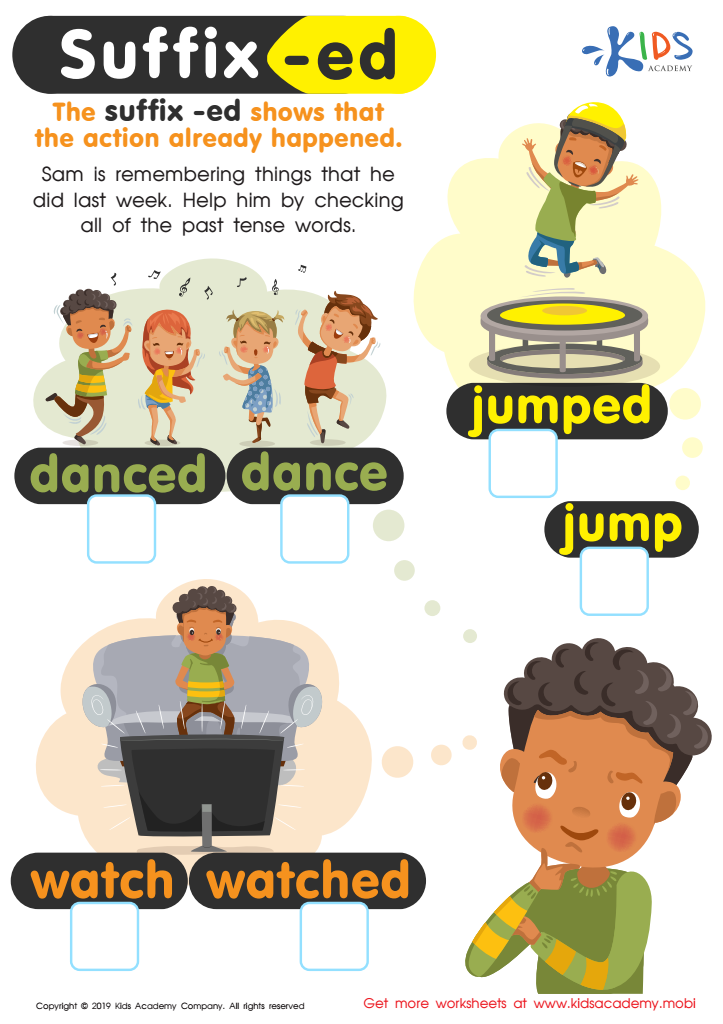
Suffix-ed Worksheet
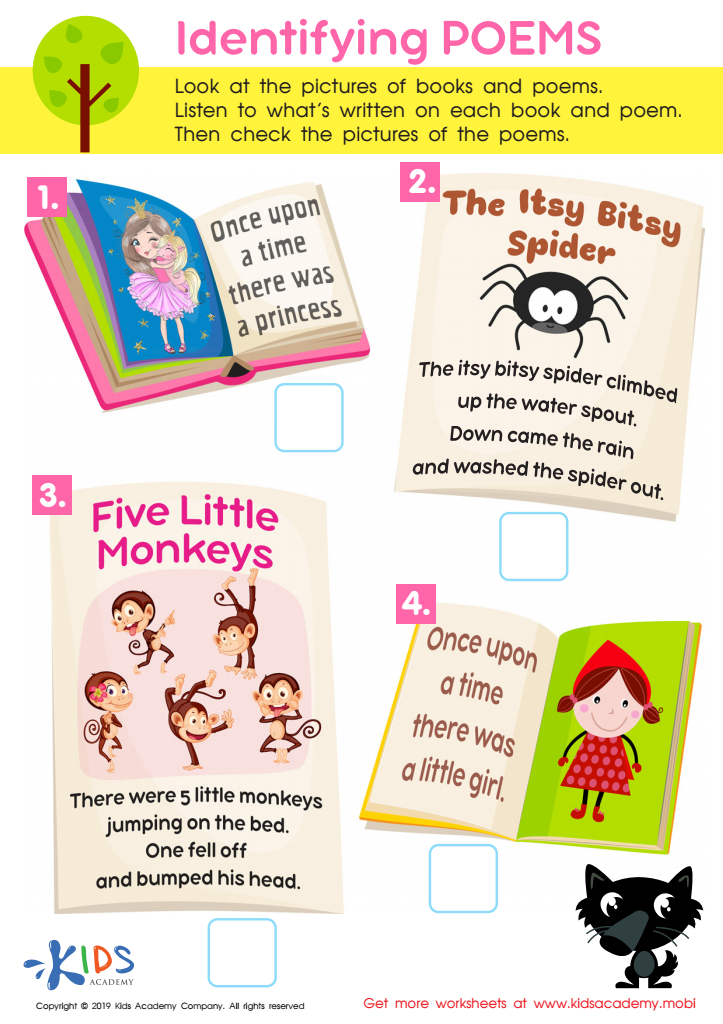
Identifying Poems Worksheet
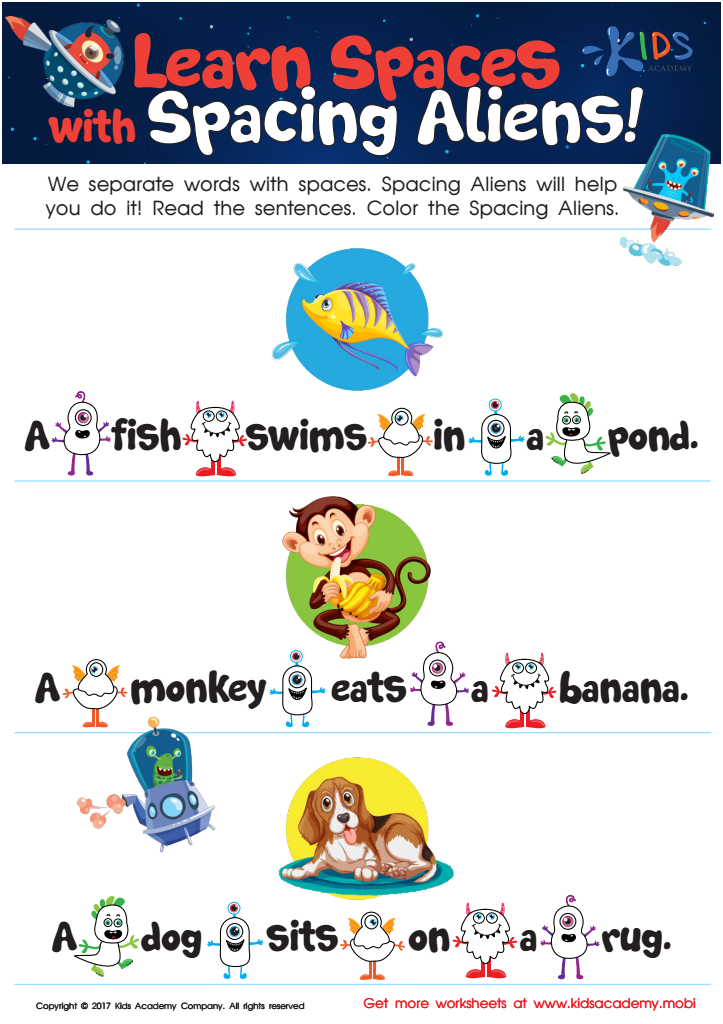
Learn Spaces with Aliens Worksheet
 Assign to My Students
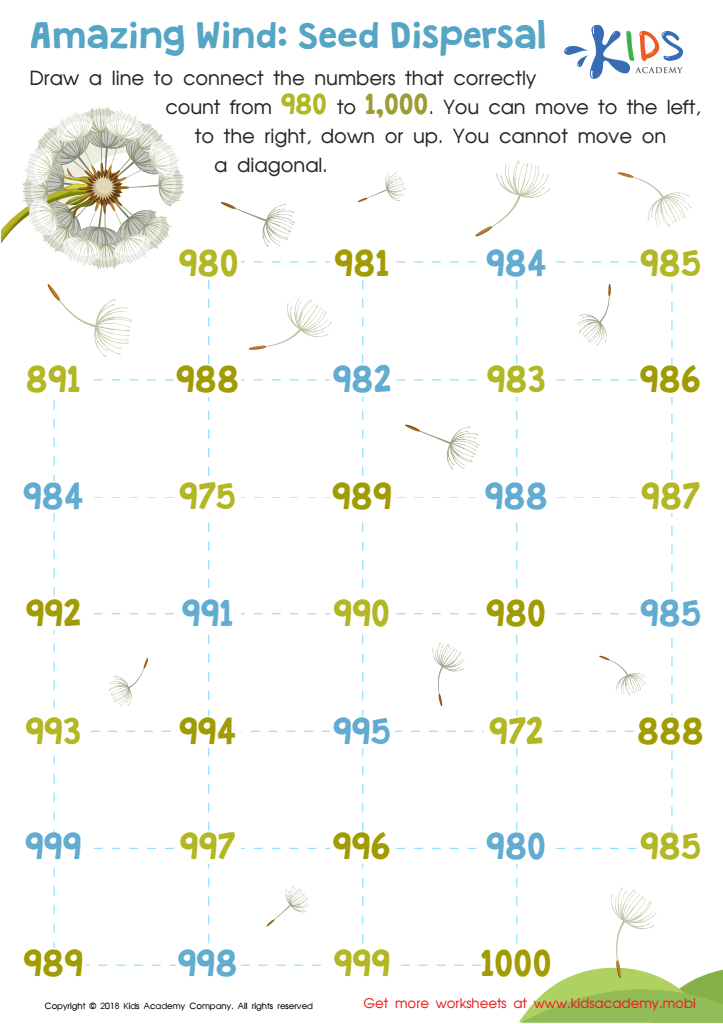
Amazing Wind: Seed Dispersal Worksheet
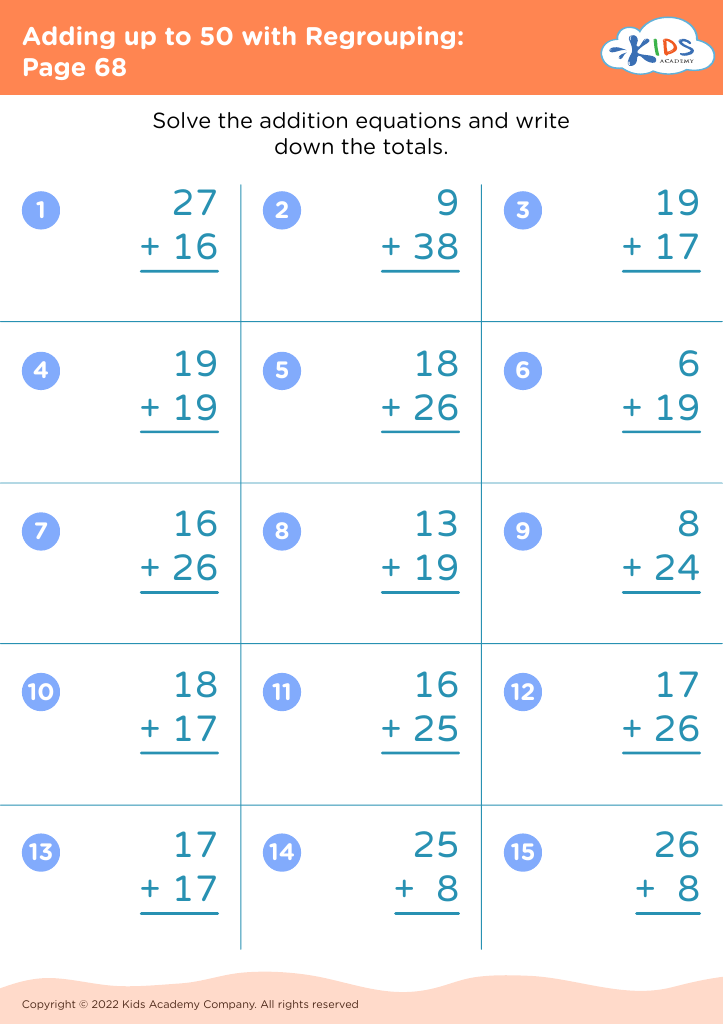
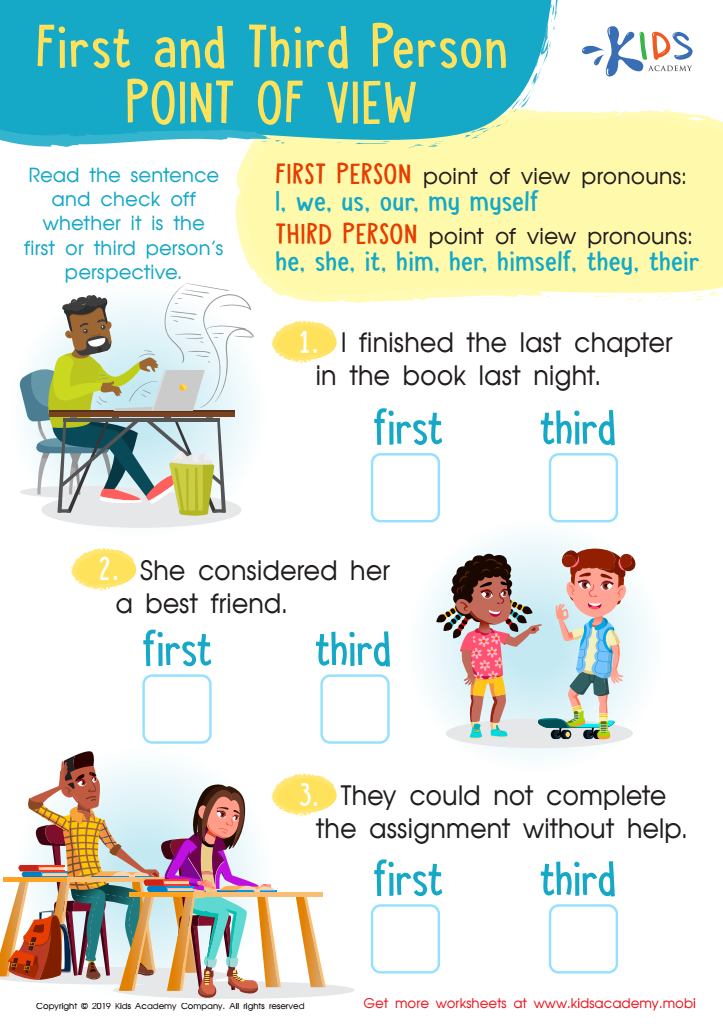
First and Third Person Point of View Worksheet
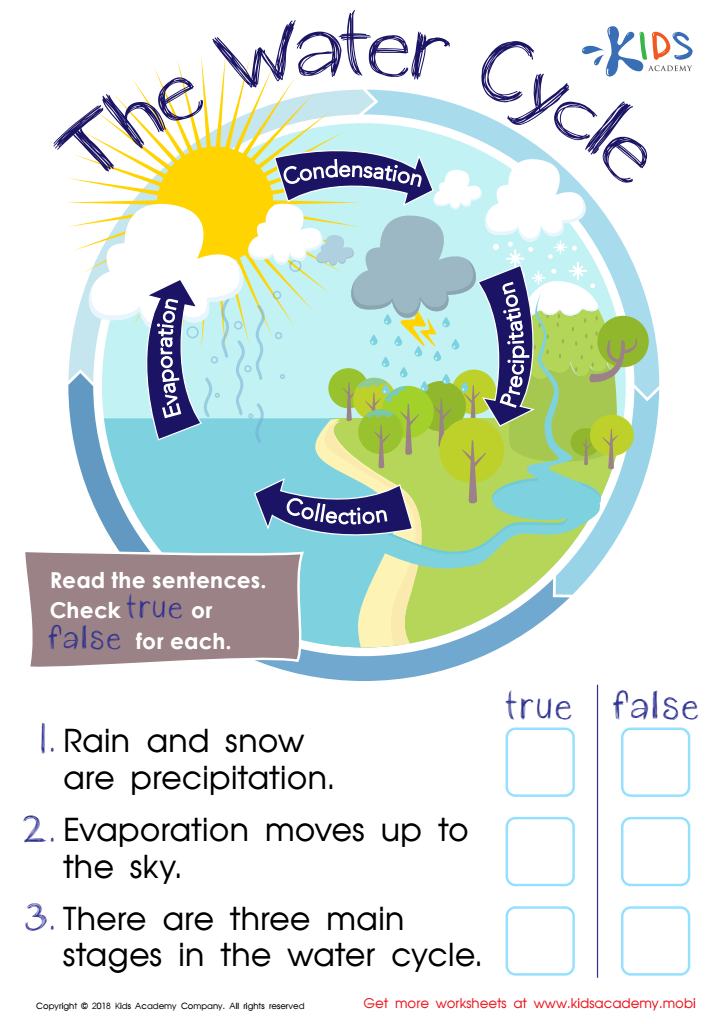
The Water Cycle Worksheet
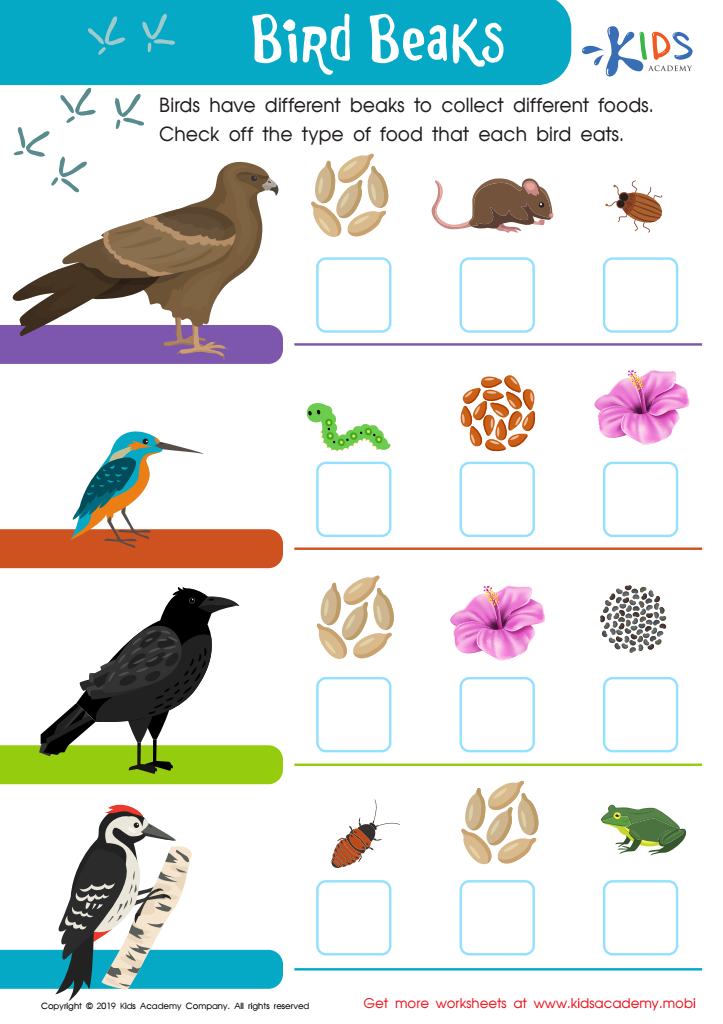
Bird Beaks Worksheet
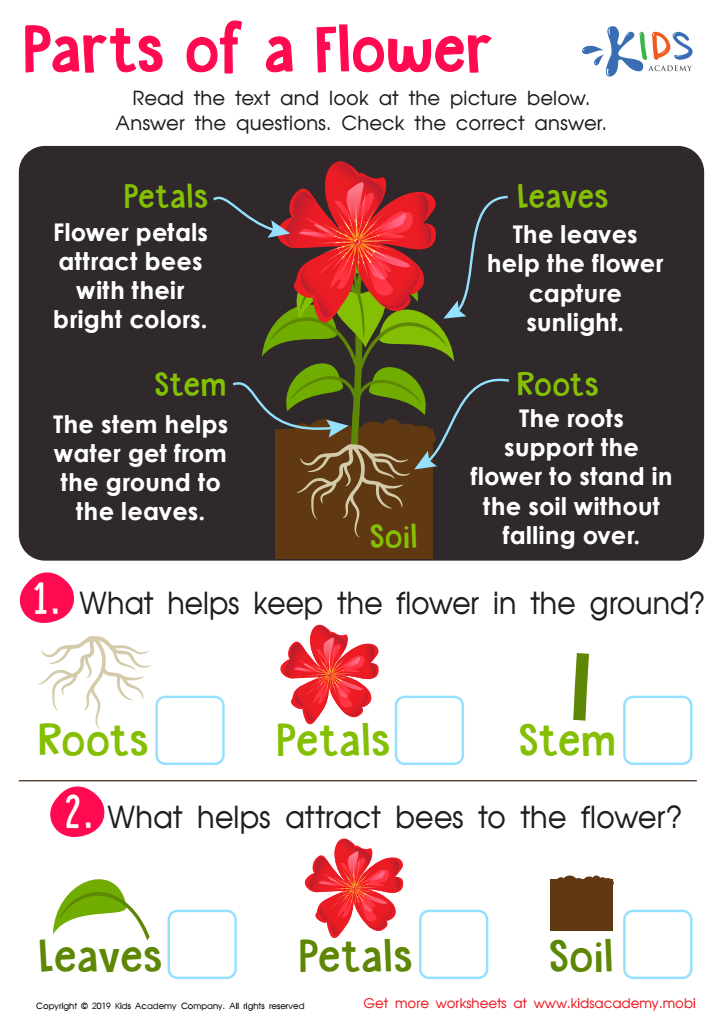
Parts of Flower Worksheet
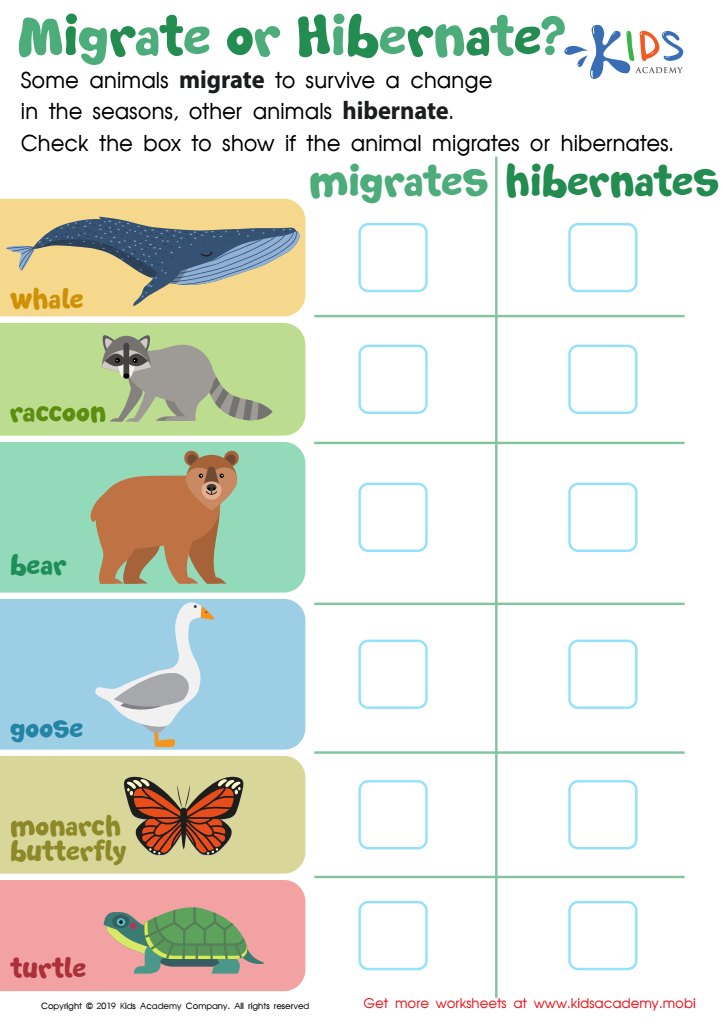
Migrate or Hibernate? Worksheet
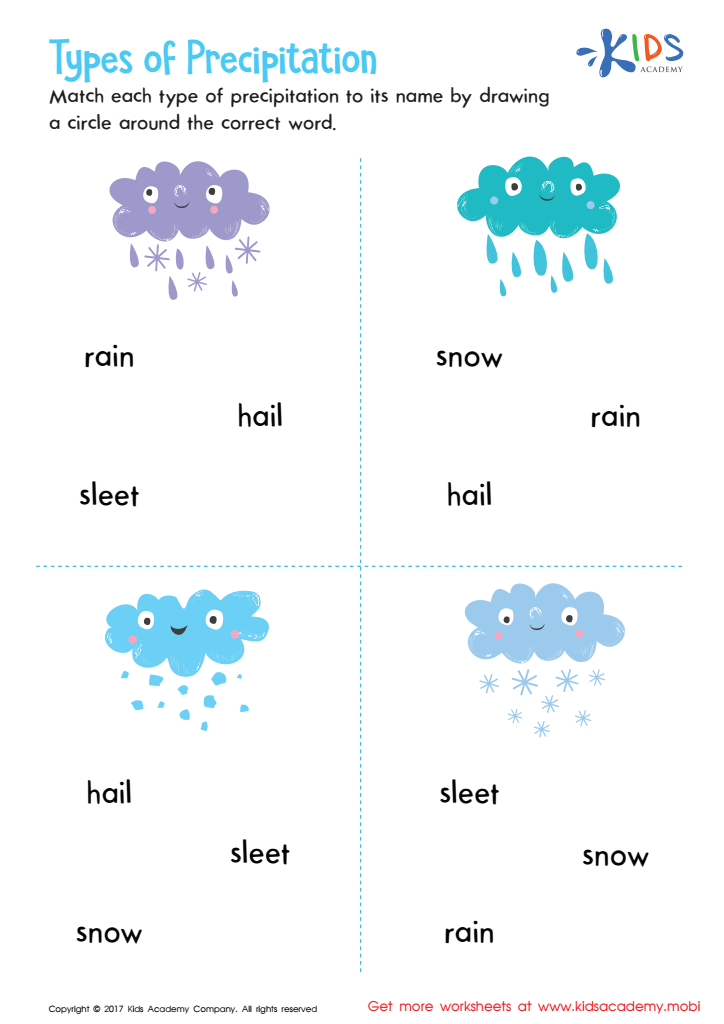
Types of Precipitation Printable
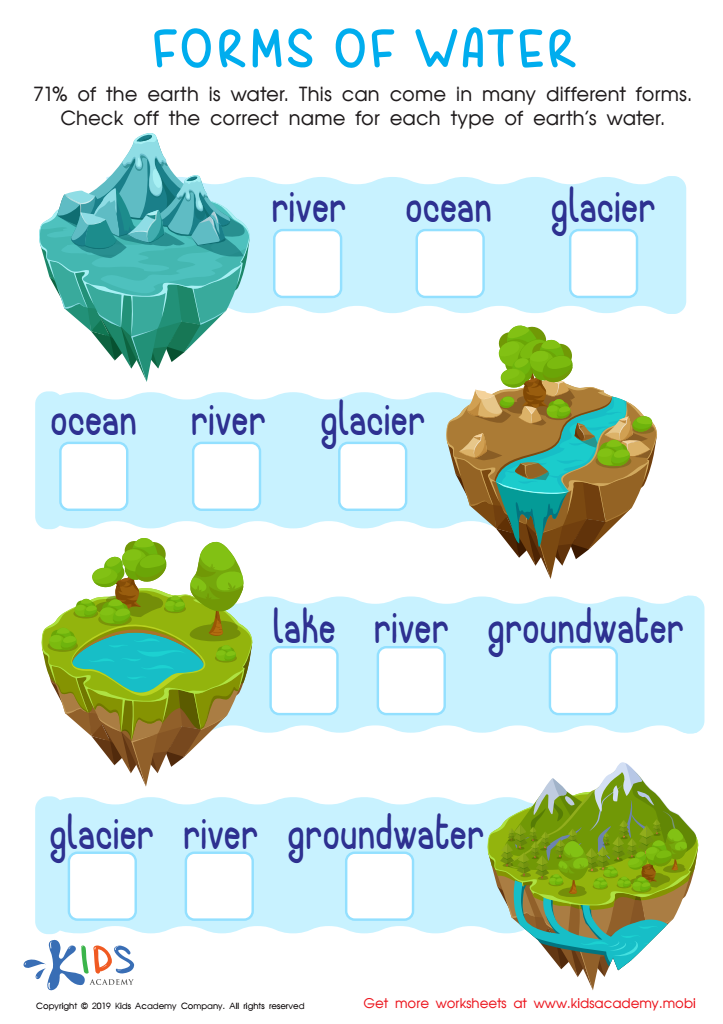
Forms of Water Worksheet
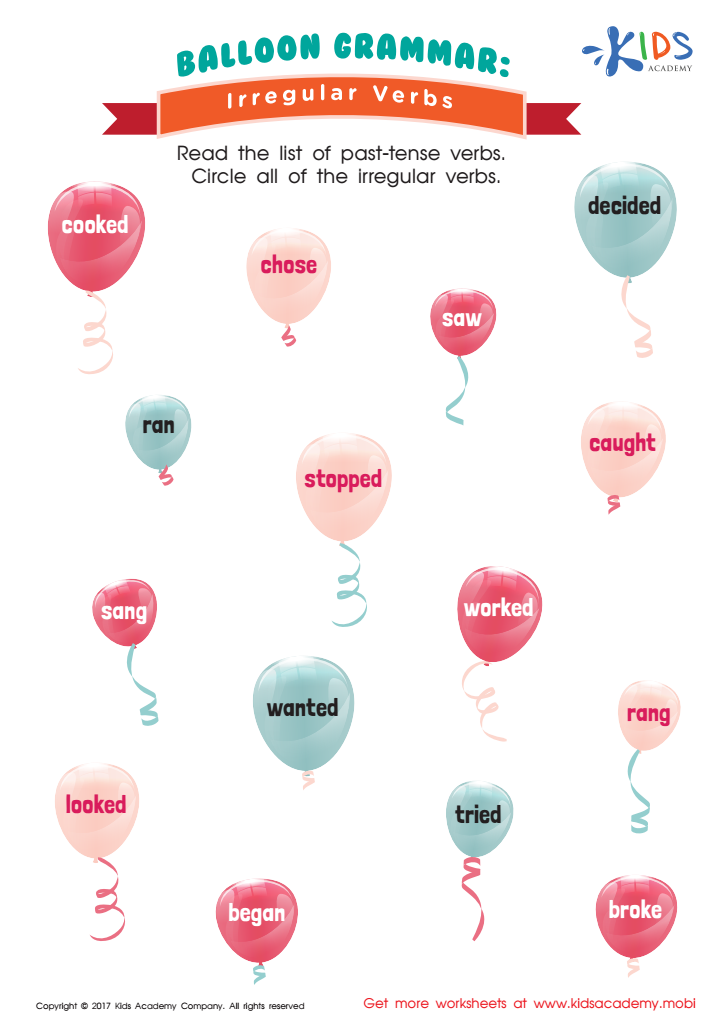
Irregular Verbs: Baloons Worksheet
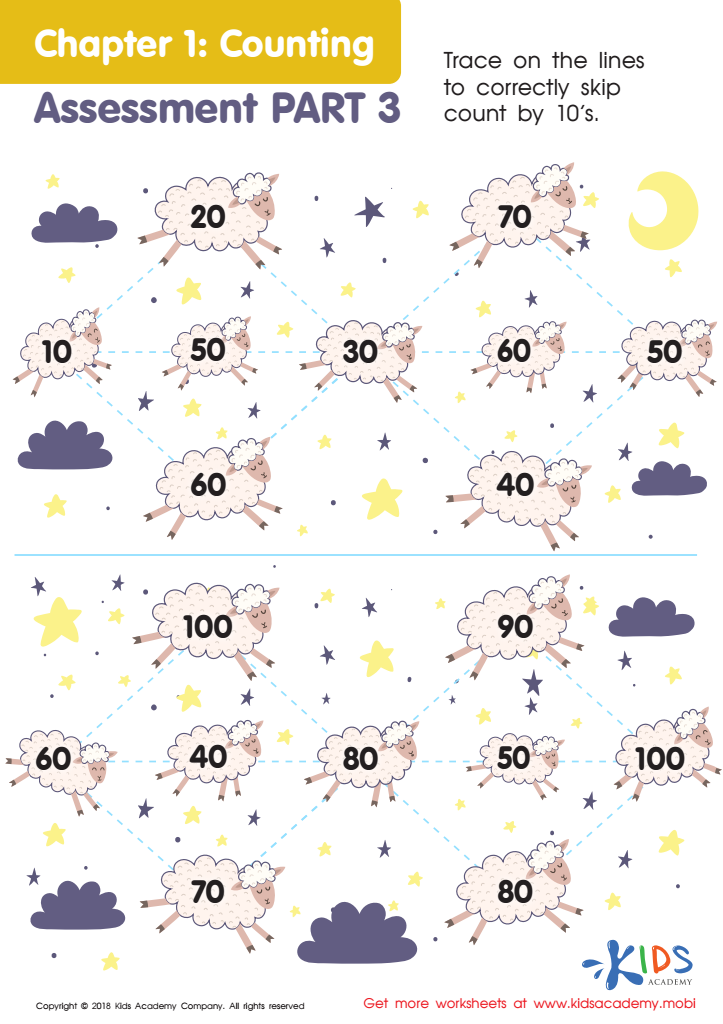
Counting: Assessment 3 Worksheet
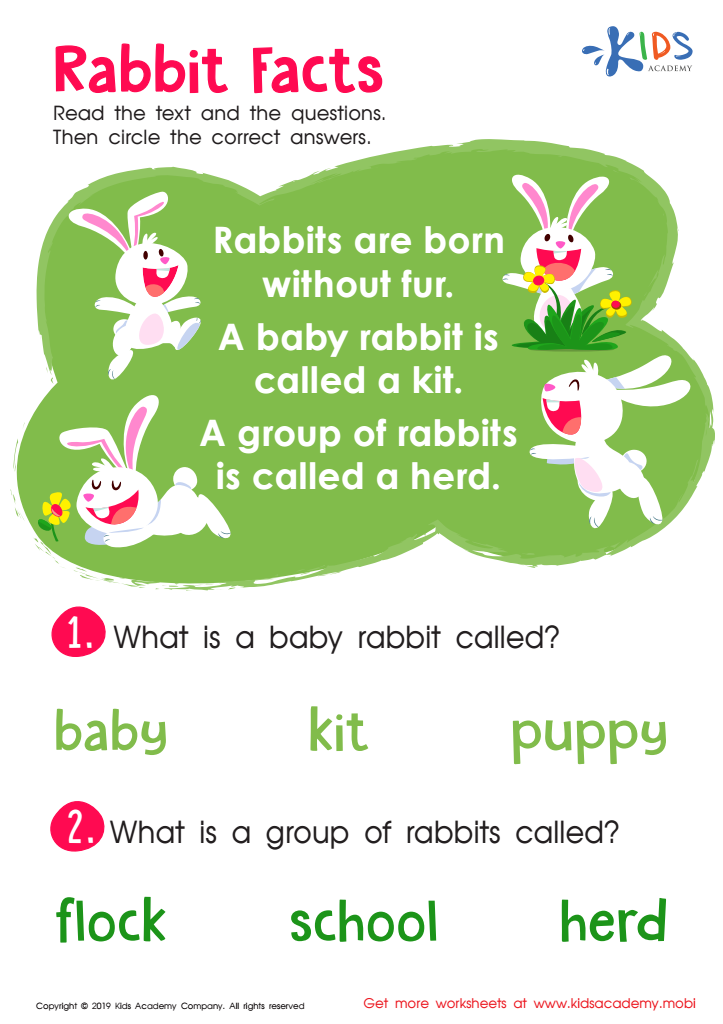
Rabbit Facts Worksheet
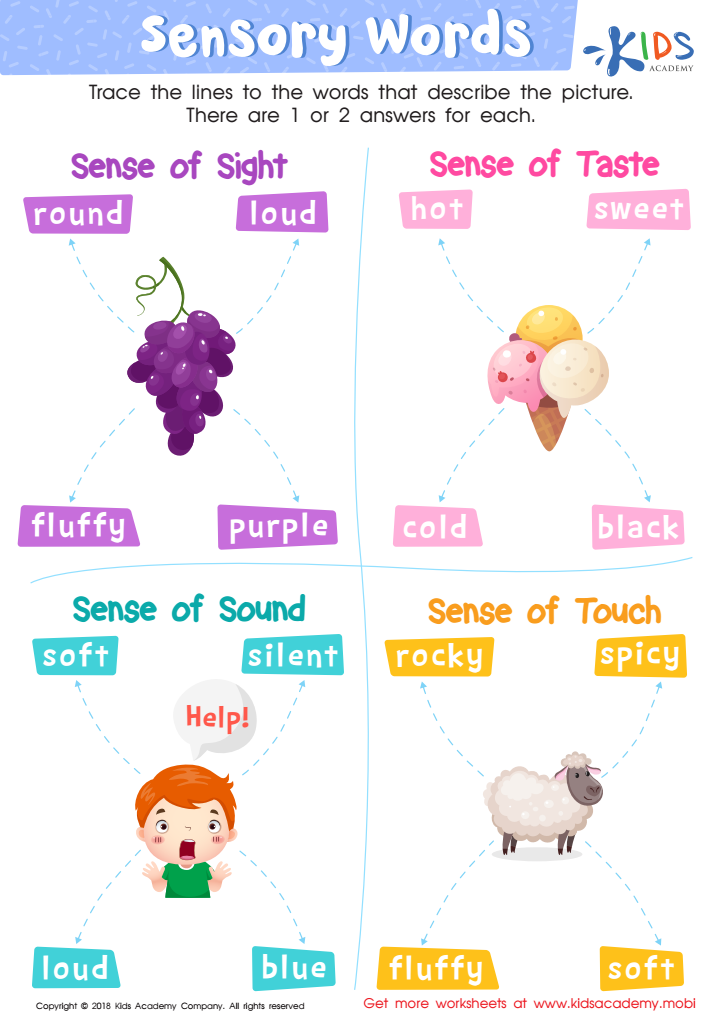
Sensory Words Worksheet


.jpg)




Enhancing vocabulary for children aged 3-8 is crucial for their overall development and future academic success. During these formative years, children's brains are highly receptive and can absorb new words and concepts rapidly. By expanding their vocabulary, we provide them with the tools to effectively communicate their thoughts, emotions, and needs. This, in turn, boosts their confidence and helps in building strong social skills.
Rich and varied vocabulary also plays a significant role in early literacy. When children understand the words they encounter in books, they are more likely to enjoy reading, which lays the foundation for a lifelong love of learning. Enhanced vocabulary skills directly impact their ability to comprehend texts, follow instructions, and engage in classroom activities, setting the stage for academic success in higher grades.
Furthermore, a well-developed vocabulary enhances cognitive abilities. It encourages children to think critically, solve problems, and develop their imagination. When they can readily access and use a broad range of words, they are better equipped to ask questions, make connections, and express complex ideas.
Parents and teachers have a pivotal role in providing enriched language experiences, whether through conversation, reading aloud, or engaging in word games. By prioritizing vocabulary development, we set children on a path of strong language skills, intellectual growth, and lifelong learning.








