Identifying fractions Worksheets for Ages 3-8
7 filtered results
-
From - To
Discover our engaging "Identifying Fractions Worksheets for Ages 3-8" designed to introduce young learners to the concept of fractions in a fun and interactive way. Tailored to early grades, these worksheets employ colorful visuals and hands-on activities to help children understand basic fractional parts, such as halves, thirds, and quarters. Ideal for both at-home practice and classroom use, our printable worksheets enhance critical thinking and math skills. Watch your child's confidence soar as they master the building blocks of fractions with exercises that are both educational and entertaining. Unlock the door to early success in mathematics today!
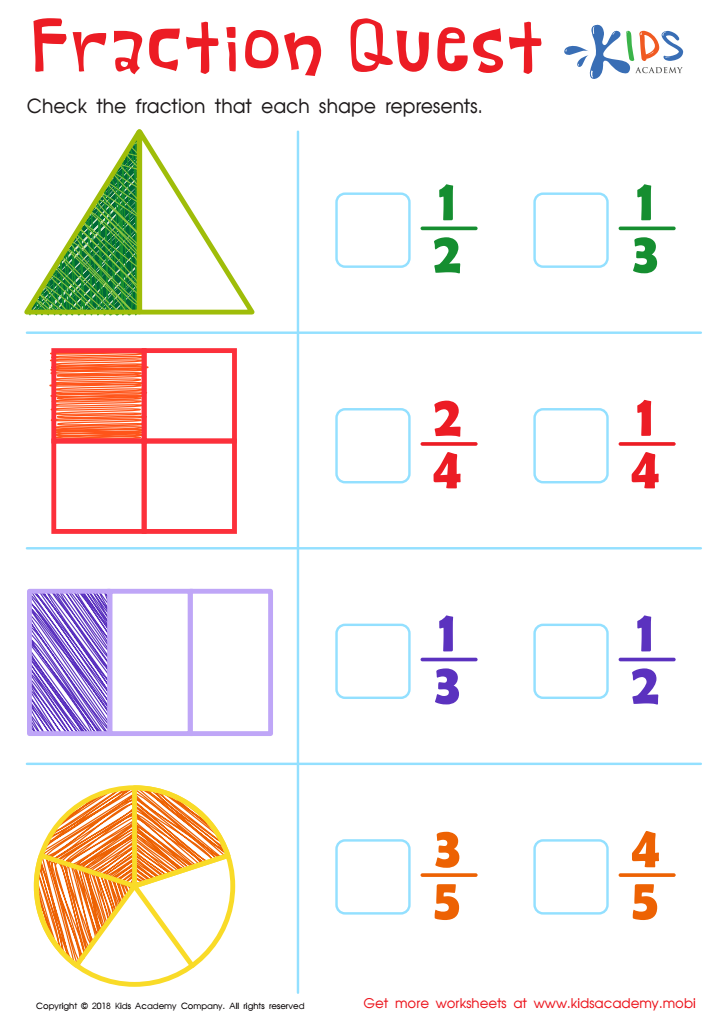
Fraction Quest Worksheet
 Assign to My Students
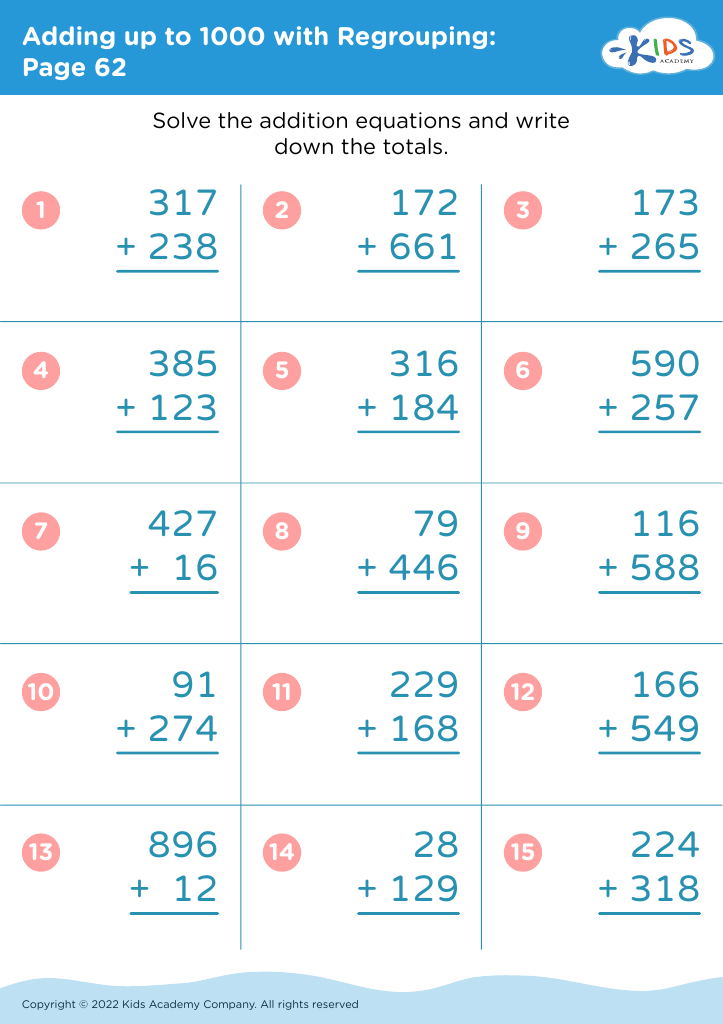
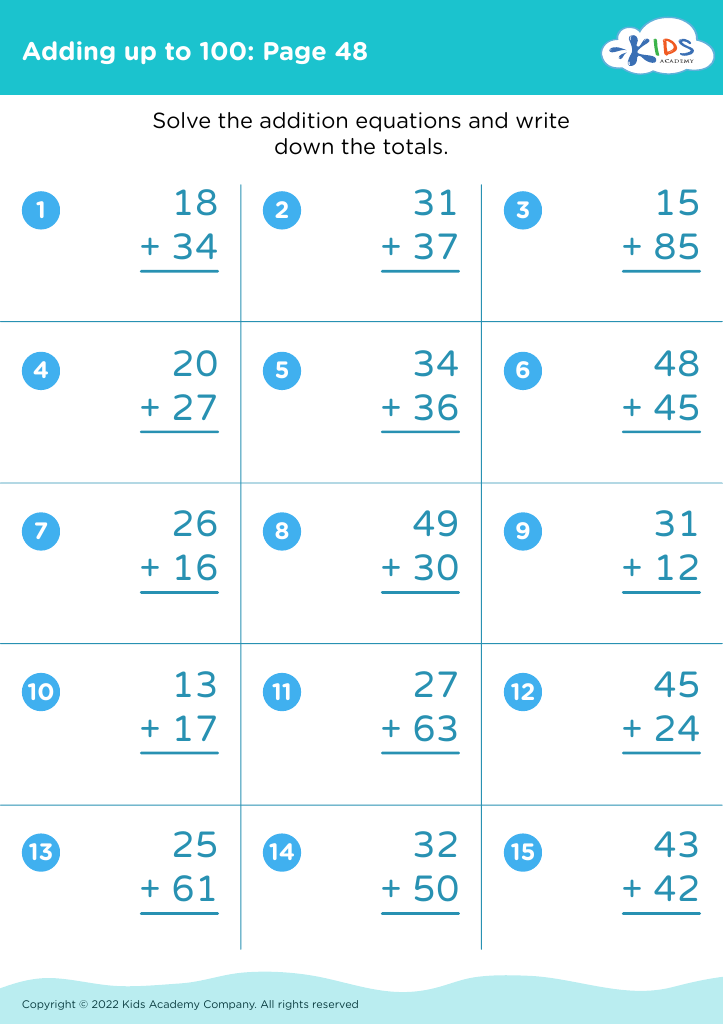
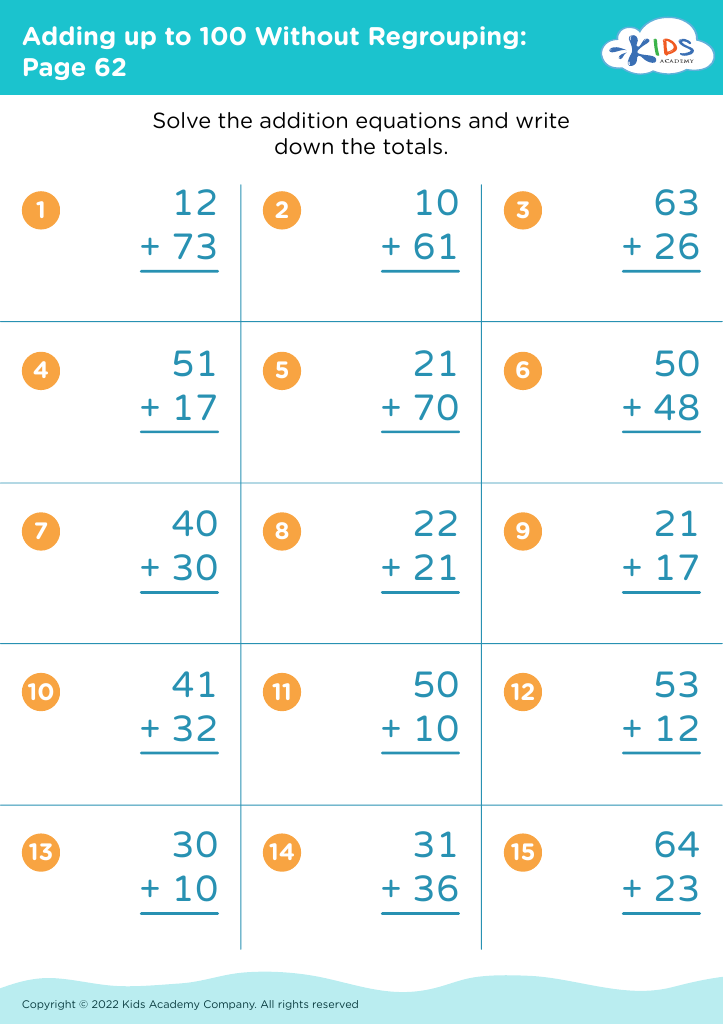


.jpg)




Understanding fractions at an early age sets a strong mathematical foundation for children. Parents and teachers should prioritize teaching fractions to children aged 3-8 because it fosters critical thinking and problem-solving skills that are essential for later academic success. At this stage, children are naturally curious about dividing things and sharing with others, providing a practical context for learning fractions.
Early exposure helps demystify the concept of fractions, making it easier for children to grasp more complex mathematical ideas in the future, such as ratios, percentages, and algebra. By starting early, we build familiarity with the language and visual representation of fractions, easing future challenges in advanced mathematical topics.
Moreover, understanding fractions equips children with everyday life skills, such as cooking measurements, dividing items fairly, and comprehending portions. Engaging activities, such as using food, play, and visual aids, make learning fractions enjoyable and meaningful.
Finally, fostering a positive and confident attitude toward math during these formative years can prevent math anxiety, encouraging a lifelong curiosity and competence in the subject. In essence, by focusing on fractions early, we are not just teaching math but also critical thinking and practical life skills that will benefit children throughout their education and daily lives.








