Improve reading skills Worksheets for Ages 3-8 - Page 2
55 filtered results
-
From - To
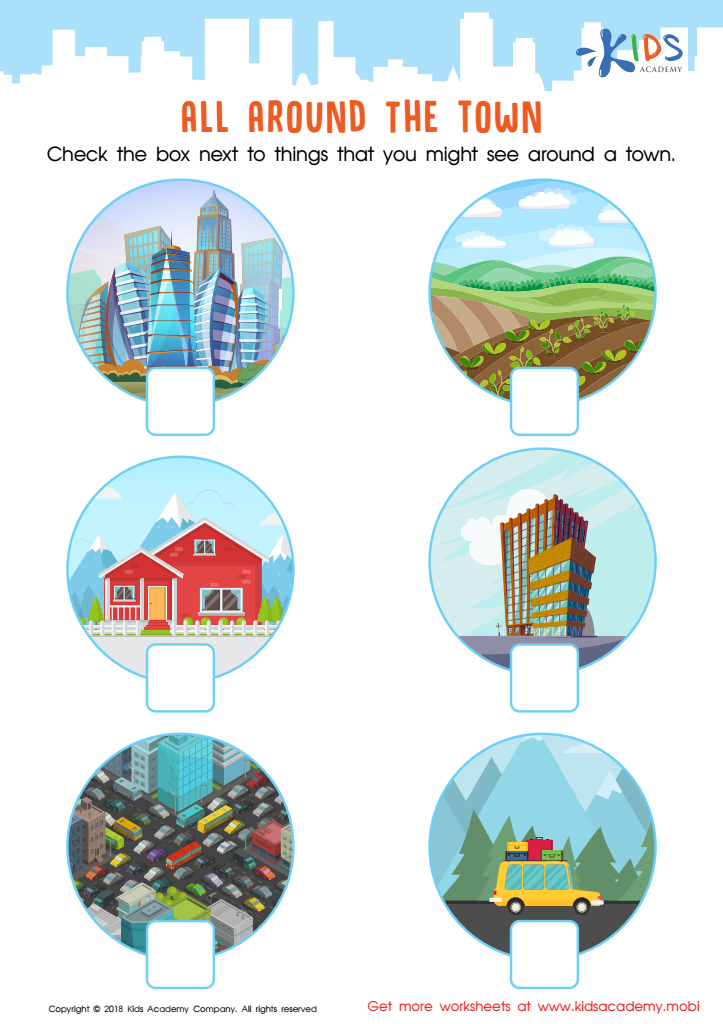
All Around the Town Worksheet
 Assign to My Students
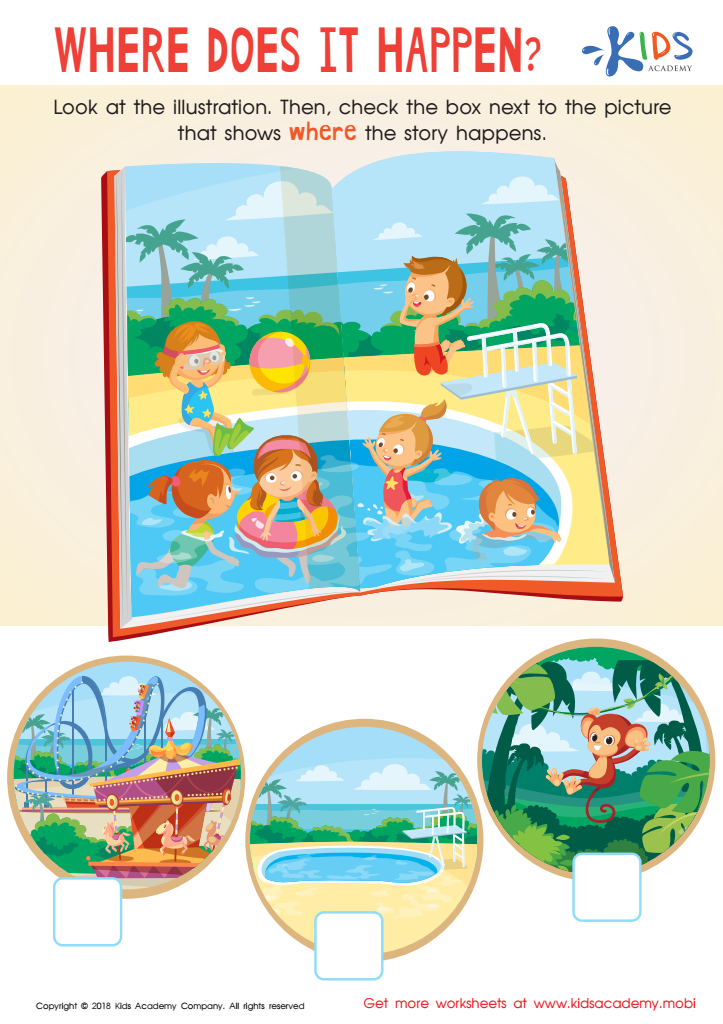
Where Does It Happen? Worksheet
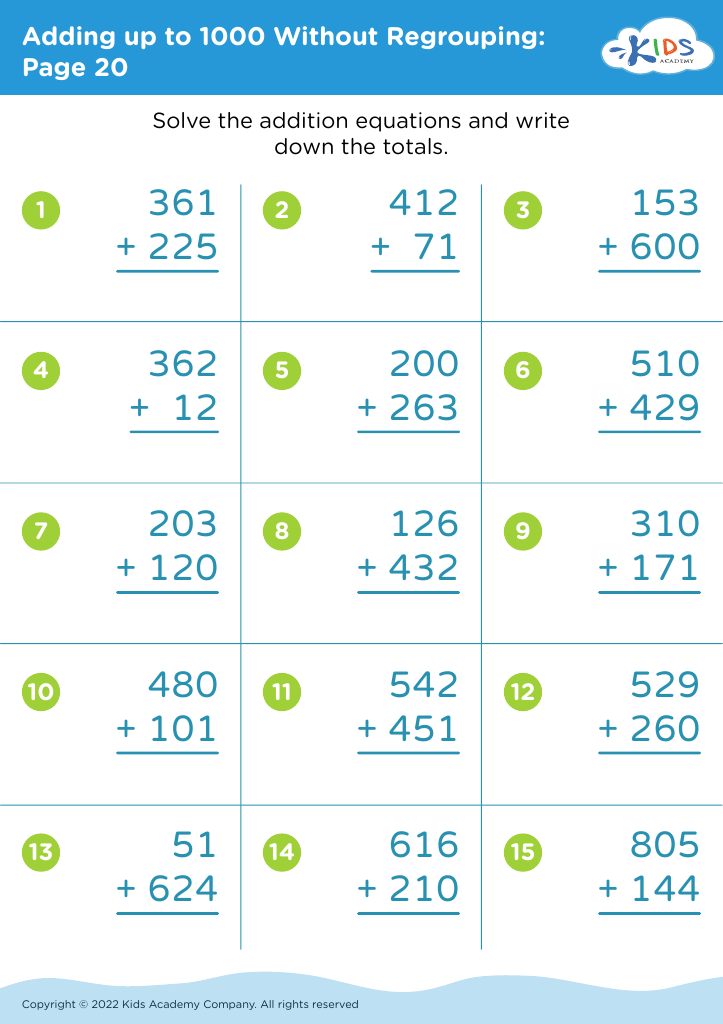
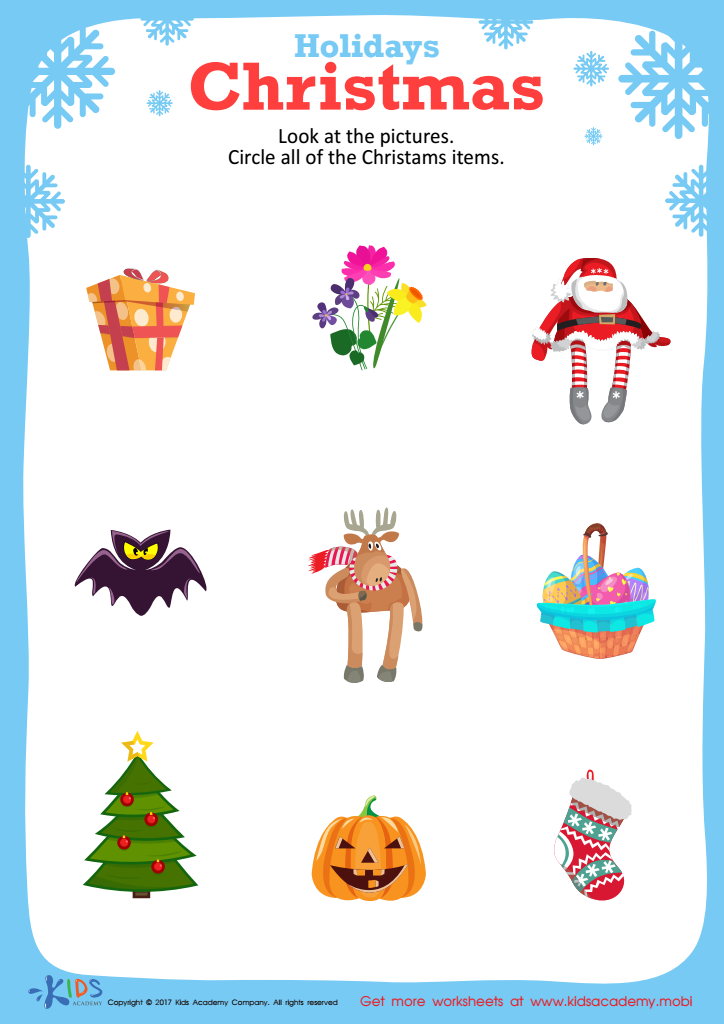
Christmas Holiday Worksheet
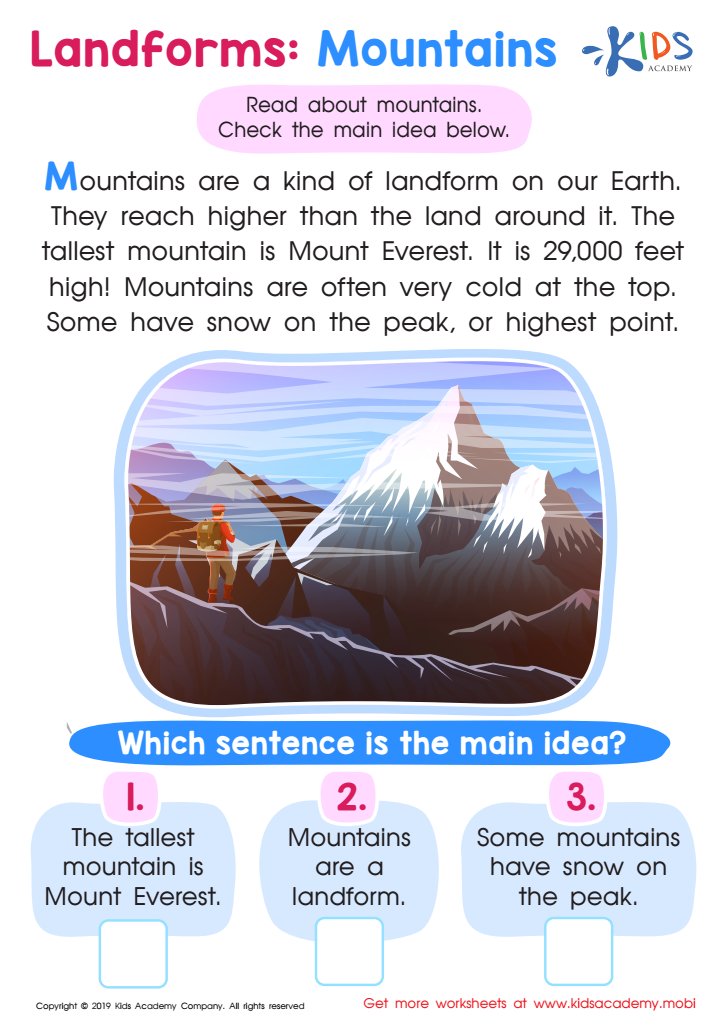
Landforms: Mountains Worksheet
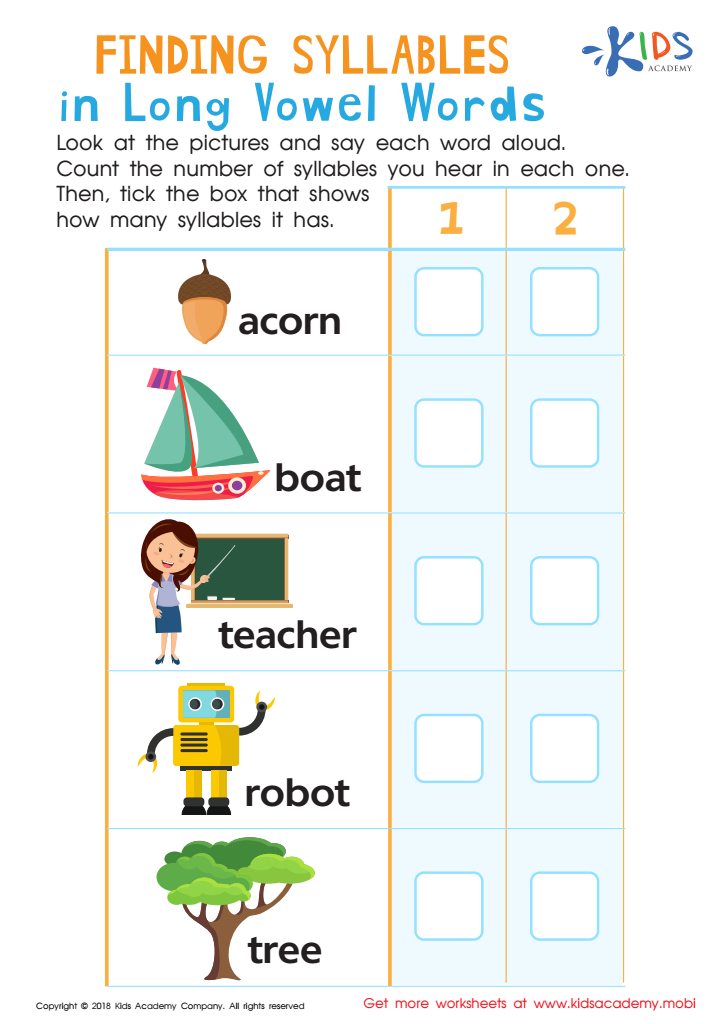
Finding Syllables in Long Vowel Words Worksheet
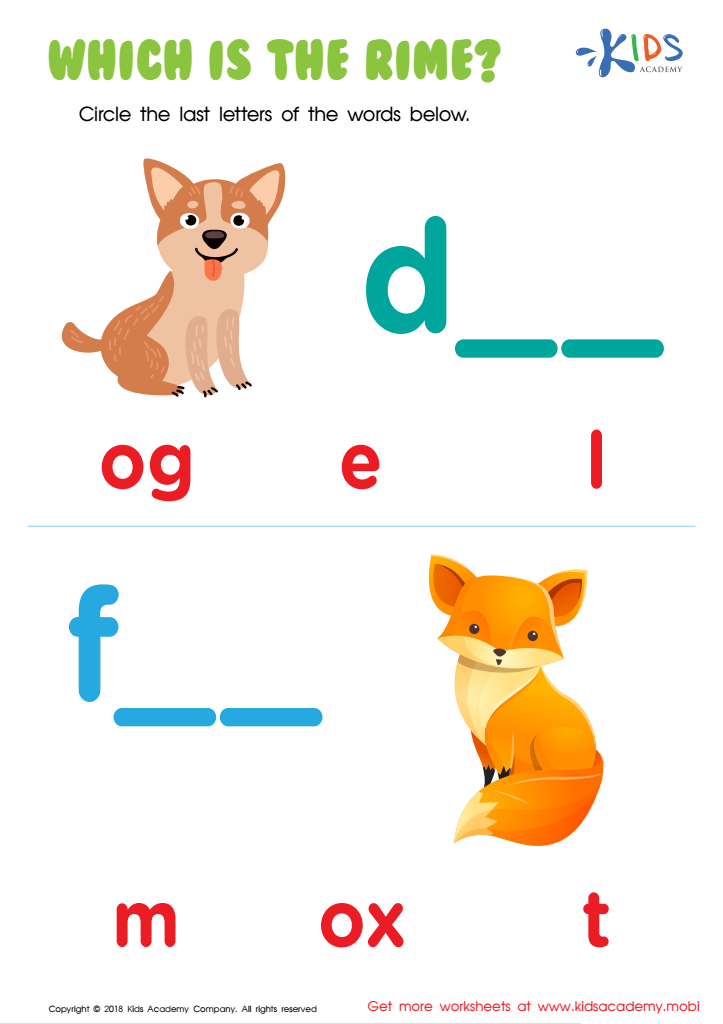
Which Is the Rime? Worksheet
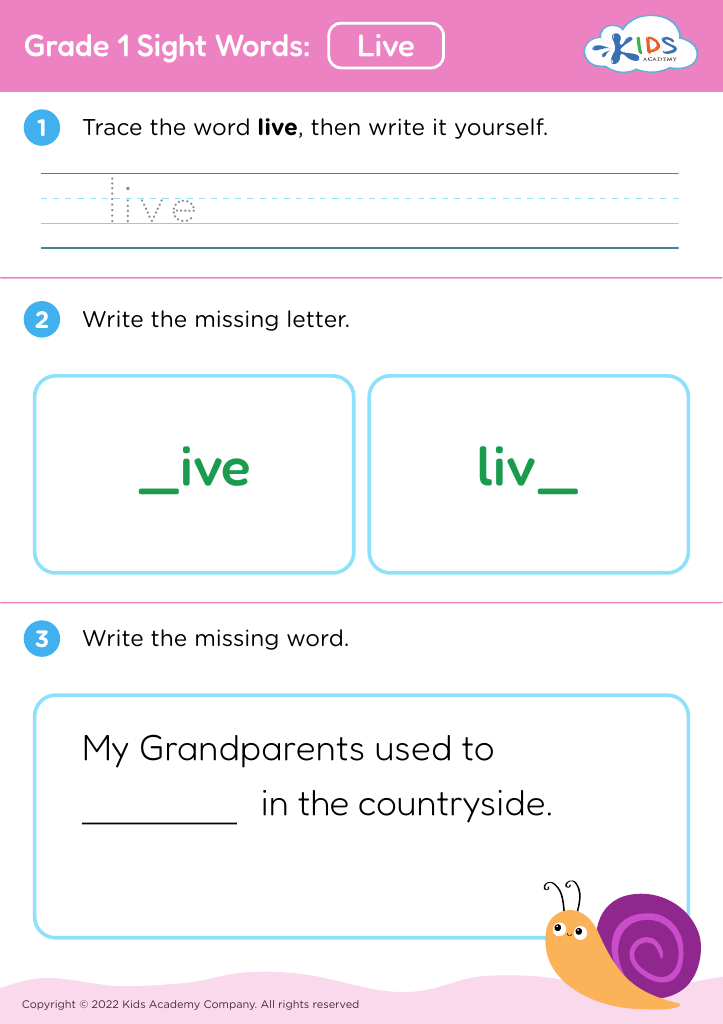
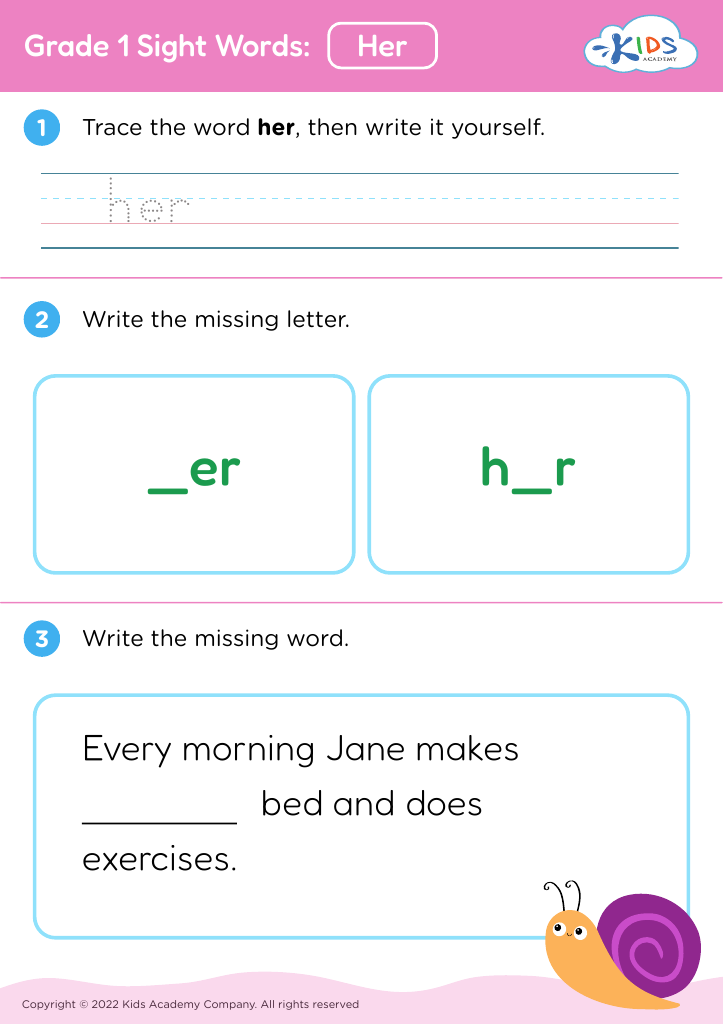
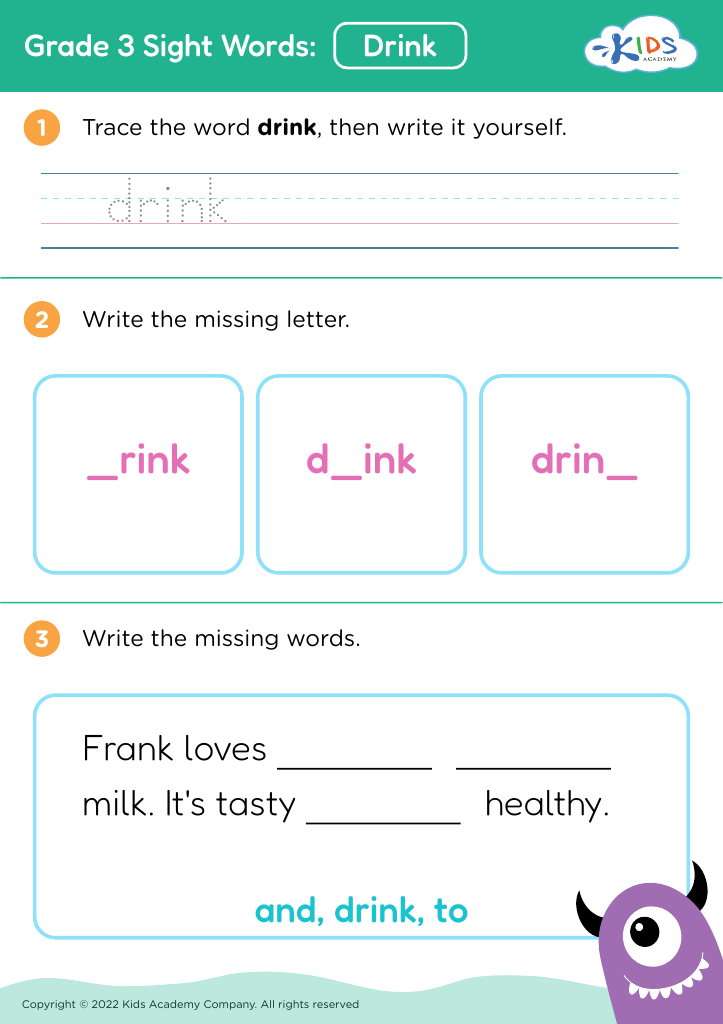
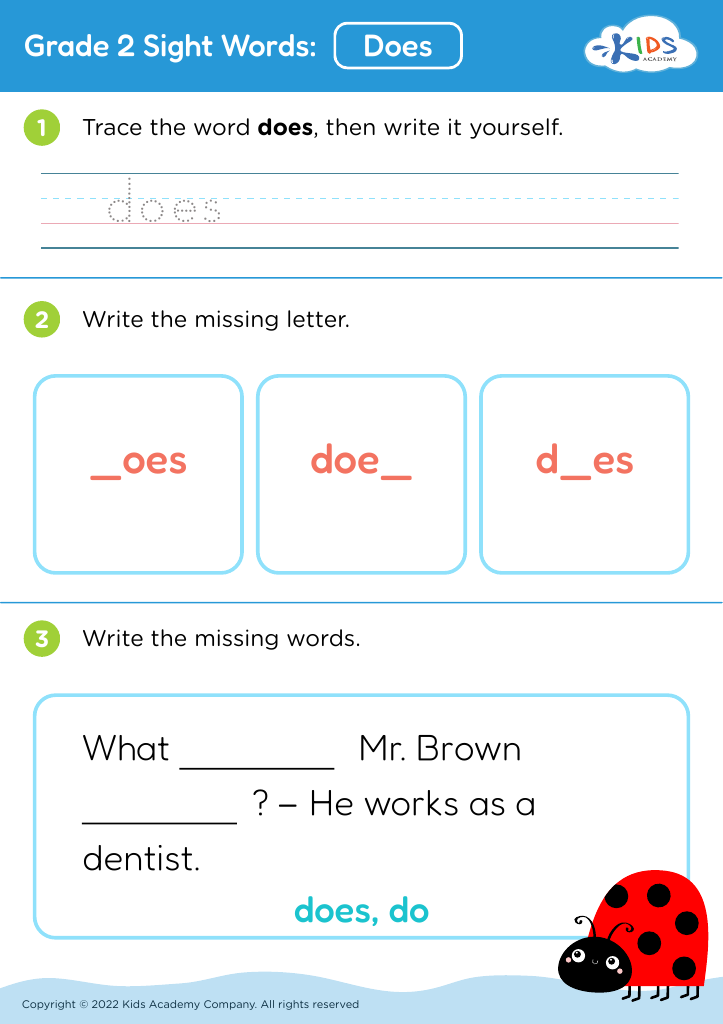






Improving reading skills for children aged 3-8 is crucial for their overall development and future academic success. During these formative years, children are not only learning to read but also developing essential cognitive, language, and social-emotional skills. Reading enhances vocabulary, comprehension, and critical thinking abilities, setting a foundation for effective communication and lifelong learning.
For parents and teachers, promoting strong reading skills fosters a love for literature, sparks curiosity, and encourages exploration. Engaging children in regular reading activities also strengthens their concentration and discipline, which are essential for all subjects in school. Research has consistently shown that early readers are more likely to excel academically in later grades, leading to better opportunities in higher education and the job market.
Moreover, reading together develops bonding moments between parents and children, instilling a sense of security and belonging. For teachers, supporting reading development aids in creating a more inclusive classroom environment, as children with varied skills can all share in the learning experience. Ultimately, prioritizing reading not only nurtures individual potential but also builds a community of informed, empathetic, and literate individuals ready to navigate the complexities of the world.








