Increase vocabulary knowledge Worksheets for Ages 3-8
4 filtered results
-
From - To
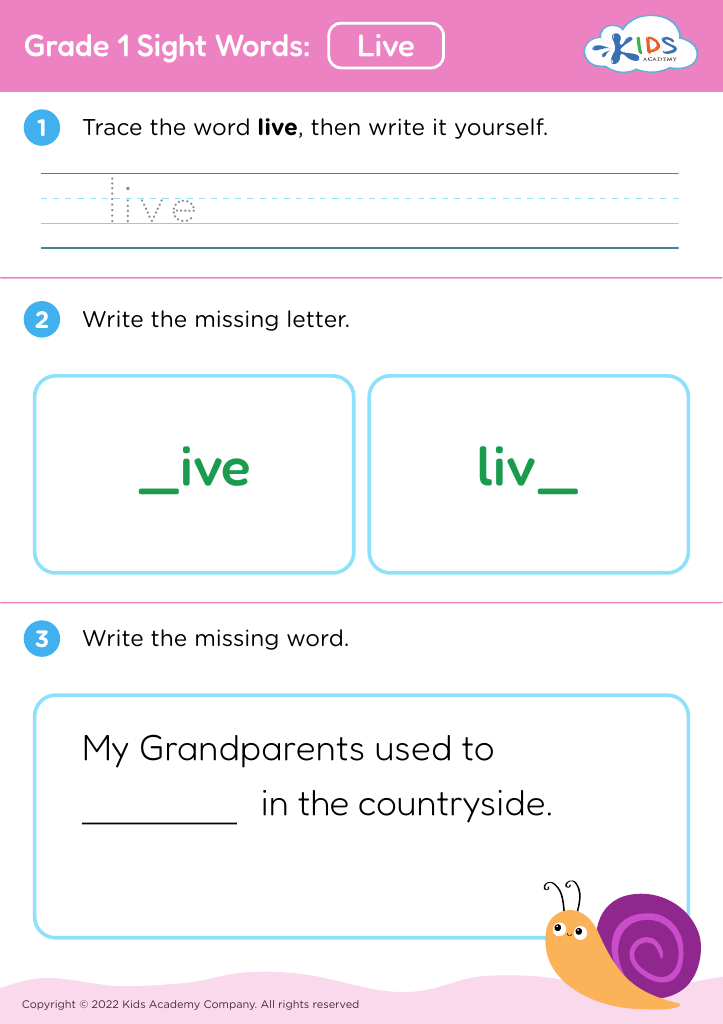
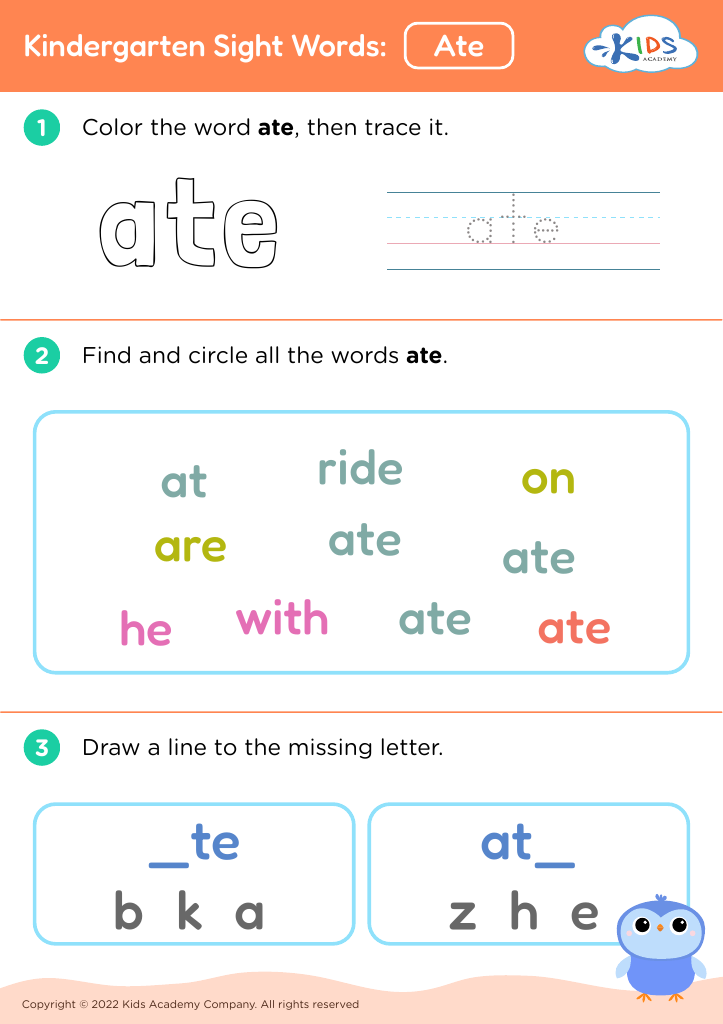
Enhance your child's vocabulary with our engaging worksheets designed for ages 3-8! Our collection of fun and interactive activities helps young learners broaden their language skills while promoting reading comprehension and expression. Each worksheet targets essential vocabulary development through colorful visuals and relatable contexts, making learning enjoyable and effective. Ideal for home or classroom use, these resources empower children to explore new words in an age-appropriate manner. Whether your child enjoys matching words to images or filling in the blanks, our worksheets cater to various learning styles. Foster a love for language and watch vocabulary soar with these essential tools!







Increasing vocabulary knowledge for children ages 3-8 is crucial for their overall development and academic success. During these formative years, children are rapidly acquiring language and learning the foundational skills needed for reading and communication. A robust vocabulary enhances comprehension, enabling children to understand stories, instructions, and concepts more effectively. It also supports their ability to express thoughts and feelings, fostering better social interactions and emotional intelligence.
Parents and teachers play a vital role in language development. By introducing new words through interactive conversations, reading aloud, and engaging in educational activities, adults can expand a child's vocabulary in a natural and enjoyable manner. This not only boosts their language skills but also increases their confidence in expressing themselves.
Research shows that children with a strong vocabulary are better prepared for academic challenges, often achieving higher literacy levels and performing better in school. Furthermore, a rich vocabulary sets the stage for lifelong learning and critical thinking skills. Ultimately, by prioritizing vocabulary enrichment, parents and teachers empower children to navigate the world more effectively, fostering a love for learning and communication that will benefit them for years to come.








