Language development Worksheets for Ages 3-8
3 filtered results
-
From - To
Explore our engaging Language Development Worksheets designed for children ages 3-8! Our resources help young learners enhance their vocabulary, comprehension, and communication skills through interactive activities and exercises. From matching words to pictures, to simple storytelling prompts, each worksheet is crafted to promote language acquisition in a fun and dynamic way. Designed by educators, our worksheets align with early learning standards, ensuring a well-rounded educational experience. Perfect for both classroom use and at-home learning, these printable resources foster creativity and confidence in young learners. Start your child’s language journey today with easy-to-use worksheets that make learning enjoyable!
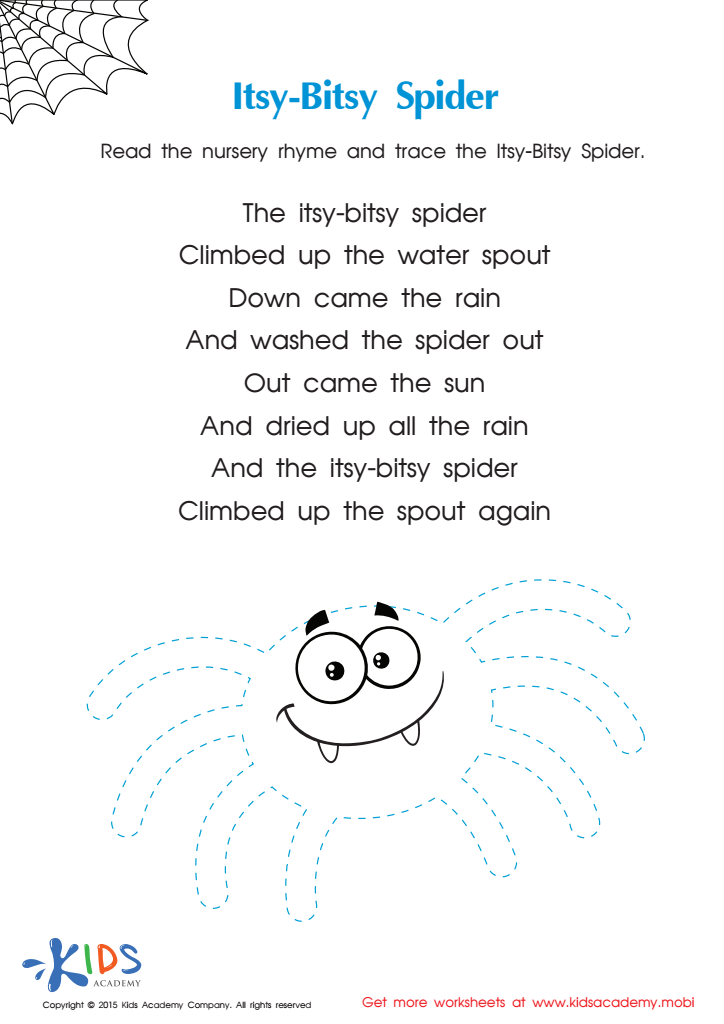
Itsy Bitsy Spider Nursery Rhyme PDF Worksheet
 Assign to My Students
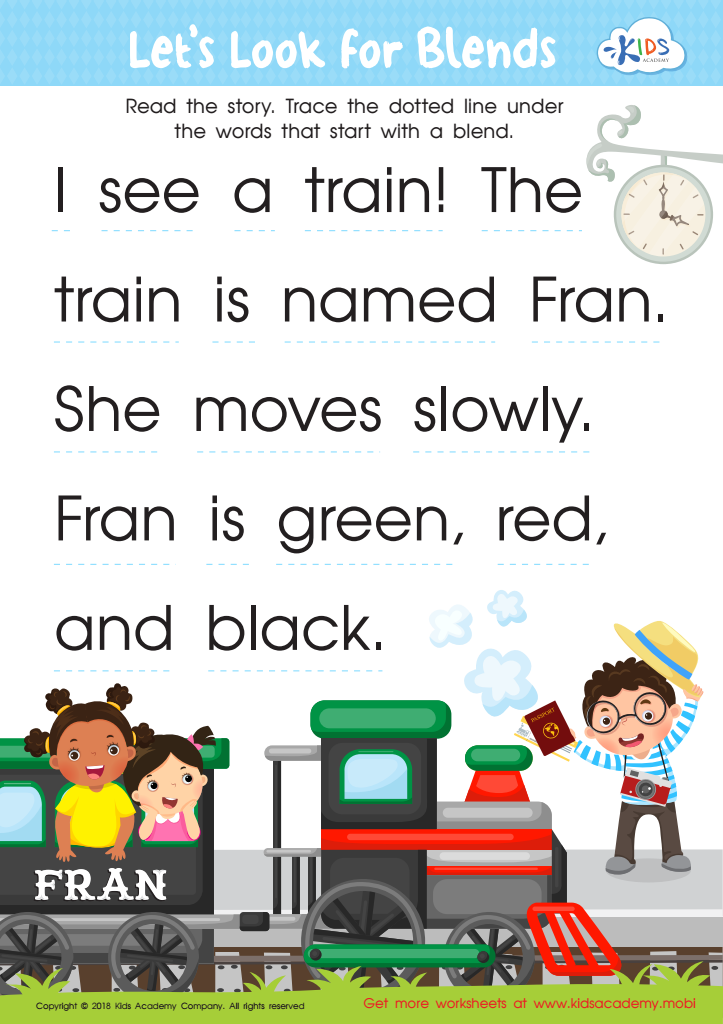
Let's Look for Blends Worksheet
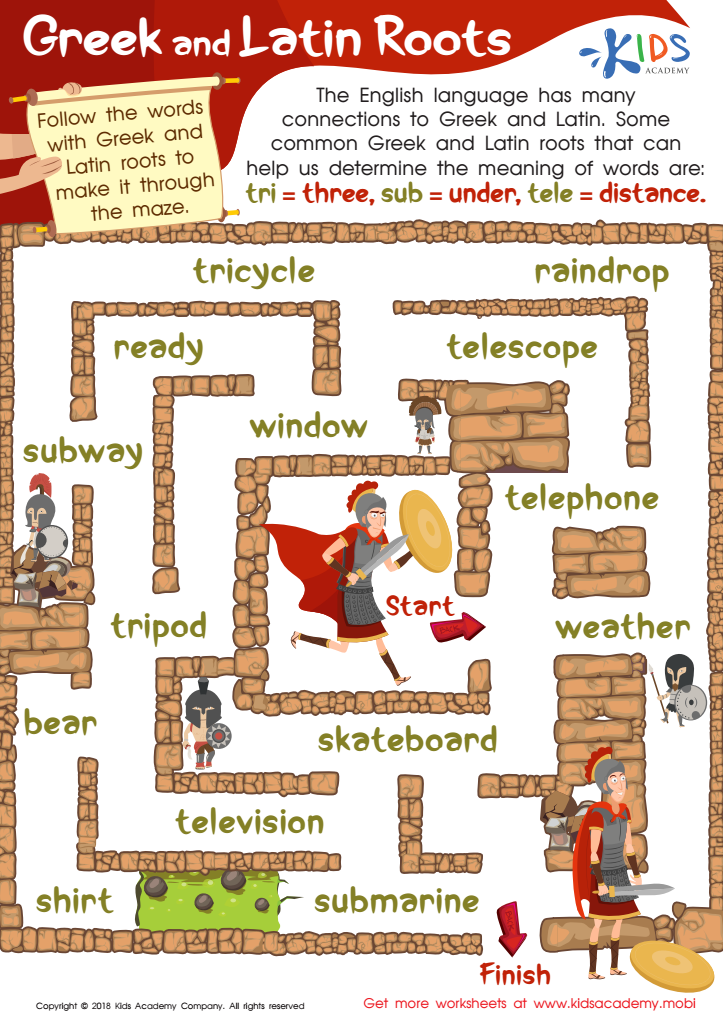
Greek and Latin Roots Worksheet



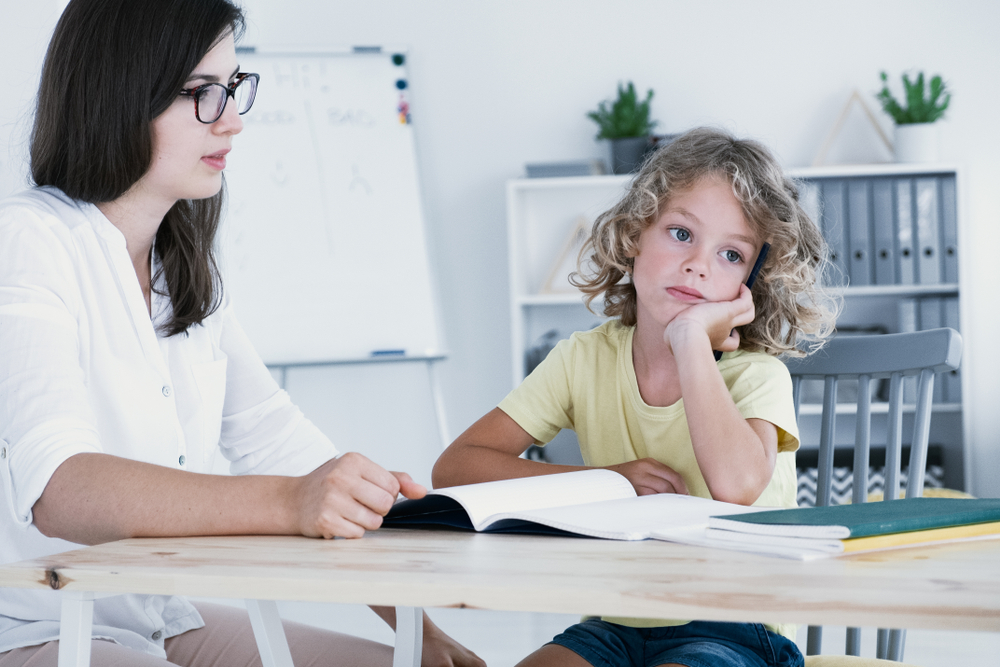


Language development is a crucial aspect of early childhood growth, profoundly impacting children's communication skills, cognitive abilities, and social interactions. For children aged 3-8, this development lays the foundation for future literacy and academic success. Parents and teachers play vital roles in fostering language skills during this formative period.
Firstly, language is essential for effective communication. Children who develop strong language abilities can articulate their thoughts, feelings, and needs, leading to improved relationships with peers and adults. Moreover, proficient language skills enhance comprehension, enabling children to grasp new information and ideas more easily.
Early language development also supports cognitive advancements. Engaging children in discussions, reading aloud, and encouraging storytelling cultivate critical thinking and problem-solving skills. Additionally, a rich vocabulary aids in understanding complex concepts encountered later in school.
Furthermore, social-emotional development is intertwined with language skills. Children learn to express emotions and navigate social situations through language, which fosters empathy and collaboration.
Ultimately, by prioritizing language development, parents and teachers equip children with the tools they need for academic readiness and personal growth, setting the stage for a lifetime of learning and achievement.








