Phonics practice Worksheets for Ages 3-8 - Page 2
26 filtered results
-
From - To
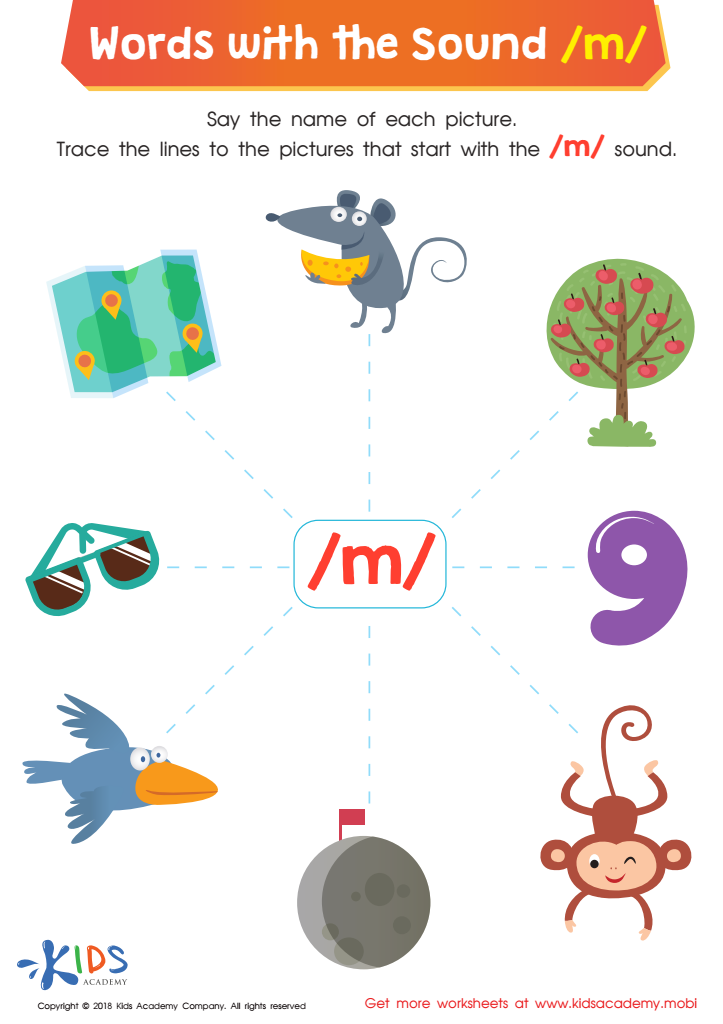
Words with Sound M Reading Worksheet
 Assign to My Students
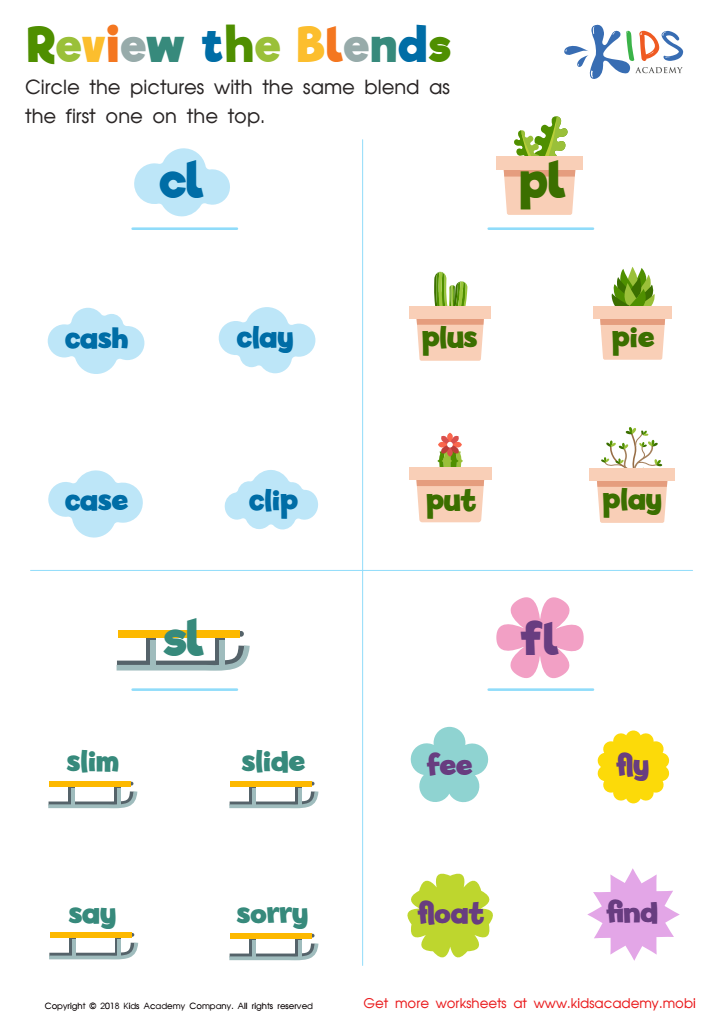
Review the Blends Worksheet








Phonics practice is crucial for children aged 3-8 as it lays the foundation for reading and literacy. During these formative years, children's brains are primed for language development, making early phonics instruction essential. Understanding the relationship between letters and sounds promotes word recognition and pronunciation, which are pivotal for reading fluency.
By engaging in phonics practice, children enhance their phonemic awareness—the ability to hear, identify, and manipulate individual sounds in spoken words. This skill is vital for spelling and decoding unfamiliar words, fostering a sense of independence and confidence in their reading abilities. Additionally, strong phonics skills contribute to improved comprehension, allowing children to grasp and retain the material they read.
Furthermore, teachers and parents play a key role in motivating and supporting children through phonics practice. Implementing fun and interactive activities enhances engagement, making learning enjoyable. Recognizing phonics as a stepping stone toward overall academic success, educators and caregivers can cultivate a love for reading.
Ultimately, prioritizing phonics is an investment in a child's future literacy skills, giving them the tools they need to navigate their educational journey with confidence and enthusiasm. Parents and teachers should actively participate in and provide phonics resources and additional support at home and in the classroom.








