Sound Association Worksheets for Ages 3-8 - Page 2
39 filtered results
-
From - To
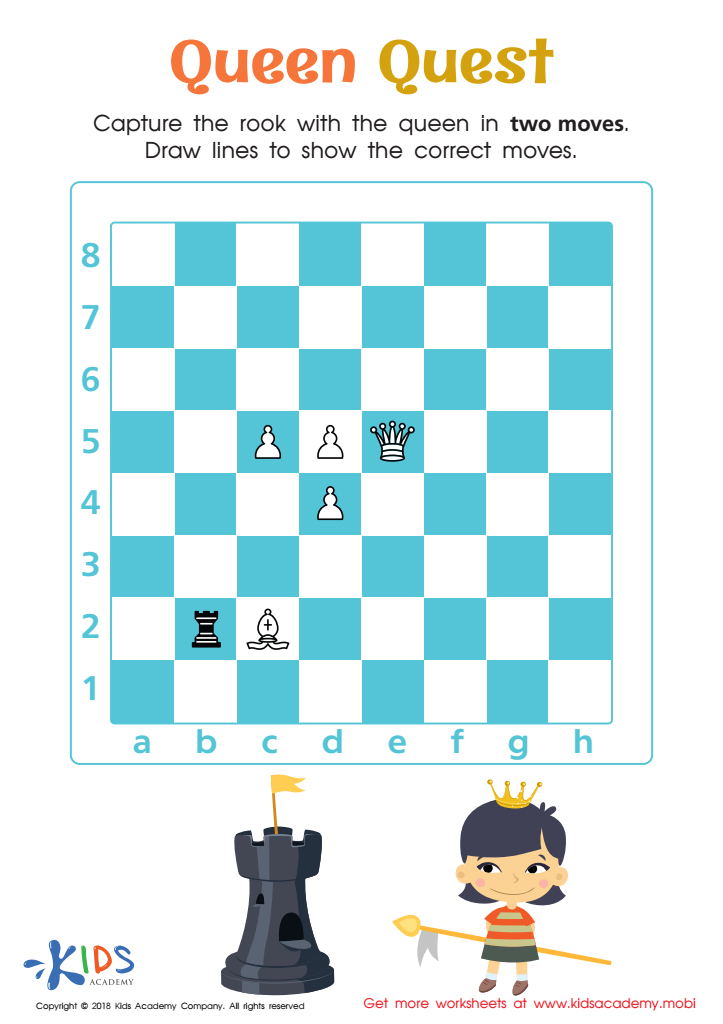
Queen Quest Worksheet
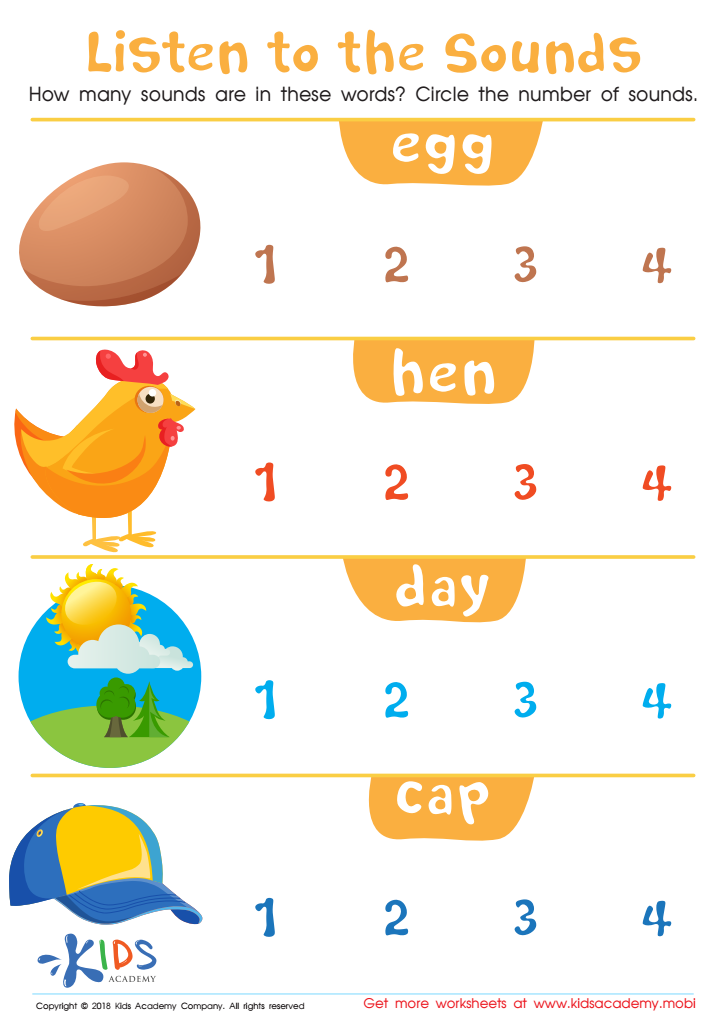
Listen to the Sounds Worksheet
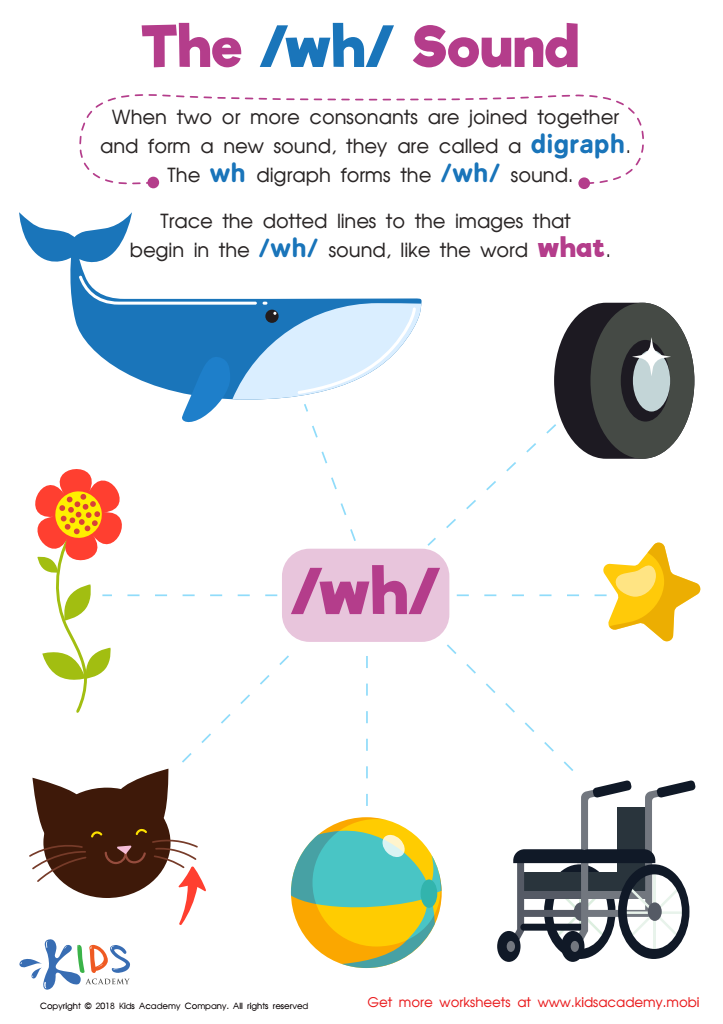
The /wh/ Sound Worksheet
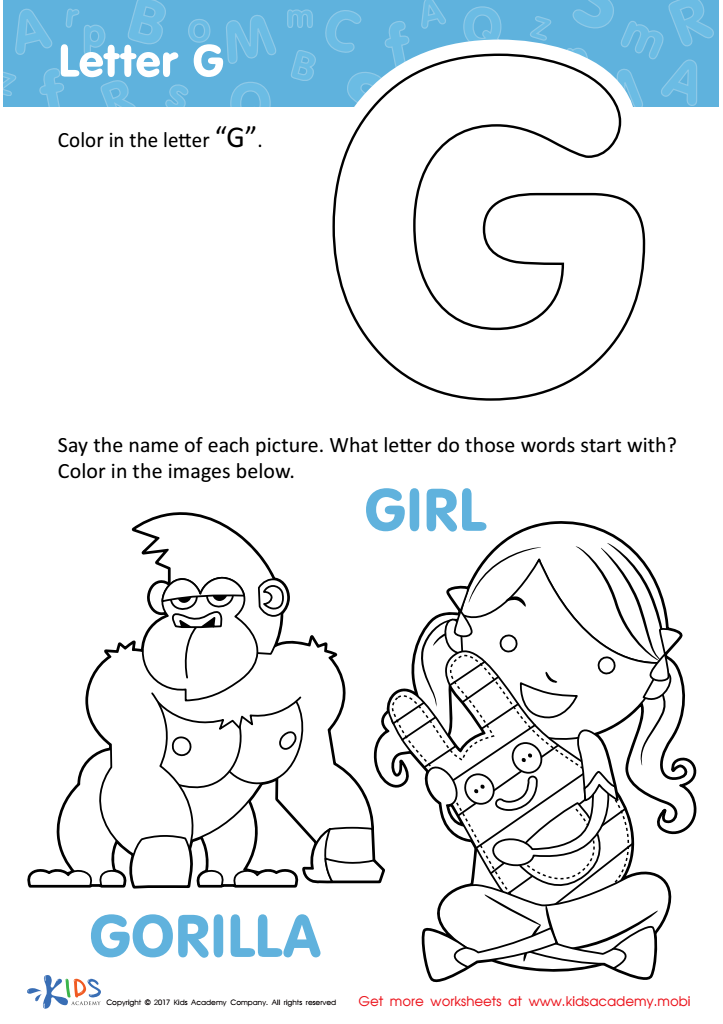
Letter G Coloring Sheet
 Assign to My Students
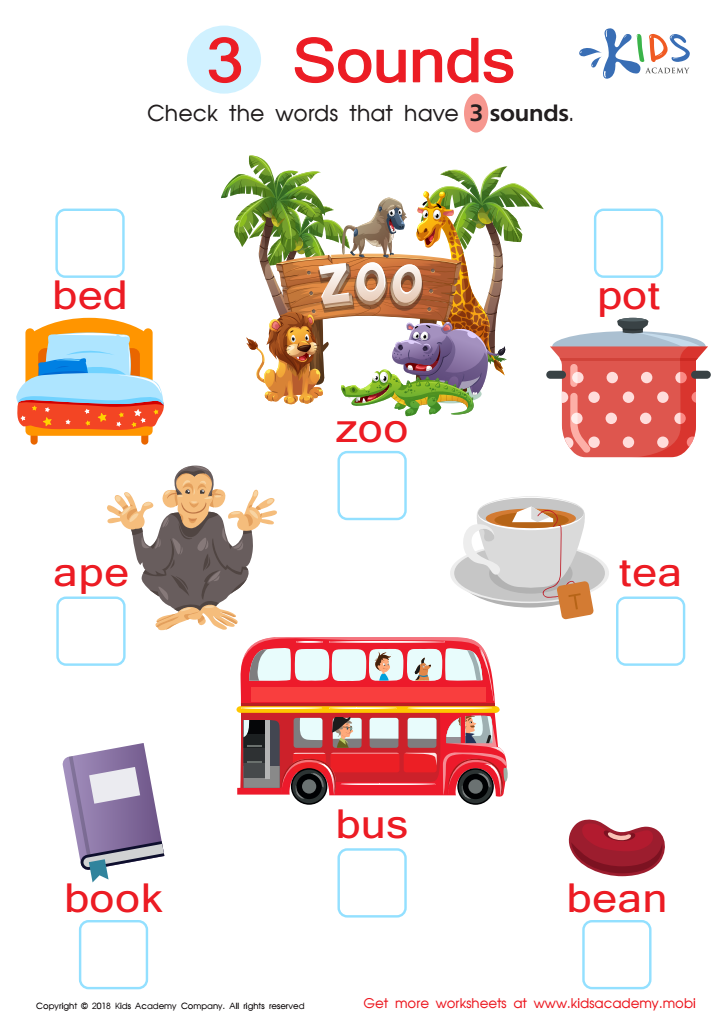
3 Sounds Worksheet
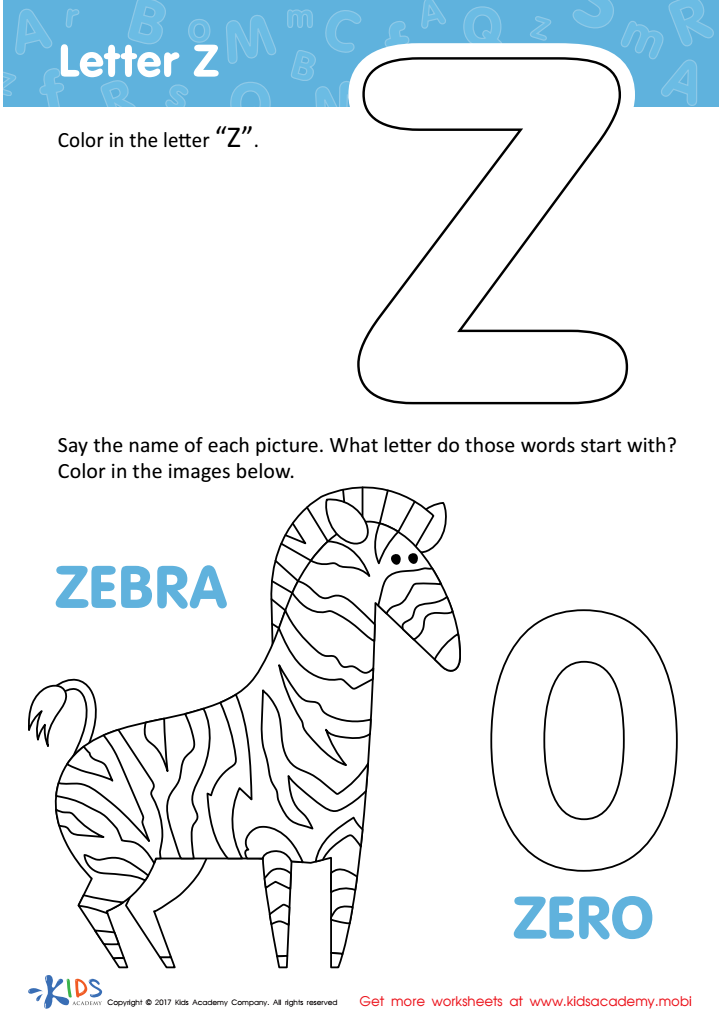
Letter Z Coloring Sheet
Assign to My Students
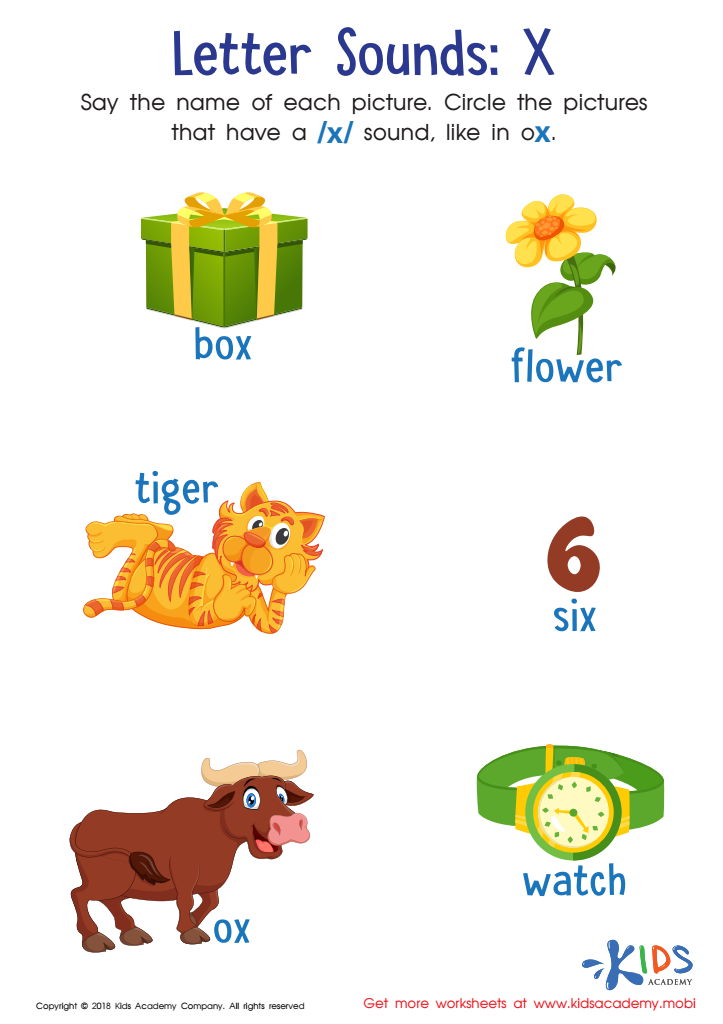
Letter X Sounds Worksheet
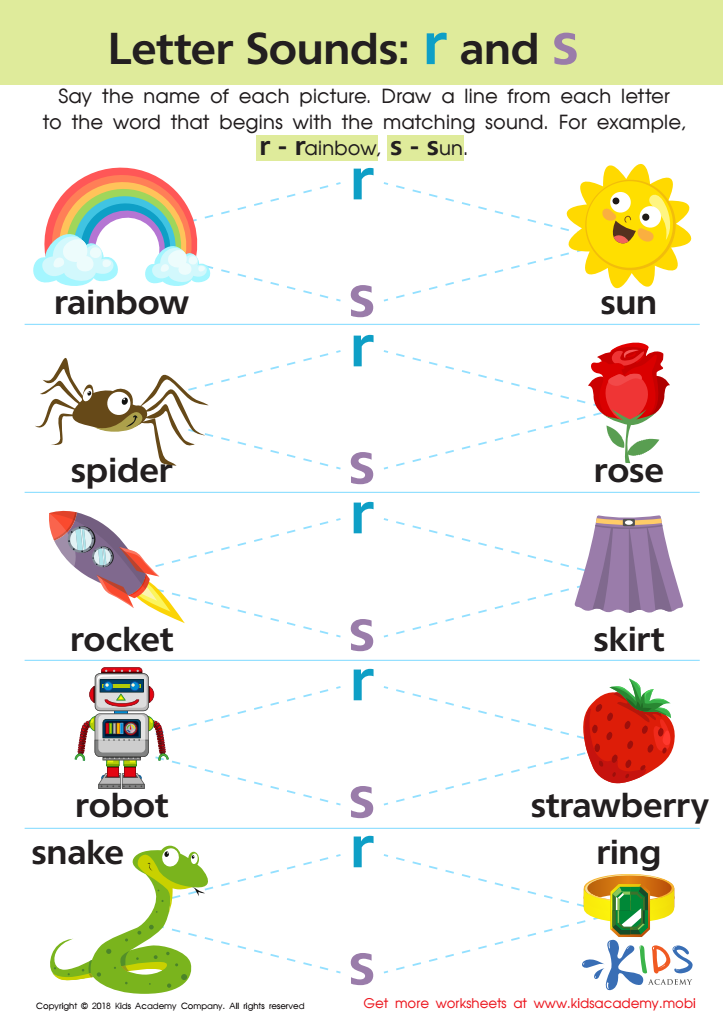
Letter R and S Sounds Worksheet
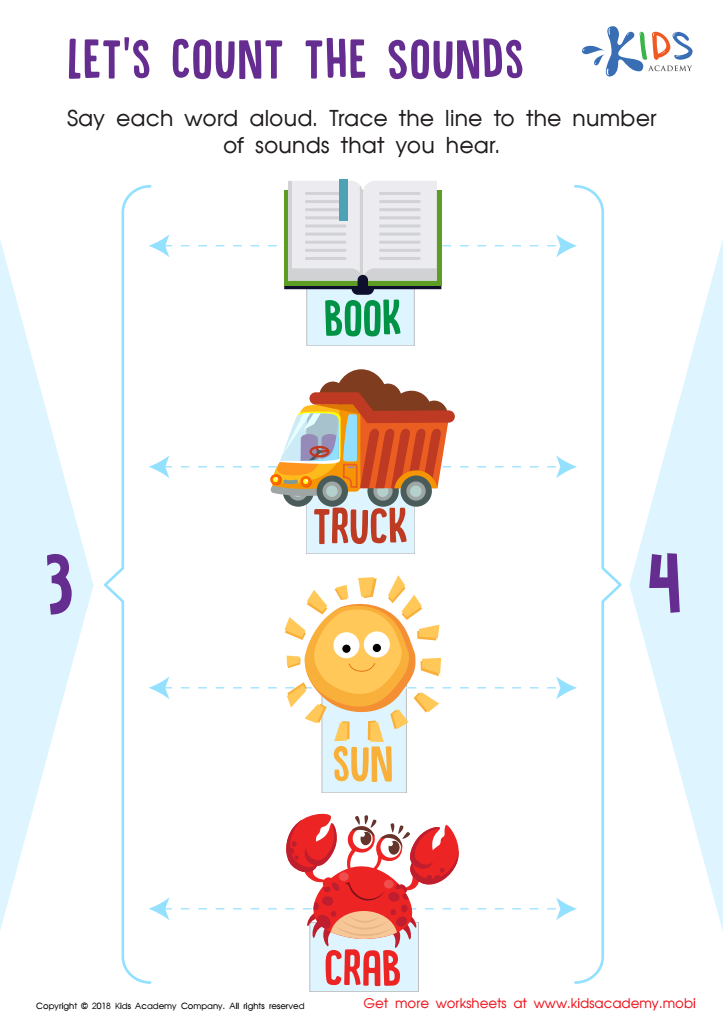
Let's Count the Sounds Worksheet
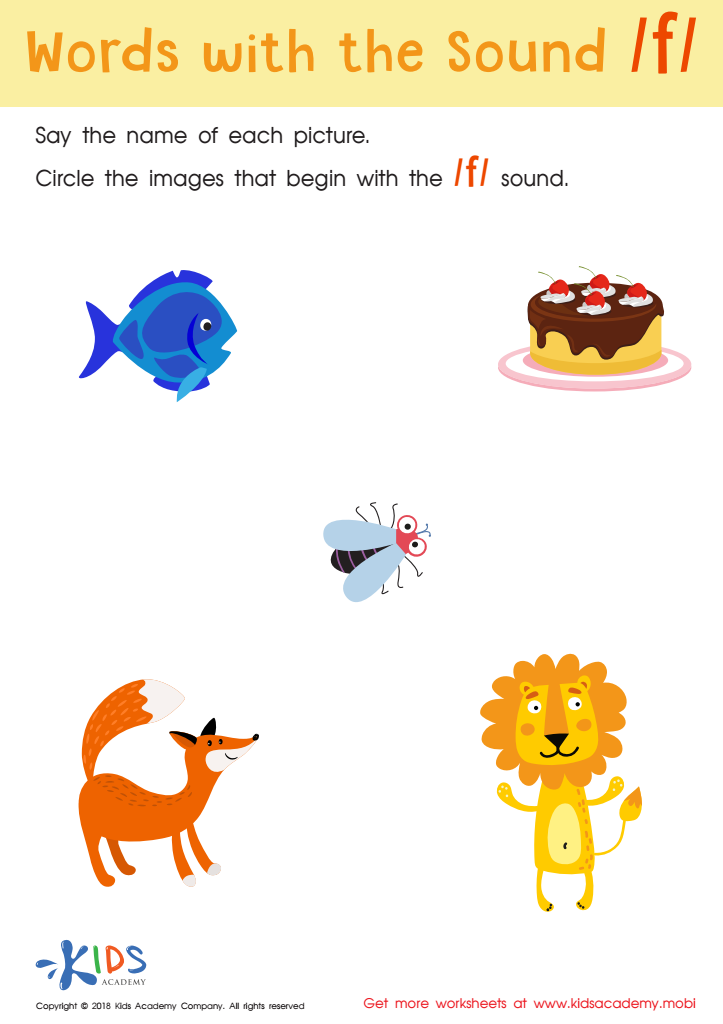
Words with sound f Reading Worksheet
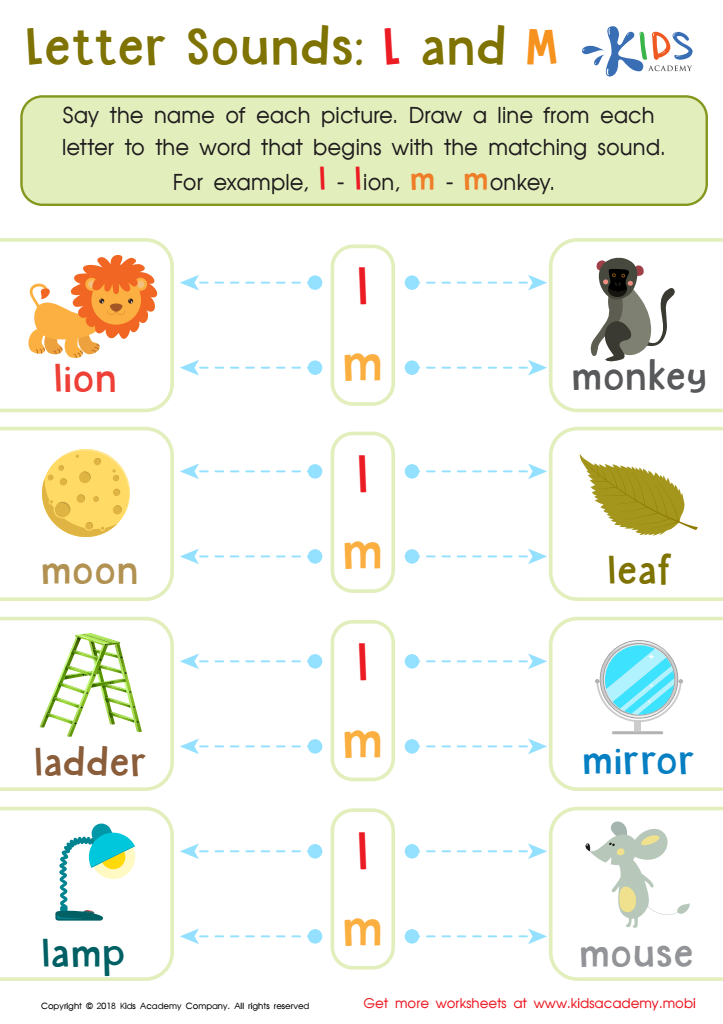
Letter l and M Sounds Worksheet
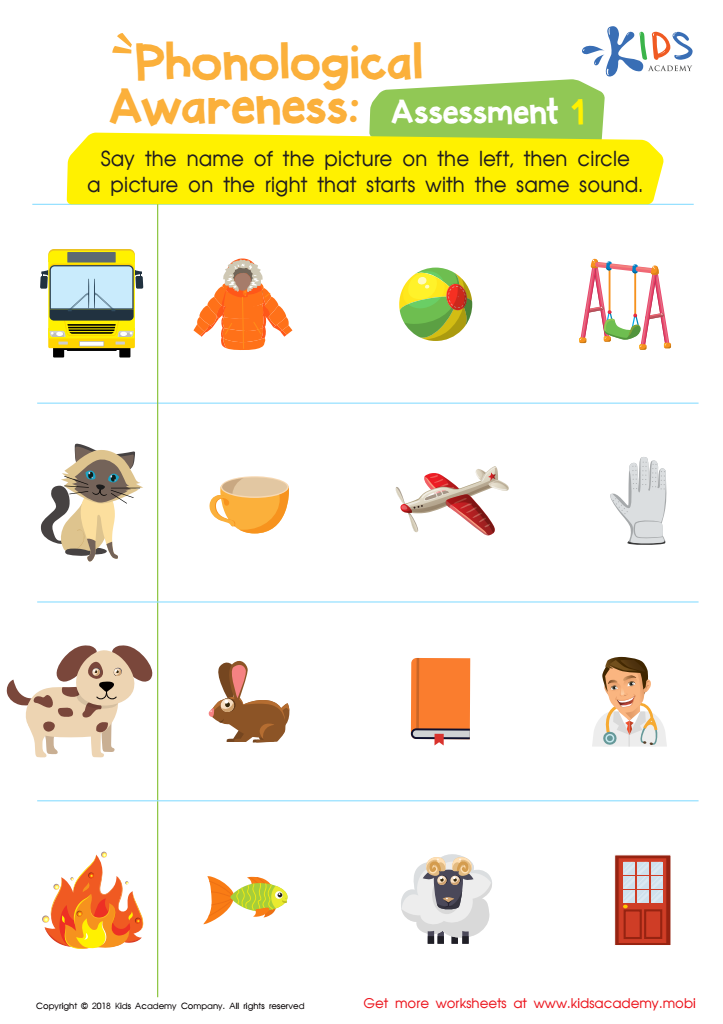
Phonological Awareness: Assessment 1 Worksheet
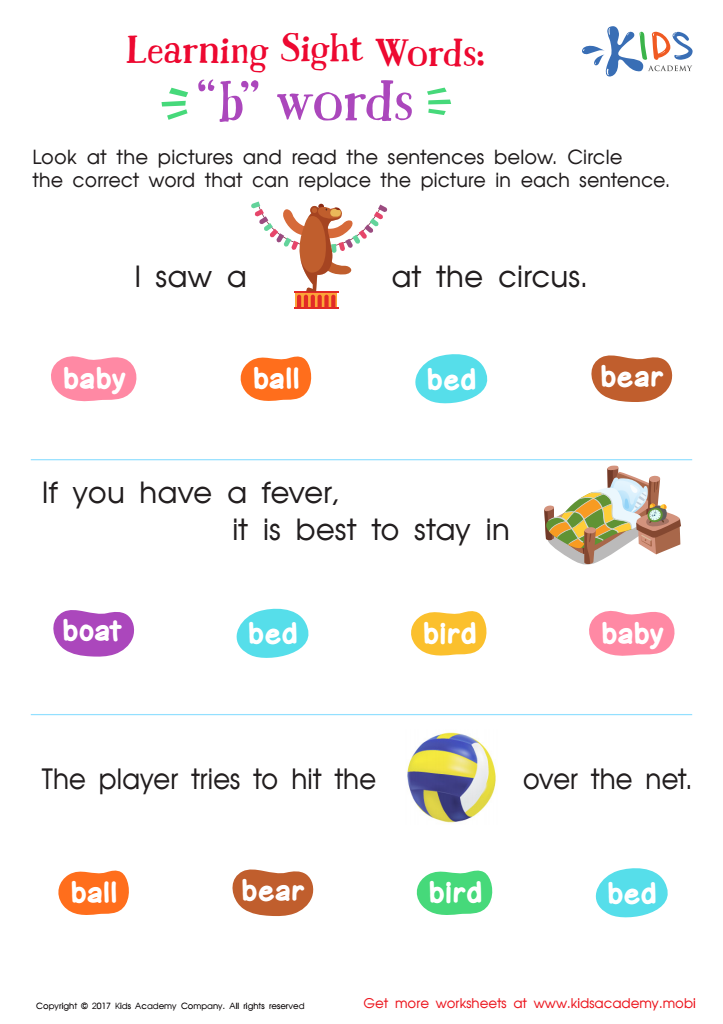
"B" Words Printable Sight Words Worksheet
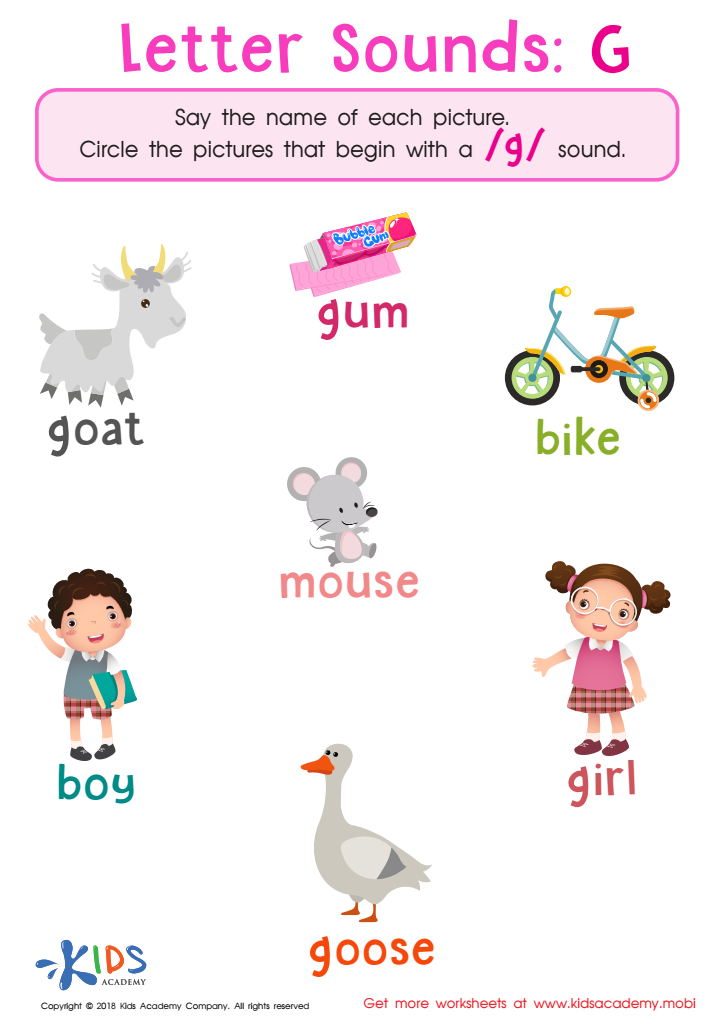
Letter G Sounds Worksheet
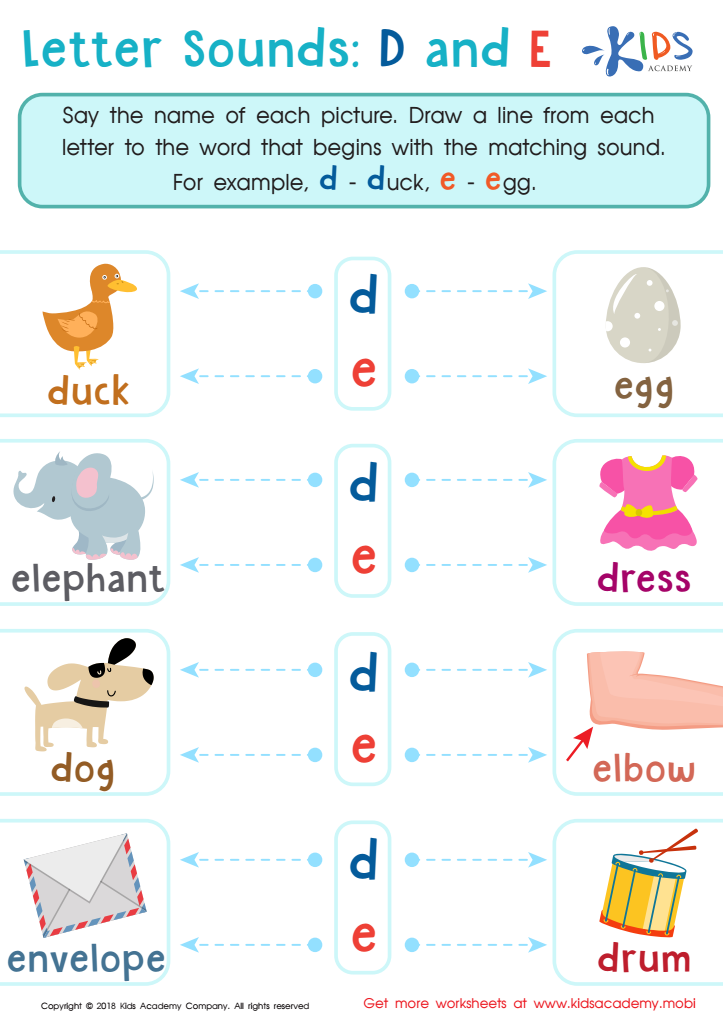
Letter D and E Sounds Worksheet








Sound Association is crucial for children aged 3-8 as it lays the foundation for their literacy skills and overall language development. During these formative years, children are like sponges, absorbing information from their surroundings. Understanding the relationship between sounds and the letters that represent them enhances their ability to read and write, paving the way for academic success.
When children can associate sounds with letters and syllables, they develop phonemic awareness, a critical skill for recognizing word patterns and decoding words. This skill not only aids in reading but also boosts their confidence in expressing themselves verbally, facilitating effective communication.
Furthermore, engaging in activities that promote sound association enhances cognitive skills, improving memory, attention span, and critical thinking. Such interactions foster a love for learning and curiosity about language, making it an enjoyable journey rather than a chore.
Parents and teachers play essential roles in nurturing these skills through rhymes, songs, and sound games, integrating play into learning. By cultivating sound association, both parents and teachers set the stage for lifelong literacy, ensuring children are equipped with the essential tools to thrive in education and beyond. Consequently, prioritizing sound association is an investment in a child’s future success.








