Spatial awareness Worksheets for Ages 3-8 - Page 2
57 filtered results
-
From - To
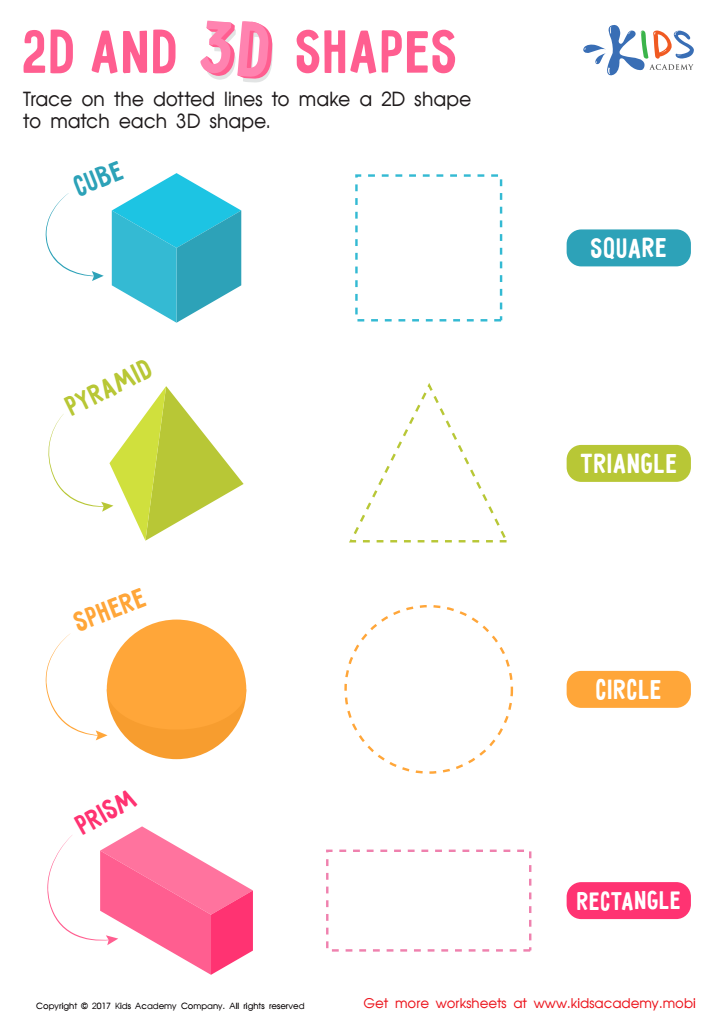
2D and 3D Shapes Worksheet
 Assign to My Students
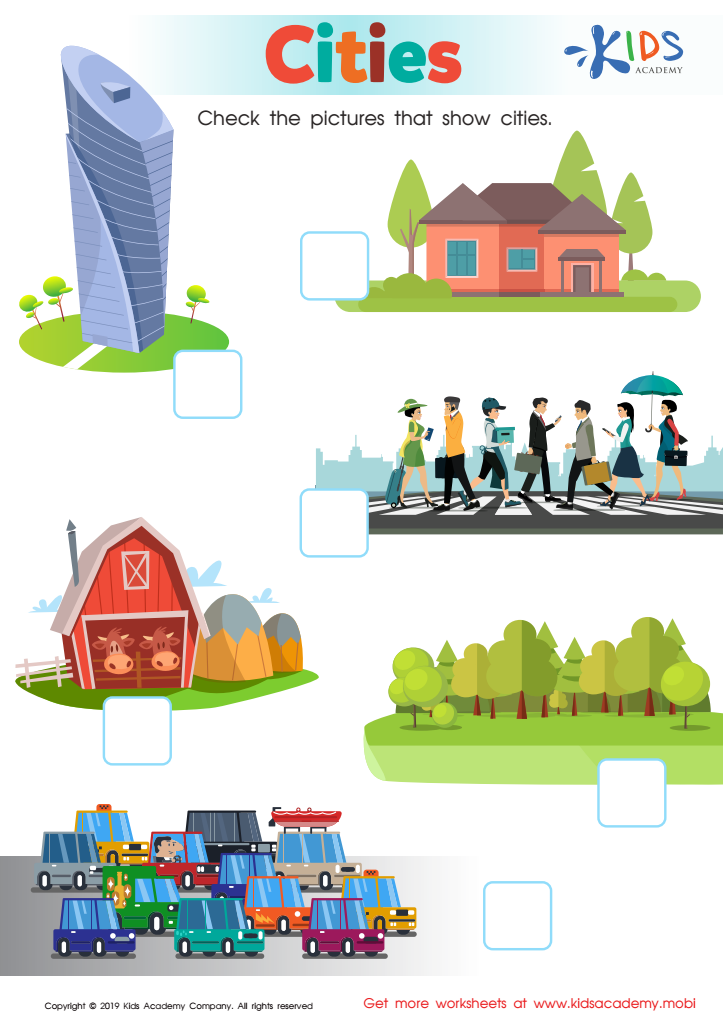
Cities Worksheet
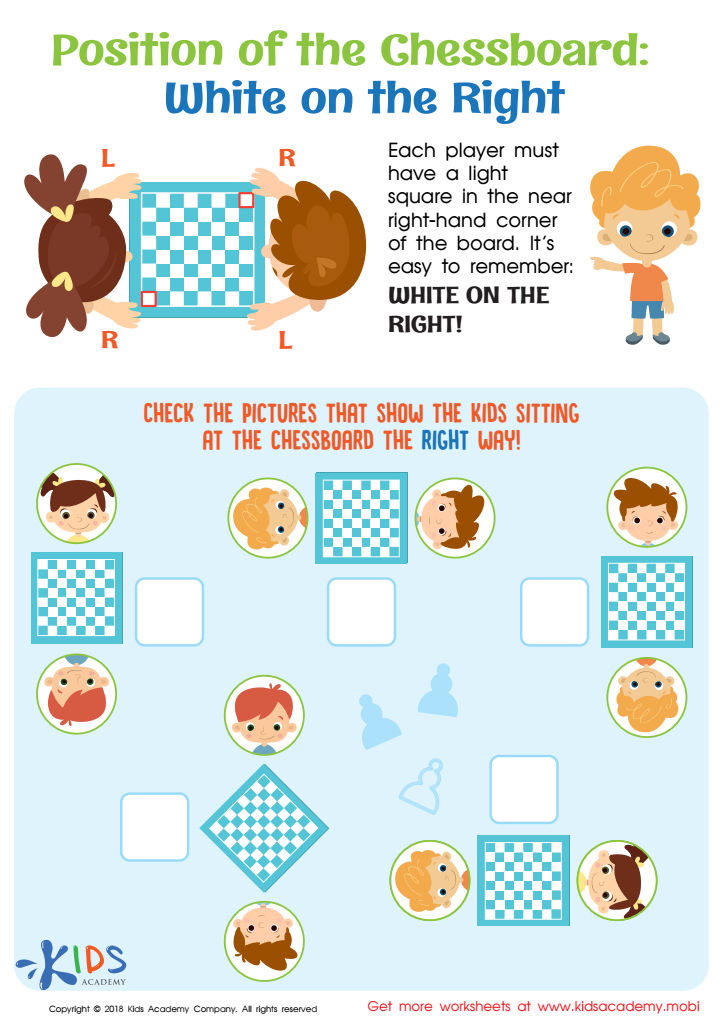
Position of the Chessboard: White on the Right Worksheet
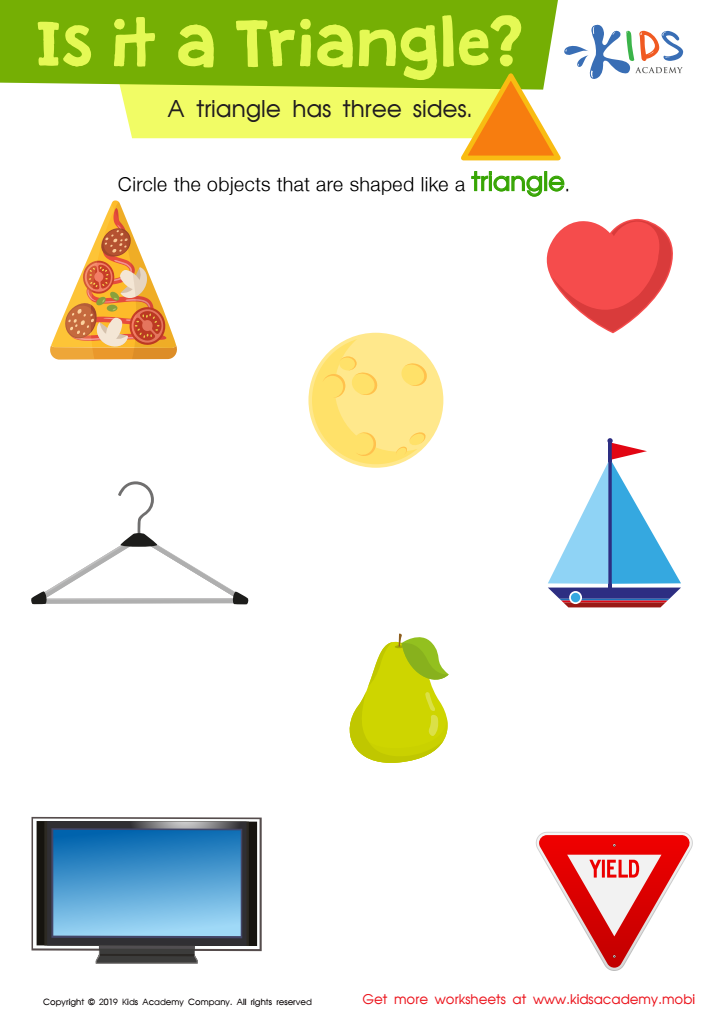
Is It a Triangle? Worksheet
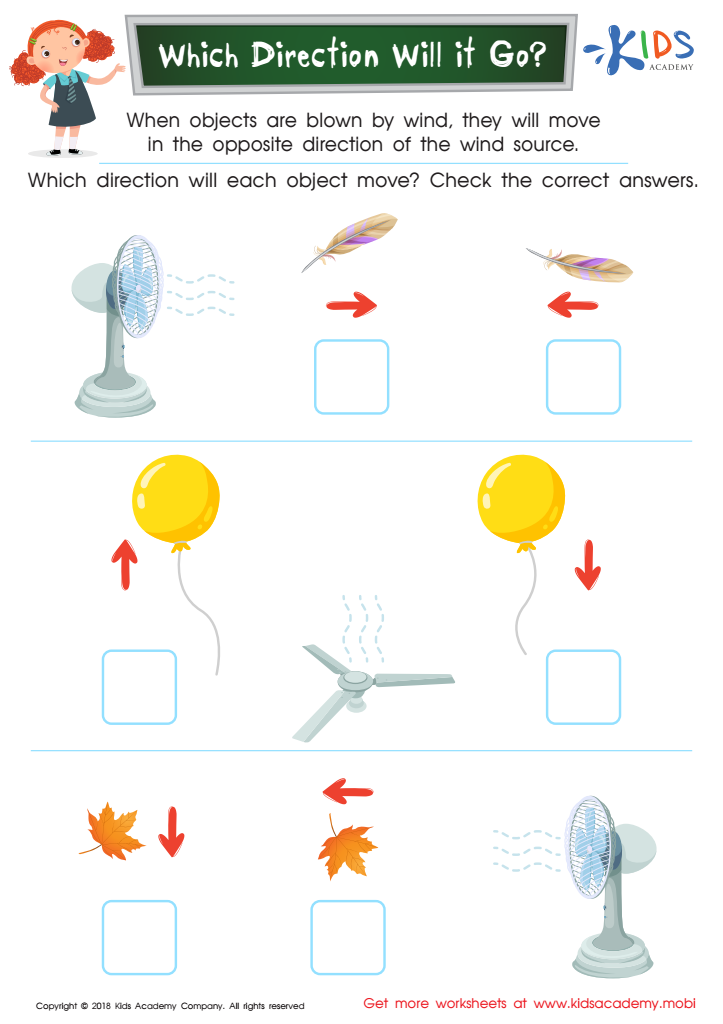
Which Direction Will it Go? Worksheet
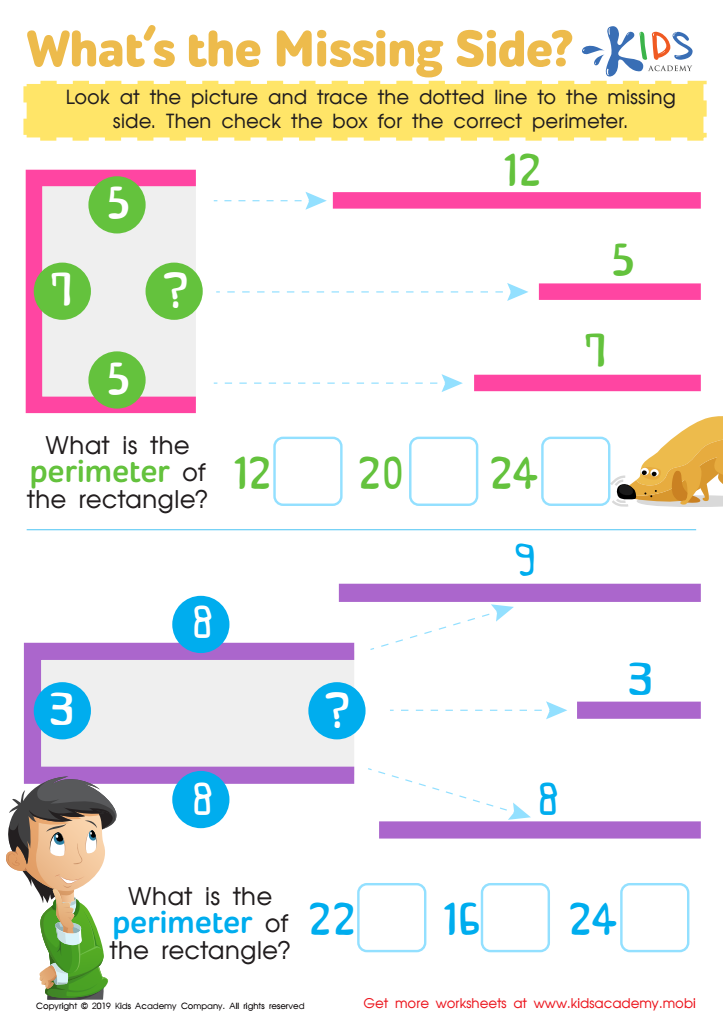
What's the Missing Side Worksheet
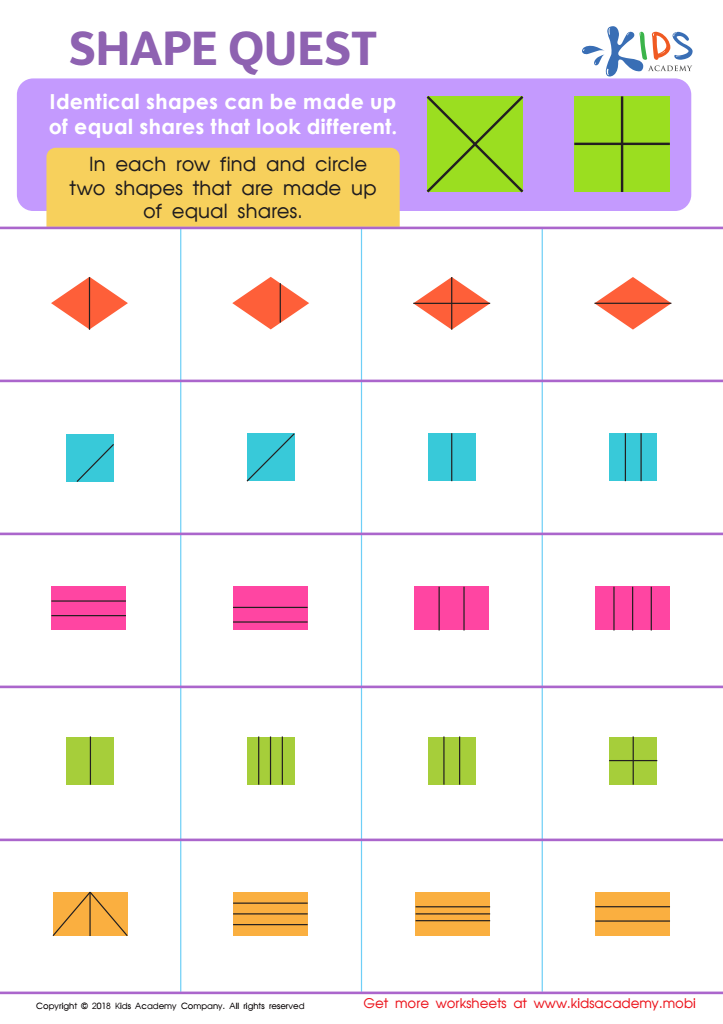
Shape Quest Worksheet
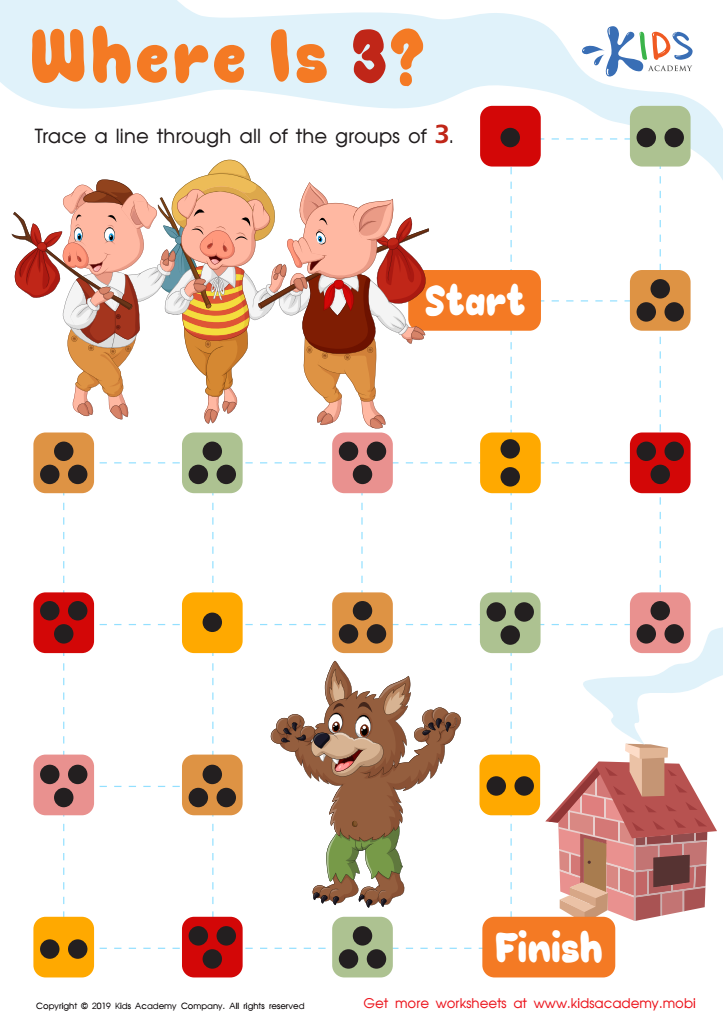
Where Is 3? Worksheet
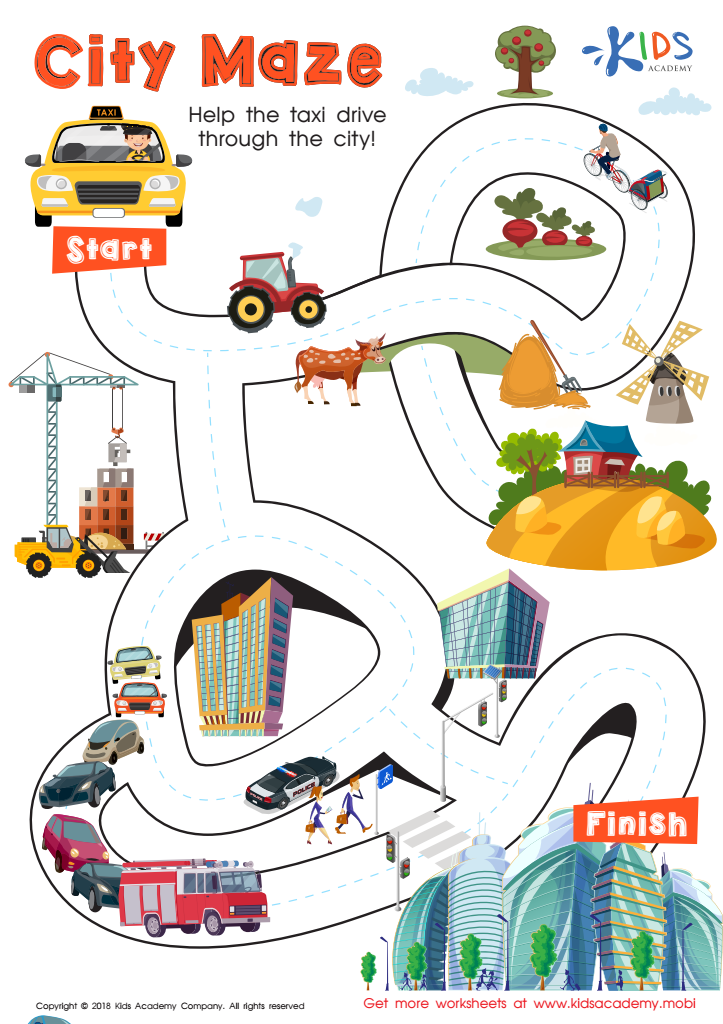
City Maze Worksheet
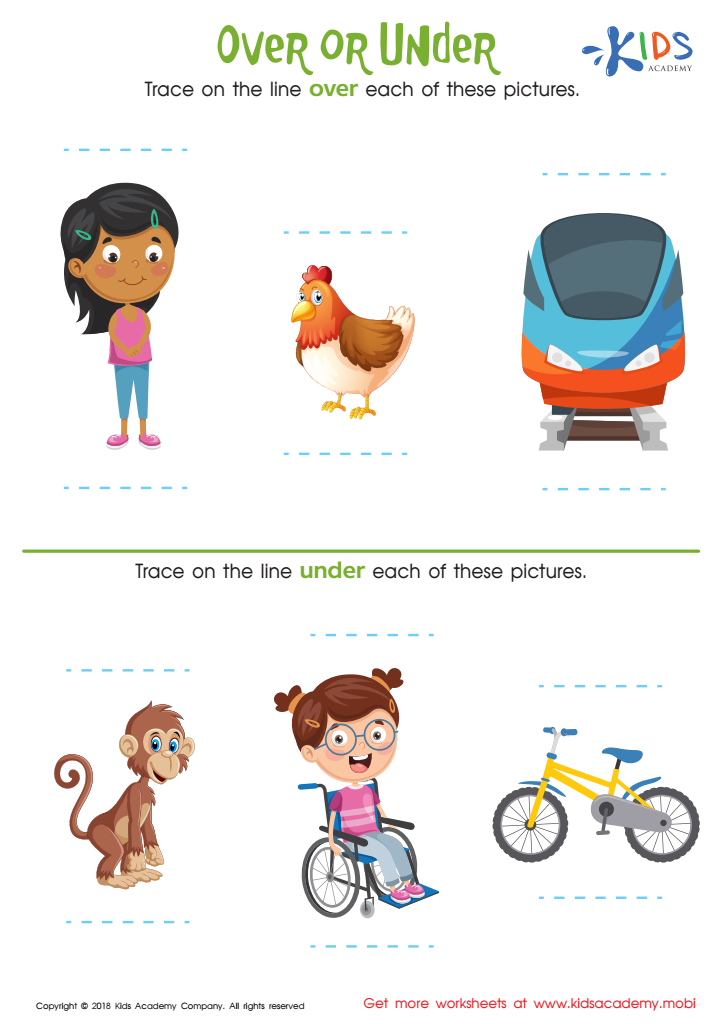
Over or Under Worksheet
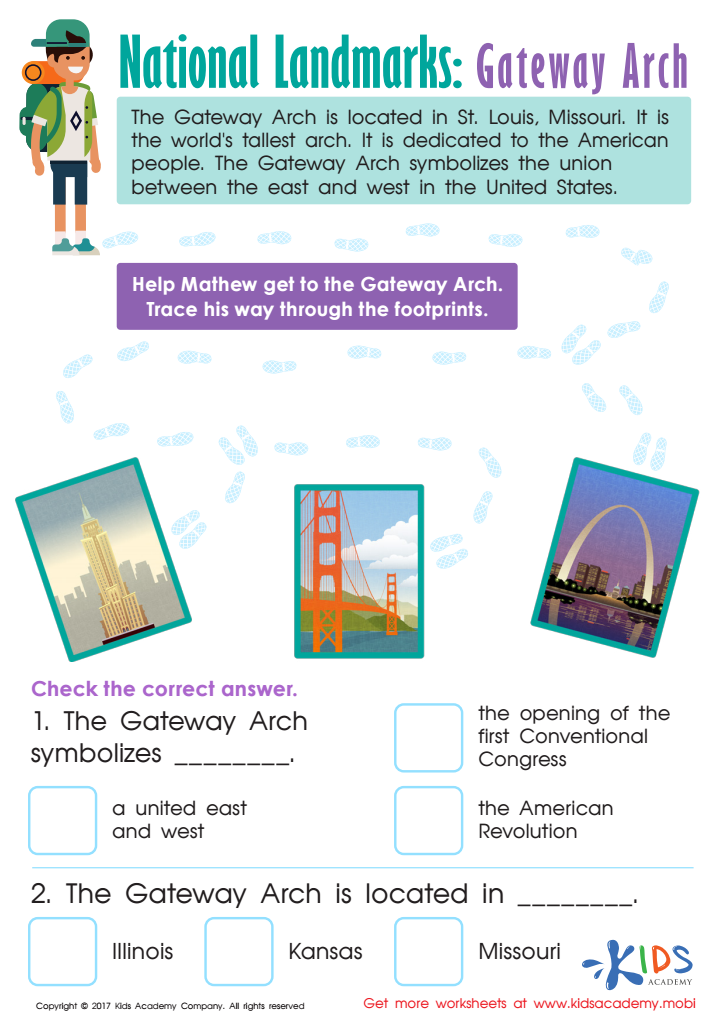
Gateway Arch Printable Worksheet
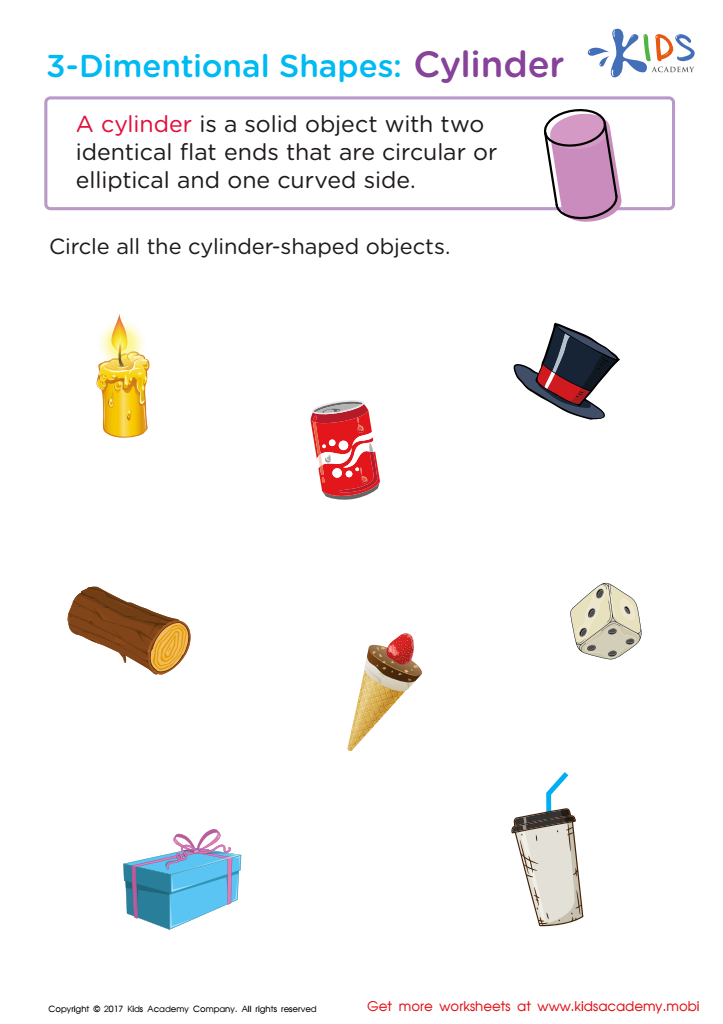
Three–Dimensional Shapes: Cylinder Worksheet
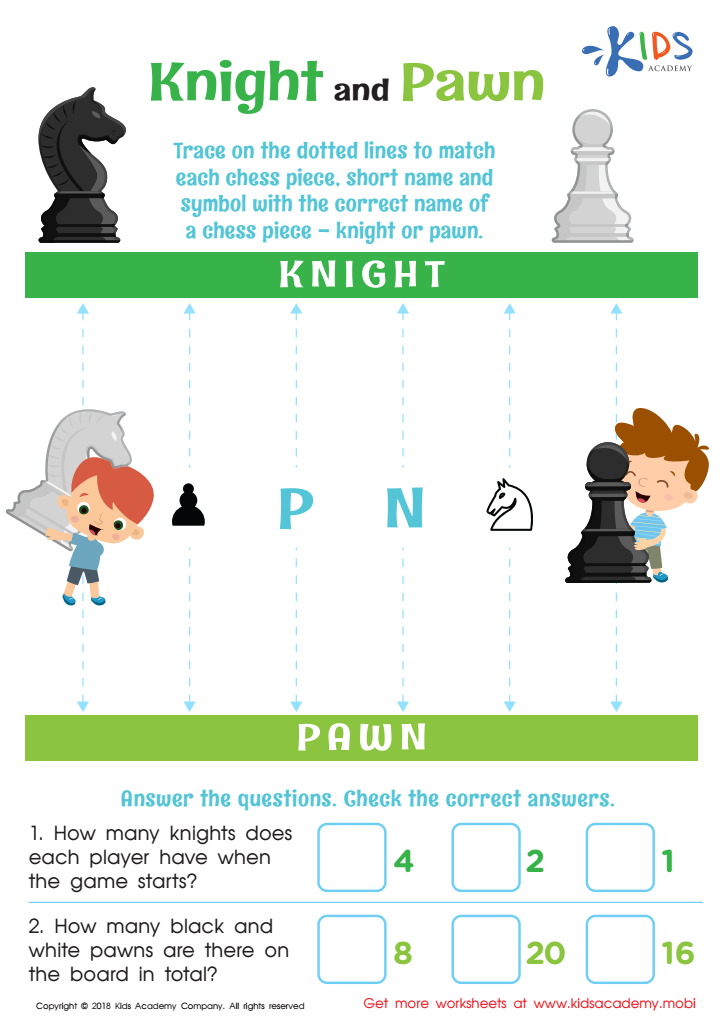
Knight and Pawn Worksheet
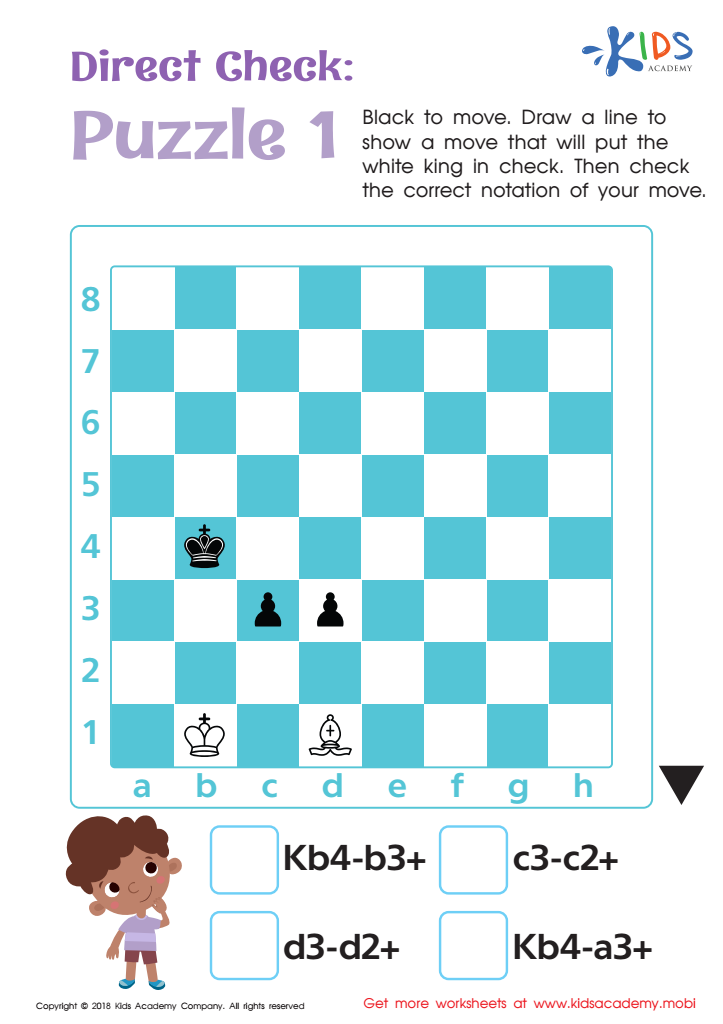
Direct Check: Puzzle 1 Worksheet
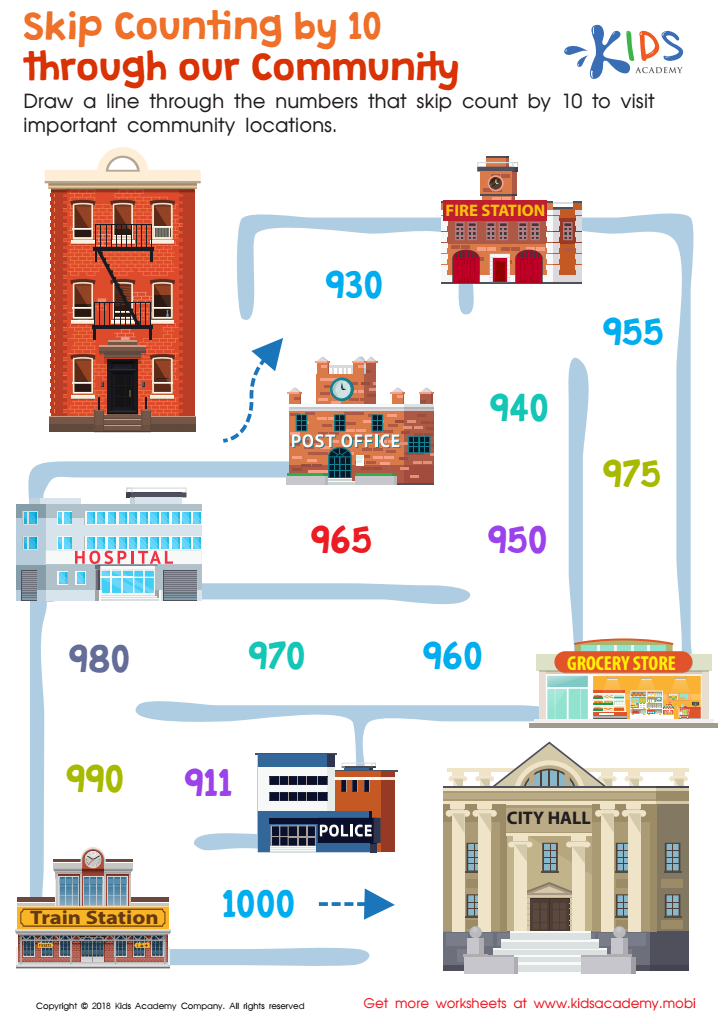
Skip Counting by 10 Through Our Community Worksheet
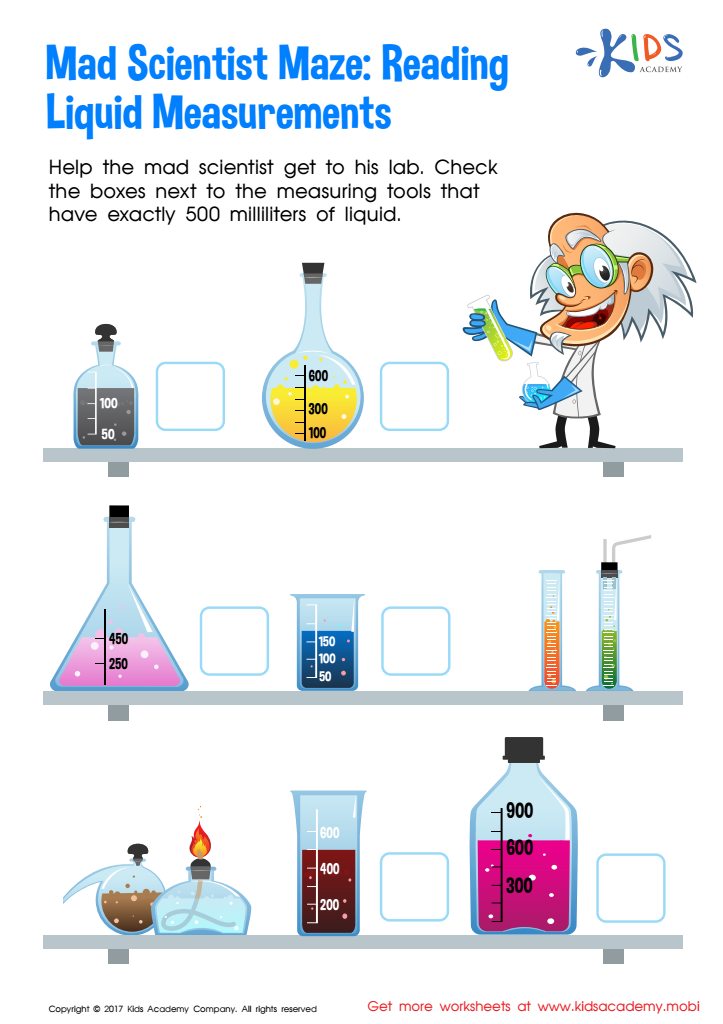
Reading Liquid Measurement Worksheet
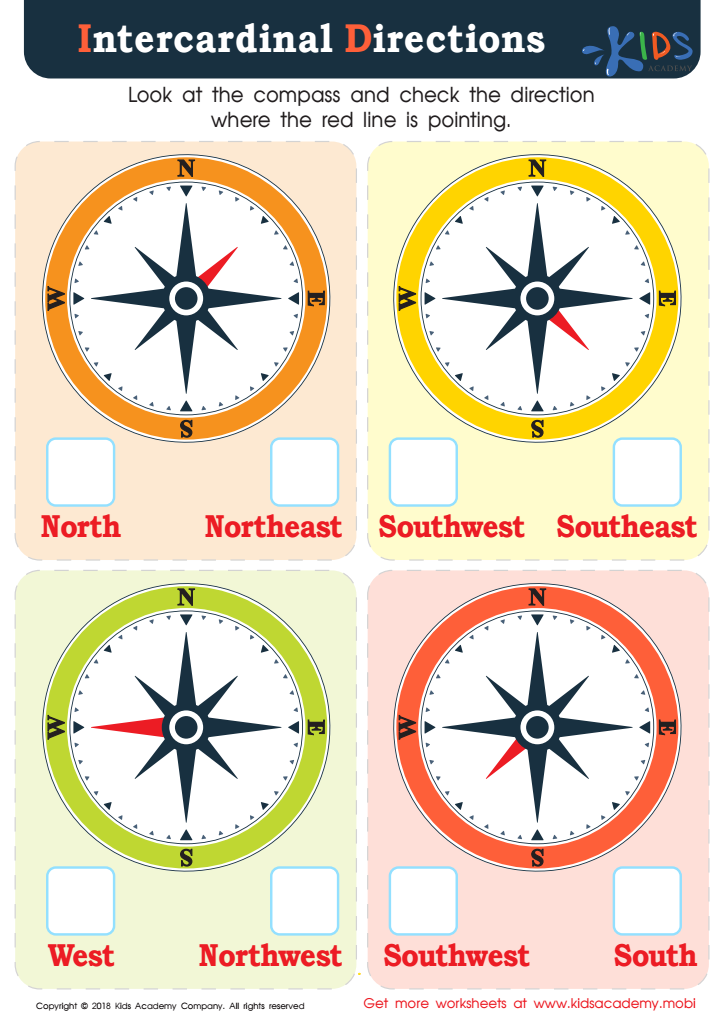
Intercardinal Directions Worksheet
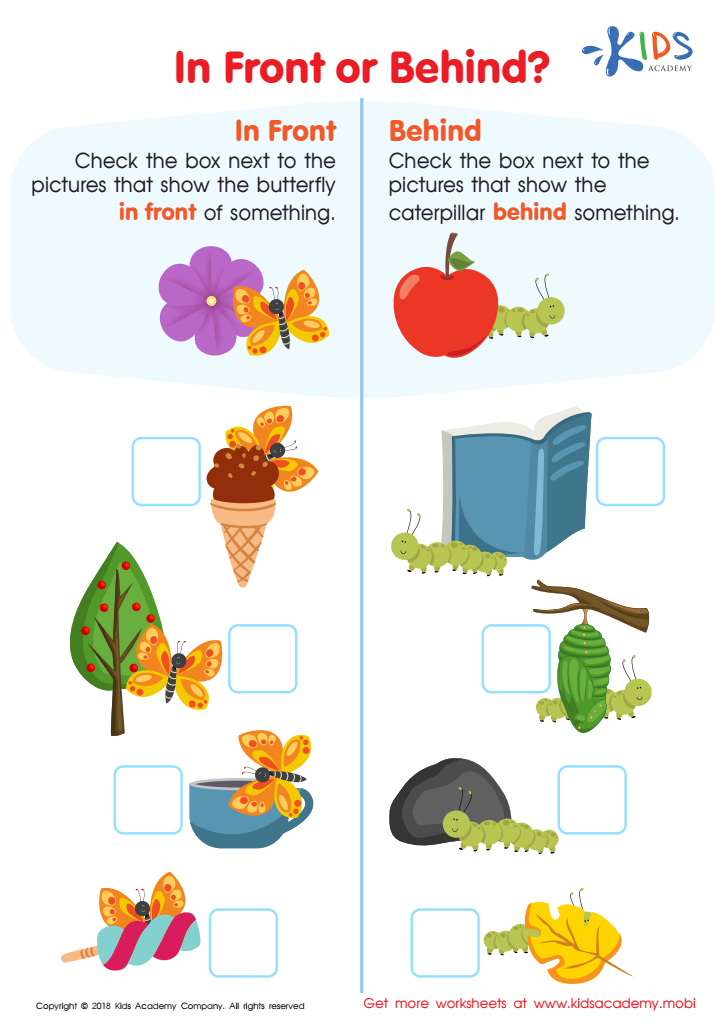
In Front or Behind Worksheet
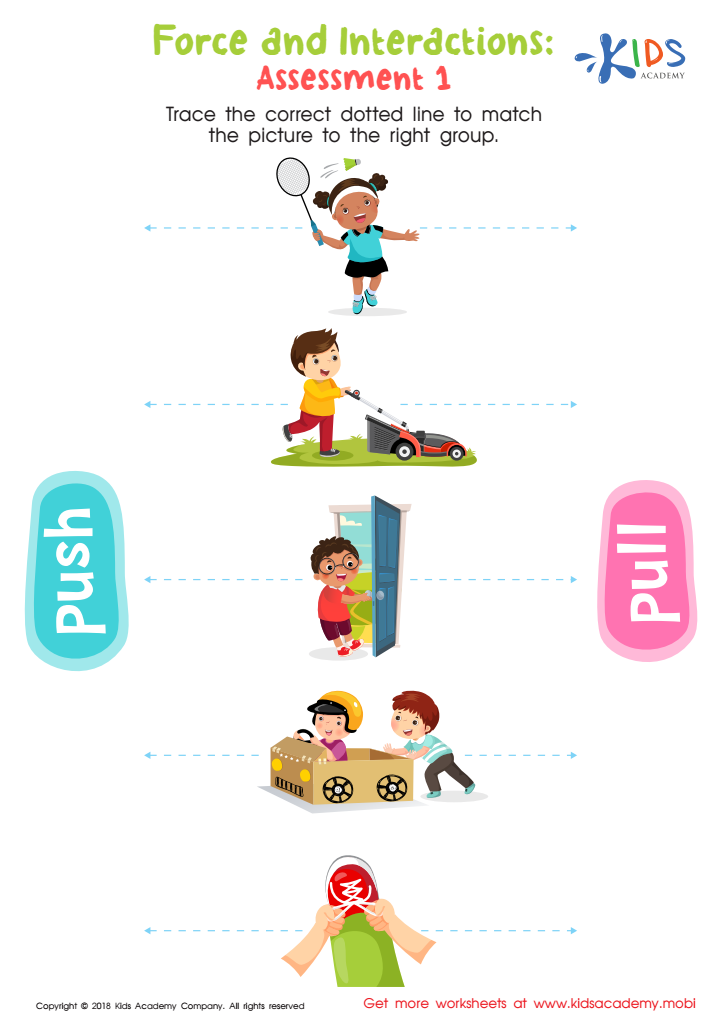
Force and Interactions: Assessment 2 Worksheet
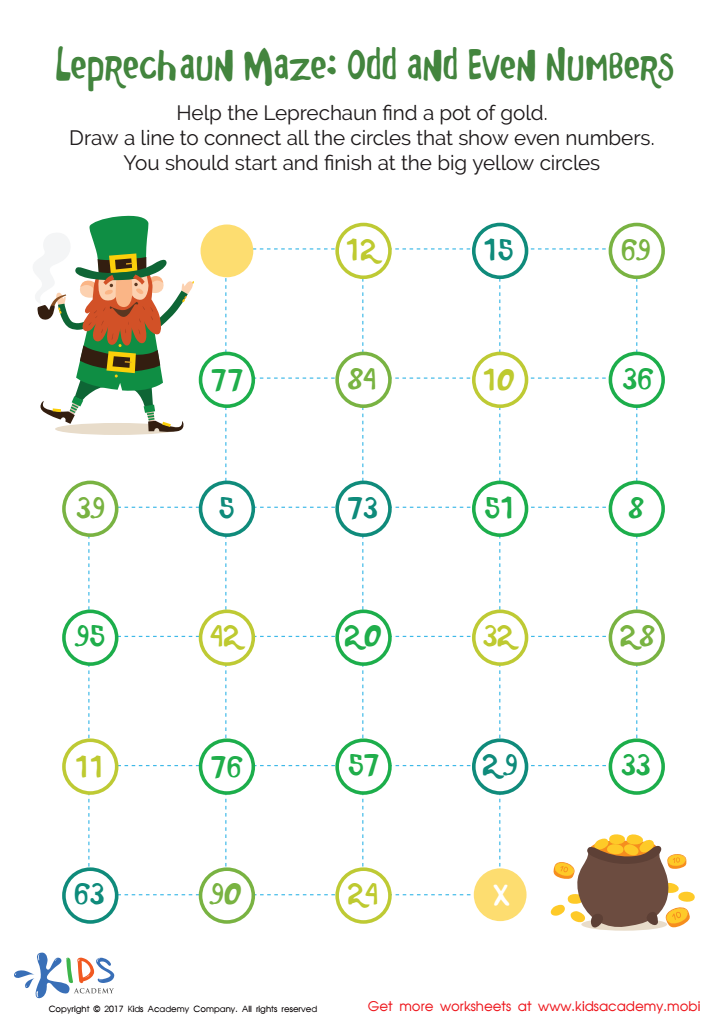
Leprechaun Maze Printable
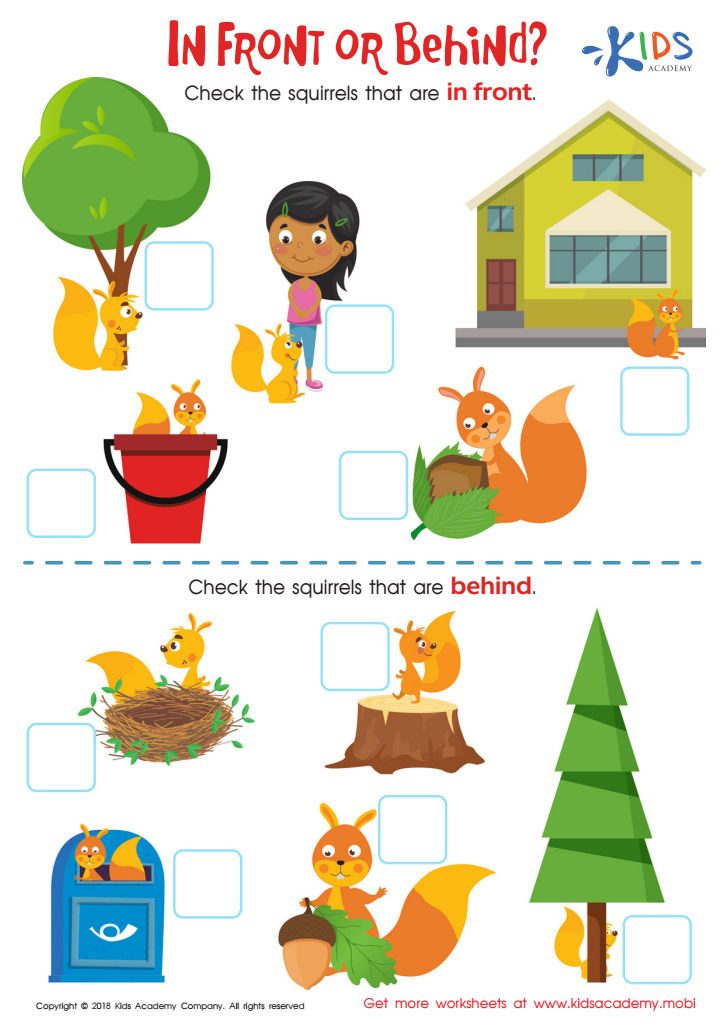
In Front or Behind: Part 2 Worksheet
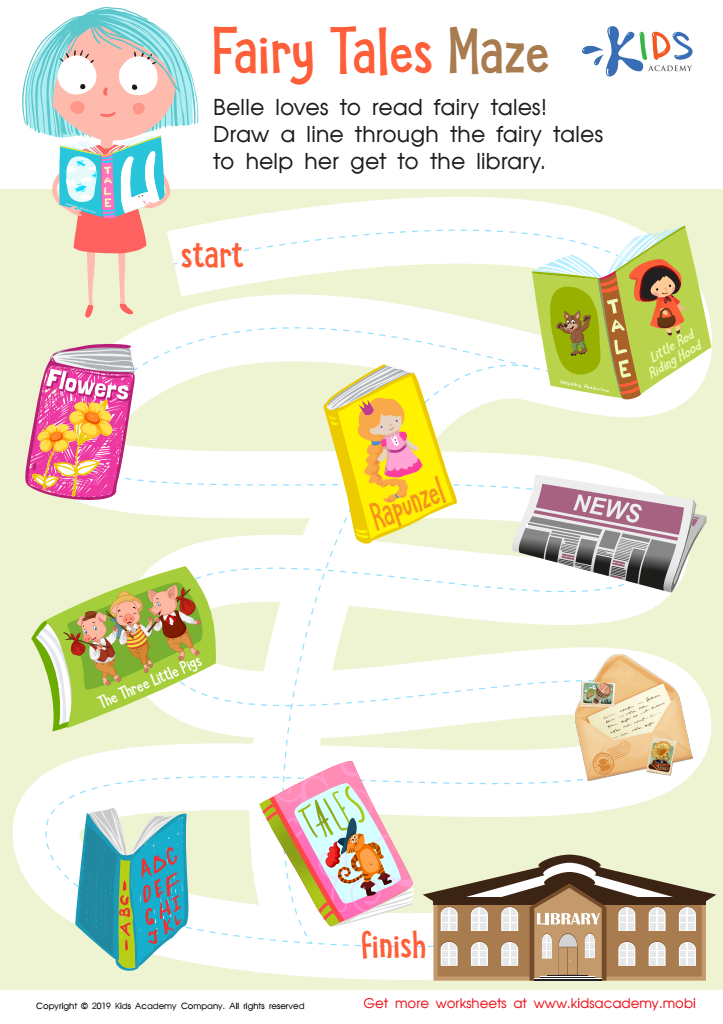
Fairy Tales Maze Worksheet








Spatial awareness, the ability to understand and manipulate one's position in space, is crucial for children aged 3-8 as it lays the foundation for various cognitive and physical skills. Parents and teachers should prioritize developing this essential skill for several reasons.
Firstly, spatial awareness enhances children's ability to comprehend and navigate their environment, which is crucial for safety and independent movement. It aids in daily activities such as dressing, playing, and participating in sports. By fostering this skill, caregivers can help children build confidence in their physical abilities.
Secondly, spatial awareness is closely linked to academic success, particularly in subjects like math and science. Understanding shapes, patterns, and spatial relationships boosts problem-solving skills and logical reasoning. Through activities like puzzles, block building, and sensory play, educators and parents can provide opportunities for rich learning experiences that promote cognitive development.
Additionally, spatial awareness supports creativity and imaginative play, encouraging children to think innovatively and explore new ideas. This skill not only prepares young learners for future academic challenges but also nurtures their social skills through cooperative play and teamwork. Investing time in developing spatial awareness can significantly benefit children's overall growth and learning trajectories.








