Syllable recognition Worksheets for Ages 3-8
3 filtered results
-
From - To
Discover our engaging Syllable Recognition Worksheets, specially designed for children aged 3 to 8! These worksheets support early literacy development by helping young learners identify and count syllables in words through fun activities. Each worksheet features vibrant illustrations and interactive exercises that make learning enjoyable and effective. Perfect for teachers and parents, these resources promote phonological awareness and enhance reading skills in a playful manner. Whether in the classroom or at home, our worksheets provide a structured approach to mastering syllable recognition, fostering a strong foundation for future reading success. Try them today and watch your child’s confidence grow!
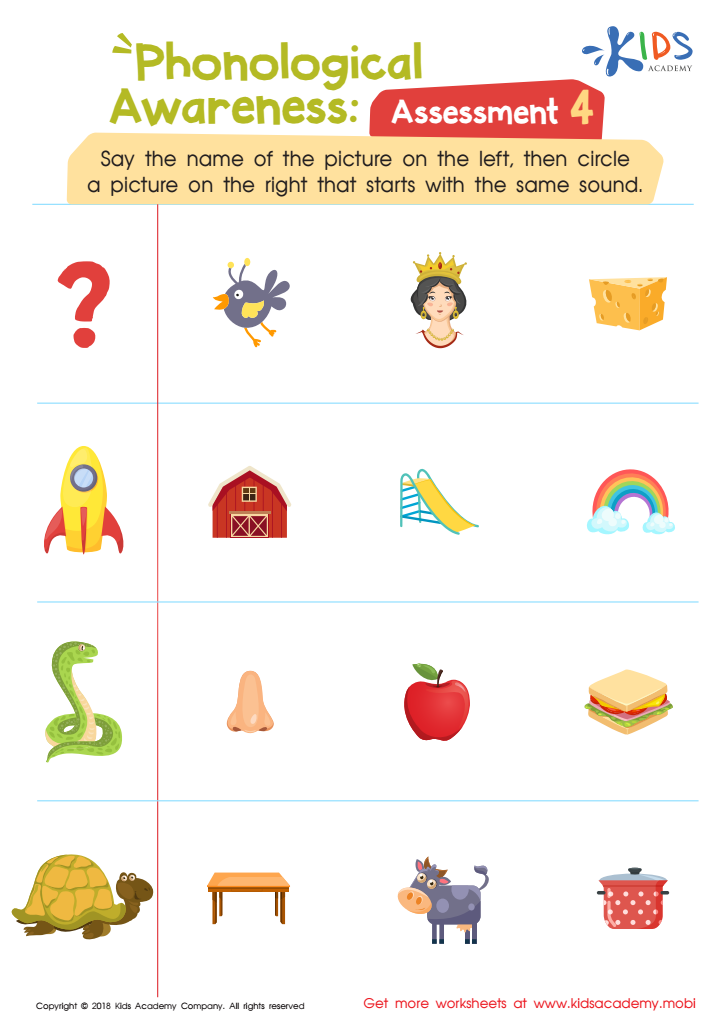
Phonological Awareness: Assessment 4 Worksheet
 Assign to My Students
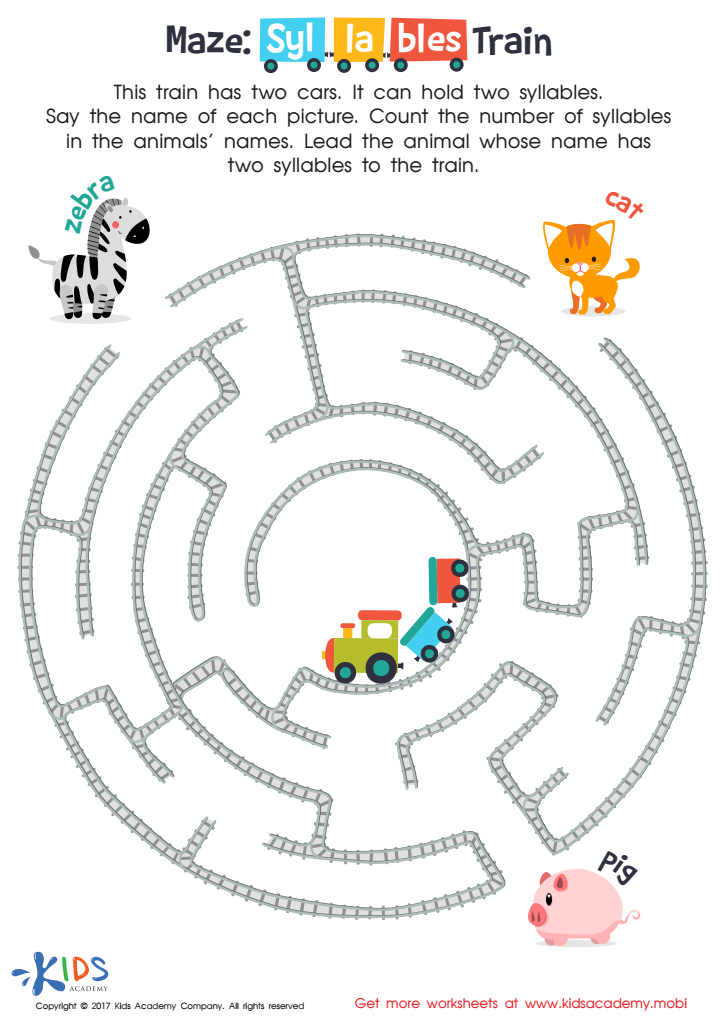
Maze Syllables Word Structure Worksheet
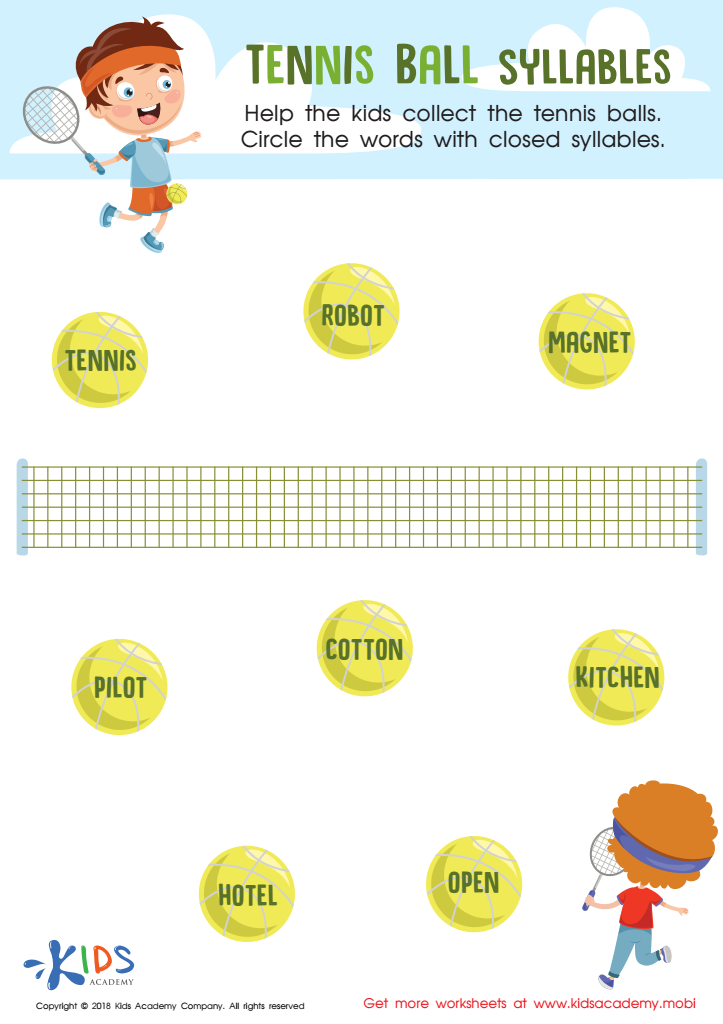
Tennis Ball Syllables Worksheet







Syllable recognition is a foundational skill critical for early literacy development in children aged 3-8. Understanding syllables aids in phonemic awareness, which is the ability to hear, identify, and manipulate sounds in spoken words. By recognizing syllables, children learn to break down words into manageable parts, which enhances their reading and writing abilities.
For parents and teachers, fostering this skill can significantly improve a child's confidence in language use and reading fluency. Syllable recognition lays the groundwork for decoding larger words, enabling kids to approach unfamiliar vocabulary without fear. This skill also reinforces spelling, as many spelling patterns correspond to syllable divisions, allowing children to write more effectively.
Moreover, engaging in syllable recognition activities can promote social interaction, listening skills, and cognitive development. Rhyming games, clapping syllables, and wordplay are fun, interactive ways to incorporate syllable learning into everyday life. When parents and teachers prioritize this skill, they cultivate a love for language in young learners, setting the stage for lifelong literacy. Ultimately, supporting syllable recognition not only enhances academic success but also empowers children with the communication skills they need to express themselves clearly in different environments.








