Check out this FREE "Understanding patterns" Trial Lesson for age 3-8!

Multiplication Facts 9

Favorites
With answer key
Interactive
  • 3-8
  • Understanding patterns
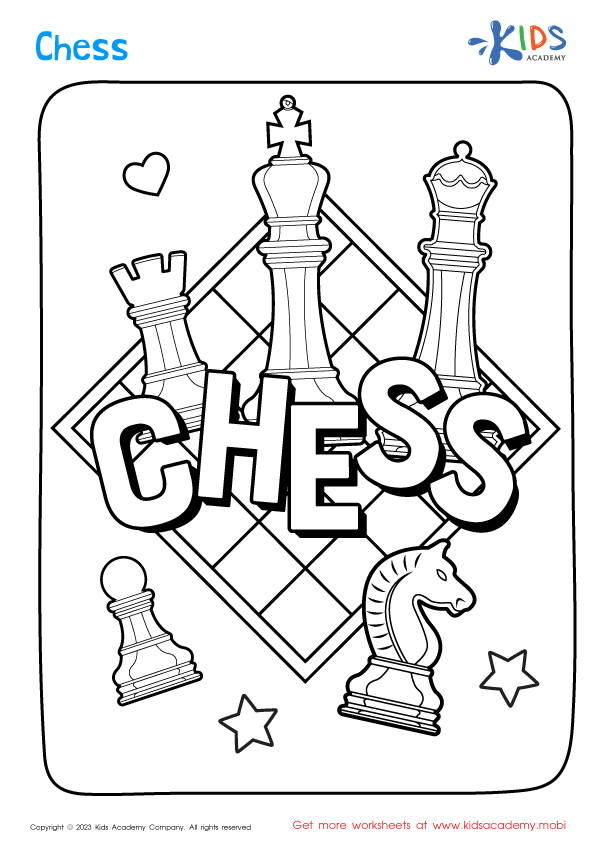
Chessboard Coloring Page

Chessboard Coloring Page

Chessboard Coloring Page
Worksheet
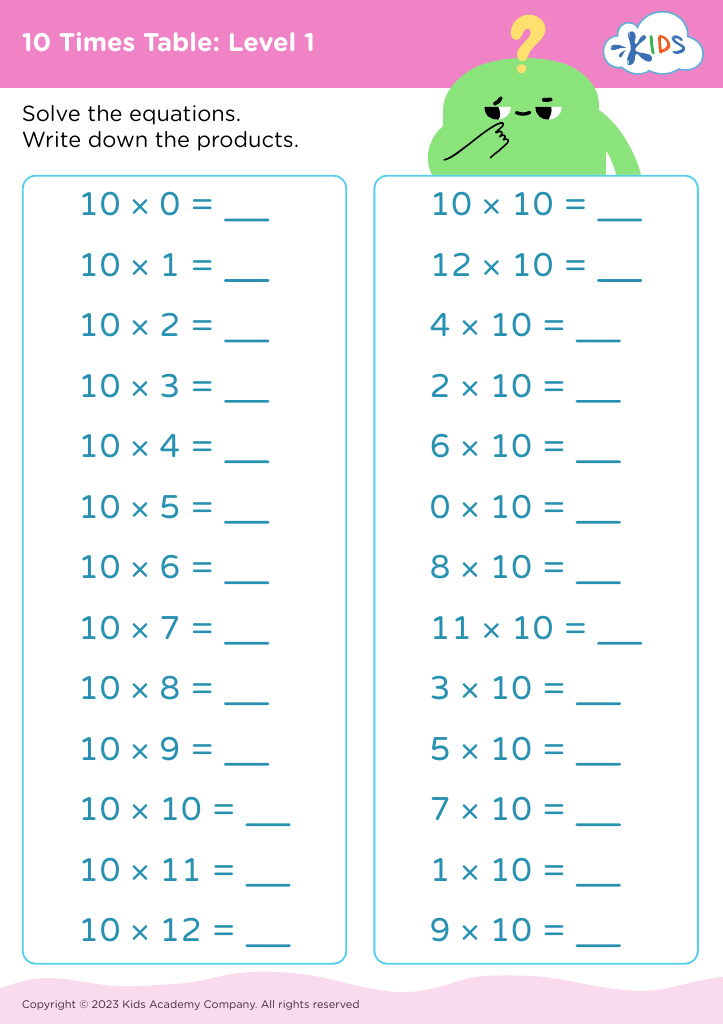
10 Times Table: Level 1

x10 Multiplication Chart

x10 Multiplication Chart
Worksheet
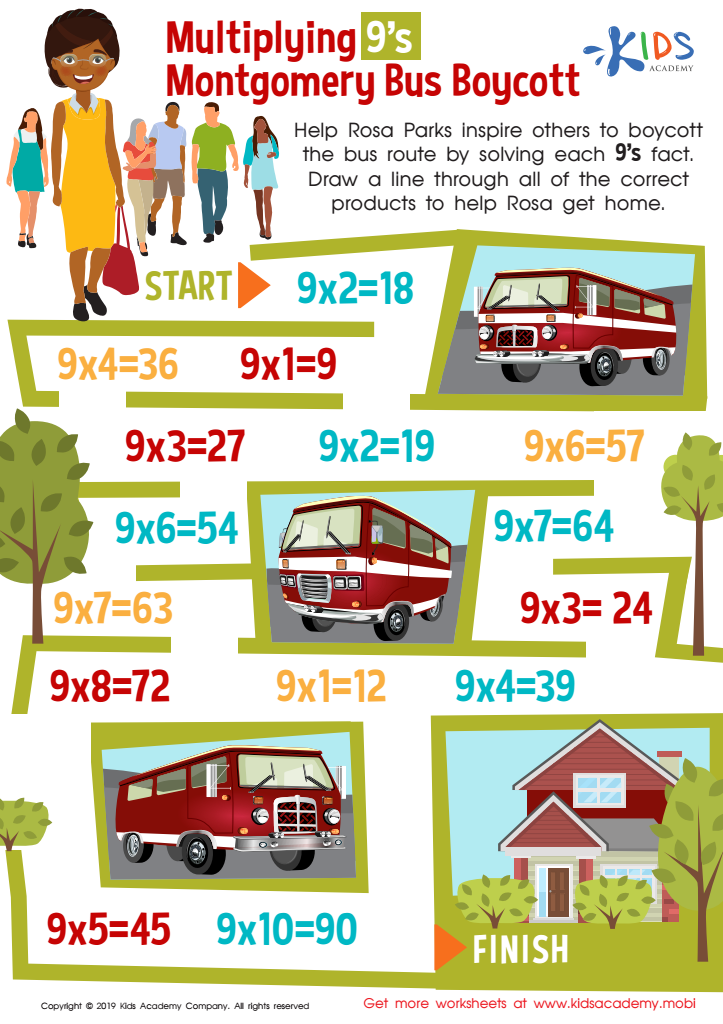
Multiplying 9’s Montgomery Bus Boycott Worksheet

Multiplying 9’s Montgomery Bus Boycott Worksheet

As your students learn math, the numbers get bigger. This worksheet is great for learning the nine times table. Help Rosa Park get home - ask them to solve each multiplication fact, then draw a line through the correct products. Encourage your students to stand up for what's right!
Multiplying 9’s Montgomery Bus Boycott Worksheet
Worksheet
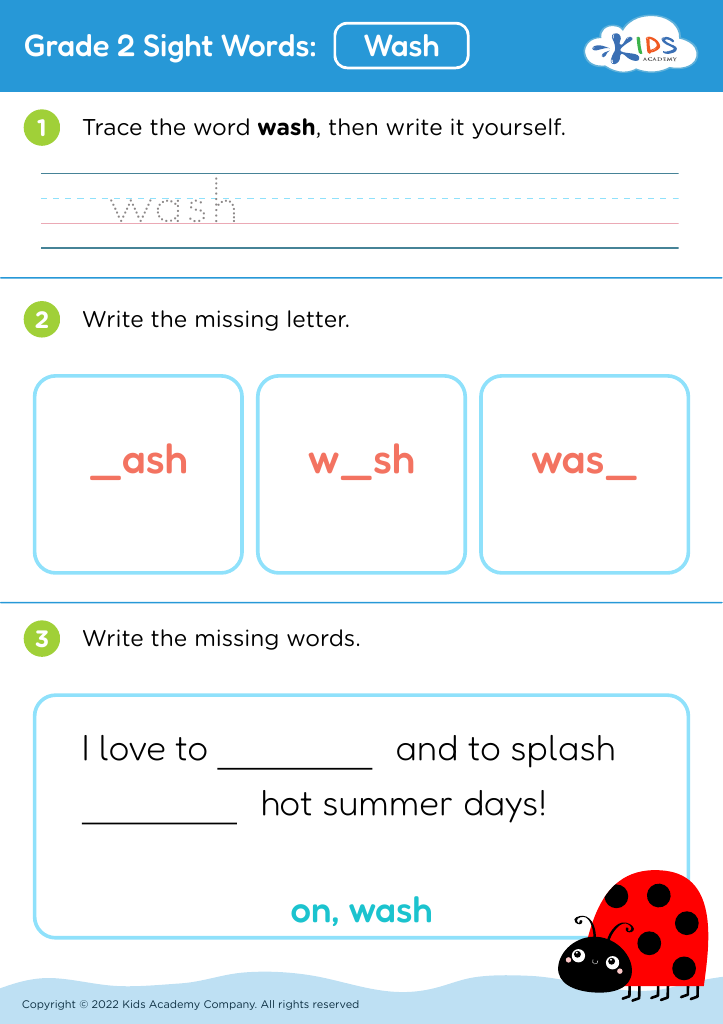
Grade 2 Sight Words: Wash

Grade 2 Sight Words: Wash

Grade 2 Sight Words: Wash
Worksheet
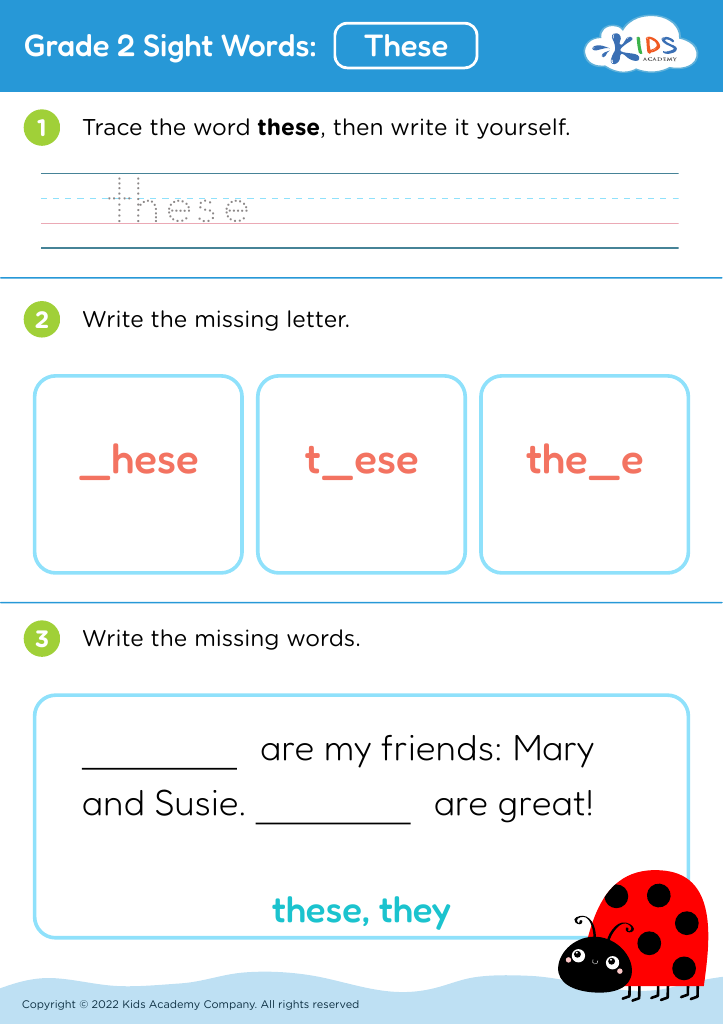
Grade 2 Sight Words: These

Grade 2 Sight Words: These

Grade 2 Sight Words: These
Worksheet
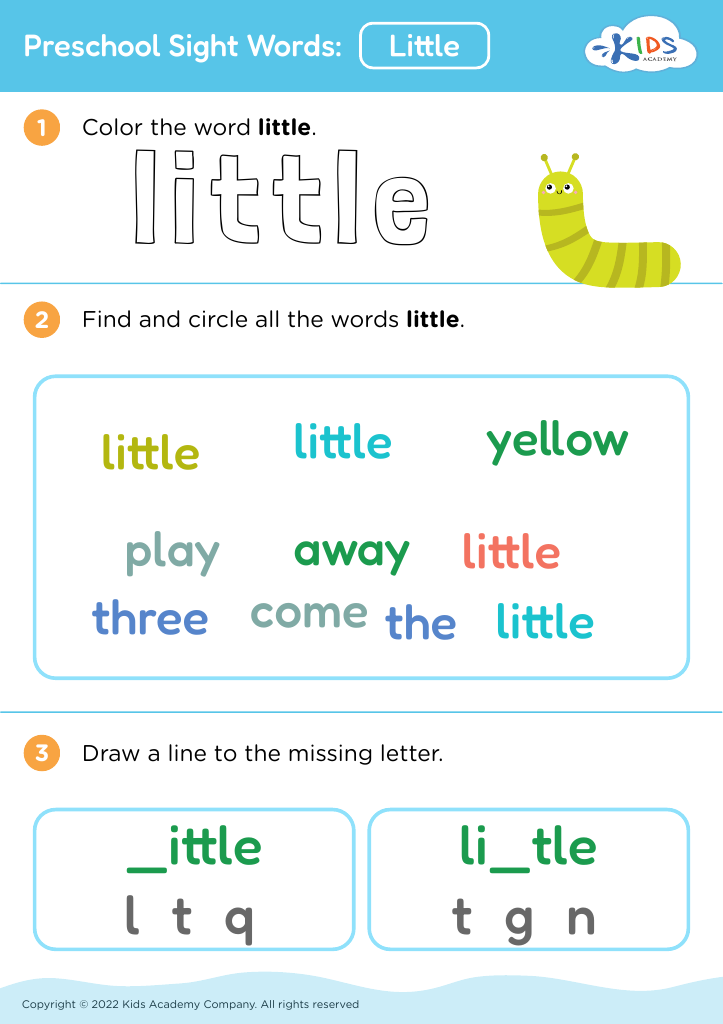
Preschool Sight Words: Little

Preschool Sight Words: Little

Preschool Sight Words: Little
Worksheet
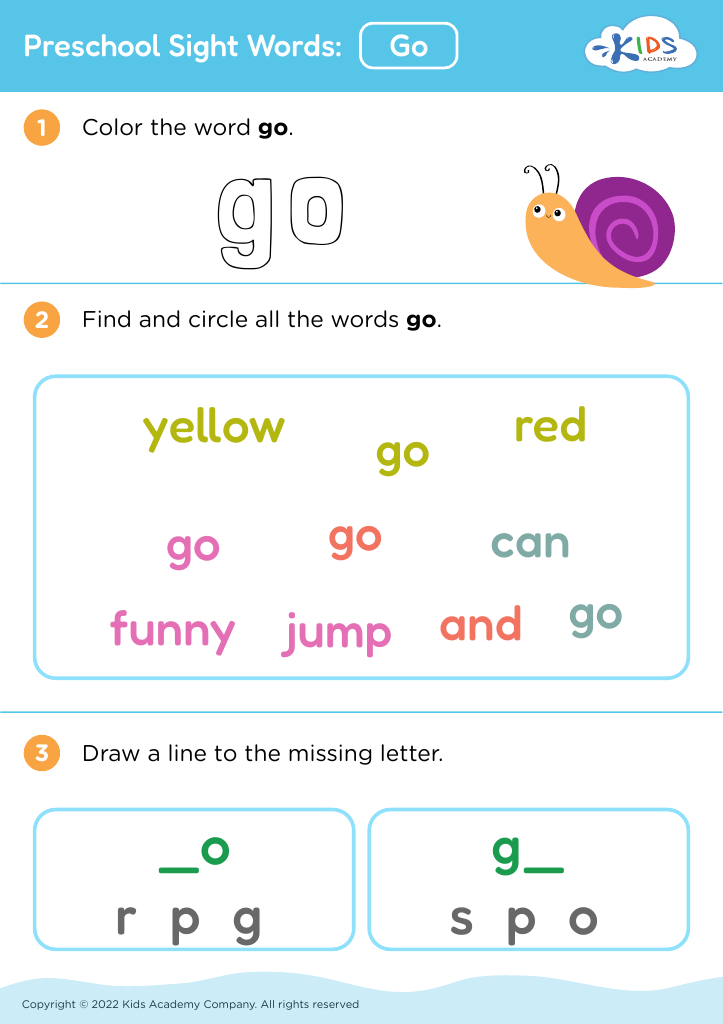
Preschool Sight Words: Go

Preschool Sight Words: Go

Preschool Sight Words: Go
Worksheet
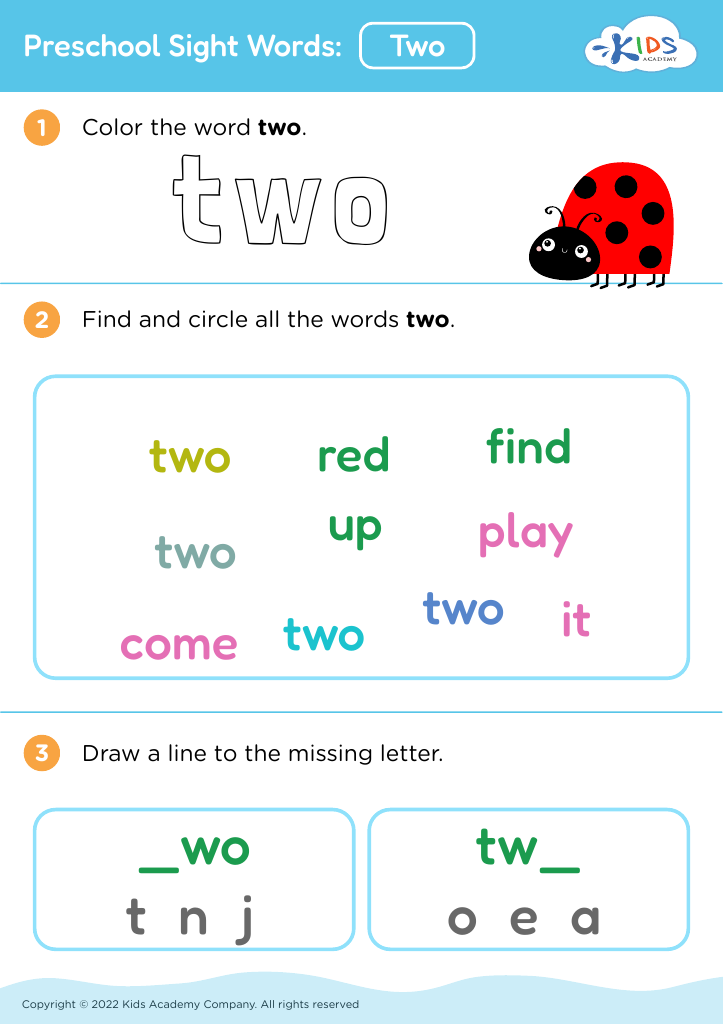
Preschool Sight Words: Two

Preschool Sight Words: Two

Preschool Sight Words: Two
Worksheet
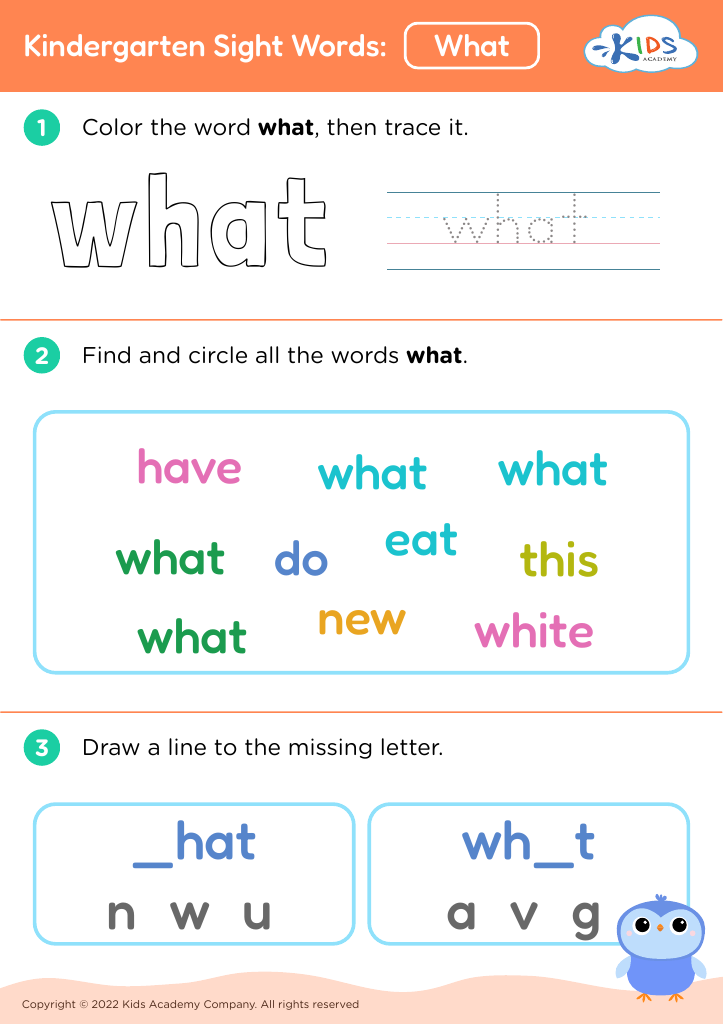
Kindergarten Sight Words: What

Kindergarten Sight Words: What

Kindergarten Sight Words: What
Worksheet
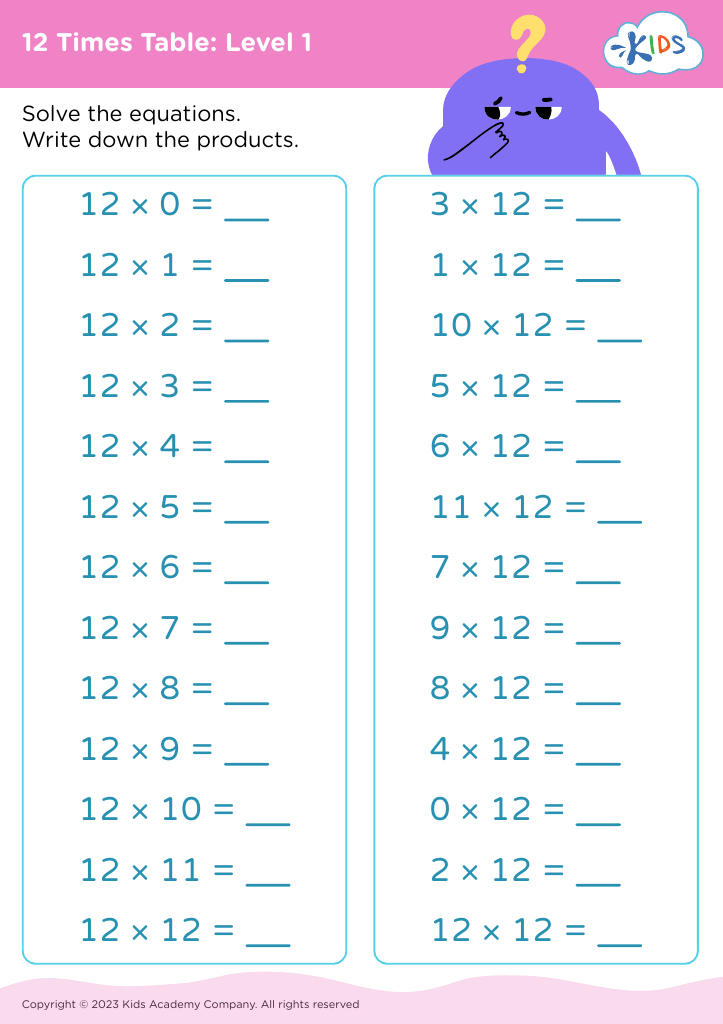
12 Times Table: Level 1

x12 Multiplication Chart

x12 Multiplication Chart
Worksheet
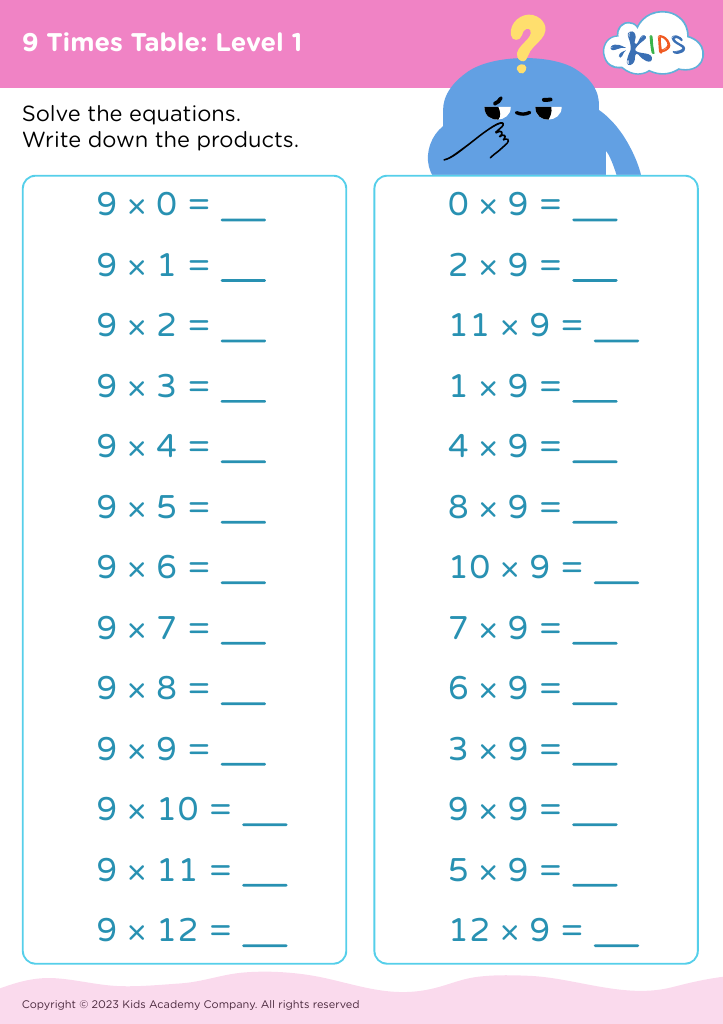
9 Times Table: Level 1

x9 Multiplication Chart

x9 Multiplication Chart
Worksheet
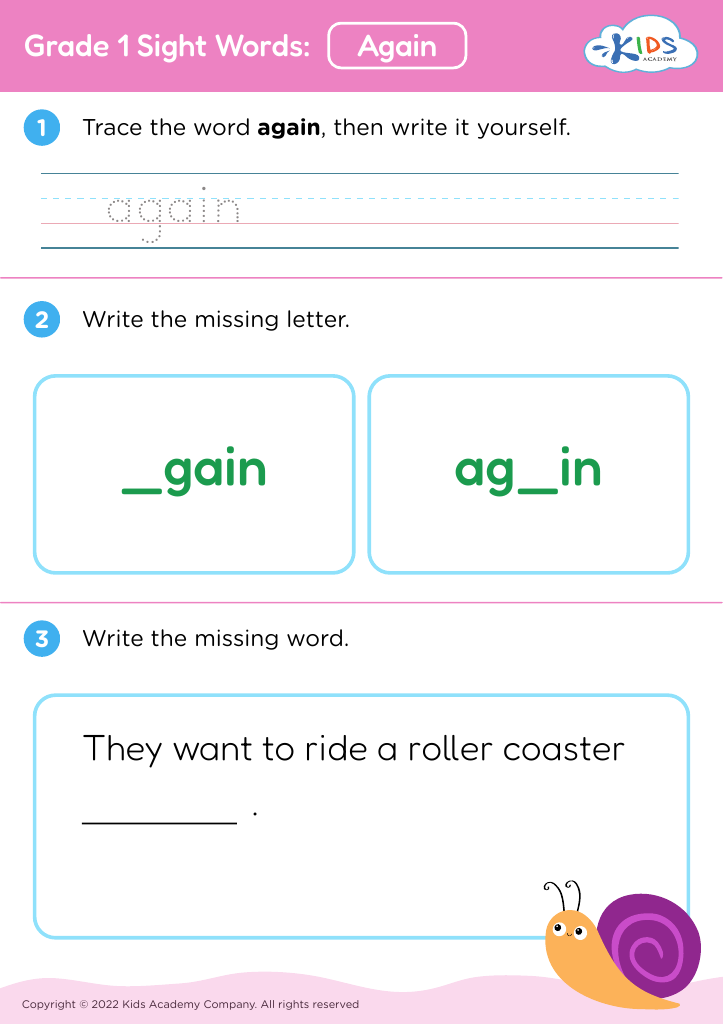
Grade 1 Sight Words: Again

Grade 1 Sight Words: Again

Grade 1 Sight Words: Again
Worksheet
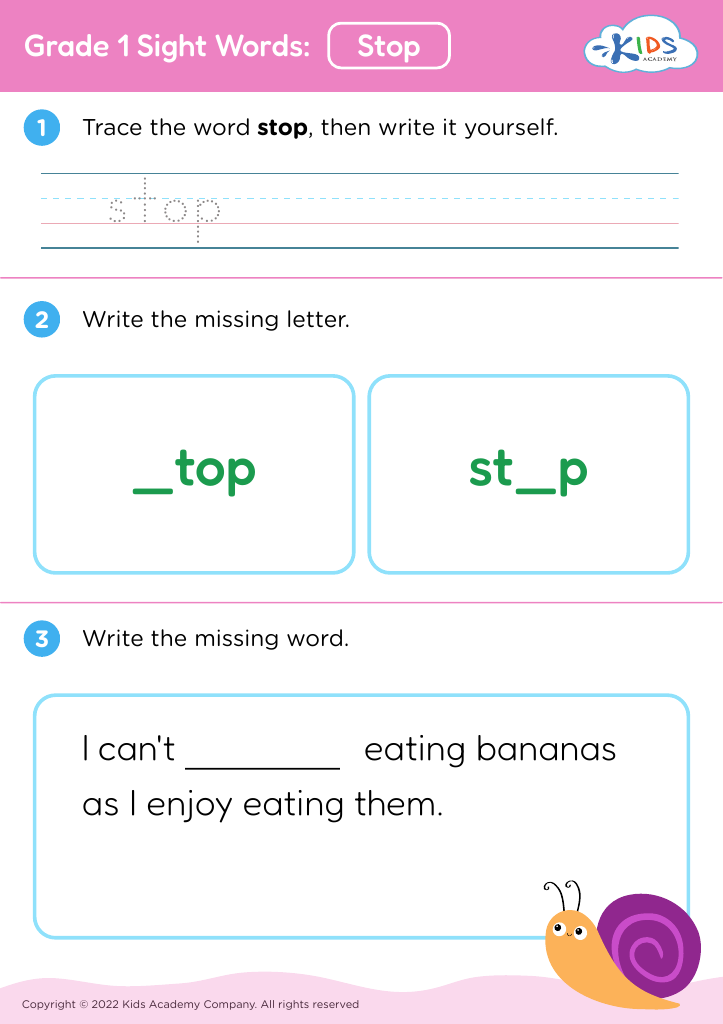
Grade 1 Sight Words: Stop

Grade 1 Sight Words: Stop

Grade 1 Sight Words: Stop
Worksheet


... 2 3

Understanding patterns is pivotal for children aged 3-8 because it lays the groundwork for essential cognitive and academic skills. At this formative age, recognizing and creating patterns help develop critical thinking and problem-solving abilities. Patterns are not just about repeated sequences visually or audibly; they are fundamental to comprehending numerical concepts, organizing thoughts, and predicting outcomes.

When children encounter patterns, they're learning to observe, differentiate, and categorize information. These skills translate into mathematical understanding; for instance, patterns in numbers help in recognizing sequences such as counting by twos or understanding odd and even numbers. This foundational knowledge is crucial for higher-level math concepts introduced later.

Moreover, patterns are integral in literacy. Recognizing letter patterns aids in spelling and reading fluency. Rhyming patterns enhance phonemic awareness, an important precursor to reading success. Beyond academics, pattern recognition fosters organizational skills, helping children to identify routines and establish order in daily activities.

For both parents and teachers, engaging young children with patterns through playful activities like sorting objects, creating musical rhythms, or identifying patterns in nature boosts cognitive development. Such early intervention ensures children build a strong, comprehensive base of logic, order, and predictability, paving the way for more complex learning experiences – not to mention sparking curiosity and resilience in young minds.