Understanding sequence Worksheets for Ages 3-8
9 filtered results
-
From - To
Enhance your child's cognitive development with our "Understanding Sequence Worksheets" designed specifically for ages 3-8! These engaging, age-appropriate worksheets introduce young learners to the concept of sequences through fun activities and colorful graphics. Young children will explore the importance of order in various contexts, promoting critical thinking and problem-solving skills. With activities that include patterns, sequences in stories, and everyday routines, your child will learn how to recognize and predict patterns. Ideal for home or classroom use, these worksheets foster essential early learning skills, setting a solid foundation for future educational success. Start exploring the world of sequences today!
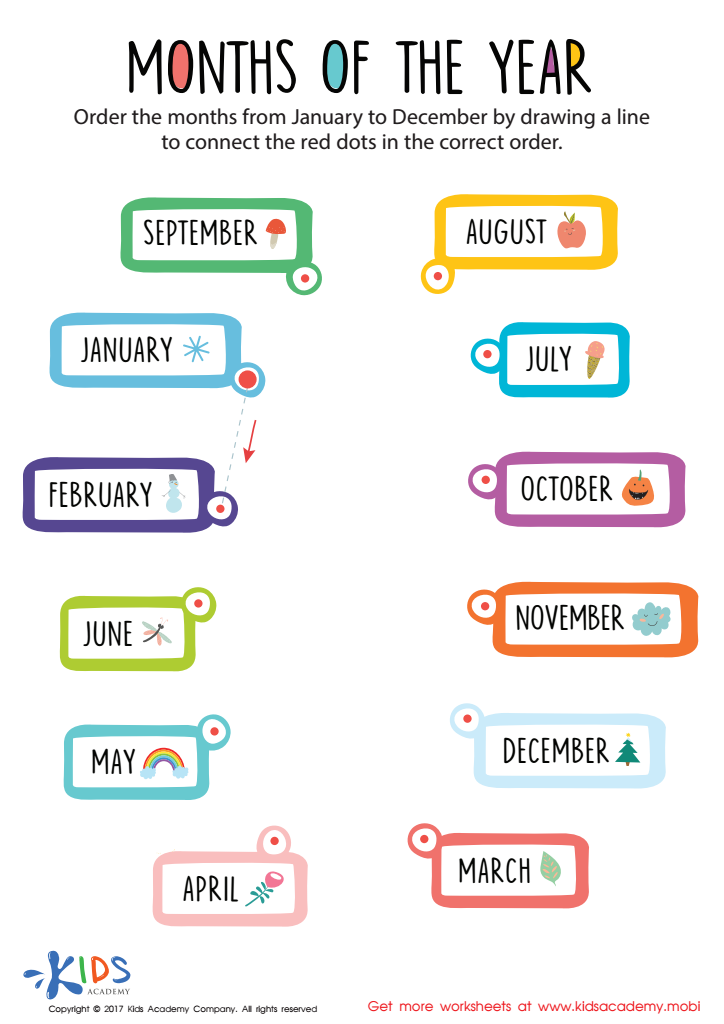
Months of the Year Worksheet
 Assign to My Students
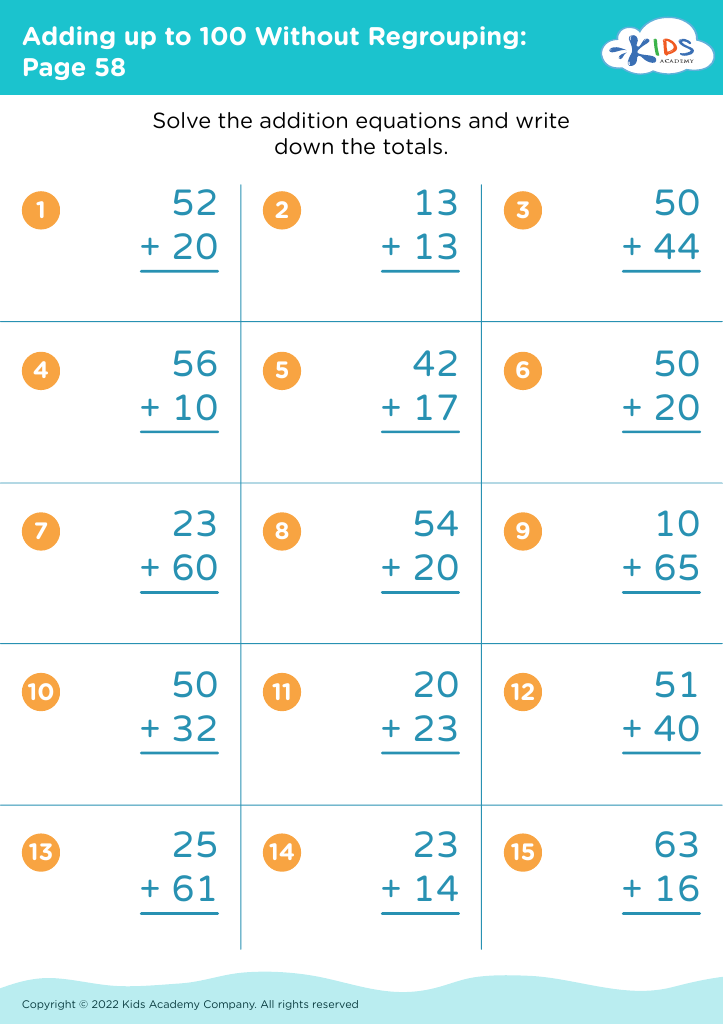
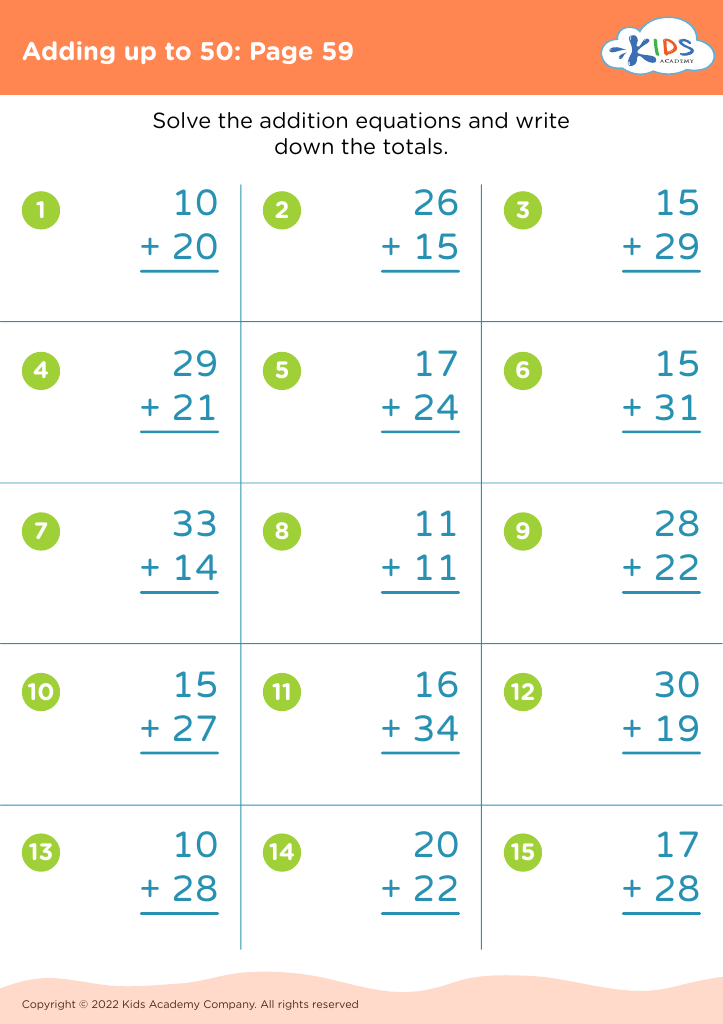
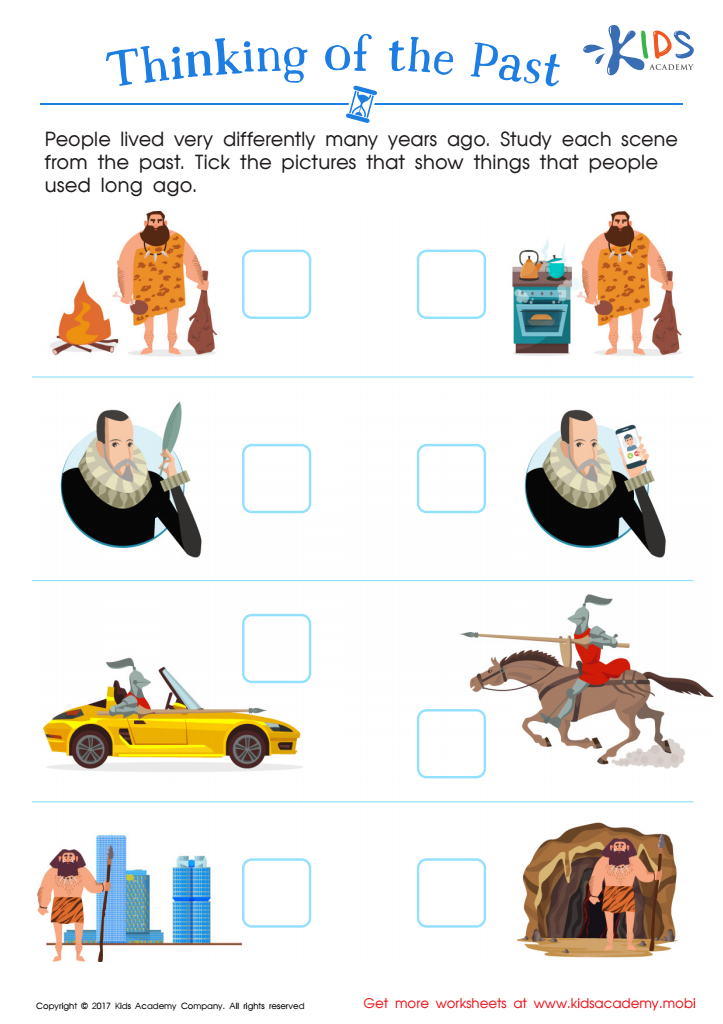
Thinking Past Printable
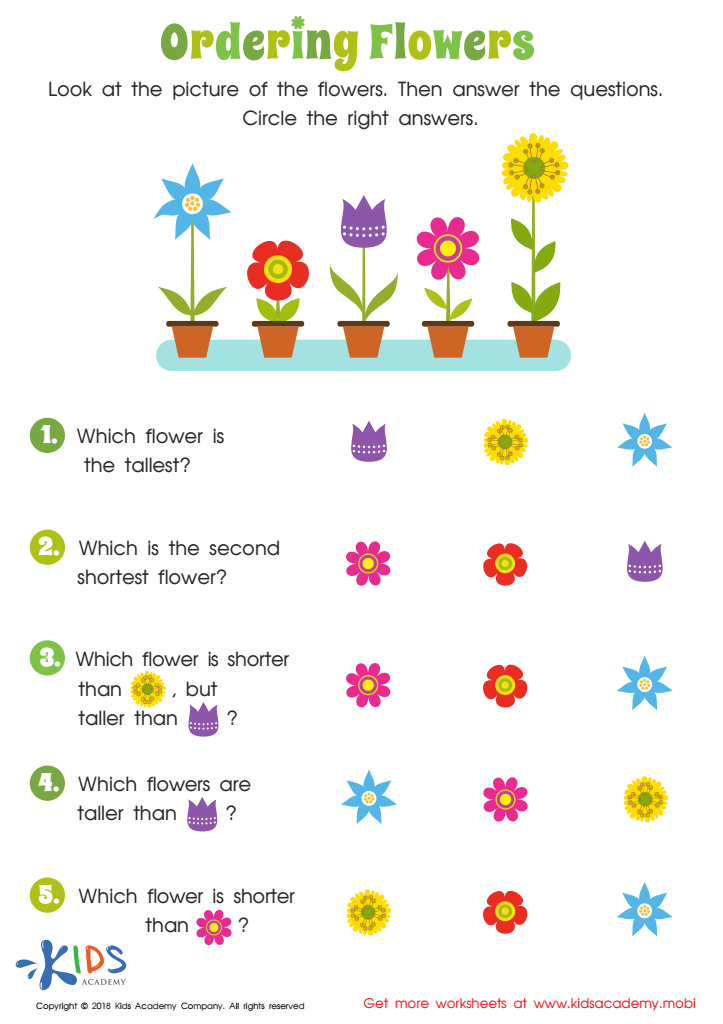
Ordering Flowers Worksheet
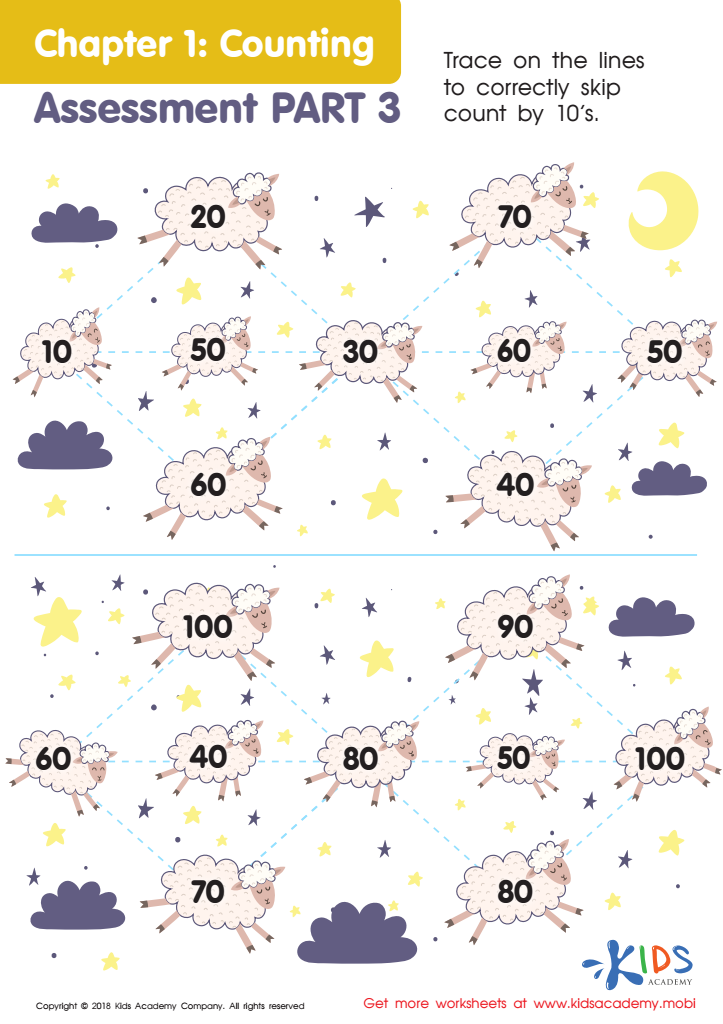
Counting: Assessment 3 Worksheet
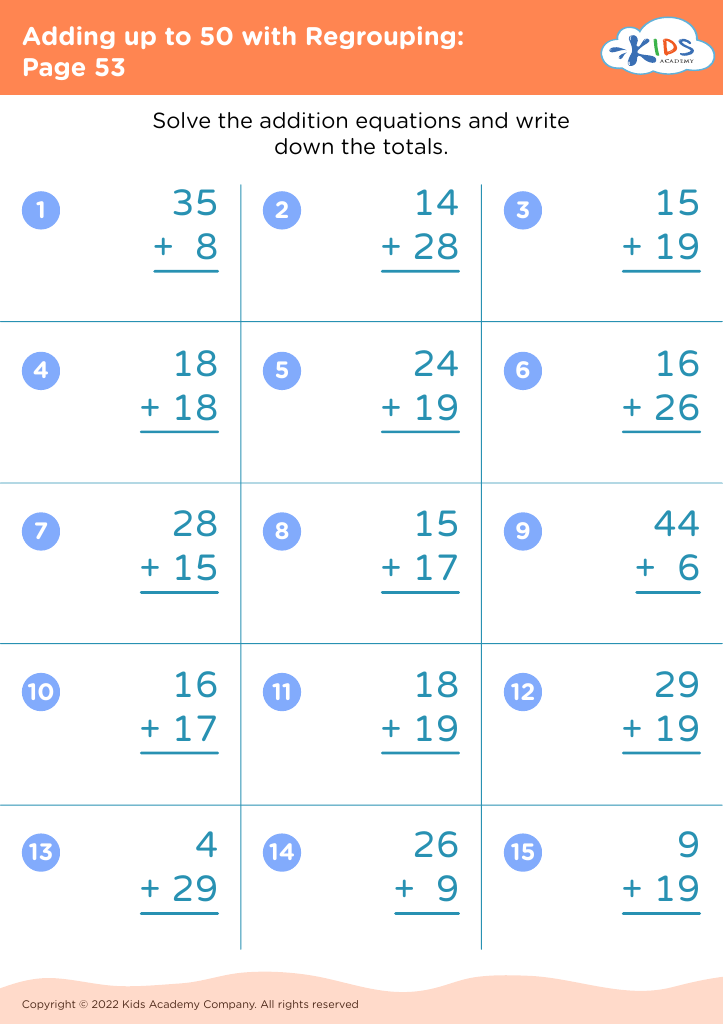
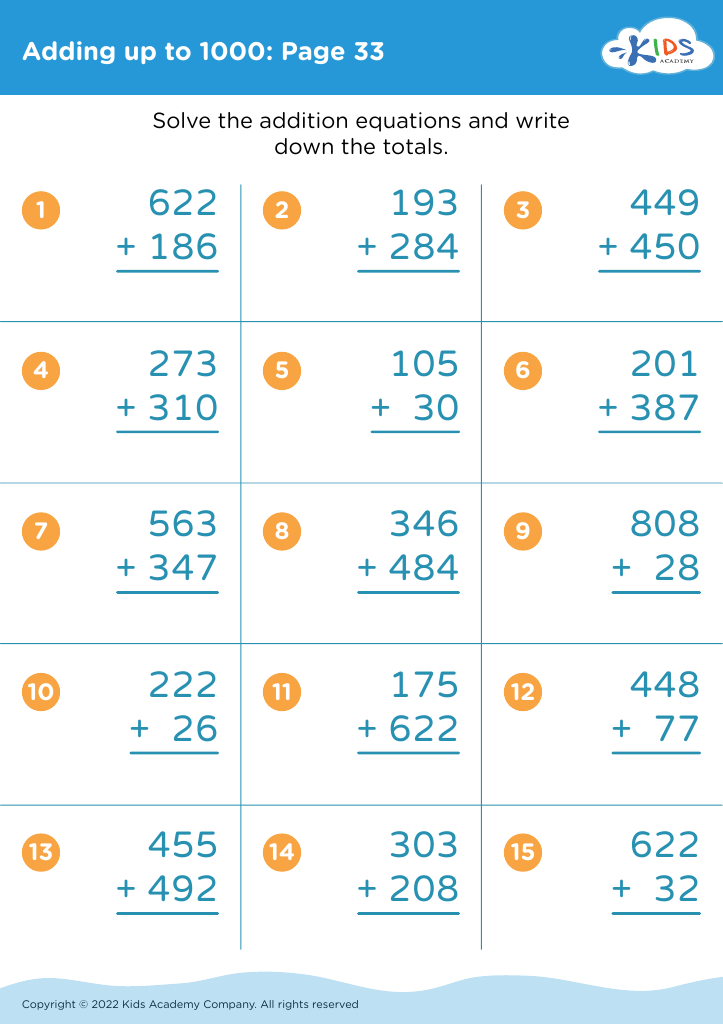








Understanding sequence is crucial for children aged 3-8 as it lays the foundation for critical thinking and cognitive development. In this age group, kids are rapidly developing their ability to comprehend order and relationships within the world. Sequencing helps them make sense of events, establishing a timeline by organizing experiences and understanding cause and effect.
For parents and teachers, focusing on sequencing can enhance literacy skills. Children who grasp the narrative sequence in stories—beginning, middle, and end—often become better readers and storytellers. Similarly, understanding mathematical concepts like patterns, ordering, and simple problem-solving relies on a grasp of sequence.
In everyday situations, comprehension of sequence aids in following instructions and routines, which contribute to a sense of security and independence in children. Additionally, engaging in sequence-related activities, such as storytelling, baking, or crafts, fosters collaboration and communication skills, supporting social development.
Ultimately, promoting an understanding of sequence equips children with essential skills that underpin future learning. As they transition through academic and life challenges, these foundational skills will support their success and adaptability in an ever-changing world, making it a priority for parents and educators alike.








