Visual analysis Worksheets for Ages 3-8
3 filtered results
-
From - To
Discover our engaging Visual Analysis Worksheets designed for children ages 3 to 8! These worksheets are perfect for enhancing visual perception and critical thinking skills. They encourage young learners to identify, compare, and analyze various images and patterns, all while fostering creativity and problem-solving abilities. Our visually stimulating activities empower kids to hone their observation skills through fun exercises like puzzles, matching games, and distinguishing shapes. Suitable for classrooms or at-home learning, these worksheets provide the ideal foundation for future academic success. Dive into a world of exploration and growth with our thoughtfully crafted visual analysis resources today!
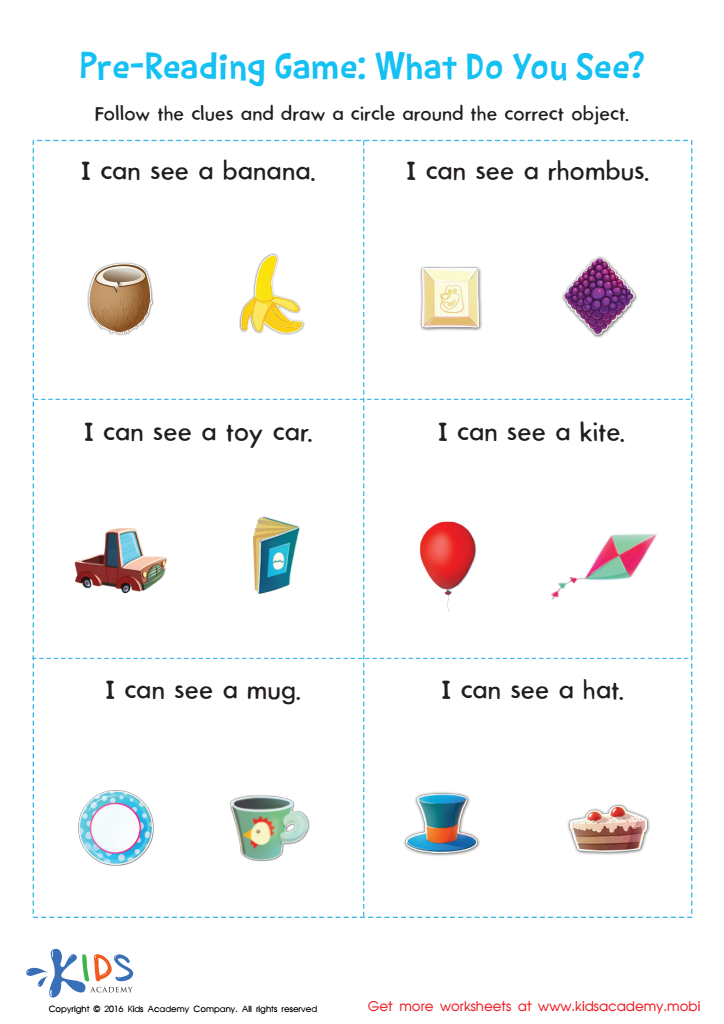
Pre–reading Worksheet: What Do You See?
 Assign to My Students
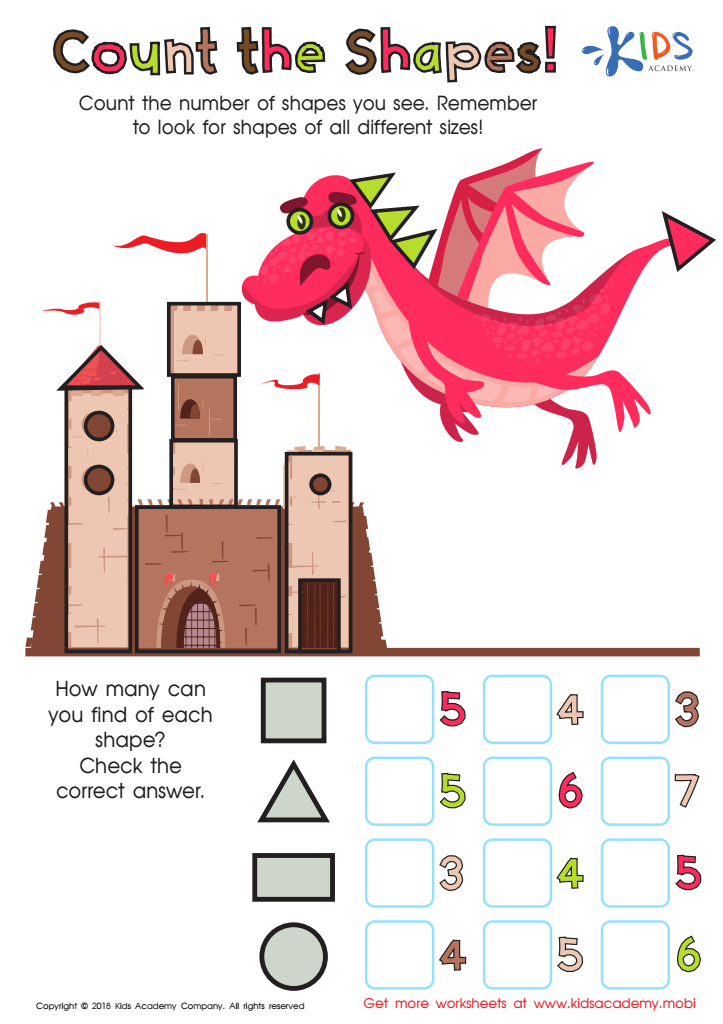
Count the Shapes Worksheet
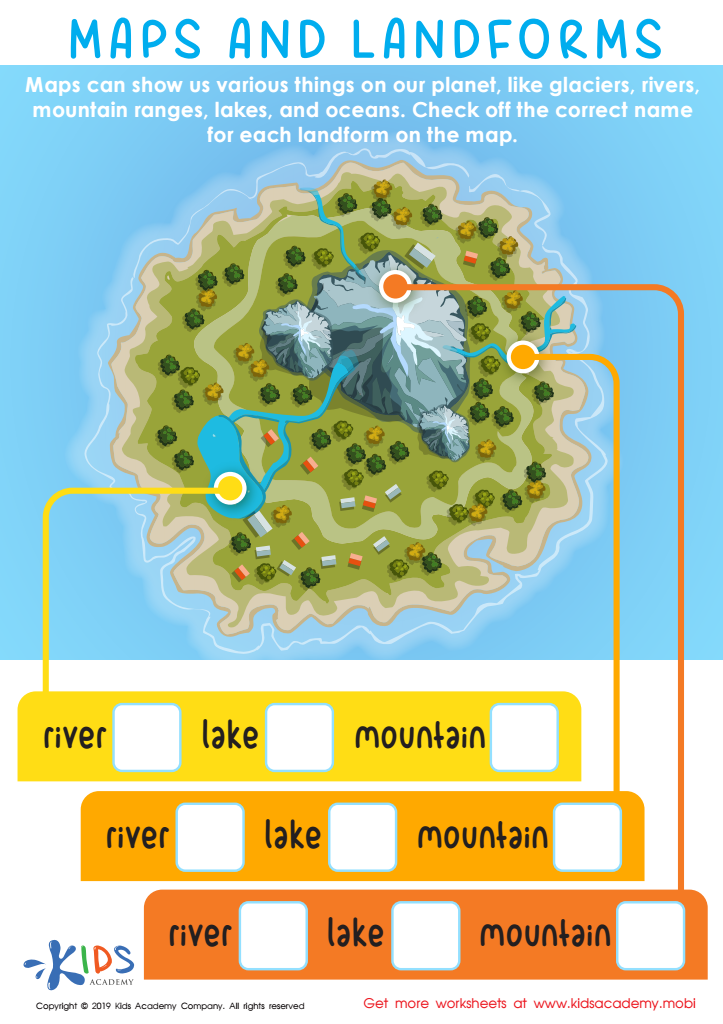
Maps and Landforms Worksheet







Visual analysis, the ability to interpret and make sense of images, colors, shapes, and patterns, is a crucial skill for children ages 3-8. Early developmental stages provide the foundation for future learning, making this skill essential for cognitive, emotional, and social growth. For parents and teachers, supporting visual analysis equips children with tools to navigate their environment effectively.
Engaging in visual analysis promotes critical thinking and problem-solving skills. Children learn to observe details, recognize relationships, and draw conclusions based on visual information. This is particularly vital as they encounter multiple forms of media and educational content. Moreover, visual analysis underpins reading readiness; understanding images and symbols can enhance comprehension and phonemic awareness.
Beyond academics, this skill fosters creativity and self-expression. Children trained in visual analysis are more likely to engage in imaginative play and express their thoughts through art and storytelling, which are linked to emotional development. Additionally, it helps with communication skills as they learn to articulate their observations and thoughts about what they see.
Ultimately, nurturing visual analysis in young learners not only supports their academic journey but also contributes to their overall development, preparing them for a world filled with visual stimuli and complex information.








