Visual learning stimulation Worksheets for Ages 3-8
5 filtered results
-
From - To
Discover engaging Visual Learning Stimulation Worksheets perfect for children ages 3-8. Designed to captivate young minds, these worksheets boost essential skills like pattern recognition, spatial awareness, and visual memory. Bright, colorful activities cover diverse topics, making learning fun and effective. Ideal for parents and teachers, these printables support early childhood development and school readiness. Tailored to different skill levels, they offer progressive challenges that keep kids motivated. Enhance your child's learning experience with our expertly crafted worksheets, ensuring a strong foundation for future academic success. Unleash the power of visual learning today!
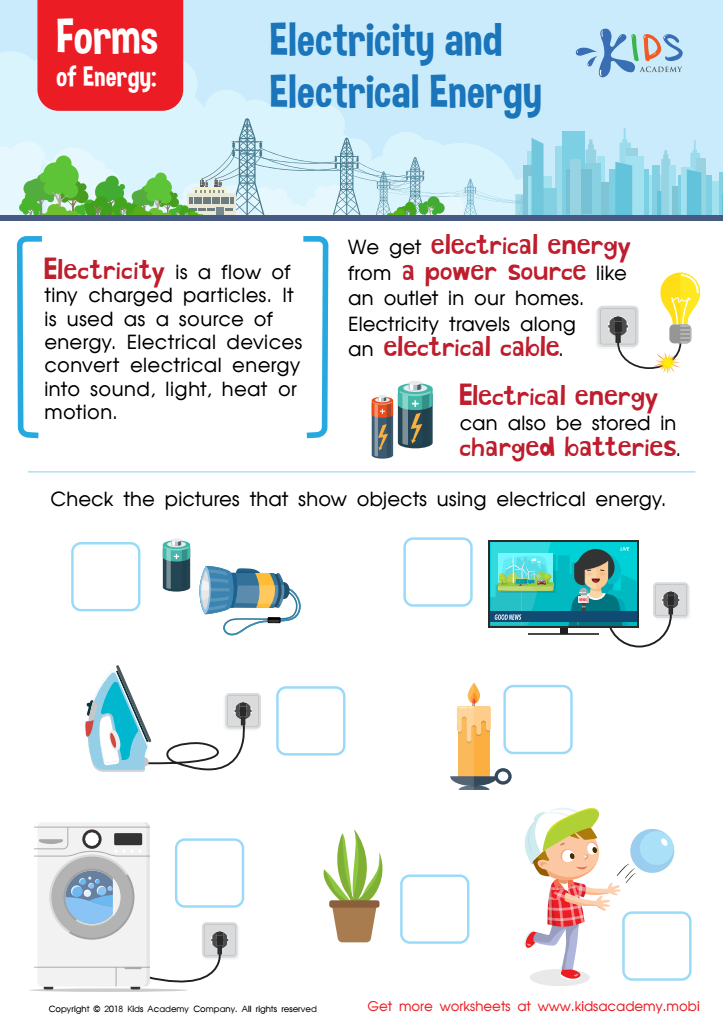
Forms of Energy Worksheet
 Assign to My Students
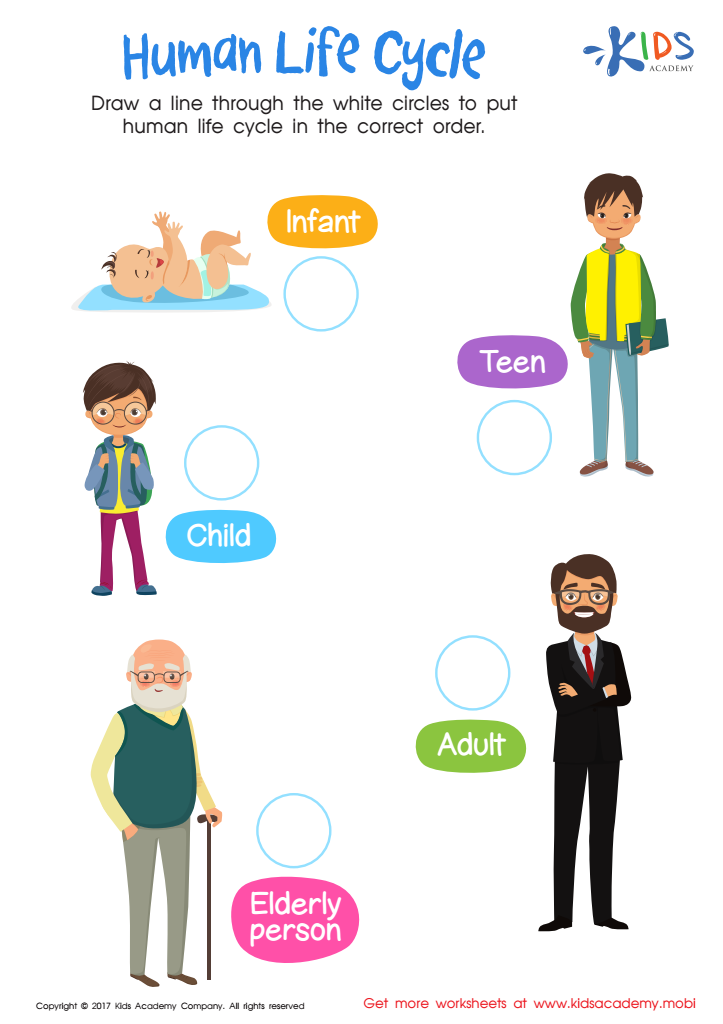
Human Life Cycle Worksheet
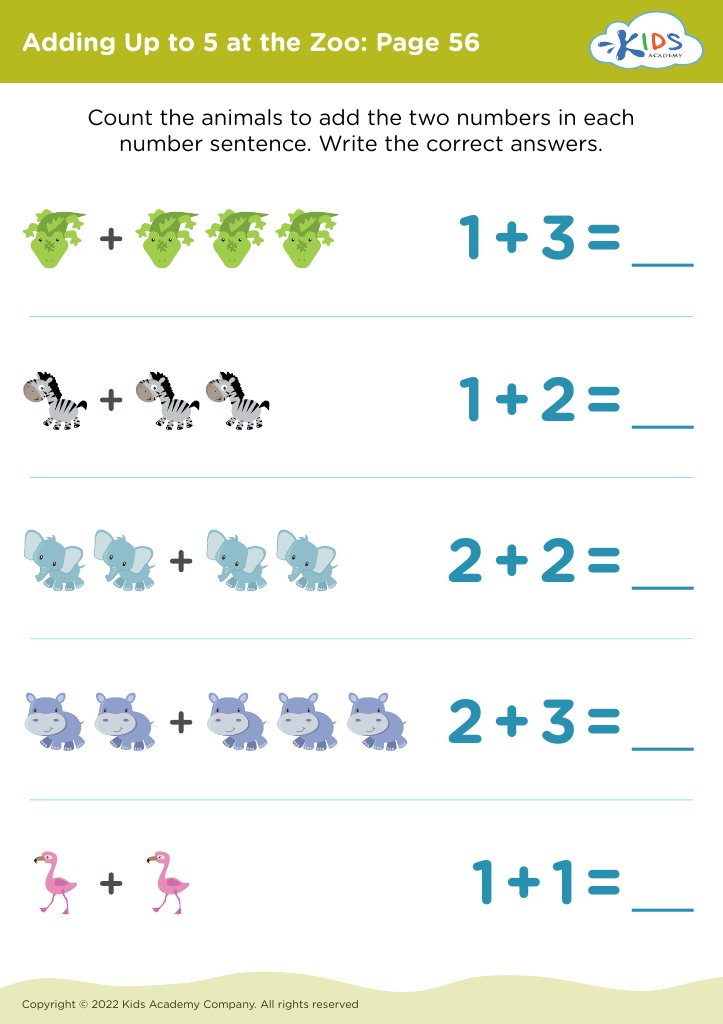
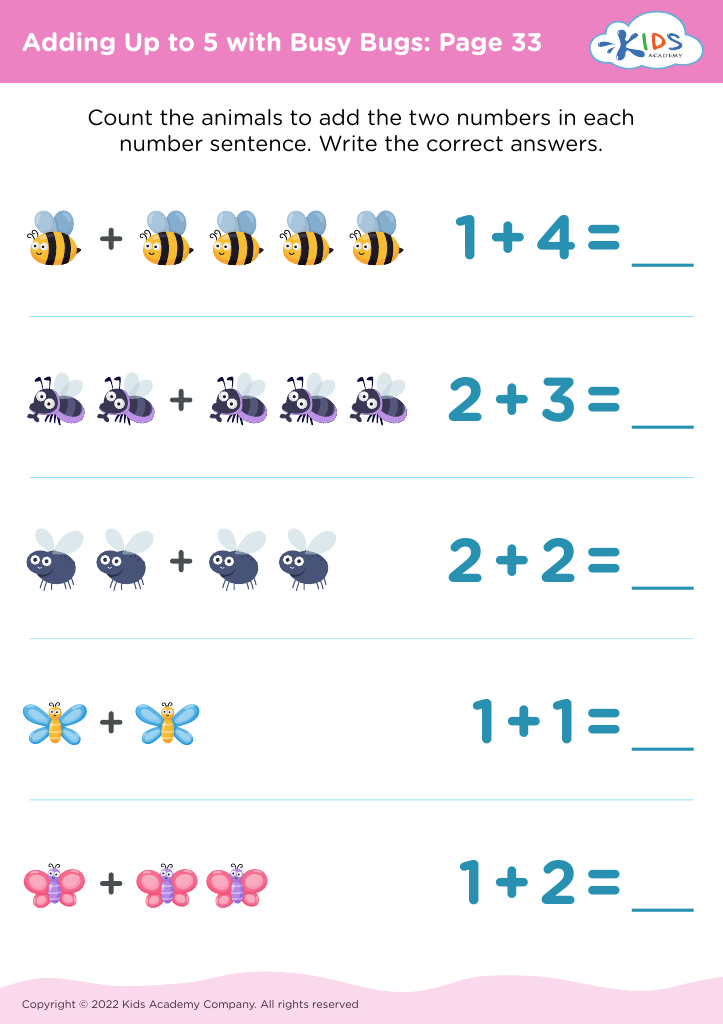
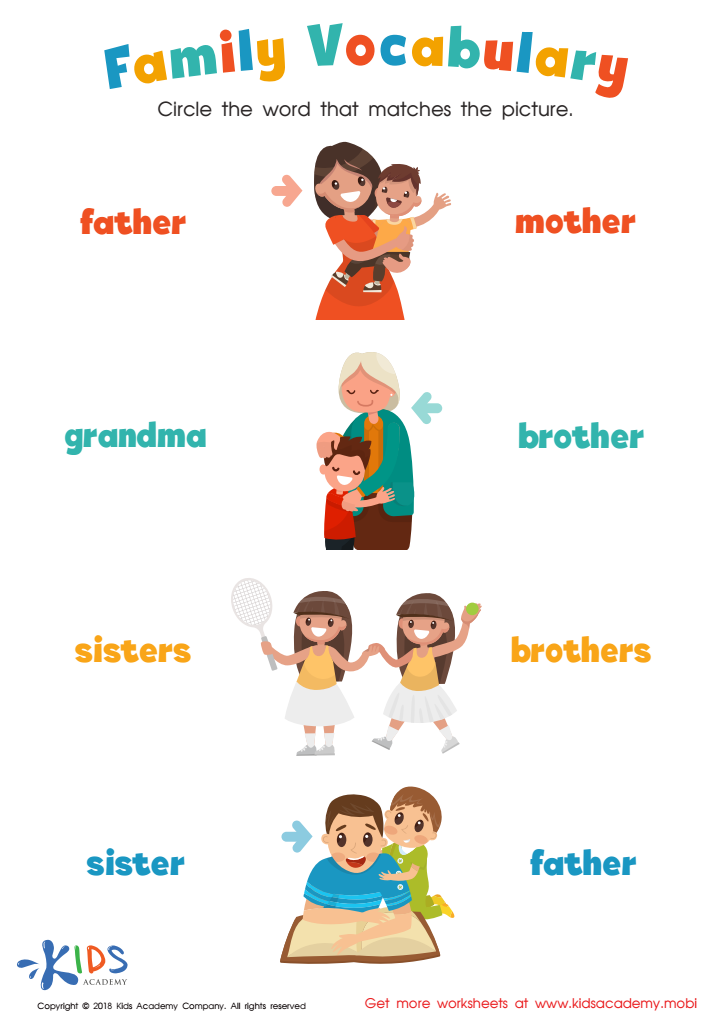
Family Vocabulary Worksheet






Visual learning stimulation is a cornerstone of early childhood development and warrants significant attention from both parents and teachers for children aged 3-8. During this critical period, young minds are incredibly receptive to visual stimuli, which can enhance understanding, retention, and engagement. Visual aids, such as pictures, videos, and graphic organizers, cater to the natural way children interpret the world, leveraging their innate curiosity and eagerness to explore.
One reason parents and teachers should prioritize visual learning is the support it provides for developing cognitive and language skills. Illustrations can help children grasp complex concepts and vocabulary by offering context and visual cues that make abstract ideas more tangible. For instance, colorful storybooks with rich illustrations promote better comprehension and language acquisition.
Another key aspect is the enhancement of creativity and imagination. Artistic activities like drawing or storytelling with imagery offer outlets for self-expression, fostering a creative mindset that benefits broader educational pursuits.
Moreover, visual learning plays a crucial role in keeping young learners attentive and motivated. Attention spans are generally short in this age group, and visually stimulating materials can capture and sustain interest better than text-based content alone.
In summary, integrating visual stimuli into learning experiences supports cognitive development, builds language skills, nurtures creativity, and sustains engagement, making it indispensable for holistic growth in early childhood.








