Vocabulary development Worksheets for Ages 3-8 - Page 3
86 filtered results
-
From - To
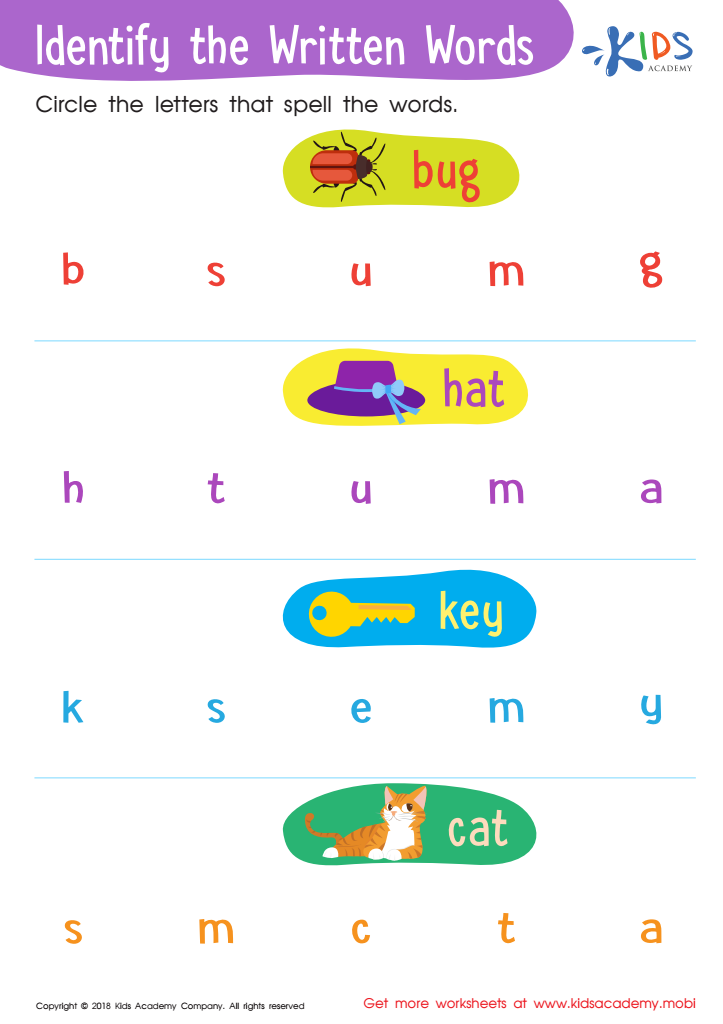
Identify the Written Words Worksheet
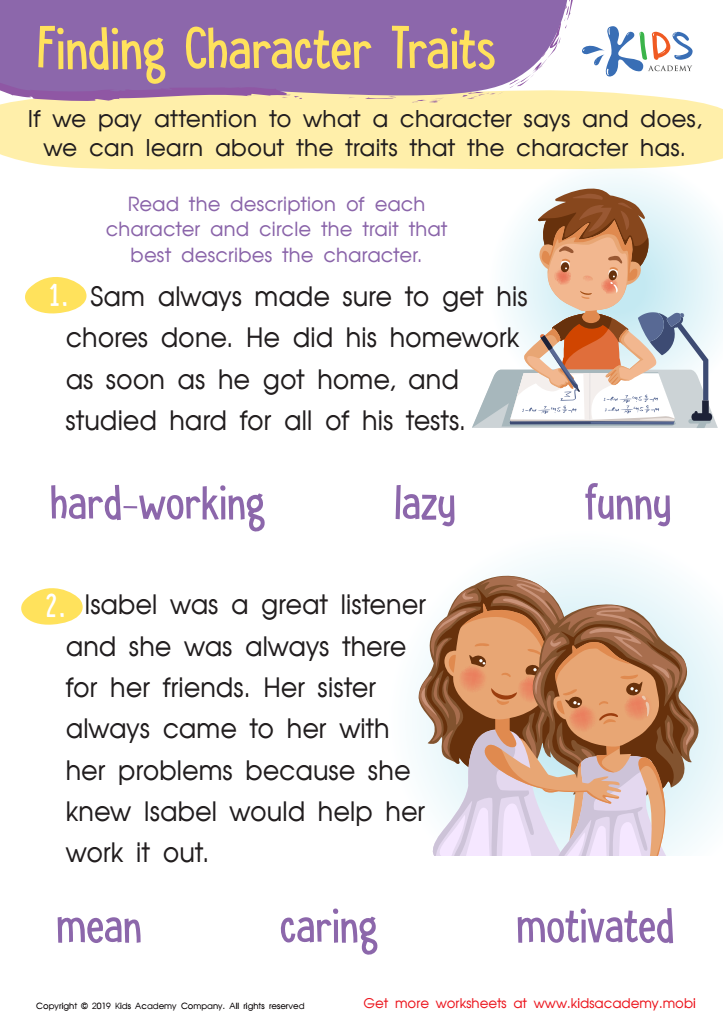
Finding Character Traits Worksheet

Beach Maze: Sun Safe Worksheet
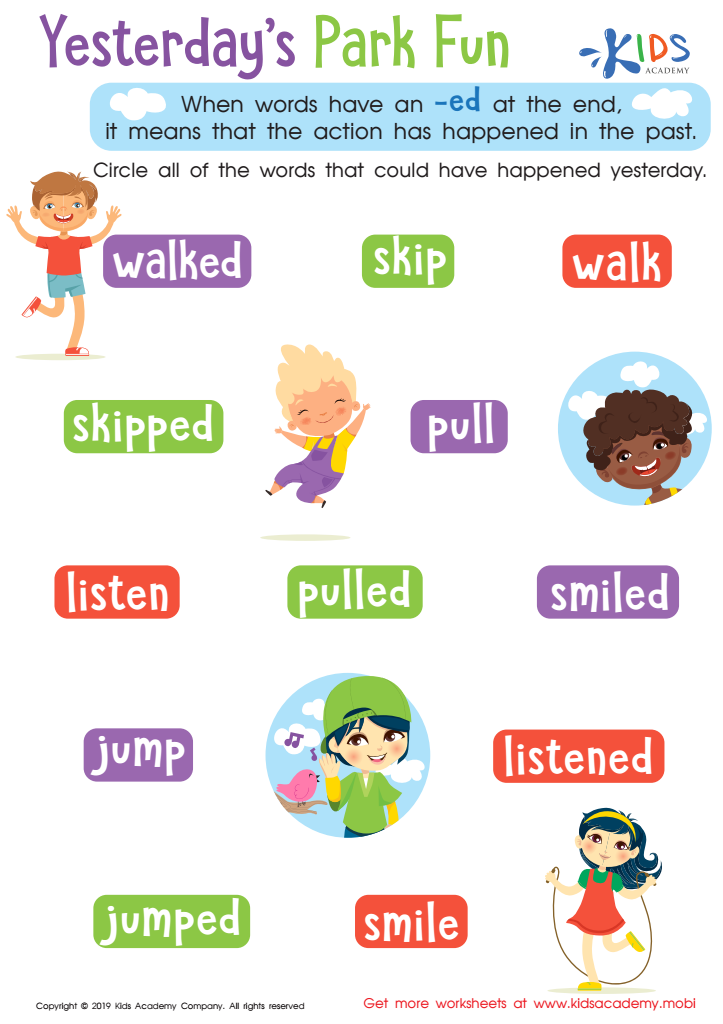
Yesterday's Park Fun Worksheet
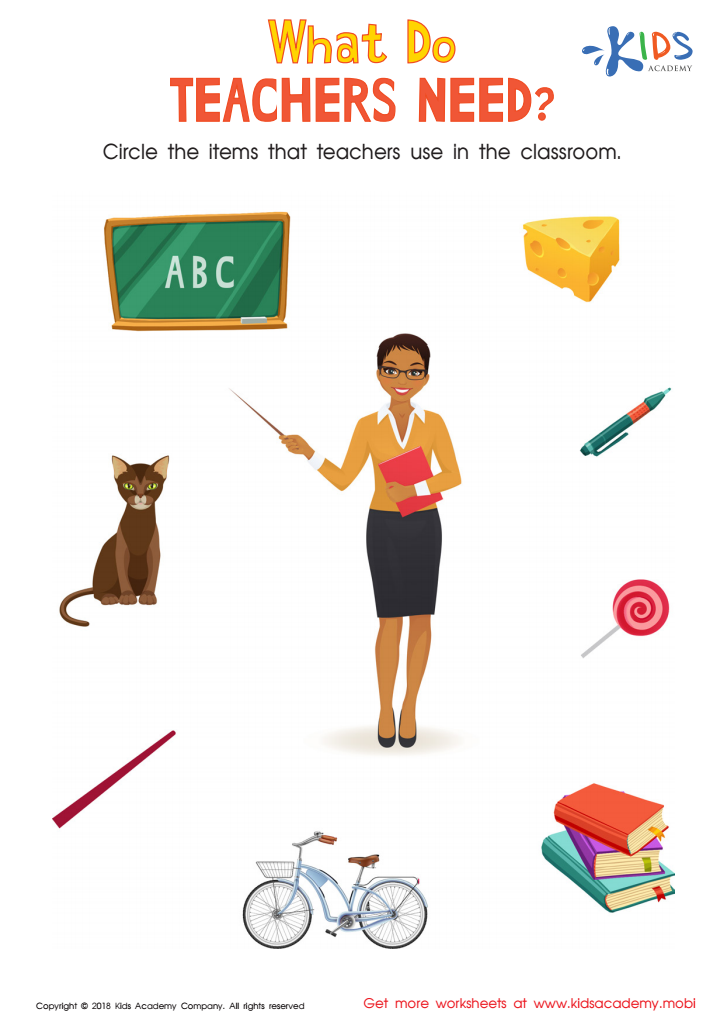
What Do Teachers Need Worksheet
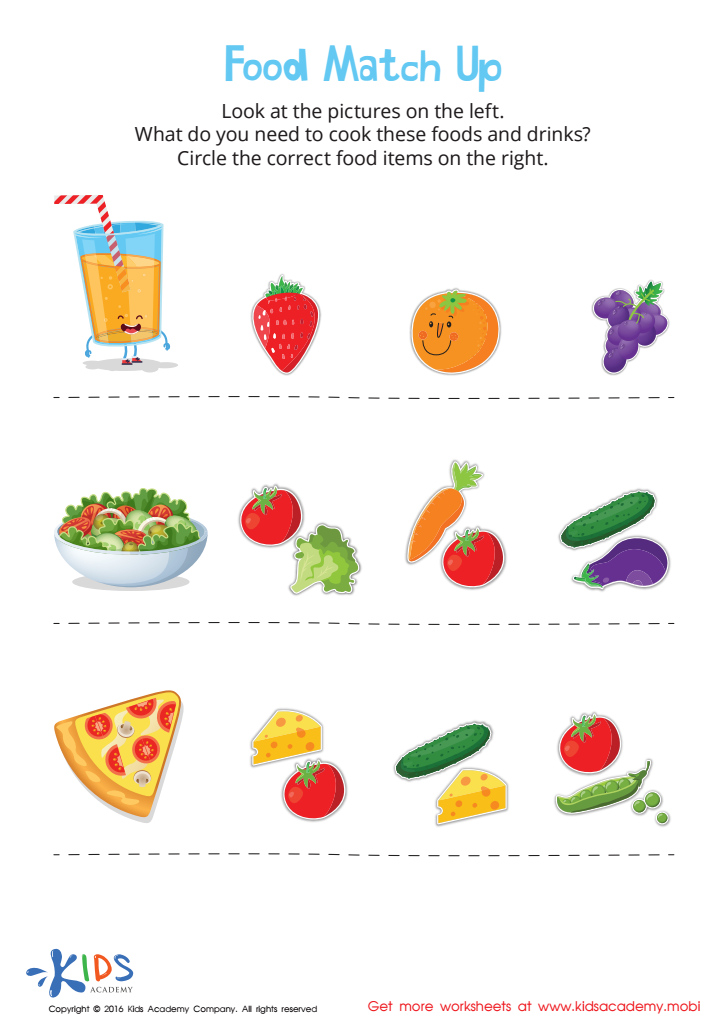
Food Match Up Worksheet
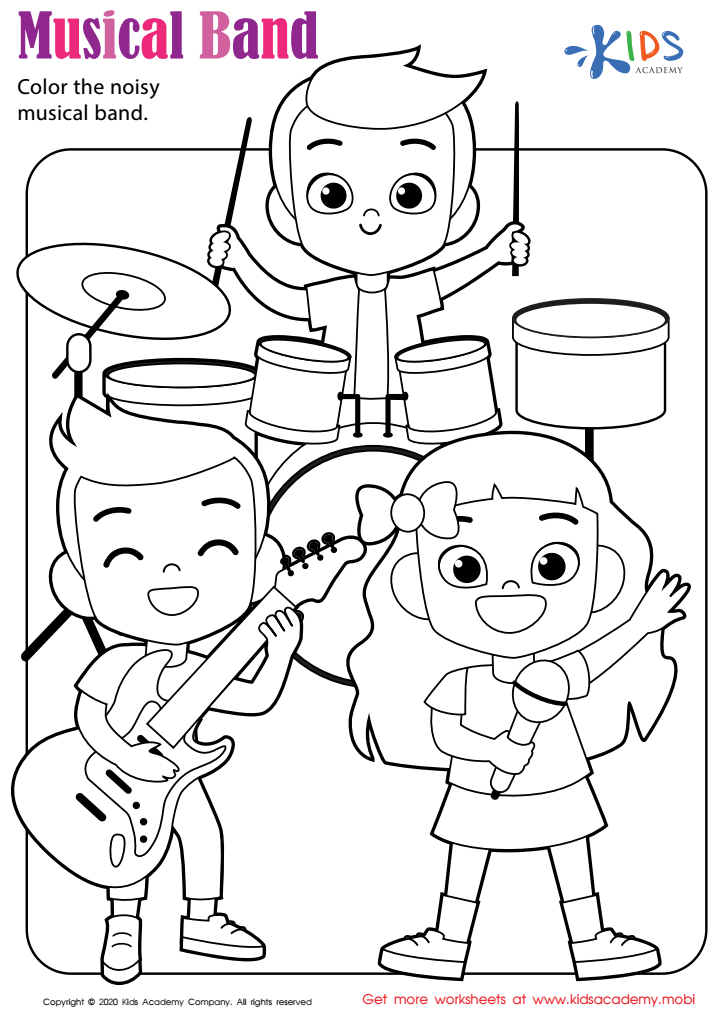
Musical Band Worksheet
 Assign to My Students
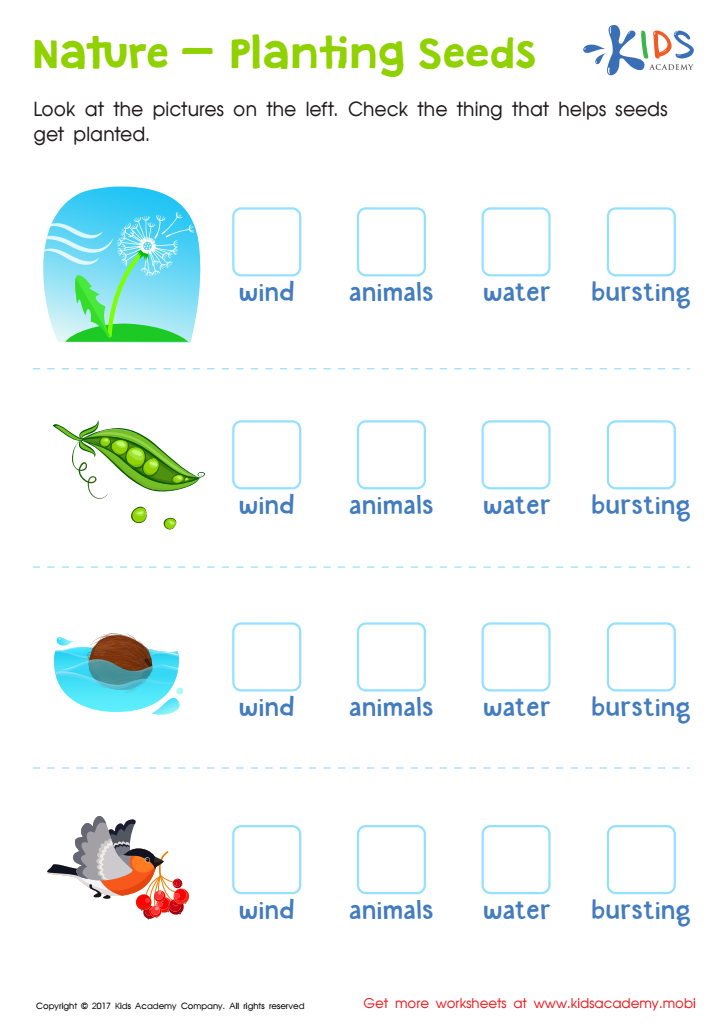
Nature Planting Seeds Worksheet
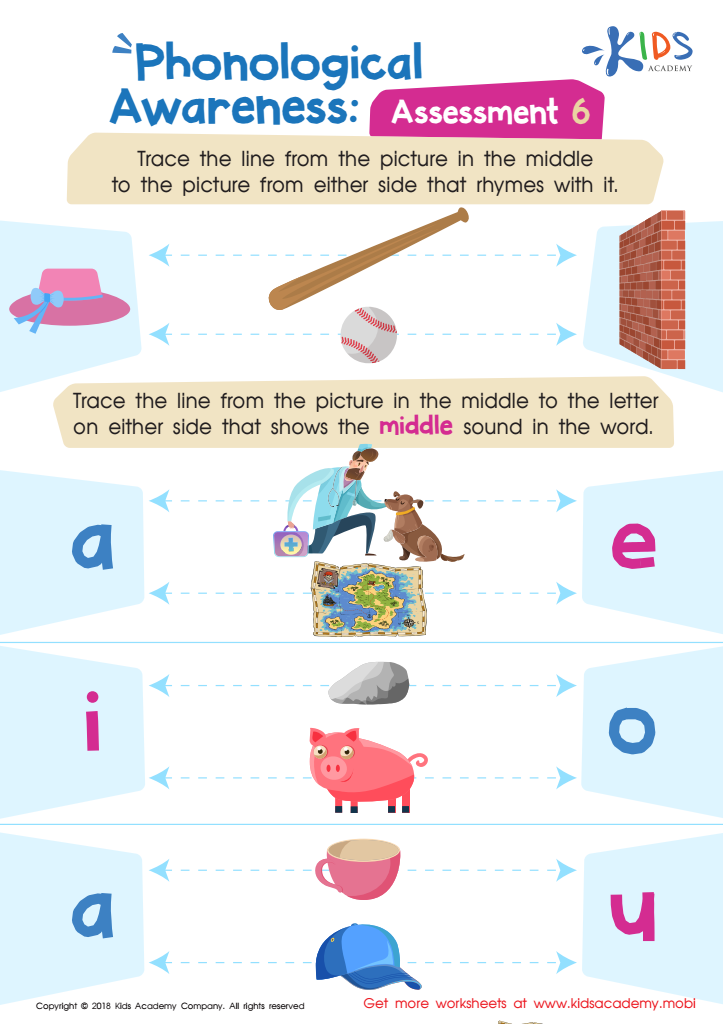
Phonological Awareness: Assessment 6 Worksheet
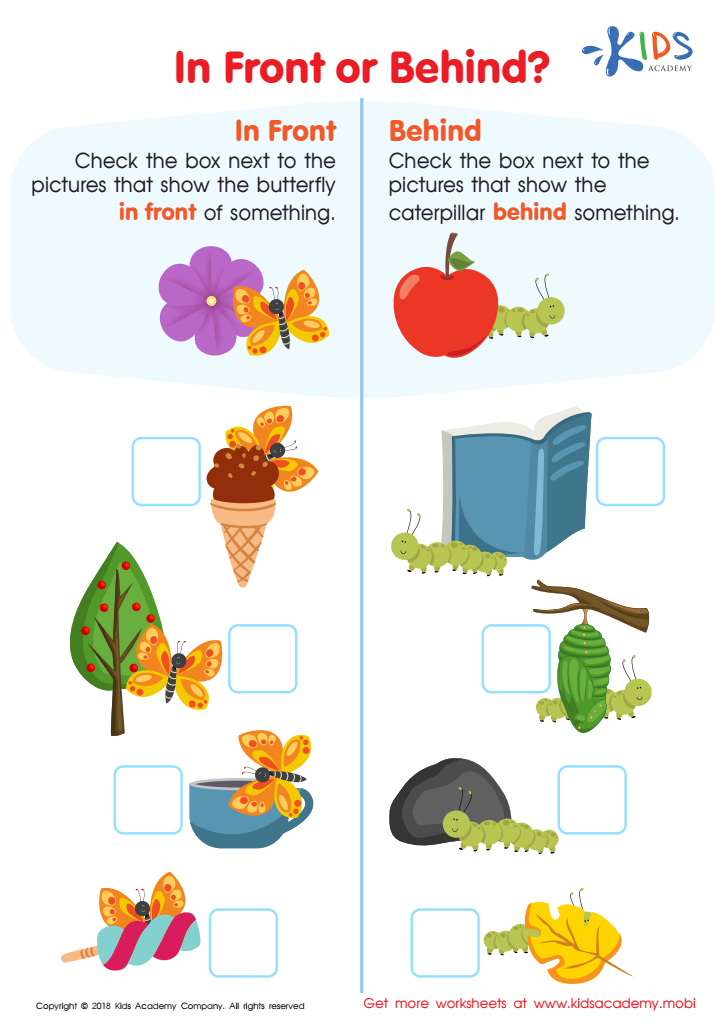
In Front or Behind Worksheet
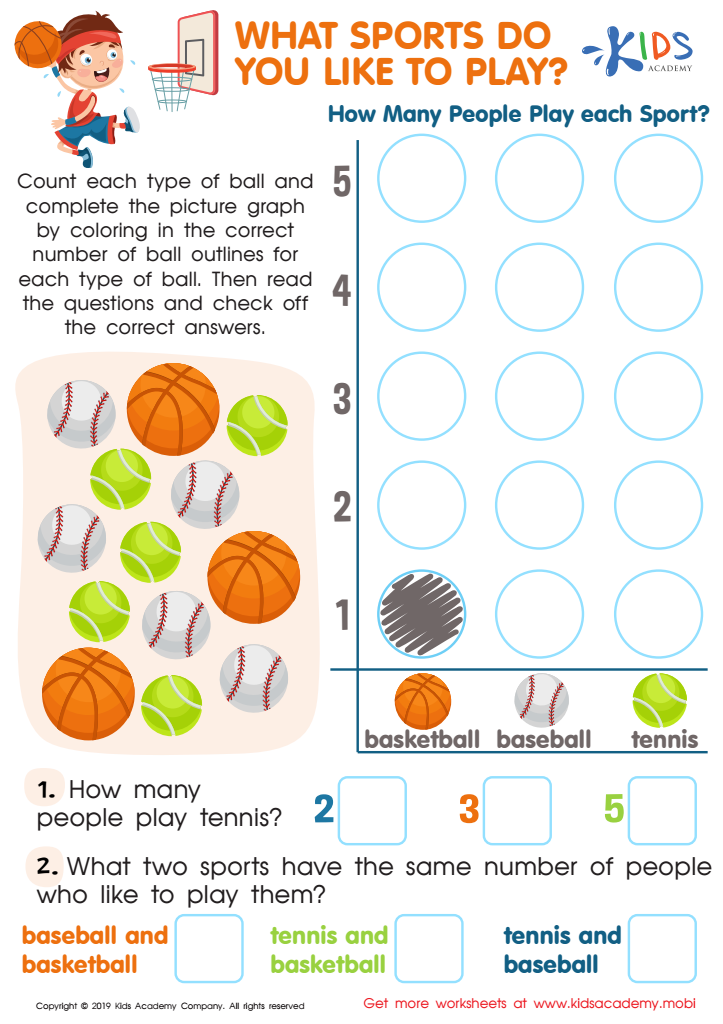
What Sports Do You Like to Play Worksheet
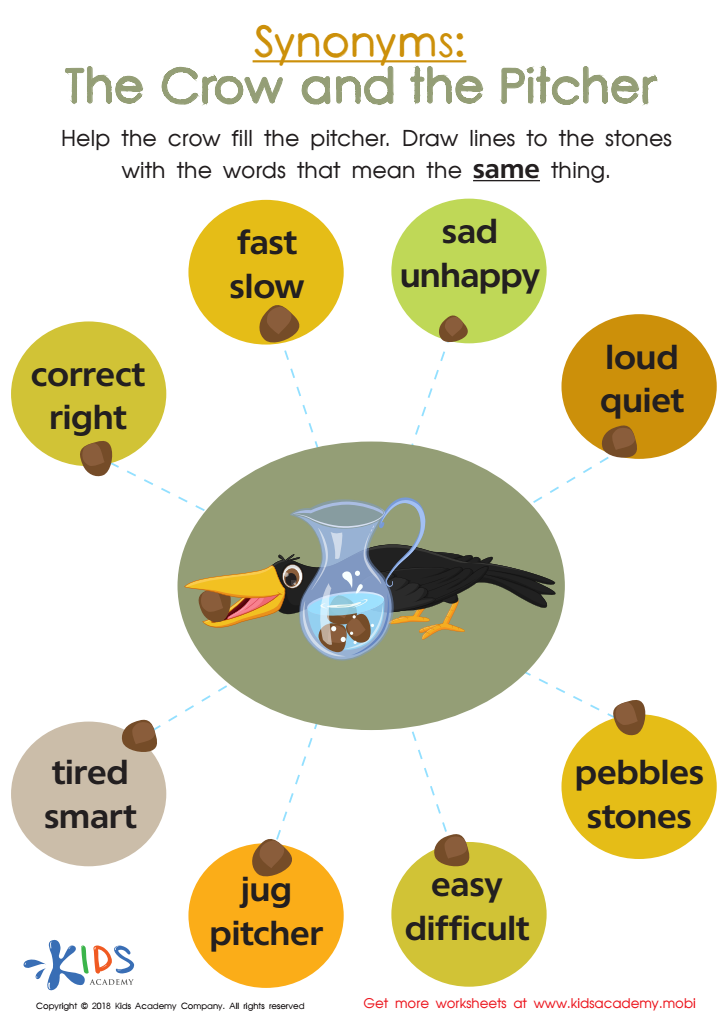
The Crow and the Pitcher Synonyms Worksheet
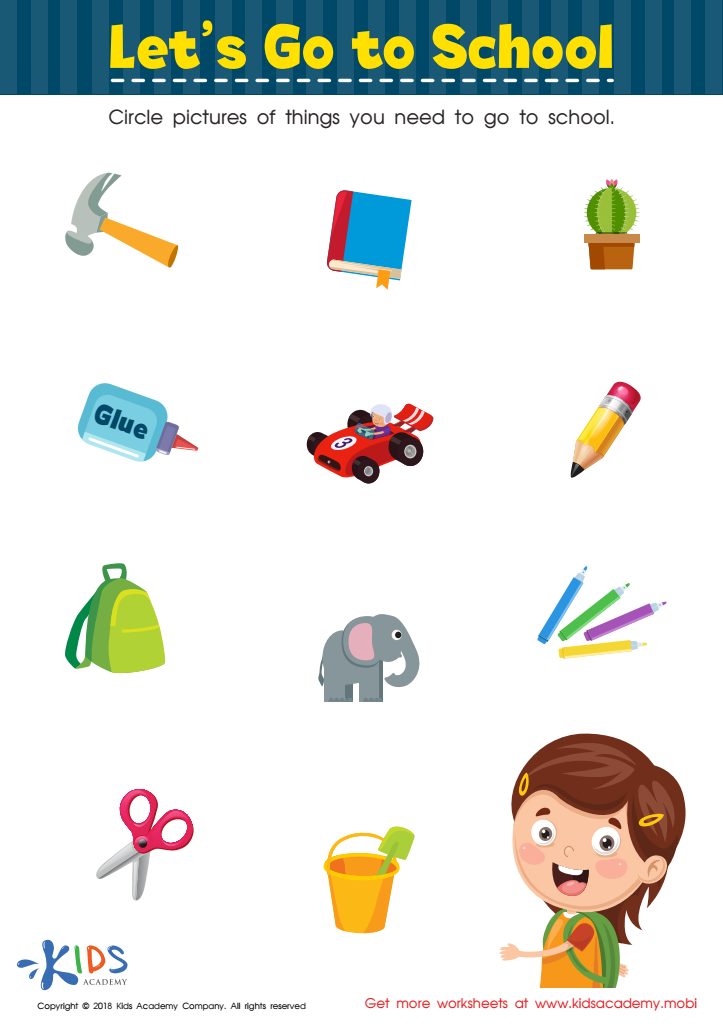
Let's Go to School! Worksheet
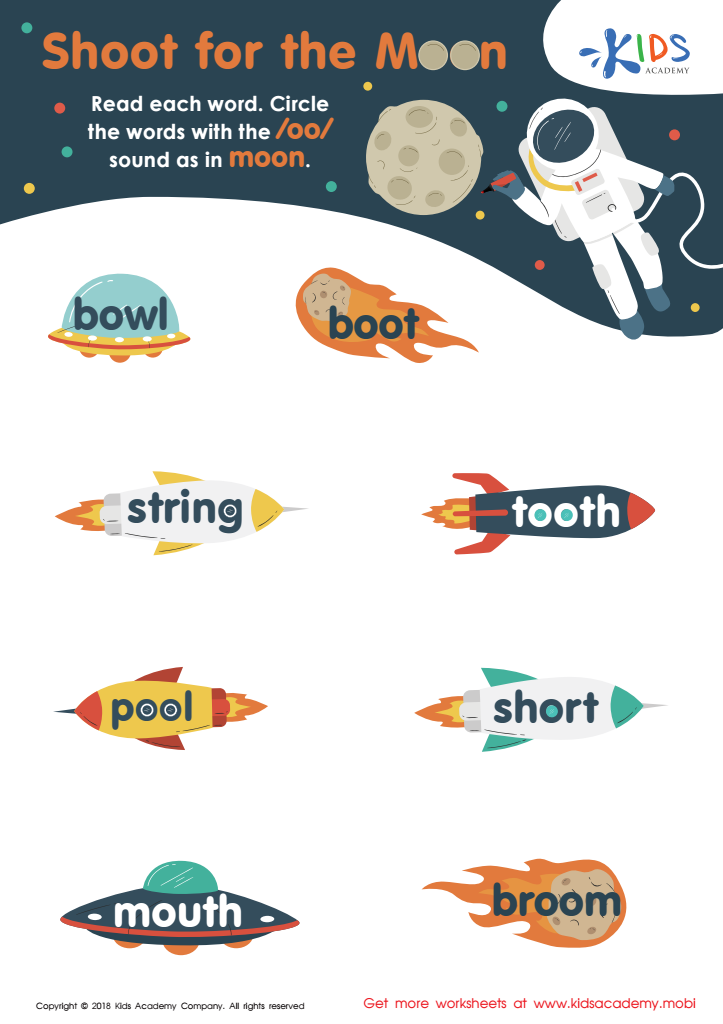
Reading: Shoot for the Moon Worksheet
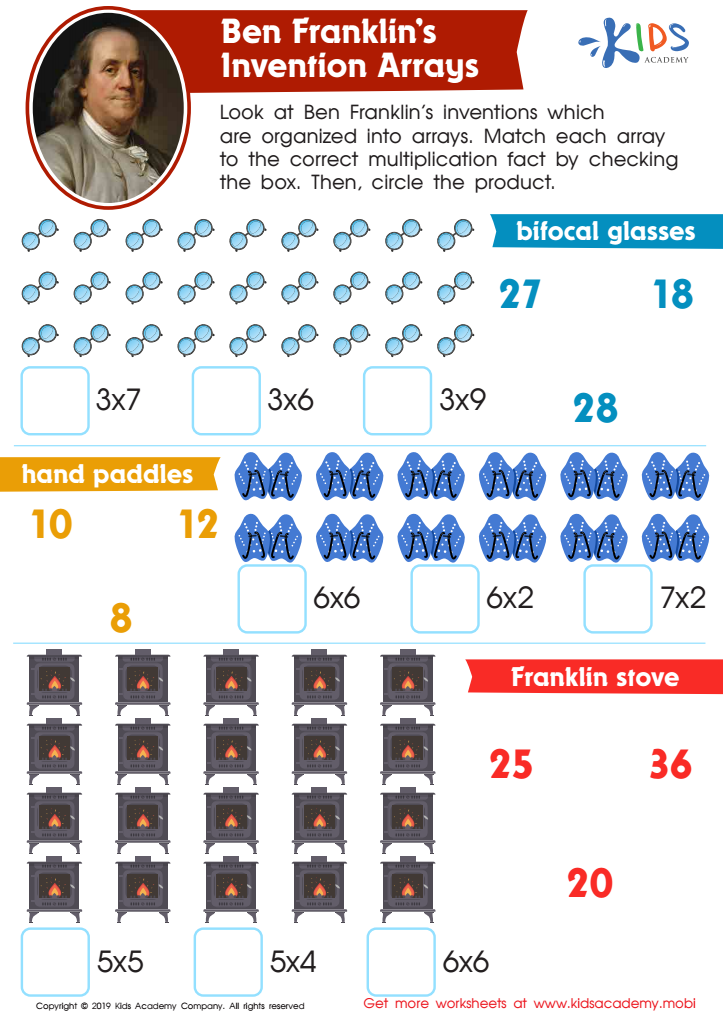
Ben Franklin’s Invention Arrays Worksheet
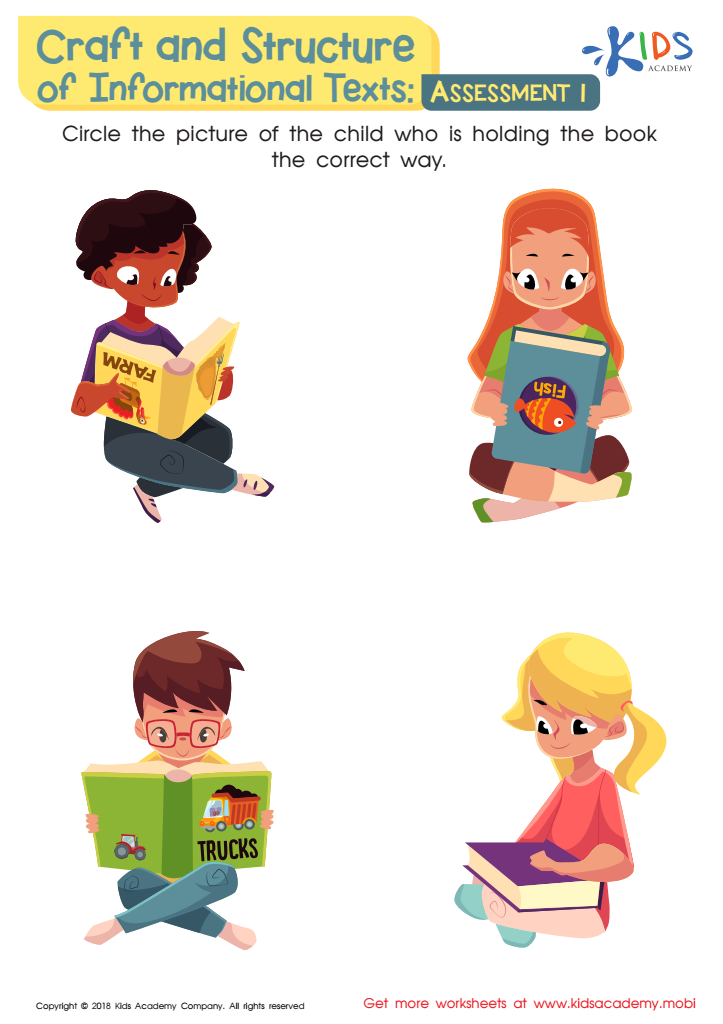
Craft and Structure of Informational Texts: Assessment 1 Worksheet

Turkey Thanksgiving Day Worksheet
Assign to My Students
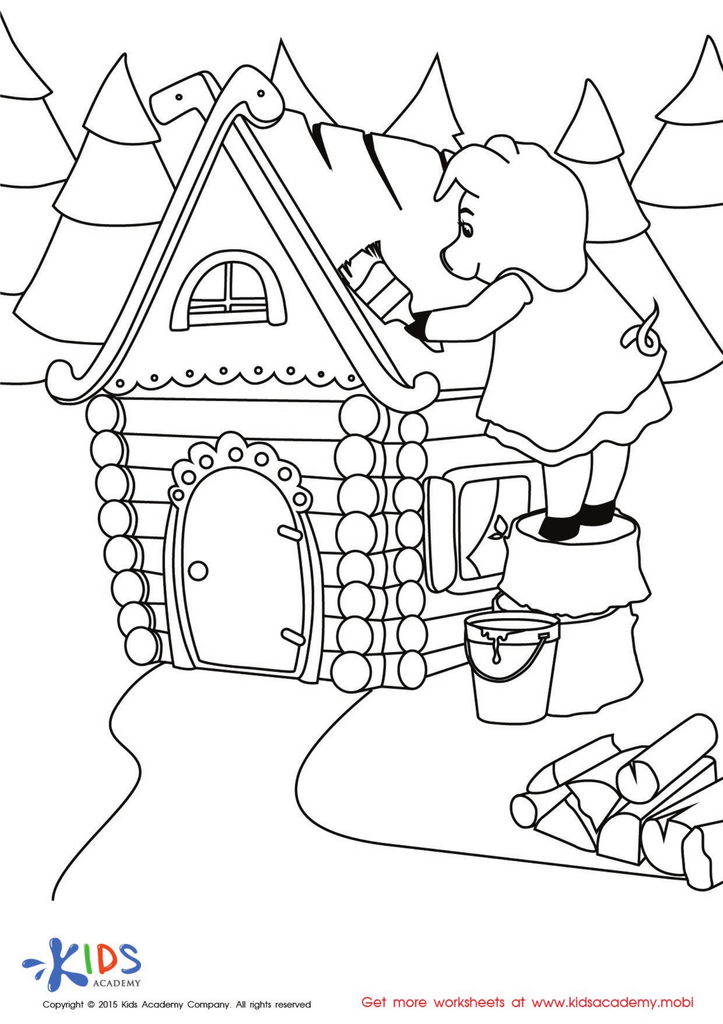
The Three Little Pigs Worksheet
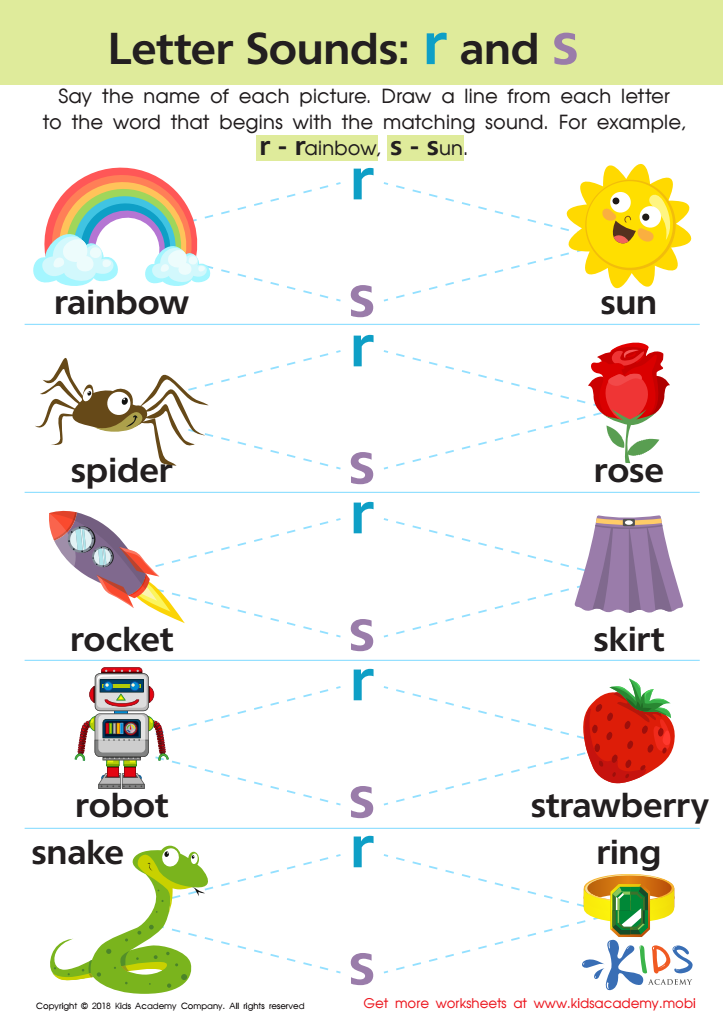
Letter R and S Sounds Worksheet
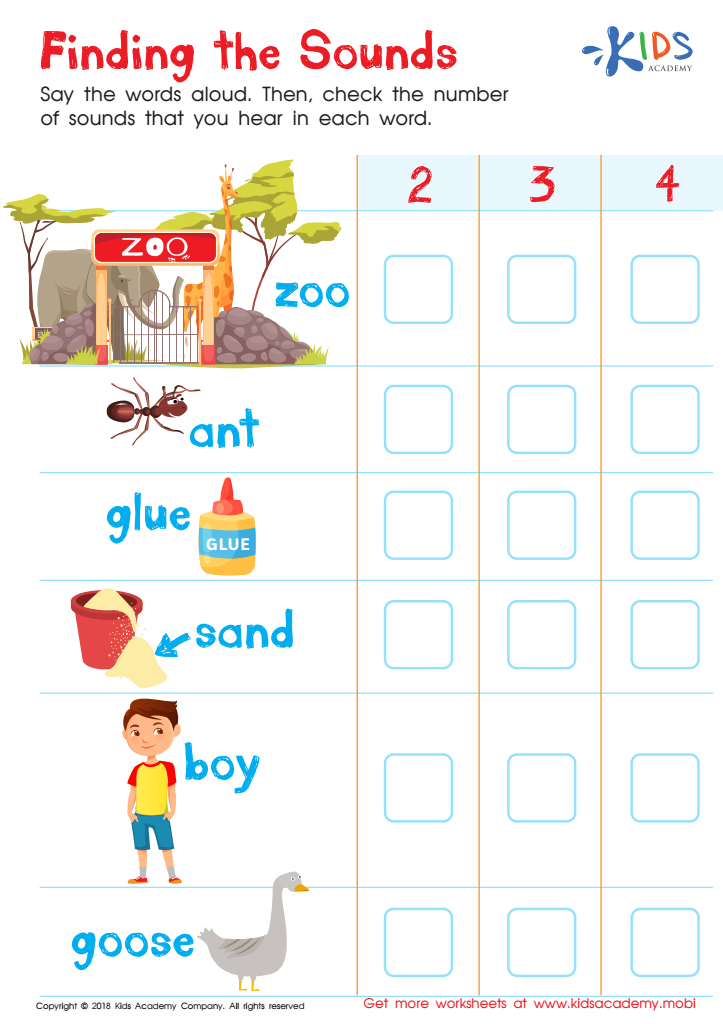
Finding the Sounds Worksheet
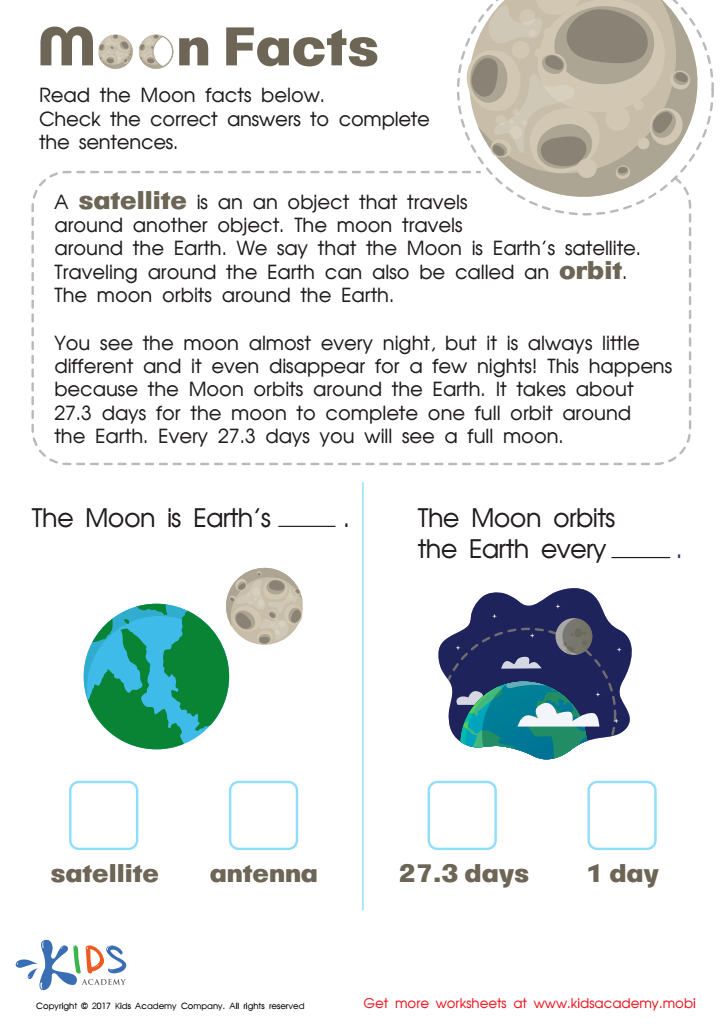
Moon Facts Worksheet
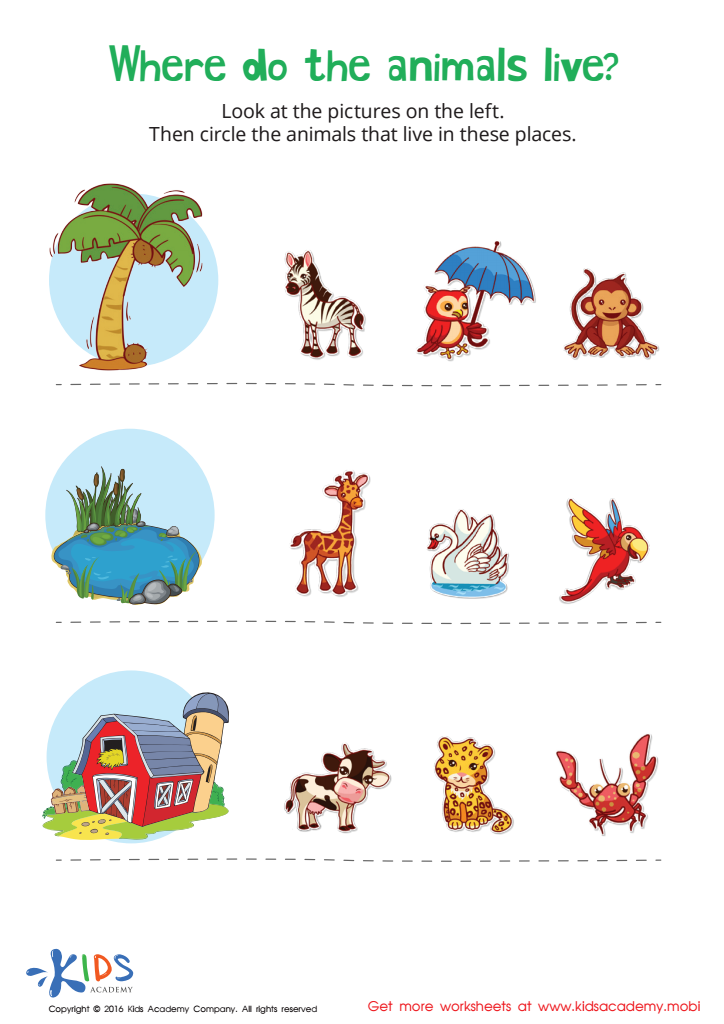
Where Animals Live Worksheet
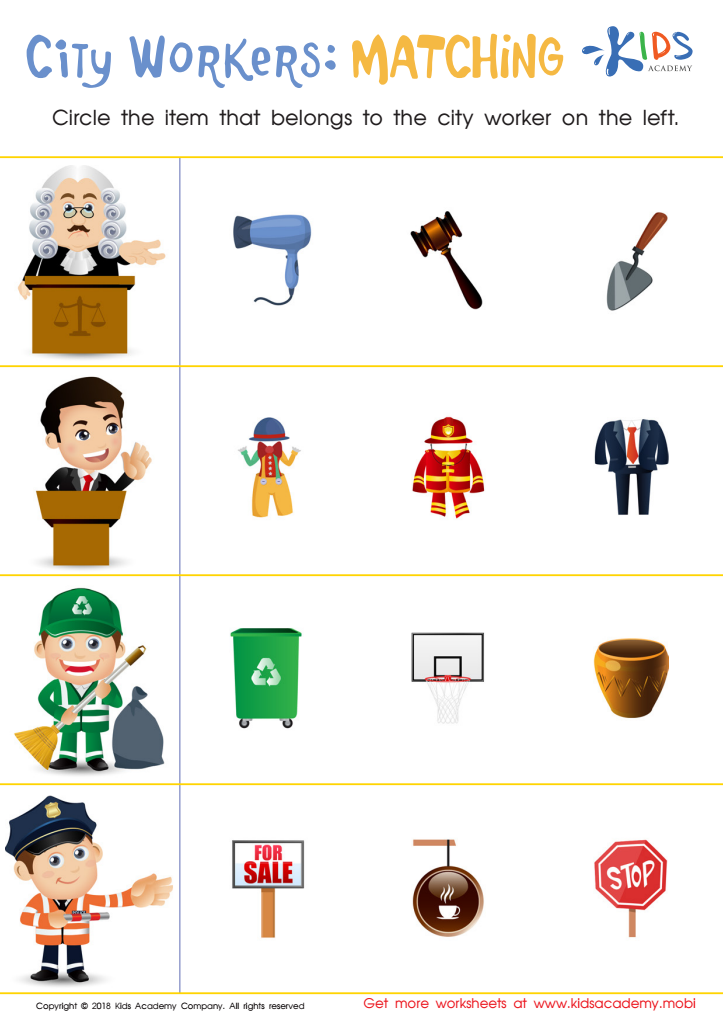
City Workers: Matching Worksheet







Vocabulary development is critical for children aged 3-8 because it lays the foundational building blocks for effective communication, literacy, and academic success. During these formative years, children's brains are remarkably receptive to learning new words and concepts, a process that significantly influences their cognitive development.
First and foremost, a robust vocabulary enhances reading and comprehension skills. When children understand the words they encounter in books, they are more likely to enjoy reading and engage with texts at a deeper level. This, in turn, boosts their confidence and enables them to tackle more complex material as they grow older.
Additionally, strong verbal abilities aid in social and emotional development. Children who can express their thoughts and feelings clearly are better equipped to interact with peers and adults, resolve conflicts, and build friendships. Effective communication skills also contribute to better classroom participation and cooperative learning experiences.
Teachers and parents play a crucial role in this aspect by providing rich language experiences, such as reading aloud, engaging in conversations, and introducing new words in context. By prioritizing vocabulary development, they help children unlock their full potential, fostering a lifelong love of learning and equipping them with the tools necessary for future academic and personal endeavors.








