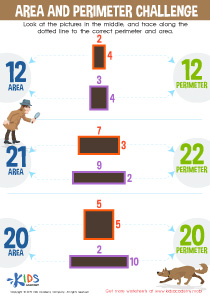
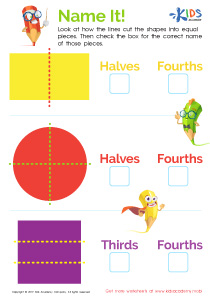
Comparing shapes 2D Shapes Worksheets for Ages 3-8
4 filtered results
-
From - To
Discover our engaging "Comparing Shapes" 2D Shapes Worksheets, designed for children aged 3-8. These worksheets offer an interactive way for young learners to identify, compare, and differentiate various 2D shapes. Featuring fun and colorful visuals, the activities help reinforce essential skills in shape recognition and categorization. Perfect for teachers and parents alike, our resources promote critical thinking and encourage children to observe similarities and differences among shapes. Suitable for various learning environments, these worksheets make math enjoyable and accessible, fostering a solid foundation in geometry. Explore the joys of learning with our creative and educational materials today!
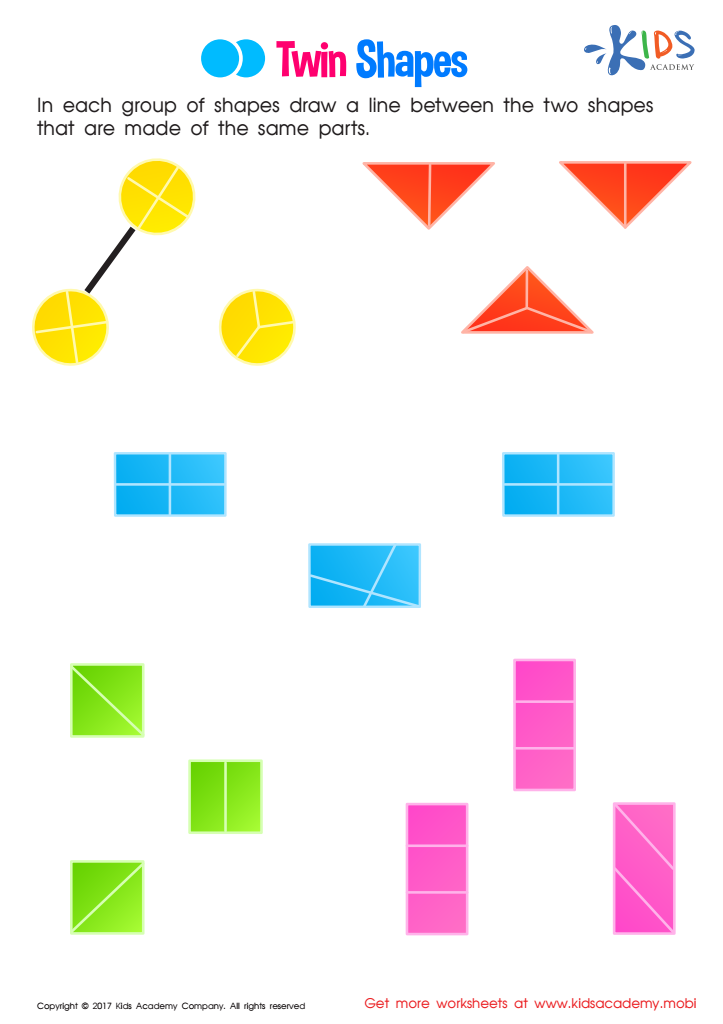
Twin Shapes Worksheet
 Assign to My Students











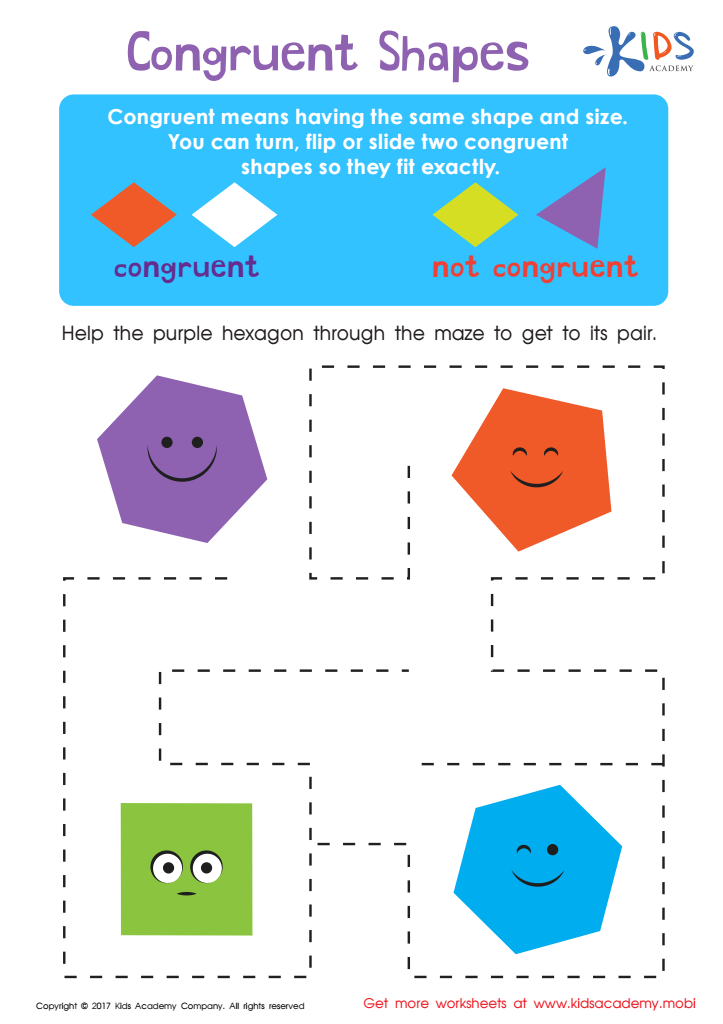
Congruent Shapes Worksheet
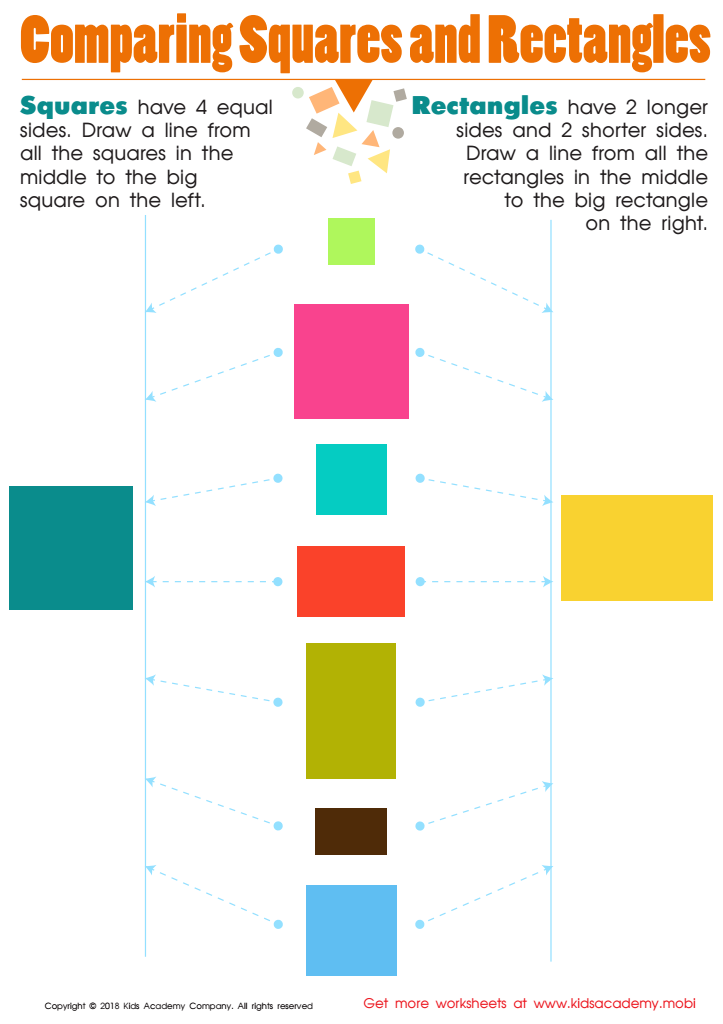
Comparing Squares Rectangles Worksheet
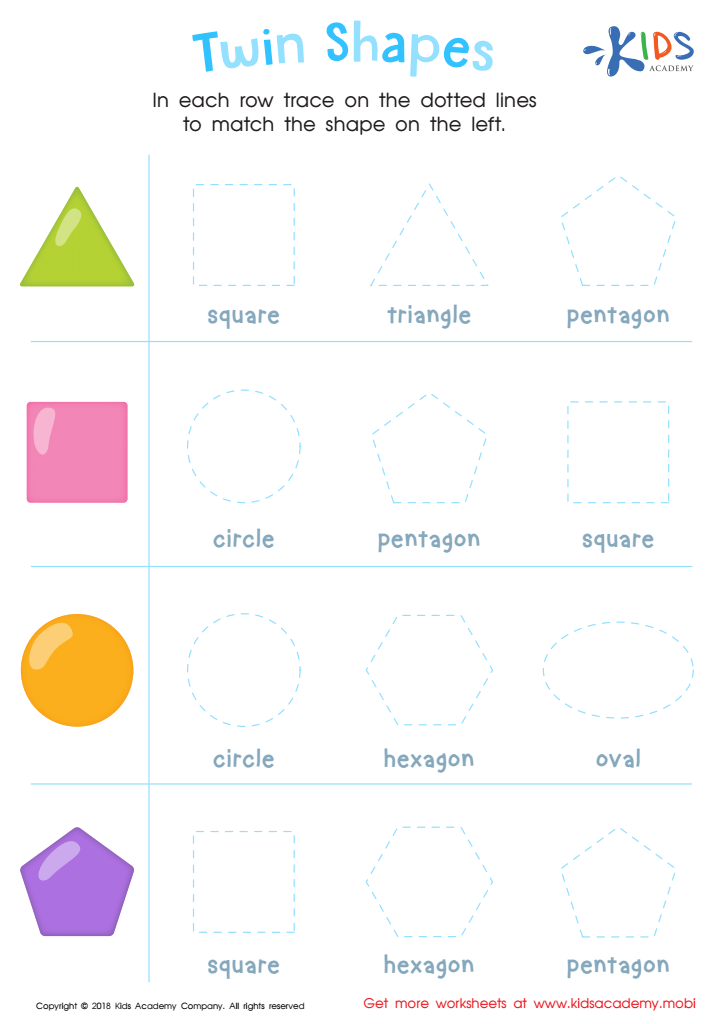
Twin Shapes Dot-to-Dot Worksheet








Comparing 2D shapes is a fundamental concept in early childhood education that significantly benefits children aged 3 to 8. Understanding the attributes of shapes, such as sides, angles, and symmetry, fosters critical thinking and problem-solving skills. This knowledge lays the foundation for more complex mathematical concepts later on.
For parents and teachers, nurturing shape comparison activities encourages active engagement and interaction with the world around them. By recognizing and categorizing shapes, children develop observational skills and enhance their spatial awareness, which is vital for activities like writing, reading, and even sports.
Moreover, shape comparison promotes vocabulary development as children learn descriptors like “bigger,” “smaller,” “round,” and “flat.” Through games and hands-on activities, children also experience teamwork, sharing, and communication, essential social skills at this age.
Additionally, early exposure to geometry cultivates a sense of curiosity and creativity, encouraging children to explore their environment in innovative ways. Ultimately, integrating shape comparison into learning enriches children's educational journey, preparing them not just for math, but for understanding patterns and relationships in all aspects of life. This holistic development reinforces the idea that math is both fun and relevant, motivating young learners to continue their exploration of the subject.