Basic Math Skills Addition & Subtraction Worksheets for Ages 3-8 - Page 3
97 filtered results
-
From - To
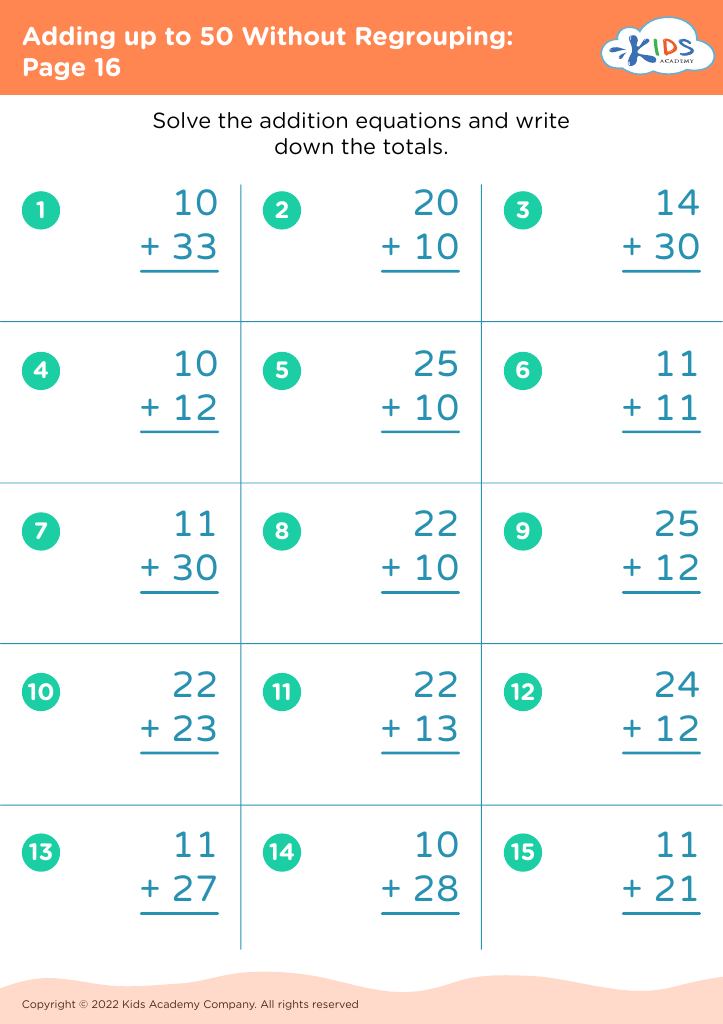
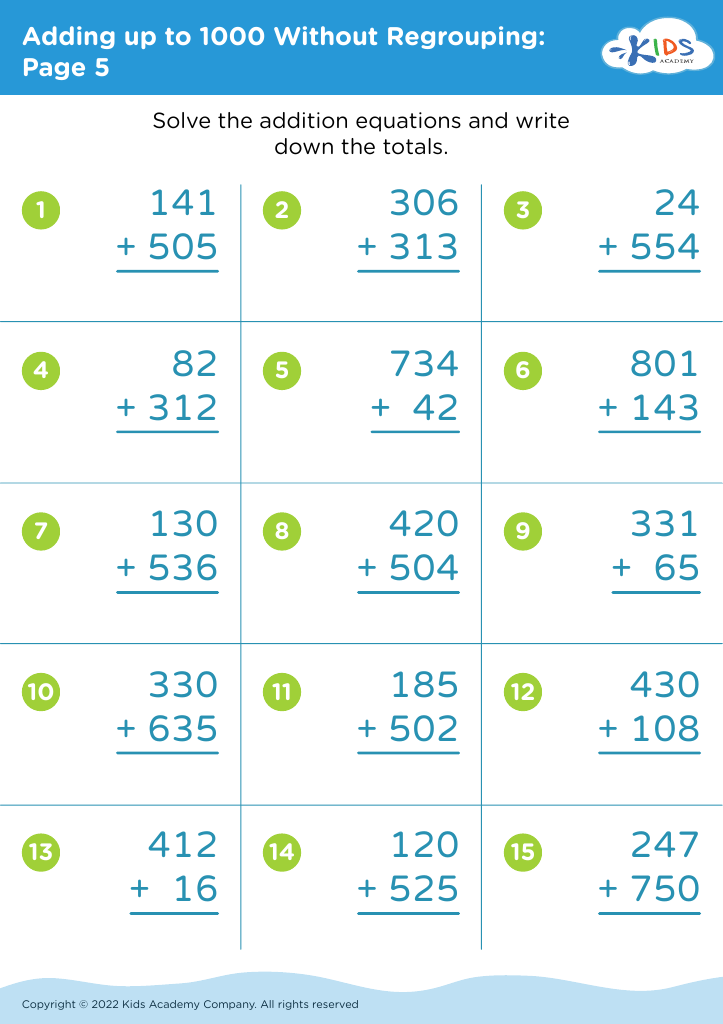
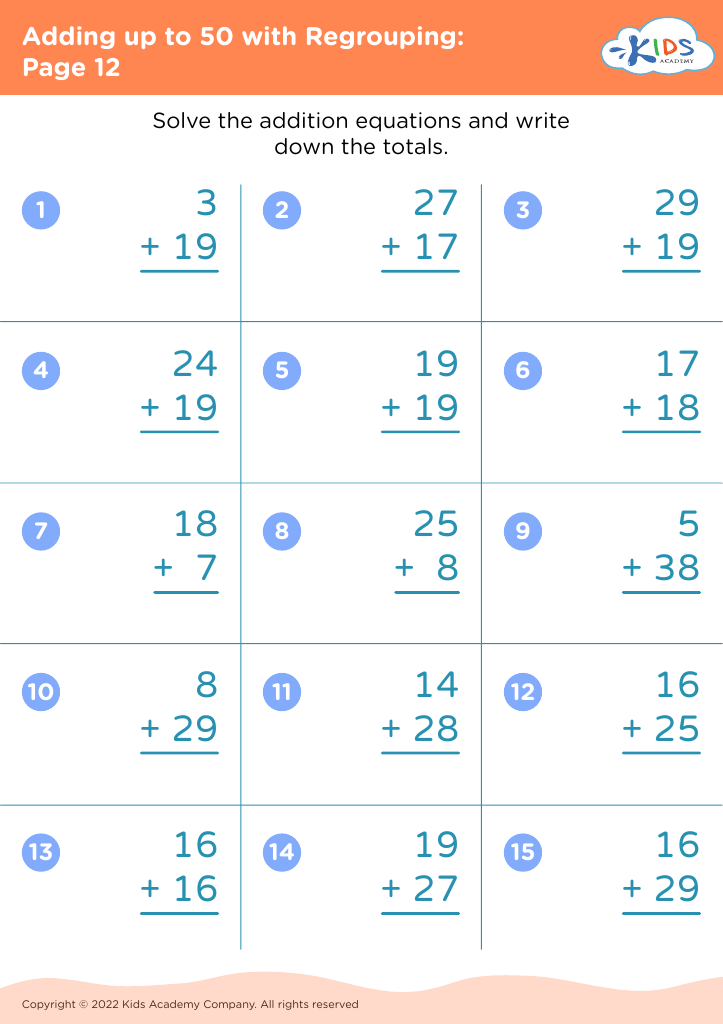
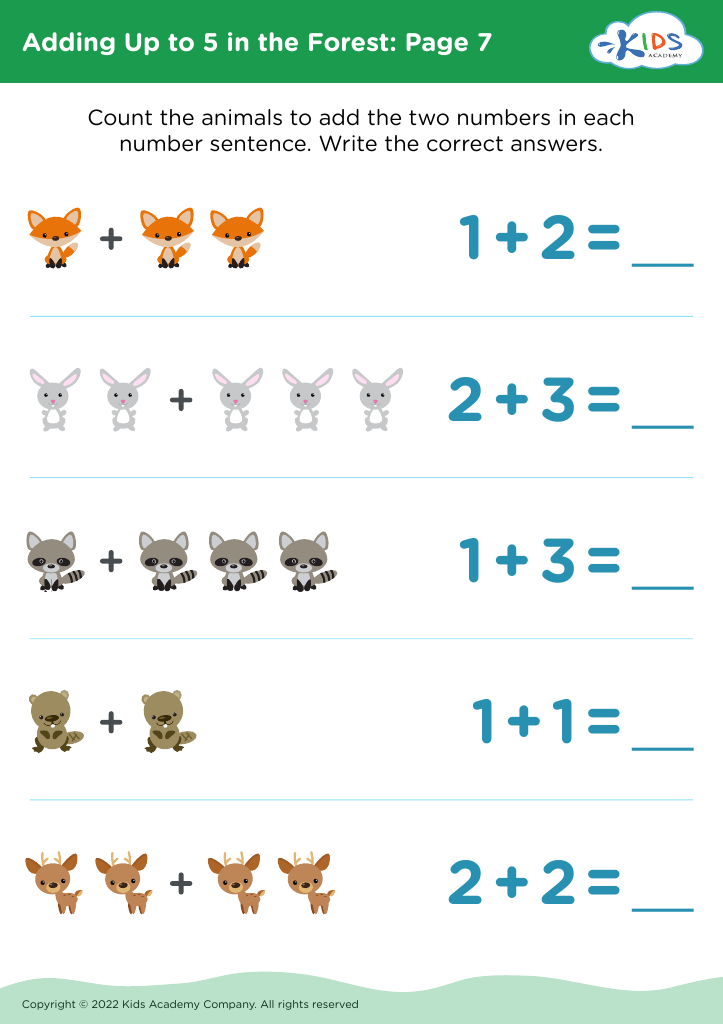
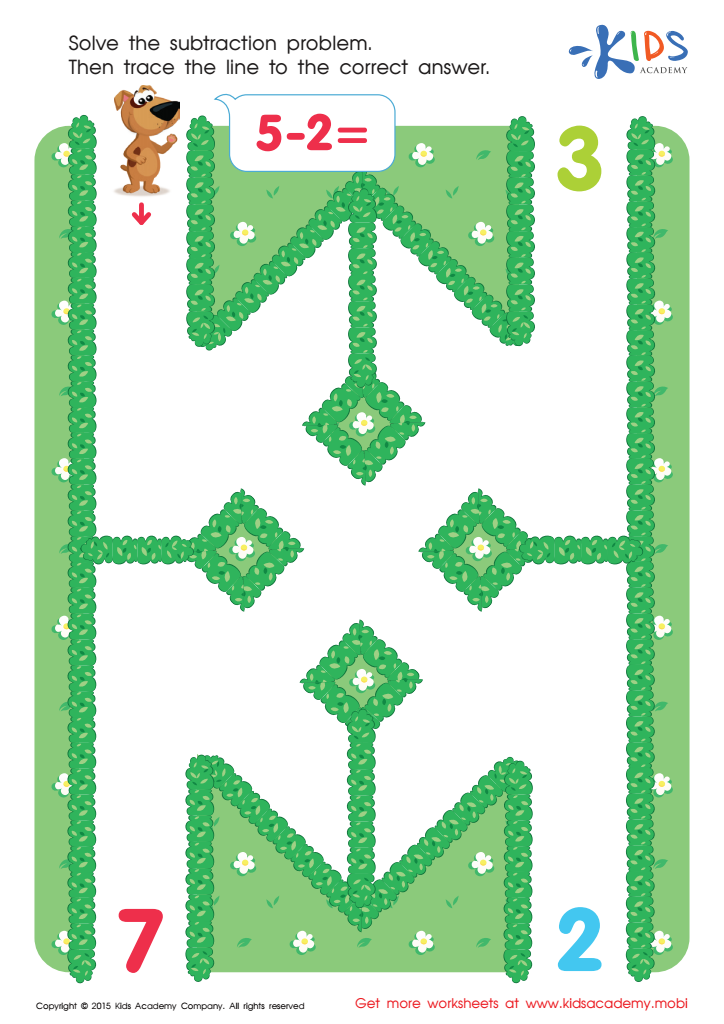
Five Minus Two Worksheet
 Assign to My Students
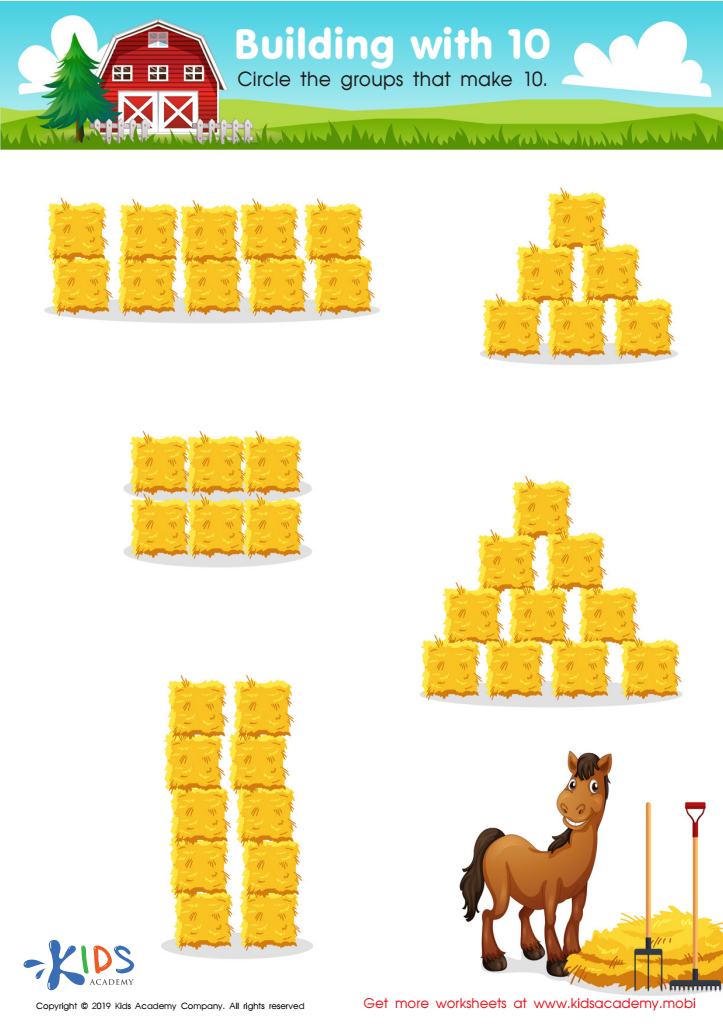
Building with 10 Worksheet
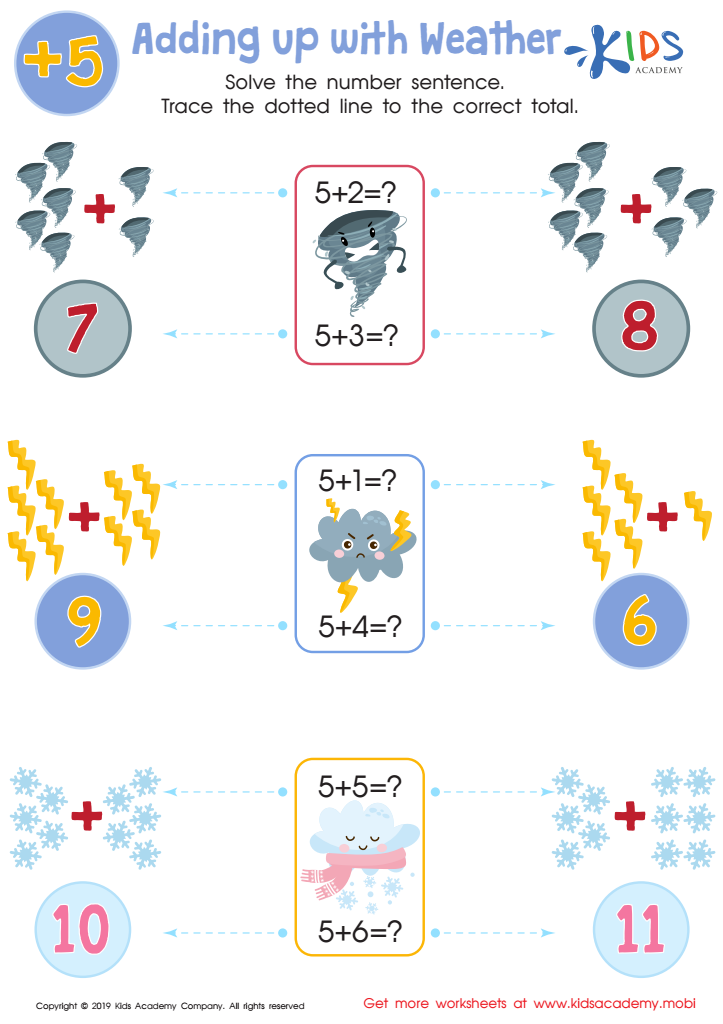
Adding up With Water Worksheet
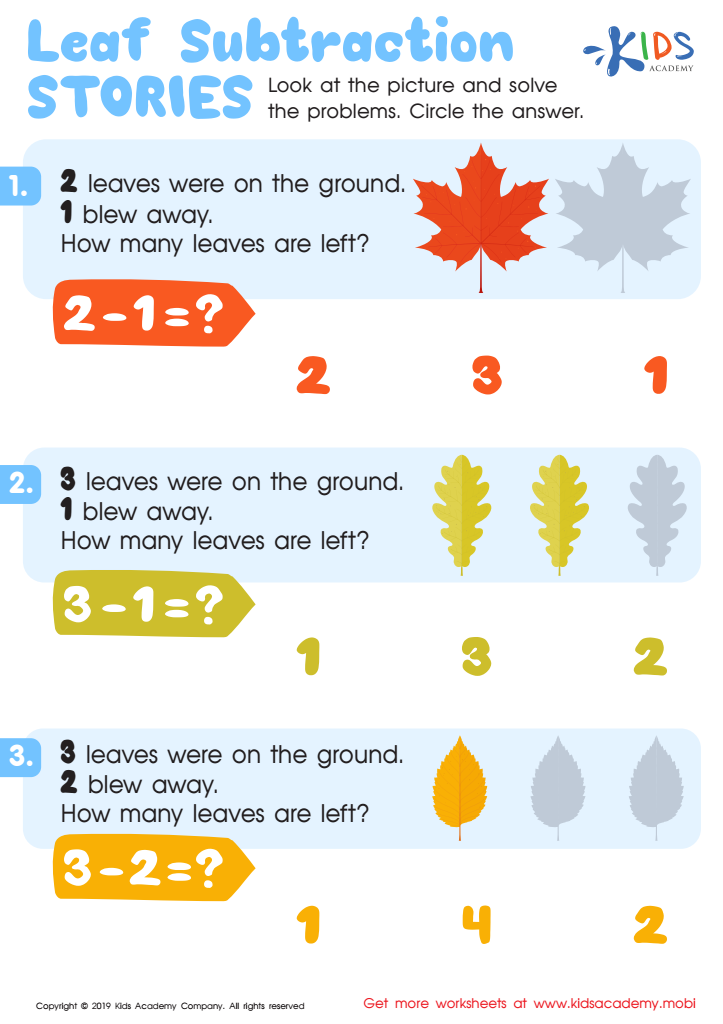
Leaf Subtraction Stories Worksheet
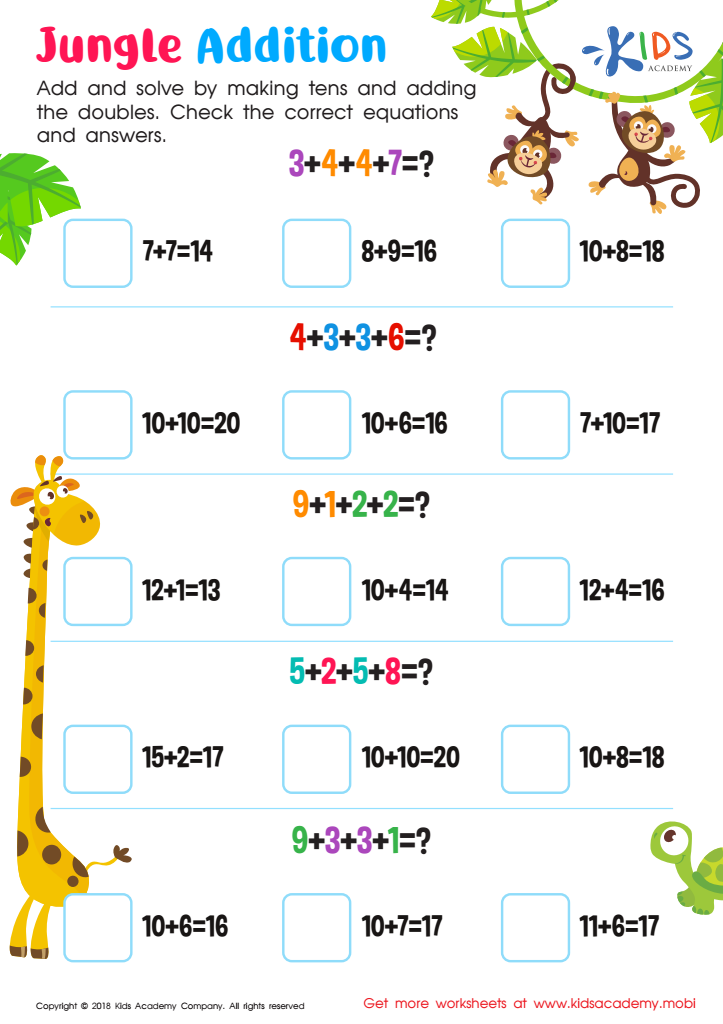
Jungle Addition Worksheet
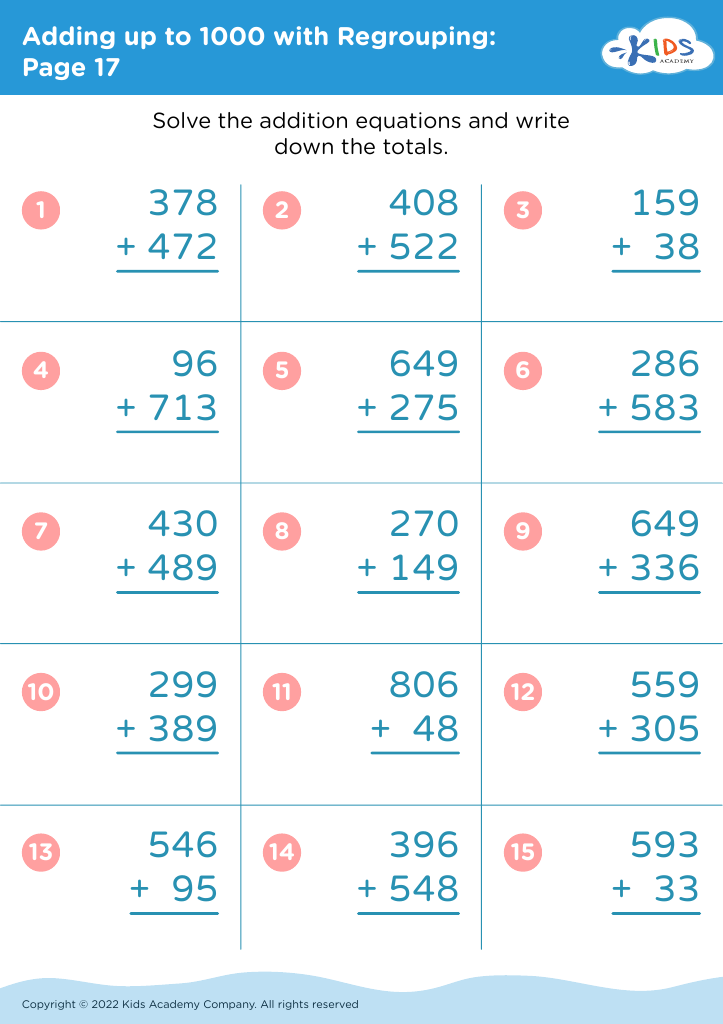
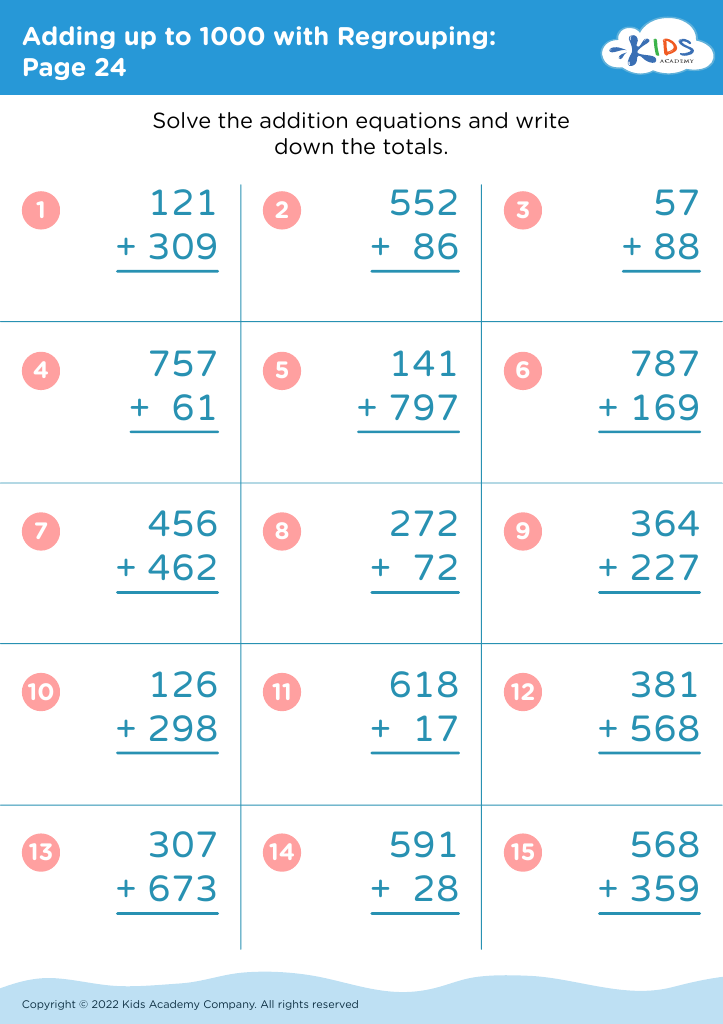
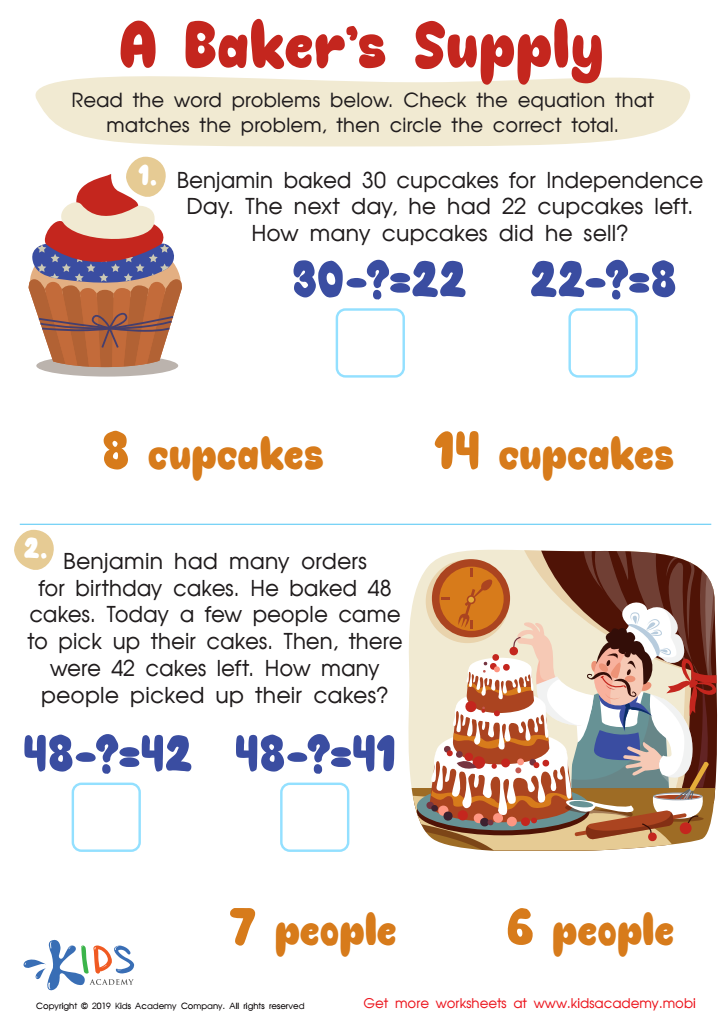
A Baker's Supply Worksheet
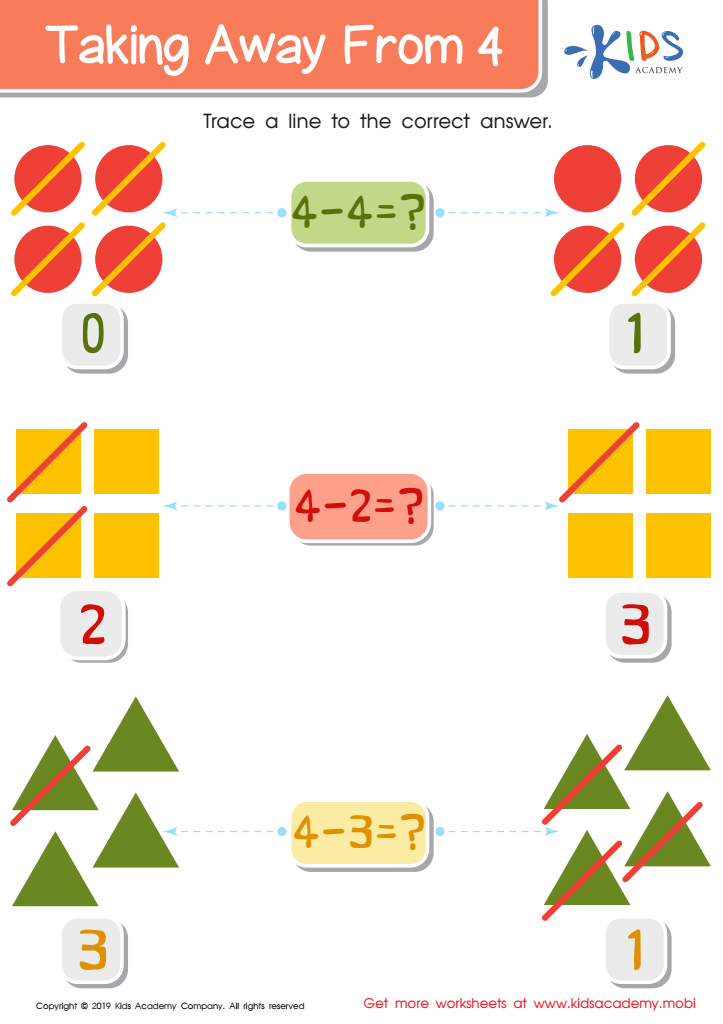
Taking Away from 4 Worksheet
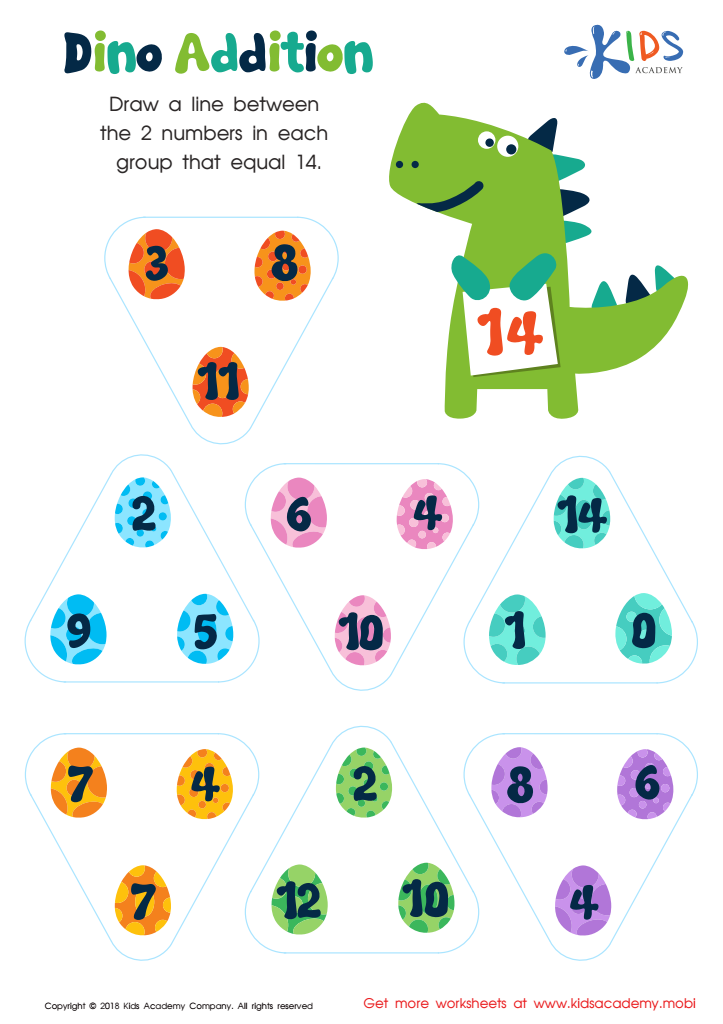
Dino Addition Worksheet
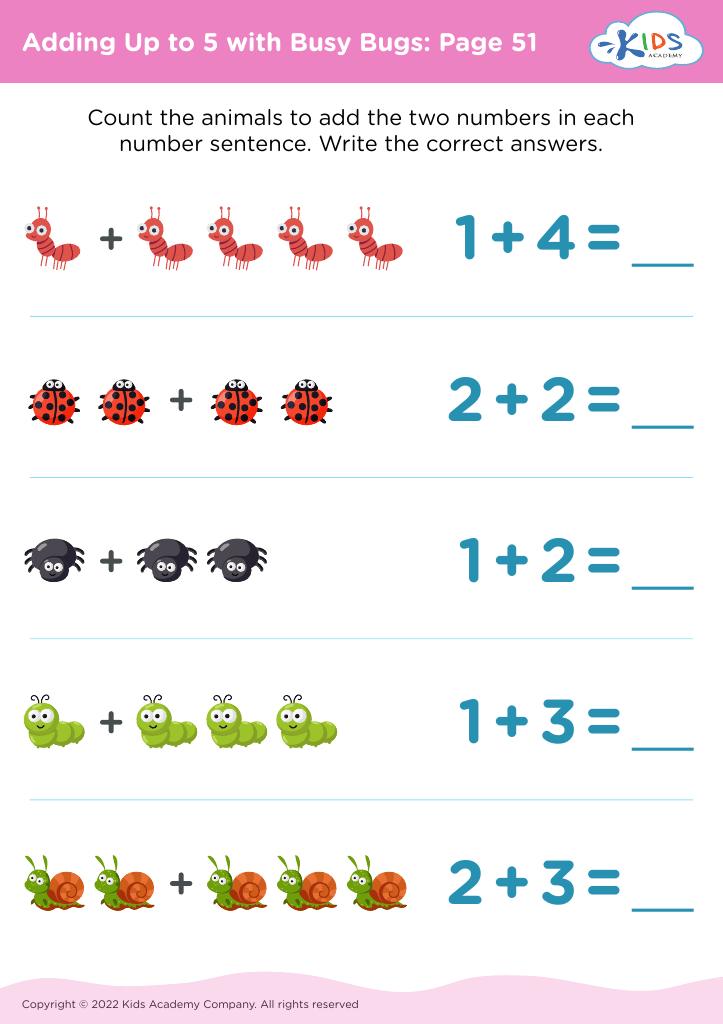
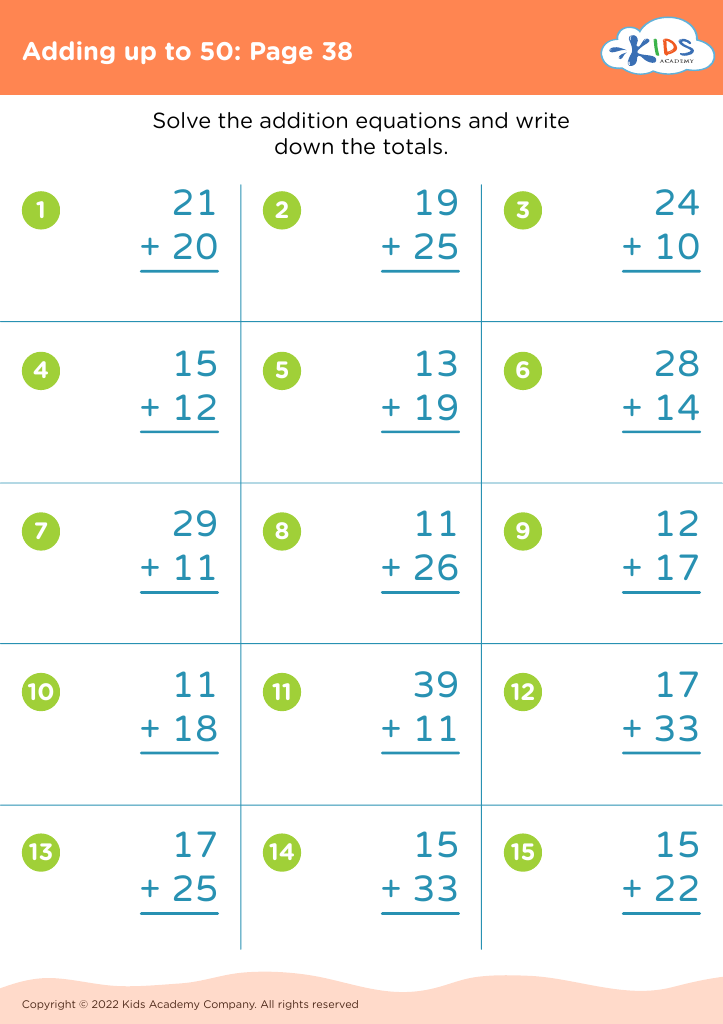
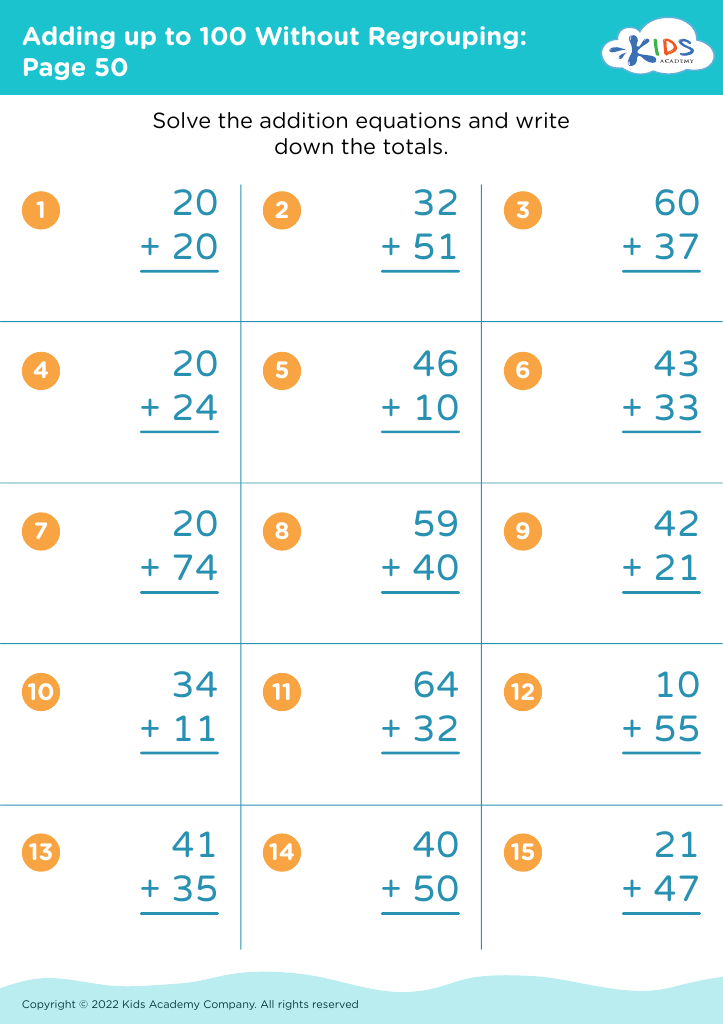
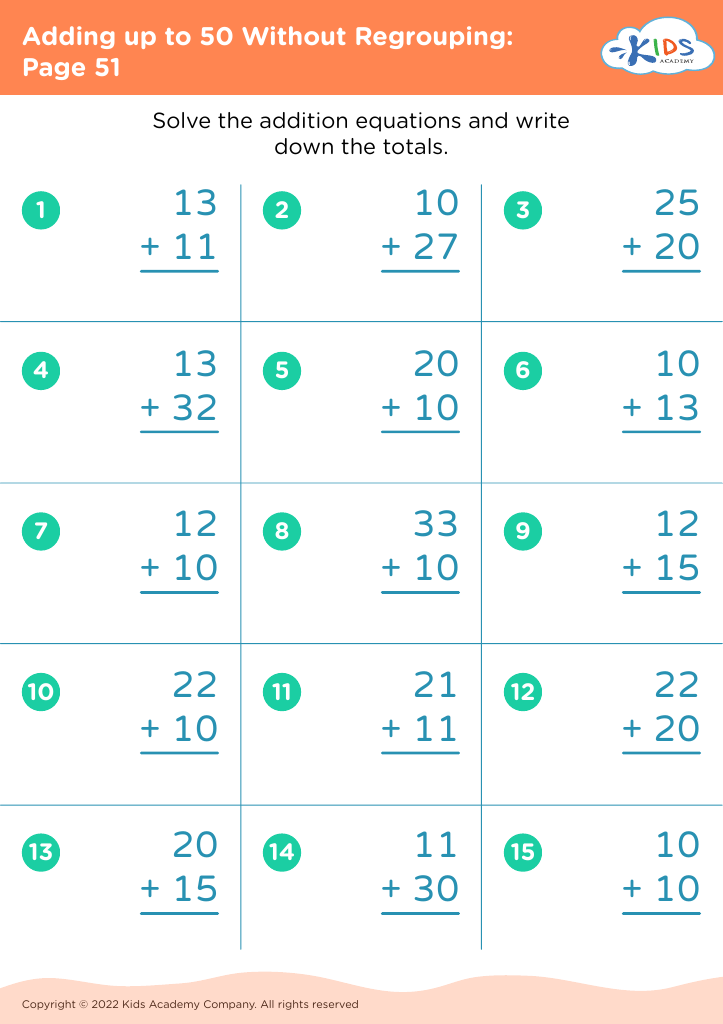








Basic math skills, particularly addition and subtraction, are foundational for children aged 3-8 and vital for their cognitive development. Understanding these concepts not only builds a strong mathematical foundation but also enhances critical thinking and problem-solving abilities. During these formative years, children begin to comprehend the relationships between numbers, laying groundwork for future learning.
Early grasp of addition and subtraction fosters confidence in young learners, turning math into a fun and engaging subject rather than a source of stress. When parents and teachers encourage practice through games and everyday situations—like counting fruits or sharing toys—they instill a positive attitude towards math. This early engagement nurtures a growth mindset, helping children see mistakes as learning opportunities.
Moreover, developing basic math skills supports overall academic achievements. Children equipped with strong foundational skills are better prepared for more complex concepts in later grades. Additionally, these skills are essential for daily life functionalities such as telling time, managing finances, and understanding measurements.
In summary, parents and teachers should prioritize addition and subtraction for ages 3-8 as it promotes essential skills, nurtures confidence, boosts engagement, and prepares children for future academic success.








