Fine motor skills (drawing lines) Addition & Subtraction Worksheets for Ages 3-8
3 filtered results
-
From - To
Boost your child's fine motor skills while enhancing their math foundational knowledge with our engaging Addition and Subtraction Worksheets designed for ages 3-8! These worksheets incorporate tracing and drawing lines, allowing young learners to strengthen their hand-eye coordination and develop the dexterity necessary for writing. Each fun activity is tailored to introduce basic addition and subtraction concepts, making early math learning enjoyable and interactive. Simple instructions and colorful illustrations ensure kids remain engaged, helping them build confidence as they practice essential skills. Perfect for at-home learning or classroom activities, these printable worksheets offer a hands-on approach to math mastery!
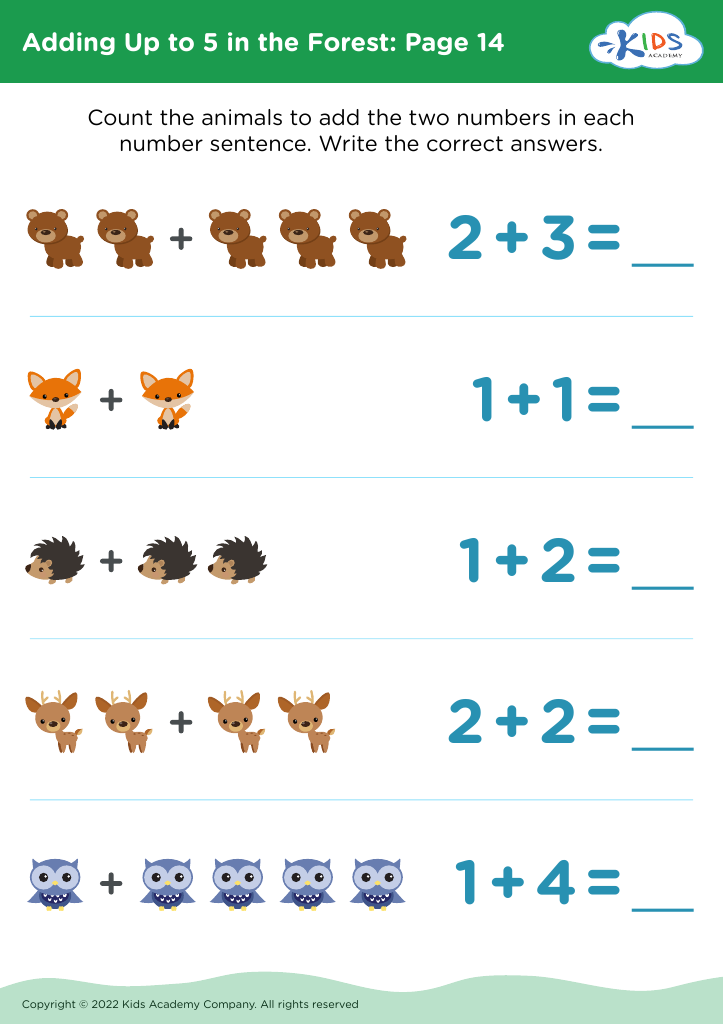
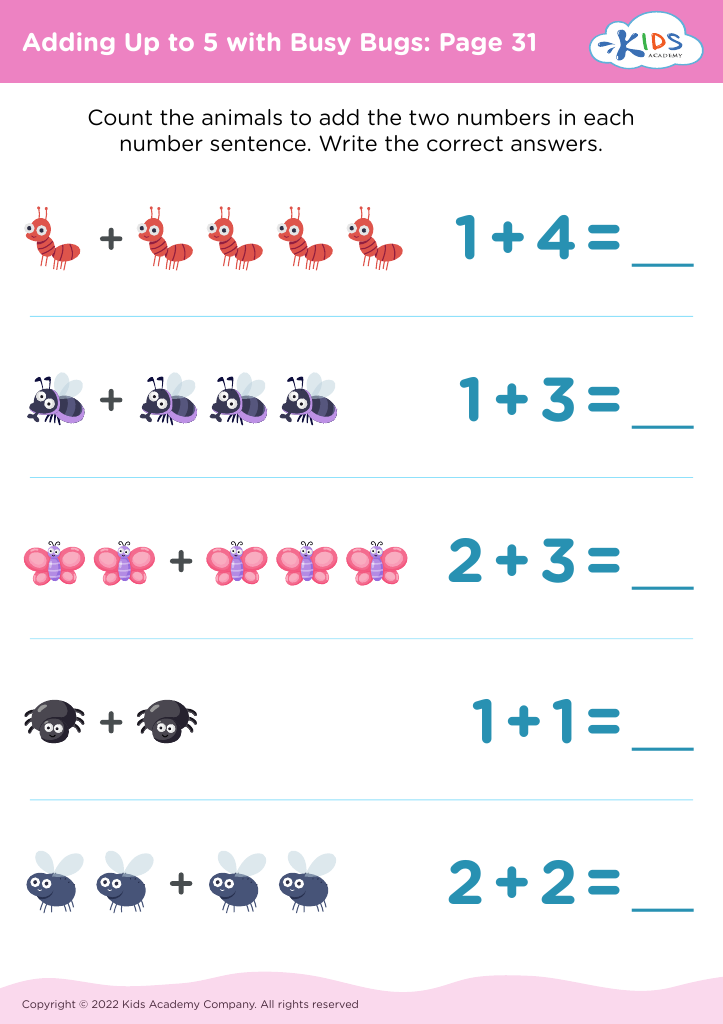
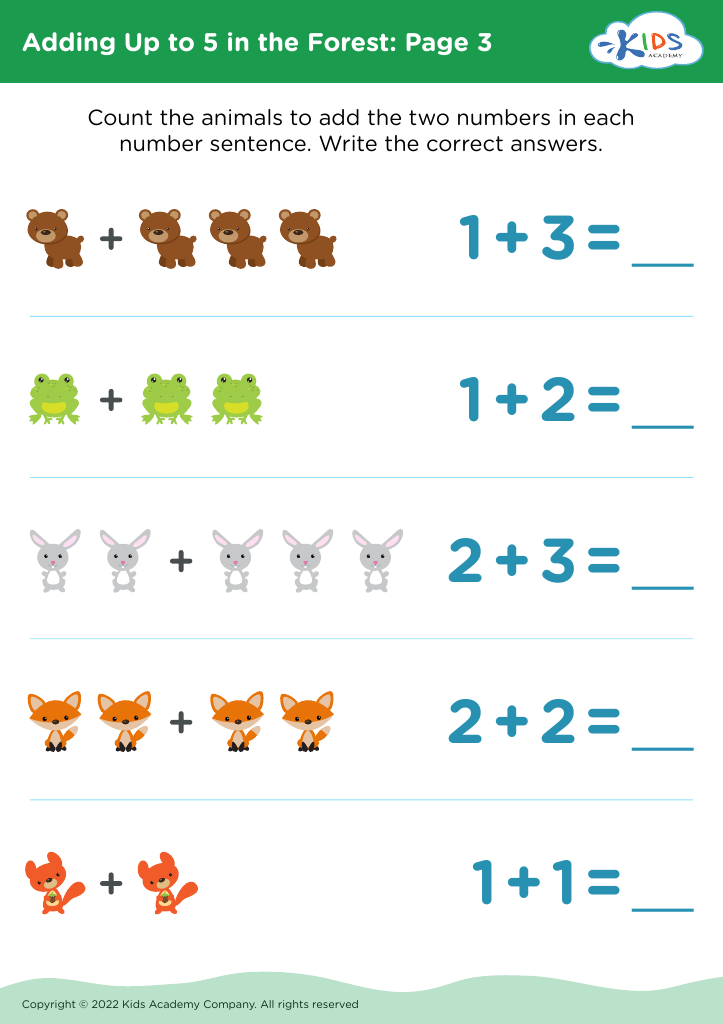








Fine motor skills are crucial for young children as they lay the foundation for various academic and life skills. For children aged 3-8, activities that involve drawing lines help develop hand-eye coordination and dexterity. These skills are essential not just for writing, but also for everyday tasks like buttoning shirts and using utensils. Improving fine motor skills early gives children the confidence to engage in more complex activities as they grow.
Similarly, early introduction to addition and subtraction nurtures cognitive development. Understanding basic math concepts lays the groundwork for future mathematical learning, promoting critical thinking and problem-solving abilities. Integrating fine motor activities, such as drawing lines while solving simple math problems, makes learning enjoyable and helps reinforce important concepts in an interactive way.
Parents and teachers should care because fostering these skills together cultivates a well-rounded education. Engaging children in activities that merge fine motor skills with math helps them grasp the idea that learning can be fun, which increases motivation and retention. By prioritizing these developmental areas, we support children in becoming competent, confident learners, ready to tackle more complex challenges in school and life.








