Fine motor skills (writing) Addition & Subtraction Worksheets for Ages 3-8 - Page 2
40 filtered results
-
From - To
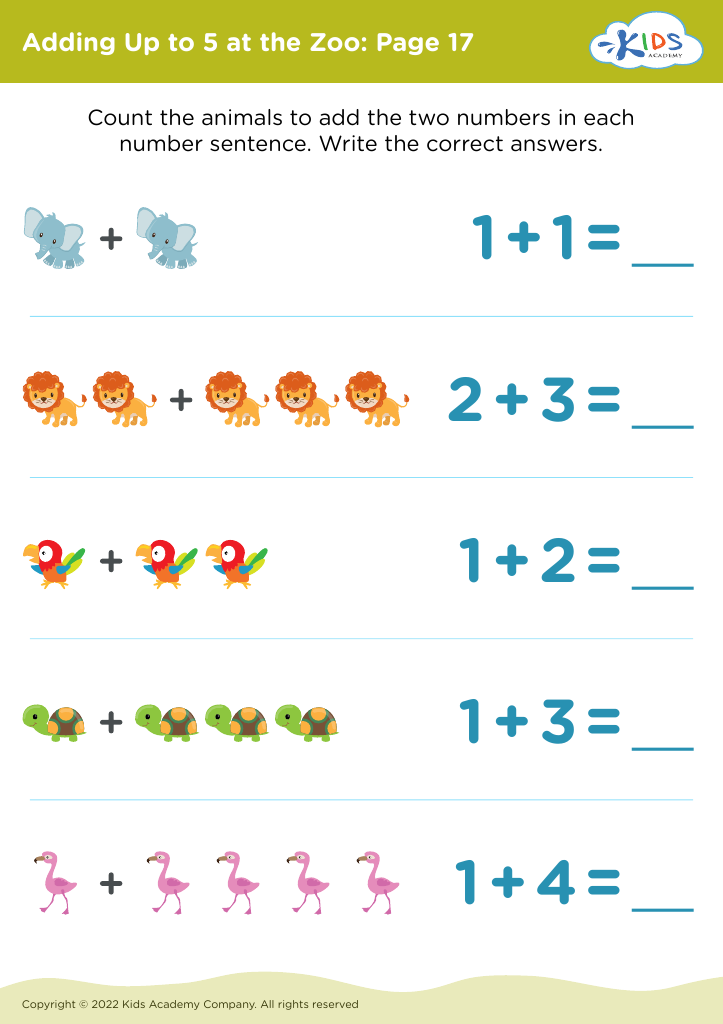
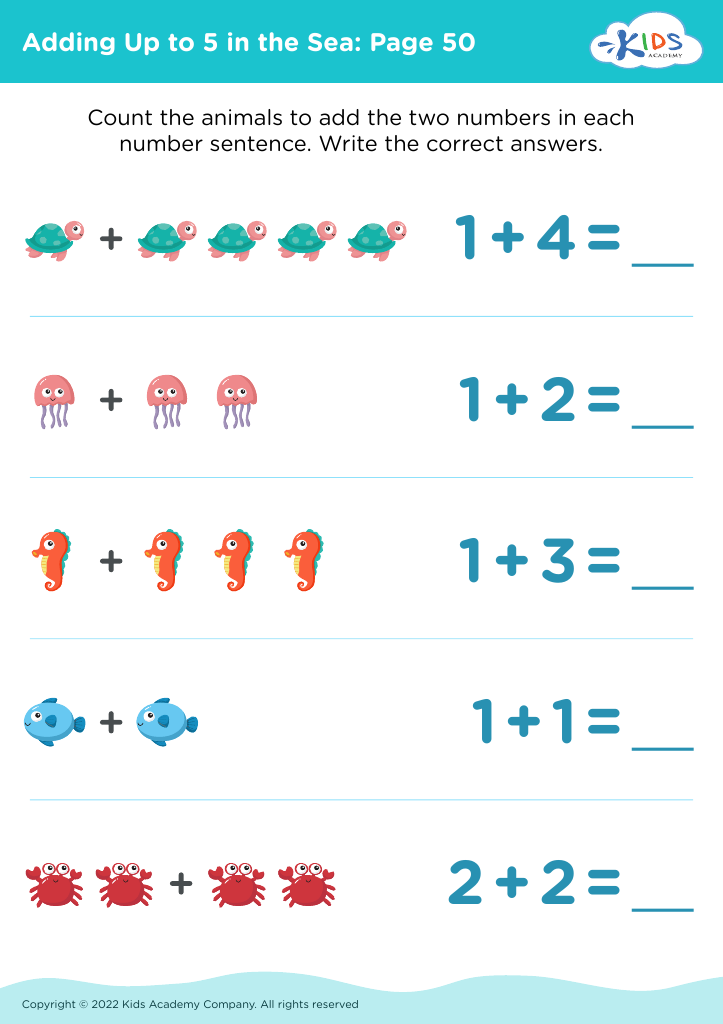
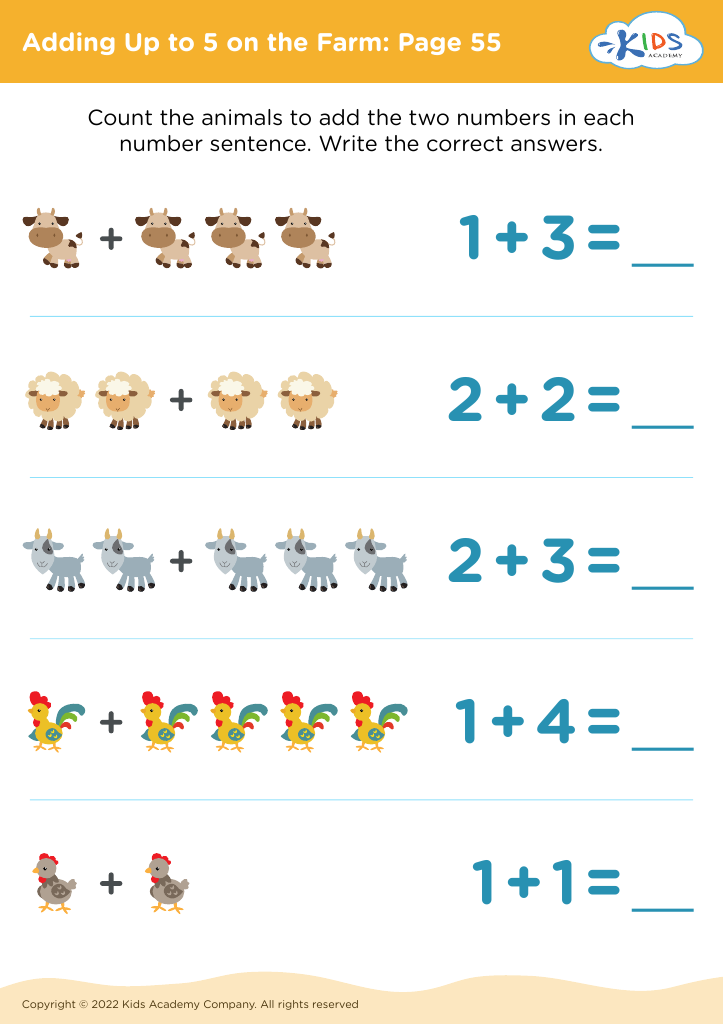
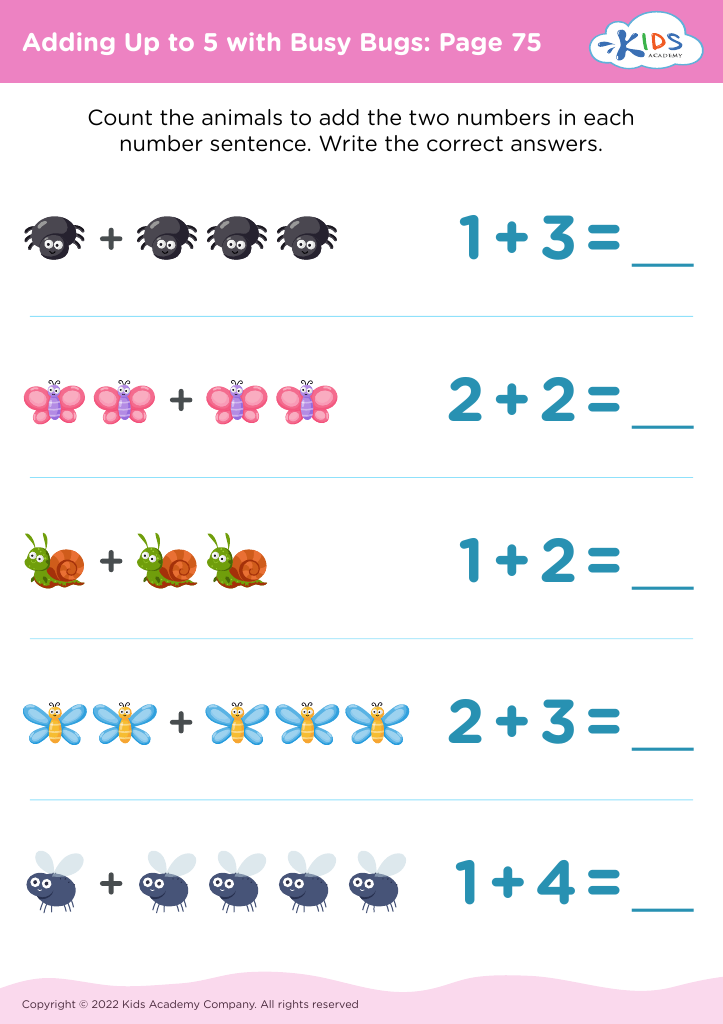
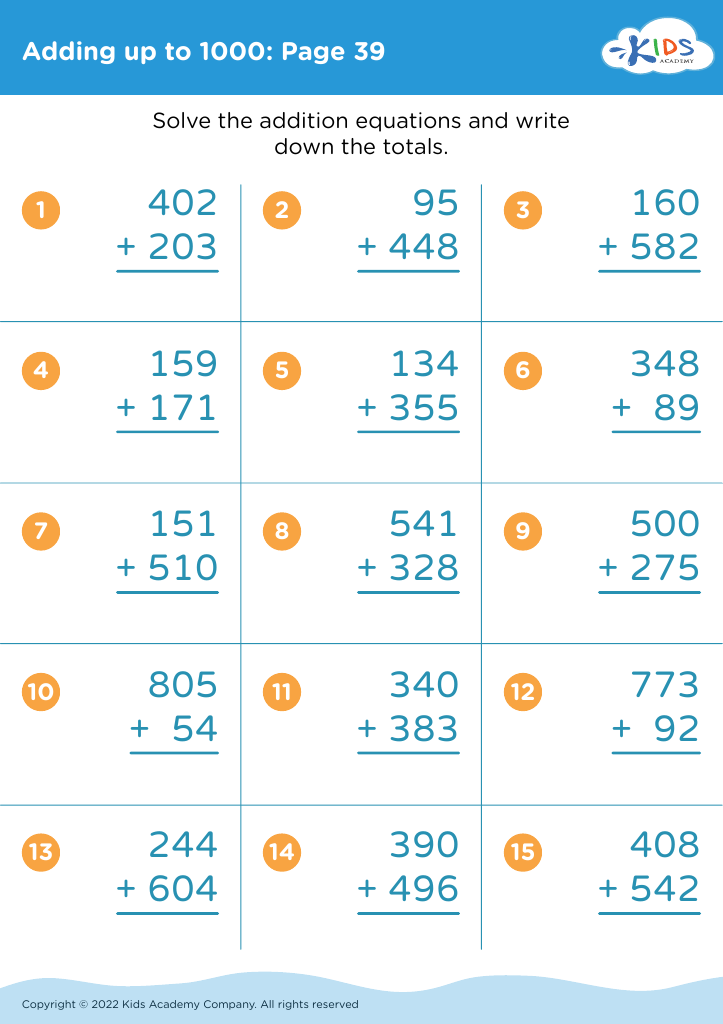
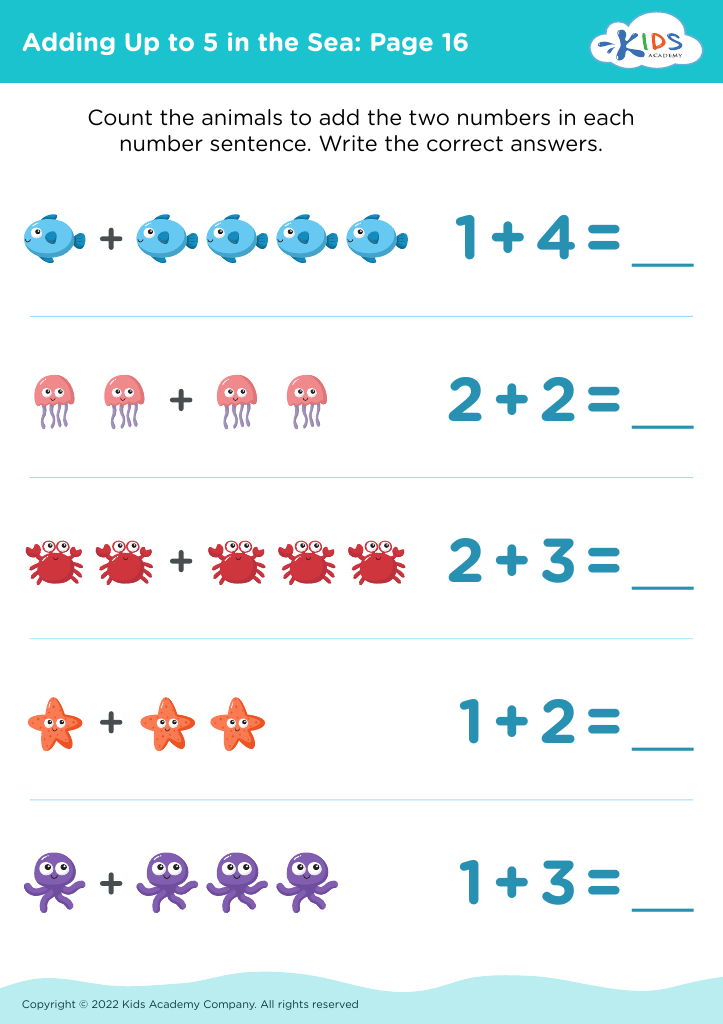
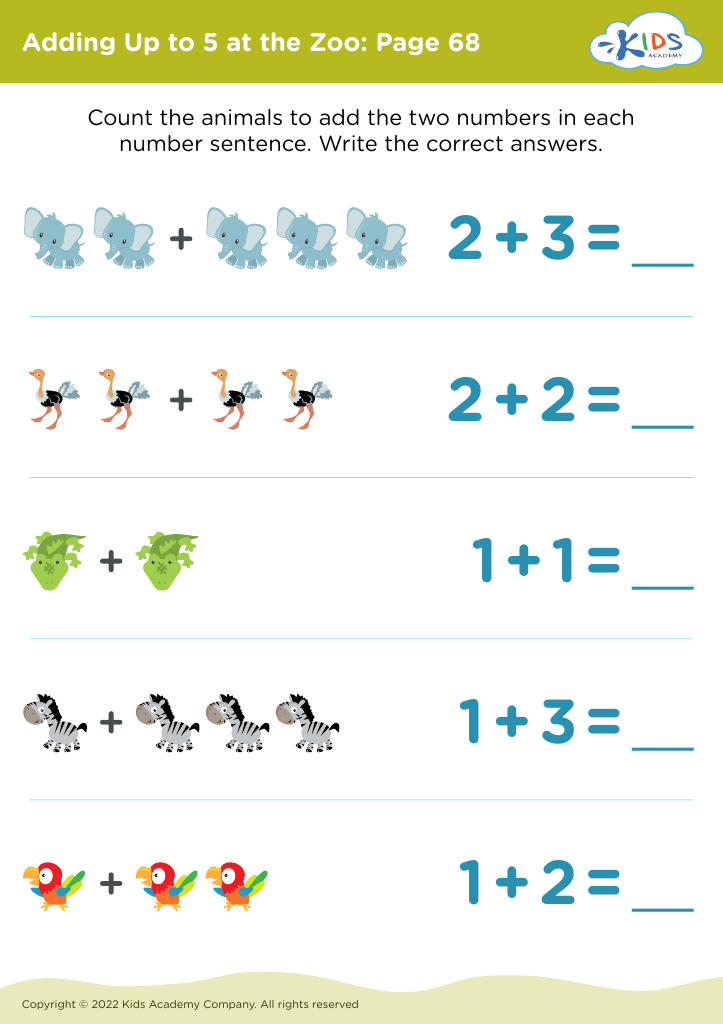
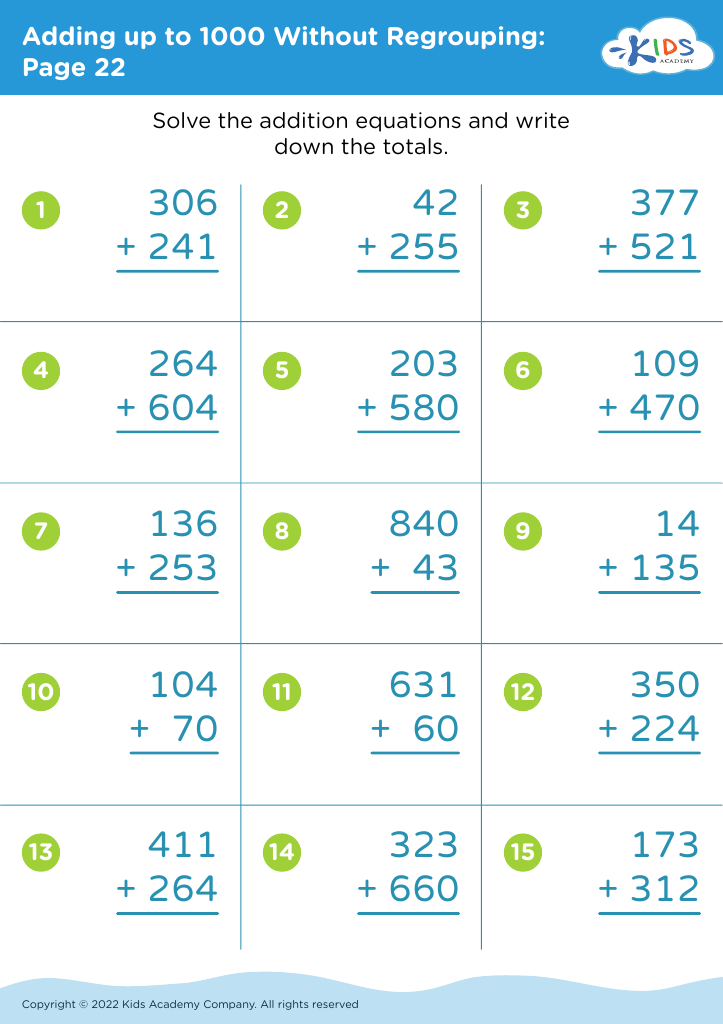
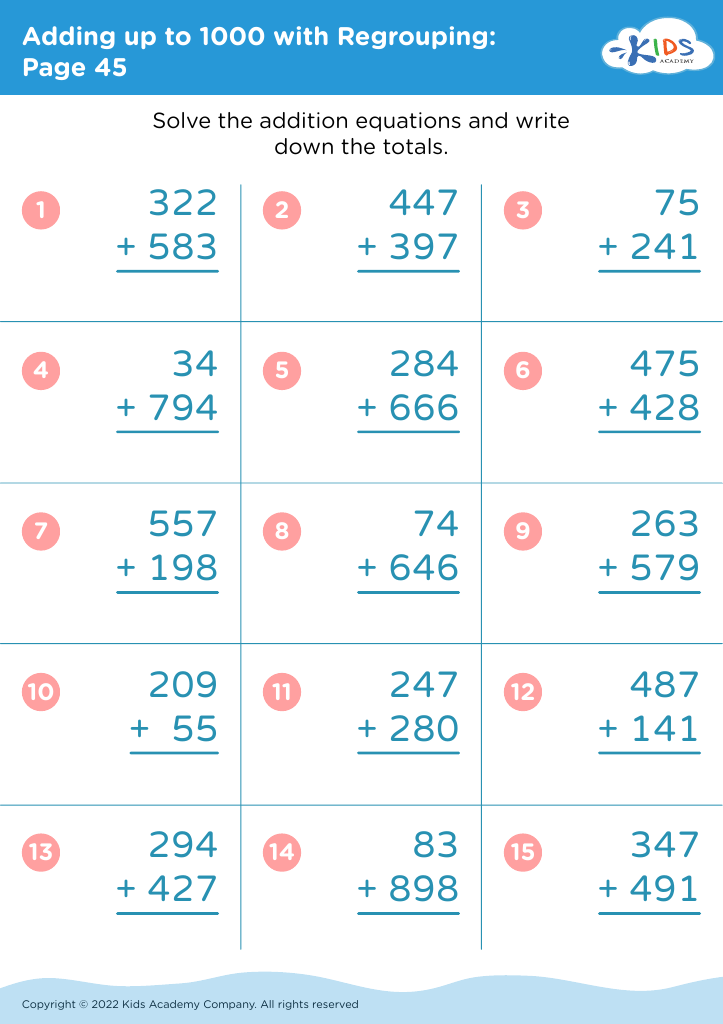
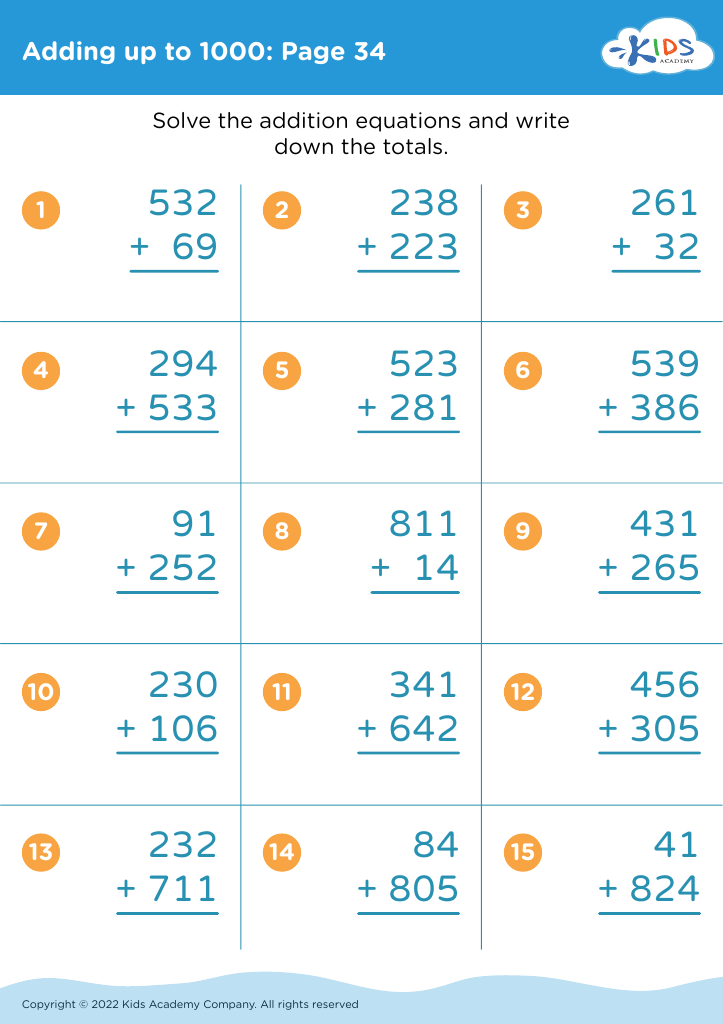
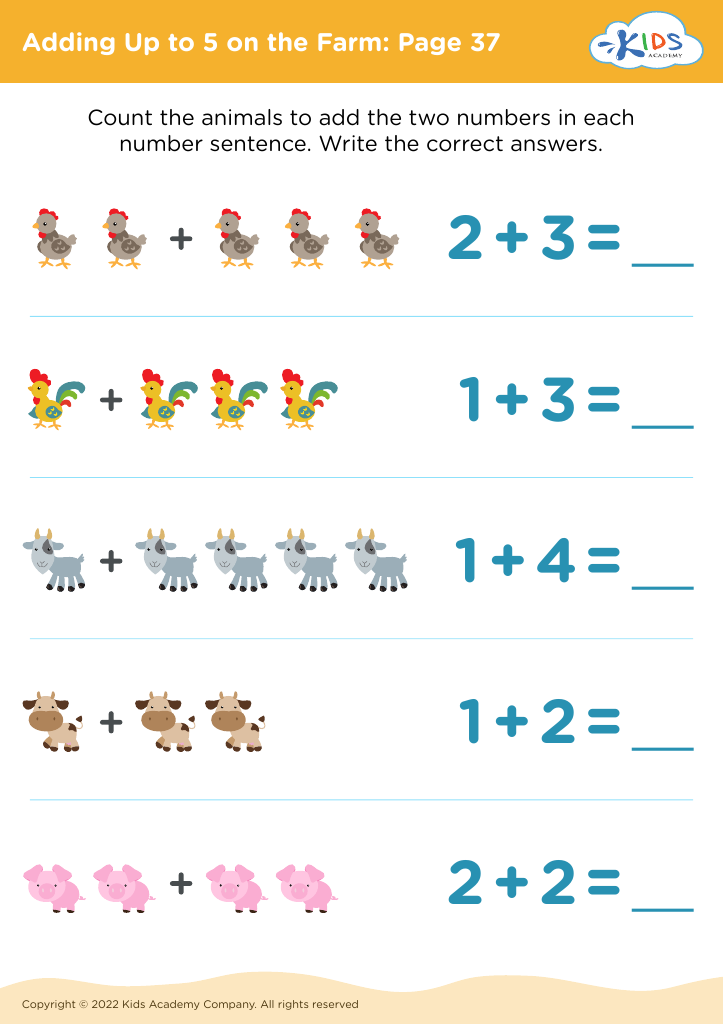
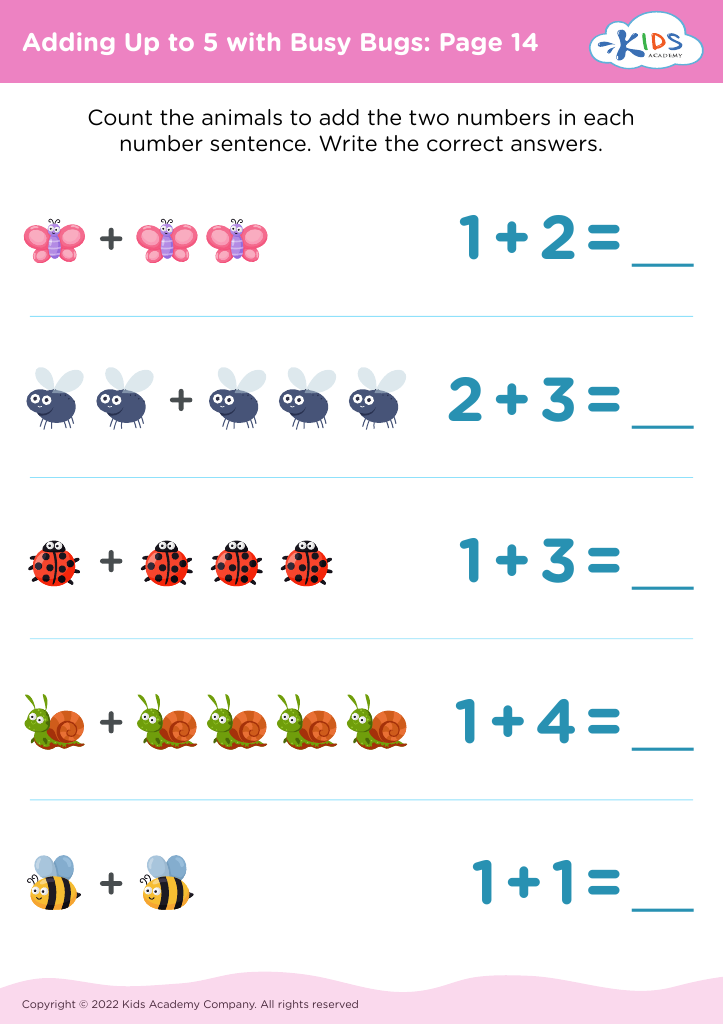
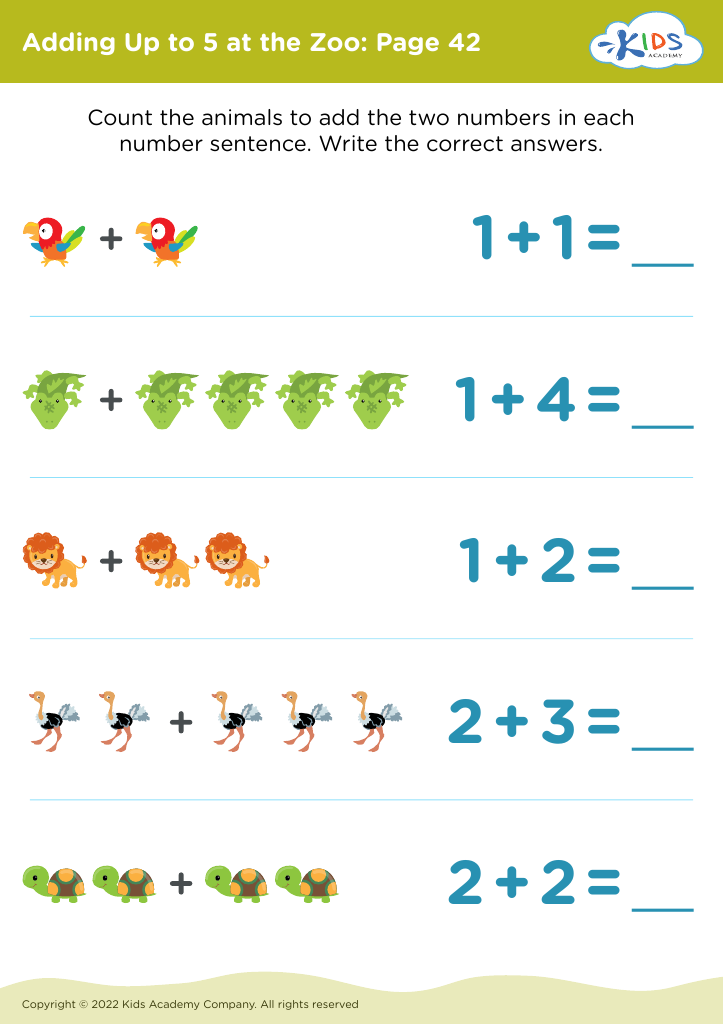
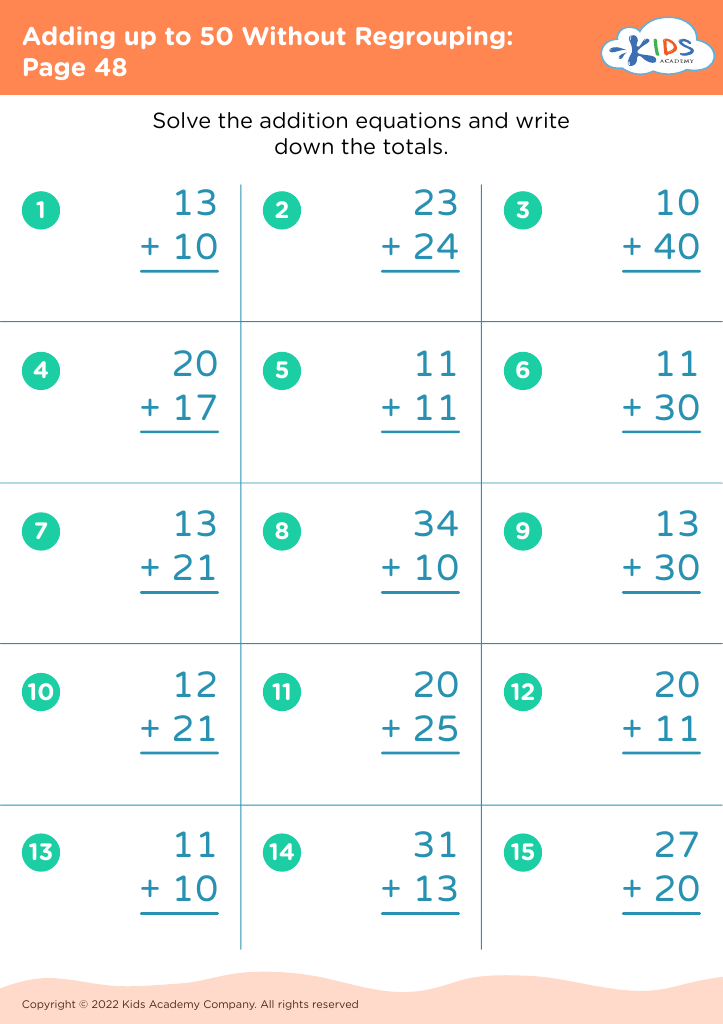
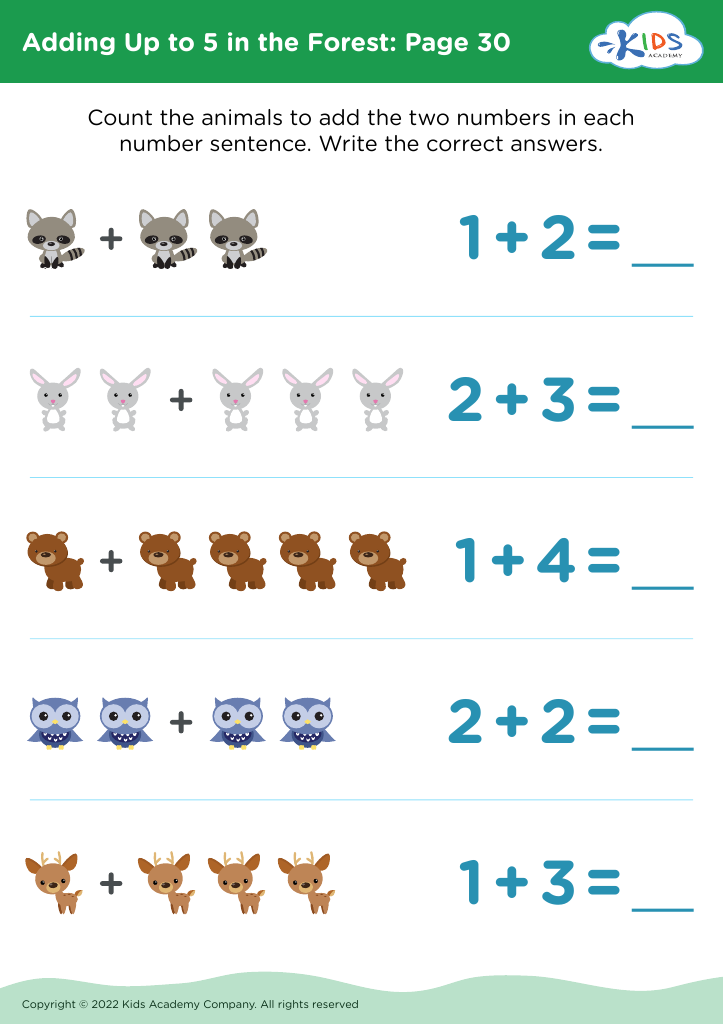
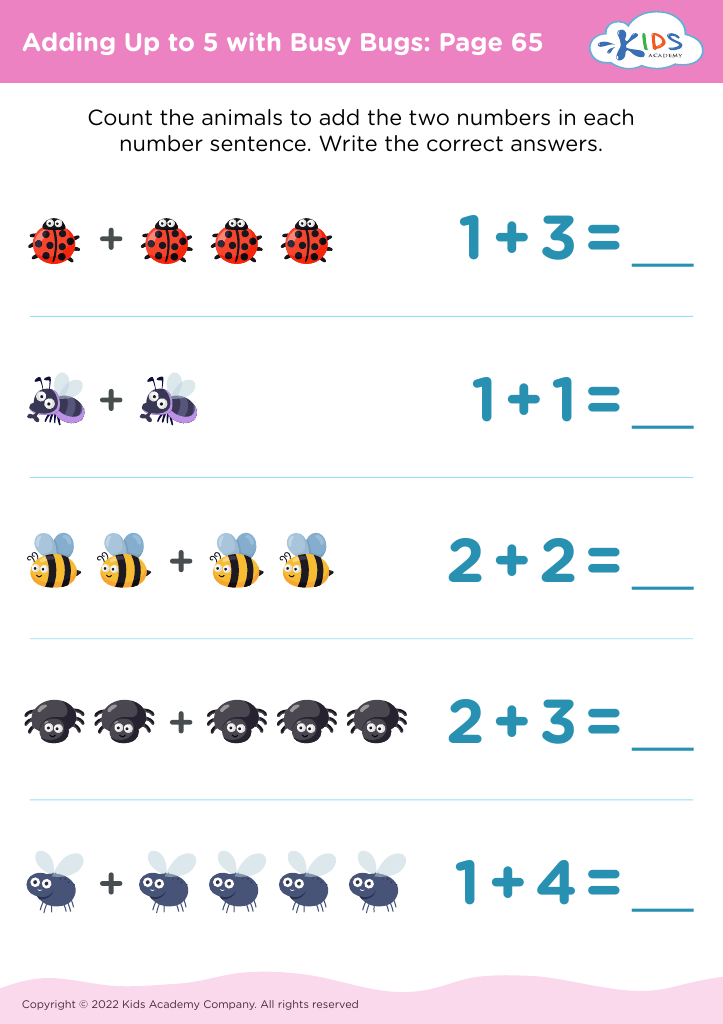








Fine motor skills are crucial for children aged 3-8 as they form the foundation for later academic success, particularly in writing and math. During these formative years, children are developing the muscle control necessary for precise movements and coordination. Strong fine motor skills enable kids to hold writing instruments properly, helping them write letters, numbers, and their names with better legibility. This proficiency not only boosts confidence but also enhances their willingness to engage in written tasks.
Moreover, fine motor skills influence a child's ability to tackle addition and subtraction activities. Using manipulatives for math requires dexterity, allowing children to physically grasp and move objects to understand numerical concepts. As they progress, these skills aid in performing calculations, setting a solid groundwork for future mathematical learning.
Parents and teachers should be keenly aware of nurturing these skills through targeted activities, such as drawing, cutting with scissors, or using tweezers. Engaging children in game-based learning fosters a fun environment while reinforcing fine motor development. By providing opportunities to practice these skills, adults play a vital role in ensuring children are well-prepared for the academic challenges ahead, making early investment in fine motor skills vital to long-term success.








