Logical thinking Addition & Subtraction Worksheets for Ages 3-8
10 filtered results
-
From - To
Discover our engaging Logical Thinking Addition & Subtraction Worksheets, designed specifically for children ages 3-8. These worksheets make learning math fun while enhancing critical thinking skills. By combining addition and subtraction exercises with logical reasoning challenges, young learners will develop a strong foundational understanding of math concepts. Our carefully crafted activities encourage creativity and problem-solving, ensuring that kids not only practice their math skills but also think critically. Perfect for use at home or in the classroom, these worksheets are an excellent resource for parents and educators. Start your child’s journey to confident math proficiency today!
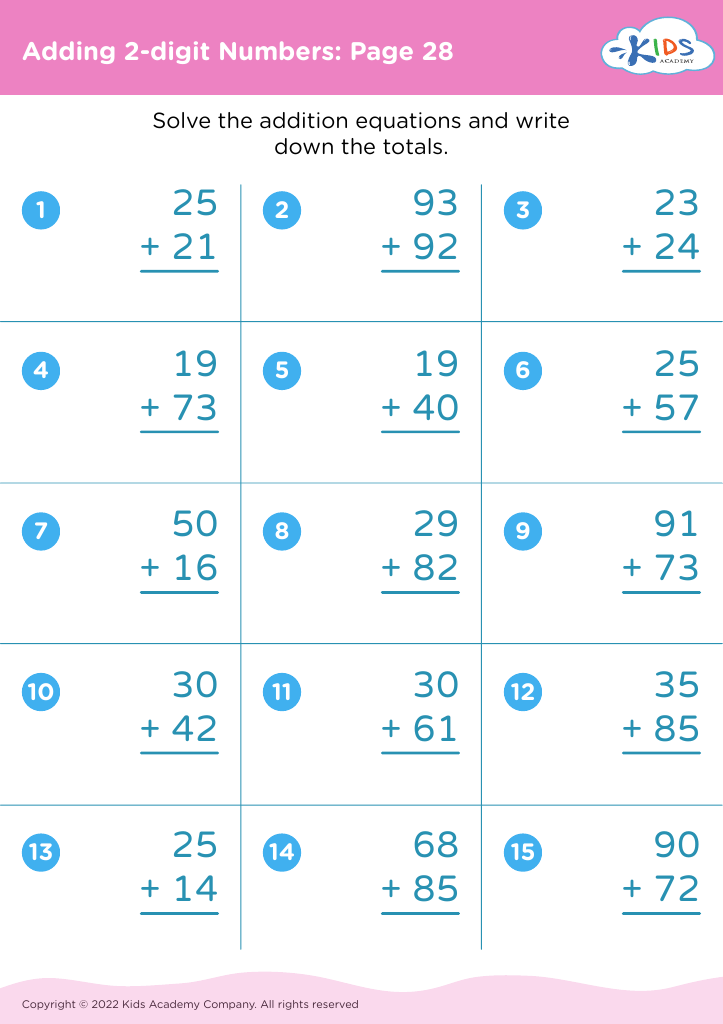
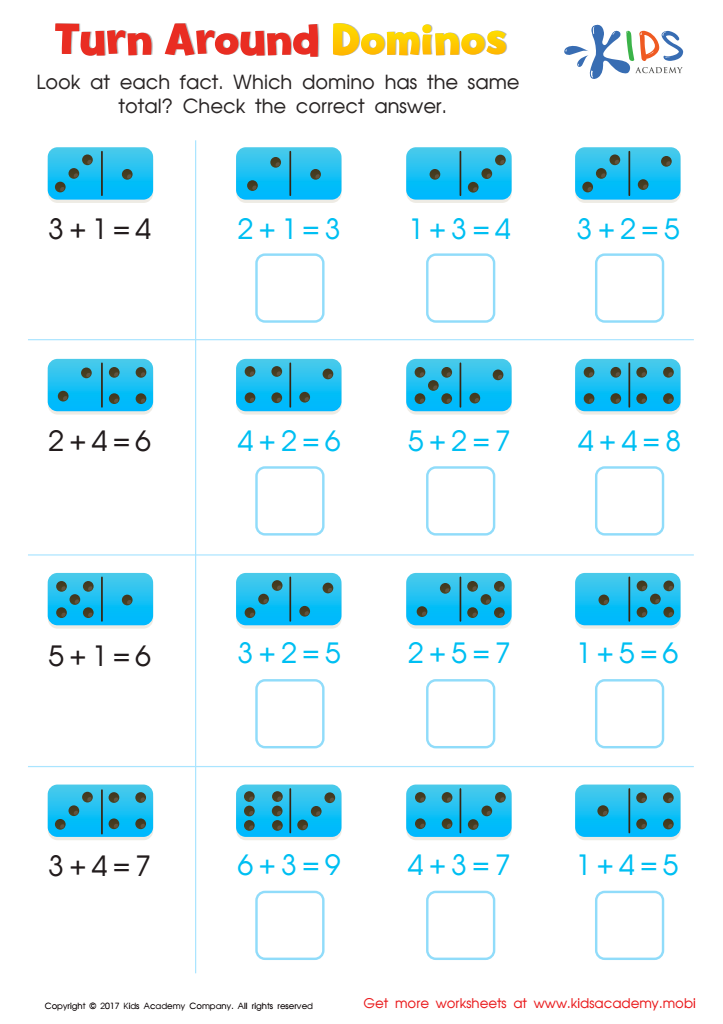
Turn Around Dominos Worksheet
 Assign to My Students
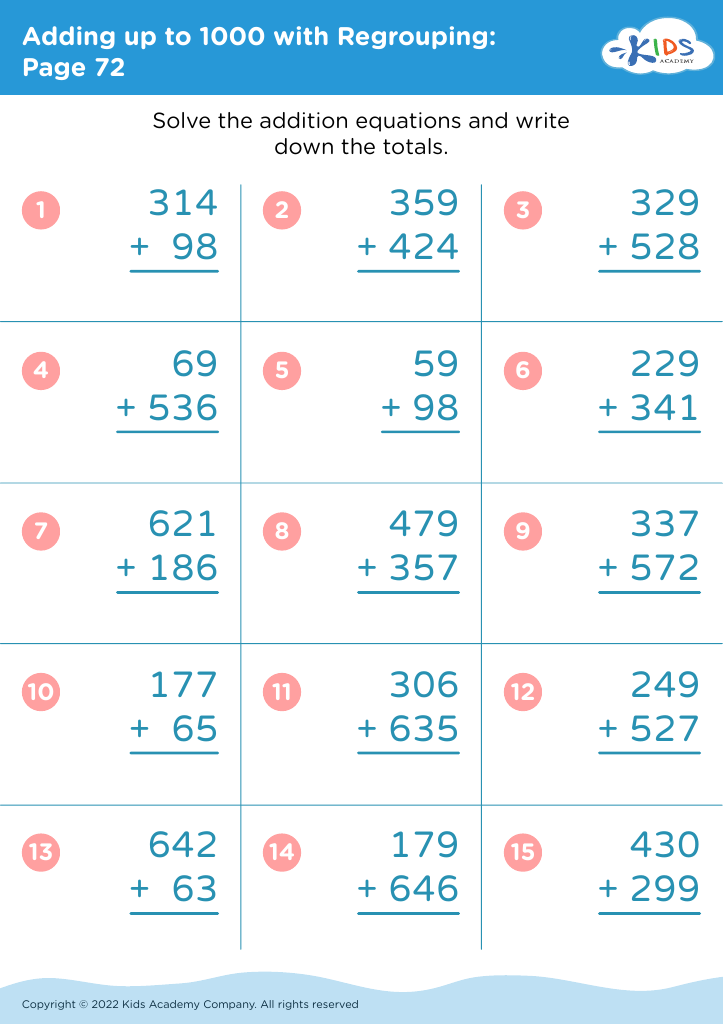
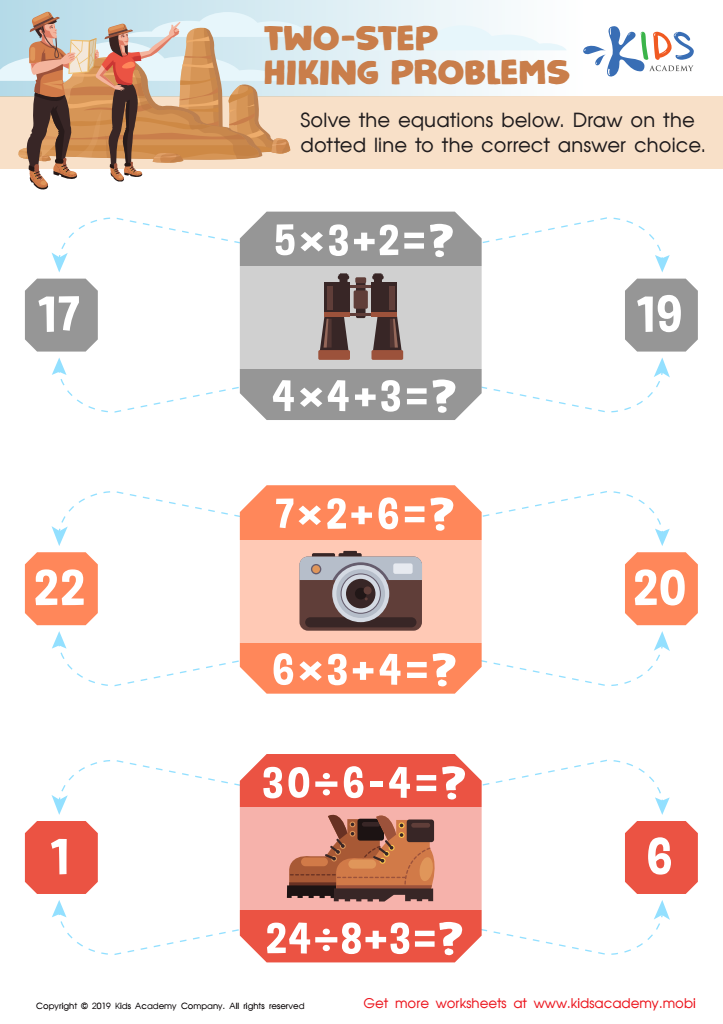
Two-Step Hiking Problems Worksheet
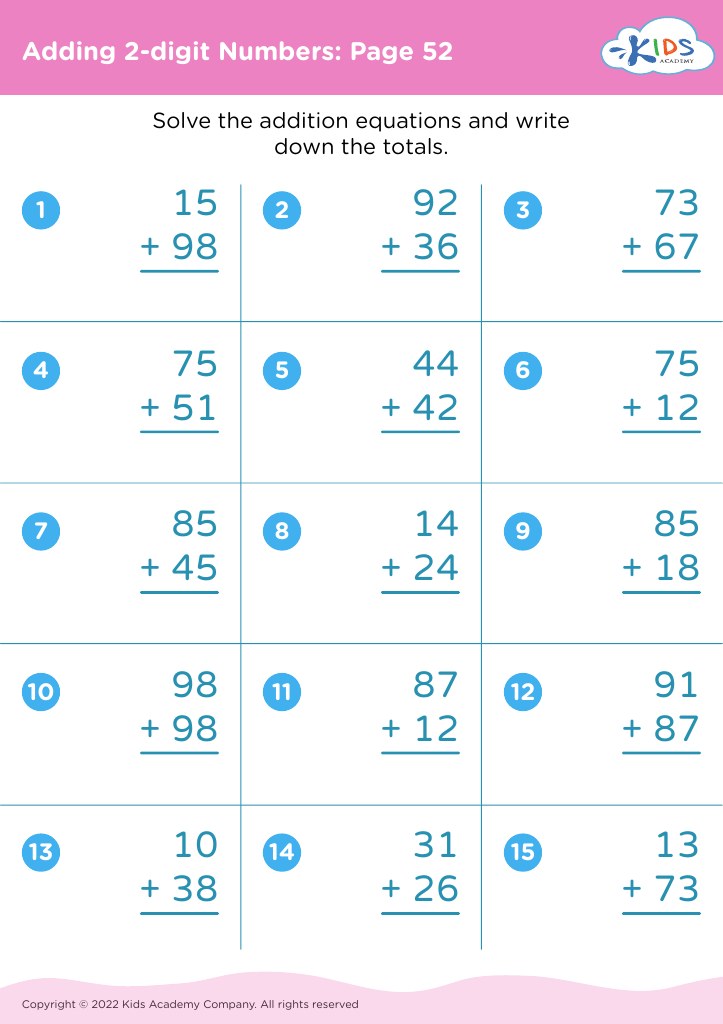
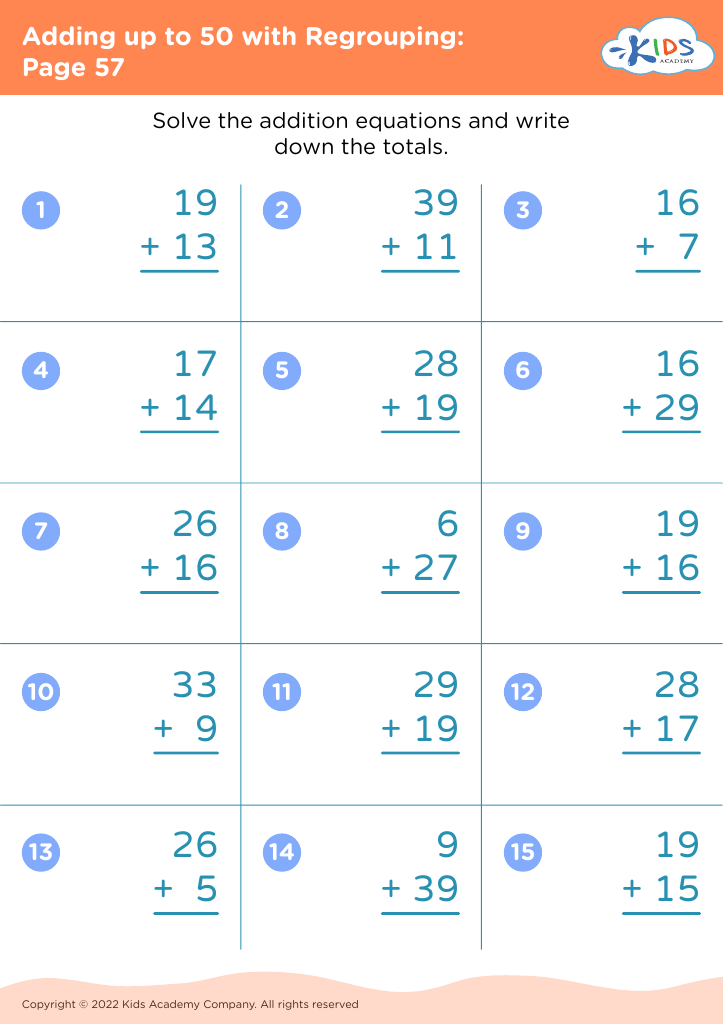
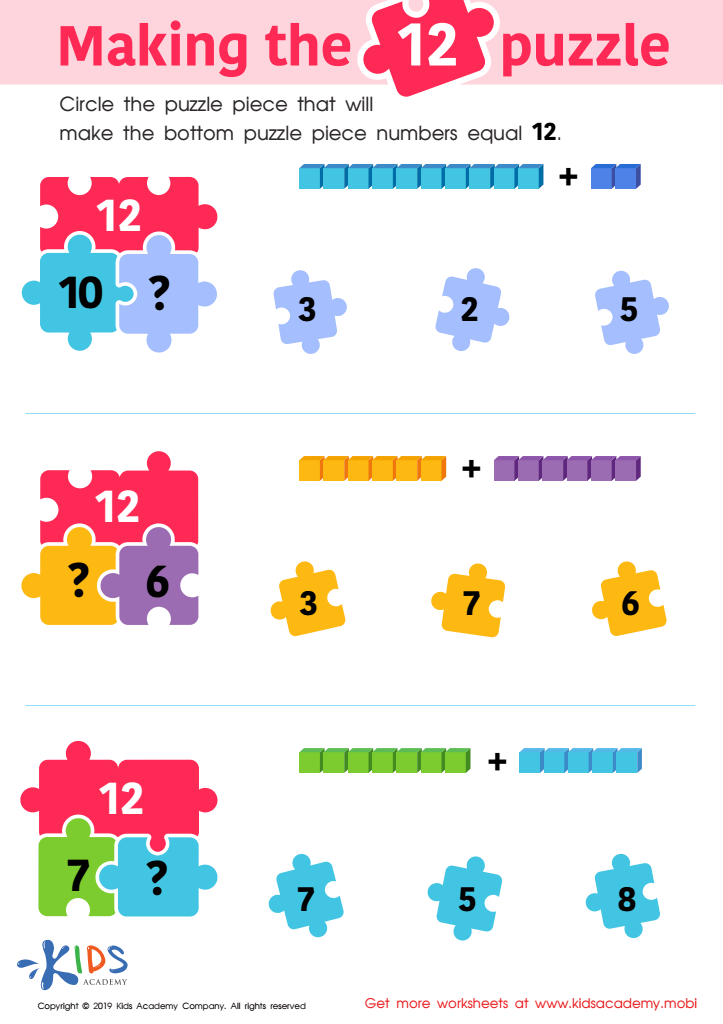
Making the 12 Puzzle Worksheet
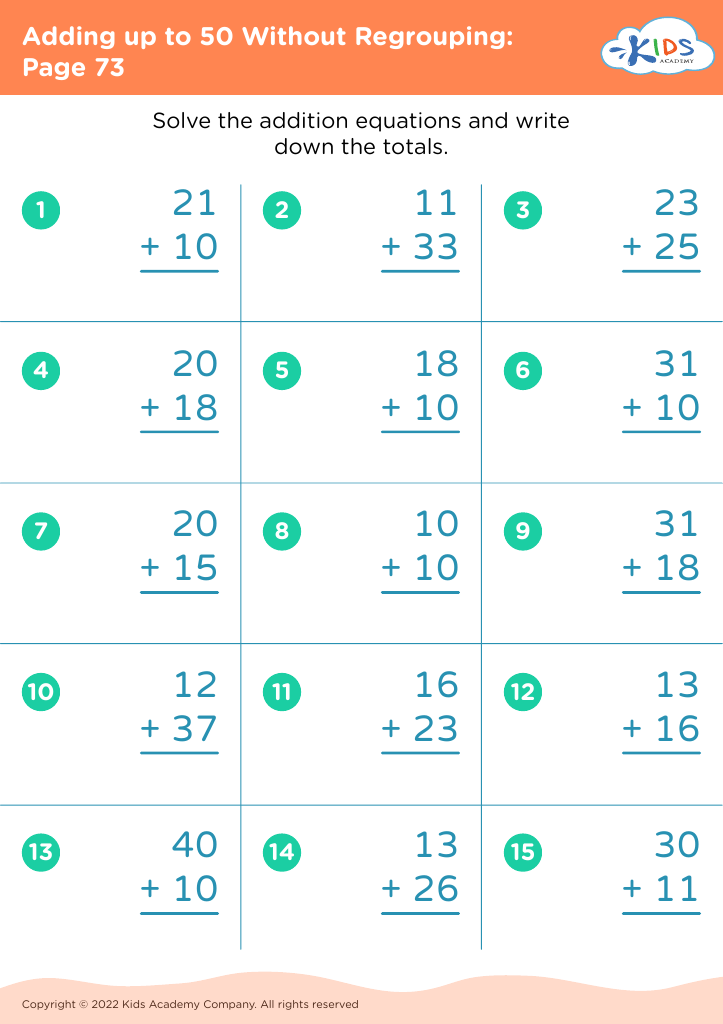








Logical thinking in addition and subtraction is essential for children aged 3-8 as it forms the foundation for their numerical understanding and everyday problem-solving skills. At this developmental stage, children are naturally curious and receptive to learning. By nurturing their logical thinking in math, parents and teachers equip them with the ability to understand concepts of quantity, relationships, and patterns.
Encouraging logical thinking helps children develop critical cognitive skills, enhancing their ability to reason and make connections between different ideas. When they engage in addition and subtraction activities that require reasoning—such as discovering how two numbers combine or finding the difference between them—they improve both their mathematical skills and their overall critical thinking abilities.
Moreover, strong logical thinking in math supports academic success in later stages of education. As children transition to complex math concepts and real-world applications, a solid grounding in basic addition and subtraction through logical thought processes provides them with the skills needed for future challenges.
Investing time in logical thinking programs also fosters a positive attitude toward math, making learning enjoyable and instilling confidence. Thus, it cultivates lifelong learners prepared to tackle the evolving demands of academics and life beyond the classroom.








